Oct 21, 2026 | Musculoskeletal
Back to Health Tips
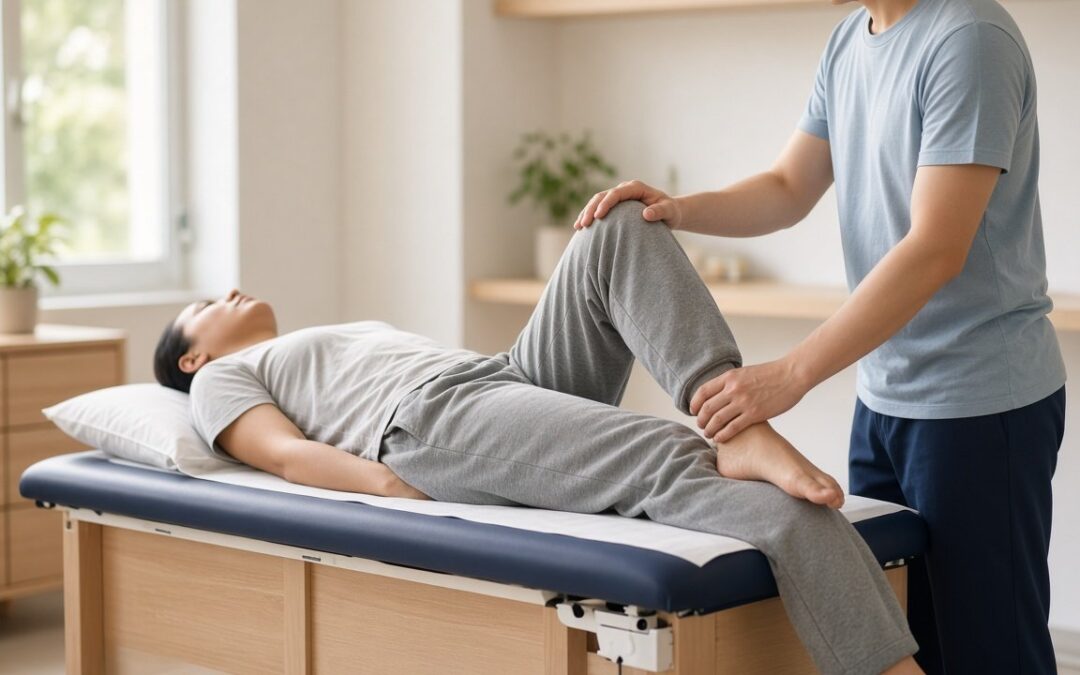
Hip pain can show up when you walk, climb stairs, get out of the car or lie on your side at night. Some people feel it in the groin, others on the outside of the hip or in the buttock.
This guide covers common reasons hips hurt, how sitting and your feet can play a part, and what hip pain physiotherapy in Port Credit can involve at MyHealth Care Centre.
Common Reasons Hips Hurt
The hip is a ball and socket joint that carries your body weight with every step. Strong muscles around it keep it steady when you walk, run or climb.
Some common sources of hip pain:
- Muscle strain from sport, a slip or a sudden change in activity
- Wear on the joint as we get older
- Irritation on the outside of the hip, often worse lying on that side
- Pain that starts in the lower back and is felt in the hip or buttock
Because the lower back can refer pain to the hip, your practitioner will usually check both.
Hip pain can affect sleep, how far you can walk and even how you get in and out of the car. Noting which of these bother you most helps your practitioner set goals with you.
Hips, Sitting and Stiffness
Long hours sitting at a desk, in the car or on the GO train can leave hips feeling tight. When you stand up, the first few steps may feel stiff.
Our article Are Your Hips, Ankles and Back Ready to Move? walks through a quick self-check. If something feels off, your practitioner can take a closer look.
How Your Feet Can Affect Your Hips
The way your feet meet the ground can change how your knees and hips line up as you walk. Flat feet or high arches may play a part in hip discomfort for some people.
Dr. Mike makes custom orthotics at the clinic. Our article on how custom orthotics support your knees, hips and back explains more. Some plans want a doctor's note for orthotics, so check yours first.
How We Can Help
Your First Visit
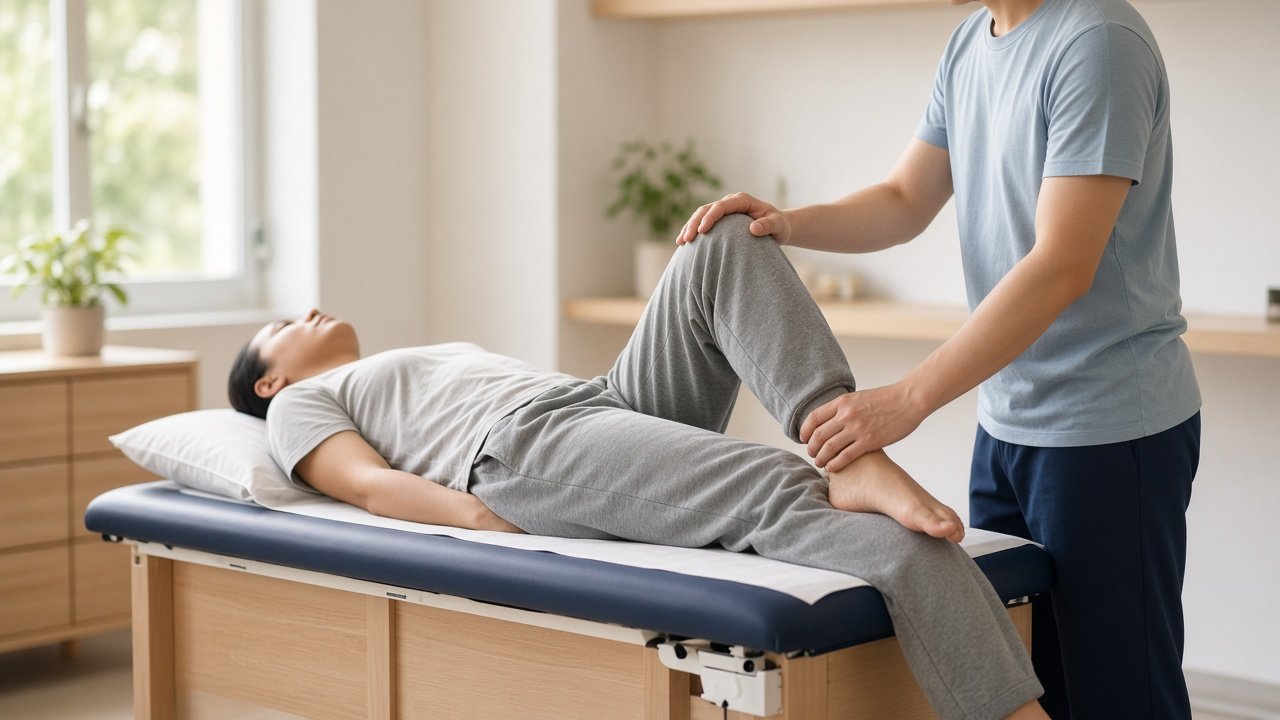
Your practitioner will ask about your pain and daily routine, then check how your hips, back and legs move. You can choose an initial exam only, or an initial exam with treatment so you can start care right away.
Care Options
Your plan may include physiotherapy in Port Credit with Shirley Chan, chiropractic care with Dr. Mike Skiby, a registered chiropractor in Ontario and a member of the College of Chiropractors of Ontario, acupuncture or electro-acupuncture, and laser therapy with our 30 watt Class 4 laser. Dr. Mike also offers exercise supervision as a registered kinesiologist. These options may help ease pain and support your return to walking and activity. We don't do X-rays or MRIs at the clinic. If imaging is needed, we refer to Well Health or LifeLabs, and Dr. Mike can give patients an X-ray requisition.
Getting Ready for Your First Visit
After you book, you'll get an email to set up your online account and a link to your intake form. Please fill it in before your visit. On the day, it helps to:
- Wear comfortable clothes you can move in
- Bring your insurance card and any imaging reports you have
- Bring a doctor's note if your insurance plan asks for one
New patients can also start with a virtual consultation. Follow-up care is in person at our Port Credit clinic.
When to See a Doctor or Go to Emergency
Go to emergency or call 911 after a fall if you can't put weight on your leg, if your leg looks shortened or turned out, or if you've had a bad accident. Sudden weakness or numbness also needs emergency care.
For hip pain that keeps coming back, your family doctor can help rule out other causes.
Book a Hip Assessment in Port Credit
You don't need a doctor's referral to book physiotherapy or chiropractic care with us. Some insurers want a doctor's note before they cover your visits, so it's worth checking your plan first. We direct bill the major plans and always give you a receipt.
We're at 137 Queen St E in Port Credit, near Lakeshore and Hurontario, with free private parking for clients in front of the clinic. Book online or call 905-271-9333. For more articles on pain and recovery, visit our blog.
This article is general information and isn't a substitute for an assessment by a regulated health professional.
Oct 19, 2026 | Musculoskeletal
Back to Health Tips
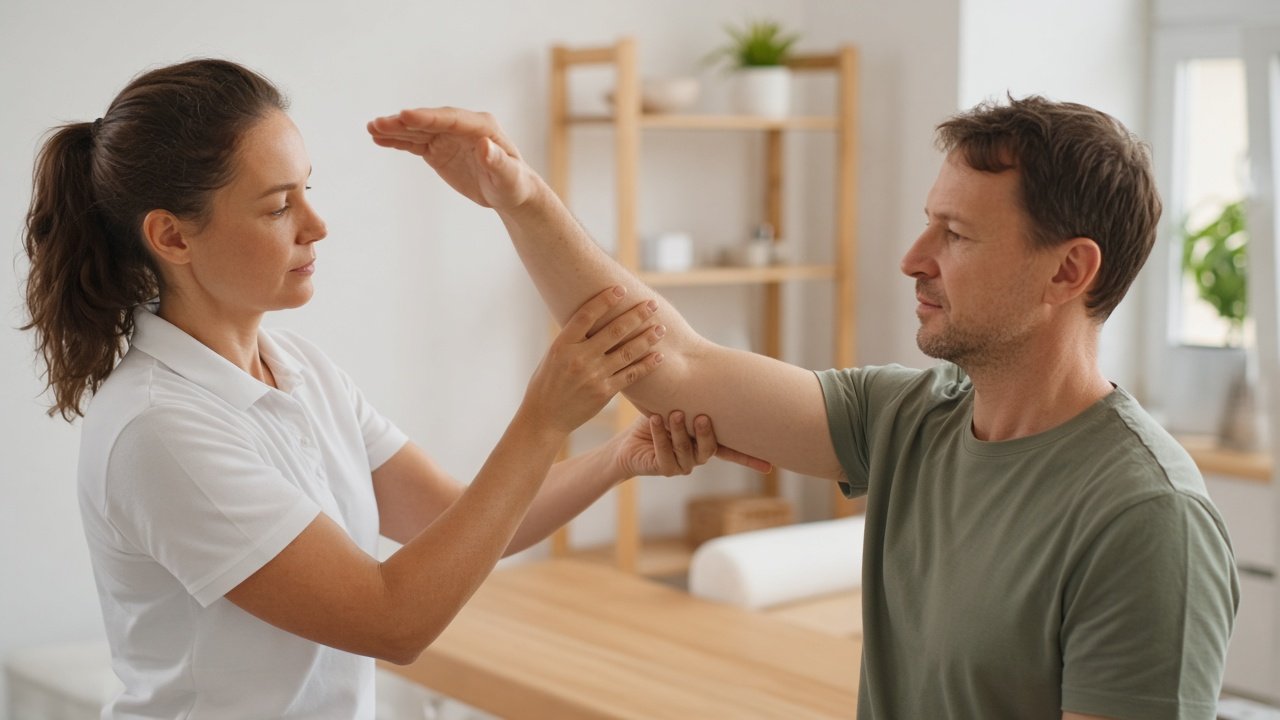
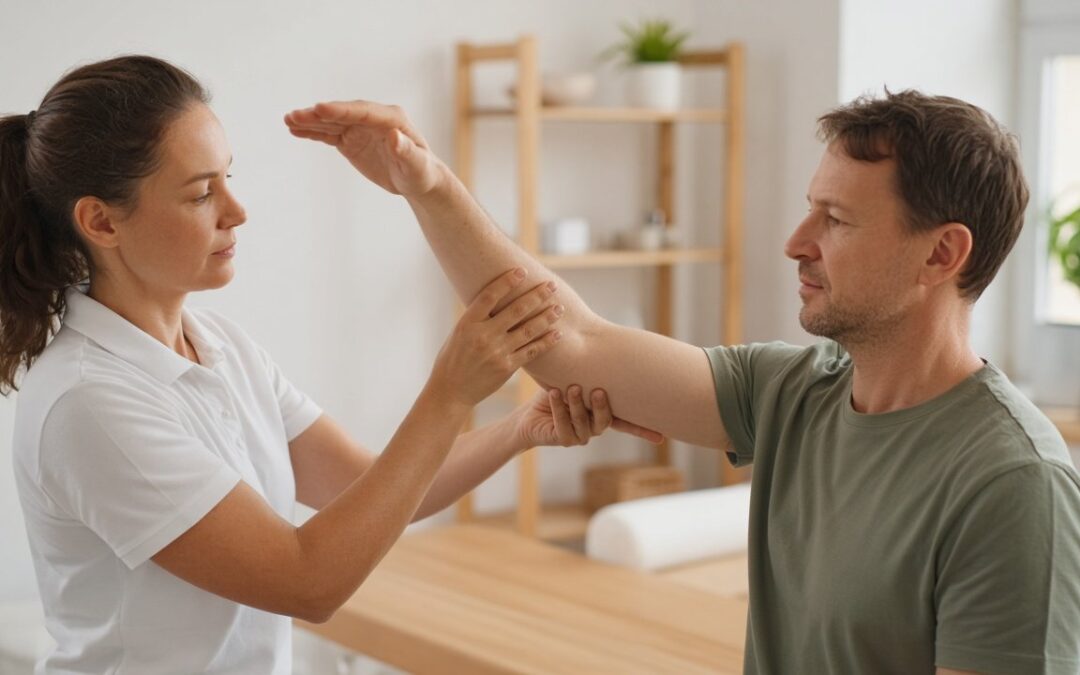
Shoulder pain can make simple things hard, like reaching for a high shelf, pulling on a coat or sleeping on your side. Sometimes it starts after a fall or a weekend of yard work. Other times it builds slowly over months at a desk.
This guide covers common reasons shoulders hurt, how sport and work play a part, and what shoulder pain physiotherapy in Port Credit can involve at MyHealth Care Centre.
Common Causes of Shoulder Pain
The shoulder moves in more directions than any other joint in the body. The muscles and tendons around it work hard to keep it steady through all that movement, so they can get irritated or strained.
Some reasons people come in with a sore shoulder:
- Overuse from repeated reaching or lifting, at work or in sport
- A strain or sprain after a fall or a sudden pull
- Stiffness that builds when the shoulder isn't moved much
- Neck and upper back tension that you feel around the shoulder blade
Pain that starts in the neck can be felt in the shoulder too. That's why your practitioner will usually check your neck and upper back as well as the sore spot.
Shoulder pain at night is common, especially when you lie on the sore side. Mention it at your visit, along with any movements that bring the pain on.
Shoulder Pain From Sport and Work
Pickleball, tennis, swimming and gym workouts all ask a lot of the shoulder, especially when you play often or ramp up quickly after time off.
Overhead jobs count too. Painting a ceiling, stocking shelves or lifting kids again and again can leave a shoulder sore, particularly when there's little rest in between.
If you play on the courts around Port Credit, our article on chiropractic care for pickleball players looks at how the shoulder and neck work together during play.
What Shoulder Care Can Look Like
Your first visit starts with questions about how the pain began and what makes it better or worse. Then your practitioner checks how your shoulder, neck and upper back move. You can choose an initial exam only, or an initial exam with treatment so you can start care right away.
Depending on what they find, your plan may include:
- Physiotherapy in Port Credit with Shirley Chan, our physiotherapist, including exercise and hands-on care
- Chiropractic care with Dr. Mike Skiby, a registered chiropractor in Ontario and a member of the College of Chiropractors of Ontario
- Acupuncture or electro-acupuncture
- Laser therapy with our 30 watt Class 4 laser, provided by Dr. Mike
These options may help ease pain and support a return to normal movement. Your practitioner will explain what they suggest and why, and the choice is always yours.
We don't do X-rays or MRIs at the clinic. If imaging is needed, we refer to Well Health or LifeLabs, and Dr. Mike can give patients an X-ray requisition.
Getting Ready for Your First Visit
After you book, you'll get an email to set up your online account and a link to your intake form. Please fill it in before your visit. On the day, it helps to:
- Wear comfortable clothes you can move in
- Bring your insurance card and any imaging reports you have
- Bring a doctor's note if your insurance plan asks for one
New patients can also start with a virtual consultation. Follow-up care is in person at our Port Credit clinic.
When to See a Doctor or Go to Emergency
Call 911 or go to the nearest emergency department if shoulder pain comes with chest pain or trouble breathing, if you notice sudden weakness or numbness, or if you've had a bad fall or accident. If your shoulder looks out of place after an injury, get it checked at emergency first.
If you're not sure what's going on, your family doctor is a good place to start.
Book a Shoulder Assessment in Port Credit
You don't need a doctor's referral to book physiotherapy or chiropractic care with us. Some insurers want a doctor's note before they cover your visits, so it's worth checking your plan first. We direct bill the major plans and always give you a receipt.
We're at 137 Queen St E in Port Credit, near Lakeshore and Hurontario, with free private parking for clients in front of the clinic. Book online or call 905-271-9333. For more articles on pain and recovery, visit our blog.
This article is general information and isn't a substitute for an assessment by a regulated health professional.
Oct 16, 2026 | Uncategorized
Heel pain that greets you with each step can turn your favourite autumn walk along the Port Credit Waterfront Trail into a struggle. Plantar fasciitis causes that sharp, stubborn foot pain that often worsens after resting, making simple movement feel tough. Our approach at MyHealth Care Centre combines proven therapies and a personalised plan to help you move comfortably again this season. Learn more about how to heal plantar fasciitis at home.
Understanding Plantar Fasciitis
Heel pain can disrupt daily life, especially when caused by plantar fasciitis. Let’s explore what causes this common foot issue and how it affects your day-to-day activities.
Causes and Symptoms
Plantar fasciitis starts with inflammation in the band of tissue along the bottom of your foot. This tissue, called the plantar fascia, connects your heel to your toes. When it gets strained, it causes pain. You might notice sharp pain near your heel, especially after standing or walking for a long time. Some people even experience swelling.
Common causes include wearing unsupportive shoes, having flat feet, or engaging in activities that place a lot of stress on your heels. Foot pain can be persistent, but understanding these triggers helps manage it better. Learn more about the causes and symptoms of plantar fasciitis.
Impact on Daily Activities
Struggling with heel pain can turn simple tasks into challenges. Walking, standing, or even getting out of bed can become painful. This discomfort often affects your mood and productivity, making you less active. Many people find that their favourite hobbies become less enjoyable as pain takes the forefront. But there’s hope: addressing the root cause can help.
Why It Hurts in the Morning
Morning pain is common with plantar fasciitis. As you sleep, your feet relax, tightening the plantar fascia. When you step out of bed, this sudden stretch causes sharp pain. Fortunately, understanding this can help you take the right steps to relieve morning agony and start your day better.
Effective Treatment Strategies
Overcoming plantar fasciitis requires a strategic approach. Here’s how MyHealth Care Centre helps you move comfortably.
MyHealth Care Centre’s Integrated Approach
Our method combines several therapies to address foot pain effectively. By integrating physiotherapy, chiropractic care, and massage therapy, we tailor a plan just for you. Our team collaborates to ensure you’re not only treating symptoms but also correcting underlying issues. This holistic approach can make a significant difference.
Physiotherapy and Chiropractic Benefits
Both physiotherapy and chiropractic care play crucial roles in treating plantar fasciitis. Physiotherapists guide you through exercises that strengthen your foot muscles and improve flexibility. Chiropractors focus on aligning your body to reduce stress on your feet. Together, they help enhance your movement and relieve pain.
Custom Orthotics and Supportive Footwear
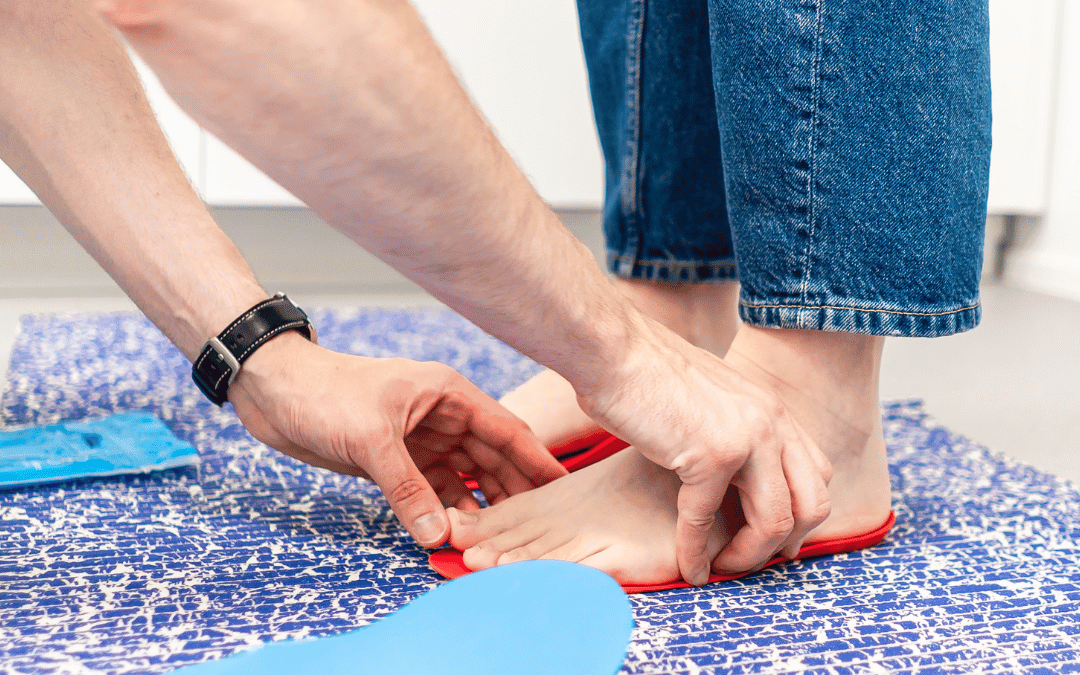
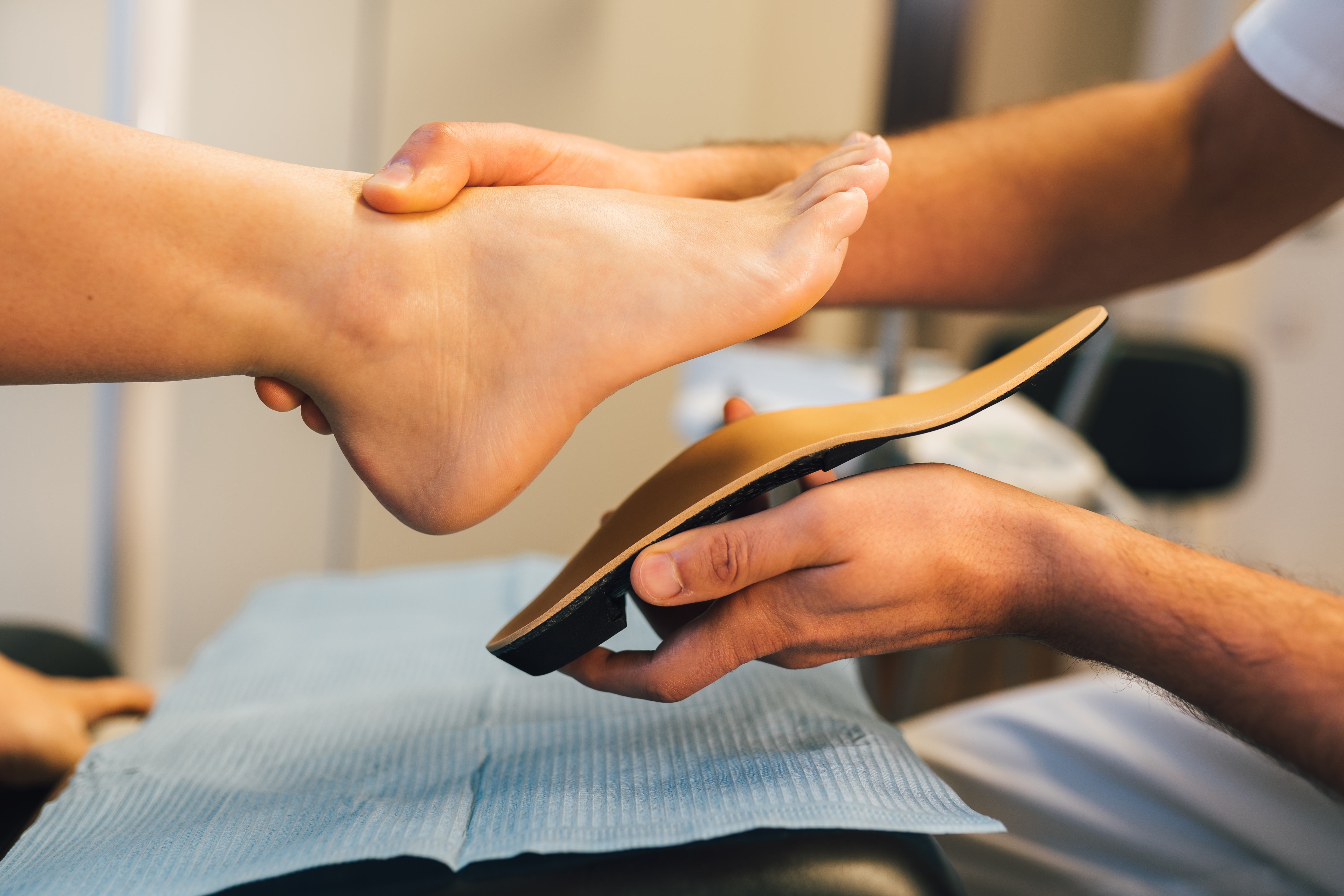
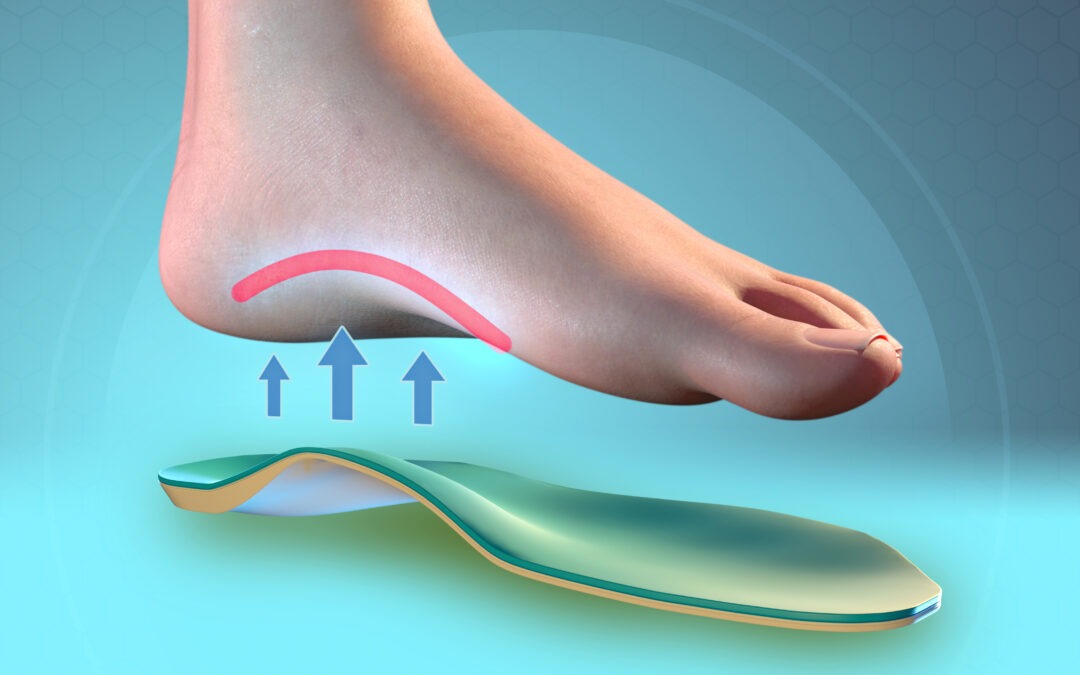
Wearing the right shoes can ease foot pain. Custom orthotics support your foot’s natural shape, reducing strain on the plantar fascia. These tailored insoles, along with supportive footwear, can distribute pressure evenly, providing much-needed relief. Discover more about custom orthotics in Port Credit.
Self-Care and Prevention Tips
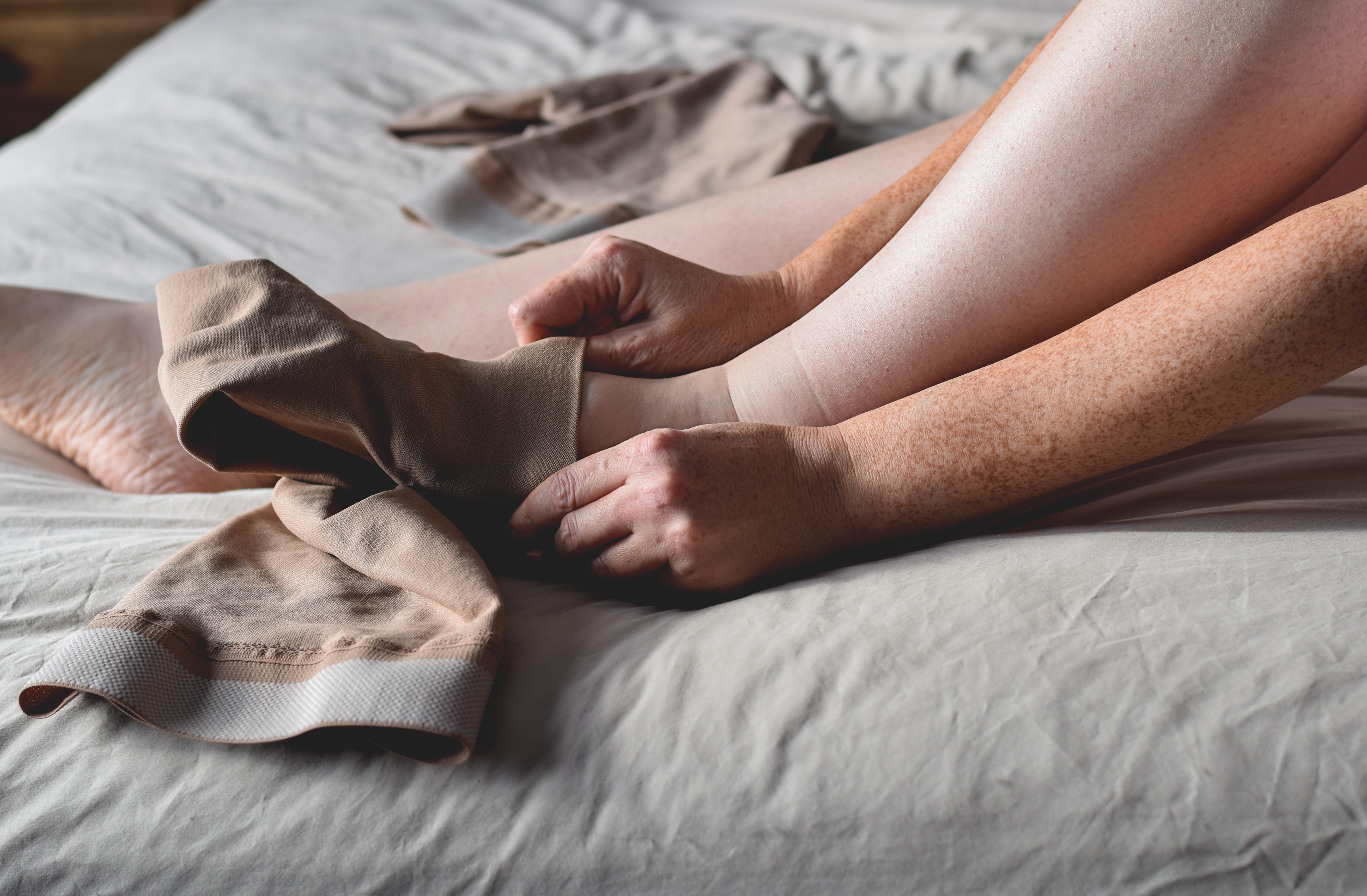
Taking steps at home can help manage and prevent plantar fasciitis.
Stretching and Strengthening Exercises
Simple exercises can make a big difference. Stretching your calves and strengthening your foot muscles reduces strain on the plantar fascia. Regular practice can improve flexibility and decrease pain. Consider calf stretches, toe curls, and towel scrunches as part of your routine.
Walking on the Port Credit Waterfront Trail
Enjoying a walk on the waterfront can still be part of your routine. Choose supportive shoes and start with short distances. Gradually increase your activity as your feet adjust. This approach helps maintain an active lifestyle without overstraining your feet.
When to Seek Professional Care
If your pain persists, seeking professional help is crucial. Early intervention can prevent further complications. At MyHealth Care Centre, we offer a personalised approach to foot care, helping you find relief faster.
Frequently Asked Questions
What is the best treatment for plantar fasciitis?
The best treatment varies per individual. Combining therapies like physiotherapy, massage, and custom orthotics often yields effective results. Personalized care plans are crucial.
How long does plantar fasciitis take to heal?
Healing time can range from a few weeks to months, depending on severity and adherence to treatment. Consistent care speeds up recovery.
Can I exercise with plantar fasciitis?
Yes, but modify your routine. Focus on low-impact activities and incorporate stretching and strengthening exercises to support your recovery.
What shoes should I wear for plantar fasciitis?
Wear supportive footwear with good arch support and cushioning. Custom orthotics can further enhance comfort and support.
Do custom orthotics really help plantar fasciitis?
Yes, custom orthotics provide tailored support, improving alignment and reducing pressure on the plantar fascia, aiding relief.
By understanding and addressing plantar fasciitis, you can enjoy pain-free walks along Port Credit’s beautiful trails.
Book Online
Oct 15, 2026 | Uncategorized
Flat feet can cause more than just sore feet—they affect how your whole body moves and feels. If you’ve noticed knee pain, lower back aches, or instability when walking or running around Port Credit, it might be time to think about orthotics for flat feet. Custom orthotics Port Credit specialists design insoles that support your arches, reduce pain, and help you move with confidence. Read on to learn how a personalised foot and gait assessment can put you on the path to stronger, steadier strides.
Understanding Flat Feet
Flat feet can impact your entire body. When your arches collapse, it changes how you walk and feel. Let’s explore how fallen arches affect your body.
Impact on Body Mechanics
When your feet are flat, it can throw your whole body out of balance. This often leads to discomfort in unexpected places. Your feet are the foundation. If they’re not aligned, it can affect your knees and hips. People with flat feet may experience more fatigue because their muscles work harder to keep them moving. Overpronation support can help correct these issues, providing relief and stability.
Recognising Fallen Arches
Fallen arches are not always easy to spot. You might notice your shoes wearing down unevenly or feel pain in your feet after a long day. Some people experience swelling along the inside of the ankle. Understanding these signs is crucial. A professional assessment can confirm if your arches need support. Knowing this helps you take action towards better foot health.
Causes of Foot Pain Mississauga
Foot pain is a common issue in Mississauga. Flat feet are a leading cause. They can lead to problems like plantar fasciitis, a sharp pain in the heel. This condition can worsen without proper care. Stress from standing or running can strain your feet. It’s vital to address these causes early. Custom orthotics can be a great step towards alleviating this pain.
Benefits of Custom Orthotics
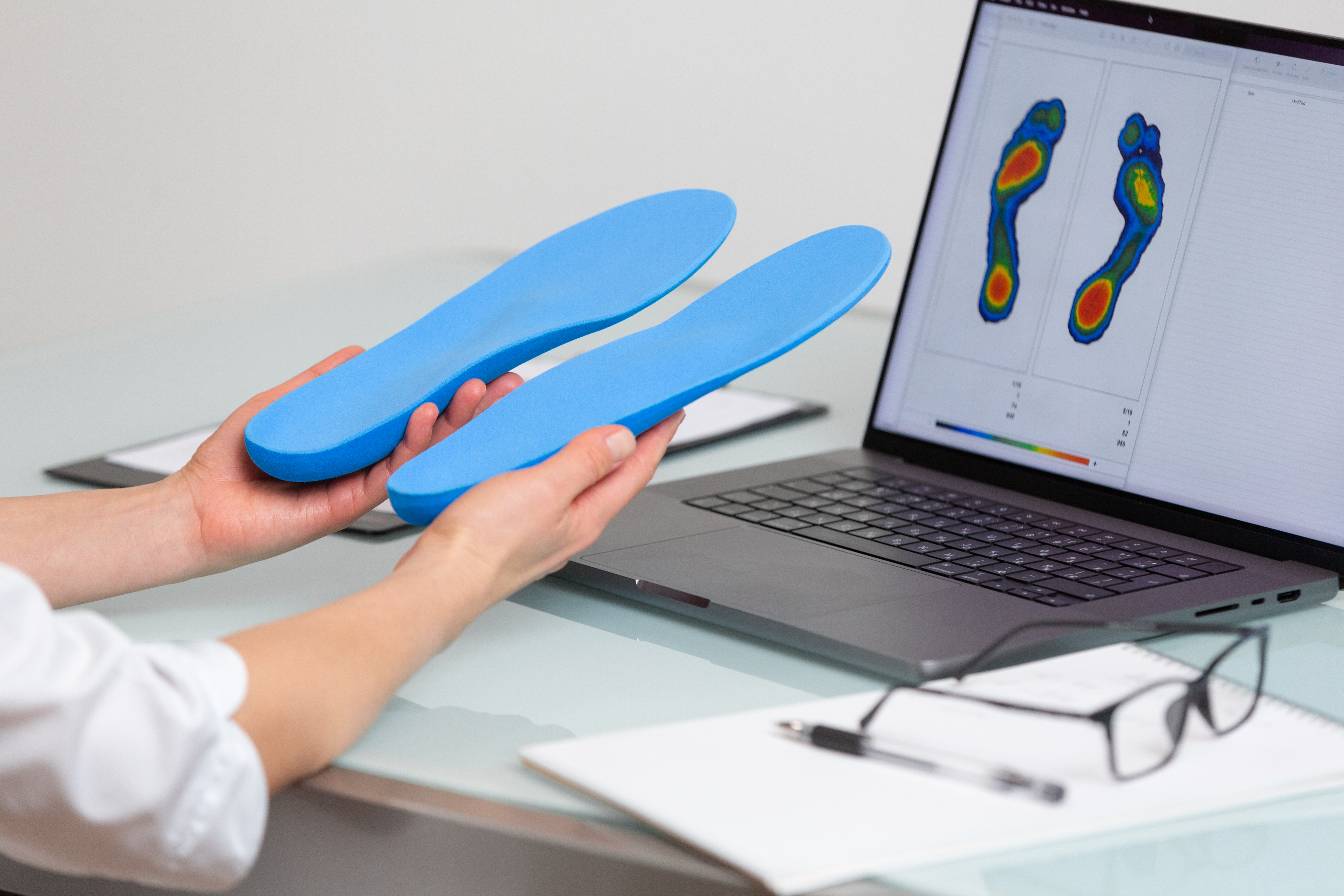
Custom orthotics offer solutions tailored to your needs. They provide specific support for your feet. Let’s see how they help in different ways.
Personalised Arch Support Insoles
Custom orthotics are designed just for you. They fit your feet perfectly, unlike over-the-counter insoles. This precise fit offers better support. Arch support insoles can relieve pressure and reduce strain on your feet. They’re crafted after a thorough foot examination. This ensures that they meet your unique needs, providing comfort and stability throughout your day.
Reducing Knee Pain from Flat Feet
Flat feet can lead to knee pain. When your feet roll inward, it affects your knees’ alignment. With custom orthotics, you can address this issue directly. They help correct your foot posture, easing the stress on your knees. Many find relief through this targeted approach. It’s a simple solution that can have a big impact, allowing you to move more freely.
Improving Lakefront Running Port Credit
Running along the Port Credit lakefront is a joy, but not if you’re in pain. Flat feet can make running uncomfortable. Custom orthotics can change that. They absorb shock, making each step smoother. This is especially beneficial for runners who need extra support. With the right insoles, you can enjoy your runs without worrying about foot pain or fatigue.
Holistic Care Approach
A holistic approach to foot care goes beyond orthotics. It combines different therapies for complete relief. Here’s how a comprehensive care plan works.
Gait Assessment Port Credit
A gait assessment is a great start. Experts in Port Credit can evaluate how you walk. This helps identify any issues with your stride. Once you know what’s wrong, you can address it with the right solutions. This assessment is crucial for creating custom orthotics that truly fit your needs.
Physiotherapy and Chiropractic Mississauga
Physiotherapy and chiropractic care offer additional support. They work on strengthening your muscles and improving your posture. In Mississauga, these services complement orthotic use. They help address the root cause of your pain. Together, they provide a complete plan for recovery and prevention, making sure you stay active and pain-free.
Massage Therapy for Runners
Massage therapy can be a wonderful addition for runners. It helps relax tight muscles and improve circulation. Regular sessions can prevent injuries and enhance recovery. For those with flat feet, massage therapy can relieve tension in the legs and feet, supporting your overall well-being. It’s an excellent way to maintain your active lifestyle.
Frequently Asked Questions
What are flat feet?
Flat feet occur when the arches of the feet collapse, making the entire foot touch the ground. This can affect balance and lead to discomfort in other parts of the body.
How do custom orthotics help?
Custom orthotics provide personalized support to your feet, helping to correct alignment and distribute pressure evenly. They are designed based on a thorough assessment of your foot mechanics.
Can flat feet cause knee pain?
Yes, flat feet can lead to knee pain. When your feet do not support your body properly, it affects the alignment of your knees and can cause discomfort.
What is a gait assessment?
A gait assessment is a detailed evaluation of how you walk. It helps identify any abnormalities in your stride that could be causing pain or discomfort.
Why should I consider massage therapy?
Massage therapy helps relax muscles, improve circulation, and reduce tension. It is particularly beneficial for runners and those with flat feet as it supports recovery and prevents injuries.
Book Online
Oct 13, 2026 | Uncategorized
DPT programmes in Ohio set the gold standard for physical therapy education, combining rigorous coursework with hands-on clinical training. If you’re curious about what shapes a Doctor of Physical Therapy in Ohio, you’ll find it’s all about mastering skills that lead to evidence-based care you can trust. This matters for your recovery and long-term health here in Port Credit, where MyHealth Care Centre brings those same expert principles to every personalised treatment plan.Learn more about DPT programmes here.
Understanding DPT Programmes in Ohio
DPT programmes in Ohio are designed to prepare students for the real-world challenges of physical therapy. From the classroom to the clinic, these programmes cover every aspect of the field.
Structure and Standards of Education
Ohio’s DPT programmes offer structured coursework that builds a strong foundation in physical therapy. You’ll dive into subjects like anatomy, physiology, and biomechanics. This education ensures you have a thorough understanding of the human body and how to help it heal. The curriculum also includes problem-solving exercises and case studies, preparing you for the complexities of patient care.
A crucial part of Ohio’s DPT education is its hands-on approach. These programmes provide numerous opportunities for you to apply what you’ve learned. Whether it’s through lab work or simulated patient interactions, practical experience is key. This method bridges the gap between theoretical knowledge and real-world application.
Importance of CAPTE Accreditation
The importance of CAPTE accreditation cannot be overstated. It guarantees that a DPT programme meets high educational standards. For students, this translates to a quality education that is recognised nationwide. CAPTE-accredited programmes ensure that graduates are well-prepared for their careers.
When a programme is accredited by CAPTE, it means that it undergoes regular evaluations. These assessments ensure the programme maintains excellence in teaching and innovation. Choosing a CAPTE-accredited programme is a step towards a reputable and successful career in physical therapy.
Clinical Training and Real-world Experience
Clinical training is a cornerstone of DPT programmes in Ohio. This hands-on experience is where students hone their skills. Working in real healthcare settings, you learn how to assess and treat patients effectively. Clinical training provides the perfect environment for you to apply your knowledge under supervision.
The real-world experience gained during this training is invaluable. You interact with patients, collaborate with healthcare professionals, and face real challenges. This practical exposure is essential for building confidence and competence. By the time you graduate, you’ll be ready to handle the demands of a physical therapy career.
Linking DPT Competencies to Care
The skills gained from DPT programmes in Ohio directly translate to better patient outcomes. Understanding these competencies helps you appreciate the impact on your care.
Evidence-based Physiotherapy Explained
Evidence-based physiotherapy involves using research and clinical expertise to guide treatment. This approach ensures that therapies are effective and tailored to individual needs. By relying on scientific evidence, physiotherapists make informed decisions that enhance patient recovery.
For you, this means receiving care that is not only effective but also cutting-edge. Whether it’s managing pain or improving mobility, evidence-based methods provide the best results. This approach is at the heart of quality physiotherapy care.
Physiotherapy vs DPT: Key Differences
Understanding the difference between physiotherapy and a DPT degree is important. Physiotherapy is a broad field that encompasses various treatments for physical impairments. A DPT, however, is a specific educational path that prepares individuals to become licensed physical therapists.
A DPT degree provides in-depth knowledge and clinical skills, setting you apart in the field. Graduates are equipped to handle complex cases and lead in clinical settings. For patients, this means access to highly trained professionals who can offer advanced care.
Impact on Your Recovery and Wellness
The competencies gained from DPT programmes have a direct impact on your recovery. Therapists trained in Ohio bring a wealth of knowledge and experience to their practice. This expertise translates into personalised treatment plans that address your specific needs.
When you choose a therapist with a DPT degree, you’re choosing someone who is deeply committed to your wellness. Their education and clinical training ensure that you receive high-quality care, improving your chances of a successful recovery.
MyHealth Care Centre: Your Trusted Clinic

At MyHealth Care Centre, we integrate the core principles of DPT programmes into our practice. Our goal is to provide you with comprehensive care that supports your journey to better health.
Integrated Multidisciplinary Care Approach
Our clinic offers a multidisciplinary care approach that combines various therapies. This ensures that all aspects of your health are considered. By working together, our team provides seamless care that addresses your unique needs. This collaboration results in more effective treatment plans and improved outcomes for you.
Customised Rehabilitation Plans and Therapies
We believe in personalised care, which is why we create customised rehabilitation plans. Each plan is designed to meet your specific goals and needs. Whether you’re recovering from an injury or managing a chronic condition, our tailored approach helps you achieve the best results.
Your Path to Recovery: Move Better, Live Better
At MyHealth Care Centre, we are committed to guiding you on your path to recovery. Our expert team uses evidence-based practices to help you move better and live better. By focusing on your individual needs, we empower you to reach your health goals.
Frequently Asked Questions
What makes DPT programmes in Ohio stand out?
Ohio’s DPT programmes are known for their rigorous curriculum and clinical training. They provide students with a strong foundation in physical therapy and real-world experience that prepares them for successful careers.
Why is CAPTE accreditation important?
CAPTE accreditation ensures that a DPT programme meets high standards of education. It is a mark of quality and excellence, guaranteeing that graduates are well-equipped for the demands of the profession.
How does evidence-based physiotherapy benefit patients?
Evidence-based physiotherapy uses the latest research to inform treatment. This approach ensures that therapies are effective and personalised, leading to better patient outcomes.
What is the difference between physiotherapy and a DPT degree?
Physiotherapy is a field focused on treating physical impairments. A DPT degree is a specific educational path that prepares individuals to become licensed physical therapists with advanced knowledge and skills.
How does MyHealth Care Centre support recovery and wellness?
MyHealth Care Centre provides integrated, multidisciplinary care that is tailored to each patient. Our personalised rehabilitation plans focus on evidence-based practices to help patients achieve their health and wellness goals.
Book Online
Oct 12, 2026 | Uncategorized
Forget juggling multiple appointments for your recovery. MyHealth Care Centre in Port Credit brings every expert you need under one roof. From physiotherapy to acupuncture, our team rehab Port Credit model speeds healing, prevents setbacks, and fits your busy lifestyle. Keep moving pain-free along Mississauga’s waterfront trail with care designed just for you.
Explore how our Sports Injury Rehabilitation programme helps you recover smarter and return stronger, or find urgent care options for those unexpected strains. Looking for trusted sports medicine guidance near you? We provide the support you need to play longer and stronger.
The Power of Team Rehab
Integrated Care for Speedy Recovery
Imagine getting back to your favourite activities quicker. Our integrated approach does just that. By coordinating physiotherapy, chiropractic, and massage under one roof, you’re not just treating symptoms but accelerating healing. With every specialist working together, your recovery is seamless and swift. This hands-on collaboration means less time out of action and more time doing what you love.
You’ll start with a thorough assessment to pinpoint issues. From there, our team creates a custom plan just for you. This isn’t about one-size-fits-all; it’s about fitting your life and your goals. By focusing on the root causes, we ensure lasting relief and confidence in your body’s ability to heal and thrive.
Local Experts for Busy Lives
Living in Port Credit means you’re always on the go. Our local experts understand the pace and demands of your life. With convenient access to our centre, fitting care into your schedule is easy. We’re part of the community, serving the residents of Port Credit with the expertise they trust.
Our specialists are not just highly qualified; they’re committed to providing care that fits your lifestyle. Whether it’s a quick session or a detailed treatment plan, everything is geared towards making your life easier and healthier.
Personalised Plans to Prevent Re-Injury
Don’t just recover—stay injury-free. Our personalised plans focus on prevention as much as healing. By analysing movement and pinpointing weak spots, we create strategies that keep you strong and resilient. You’ll learn exercises and self-care techniques that empower you to manage your health long-term.
This proactive approach means fewer setbacks and more success. By becoming an active partner in your recovery, you’re equipped to prevent future injuries. This isn’t just about treatment; it’s about building a foundation for a healthier future.
Comprehensive Services Under One Roof
Diverse Therapies for Every Need
Your health needs are unique, and our diverse therapies reflect that. From physiotherapy and chiropractic to acupuncture and massage, we offer a wide range of services. This variety ensures you receive the right care for your specific situation. Whether it’s recovery from a sports injury or managing chronic pain, we have the expertise.
Having everything under one roof means your treatment is consistent and coordinated. You don’t need to visit different locations or juggle multiple appointments. With us, care is convenient, comprehensive, and tailored to you.
Targeted Treatments for Lasting Relief
Our focus is on providing treatments that offer lasting relief. This means going beyond temporary fixes and addressing the underlying causes of your pain. By targeting specific issues, we help you achieve long-term health and wellness. Our evidence-based approach means you’re getting the best of modern healthcare.
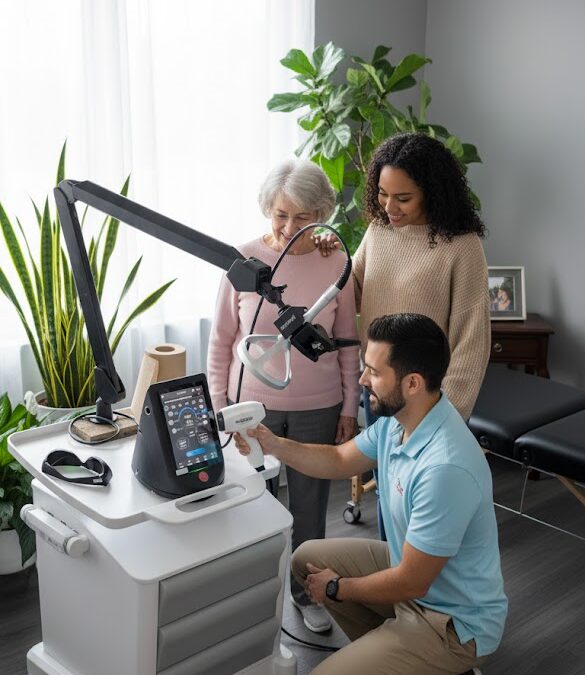
You’ll benefit from treatments like cold laser therapy and cryotherapy, designed to reduce inflammation and promote healing. These advanced techniques complement our core services, offering you a complete and effective care package.
Collaborating for Effective Solutions
Collaboration is at the heart of what we do. Our team of specialists works closely together, ensuring every aspect of your health is covered. This collective expertise creates a seamless experience, where every treatment aligns with your overall recovery plan.
By pooling our knowledge and skills, we deliver a more effective and efficient solution. You’ll find that our integrated model not only speeds up recovery but also enhances your overall well-being. It’s about creating a healthier, happier you.
Active Lifestyles in Port Credit
Support for Lakefront Enthusiasts
Port Credit offers beautiful trails and outdoor activities, and we’re here to keep you enjoying them. Our services support lakefront enthusiasts who want to stay active without pain. From runners to cyclists, we help you maintain your lifestyle with confidence.
Whether it’s advice on running techniques or tailored stretching routines, we provide the guidance you need to thrive. Our experts are here to ensure you make the most of what Port Credit has to offer, without worrying about injury.
Encouraging Pain-Free Movement
We believe movement should be pain-free. Our approach is designed to support your active lifestyle and ensure you move with ease. Through personalised treatments and preventive strategies, we help you enjoy every step and every activity.
Our focus on education means you’ll learn how to maintain this freedom long-term. With us, you’ll gain the tools to manage your health proactively, keeping you active and engaged in the activities you love.
Keeping You Active and Healthy
Your health is our priority, and keeping you active is our goal. Through comprehensive care and supportive guidance, we ensure you’re not just recovering but thriving. Our team in Port Credit is dedicated to your well-being, helping you stay fit and healthy for years to come.
With our integrated approach, you’re not just a patient; you’re a partner in your health journey. Together, we’ll build a future where you can move better and live better, all while embracing the active lifestyle you enjoy.
Frequently Asked Questions
What is team rehab?
Team rehab is an integrated approach to recovery, where various specialists, such as physiotherapists, chiropractors, and massage therapists, work together to provide coordinated care. This model ensures a comprehensive treatment plan that addresses all aspects of a patient’s recovery.
How can personalised plans prevent re-injury?
Personalised plans focus on individual needs and goals, addressing the root causes of potential problems. By tailoring exercises and strategies to your specific situation, these plans help strengthen weak areas, improve movement patterns, and reduce the risk of future injuries.
What services are offered at MyHealth Care Centre?
MyHealth Care Centre offers a range of services, including physiotherapy, chiropractic care, massage therapy, acupuncture, cold laser therapy, cryotherapy, custom orthotics, and medical compression socks. These services are designed to address various health needs and support comprehensive recovery.
How does integrated care benefit recovery?
Integrated care benefits recovery by providing a seamless treatment experience where all services are coordinated and aligned with a patient’s overall health goals. This holistic approach ensures that every aspect of recovery is addressed, leading to faster and more effective healing.
Can MyHealth Care Centre help with sports injuries?
Yes, MyHealth Care Centre provides specialised programmes for sports injuries, including tailored treatments and rehabilitation plans. Our experts work to ensure a full recovery, helping athletes return to their activities stronger and more resilient.
Book Online
Oct 11, 2026 | Uncategorized
You’ve been scrolling through endless listings for physical therapist jobs San Diego, searching for more than just a paycheck. What if you could work in a welcoming clinic that values teamwork, evidence-based care, and your growth—right by a beautiful lakefront? At MyHealth Care Centre in Port Credit, we blend expert physiotherapy with a supportive, integrated team in a community that inspires active living. Keep reading to see why a career here might be the fresh start you need.
Explore New Physiotherapy Horizons
Looking to step into a role that challenges and rewards you? Consider making a move from San Diego to Port Credit. Here’s why this change could be the opportunity you’ve been seeking.
Consider a Change from San Diego
If you’re pondering a career shift, Port Credit offers a unique mix of professional growth and lifestyle perks. While San Diego is vibrant, Port Credit presents a refreshing change with its scenic lakefront and tight-knit community feel. Here, you’ll find not only a job but a place that feels like home. Imagine ending your workday with a peaceful walk by the lake or exploring the charming local cafes. This balance of work and life is just one reason why Port Credit is a haven for healthcare professionals.
Benefits of Port Credit Living
Port Credit doesn’t just offer a job; it provides a lifestyle. The area is known for its beautiful parks, waterfront trails, and lively cultural events. Living here means enjoying a slower pace without sacrificing the amenities you love. It’s a place where you can truly unwind after work, allowing you to recharge and bring your best self to your patients. Plus, with Toronto just a short drive away, you have the excitement of city life within reach whenever you desire.
Community-Focused Clinic Culture
At MyHealth Care Centre, the focus is on community. You’ll be joining a team committed to making a difference in people’s lives. We’re not just about treating injuries; we’re about empowering individuals to live better, healthier lives. Our clinic culture is built on collaboration, support, and mutual respect. Here, you’ll find that your contributions are valued and that you’re part of something bigger than just a job.
Join Our Integrated Care Team
Joining our team means more than just a new workplace. It’s about becoming part of an integrated care model that truly values every role.
Multidisciplinary Clinic Advantage
Our clinic thrives on a multidisciplinary approach. By working alongside chiropractors, massage therapists, and acupuncturists, you’ll experience a holistic method of patient care. This model not only enhances your professional growth but also enriches the treatment outcomes for your patients. The chance to learn from other disciplines while sharing your expertise adds depth to your career and broadens your skills in ways you may not have anticipated.
Evidence-Based Physiotherapy Practices
At MyHealth Care Centre, we pride ourselves on our commitment to evidence-based practices. Our physiotherapists are encouraged to stay updated with the latest research and techniques. This dedication ensures that our patients receive the most effective treatments possible, tailored to their specific needs. By working here, you’ll continually refine your skills, offering patients the best in physiotherapy care. Check out our Sports Injury Rehabilitation program to see how we integrate evidence-based practices.
Collaborative and Supportive Environment
We believe in cultivating a supportive environment where everyone has a voice. Collaboration is key in our clinic. By working together, we create comprehensive treatment plans that address all aspects of patient health. This teamwork fosters professional growth and personal satisfaction, as you see the tangible impact of your work on patients’ lives. Our Urgent Care services highlight our commitment to fast, integrated care.
Opportunities at MyHealth Care Centre
Ready to make a difference? Our clinic is actively seeking passionate physiotherapists to join our team.
Port Credit Clinic Hiring Now
We are excited to expand our team and welcome new talent who are eager to embrace our integrated approach. Our clinic is all about innovation and patient-centered care. By joining us, you’ll be stepping into a role where your skills are valued and where you can make a real difference in the community. We are particularly proud of our focus on Sports Medicine and rehabilitation services.
Physiotherapy Careers Ontario
Ontario offers a wealth of opportunities for physiotherapists. With its dynamic healthcare landscape, you’ll find numerous ways to grow and develop your career. At MyHealth Care Centre, we offer a supportive environment where your professional journey can thrive. Whether you’re a seasoned physiotherapist or a recent graduate, Ontario’s diverse healthcare needs mean there’s always room to learn and advance.
Apply for Rehab Jobs in the GTA
Looking for rehab jobs in the Greater Toronto Area? Our clinic in Port Credit is ideally situated to serve a diverse clientele, offering you the chance to work with a wide range of patients. The GTA is a thriving region with a high demand for quality healthcare professionals. Joining our team means being part of one of the most dynamic healthcare communities in Canada.
Frequently Asked Questions
Why consider a move from San Diego to Port Credit?
Port Credit offers a unique blend of professional opportunities and lifestyle benefits. With its scenic landscapes and community-oriented culture, it provides an enriching environment for work and life balance.
What makes MyHealth Care Centre’s approach unique?
Our clinic emphasizes a multidisciplinary approach, ensuring comprehensive care through collaboration among physiotherapists, chiropractors, and other specialists. This integrated care model enhances patient outcomes and professional growth.
How does MyHealth Care Centre support professional development?
We are committed to evidence-based practices, encouraging our team to stay informed on the latest research. This focus on continuous learning ensures that both our staff and patients benefit from the most effective treatments available.
What lifestyle benefits does Port Credit offer?
Living in Port Credit means access to beautiful parks, waterfront trails, and local cultural events. The area offers a slower pace of life with the conveniences of city living, making it an ideal place to unwind and recharge.
How can I apply for a position at MyHealth Care Centre?
Simply visit our website or contact us directly to learn more about current opportunities. We’re excited to hear from qualified candidates looking to make a meaningful impact in our community.
Book Online
Oct 10, 2026 | Uncategorized
Running and gym injuries don’t wait for the perfect moment—they can strike when you least expect it. If you’re tackling the lakefront trails or pushing through workouts in Mississauga, knowing how to prevent and recover from these setbacks is key. Sports physiotherapy in Port Credit offers a tailored approach that combines expert care and proven techniques, helping you stay strong and avoid common issues like knee pain or ITB syndrome. Let’s explore how this integrated support can keep you moving confidently this autumn.
This autumn, take charge of your health with Sports Injury Rehabilitation in Port Credit. Our approach, designed for those enjoying the lakefront running in Mississauga, offers a comprehensive injury prevention programme. Whether you’re dealing with knee pain from running in Port Credit or looking for Achilles tendinopathy rehab, our team is equipped to guide you through effective recovery strategies. For those seeking fast relief, our Urgent Care in Port Credit provides quick support for sprains and strains. Our services also include fascial stretch therapy in Mississauga and manual therapy. Interested in joining this rewarding field? Learn how by exploring our guide on How to Become a Physiotherapist in Ontario. Book your Sports Physio Assessment at MyHealth Care Centre, Port Credit today.
Introduction to Sports Physiotherapy
In today’s active world, injuries can unexpectedly disrupt your routine. Whether you’re conquering the lakefront running tracks in Mississauga or hitting the gym in Port Credit, understanding the role of physiotherapy can help you bounce back stronger and prevent future setbacks.
Benefits of Sports Physiotherapy
Sports physiotherapy offers a lifeline to those who love staying active. It not only aids in recovery but also plays a pivotal role in preventing injuries. This therapy focuses on enhancing mobility and strength. It uses techniques that work on the body’s natural healing capabilities. By doing so, you can continue pursuing your passion with confidence.
Integrated Care for Runners
Runners face various challenges, from muscle strains to joint issues. Sports physiotherapy provides tailored solutions by combining multiple disciplines. This holistic approach ensures that every aspect of your health is addressed. With the right care, you can enjoy running without the fear of injuries holding you back.
Common Running and Gym Injuries
Running and gym activities, while rewarding, can sometimes lead to injuries. Understanding these common issues helps in addressing them effectively.
Preventing Running Injuries
Regular running can take a toll on your body if not done correctly. To prevent injuries, focus on proper footwear and running techniques. Strengthening exercises also play a crucial role. These not only enhance your performance but also shield you from potential harm. By incorporating these strategies into your routine, you can enjoy a pain-free running experience.
Treating Knee Pain and ITB Syndrome
Knee pain and ITB syndrome are common among athletes. Treatment often involves a combination of exercises and rest. Physiotherapy offers targeted interventions that reduce pain and restore function. By working with a skilled therapist, you can identify the root cause and prevent recurrence. This proactive approach ensures that you stay on track with your fitness goals.
Holistic Approach to Recovery
Recovery is not just about healing but also about regaining strength and preventing future injuries.
Role of Custom Orthotics and Bracing
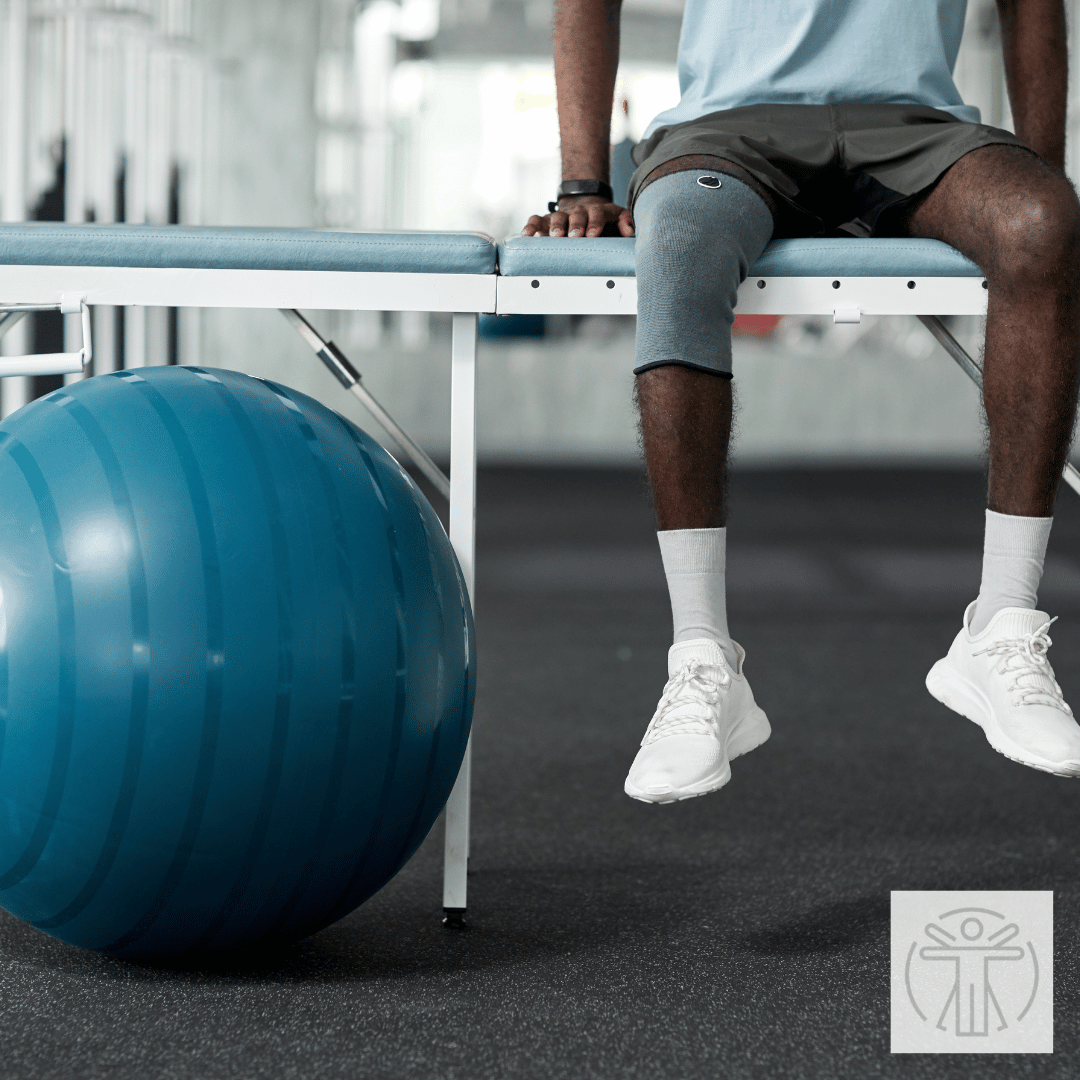
Custom orthotics and braces provide support where your body needs it most. They aid in correcting imbalances and relieving pressure. By using these tools, you enhance your recovery process. They ensure that your body heals effectively while reducing the risk of future injuries.
Advanced Therapies for Inflammation and Pain
Advanced therapies such as cryotherapy and cold laser treatments offer relief from pain and inflammation. These therapies promote faster healing by targeting the underlying causes. Integrating these treatments into your recovery plan can accelerate the healing process. This ensures you return to your activities with renewed confidence and strength.
Frequently Asked Questions
What are the benefits of sports physiotherapy?
Sports physiotherapy not only aids in recovery but also prevents injuries. It enhances mobility and strength through targeted techniques, allowing individuals to continue their activities confidently.
How can running injuries be prevented?
Running injuries can be prevented by using proper footwear, adopting correct running techniques, and incorporating strengthening exercises into your routine. These measures protect against potential harm and enhance performance.
What treatments are available for knee pain and ITB syndrome?
Treatments for knee pain and ITB syndrome include targeted exercises, rest, and physiotherapy interventions. These approaches reduce pain, restore function, and prevent future recurrences.
How do custom orthotics and braces aid in recovery?
Custom orthotics and braces provide necessary support to correct imbalances and relieve pressure. They enhance the recovery process by ensuring effective healing and reducing the risk of future injuries.
What advanced therapies help with inflammation and pain?
Advanced therapies like cryotherapy and cold laser treatments offer relief from inflammation and pain. They promote faster healing by addressing underlying causes, facilitating a quicker return to activities.
Book Online
Oct 9, 2026 | Uncategorized
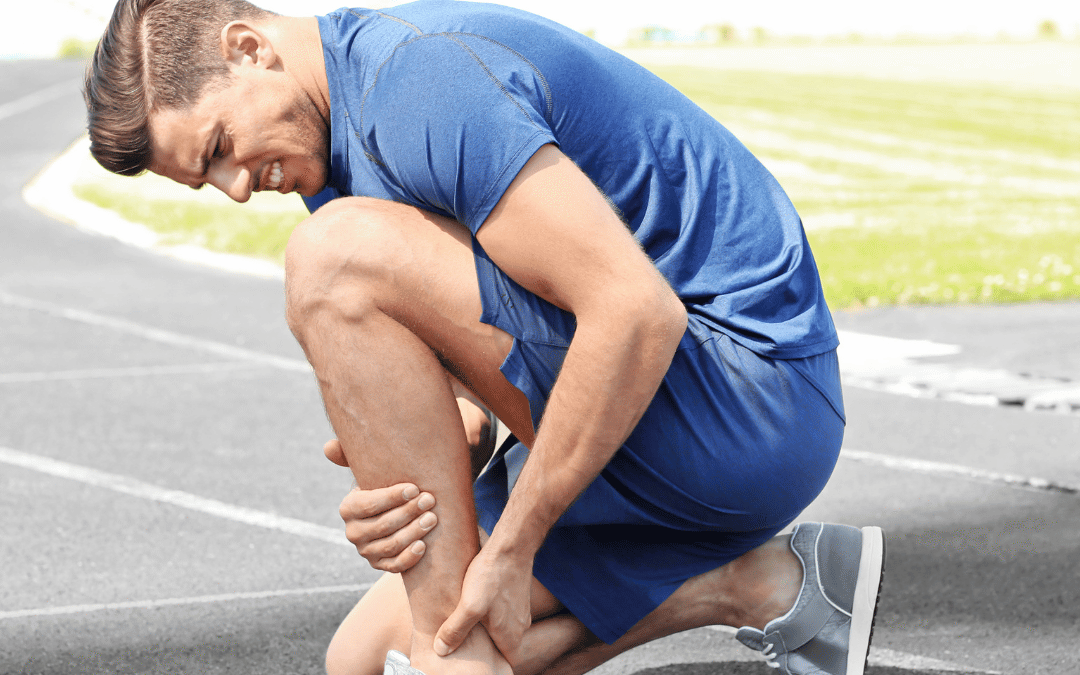
Sports injuries in Port Credit can catch you off guard, even if you stick to your regular routine. Whether it’s that nagging runner’s knee or a sudden ankle sprain, knowing the signs early makes all the difference. In this guide, you’ll learn how to spot common injuries, take smart first steps, and find the right support at your local sports injury clinic. Ready to keep moving with confidence?
Common Sports Injuries in Port Credit
If you’re active in Port Credit, you know the thrill of sports comes with a risk of injuries. From minor sprains to more serious strains, being aware of these injuries is crucial. Let’s dive into what you need to look out for and how to keep playing the sports you love.
Spotting Early Warning Signs
Recognising symptoms early can save you a lot of trouble. Have you noticed a dull ache in your knee after a run or a sharp pain in your shoulder during a tennis match? These could be signs of common injuries like runner’s knee or a rotator cuff issue. Swelling, redness, and reduced movement are also tell-tale signs. Always listen to your body. Ignoring pain can lead to more severe problems down the line. If something feels off, it’s a signal to pause and assess.
First-Aid Steps for Immediate Care
Acting quickly when an injury occurs can make a big difference. If you twist your ankle or pull a muscle, follow these basic steps. First, stop any activity that causes pain. Then, use ice to reduce swelling and elevate the injured area. Compression with a bandage can also help. Remember, these steps are for initial relief. For ongoing issues, professional advice is essential.
When to Seek Professional Help
Sometimes you need more than just home remedies. If pain persists for more than a few days or worsens, it’s time to consult a professional. A physiotherapist or sports injury expert can assess your condition and recommend treatment. Don’t delay seeking help, as early intervention often leads to a quicker recovery. For urgent care, check out Urgent Care Near Me in Port Credit.
Effective Recovery and Prevention Strategies
Recovering from a sports injury takes more than just rest. It’s about adopting smart strategies that aid healing and prevent future mishaps. Here’s how you can get back on track with confidence.
Proven Rehab Tips
Rehabilitation is key to bouncing back. Focus on exercises that strengthen the injured area without overloading it. For instance, if you’re dealing with a hamstring strain, gentle stretching and gradual strengthening exercises are ideal. Always start slow and build up intensity as your comfort increases. Flexibility and strength are your best friends in recovery. Consider working with a physiotherapist for tailored advice.
Injury Prevention Pointers
Prevention is better than cure. Incorporate warm-ups and cool-downs into your routine to prepare muscles for activity and aid recovery. Strengthening exercises, particularly for your core, can reduce the risk of injuries like back pain or sprains. Also, pay attention to your form. Improper technique can lead to overuse injuries. Don’t hesitate to adjust your routine or seek guidance from a fitness expert.
Personalised Recovery Plans
Every injury and person is different, which is why a one-size-fits-all plan doesn’t work. Personalised recovery plans that consider your specific needs and lifestyle can significantly speed up your recovery. A physiotherapist can assess your condition and design a plan with exercises, therapies, and modifications that suit you best. For more on creating a plan, visit Sports Injury Rehabilitation in Port Credit.
MyHealth Care Centre’s Integrated Approach
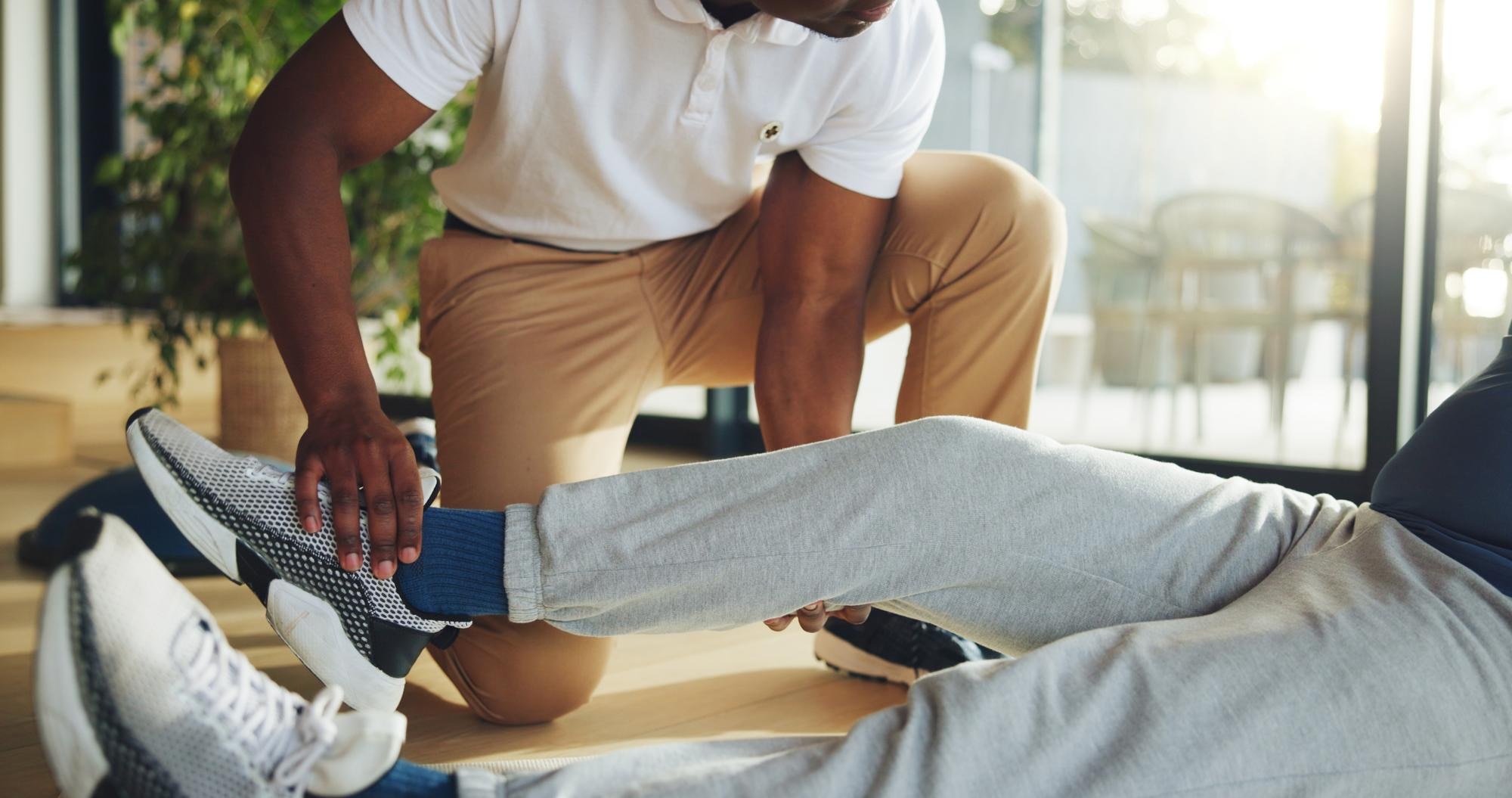
At MyHealth Care Centre, we believe in a comprehensive approach to rehabilitation. Our services are designed to help you recover effectively and prevent future issues.
Comprehensive Physiotherapy Services
Our physiotherapy services focus on restoring function and mobility. We start with a thorough assessment to understand your unique needs. From there, we tailor a recovery plan that includes manual therapy and targeted exercises. This approach not only alleviates pain but also strengthens the body to prevent re-injury. Discover more about our physiotherapy offerings by visiting Sports Injury Rehabilitation.
Benefits of Chiropractic and Massage
Chiropractic and massage therapy are powerful tools in recovery. Chiropractic care can improve alignment and relieve pain by addressing the root cause. Massage therapy complements this by releasing muscle tension and enhancing circulation. Together, they support your body’s natural healing processes, promoting faster recovery and a return to activity.
Advanced Therapies for Speedy Recovery
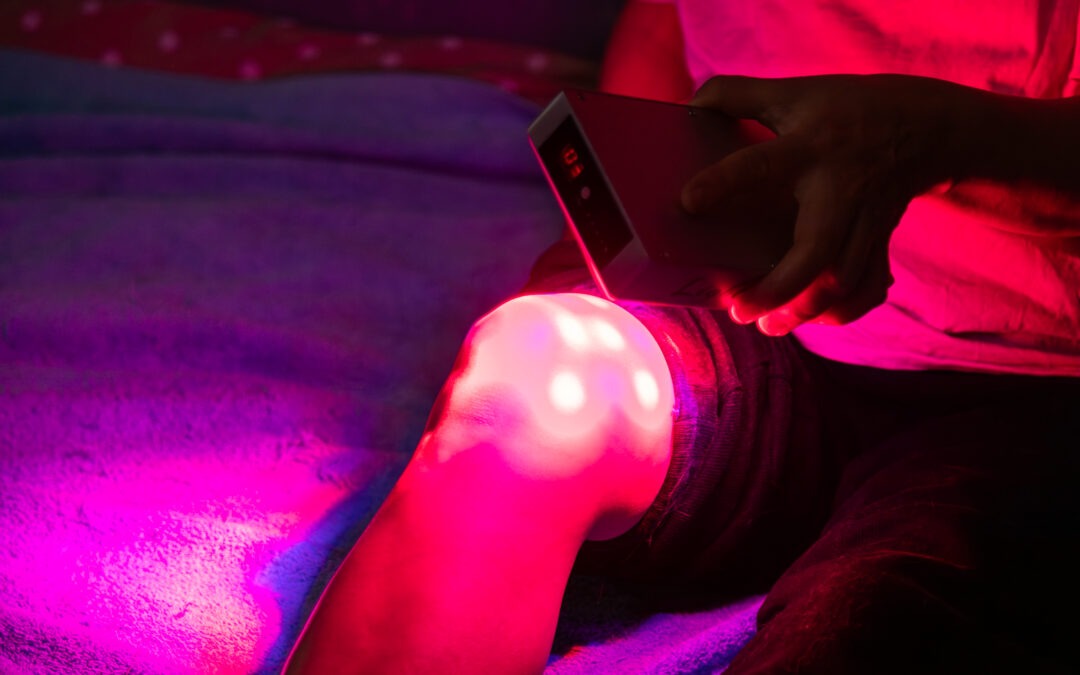
We offer advanced therapies like cold laser therapy and cryotherapy to aid recovery. These therapies reduce inflammation and accelerate tissue healing. Our integrated approach ensures that every aspect of your recovery is covered, allowing you to get back to doing what you love, sooner. To learn more about our therapies, check out Advanced Treatment Modalities.
Frequently Asked Questions
What are the most common sports injuries?
Common injuries include ankle sprains, runner’s knee, and rotator cuff tears. These often result from overuse or sudden impacts during sports.
How can I prevent sports injuries?
Prevent injuries by incorporating proper warm-ups, strengthening exercises, and maintaining good form. Listening to your body and not ignoring pain is also crucial.
When should I see a physiotherapist after an injury?
Visit a physiotherapist if pain persists beyond a few days or if it worsens. Early intervention can lead to a quicker and more complete recovery.
What services does MyHealth Care Centre offer for sports injuries?
We provide physiotherapy, chiropractic care, and massage therapy, along with advanced treatments like cold laser therapy and cryotherapy, all tailored to individual needs.
How does chiropractic care help with sports injuries?
Chiropractic care improves alignment, reduces pain, and supports natural healing by addressing the root cause of discomfort.
Book Online
Oct 8, 2026 | Uncategorized
Not all aches and knocks are the same. Knowing the acute injury meaning can make all the difference when you’re dealing with a fresh sprain or strain. This guide breaks down how to spot the signs, what to do in those first critical days, and when it’s time to get expert help in Port Credit. Your path to a safe, confident recovery starts here.
Understanding Acute Injuries
Grasping the concept of acute injuries is crucial in managing unexpected physical setbacks. Knowing what sets these injuries apart is your first step toward recovery.
Acute Injury Meaning
An acute injury happens suddenly, often during sports or physical activities. These injuries can include anything from a twisted ankle to a muscle tear. They are usually the result of a specific impact, blow, or force. In contrast to chronic injuries, which develop over time, acute injuries need immediate attention. Addressing these injuries quickly can prevent further complications and ensure a smoother healing process.
Acute vs Chronic Injury
Understanding the differences between acute and chronic injuries can help you respond effectively. Acute injuries are sudden and severe, like a sprain or broken bone. They require immediate care to manage pain and swelling. Chronic injuries, on the other hand, develop gradually due to repetitive stress or overuse. Think of conditions like tendinitis. These require ongoing management to prevent long-term damage. Recognizing the type of injury you have can guide your treatment choices and recovery strategy.
Common Signs and Examples
Identifying the signs of an acute injury can lead to timely intervention. Common symptoms include sharp pain, swelling, and bruising. You might also notice an inability to move the affected area. Examples of acute injuries include sprains, strains, and fractures. A sprain involves ligaments, while a strain affects muscles or tendons. Fractures are breaks in the bone. Knowing these signs can prompt a quick response, minimizing downtime and promoting recovery.
Immediate Response Steps
Taking the right steps immediately after an injury can make a huge difference in your recovery timeline. Here are some actions you can take when injuries occur.
First 24–72 Hours Actions
When an acute injury occurs, your initial response is critical. Begin with rest, ice, compression, and elevation—commonly known as R.I.C.E. This method helps reduce swelling and ease pain. Avoid putting weight on the injured area to prevent further damage. Gentle movement, when tolerated, can aid circulation without causing more harm. These steps provide a foundation for recovery, setting you up for a successful healing journey.
Red Flags for Urgent Care
Certain signs indicate the need for urgent medical attention. Severe pain, numbness, or inability to move the injured area are red flags. If you experience a popping sound at the time of injury or if there’s an obvious deformity, seek help immediately. These symptoms might suggest a more severe condition, requiring professional evaluation and treatment. Don’t ignore these warning signs; prompt care can prevent complications.
Ankle Sprain Treatment in Port Credit
Ankle sprains are common yet painful injuries. In Port Credit, you have access to expert care tailored to your needs. Initial treatment involves R.I.C.E., followed by physical therapy to restore strength and flexibility. At MyHealth Care Centre, professionals offer a range of treatments, from physiotherapy to custom orthotics, ensuring a comprehensive recovery. Addressing ankle injuries with appropriate care results in faster healing and reduced risk of re-injury.
Support and Recovery in Port Credit
Port Credit offers a supportive environment for recovery, with a range of services designed to aid your healing process.
MyHealth Care Centre Services
At MyHealth Care Centre, a collaborative approach ensures you receive holistic care. From physiotherapy to massage therapy, our integrated services address various aspects of recovery. You benefit from a team that works together, creating a seamless treatment plan tailored to your needs. This comprehensive care model supports your journey back to health, promoting movement and strength restoration.
Physiotherapy and Chiropractic Options
Physiotherapy and chiropractic care are vital components of recovery. Physiotherapy focuses on restoring mobility and function through targeted exercises and manual therapy. Chiropractic care addresses alignment and joint health, supporting overall well-being. In Port Credit, these services are available to help you manage pain, improve movement, and prevent future injuries. Choosing these therapies enhances your recovery, aligning with your health goals.
Personalised Recovery Programmes
A personalized recovery programme is key to achieving optimal results. At MyHealth Care Centre, plans are tailored to your specific needs, considering your injury and lifestyle. You receive a detailed assessment, followed by a customised plan that includes exercises and self-care strategies. This approach empowers you to actively participate in your recovery, ensuring lasting improvements and preventing re-injury.
Frequently Asked Questions
What is an acute injury?
An acute injury occurs suddenly, often from a specific impact or force, resulting in symptoms like pain, swelling, and bruising. It requires prompt attention to prevent complications.
How can I tell if my injury is acute or chronic?
An acute injury is sudden and severe, like a sprain or fracture. Chronic injuries develop over time due to repetitive stress. Recognizing the difference can guide your treatment choices.
What should I do immediately after an acute injury?
Apply the R.I.C.E method: rest, ice, compression, and elevation. Avoid weight-bearing activities and seek medical evaluation for severe pain or deformity.
When should I seek urgent care for an injury?
Seek urgent care if you experience severe pain, numbness, or an inability to move the affected area. A popping sound or obvious deformity also warrants immediate attention.
How can MyHealth Care Centre help with recovery?
MyHealth Care Centre offers integrated services including physiotherapy and chiropractic care. Personalized plans address your specific needs, promoting effective recovery and preventing future injuries.
Book Online