
Post-surgical rehabilitation is more than just resting after surgery. Without a clear plan, you risk longer pain and slower progress. Your recovery plan after surgery should guide you step by step—covering pain control, movement retraining, and strength rebuilding. At MyHealth Care Centre, we tailor post-op physiotherapy to fit your lifestyle, helping you return to the Waterfront Trail, the gym, or everyday activities with confidence.
Pre-Op Education Essentials

Preparing for surgery involves more than the procedure itself. Effective planning sets the stage for smoother recovery.
Setting Realistic Expectations
Understanding what to expect post-surgery helps manage anxiety and promotes a proactive mindset. Talk with your healthcare provider about recovery timelines and potential challenges. Knowing the typical progression can keep you motivated. Remember that healing is personal, and your journey might look different from others. Use this insight to set achievable goals for your recovery.
Understanding Your Surgery
Knowledge empowers you to make informed decisions. Learn about the procedure and potential side effects. This understanding helps in recognizing what’s normal and when to seek help. Research your surgery using reliable sources, but also rely on your medical team’s expertise. They can provide specific advice tailored to your needs.
Preparing Your Home Environment
A well-prepared home can make recovery smoother. Organise your space to limit movements that might strain your body. Place essentials within easy reach to avoid unnecessary trips. Consider safety aids like grab bars or a shower chair. These small adjustments can significantly ease your daily routine post-surgery, allowing you to focus on healing.
Early Recovery Strategies

Post-surgery, the initial phase of recovery is crucial. It’s about managing discomfort and starting gentle movements.
Pain and Swelling Management
Effective pain control is key to recovery. Use prescribed medications as directed, and don’t ignore discomfort. Ice packs can reduce swelling, and elevating the affected area might help too. Consistent management prevents small issues from becoming big setbacks. Communicate with your healthcare provider if pain intensifies or changes.
Safe Mobility Techniques
Moving safely is essential after surgery. Start with small steps, guided by your physiotherapist. They will show you how to get in and out of bed, use assistive devices, and navigate your home without risking injury. Practising these techniques builds confidence and encourages gradual mobility, a vital part of healing.
Initial Gait Training
Learning to walk again post-surgery requires patience and practice. A physiotherapist will guide your gait training, focusing on posture and balance. They might introduce aids like walkers or crutches. Consistent training strengthens muscles and improves coordination. Each step taken with care is a step towards independence.
Progressive Rehabilitation Techniques
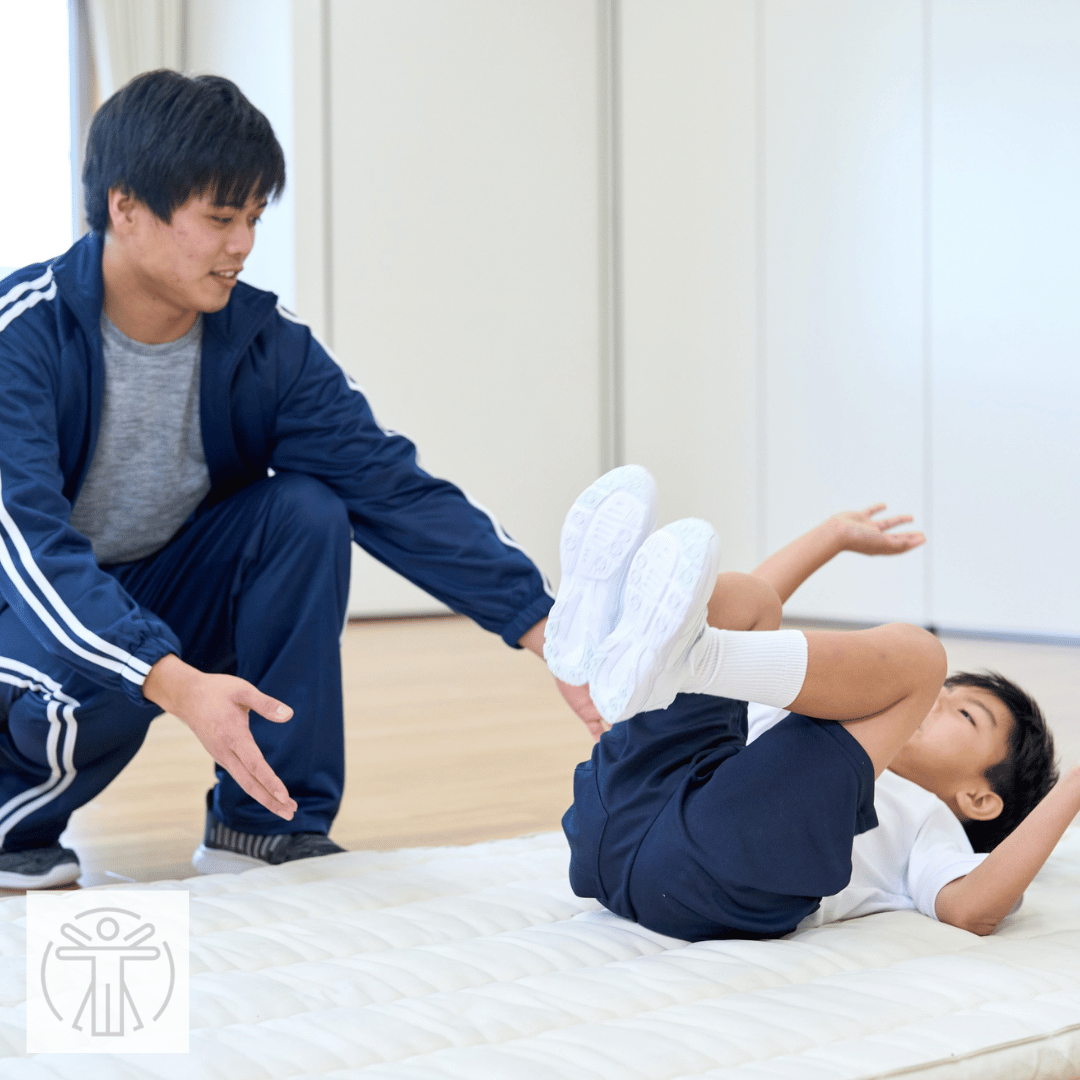
As you progress, recovery focuses on rebuilding strength and improving mobility.
Strength and Range-of-Motion Work
Strengthening exercises become a priority in this phase. Target specific muscle groups affected by surgery to restore function. Gentle stretching can enhance range of motion, reducing stiffness. A physiotherapist will design a programme tailored to your needs, ensuring safe and effective progression. Regular practice aids in regaining control and improving movement precision.
Balance and Core Stability Exercises
Balance and stability are often compromised post-surgery. Exercises focusing on core strength and stability are crucial. These exercises help prevent falls and improve overall movement quality. Simple activities like standing on one leg or using a stability ball can be beneficial. Integration of these exercises into your routine supports long-term recovery and functional movement.
Functional Movement Retraining
Relearning everyday tasks is a significant aspect of recovery. Functional movement retraining focuses on performing these activities safely and efficiently. Your physiotherapist will guide you through exercises mimicking daily tasks, ensuring you regain the skills needed for independence. This targeted training supports your return to normal life and boosts confidence in your physical abilities.
Frequently Asked Questions
What should I do before surgery to prepare for recovery?
Preparing your home and understanding your surgery are key. Arrange your environment for safety, and discuss the procedure with your healthcare provider to set realistic expectations.
How can I manage pain effectively after surgery?
Follow your doctor’s pain management plan, including medication and icing. If pain worsens or changes, contact your healthcare provider immediately.
When can I start walking after surgery?
Begin with guided steps and follow your physiotherapist’s instructions. Gait training is tailored to individual progress, so patience is essential.
Why is balance training important in recovery?
Balance exercises help prevent falls and improve movement. They strengthen core muscles and enhance stability.
How do I know if my recovery is on track?
Regular follow-ups with your healthcare team and physiotherapist provide insight. They can adjust your recovery plan based on your progress and needs.