
Sports injuries in Port Credit can catch you off guard, even if you stick to your regular routine. Whether it’s that nagging runner’s knee or a sudden ankle sprain, knowing the signs early makes all the difference. In this guide, you’ll learn how to spot common injuries, take smart first steps, and find the right support at your local sports injury clinic. Ready to keep moving with confidence?
Common Sports Injuries in Port Credit
If you’re active in Port Credit, you know the thrill of sports comes with a risk of injuries. From minor sprains to more serious strains, being aware of these injuries is crucial. Let’s dive into what you need to look out for and how to keep playing the sports you love.
Spotting Early Warning Signs
Recognising symptoms early can save you a lot of trouble. Have you noticed a dull ache in your knee after a run or a sharp pain in your shoulder during a tennis match? These could be signs of common injuries like runner’s knee or a rotator cuff issue. Swelling, redness, and reduced movement are also tell-tale signs. Always listen to your body. Ignoring pain can lead to more severe problems down the line. If something feels off, it’s a signal to pause and assess.
First-Aid Steps for Immediate Care
Acting quickly when an injury occurs can make a big difference. If you twist your ankle or pull a muscle, follow these basic steps. First, stop any activity that causes pain. Then, use ice to reduce swelling and elevate the injured area. Compression with a bandage can also help. Remember, these steps are for initial relief. For ongoing issues, professional advice is essential.
When to Seek Professional Help
Sometimes you need more than just home remedies. If pain persists for more than a few days or worsens, it’s time to consult a professional. A physiotherapist or sports injury expert can assess your condition and recommend treatment. Don’t delay seeking help, as early intervention often leads to a quicker recovery. For urgent care, check out Urgent Care Near Me in Port Credit.
Effective Recovery and Prevention Strategies
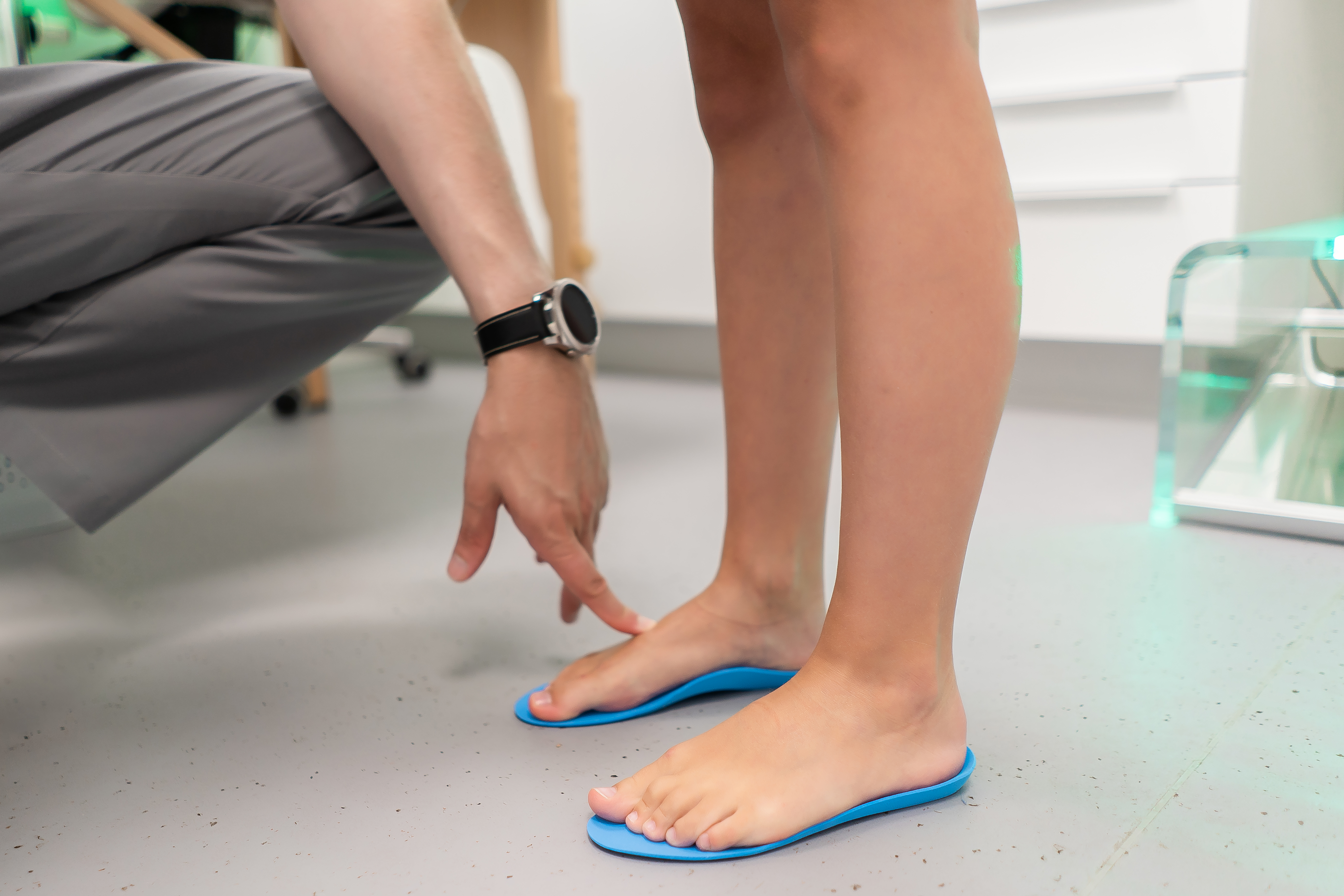
Recovering from a sports injury takes more than just rest. It’s about adopting smart strategies that aid healing and prevent future mishaps. Here’s how you can get back on track with confidence.
Proven Rehab Tips
Rehabilitation is key to bouncing back. Focus on exercises that strengthen the injured area without overloading it. For instance, if you’re dealing with a hamstring strain, gentle stretching and gradual strengthening exercises are ideal. Always start slow and build up intensity as your comfort increases. Flexibility and strength are your best friends in recovery. Consider working with a physiotherapist for tailored advice.
Injury Prevention Pointers
Prevention is better than cure. Incorporate warm-ups and cool-downs into your routine to prepare muscles for activity and aid recovery. Strengthening exercises, particularly for your core, can reduce the risk of injuries like back pain or sprains. Also, pay attention to your form. Improper technique can lead to overuse injuries. Don’t hesitate to adjust your routine or seek guidance from a fitness expert.
Personalised Recovery Plans
Every injury and person is different, which is why a one-size-fits-all plan doesn’t work. Personalised recovery plans that consider your specific needs and lifestyle can significantly speed up your recovery. A physiotherapist can assess your condition and design a plan with exercises, therapies, and modifications that suit you best. For more on creating a plan, visit Sports Injury Rehabilitation in Port Credit.
MyHealth Care Centre’s Integrated Approach

At MyHealth Care Centre, we believe in a comprehensive approach to rehabilitation. Our services are designed to help you recover effectively and prevent future issues.
Comprehensive Physiotherapy Services
Our physiotherapy services focus on restoring function and mobility. We start with a thorough assessment to understand your unique needs. From there, we tailor a recovery plan that includes manual therapy and targeted exercises. This approach not only alleviates pain but also strengthens the body to prevent re-injury. Discover more about our physiotherapy offerings by visiting Sports Injury Rehabilitation.
Benefits of Chiropractic and Massage
Chiropractic and massage therapy are powerful tools in recovery. Chiropractic care can improve alignment and relieve pain by addressing the root cause. Massage therapy complements this by releasing muscle tension and enhancing circulation. Together, they support your body’s natural healing processes, promoting faster recovery and a return to activity.
Advanced Therapies for Speedy Recovery
We offer advanced therapies like cold laser therapy and cryotherapy to aid recovery. These therapies reduce inflammation and accelerate tissue healing. Our integrated approach ensures that every aspect of your recovery is covered, allowing you to get back to doing what you love, sooner. To learn more about our therapies, check out Advanced Treatment Modalities.
Frequently Asked Questions
What are the most common sports injuries?
Common injuries include ankle sprains, runner’s knee, and rotator cuff tears. These often result from overuse or sudden impacts during sports.
How can I prevent sports injuries?
Prevent injuries by incorporating proper warm-ups, strengthening exercises, and maintaining good form. Listening to your body and not ignoring pain is also crucial.
When should I see a physiotherapist after an injury?
Visit a physiotherapist if pain persists beyond a few days or if it worsens. Early intervention can lead to a quicker and more complete recovery.
What services does MyHealth Care Centre offer for sports injuries?
We provide physiotherapy, chiropractic care, and massage therapy, along with advanced treatments like cold laser therapy and cryotherapy, all tailored to individual needs.
How does chiropractic care help with sports injuries?
Chiropractic care improves alignment, reduces pain, and supports natural healing by addressing the root cause of discomfort.