Sep 7, 2026 | Uncategorized
Tired feet, tight calves, achy knees? It all starts with your foundations. Poor foot support can throw off your posture, leading to pain that slows you down during Waterfront Trail runs or sailing at Port Credit Yacht Club. In this guide, you’ll learn how simple changes to foot support and posture correction can keep you moving pain-free. Let’s build stronger movement from the ground up with expert tips from your Port Credit physiotherapy team.
Strong Feet, Better Posture
What connects your feet to your overall well-being? It’s all about support and alignment. Strong feet lay the foundation for better posture, allowing you to move with more ease and less discomfort in daily activities.
Benefits of Foot Support
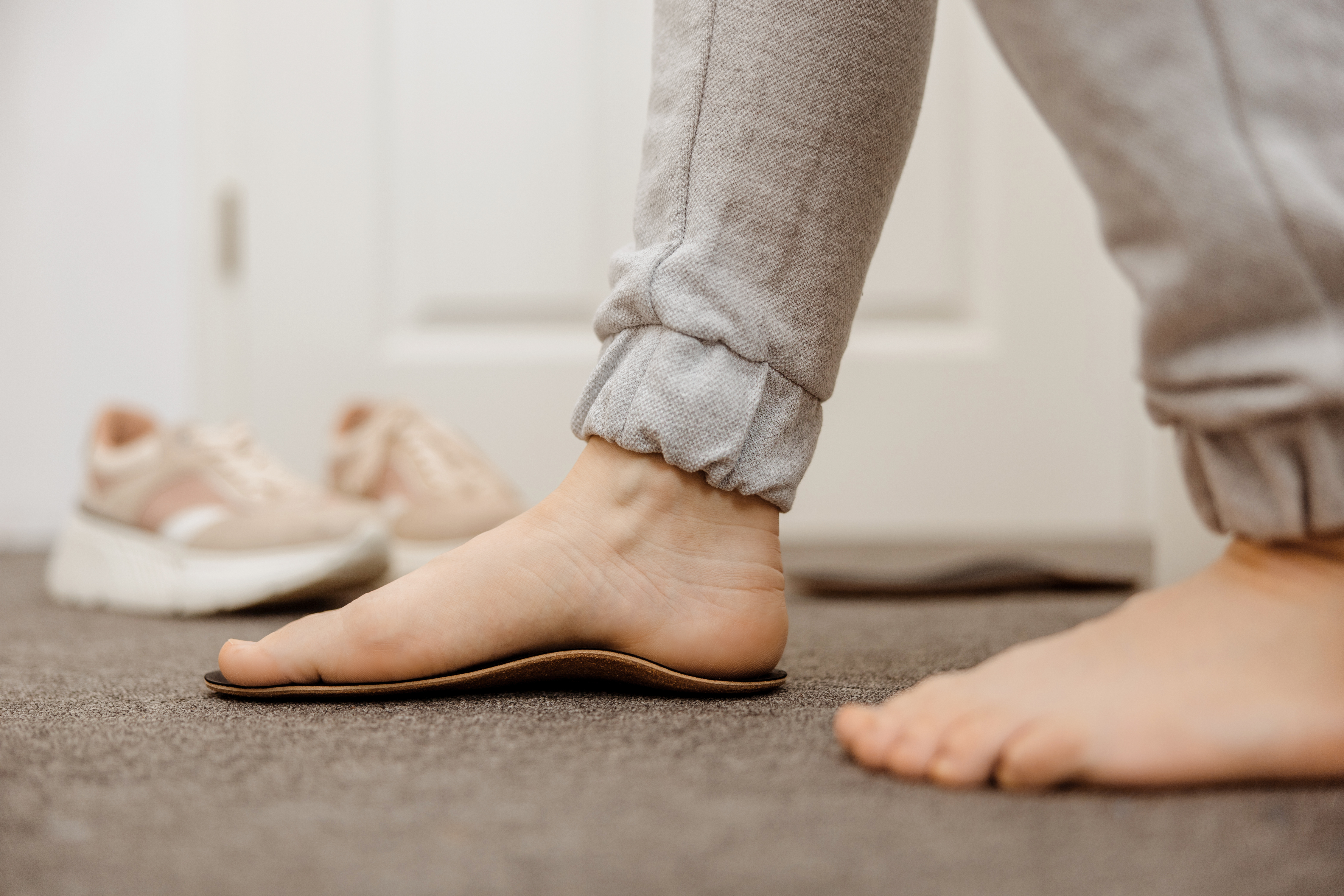
When you give your feet the support they need, they carry you further with less strain. Proper arch support reduces stress on your feet, preventing conditions like plantar fasciitis. By spreading pressure evenly, foot support can protect your knees and hips from unnecessary pain. Imagine running on the Waterfront Trail without worrying about foot pain holding you back. Custom orthotics can provide the personalized support your feet crave.
Posture Correction Tips
Want to stand taller and feel more aligned? Start by focusing on key habits. Keep your weight balanced on both feet, and avoid slouching by engaging your core. Using a mirror can help you notice and correct any imbalances. For those long days at the desk or during physical activities, maintaining the correct posture helps prevent lower back pain. Need more tips? Check out this resource.
Gait Analysis Explained
Ever wondered about your walking pattern? A gait analysis examines how you walk or run, identifying any misalignments or inefficiencies. By understanding your gait, physiotherapists can recommend solutions tailored to your needs, like custom orthotics or exercises. A smoother gait means less risk of injury and more comfort in your steps.
Pain Relief Through Movement
Moving without pain is possible. By addressing the root causes of discomfort, you can find relief and improve your quality of life.
Addressing Foot Pain
Foot pain can halt your activities. Identifying the cause, whether it’s overpronation or flat feet, is crucial. Ice, rest, and proper footwear are your first steps to relief. For persistent pain, consult a specialist who can offer targeted treatments.
Custom Orthotics for Support
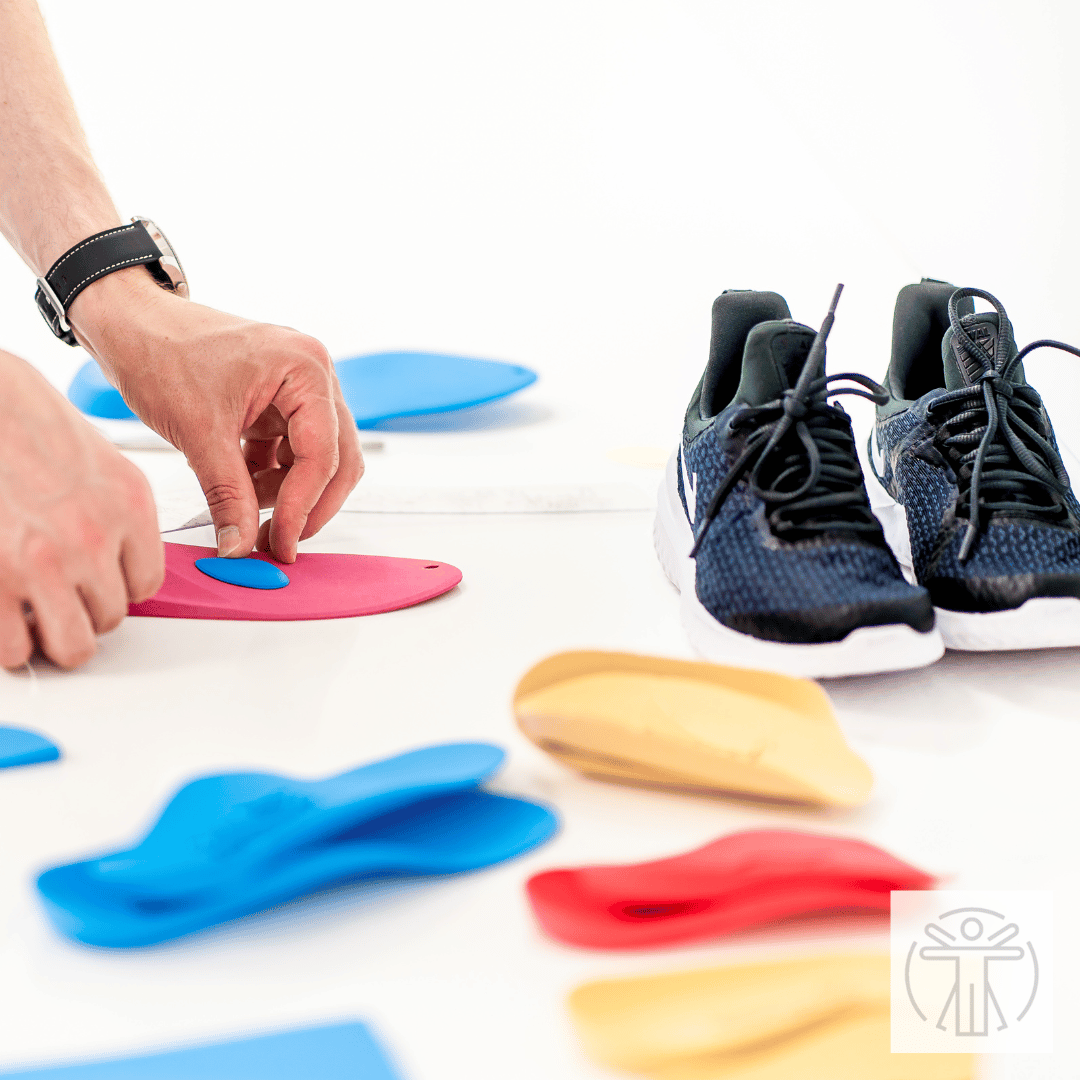
Custom orthotics are like a tailored suit for your feet. Unlike generic insoles, they match your unique foot shape, offering precise support. This personalized approach ensures better alignment and reduces pain in the feet, knees, and even lower back. Think of them as your secret weapon against discomfort.
Managing Lower Back Pain
Lower back pain often links to poor posture and foot mechanics. Strengthening your core and ensuring your feet have proper support can alleviate this pain. Consider integrating chiropractic care and massage therapy into your routine to manage and prevent pain.
Local Activities and Injury Prevention
Stay active and injury-free with the right preparation and care. Whether you’re running, sailing, or skating, these tips will help you enjoy your favourite activities safely.
Running the Waterfront Trail
The Waterfront Trail is a local gem for runners. Before hitting the trail, ensure your footwear provides the right support and cushioning to prevent running injuries in Mississauga. Warm up with dynamic stretches and cool down afterwards to keep muscles flexible and less prone to injury.
Sailing at Port Credit Yacht Club
Sailing demands balance and core strength. Engage in regular exercises that enhance these areas to prevent strain or injury while on the water. Always take care of your posture, even when seated, to avoid back pain.
Ice Skating Injury Prevention
Skating is fun but can be hard on your body. Wearing the right skates and warming up can help prevent injuries. Practise balance exercises to improve your stability on the ice. Remember, prevention is key to staying active and safe.
Frequently Asked Questions
What is the best way to support my feet?
Using custom orthotics can provide the precise support your feet need. They help distribute pressure evenly and prevent foot pain.
How does poor posture affect my health?
Poor posture can lead to various issues, including back pain, headaches, and muscle fatigue. Correcting posture improves overall health and reduces discomfort.
What should I do if I experience foot pain during activities?
Rest and ice are initial steps. If pain persists, consult a physiotherapist for a thorough evaluation and personalized treatment plan.
Embrace these tips to improve your posture and stay pain-free in your favourite activities. Your body will thank you!
Book Online
Sep 6, 2026 | Uncategorized
Recurring stiffness and pain can drain your energy and slow you down, especially when it keeps coming back no matter what you try. At MyHealth Care Centre in Port Credit, integrated care brings together physiotherapy, chiropractic, massage, acupuncture, and more to tackle the root causes—not just the symptoms. You’ll learn how this team approach helps you move better and manage your pain with confidence, so everyday activities feel easier again.
Integrated Care Approach
Integrated care combines various treatments to offer a comprehensive solution. By working with different specialists, you receive a complete approach to managing stiffness and pain.
Collaboration Across Disciplines
The power of integrated care lies in teamwork. Imagine physiotherapists, chiropractors, and massage therapists all focusing on your specific needs. They work together to create a plan just for you. This collaboration means you get a well-rounded treatment, addressing different aspects of your discomfort. No more jumping from one place to another; here, everything is under one roof.
Having specialists collaborate ensures all angles of your care are covered. You benefit from their collective expertise. Each professional shares insights, ensuring your plan is comprehensive. This kind of teamwork means smoother recovery and less time in pain. By being in sync, they provide the best care possible.
Addressing Root Causes of Pain
Treatments that merely mask symptoms might provide temporary relief, but identifying the root cause provides lasting results. Integrated care focuses on the source. The team examines your condition closely, identifying causes like posture or muscle imbalance. By addressing these, they ensure the pain doesn’t just return once the treatment stops. This approach not only relieves pain but also prevents its recurrence.
Understanding what triggers your pain helps in designing a plan that targets those exact issues. By fixing the root causes, you get long-term relief. This method ensures you’re not just dealing with symptoms. Your path to recovery becomes clearer, making each step forward more impactful.
Empowering Self-Management
Once you understand the causes of your pain, you can take control. Integrated care equips you with the knowledge to manage your condition. Through education, you learn exercises and habits that prevent future issues. These tools empower you to be proactive, reducing reliance on treatments and increasing your confidence.
When you know more about your condition, you can make informed choices about your health. This empowerment transforms your recovery journey. You become an active participant, not just a passive recipient. With the right guidance, managing your health becomes less daunting and more effective.
Therapies for Stiffness and Pain
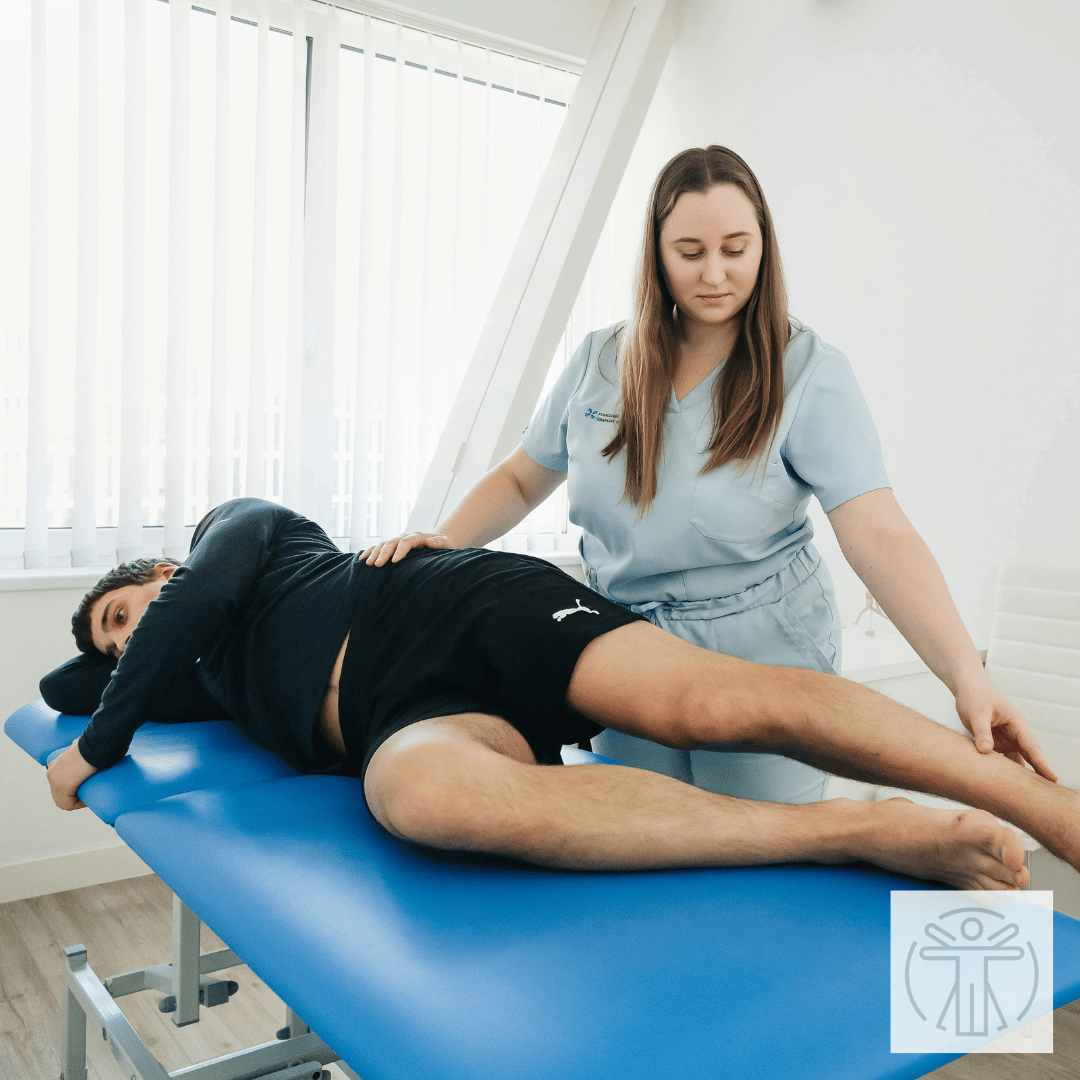
Diverse therapies work together to target stiffness and pain effectively. Each therapy offers unique benefits, and combining them enhances overall results.
Physiotherapy and Chiropractic Solutions
Physiotherapy and chiropractic care complement each other beautifully. Physiotherapy focuses on restoring movement and strength. Therapists guide you through exercises that rebuild your body’s natural abilities. This hands-on approach ensures you’re moving correctly, preventing further issues.
Chiropractic care, meanwhile, focuses on alignment. Adjustments help relieve pressure on nerves and improve spinal health. Together, these therapies form a potent combination. They address both movement and structural aspects, providing comprehensive relief.
Massage and Acupuncture Techniques
Massage therapy works wonders in relieving muscle tension. It improves circulation and promotes relaxation, crucial for recovery. Regular sessions can reduce stress, aiding in pain reduction.
Acupuncture, on the other hand, targets the body’s energy flow. By inserting fine needles at specific points, it helps relieve pain and promote healing. When combined, these therapies offer a holistic approach. They not only treat symptoms but also enhance overall well-being.
Advanced Modalities for Recovery
For those seeking cutting-edge solutions, MyHealth offers advanced modalities. Cold laser therapy aids in tissue healing, while cryotherapy reduces inflammation. These treatments accelerate recovery, allowing you to return to normal activities sooner.
Utilising advanced techniques ensures every angle of recovery is explored. Whether through cold laser or cryotherapy, these options provide an added layer of care. They complement traditional therapies, enhancing effectiveness and delivering faster results.
Booking Your Assessment
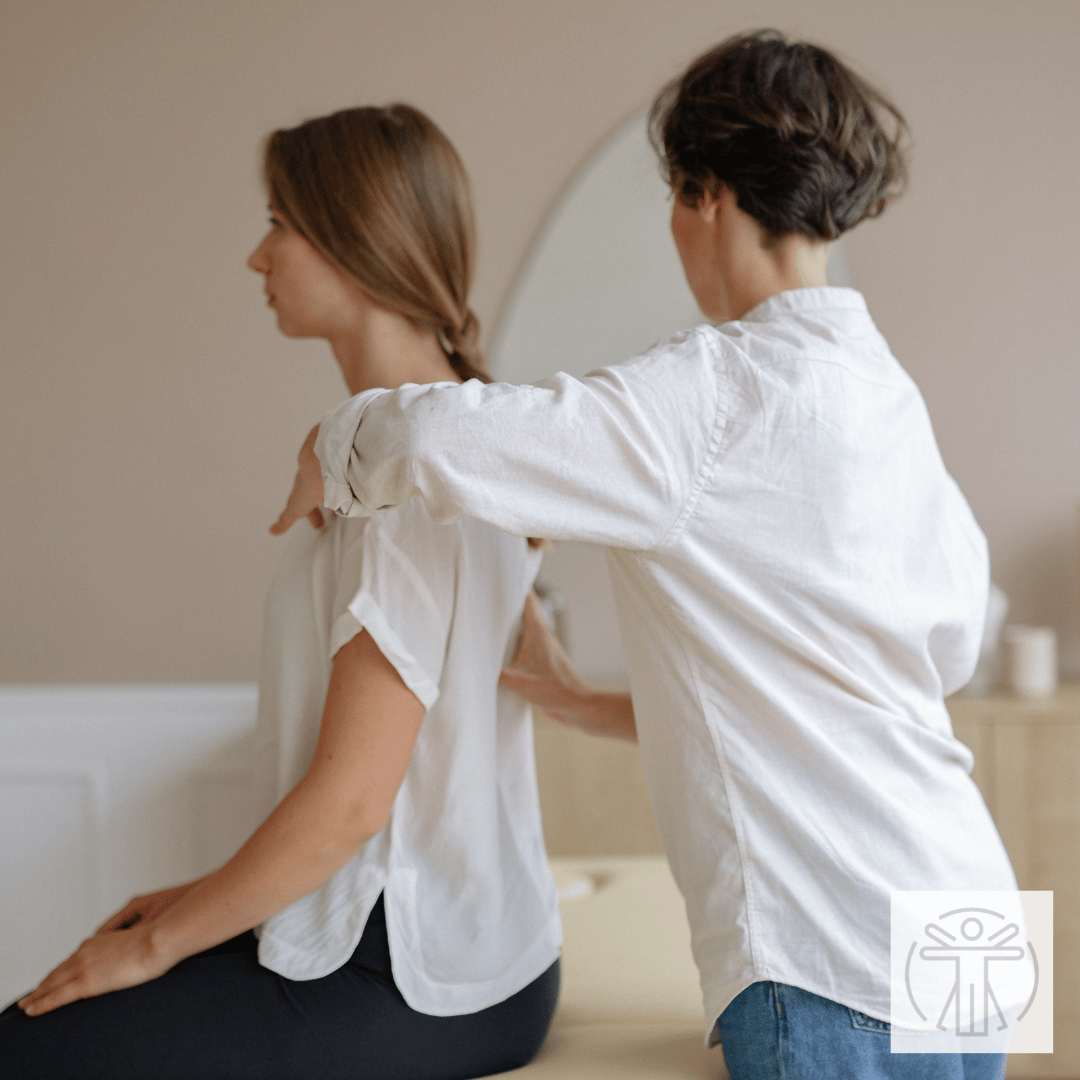
Booking an assessment is the first step to recovery. Understanding what to expect helps you prepare for a smooth experience.
What to Expect at MyHealth
When you arrive at MyHealth, you’ll receive a thorough assessment. Specialists will evaluate your condition, understanding its unique aspects. This detailed evaluation forms the basis of your treatment plan.
Knowing what to expect reduces anxiety. You’ll meet professionals who listen and understand. This welcoming environment ensures you feel comfortable and supported throughout your journey.
Personalised Care Plans
Every individual is unique, and so should be their treatment plan. After your assessment, a personalised care plan is crafted. Tailored to your specific needs, it ensures you receive the most effective treatment.
Having a plan designed just for you means better outcomes. It considers all aspects of your condition, ensuring nothing is overlooked. This attention to detail makes recovery more efficient and comprehensive.
Benefits of Local Integrated Care
Choosing local care means convenience and familiarity. MyHealth, located in Port Credit, provides easy access to a range of treatments. This proximity means less travel and more focus on healing.
Local care offers a sense of community. You’re treated by professionals who understand local lifestyles and health needs. This connection enhances the quality of care, ensuring you’re supported throughout your recovery journey.
Frequently Asked Questions
1. What is integrated care?
Integrated care combines various health services to provide a comprehensive treatment plan. It involves different specialists working together to address all aspects of a patient’s health condition.
2. How does physiotherapy help with recurring stiffness?
Physiotherapy helps by restoring movement and strength. Through targeted exercises, it addresses the underlying causes of stiffness, ensuring long-term relief.
3. What should I expect during an assessment at MyHealth?
During an assessment at MyHealth, specialists will evaluate your condition thoroughly. This process involves understanding your symptoms and creating a personalised treatment plan tailored to your needs.
4. Why choose local integrated care in Port Credit?
Choosing local care in Port Credit offers convenience and a sense of community. It ensures easy access to treatments and familiarity with local health needs, enhancing the quality of care.
5. What advanced modalities are available at MyHealth?
MyHealth offers advanced modalities like cold laser therapy and cryotherapy. These treatments accelerate healing and reduce inflammation, complementing traditional therapies for effective recovery.
Book Online
Sep 5, 2026 | Uncategorized
Stiffness after a run or a long day on the ice isn’t always a sign to slow down. But when does that tightness cross the line into something that could limit your movement or signal a deeper issue? Knowing when to push through and when to book an integrated mobility assessment can save you from lingering pain or injury. Let’s break down the difference between joint stiffness vs mobility concerns and help you stay active, strong, and pain-free in Port Credit. [https://www.instagram.com/reel/DVjVkKKCZcN/]
Understanding Joint Stiffness vs Mobility
Joint stiffness can sometimes be mistaken for mobility issues, but it’s essential to understand the difference. This knowledge can help you decide when to rest and when to seek professional advice.
Recognising Post-Activity Stiffness
After a vigorous run or workout, it’s common to feel a bit stiff. This stiffness usually fades after some rest or gentle stretching. It happens because your muscles and joints have been working hard, and they need time to recover. Think of it as your body’s way of telling you to take it easy for a bit. However, if the stiffness persists or worsens, it might be time to pay closer attention.
Stiffness should improve within a day or two. If it doesn’t, consider what’s causing it. Are you pushing too hard during your workouts or using poor technique? Addressing these factors can help prevent chronic issues. For persistent stiffness, mixing in activities like yoga or light walks can ease the muscles and joints.
Identifying Mobility Restrictions
Mobility restrictions are more than just a bit of tightness. They can limit your movement and affect your daily activities. Unlike typical stiffness, mobility issues often don’t go away with rest. You might notice difficulty in performing exercises or activities that were once easy for you.
If you find it hard to achieve a full range of motion or experience discomfort doing simple tasks, it’s a sign that something might be off. Mobility restrictions can arise from joint problems, muscle imbalances, or past injuries. It’s crucial to identify these issues early to prevent them from becoming more serious. Seeking guidance from a professional can help pinpoint the cause and set you on the path to recovery.
When to See a Phys## Understanding Joint Stiffness vs Mobility
When you’re active, it’s normal to feel some tightness. But how do you know if it’s just stiffness or a sign of a mobility issue that needs attention?
Recognising Post-Activity Stiffness
Feeling stiff after a workout or a day of activity isn’t unusual. This kind of stiffness usually comes from your muscles working hard. It often resolves with rest or light stretching. You might notice it after running the Waterfront Trail or a day of sailing. These activities can challenge your muscles, making them need a bit of recovery time. Light exercise, stretching, or massage can help ease this type of stiffness. If you’re feeling better after these, it’s likely just regular recovery.
Identifying Mobility Restrictions
Mobility restrictions are different. They limit how you move, not just how you feel. If you notice you can’t move a joint like you used to, that’s a concern. For instance, if your shoulder feels stuck, or your knee doesn’t bend well, this might be a mobility issue. This isn’t just about soreness; it’s about range of motion. If a joint feels locked or you’re in discomfort beyond normal stiffness, it might be time to look deeper. This can affect your daily activities and needs more than just rest or stretching.
When to See a Physio or Chiropractor
When should you consider seeing a specialist like a physio or a chiropractor? If your stiffness doesn’t improve after a few days, or if you’re experiencing pain that interferes with your activities, it’s wise to seek help. These professionals can help identify what’s causing your issues. They offer treatments like physiotherapy to improve movement or chiropractic care to address alignment. Both options can help restore mobility and reduce pain, getting you back to your activities safely.
Red Flags: When to Book an Assessment
Sometimes, it’s clear you need more than self-care. Certain symptoms are red flags that signal it’s time for a professional assessment.
Frozen Shoulder and Other Symptoms
A frozen shoulder is when your shoulder becomes painful and hard to move. If you can’t lift your arm easily, or if it hurts a lot, it’s time to see a professional. This condition can limit your daily life. A physiotherapy assessment can help establish a treatment plan to improve your shoulder’s mobility and reduce pain.
Runner’s Knee and Low Back Stiffness
Runner’s knee is common among active people and leads to pain around the kneecap. If you’re finding it hard to run without pain or experiencing low back stiffness after running, you might need more than just rest. These could be signs of underlying issues that require a detailed look by a Mississauga physiotherapist.
Sailing and Skating Injuries
Activities like sailing and skating can lead to unique injuries. If you’re experiencing persistent pain or restricted movement after these activities, it’s worth getting an assessment. This helps ensure that any injuries don’t become long-term issues. Addressing them early can prevent complications.
Integrated Mobility Assessment and Care
Exploring integrated care can provide comprehensive solutions to your mobility issues.
Comprehensive Physiotherapy Port Credit
Physiotherapy in Port Credit offers a detailed evaluation of your condition. It’s not just about treating symptoms. They assess how you move and work out a plan to restore function and strength. This approach is vital for a lasting recovery and maintaining an active lifestyle.
Advanced Options: Cold Laser and Cryotherapy
Advanced treatments like cold laser therapy and cryotherapy are available in Mississauga. These therapies can help reduce inflammation and pain, accelerating recovery. They’re especially useful for those with persistent pain or injuries that don’t respond to conventional treatment.
Personalised Plans: Move Better, Live Better
The key to effective recovery and prevention is a personalised plan. A plan that looks at your unique needs can help you move better and live pain-free. By tailoring exercises and treatments to your situation, you can ensure a more effective recovery process.
Frequently Asked Questions
What is the difference between joint stiffness and mobility issues?
Joint stiffness usually eases with rest, while mobility issues limit your range of motion and might not improve without treatment.
When should I see a physio or chiropractor for stiffness?
If stiffness persists beyond a few days or affects your daily activities, visiting a physio or chiropractor can help diagnose and treat the issue.
How can physiotherapy help with mobility concerns?
Physiotherapy assesses the cause of mobility restrictions and provides treatments to restore movement and strength, tailored to your needs.
What are signs that you need a professional assessment?
Signs include persistent pain, inability to move a joint normally, or discomfort that worsens despite rest and home care.
Are advanced therapies like cold laser useful?
Yes, advanced therapies like cold laser and cryotherapy can reduce inflammation and pain, aiding in quicker recovery for chronic conditions.
A proactive approach to managing stiffness and mobility can keep you active and healthy. If in doubt, consulting with a healthcare professional in Port Credit ensures you stay on the right track towards wellness.
Book Online
Aug 31, 2026 | Uncategorized
You’ve pushed your limits on the Waterfront Trail or out on the Credit River, only to find pain slowing you down. That nagging ache isn’t just an annoyance—it can keep you off the ice or out of the gym longer than you want. Integrated recovery care in Mississauga brings together physiotherapy, chiropractic, massage therapy, and more under one roof to speed healing and prevent setbacks. Let’s explore how this team approach helps you bounce back stronger and stay active doing what you love. Learn more about integrated care.
Integrated Recovery Care in Mississauga
The secret to a swift recovery lies in a collaborative approach. By uniting various therapies like physiotherapy, chiropractic care, and massage therapy, you’re ensured comprehensive healing. But what are the specific benefits of this multi-disciplinary approach?
The Benefits of a Multi-Disciplinary Approach
Imagine having a team that understands your needs, offering a seamless plan tailored for you. This type of care not only addresses the symptoms but identifies the root causes. Your recovery becomes a journey of regaining strength and confidence, guided by experts.
Key Therapies for Active Adults
Active lifestyles can sometimes lead to strains and aches. With targeted therapies, you can maintain peak performance. This support ensures that whether you’re running on the trail or paddling on the river, every step is backed by a solid foundation.
Creating a Personalised Treatment Plan
Your body is unique, and so should be your recovery plan. With a personalised approach, every session is designed to meet your specific needs, making sure you return to your activities with renewed energy.
Physiotherapy and Chiropractic Care
Understanding the role of physiotherapy and chiropractic care is essential for a full recovery. How do these disciplines integrate into your healing journey?
Importance of Physiotherapy in Port Credit
Physiotherapy focuses on restoring movement and functionality. It’s not just about addressing pain, but ensuring you regain full mobility. Through exercises and manual therapy, you’re equipped with tools to prevent future injuries.
Role of Chiropractors in Recovery
Chiropractors play a crucial role in aligning your body. By adjusting misalignments, they help relieve pain and improve your range of motion. This care complements other therapies, providing a holistic recovery experience.
Massage Therapy Benefits in Port Credit
Massage therapy is more than relaxation. It aids in reducing muscle tension and enhancing circulation, crucial for recovery. In Port Credit, this therapy supports you in maintaining a flexible, pain-free life.
Advanced Therapies for Recovery
Beyond traditional methods, advanced therapies offer cutting-edge solutions. Let’s dive into some innovative options available in Mississauga.
Exploring Acupuncture and Cryotherapy
Acupuncture offers relief by stimulating specific points, enhancing your body’s natural healing. Meanwhile, cryotherapy reduces inflammation and pain through targeted cold therapy. These methods can significantly speed up your recovery.
Utilising Cold Laser Therapy and Custom Orthotics
Cold laser therapy provides a non-invasive solution for pain relief and tissue healing. Combined with custom orthotics, which correct foot mechanics, these therapies ensure every step you take is supported.
Fascial Stretch Therapy and Medical Compression Socks
Fascial stretch therapy enhances flexibility and reduces pain, while medical compression socks improve circulation. Together, they offer a comprehensive approach to recovery, making sure you stay active and comfortable.
Frequently Asked Questions
What is the main benefit of a multi-disciplinary approach?
A multi-disciplinary approach ensures that all aspects of your recovery are covered, providing comprehensive care that addresses both symptoms and root causes.
How does physiotherapy aid in recovery?
Physiotherapy helps restore movement and function through exercises and manual therapy, focusing on preventing future injuries.
What role does chiropractic care play in healing?
Chiropractors help realign the body, relieving pain and improving the range of motion, which complements other therapies for holistic recovery.
Why is massage therapy important for active adults?
Massage therapy reduces muscle tension and enhances circulation, supporting flexibility and pain-free movement vital for active lifestyles.
What advanced therapies are available in Mississauga?
Advanced options include acupuncture, cryotherapy, cold laser therapy, custom orthotics, and fascial stretch therapy, all designed to accelerate recovery and enhance well-being.
Book Online
Aug 30, 2026 | Uncategorized
Many people in Port Credit don’t realise how much their feet affect the rest of their body. Poor foot biomechanics can lead to knee pain, hip and back misalignment, and even affect your posture as you move through daily life or hit the Waterfront Trail. In this post, we’ll show you simple ways to support your feet and improve your whole-body movement—starting from the ground up. Learn more about proper body alignment here.
Understanding Foot Mechanics
Your feet are the foundation of your body, affecting your posture and how you move. Let’s explore how this connection impacts your overall well-being.
Connection to Posture and Movement
Foot mechanics directly influence how you stand and move. When your feet are stable, your posture aligns better. This alignment decreases strain on your knees, hips, and back, helping you move with ease. Many people overlook how a simple adjustment in foot support can improve their entire body’s movement.
Consider how different surfaces affect your stride. Walking on sand requires more balance than a firm path. Likewise, proper foot support can enhance your daily movement. Discover more ways to train your whole body for better posture.
Impact of Overpronation and Flat Feet
Overpronation and flat feet can lead to misalignment and pain. When your feet roll inward excessively, it puts pressure on the lower body, leading to discomfort. People with flat feet might notice their shoes wear out unevenly, causing further imbalance.
If you experience these issues, you’re not alone. Many athletes and active individuals face the same challenges. Identifying these conditions early can prevent long-term problems. Consider incorporating exercises designed to strengthen your arches, which can mitigate some effects of flat feet.
Addressing Plantar Fasciitis and Knee Pain
Understanding Foot Mechanics
Your feet are the foundation of your body, and they play a critical role in your overall posture and movement. Let’s explore how foot mechanics connect to your whole-body health.
Connection to Posture and Movement
Having proper foot biomechanics is crucial for maintaining good posture. When your feet are aligned, it creates a chain reaction that supports the knees, hips, and spine. Imagine walking along the Waterfront Trail with each step feeling balanced and effortless: that’s the power of well-supported feet. Check out this resource for more on improving your movement patterns.
Impact of Overpronation and Flat Feet
Overpronation, where your foot rolls inward excessively, can lead to various issues. Flat feet are often the culprit, causing strain as your body compensates for the lack of arch support. When these conditions are ignored, they can result in knee and hip discomfort. It’s vital to address these challenges early by seeking guidance from a professional to avoid long-term complications.
Addressing Plantar Fasciitis and Knee Pain
Plantar fasciitis and knee pain are common problems many face. Plantar fasciitis involves inflammation of the tissue running along the bottom of your foot, leading to heel pain. Meanwhile, knee pain often stems from alignment issues that originate in the feet. Addressing these conditions with the right support can significantly improve your quality of life and movement.
Improving Alignment and Stability
Enhancing stability and alignment is key to a pain-free life. Let’s delve into some practical steps to support your body effectively.
Custom Orthotics and Footwear Choices
Custom orthotics are a game-changer when it comes to foot support. Unlike generic insoles, they are tailored to your specific needs, promoting natural foot alignment. This bespoke support helps reduce strain on your joints, allowing for smoother movement whether you’re at work or enjoying a leisurely walk. Investing in appropriate footwear is just as crucial; shoes that support your unique foot structure make a significant difference.
Role of Physiotherapy and Chiropractic Care
Physiotherapy and chiropractic care can work wonders for your body alignment. These therapies help correct postural imbalances and improve joint function. By incorporating exercises and adjustments, you can enhance your overall movement and reduce discomfort. If you’re in Mississauga, a trusted Mississauga chiropractor can guide you towards better health.
Importance of Fascial Stretch Therapy
Fascial stretch therapy targets the connective tissues in your body, promoting flexibility and reducing tension. This therapy is essential for maintaining a full range of motion and preventing injuries. By incorporating fascial stretch therapy into your routine, you can achieve better balance and stability, ensuring that your body functions optimally.
Local Expertise and Services
In Port Credit, you have access to a wealth of expertise that can aid your journey to better health. Let’s discuss how local services can support you.
Comprehensive Assessments and Programmes
Comprehensive assessments are the first step to understanding your unique needs. By evaluating your foot mechanics and body alignment, professionals can create personalized programmes that address your specific concerns. This tailored approach ensures that you receive the most effective treatment for your condition.
Benefits of Acupuncture and Cold Laser Therapy
Acupuncture is a holistic treatment that can relieve pain and improve function. Cold laser therapy, on the other hand, offers a non-invasive solution for accelerating tissue healing. Both therapies are valuable components of a well-rounded treatment plan, especially for those dealing with chronic pain or recovering from injuries.
Emphasis on Rehabilitation and Injury Prevention
Rehabilitation and injury prevention are crucial for maintaining an active lifestyle. By focusing on recovery and strengthening exercises, you can prevent future injuries and improve your overall well-being. Whether you’re recovering from surgery or simply looking to enhance your health, local clinics offer the support you need.
Frequently Asked Questions
What are the benefits of custom orthotics?
Custom orthotics provide tailored support that aligns your feet, reducing strain on your joints and improving your posture. They can help alleviate pain and enhance your movement, making daily activities more comfortable.
How does physiotherapy help with posture?
Physiotherapy addresses postural imbalances by strengthening muscles and improving joint function. Through targeted exercises, you can achieve better alignment and reduce discomfort during movement.
What is fascial stretch therapy?
Fascial stretch therapy focuses on the connective tissues in your body, promoting flexibility and reducing tension. This therapy helps maintain a wide range of motion and prevents injuries by ensuring your body is balanced and stable.
How can acupuncture aid in pain relief?
Acupuncture is a holistic treatment that stimulates specific points on the body to relieve pain and enhance function. It’s effective for various conditions, offering a natural approach to pain management.
Why is injury prevention important?
Injury prevention is vital for maintaining an active lifestyle. By focusing on strengthening and recovery exercises, you can avoid future injuries and improve your overall health, ensuring you can continue enjoying activities you love.
Book Online
