
Pain can take many forms, but knowing exactly what it needs can save you weeks of frustration. In Port Credit and Mississauga, active adults face common struggles like knee pain on the Waterfront Trail or shoulder aches from sailing. Your pain might call for simple mobility work, extra support like custom orthotics, or a full recovery plan crafted by experts. This guide will help you spot the signs and act fast to keep moving without missing a beat.
Identifying Your Pain Needs
Understanding what your body needs is the first step to overcoming pain. It can sometimes be tricky to decide if mobility work, support, or a recovery plan is best for you.
Mobility Work vs Support
When it comes to staying active and easing pain, mobility work and support play vital roles. Mobility exercises help keep your joints and muscles flexible. They are great if you feel a bit stiff after a long run or a day sailing. Simple routines like stretching can make a difference.
On the other hand, support like braces or orthotics might be needed if you find certain movements painful or tricky. Braces can stabilize and protect, while custom orthotics support your foot mechanics, helping with balance and alignment. Consider these if you notice discomfort during everyday activities.
Full Recovery Plan Indicators
Sometimes, pain signals a need for more than just exercises or support. If your pain is persistent, or if simple fixes don’t help, a recovery plan might be necessary. Look for signs like ongoing discomfort or pain that worsens with activity. These show you might need expert help. Specialists can create a comprehensive plan to manage your pain and restore function through methods like physiotherapy, massage, and more.
Understanding Mobility and Support Options
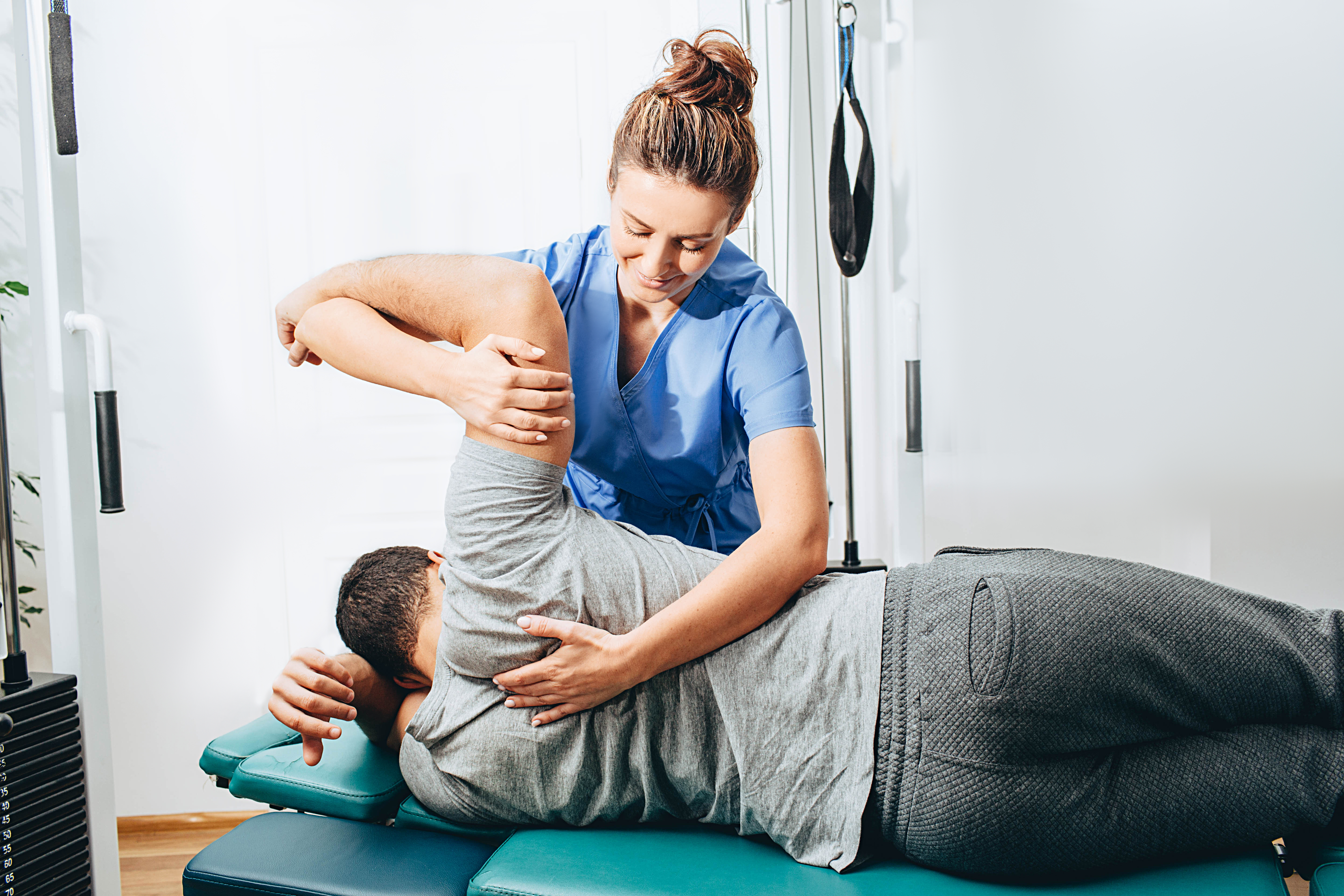
Selecting the right tools for pain relief can improve your daily life. Let’s look at when to use braces and the benefits of custom orthotics and compression gear.
When to Use a Brace
Braces can be lifesavers when recovering from an injury. They offer stability and support, helping you stay active while healing. Think of them as a short-term fix for long-term gain. If your knee feels wobbly after a run or your wrist is sore from lifting, a brace could be just what you need. It protects the injured area, allowing you to move without causing more harm.
For activities like running on the Waterfront Trail, braces can be particularly helpful. They provide the support you need to continue your routine without additional strain. Just remember, a brace is one piece of the puzzle and should be part of a broader recovery strategy.
Benefits of Custom Orthotics and Compression
Custom orthotics are more than just insoles. They adjust your foot mechanics, improving alignment and reducing pain. Imagine sailing with better balance or running with less strain. That’s what orthotics offer. They’re tailored to your foot’s unique shape, supporting your arches and helping distribute weight evenly.
Compression gear, like socks, can also aid recovery. They work by improving blood flow, reducing swelling, and offering support where it’s needed most. If you suffer from conditions like plantar fasciitis or experience swelling after a workout, compression might be the answer. Both orthotics and compression gear are simple yet effective tools to keep you moving comfortably.
Building a Comprehensive Recovery Plan
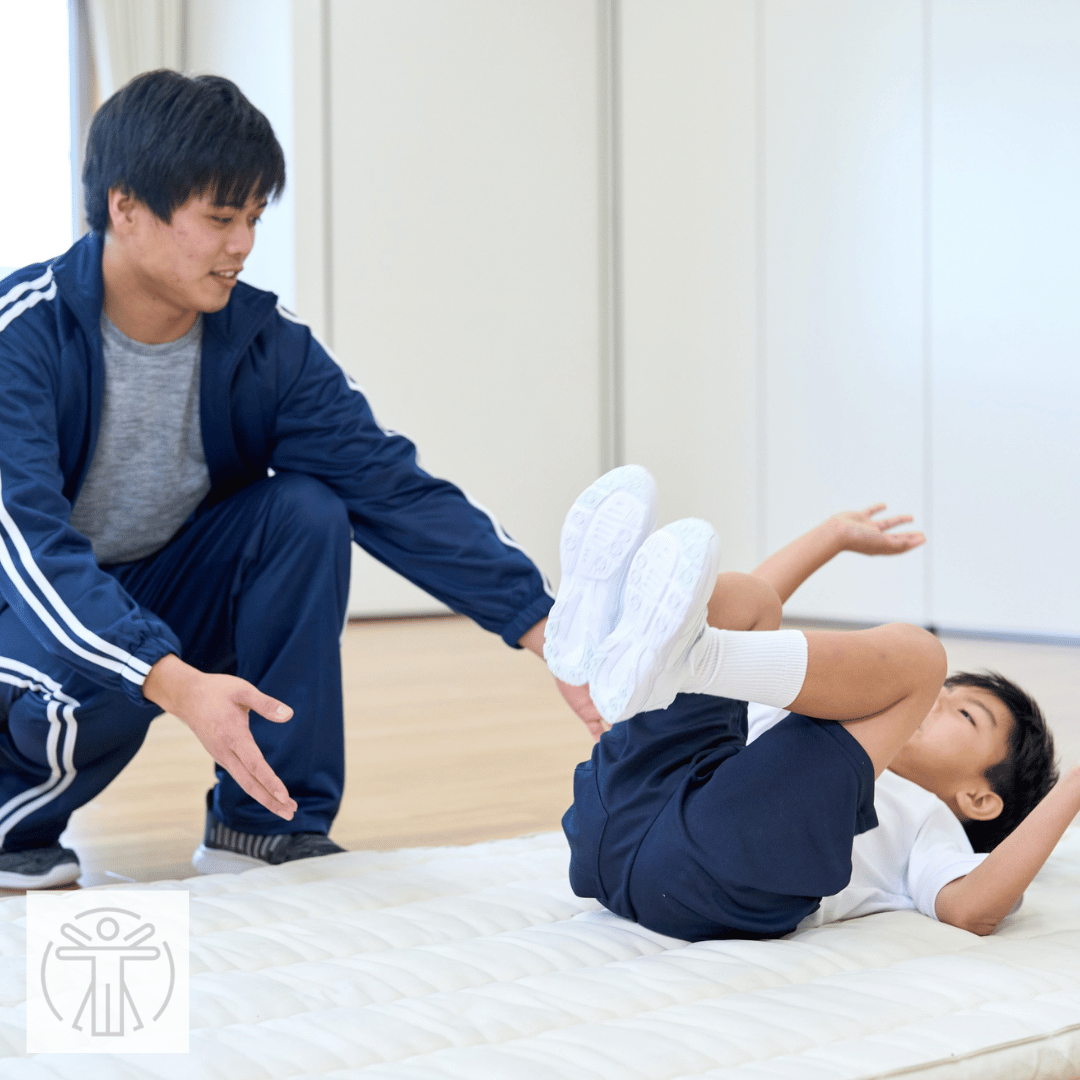
Creating a recovery plan is crucial for long-term health. It involves rehabilitation, post-surgical rehab, and strategies for injury prevention.
Rehabilitation and Post-Surgical Rehab
Rehabilitation is key to restoring movement after an injury or surgery. It focuses on exercises and therapies that improve strength and flexibility. If you’ve had surgery or a significant injury, rehab helps you regain lost function. It involves a mix of physiotherapy, exercises, and sometimes, treatments like cold laser therapy.
Post-surgical rehab, in particular, is structured to ensure you heal properly. It prevents complications and speeds up recovery. With professional guidance, you learn techniques that aid in pain management and enhance mobility. The goal is to get you back to your usual activities, feeling stronger and more confident.
Injury Prevention and Mobility Strategies
Preventing injuries is as important as treating them. By assessing your movement patterns, weak spots can be identified, reducing the risk of future issues. Exercises designed to strengthen these areas keep you active and injury-free. Regular check-ins and adjustments to your routine can make all the difference.
Mobility strategies include exercises that enhance flexibility and reduce stiffness. They’re perfect for those who love staying active, whether you’re skating in Mississauga or enjoying a gym session. By syncing these strategies with your lifestyle, you protect your body from common strains and stresses.
Frequently Asked Questions
What is the difference between mobility work and support?
Mobility work includes exercises that improve joint flexibility and muscle movement, helping manage stiffness. Support, like braces or orthotics, provides stability and relief from pain during activities.
How do I know if I need a full recovery plan?
If you have persistent pain or your symptoms worsen with activity, a full recovery plan might be necessary. It involves expert assessments and tailored therapies to address the root causes of your discomfort.
When should I use custom orthotics?
Custom orthotics are ideal if you experience foot pain, discomfort from walking or running, or need alignment support. They are especially beneficial for conditions like plantar fasciitis.
What are the benefits of compression gear?
Compression gear improves blood flow, reduces swelling, and provides support, making it beneficial for recovery and reducing discomfort after physical activities.
Why is rehabilitation important after surgery?
Rehabilitation is essential post-surgery to restore movement, prevent complications, and ensure proper healing. It involves exercises and therapies that aid in regaining strength and function.