Apr 19, 2026 | Uncategorized
Integrated healthcare: your way out of recurring musculoskeletal pain in Port Credit
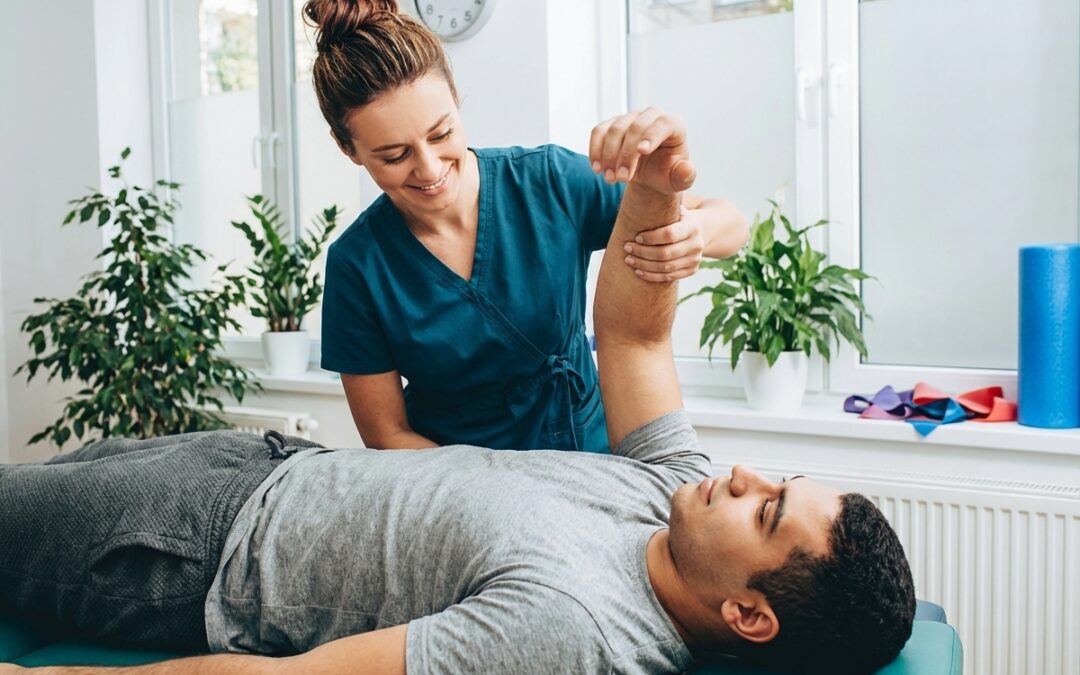
Recurring musculoskeletal pain can drain your energy and hold you back from the activities you love. At MyHealth Care Centre in Port Credit, integrated healthcare Mississauga means you get a team working together on your recovery, not just one treatment at a time. This approach cuts down your downtime, stops flare-ups before they start, and builds a plan that fits your lifestyle. Let’s explore how this personalised care can help you move better and stay active.
Integrated Healthcare in Port Credit
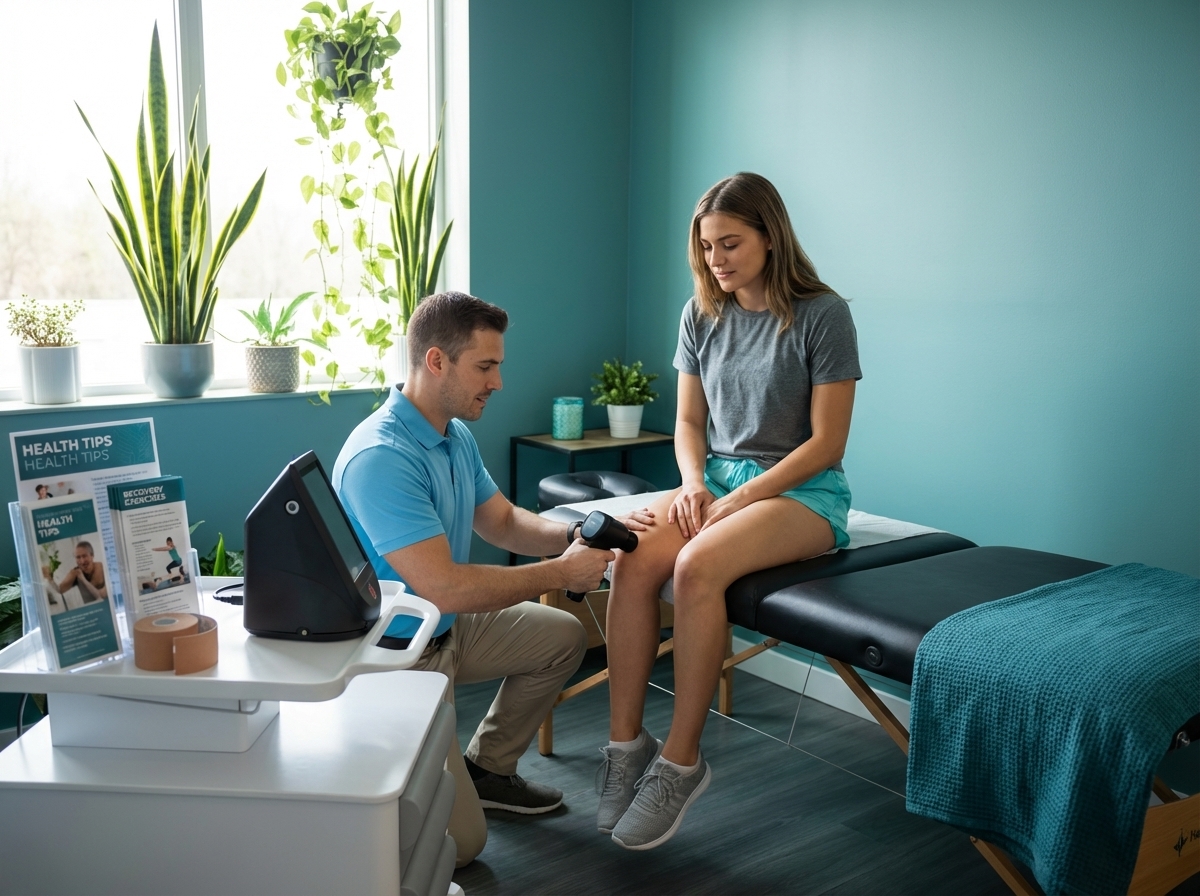
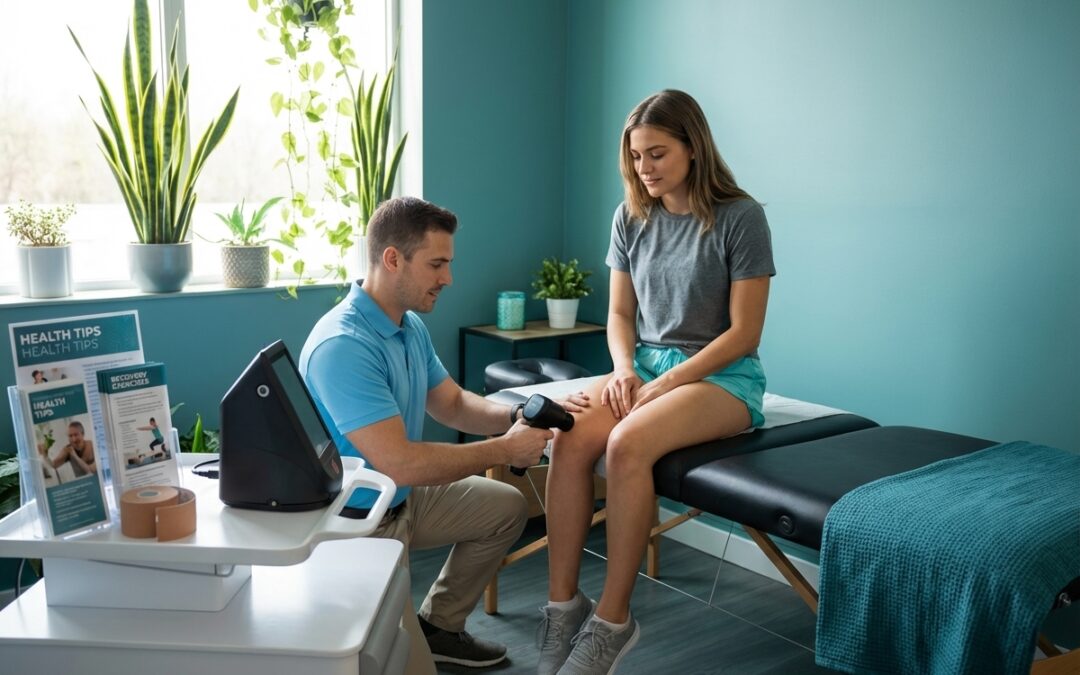
Imagine having a team of healthcare experts working together to help you recover faster and stay active. That’s what you get with integrated healthcare in Port Credit.
Multidisciplinary Clinic Benefits
At a multidisciplinary clinic, you have access to various specialists all under one roof. This setup allows for seamless collaboration among your healthcare providers. Imagine a place where your physiotherapist, chiropractor, and massage therapist work together to create the best plan for you. This approach not only saves you time but also ensures that you receive the most effective care possible.
By having a team that communicates and collaborates, you are less likely to experience gaps in your treatment. This means a smoother recovery process and less time spent in pain. The convenience of having all your healthcare needs met in one place is a significant advantage. You don’t have to travel to different locations to see various specialists. Instead, everything you need is right there, ready to support your journey to better health.
Evidence-Based Care Approach
Using evidence-based care means that your treatment is grounded in the latest scientific research. It ensures that the strategies used in your care plan are proven to be effective. This approach combines the expertise of your healthcare providers with the most current clinical studies.
When you receive evidence-based care, you can trust that your treatment is not based on guesswork. Instead, it’s backed by data and research. This gives you confidence that the time you invest in your recovery will lead to real, measurable improvements.
One example is a study that highlights how combining different treatments can reduce recovery time and improve outcomes. Knowing that your care is based on solid evidence can motivate you to stick to your treatment plan, knowing that each step brings you closer to your goals.
Physiotherapy and Chiropractic Solutions

Integrated healthcare in Port Credit offers unique solutions through physiotherapy and chiropractic care. Let’s dive into how these can help you recover and maintain your health.
Port Credit Physiotherapy Techniques
Physiotherapy in Port Credit focuses on restoring your movement and strength. This means using exercises and techniques tailored to your specific needs. Whether you’re dealing with a sports injury or chronic pain, physiotherapy can help you regain control over your body.
Physiotherapists assess your movement patterns and identify areas that need improvement. They then design a program that targets these areas, helping you to move better and feel stronger. For example, if you’re a runner, your physiotherapist might focus on exercises that strengthen your legs and improve your balance.
Besides exercises, physiotherapy might include manual therapy and other modalities. These techniques work together to reduce pain, enhance flexibility, and promote healing. With a personalized plan, you can progress at your own pace, ensuring that your recovery is both effective and sustainable.
Chiropractic Mississauga for Recovery
Chiropractic care in Mississauga focuses on alignment and nervous system function. Chiropractors use specific adjustments to improve your body’s alignment, which can alleviate pain and enhance overall well-being.
Chiropractic adjustments target your spine and joints, helping to relieve pressure and improve mobility. This can be particularly beneficial if you suffer from back pain or neck discomfort. By addressing alignment issues, chiropractic care can reduce tension and promote easier movement.
Most people think that chiropractic care is only for back problems, but it can help with a variety of issues. For instance, shoulder impingement or runner’s knee might improve with chiropractic adjustments. By integrating chiropractic care into your treatment plan, you can benefit from a holistic approach that considers all aspects of your health.
Active Rehabilitation and Prevention

Active rehabilitation is about taking charge of your recovery and preventing future injuries. It’s not just about healing; it’s about building a stronger foundation for your health.
Personalised Treatment Plan Strategies
Your treatment plan is designed just for you. It takes into account your specific needs and goals, ensuring that you receive care that makes a real difference. This personalized approach empowers you to be an active participant in your recovery.
The plan includes exercises tailored to your condition and lifestyle. For example, if you’re recovering from a knee injury, your plan might focus on strengthening your quadriceps and improving your flexibility. By following a structured plan, you can track your progress and stay motivated.
In addition to exercises, your treatment plan might include education on posture and ergonomics. Understanding how to move correctly can prevent reinjury and promote long-term health. By being informed, you can make choices that support your wellness every day.
Injury Prevention Mississauga Tips
Preventing injuries is a crucial part of staying active and healthy. Simple strategies can make a big difference in keeping you safe and pain-free.
-
Warm-Up Properly: Spend at least 10 minutes warming up before any physical activity. This prepares your body and reduces the risk of injury.
-
Listen to Your Body: Pay attention to any signs of pain or discomfort. If something feels wrong, don’t ignore it. Rest or adjust your activity as needed.
-
Stay Consistent with Exercises: Regular exercise strengthens your body, making it more resilient against injuries. Find activities you enjoy, and stick with them.
-
Use Proper Techniques: Whether you’re lifting weights or running, using the correct form is essential. It can prevent strain and enhance performance.
By incorporating these tips into your routine, you can protect yourself from common injuries. Remember, the longer you wait to take preventive action, the more you risk facing setbacks. Start today, and invest in your health for a better tomorrow.
In summary, integrated healthcare at MyHealth Care Centre offers a path to comprehensive recovery and prevention. By leveraging a multidisciplinary approach, evidence-based care, and personalized treatment plans, you can achieve lasting improvements in your health and well-being.
Book Online

Apr 18, 2026 | Uncategorized
Custom Orthotics: Your Port Credit Guide to Better Posture, Comfort, and Confident Movement
Foot and joint pain can sneak up on anyone, especially when you’re active around Port Credit. If you’ve noticed aches during your runs, long shifts on your feet, or after skating, your posture might be the hidden culprit. Custom orthotics in Port Credit offer a tailored way to support your feet, ease discomfort, and keep you moving confidently every day. Let’s explore how these personalised insoles can make a real difference in your comfort and performance.
Benefits of Custom Orthotics
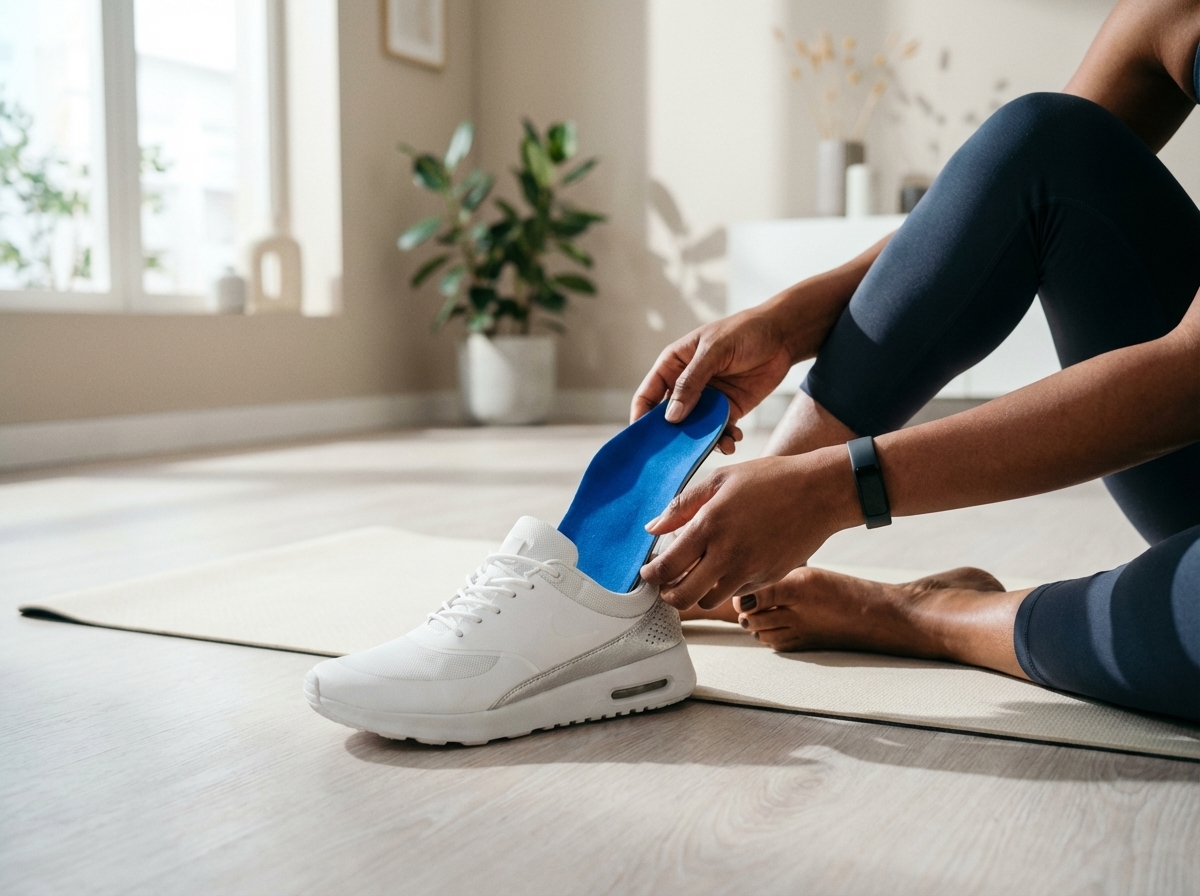
Custom orthotics are more than just shoe inserts; they are a gateway to improved foot health and overall well-being. Let’s look at how they can transform your daily activities and sports performance.
Posture Correction and Alignment
Imagine standing tall and walking with ease. Custom orthotics help achieve this by adjusting your foot positioning.
When your feet are properly supported, it directly impacts your posture. These insoles are designed to fix imbalances that can lead to knee, hip, and back issues. By realigning your feet, orthotics promote better posture from the ground up. Most people think poor posture is only a back problem, but it often starts with your feet. With custom solutions, you address the root cause, leading to a more upright and balanced stance.
Reducing Pain and Discomfort
Pain relief is one of the main reasons people turn to custom orthotics. Whether it’s plantar fasciitis or flat feet, these insoles offer targeted support.
Orthotic insoles in Mississauga are crafted to evenly distribute weight and reduce pressure points. This alleviates stress on your feet and joints, easing pain. They are also effective in addressing knee pain, hip discomfort, and lower back issues. Many people are surprised at how much foot health affects overall comfort. When discomfort reduces, you can enjoy activities like running or walking without the constant pain.
Enhancing Movement and Performance
Do you want to move better and feel more confident in your activities? Custom orthotics can enhance your performance.
With improved alignment and reduced pain, your movement becomes more efficient. Orthotics provide stability and support, helping you maintain a better gait. Whether you are on the Waterfront Trail or at the Memorial Arena, these benefits translate to smoother, more effective movement. Most athletes find that orthotics give them an edge by reducing injury risk and enhancing performance.
Comprehensive Assessment at MyHealth Care Centre
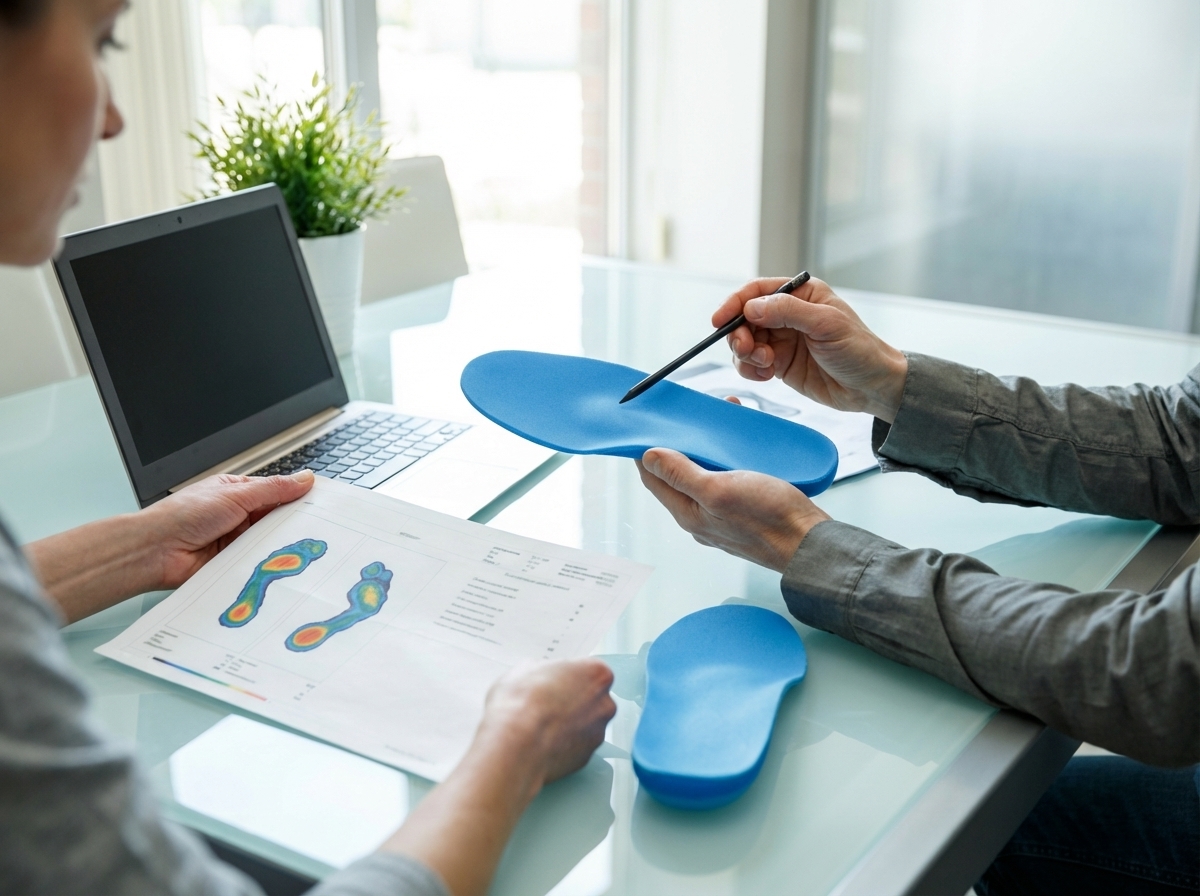
At MyHealth Care Centre, understanding your unique needs is key. Our thorough assessment process ensures your orthotics solution is perfectly tailored to you.
Gait Analysis and History Review
The journey to better foot health starts with a comprehensive evaluation.
Our gait analysis in Port Credit assesses how you walk, run, or stand. This analysis provides insights into your movement patterns and any imbalances. We also review your medical history to understand past injuries or current conditions affecting your feet. This detailed approach helps us pinpoint the cause of your discomfort. Many are surprised to learn how much their gait affects their overall health.
Personalised Orthotic Solutions
Once we understand your needs, we create a customised solution.
Our team crafts orthotics that match your foot shape and lifestyle. Whether you need support for flat feet or treatment for plantar fasciitis, we provide tailored insoles. This personalisation ensures that your orthotics address your specific issues. Unlike over-the-counter options, custom solutions offer precise support. Most people think generic insoles will suffice, but custom ones truly make a difference.
Integrated Care for Long-Term Results
Our care doesn’t stop at orthotics. We integrate various therapies for holistic health.
The MyHealth approach combines physiotherapy, chiropractic care, and massage therapy. This ensures that all aspects of your health are considered. Our integrated healthcare in Port Credit means you receive support that addresses multiple facets of your recovery. By focusing on both immediate relief and long-term wellness, we help you maintain better health.
Taking the Next Step

Ready to improve your movement and comfort? Here’s how you can get started on your path to better health with custom orthotics.
Ready for Better Movement?
If foot pain or discomfort is holding you back, it’s time to take action.
Custom orthotics offer a simple yet effective solution to enhance your movement and comfort. With tailored support, you can enjoy daily activities and sports without the nagging pain. The longer you wait, the more your discomfort might affect your lifestyle.
Book Your Orthotic Assessment Today
Don’t wait for foot pain to worsen. Take the proactive step and book an assessment.
Our team at MyHealth Care Centre is ready to guide you through the process. During your assessment, we’ll evaluate your needs and craft a solution that suits you. You’ll discover how custom orthotics can transform your life. Most people think they have to live with foot pain, but relief is possible with the right support.
Preparing for Local Activities and Events
Once you have your orthotics, you’re set to enjoy the best of Port Credit.
Whether it’s a community run or a day at the yacht club, your new insoles will keep you moving comfortably. With proper support, you can participate in local events and activities with confidence. Remember, healthy feet lead to a more active and fulfilling lifestyle.
In summary, custom orthotics offer a path to better posture, reduced pain, and enhanced performance. At MyHealth Care Centre, our comprehensive assessments ensure you receive the best care. Embrace a healthier, more active lifestyle with personalised support.
Book Online
Apr 13, 2026 | Uncategorized
Recurring pain: when to book physiotherapy in Port Credit, Mississauga
Recurring pain can sneak up on you, turning simple tasks into daily struggles. If your aches return week after week or flare during work or workouts, it’s time to act. Booking physiotherapy in Port Credit early stops minor issues from becoming lasting problems. Keep reading to learn how MyHealth Care Centre crafts personalised recovery plans that help you move better and live better. For further reading, check out this link.
Recognising When to See a Physio
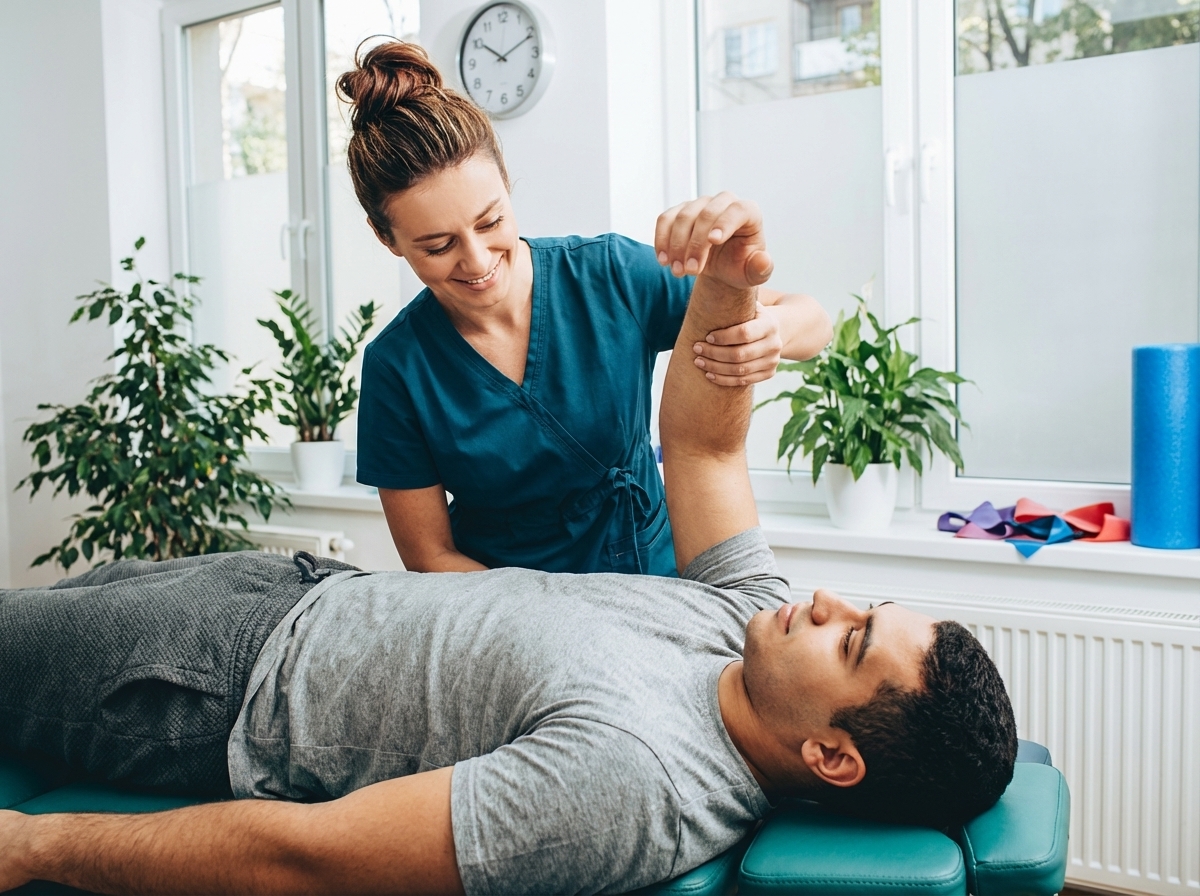
Whether you’re sitting at a desk or hitting the gym, persistent discomfort can disrupt your life. Understanding the signs helps you take action early.
Signs of Recurring Pain
Do you notice the same pain cropping up while doing your daily activities or during exercise? This recurring pain might be your body’s way of signalling that something’s not right. Perhaps it’s a dull ache in your back after sitting too long, or that sharp twinge in your knee after a run. Don’t ignore these signs. They’re often the first indicators that a visit to a Port Credit physiotherapist is needed. Addressing these early can save you from long-term issues.
Impact on Daily Activities
Recurring pain isn’t just a physical nuisance, it can also take a toll on your daily life. Imagine trying to concentrate at work while your back is throbbing, or feeling frustrated because you can’t enjoy a simple walk without discomfort. These pains can slowly chip away at your quality of life. The longer you wait, the more it starts to affect your routine and hobbies. Recognising this impact is crucial to taking the next step towards relief.
Sleep Disruptions and Compensation
Ever tossed and turned due to discomfort, struggling to find a position that doesn’t hurt? Sleep disruptions are a common result of untreated pain. Lack of sleep then leads to fatigue and can amplify your pain perception. It’s a vicious cycle. Often, people also unknowingly compensate for pain by changing their posture or the way they move, which can lead to additional problems. Understanding these patterns is key in deciding when to seek help from a physiotherapist.
Benefits of Early Physiotherapy

Choosing to address pain early can change your recovery journey. Here’s how early intervention can make all the difference.
Preventing Chronic Pain
The sooner you tackle recurring pain, the better your chances are of preventing it from becoming chronic. Chronic pain can be debilitating, affecting every aspect of your life. Early physiotherapy can halt the progression, focusing on exercises and techniques that address the root causes. This proactive approach ensures you maintain your lifestyle without the constant worry of pain resurfacing.
Speeding Up Recovery
Quick action leads to quicker recovery. When you start physiotherapy early, you give yourself the best chance of a fast track to feeling better. By addressing the problem before it worsens, you minimise the time spent in discomfort. MyHealth Care Centre offers strategies tailored to your specific needs, which helps in accelerating the healing process. This means you’ll be back to your favourite activities sooner. Curious about recovery techniques? Learn more about active management at this link.
Integrated Care Solutions
At MyHealth Care Centre, you aren’t just getting a quick fix. You’re receiving a comprehensive plan that integrates various therapies. Physiotherapy, chiropractic, and massage therapies work together to provide holistic care. This integrated approach ensures that all aspects of your condition are addressed, leading to a more complete recovery. You’re not just relieving pain; you’re setting up a foundation for lasting health and wellness. For a deeper understanding of pain management, visit here.
What to Expect at MyHealth
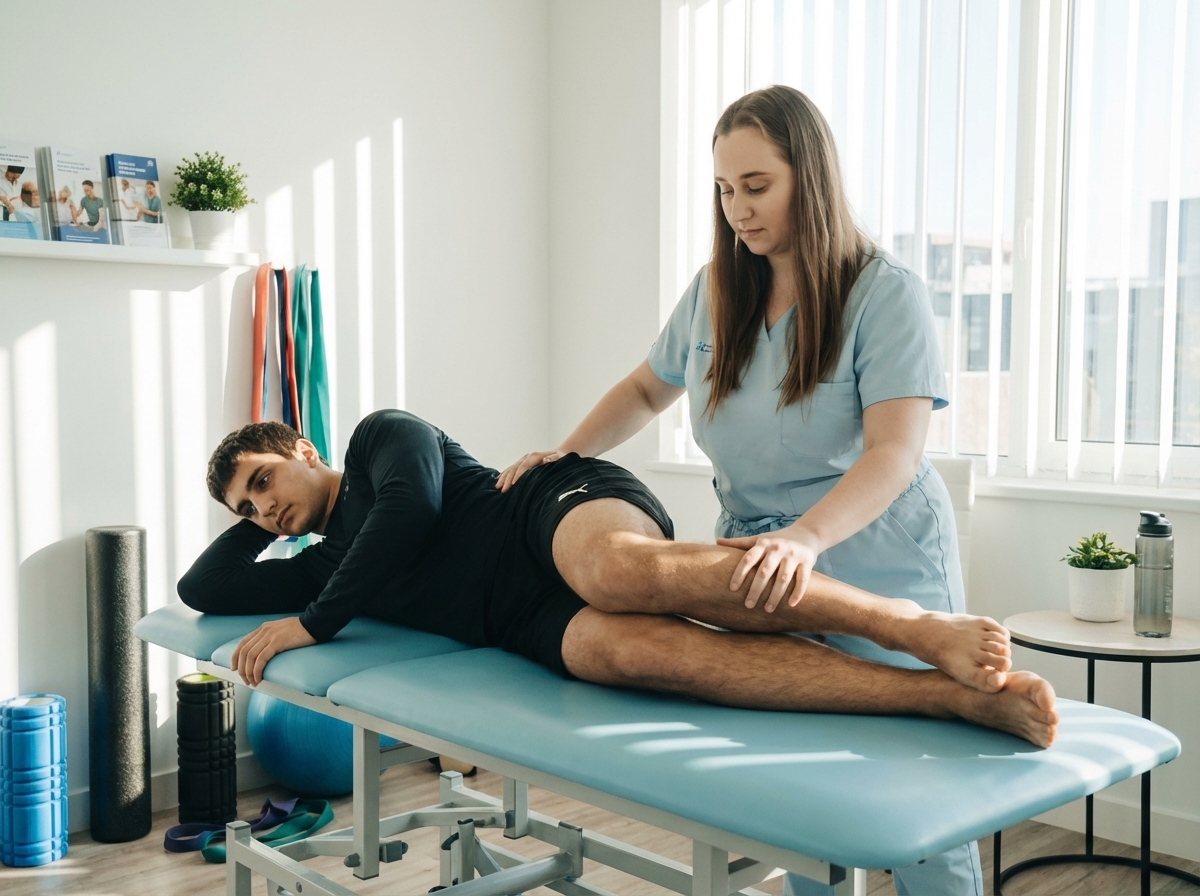
Your journey to recovery begins with a supportive and personalised experience at MyHealth Care Centre.
Initial Physiotherapy Assessment
Your first visit will involve a detailed assessment. This isn’t just about what’s hurting now, but understanding the big picture. The physiotherapist will evaluate your movement, posture, and pain patterns to tailor a plan that suits your needs. This initial step is crucial for pinpointing the precise cause of your discomfort, ensuring that the treatment is both effective and efficient.
Personalised Recovery Programme
Based on your assessment, a personalised programme will be crafted. This isn’t a one-size-fits-all approach; it’s about what works for you. The plan may include exercises, manual therapy, and advice on lifestyle changes. The goal is to empower you with the tools and knowledge to manage your condition and prevent future issues. You’re not just a patient here; you’re a partner in your own recovery journey. Discover more about personalised care here.
Coordinated Evidence-Based Solutions
At MyHealth, the care you receive is grounded in evidence-based practices. This means you’re benefiting from the latest research and clinical methods. The team collaborates, bringing together their expertise across disciplines to ensure you receive comprehensive care. This coordination ensures that every aspect of your health is considered, and you’re equipped with strategies that lead to lasting results. Your health is in capable hands, ensuring you move better, live better.
Book Online
Apr 12, 2026 | Uncategorized
How Integrated Care Supports Recovery from Musculoskeletal Injuries in Port Credit
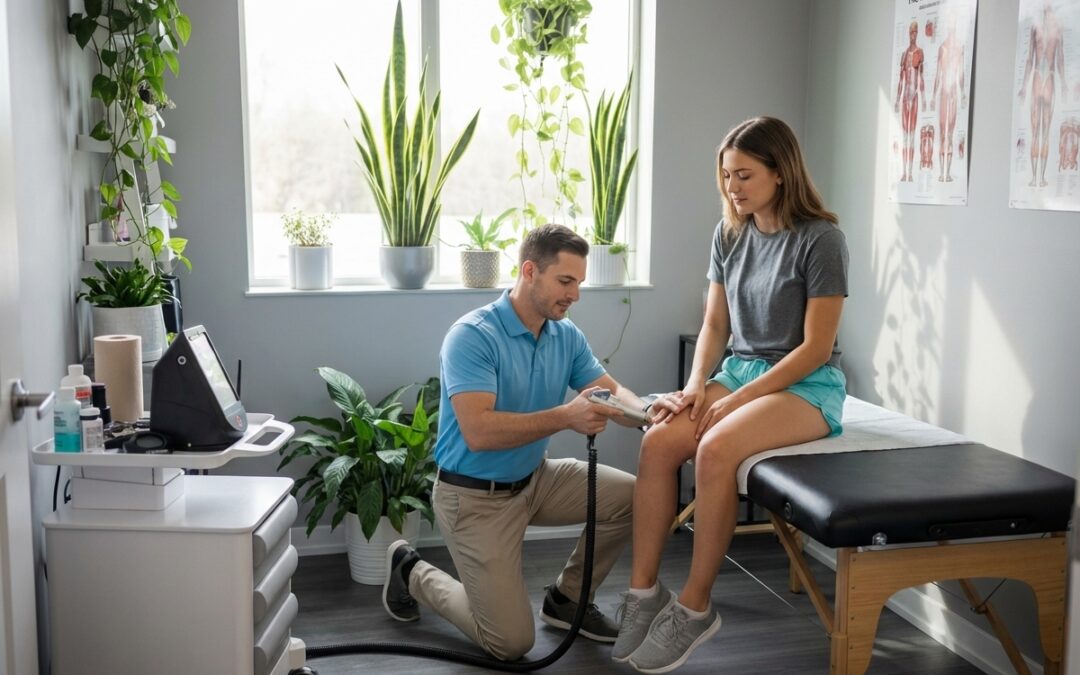
Musculoskeletal injuries can throw off your routine, whether you’re hitting the Waterfront Trail or skating at Port Credit Memorial Arena. Waiting it out or trying quick fixes often drags recovery longer and risks new pain. Integrated care at MyHealth Care Centre brings physiotherapy, chiropractic, massage, and more together under one roof to speed healing, ease discomfort, and keep you moving strong. Ready to find out how your recovery can get back on track? Learn more.
Integrated Care in Port Credit
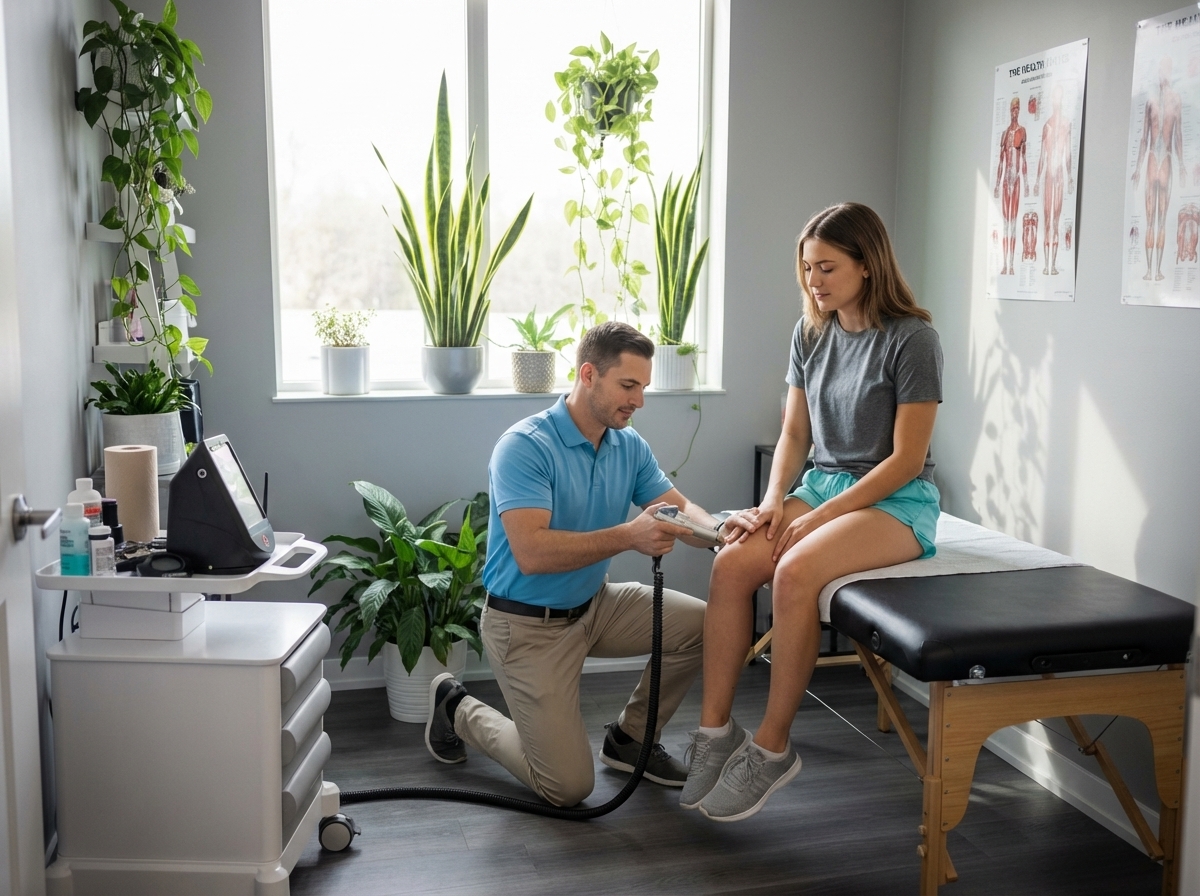
Integrated care is the key to faster recovery and long-term health. By combining various therapies, MyHealth Care Centre offers a comprehensive approach to treating musculoskeletal injuries. This method not only addresses immediate pain but also helps in preventing future issues.
Benefits of Integrated Care
Imagine getting all your healthcare needs met under one roof. Integrated care brings together different therapies to provide you with a complete treatment plan. This approach ensures that all aspects of your health are considered, leading to more effective recovery.
-
Holistic Treatment: Combining therapies like physiotherapy and chiropractic care allows for a more rounded healing process.
-
Time-Saving: No need to juggle appointments at different locations.
-
Collaborative Efforts: Professionals work together, ensuring that your treatment is cohesive and comprehensive.
Personalised Recovery Plans
Your body is unique, and so should be your recovery plan. With personalised plans, you receive treatment tailored specifically to your needs. This means faster recovery and better outcomes.
-
Initial Assessment: We start with a thorough evaluation to understand your condition.
-
Tailored Exercises: Exercises are designed to target your specific pain points and promote healing.
-
Ongoing Adjustments: As you progress, your plan evolves to keep you on the path to recovery.
Collaborative Multi-Disciplinary Approach
Our team of experts works together to provide you with the best care possible. This collaborative approach ensures that you benefit from the expertise of multiple healthcare professionals.
-
Team Meetings: Regular discussions among team members to review your progress and make necessary adjustments.
-
Shared Goals: Every professional is aligned with your recovery goals, ensuring consistent care.
-
Feedback Loop: Your experiences and feedback help refine your treatment plan.
Therapies for Musculoskeletal Injuries
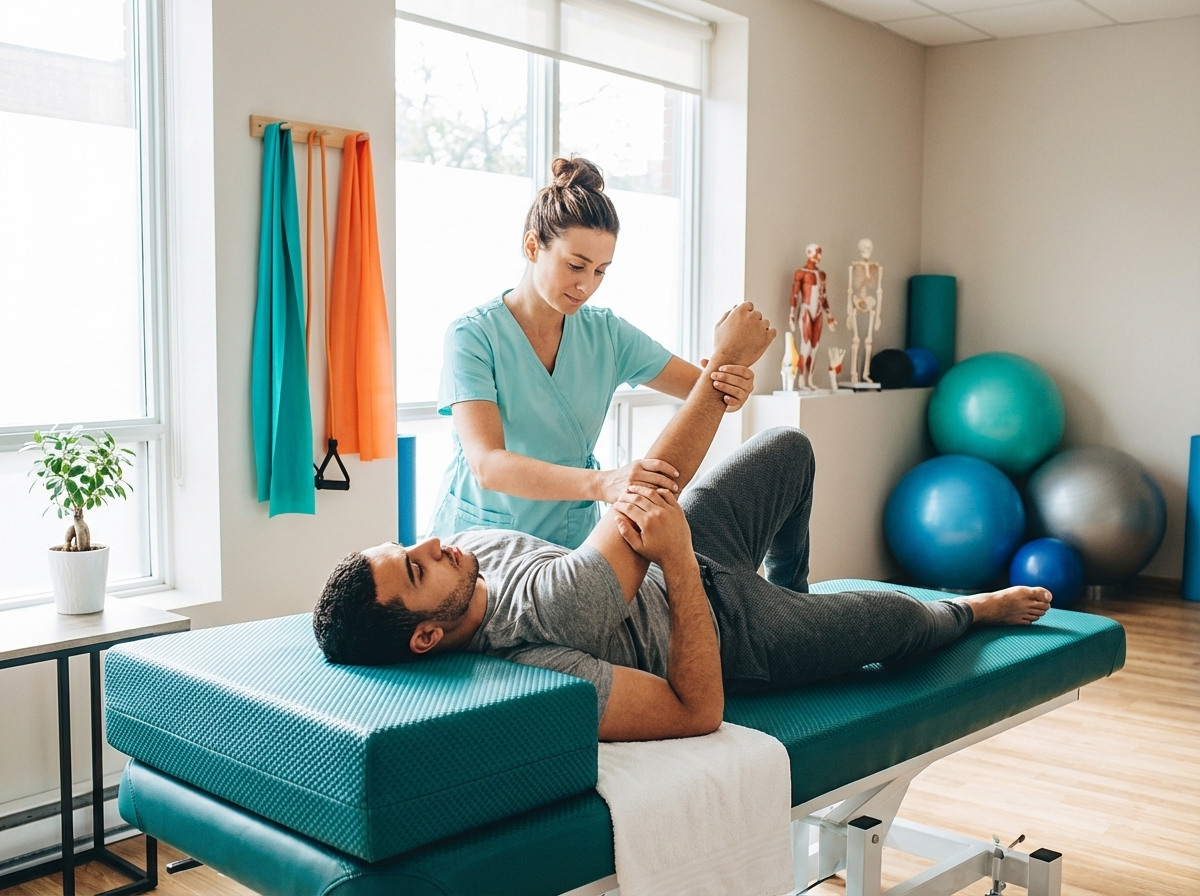
Different injuries require different treatments. At MyHealth Care Centre, we offer a range of therapies to address various musculoskeletal issues. Let’s dive into the specific therapies available.
Physiotherapy and Chiropractic Care
Physiotherapy helps restore movement, while chiropractic care focuses on alignment. Together, they provide a powerful combination for recovery.
-
Manual Therapy: Techniques to improve mobility and reduce pain.
-
Strengthening Exercises: Activities designed to build muscle and prevent future injuries.
-
Spinal Adjustments: Realigning the spine to improve posture and alleviate pain.
Massage and Fascial Stretch Therapy
Relax and heal with massage and fascial stretch therapy. These therapies aim to reduce tension and improve flexibility.
-
Muscle Relaxation: Massage helps ease tight muscles and improve circulation.
-
Stretching Techniques: Fascial stretching targets connective tissues to enhance flexibility.
-
Stress Reduction: Both therapies promote relaxation and mental well-being.
Acupuncture and Cryotherapy
Acupuncture and cryotherapy offer alternative approaches to pain management and recovery.
-
Pain Relief: Acupuncture stimulates specific points to relieve pain.
-
Inflammation Reduction: Cryotherapy uses cold temperatures to reduce swelling and accelerate healing.
-
Holistic Approach: Both therapies support the body’s natural healing processes.
Your Path to Recovery

Taking the first step towards recovery is crucial. At MyHealth Care Centre, we guide you through every stage of your healing journey. Explore how to begin your path to a pain-free life.
Booking an Initial Assessment
The journey starts with a detailed assessment to understand your current condition and future goals.
-
Comprehensive Analysis: Evaluating your medical history and current issues.
-
Goal Setting: Defining what you want to achieve through treatment.
-
Personalised Plan: Creating a tailored plan based on your unique needs.
Complimentary Discovery Call
Unsure where to start? A complimentary call can help clarify your options and set you on the right path.
-
Initial Consultation: Discuss your concerns and treatment possibilities.
-
Expert Advice: Receive professional insights into the best therapies for you.
-
No Obligation: Explore your options without any pressure to commit.
Home Exercise Programmes
Consistency is key to recovery. Home exercise programmes ensure you continue healing outside the clinic.
-
Custom Exercises: Designed specifically for your needs and progress.
-
Progress Tracking: Monitor improvements and adjust exercises as needed.
-
Empowerment: Gain confidence in managing your own recovery.
By choosing integrated care at MyHealth Care Centre, you’re opting for a comprehensive approach to healing. Ready to start your journey? Contact us to schedule your initial assessment today.
Book Online
Apr 11, 2026 | Uncategorized
Recover Strong in Port Credit: A Practical Guide to Healing Without Losing Your Routine
Recovering from injury in Port Credit doesn’t mean putting your life on hold. You can keep your routine, reduce pain, and get back to your favourite activities with the right approach. This guide shares clear injury recovery tips from our Mississauga physio clinic to help you stay active during rehab and return stronger without missing a beat. For more on staying active during recovery, see this link.
Practical Recovery Tips
Finding the path to recovery can be a challenge. Knowing how to manage pain and stay active is key. Here’s your guide to maintaining balance during this time.
Pain Management Strategies
Pain is a common hurdle in recovery. Handling it well can speed up your return to normal activities. First, consider the R.I.C.E. method: Rest, Ice, Compression, and Elevation. This simple approach can reduce swelling and ease discomfort.
Next, explore other options like over-the-counter pain relief. Use these as directed to help manage your symptoms. It’s important to remember that pain can be a helpful guide. Listening to your body and not overdoing it will prevent setbacks.
Maintaining a Routine While Healing
Sticking to a routine can be tough when you’re not at full strength. But keeping some structure in your day helps you feel in control. Start with small, manageable tasks. Focus on consistency over quantity. This will keep you on track without overexertion.
Remember, it’s okay to adjust your routine as needed. Flexibility is your friend during recovery. Gradually reintroduce activities in a way that suits your current abilities. For ideas on staying fit while recovering, check out this resource.
Safe Ways to Stay Active
Staying active is crucial for both physical and mental health. But how can you do this safely?## Practical Recovery Tips
Recovering well isn’t just about healing fast; it’s about keeping your life on track. Here are some practical strategies to help you manage pain, maintain your routine, and stay active while you heal.
Pain Management Strategies
Managing pain effectively can make a world of difference in your recovery journey. It allows you to move more freely and engage in daily activities. Start by employing simple methods like ice packs and over-the-counter pain relievers to reduce inflammation and alleviate discomfort.
Another effective method is gentle stretching and mobility exercises. These help maintain flexibility and prevent stiffness without aggravating the injury. Remember, consistent yet gentle movement is key to managing pain and aiding recovery. If pain persists, consider seeking professional advice from a Mississauga physio clinic to tailor a plan that suits your needs.
Maintaining a Routine While Healing
Staying in your routine is crucial for both mental and physical recovery. Begin by identifying the core activities that define your day and adapt them to your current capacity. For instance, if you’re used to morning jogs, try a short walk instead.
It’s also important to set realistic goals. Keeping your expectations in check prevents frustration and promotes a positive outlook on recovery. Engage in alternative activities that keep you mentally active, like reading or gentle yoga, to fill the void left by more strenuous activities.
Safe Ways to Stay Active
Staying active during recovery requires a balance of caution and commitment. Focus on low-impact exercises that keep your body engaged without risking further injury. Swimming and cycling, for example, are excellent choices for maintaining cardiovascular fitness without putting stress on your injury.
Incorporate strength-building exercises to help your body recover faster and reduce the chance of future injuries. Simple bodyweight exercises, like squats or push-ups, can be modified to fit your current capabilities. For more ideas on staying active, check out this guide on safe exercises during recovery.
Integrating Therapies in Port Credit
Incorporating various therapies can enhance your recovery process. Each therapy offers unique benefits, and when combined, they can significantly speed up healing and improve your overall health.
Physiotherapy and Chiropractic Benefits
Physiotherapy and chiropractic care are powerful allies in your recovery toolkit. Port Credit physiotherapy focuses on restoring movement and strength through tailored exercises. This approach not only helps in healing injuries but also enhances your body’s functionality.
Chiropractic care complements this by ensuring proper alignment and reducing discomfort. It enhances your nervous system function, which is vital for overall health. Together, these therapies form a comprehensive approach that addresses both pain relief and long-term well-being.
The Role of Massage and Acupuncture
Massage therapy and acupuncture bring additional benefits to your recovery process. Registered massage therapy in Port Credit helps alleviate muscle tension and promotes relaxation, paving the way for a smoother healing process.
Acupuncture, widely available in Mississauga, targets specific points to relieve pain and improve energy flow. This ancient practice can accelerate recovery by enhancing circulation and reducing inflammation. The combination of these therapies creates a holistic healing environment for your body.
Advanced Therapies for Faster Healing
For those looking to accelerate their recovery, advanced therapies like cold laser therapy in Mississauga and cryotherapy in Port Credit offer cutting-edge solutions. These non-invasive treatments target deep tissues to reduce inflammation and promote faster healing.
Cryotherapy, for instance, uses extreme cold to reduce swelling and pain almost immediately. These therapies, when integrated with traditional methods, offer a comprehensive approach that maximizes recovery potential.
Tailored Recovery Plans
A one-size-fits-all approach doesn’t work in recovery. Tailored plans that fit your lifestyle and goals are essential for effective healing and prevention of future injuries.
Customised Exercises and Mobility
Customised exercises are vital in restoring your range of motion and building strength. A professional can design a plan that progressively challenges your body without risking further injury. This bespoke approach ensures that you are not only healing but also enhancing your overall physical capacity.
Incorporating mobility exercises helps maintain and improve flexibility. Regularly performing these exercises can prevent stiffness and keep you moving comfortably through your daily activities.
Planning Your Return to Sports
If you’re eager to get back to your favourite sports, planning is crucial. Start with low-intensity activities to gauge your body’s readiness. Gradually increase the intensity and duration as your body adapts and strengthens.
It’s important to listen to your body’s signals during this transition. If you experience any pain or discomfort, step back and reassess your approach. Consulting with a sports injury clinic in Mississauga can provide expert guidance on safely returning to your sport.
Self-Care and Stress Management Techniques
Self-care is an integral part of any recovery plan. It involves both physical and mental practices that support your overall well-being. Techniques such as meditation and deep breathing can help manage stress, which is crucial for a smooth recovery.
Additionally, ensuring adequate rest and nutrition supports your body’s healing process. A well-rounded approach that includes self-care and stress management helps in maintaining balance and promotes a faster recovery.
By following these tailored recovery strategies, you empower yourself to take control of your health. Remember, healing is a journey, and with the right approach, you can return stronger and more resilient than ever.
Book Online
