
You’re ready to move past pain and stiffness holding you back. Recovery isn’t just rest—it’s smart steps to restore movement, rebuild strength, and stop injuries from coming back. This Port Credit physiotherapy guide shows you how to take control, with clear advice and support from MyHealth Care Centre’s expert team. Let’s get you moving better and feeling stronger every day. Here’s a closer look.
Smart Recovery Strategies

To begin your road to recovery, it’s essential to focus on specific strategies that foster healing. Let’s explore the best ways to regain your strength and prevent future mishaps.
Movement First for Better Healing
Movement is the first step towards healing. It might seem counterintuitive, but gentle activity can help you recover faster. Start with simple exercises like walking or easy stretches. These movements boost blood flow, helping your body heal itself. Think of a time you felt stiff after sitting for too long: moving around likely eased the tension. Similarly, applying gentle movement can help your body repair. Remember, your goal here is not to push yourself too hard but to encourage healing through gentle motion.
Building Strength Safely
Once you’re moving comfortably, it’s time to build strength. Focus on gradual progression. Begin with bodyweight exercises such as squats or lunges. These exercises improve muscle strength without straining your body. Always listen to your body; if something feels wrong, stop and rest. Consistency is key. Aim for regular sessions, but ensure you have rest days too. Strengthening your muscles supports your body, making daily tasks easier and reducing the risk of future injuries.
Preventing Future Injuries
Preventing injuries is as crucial as recovering from them. Incorporate balance and flexibility into your routine. Yoga or Pilates can be excellent choices. They improve your core strength, which is vital for stability. Also, pay attention to your posture throughout the day. Proper alignment can drastically reduce strain on your muscles and joints. An example is maintaining a straight back when sitting, which supports spinal health. By incorporating these practices, you’re setting yourself up for a healthier, injury-free future.
Expert Techniques and Therapies
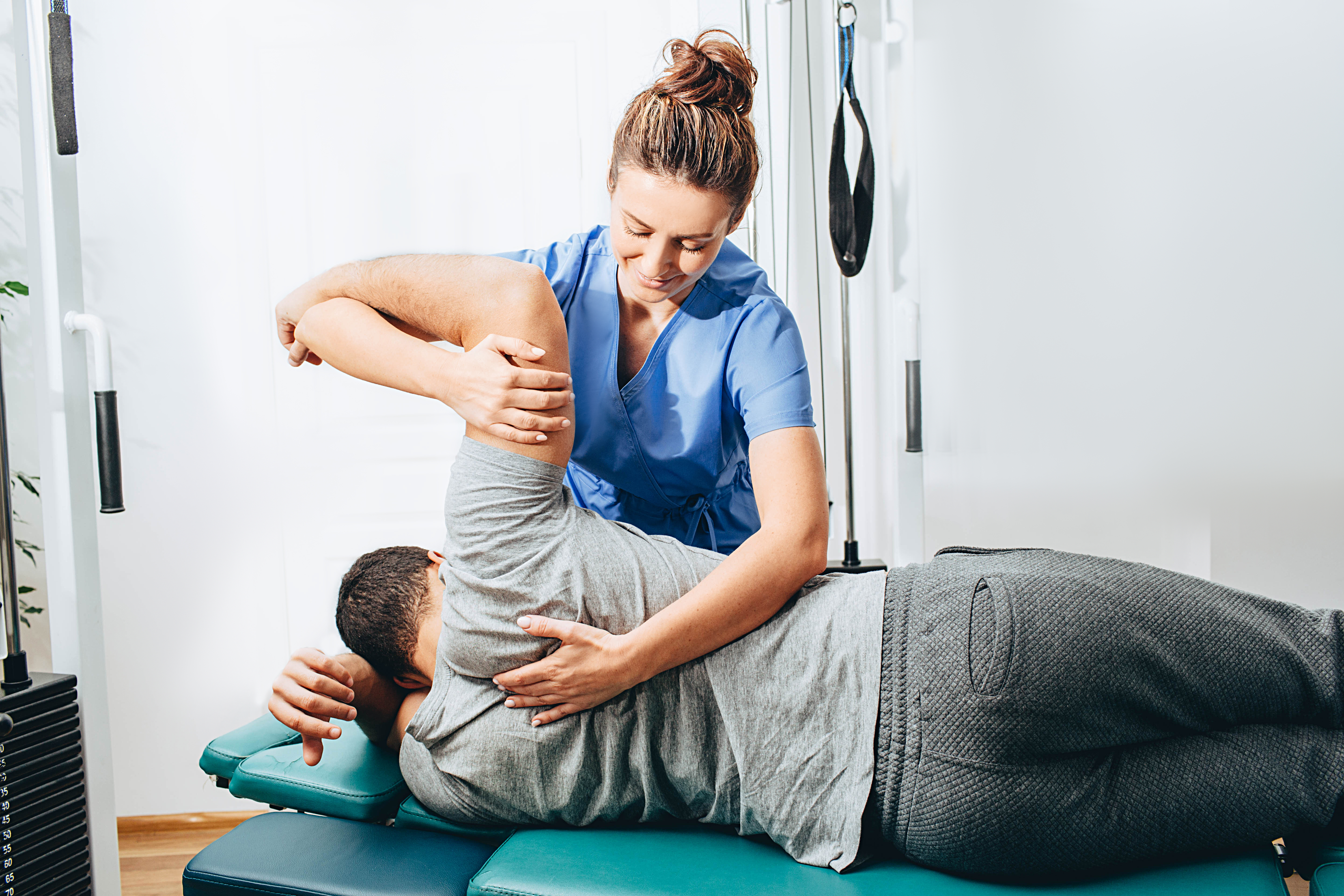
With an understanding of recovery basics, let’s explore therapies that can enhance your journey. These techniques provide targeted relief and promote overall well-being.
Physiotherapy and Chiropractic Care
Physiotherapy and chiropractic care are powerful allies in recovery. Physiotherapy focuses on restoring movement through exercises tailored to your needs. This approach is particularly effective for issues like knee pain after running on the Waterfront Trail. On the other hand, chiropractic care targets spinal alignment, which can alleviate back pain and improve overall posture. Combined, these therapies offer a comprehensive solution to many musculoskeletal problems. By addressing both movement and alignment, you enhance your body’s ability to heal and function optimally.
Massage, Acupuncture, and Laser Therapy
Massage therapy is not just about relaxation; it also relieves muscle tension and boosts circulation. Regular sessions can speed up recovery and reduce day-to-day pain. Acupuncture taps into the body’s energy pathways, promoting natural healing. This ancient practice is particularly useful for managing pain and stress. Cold laser therapy is a modern technique that accelerates tissue repair at a cellular level. It’s non-invasive and can be particularly effective in treating stubborn injuries. Together, these therapies form a comprehensive toolkit for recovery and pain management.
Custom Orthotics and Compression Socks
Sometimes, recovery requires a supportive boost. Custom orthotics can correct foot mechanics, providing better alignment and reducing pain during activities like running. They’re tailored to your feet, ensuring maximum comfort and efficiency. Medical compression socks enhance blood flow, which is crucial for recovery and daily comfort. They are especially beneficial for those who spend long periods standing or sitting. By integrating these supportive tools, you can enhance your recovery process and maintain comfort throughout your day.
Integrating Lifestyle and Recovery

To achieve lasting results, lifestyle changes are essential. Let’s discuss how to incorporate recovery into daily life for enduring health and vitality.
Everyday Habits for Pain-Free Living
Small changes can make a big difference. Start by incorporating short walks throughout your day. They keep your joints mobile and your mind refreshed. Stay hydrated and eat a balanced diet—these fuel your body’s recovery processes. Practicing mindfulness can also reduce stress, which often exacerbates pain. Focus on breathing exercises or meditation for just a few minutes daily. These habits support your overall well-being, making pain-free living achievable.
Returning to Activities Confidently
When it’s time to resume your favourite activities, do so with confidence. Begin with lower intensity and gradually increase. For example, if you’re returning to running, start with short jogs. Listen to your body: any sign of pain is a cue to slow down. Using a gait assessment in Port Credit can help identify issues before they cause problems. By taking these steps, you ensure a smooth and safe return to your active lifestyle.
Recognising When to Seek Professional Help
Even with the best self-care, some issues require professional input. If you face persistent pain or new symptoms, don’t hesitate to seek help. Expert guidance ensures you receive the appropriate treatment, preventing further complications. At MyHealth Care Centre, our integrated approach means you have access to a range of therapies under one roof. Remember, seeking help is a proactive step, not a setback. Professional support can make all the difference in your recovery journey.
In summary, effective recovery involves a blend of movement, strength-building, and prevention. Complement these strategies with expert therapies for comprehensive care. Finally, integrate recovery into your lifestyle for long-term well-being.
Recover Right in Port Credit: A Practical Guide to Move Better, Get Stronger, Prevent Injury
Most people think recovery means resting till pain fades. The truth is, moving right builds strength and stops injuries from coming back. This practical recovery guide from your Port Credit physiotherapy experts shows you how to calm pain, restore movement, and stay active without setbacks. Ready to move better? Let’s get started. [https://www.instagram.com/p/DQHOLStDXIg/]
Pain and Inflammation Management
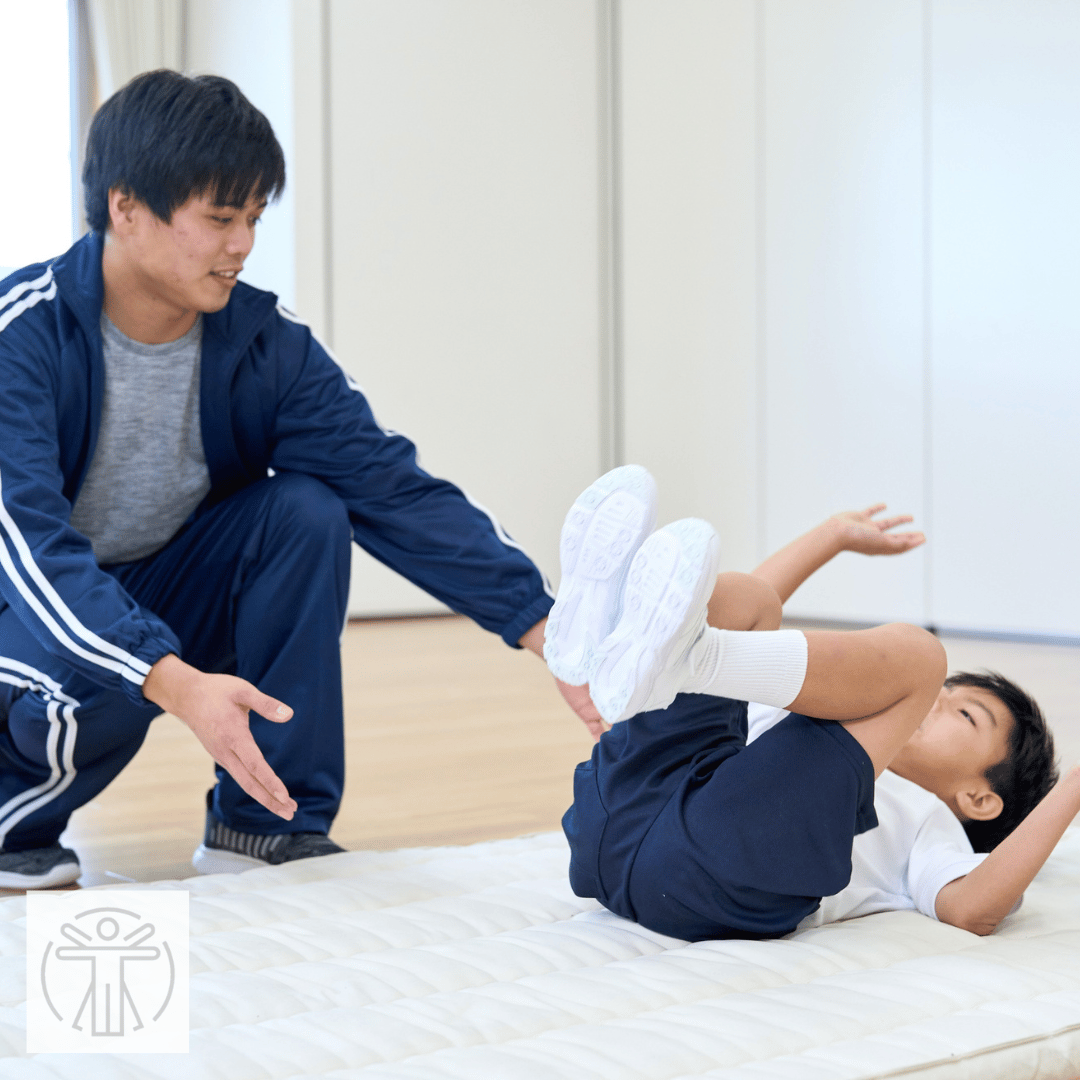
When you’re dealing with pain, knowing how to manage it is key. Let’s explore some effective methods that can help you reduce discomfort and get back to living your life.
Manual Therapy Techniques
Manual therapy involves hands-on techniques that can significantly reduce pain and improve mobility. By using specific methods such as joint mobilization, therapists can address stiffness and tightness. This approach targets problem areas, enhancing your body’s ability to move with ease.
You might be surprised to learn that manual therapy can also aid in reducing inflammation. By gently manipulating the soft tissues, it helps increase blood flow and promotes natural healing. This hands-on care can be a game-changer in your recovery journey, making everyday activities more manageable.
Acupuncture Benefits in Mississauga
Acupuncture offers a unique way to manage pain by stimulating specific points on the body, enhancing its ability to heal itself. This ancient practice is known for reducing pain and promoting relaxation. It’s a great option for those looking for a holistic approach to recovery in Mississauga.
In addition to pain relief, acupuncture can help with stress reduction. By calming the nervous system, it aids in releasing tension and improving overall well-being. Many find that regular sessions lead to better sleep and increased energy levels. Considering acupuncture could be a valuable addition to your recovery plan.
Cryotherapy Options in Port Credit
Cryotherapy is another effective method for managing pain and inflammation. This treatment involves applying cold to specific areas, which can help reduce swelling and numb painful spots. It’s particularly beneficial for acute injuries or chronic conditions.
In Port Credit, cryotherapy options are readily available to help you manage discomfort. The cold treatment works by constricting blood vessels, which reduces inflammation and promotes faster recovery. This can be especially useful for athletes or anyone dealing with persistent pain.
Enhancing Movement Quality
Getting your body to move better is crucial for a smooth recovery. Let’s dive into some practices that can improve how you move and feel each day.
Physiotherapy in Port Credit
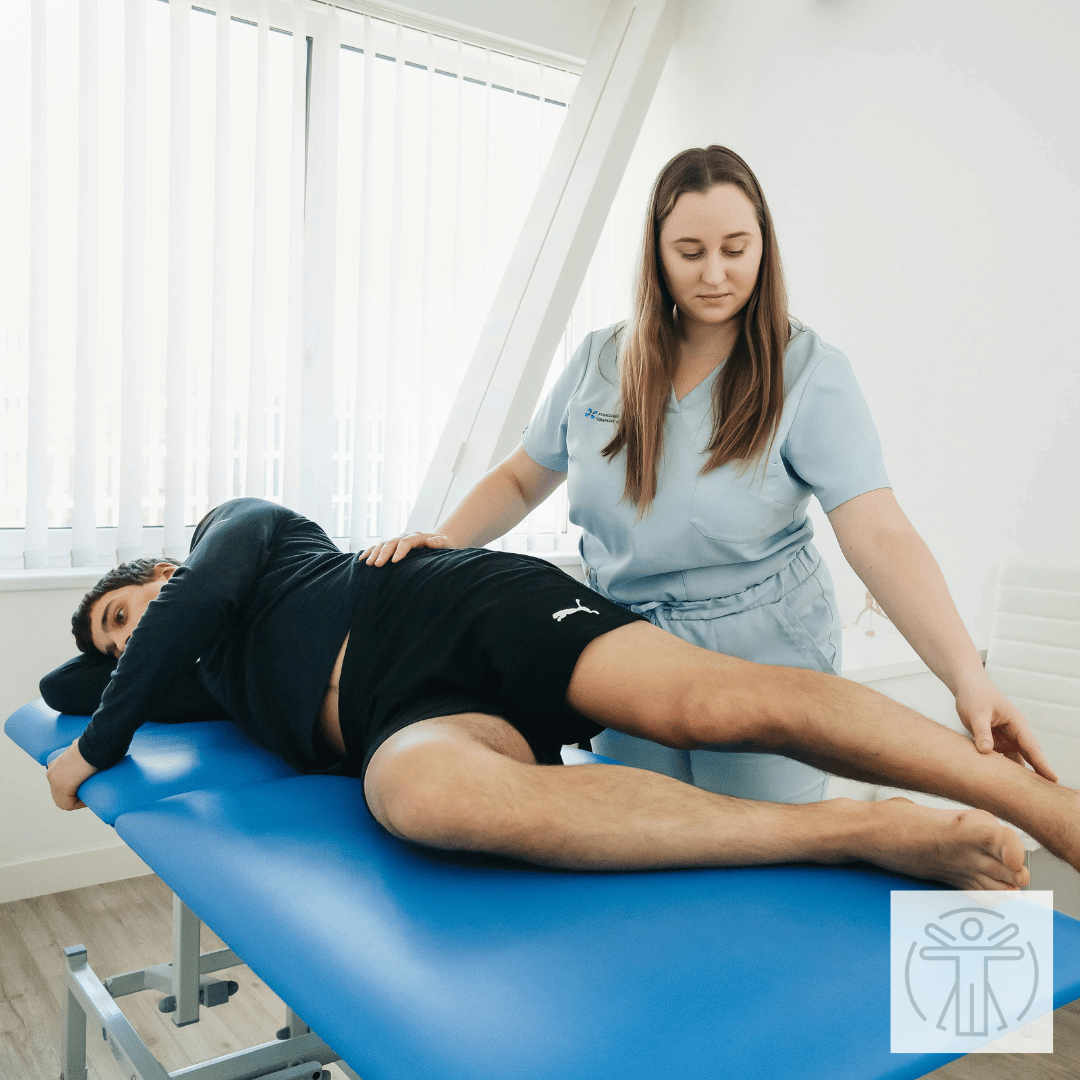
Physiotherapy is essential for restoring movement and strength after an injury or surgery. At MyHealth Care Centre in Port Credit, our experts use tailored exercises to help you regain mobility. With a focus on personalized care, our physiotherapists work closely with you to address your specific needs.
Through targeted exercises and manual therapy, physiotherapy enhances flexibility, balance, and coordination. These benefits can reduce your risk of future injuries and improve your overall quality of life. By opting for physiotherapy, you’re investing in a healthier, more active future.
Chiropractic Care Mississauga
Chiropractic care in Mississauga focuses on aligning your body to improve function. Misalignments can lead to pain and reduced mobility, but with regular adjustments, you can enhance your overall health. This practice is particularly beneficial for those suffering from back or neck pain.
Beyond pain relief, chiropractic care promotes better posture and nervous system function. It supports your body’s natural ability to heal, ensuring long-term benefits. When combined with other therapies, chiropractic care can be a powerful tool in your recovery arsenal.
Fascial Stretch Therapy Explained
Fascial stretch therapy (FST) is a unique technique that targets the fascia, the connective tissue surrounding your muscles and joints. By focusing on this tissue, FST can increase flexibility and reduce pain. This therapy is perfect for anyone looking to improve their range of motion.
FST involves gentle stretching movements that can relieve tension and enhance blood flow. Many find it particularly helpful for improving athletic performance and preventing injury. Whether you’re a seasoned athlete or just starting your fitness journey, FST can support your goals.
Building Strength and Preventing Injury
Building strength and preventing injury are crucial steps in recovery. Let’s explore how you can achieve this with a focused approach.
Progressive Loading Essentials
Progressive loading is a key principle in building strength safely. By gradually increasing the weight or resistance, you help your body adapt and grow stronger. This method is essential for preventing injury and promoting long-term health.
Start with lighter weights and increase as you become more comfortable. Focus on proper form and technique to maximise gains. This approach ensures that your body remains strong and resilient, ready to handle whatever life throws your way.
Custom Orthotics Mississauga
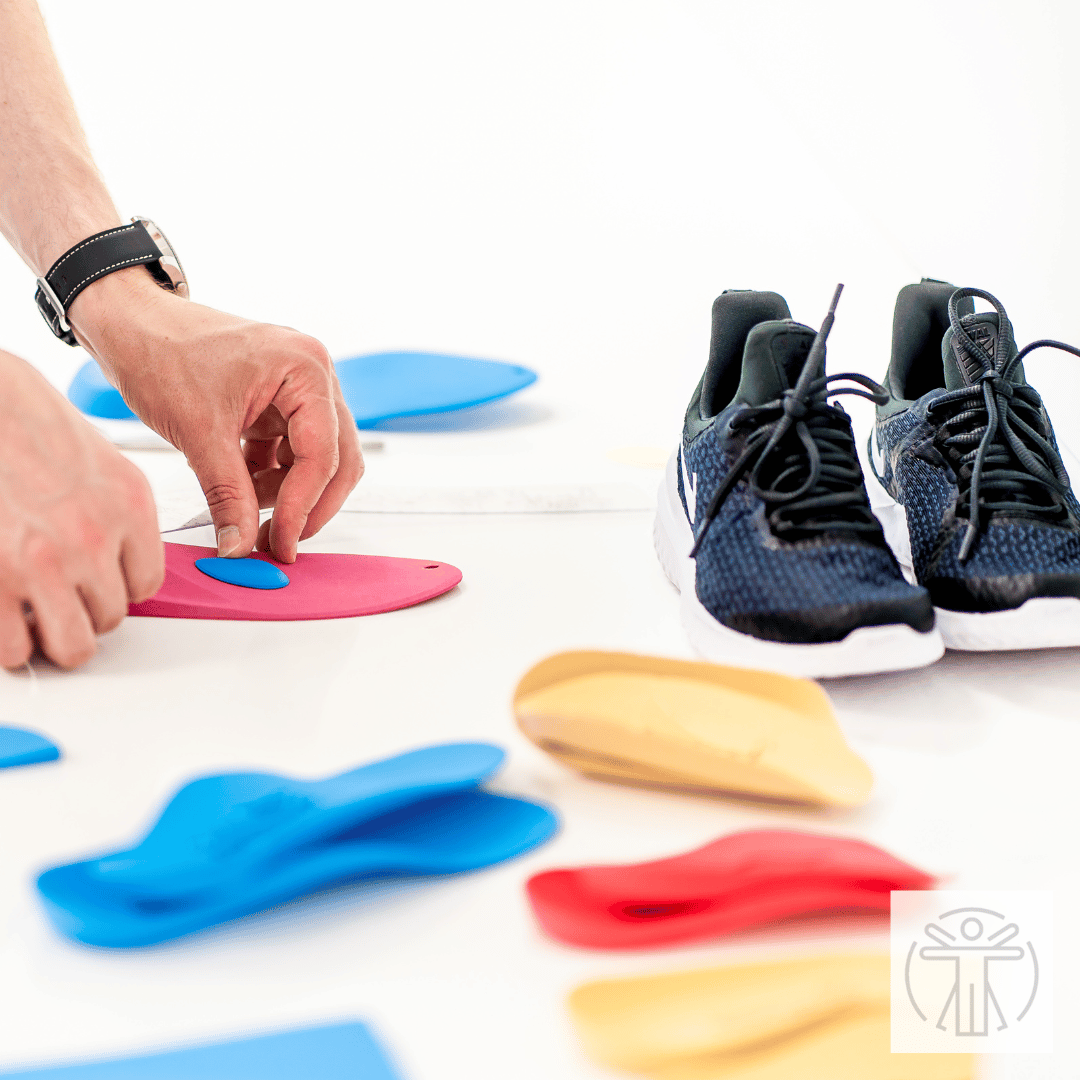
Custom orthotics are specially designed shoe inserts that support your feet and improve alignment. In Mississauga, these devices can help alleviate foot pain and enhance overall posture. They’re particularly beneficial for those with specific foot conditions or alignment issues.
With custom orthotics, you can enjoy better comfort and support during daily activities. They distribute pressure evenly across your feet, reducing strain on muscles and joints. By incorporating orthotics into your routine, you’re taking a proactive step towards better health.
Injury Prevention Tips for Port Credit Activities
Staying active in Port Credit is a wonderful way to maintain your health, but knowing how to prevent injuries is just as important. Here are some tips to keep you safe while enjoying local activities:
-
Warm-Up Properly: Start with a gentle warm-up to prepare your muscles for exercise.
-
Use the Right Equipment: Ensure your gear fits well and is suitable for your activity.
-
Listen to Your Body: If something feels off, take a break and seek professional advice.
By following these simple guidelines, you can enjoy your favourite activities while minimizing the risk of injury. Remember, the key to staying active is knowing when to rest and recover.