
Feeling stiff after a run on the Waterfront Trail or sore after a long day at your desk in Mississauga? It’s tricky to know if your body craves more mobility, strength, or just better support. Getting this right can stop small aches from turning into bigger issues. At MyHealth Care Centre in Port Credit, our team helps you pinpoint exactly what your body needs with a tailored plan that fits your active lifestyle. Find out how to improve your strength and flexibility here.
Understanding Your Body’s Needs
Do you ever wonder if your body needs more flexibility or muscle power? Knowing what it truly needs is the first step to feeling better.
Mobility vs Strength: Key Differences
Mobility and strength are not the same. Mobility is about how easily your joints can move through their range of motion. Think about reaching for a high shelf or bending to tie your shoes. If these actions feel tight or restricted, mobility could be your focus. On the other hand, strength refers to how much force your muscles can exert. It’s what helps you carry groceries or lift a heavy object. Without enough strength, even simple tasks can become tiring.
For many, a balance of both is ideal. Yet, pinpointing which one is lagging can make a big difference. Sometimes, people think they need to stretch more when they actually need to build strength. Or they might hit the gym hard when gentle stretching could be the answer.
Recognising When You Need Support
Support might be the missing piece in your health puzzle. If you feel pain in your feet or knees during activities, custom orthotics might help. These are special shoe inserts designed to support your feet and improve alignment. Similarly, compression socks can boost circulation and reduce swelling. If joint pain is a regular issue, bracing could be beneficial. It offers stability and reduces strain on the affected area.
Support is not just for athletes. Desk workers, elderly individuals, and those recovering from injuries can all benefit. The key is to listen to your body. If discomfort lingers or affects your daily routine, extra support might be needed.
Simple Self-Checks for Assessment
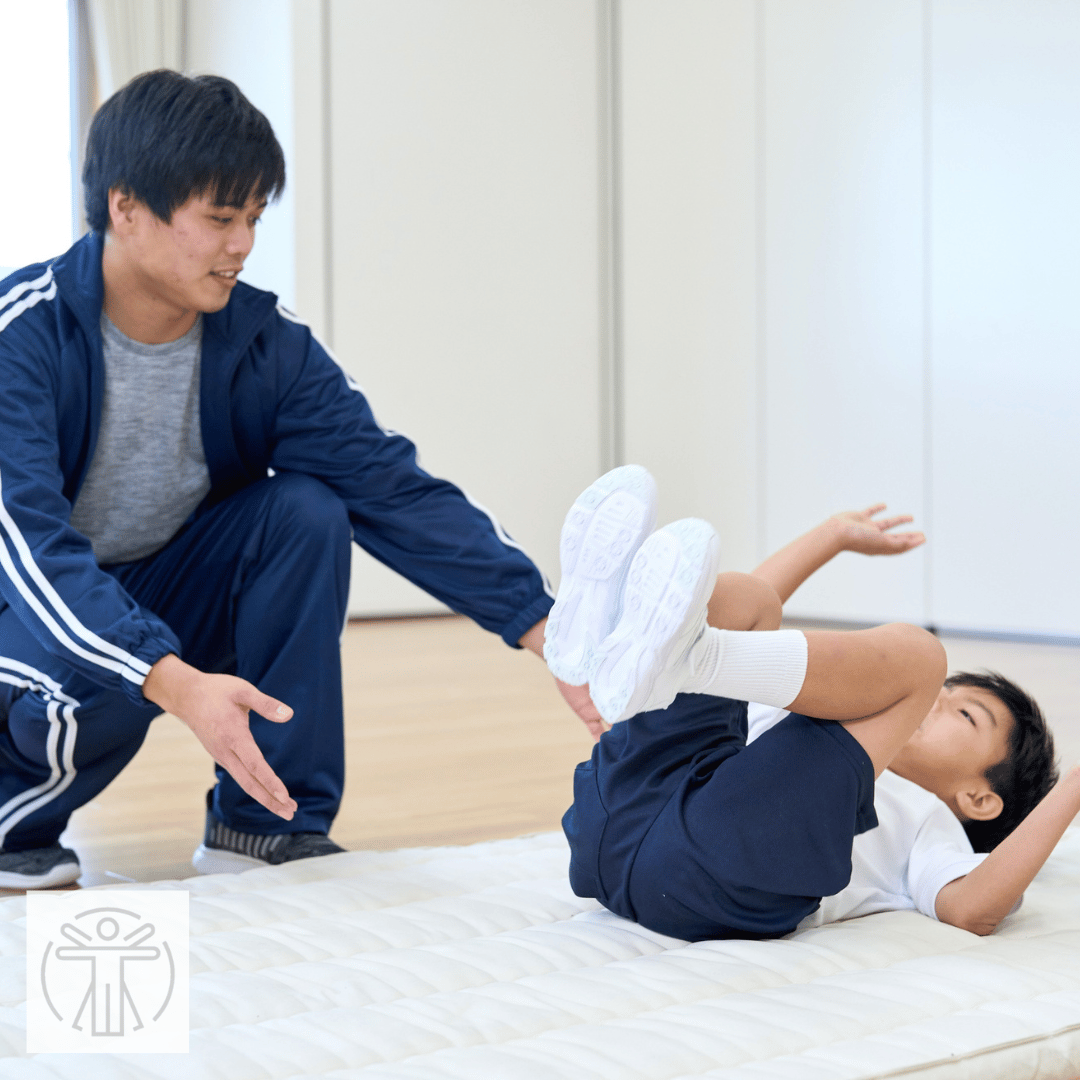
Understanding your body’s needs starts at home. Simple self-checks can give you insights into your flexibility, strength, and need for support.
Testing Your Flexibility at Home
Flexibility tests are easy to do. Stand tall and try to touch your toes. Can you reach them without bending your knees? If not, your hamstrings might be tight. Try sitting on the floor with your legs outstretched. Can you reach past your toes? If you can’t, it’s a sign to work on your flexibility. Remember, flexibility supports your daily movements and prevents injuries.
Daily stretches can help improve your range of motion. Focus on key areas like your back, legs, and shoulders. Consistency is key. Over time, you’ll notice your movements becoming more fluid.
Identifying Weaknesses and Strengths
Spotting your strengths and weaknesses is crucial. Try a simple squat. Can you lower yourself without your knees buckling inward? If you struggle to maintain balance, your leg muscles may need strengthening. Push-ups are another good test. Can you do a few with proper form? If not, focus on building upper body strength.
Keeping a workout log can help track your progress. Set small goals and celebrate the milestones. Over time, you’ll see improvements in both strength and confidence.
Spotting Signs for Orthotics or Bracing
Is foot or knee pain a constant companion? This could signal a need for orthotics. Custom orthotics in Mississauga are designed to fit your unique foot shape. If you wobble during activities, a brace might offer the necessary support.
Check if your shoes wear unevenly. This is a common sign of misalignment. If aches persist, consider consulting a professional for tailored advice. They can provide solutions that fit your lifestyle and needs.
Personalised Care at MyHealth Care Centre

At MyHealth Care Centre, we believe in personalised care. Our team evaluates your specific needs and designs a plan just for you.
Comprehensive Movement Assessment
Understanding your body’s movement is vital. Our comprehensive assessments look at how you move, where you experience pain, and what might be causing it. This isn’t just about diagnosis. It’s about creating a roadmap to better health.
After assessing your movement, we craft a plan tailored to you. This might include exercises, stretches, or support tools. Each recommendation aims to restore function and boost confidence in daily activities.
Benefits of Integrated Health Solutions
Our integrated approach means you get the best of many worlds. Physiotherapy, chiropractic, and massage therapy in Port Credit all work together. This ensures a seamless experience where each treatment complements the other. By coordinating care, we address issues more effectively and shorten recovery time.
The benefits of this approach are clear. Patients often find faster relief and improved function. The collaborative effort ensures no stone is left unturned in your recovery.
Booking Your Appointment in Port Credit
Ready to start your journey to better health? Booking an appointment is easy. Our Port Credit location offers a welcoming environment with experts ready to guide you. From your first visit, you’ll know you’re in caring hands. Our focus is on you and your needs.
Investing in your health is the best decision. Whether it’s mobility, strength, or support, we have the solutions. Don’t wait for issues to grow. Take charge of your well-being today.
Frequently Asked Questions
What is the difference between mobility and flexibility?
Mobility refers to the range of motion in your joints, while flexibility involves the ability of your muscles to stretch. Both are important for ease of movement and injury prevention.
When should I consider getting custom orthotics?
Consider custom orthotics if you experience frequent foot, knee, or lower back pain. They help improve alignment and reduce stress on your feet during activities.
How often should I stretch to improve flexibility?
Stretching a few times a week can enhance flexibility. Focus on major muscle groups and hold each stretch for about 30 seconds for best results.
What are the benefits of using compression socks?
Compression socks improve circulation, reduce swelling, and can prevent blood clots. They’re especially beneficial for individuals who stand or sit for long periods.
How can I strengthen my muscles at home?
Bodyweight exercises like push-ups, squats, and lunges are effective for building strength at home. Consistency and proper form are key to seeing improvements.