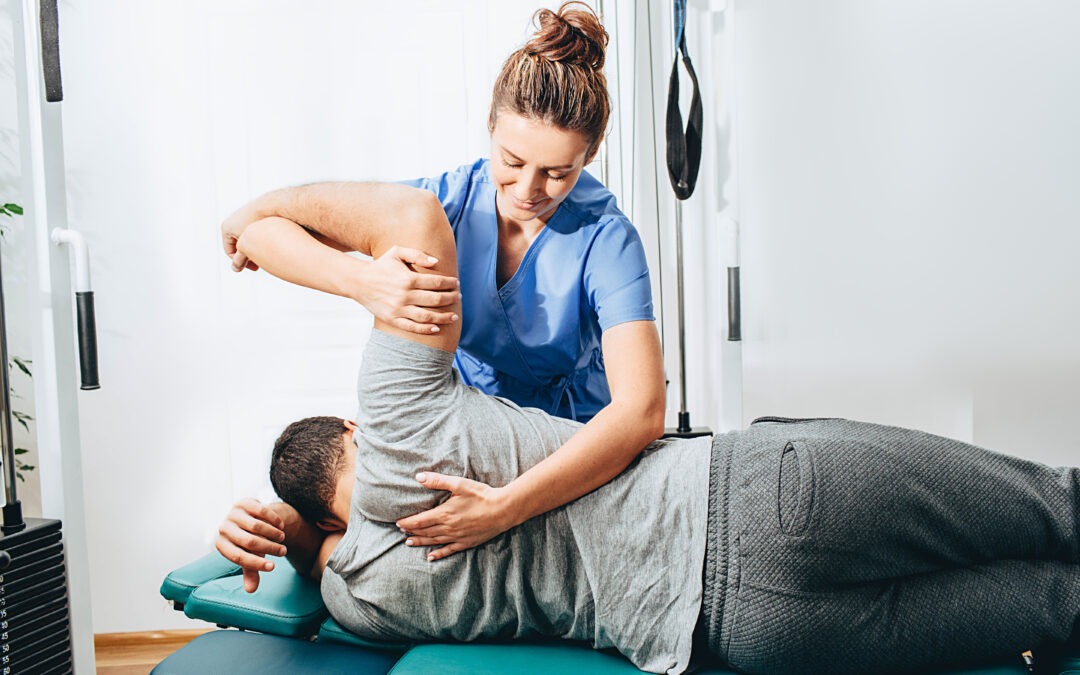
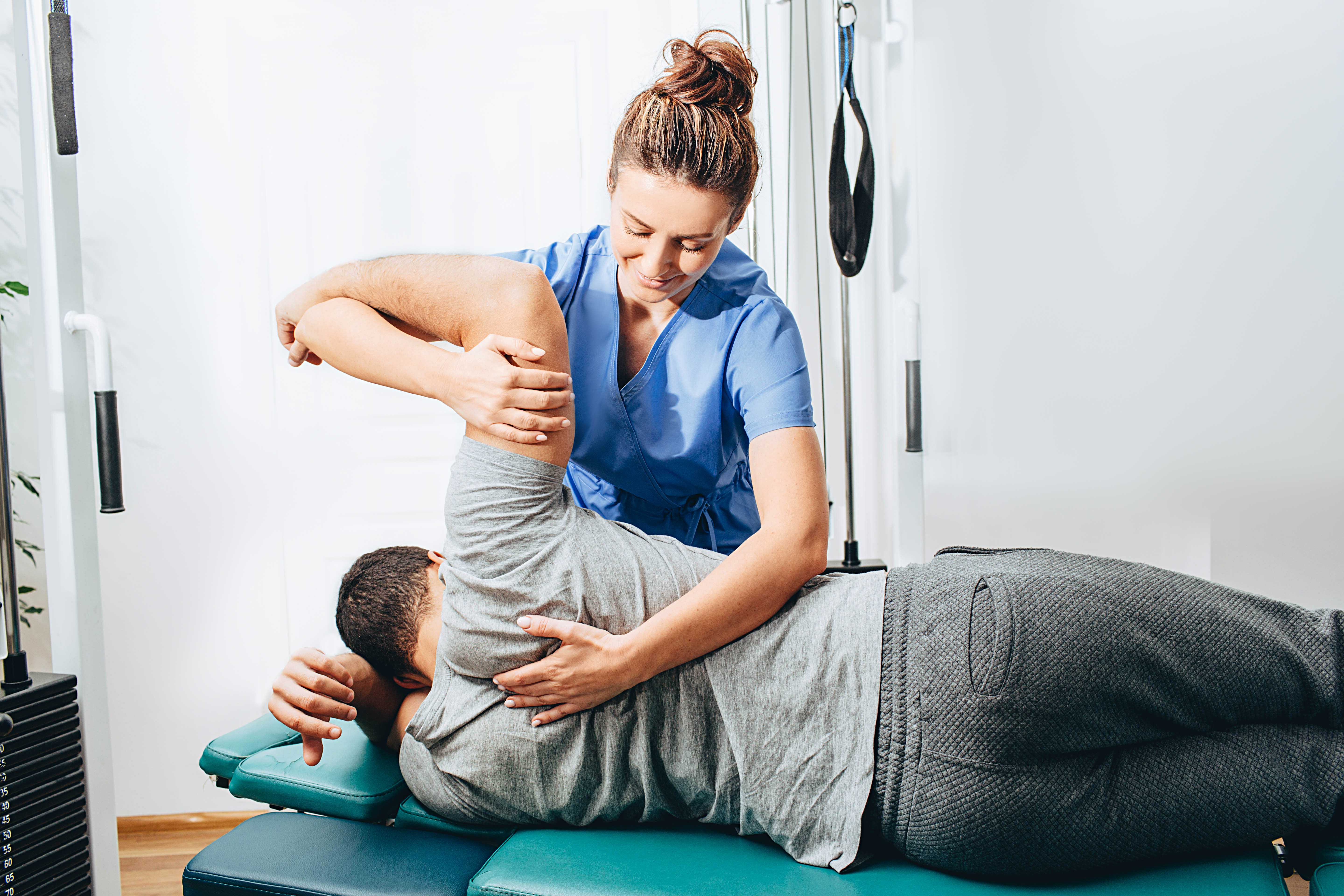
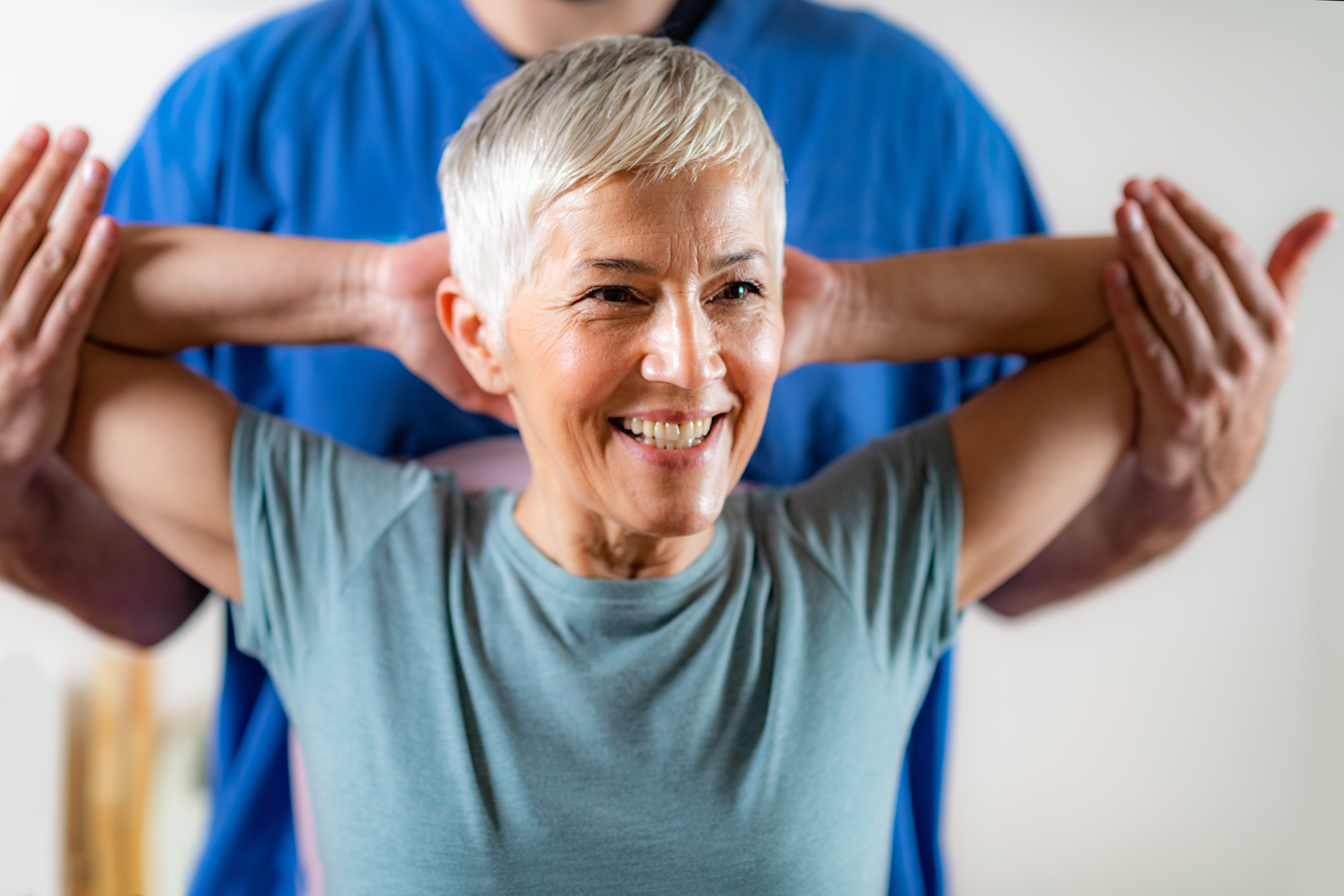
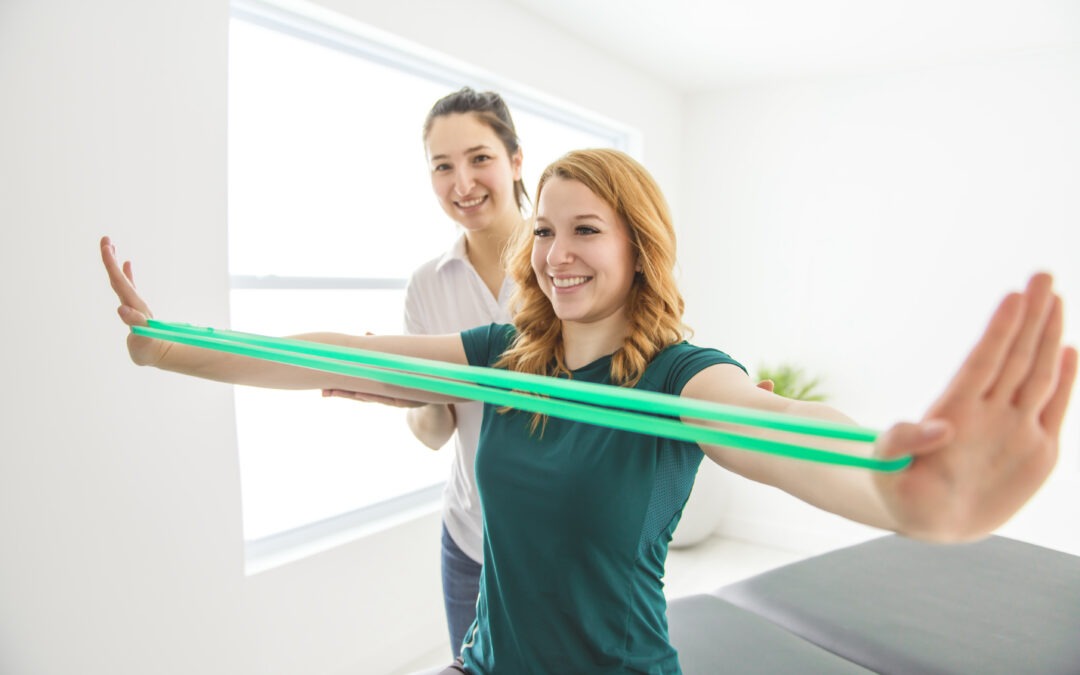
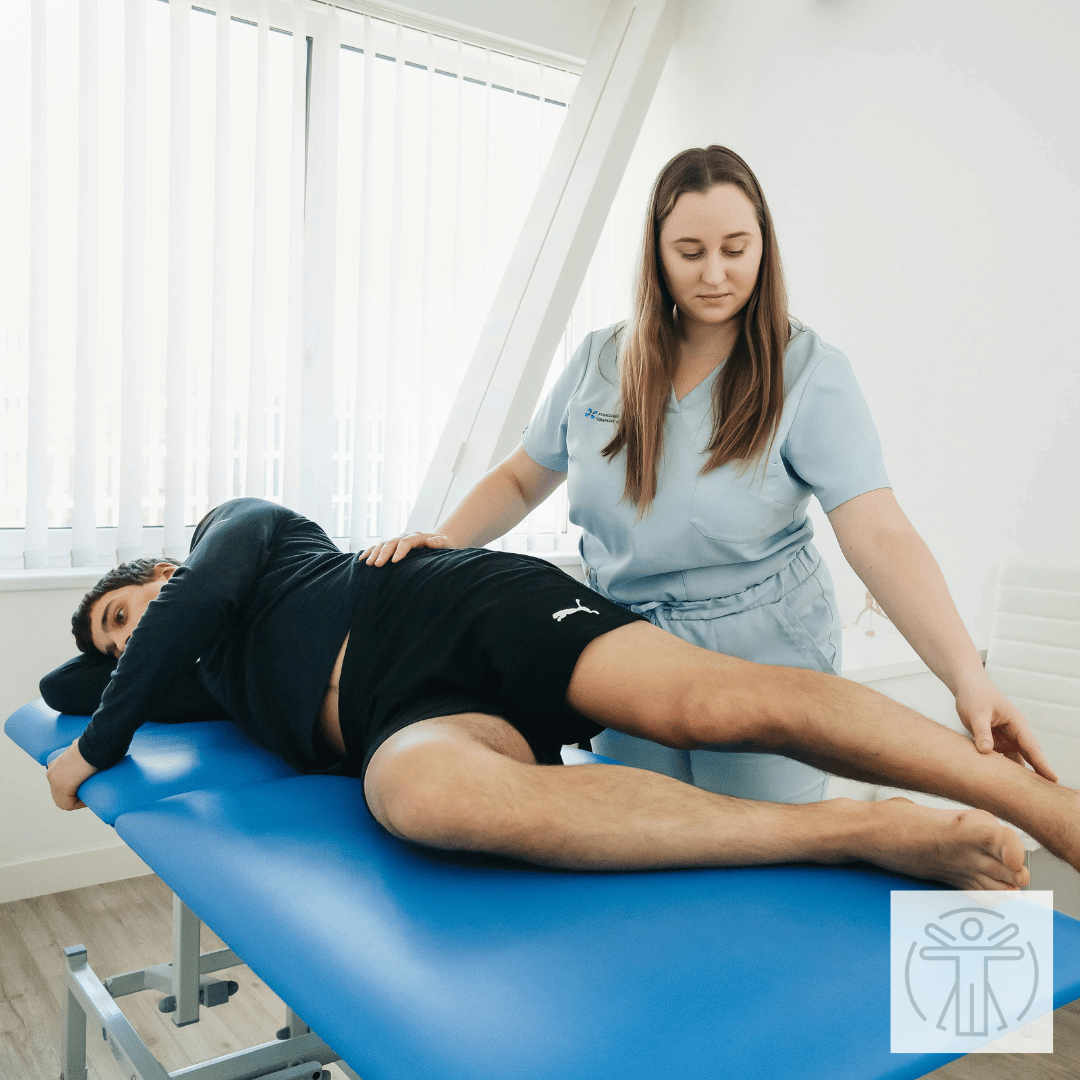
Recovery after an injury or surgery shouldn’t feel like a maze. For active adults in Port Credit, integrated care offers a straightforward path by bringing physiotherapy, chiropractic, massage therapy, and other treatments together under one roof. This team approach cuts down on extra appointments and mixed messages, helping you return to the Waterfront Trail, the Port Credit Yacht Club, or your gym routine sooner and with more confidence. Let’s explore how integrated care Port Credit simplifies your healing process.
Integrated Care for Active Recovery
Unlocking the full potential of your recovery means streamlining your healthcare. Integrated care in Port Credit offers just that by combining several treatments into one cohesive plan.
Streamline Your Healthcare Journey
Imagine not having to juggle multiple appointments. Integrated care takes away this stress by coordinating everything for you. With all your practitioners working together, your path to recovery becomes clearer and more efficient. This approach not only saves time but also ensures that you receive a comprehensive plan tailored to your needs.
Collaborative Model Benefits
When your healthcare team communicates, you benefit. Each practitioner contributes their expertise to your recovery journey, ensuring you get the best of every treatment. This collaborative model reduces the chances of miscommunication and conflicting advice. In the end, it’s about creating a seamless experience that speeds up your return to activities like running or sailing.
Simplify Your Appointments
By bringing physiotherapy, chiropractic care, and massage therapy under one roof, your appointments become simpler. No more wondering if one treatment is affecting another negatively. Integrated care ensures every session supports your overall recovery plan, making each appointment count.
Personalised Treatment Programmes
Recovery is personal, and so should be your treatment plan. Integrated care in Port Credit offers bespoke programmes that cater to your specific needs and goals.
Tailored Plans for Active Adults
Your lifestyle and goals are unique, and your recovery plan should reflect that. By assessing your specific needs, the team creates a tailored plan that focuses on getting you back to your favourite activities, be it the gym or the yacht club, quicker and stronger.
Coordinated Care Under One Roof
Having multiple experts in one location means they can easily discuss your progress and adjust your plan as needed. This ensures that every treatment you receive is perfectly aligned with the others, enhancing your overall recovery and reducing downtime.
Home Strategies for Faster Recovery
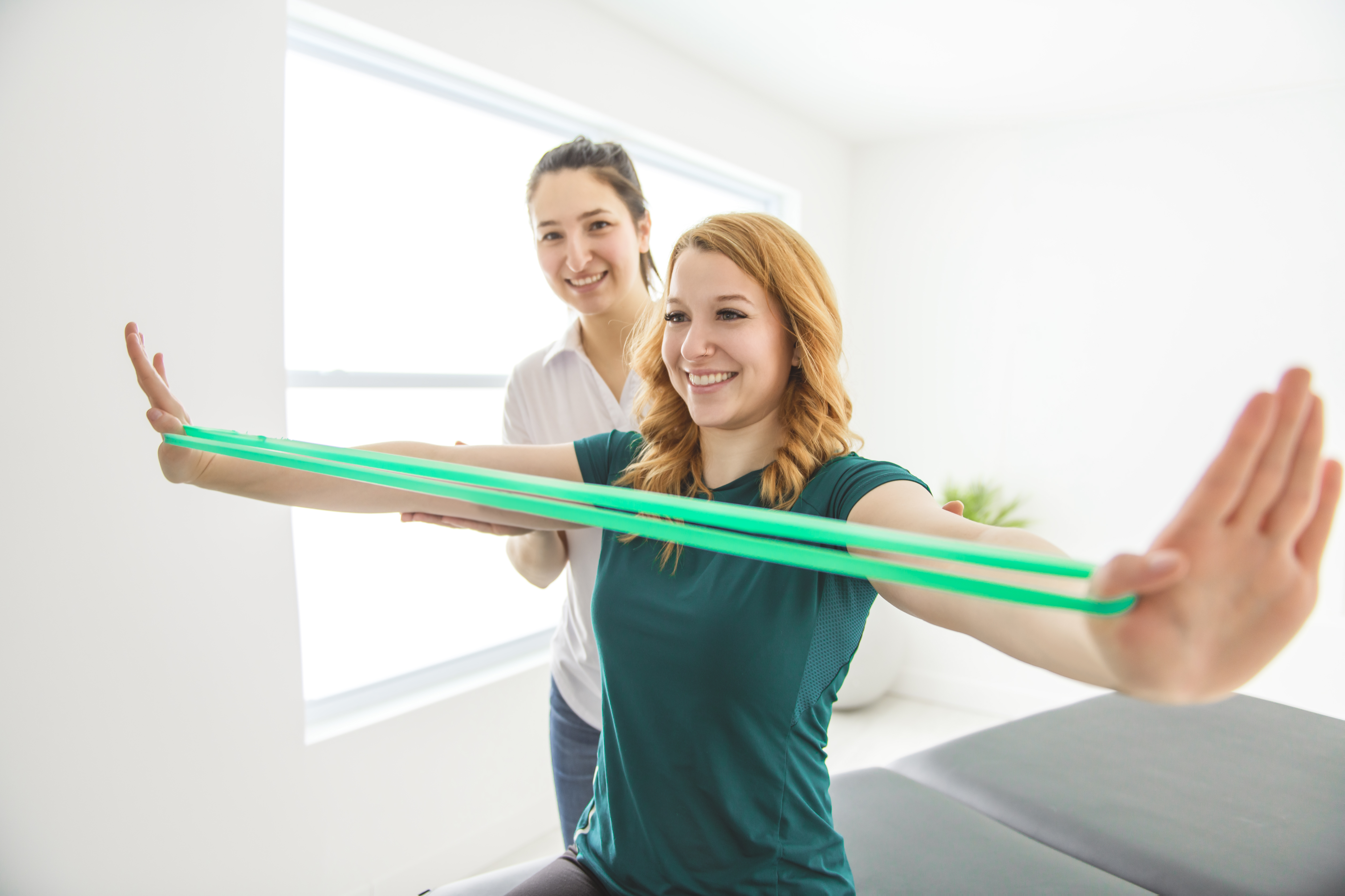
Recovery doesn’t stop when you leave the clinic. Integrated care emphasizes the importance of home strategies to speed up healing. Practitioners provide you with exercises and self-care techniques to practice at home, which can significantly boost your recovery time.
Expert Services in Port Credit
Port Credit is home to a range of expert services designed to support your recovery journey. From physiotherapy to advanced therapies, your path to wellness is well-covered.
Physiotherapy and Chiropractic Options
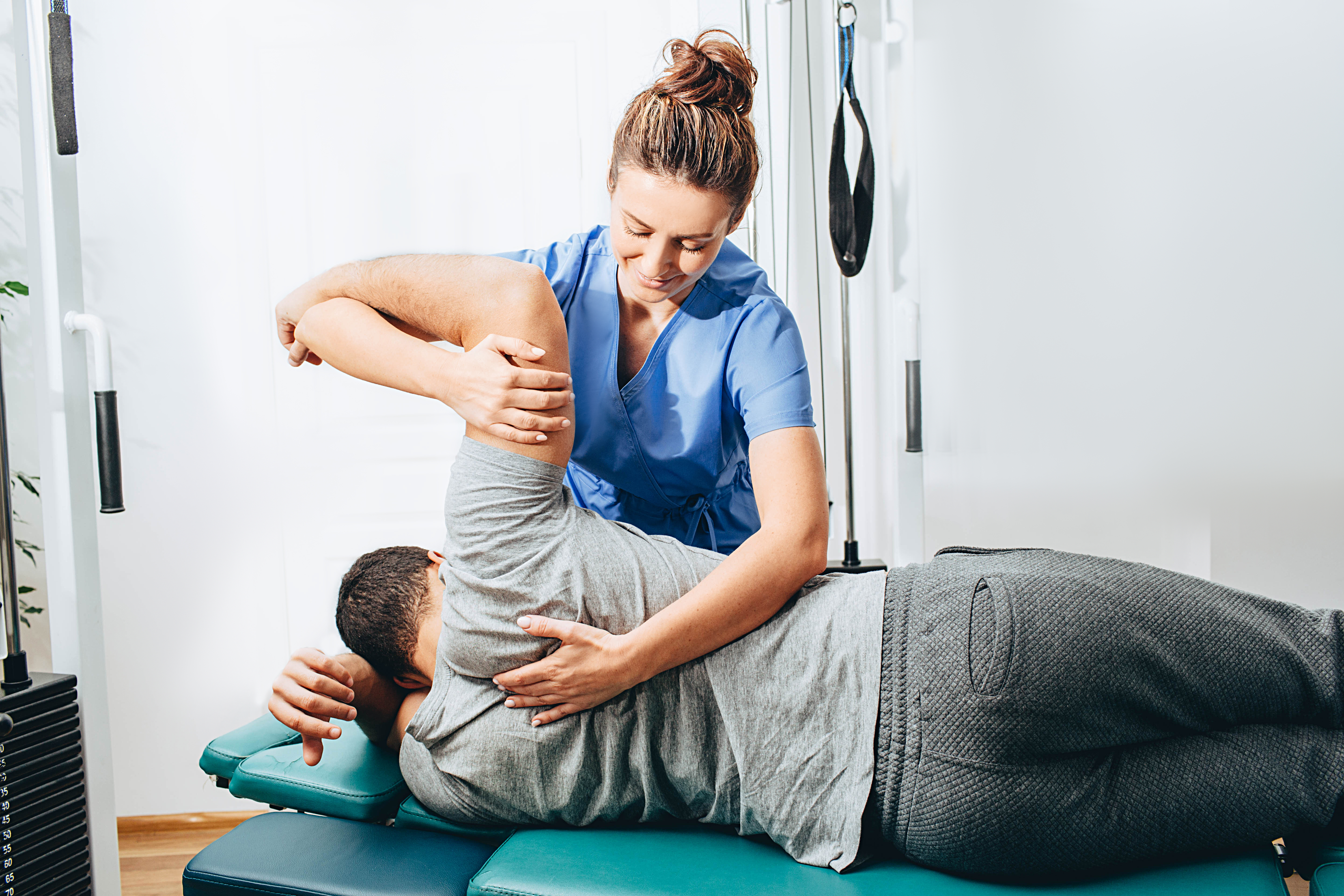
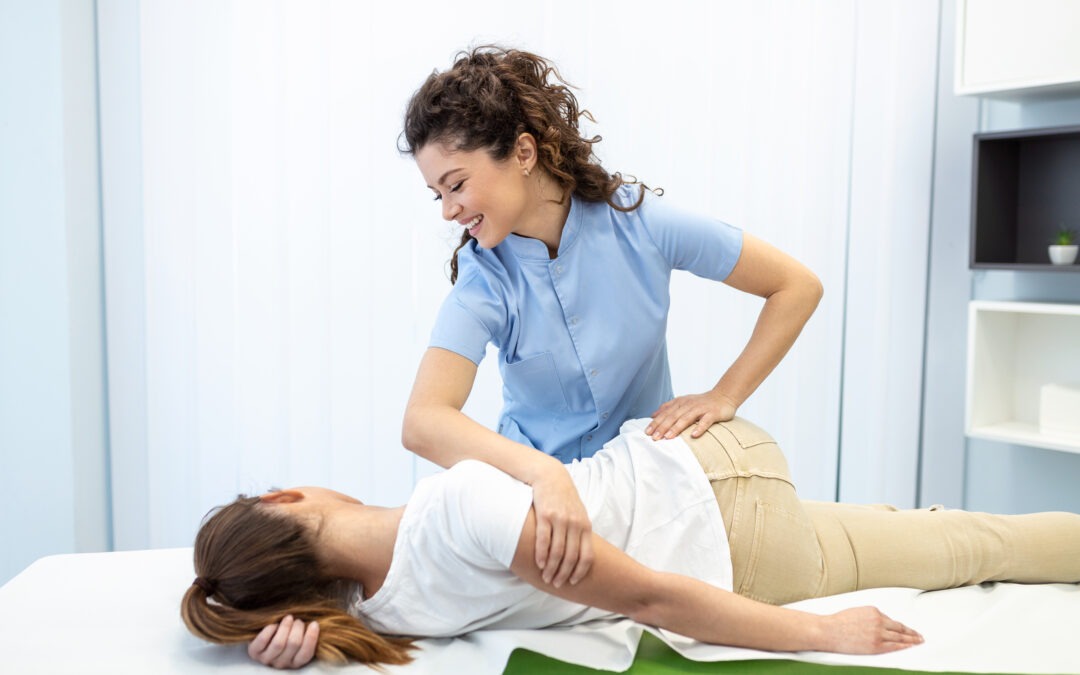
Physiotherapy helps restore movement and strength, while chiropractic care focuses on alignment and posture. These services work hand-in-hand to address the root causes of pain and dysfunction, ensuring long-term benefits.
Massage and Acupuncture Benefits
Massage therapy helps in relieving muscle tension and enhancing circulation. Acupuncture, on the other hand, offers holistic pain management. Together, they provide a relaxing and effective way to support your body’s natural healing processes.
Advanced Therapies for Quick Recovery
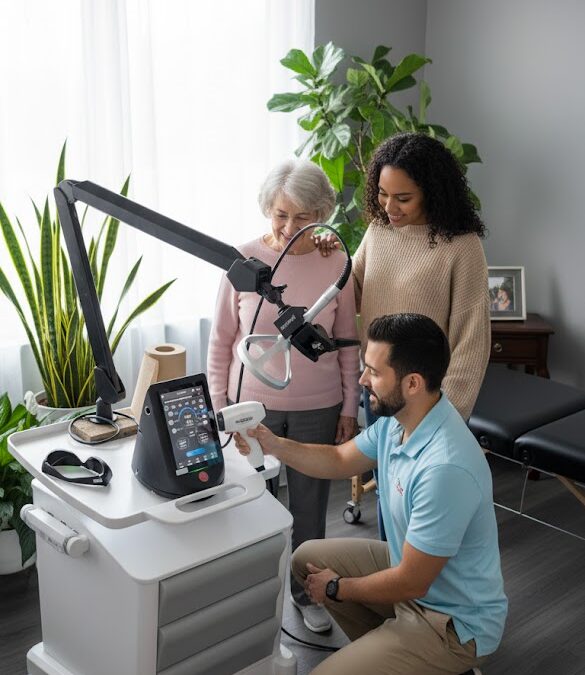
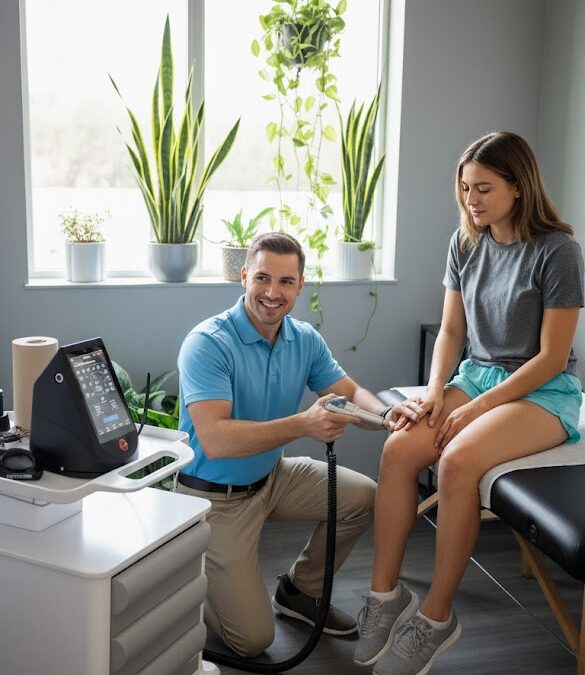
Advanced treatments such as cold laser therapy and cryotherapy offer non-invasive options for pain relief and tissue healing. These therapies can be pivotal in accelerating your recovery, allowing you to return to an active lifestyle sooner.
Frequently Asked Questions
What is integrated care? Integrated care combines different treatments like physiotherapy and chiropractic into one plan to streamline your recovery process. It ensures all aspects of your health are addressed efficiently.
How does integrated care benefit active adults? For active adults, integrated care reduces conflicting treatments and enhances recovery speed, allowing for a quicker return to activities like running or gym workouts.
Can I receive all treatments in one location? Yes, integrated care in Port Credit offers multiple services under one roof, making it easier to manage appointments and ensure consistent care.
What should I expect from a personalised treatment programme? A personalised programme is tailored to your specific recovery goals. It includes a variety of treatments and home strategies to enhance healing and prevent future injuries.
Are advanced therapies essential for recovery? While not essential for everyone, advanced therapies like cold laser and cryotherapy can significantly aid recovery, particularly for those dealing with specific injuries or seeking faster results.
Pain can take many forms, but knowing exactly what it needs can save you weeks of frustration. In Port Credit and Mississauga, active adults face common struggles like knee pain on the Waterfront Trail or shoulder aches from sailing. Your pain might call for simple mobility work, extra support like custom orthotics, or a full recovery plan crafted by experts. This guide will help you spot the signs and act fast to keep moving without missing a beat.
Identifying Your Pain Needs
Understanding what your body needs is the first step to overcoming pain. It can sometimes be tricky to decide if mobility work, support, or a recovery plan is best for you.
Mobility Work vs Support
When it comes to staying active and easing pain, mobility work and support play vital roles. Mobility exercises help keep your joints and muscles flexible. They are great if you feel a bit stiff after a long run or a day sailing. Simple routines like stretching can make a difference.
On the other hand, support like braces or orthotics might be needed if you find certain movements painful or tricky. Braces can stabilize and protect, while custom orthotics support your foot mechanics, helping with balance and alignment. Consider these if you notice discomfort during everyday activities.
Full Recovery Plan Indicators
Sometimes, pain signals a need for more than just exercises or support. If your pain is persistent, or if simple fixes don’t help, a recovery plan might be necessary. Look for signs like ongoing discomfort or pain that worsens with activity. These show you might need expert help. Specialists can create a comprehensive plan to manage your pain and restore function through methods like physiotherapy, massage, and more.
Understanding Mobility and Support Options
Selecting the right tools for pain relief can improve your daily life. Let’s look at when to use braces and the benefits of custom orthotics and compression gear.
When to Use a Brace
Braces can be lifesavers when recovering from an injury. They offer stability and support, helping you stay active while healing. Think of them as a short-term fix for long-term gain. If your knee feels wobbly after a run or your wrist is sore from lifting, a brace could be just what you need. It protects the injured area, allowing you to move without causing more harm.
For activities like running on the Waterfront Trail, braces can be particularly helpful. They provide the support you need to continue your routine without additional strain. Just remember, a brace is one piece of the puzzle and should be part of a broader recovery strategy.
Benefits of Custom Orthotics and Compression
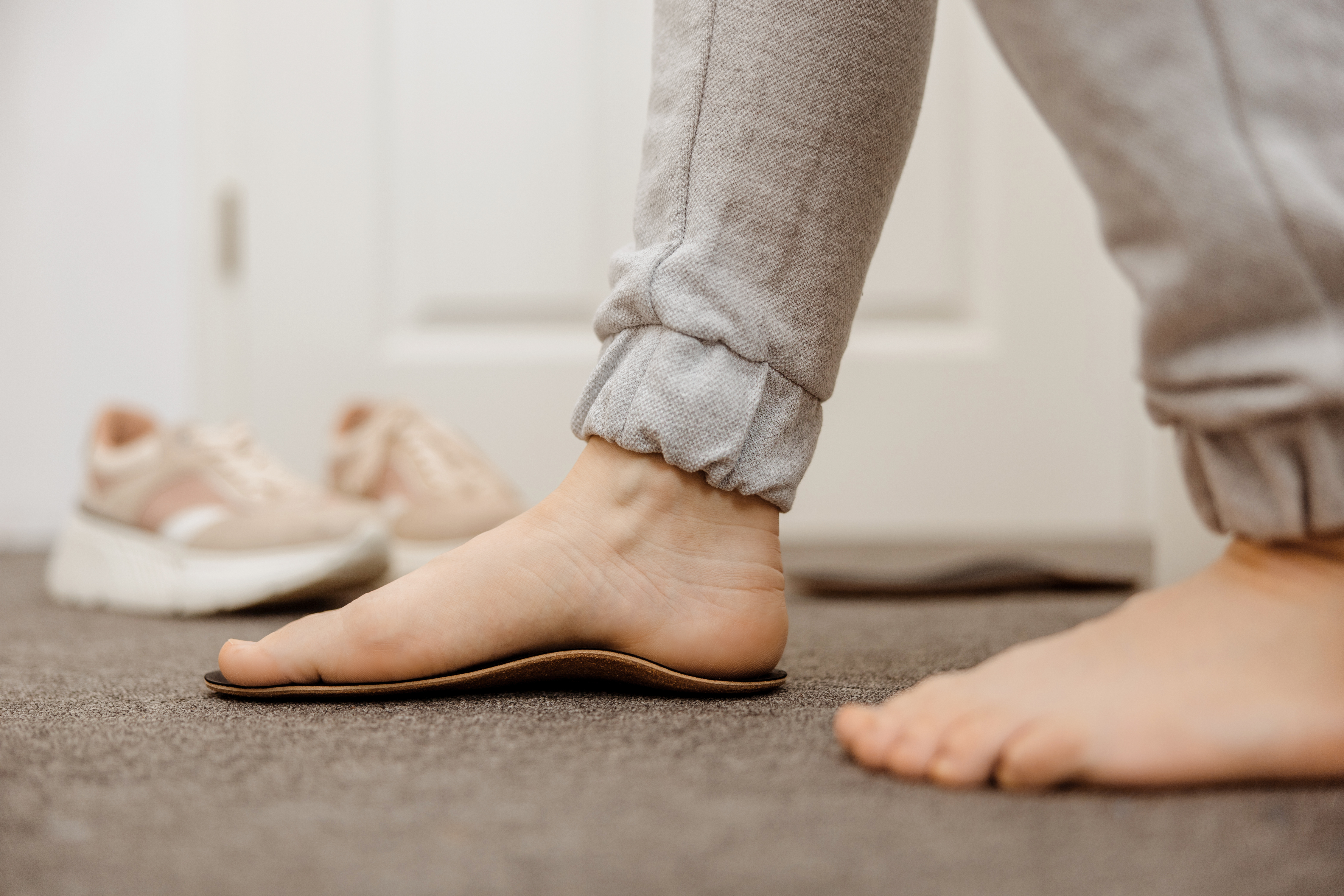
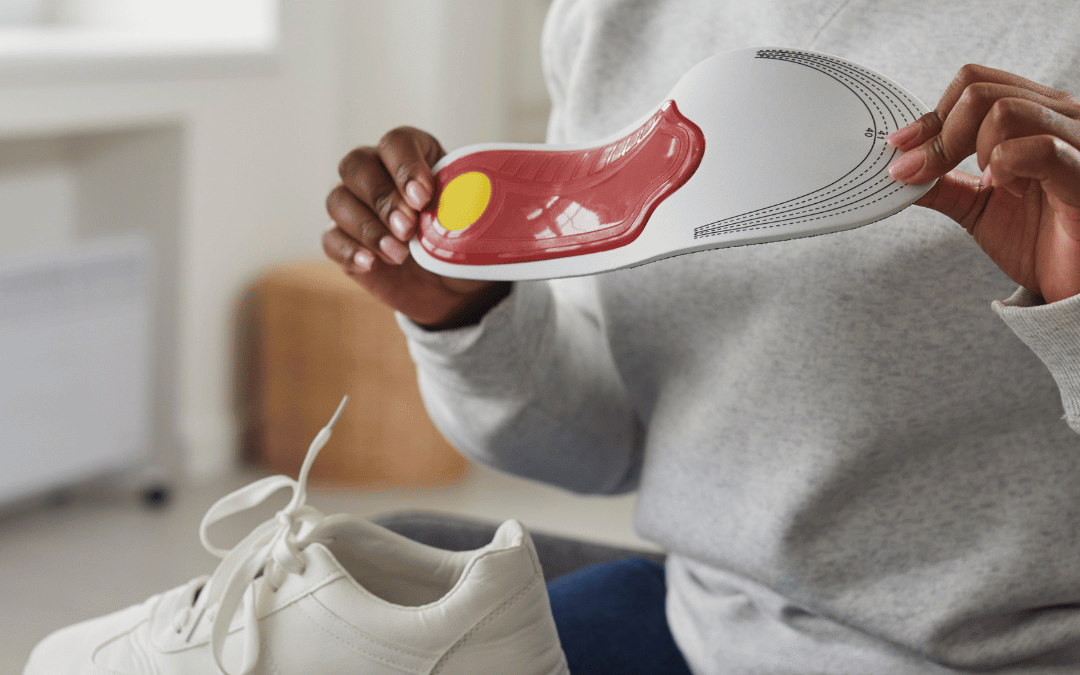
Custom orthotics are more than just insoles. They adjust your foot mechanics, improving alignment and reducing pain. Imagine sailing with better balance or running with less strain. That’s what orthotics offer. They’re tailored to your foot’s unique shape, supporting your arches and helping distribute weight evenly.
Compression gear, like socks, can also aid recovery. They work by improving blood flow, reducing swelling, and offering support where it’s needed most. If you suffer from conditions like plantar fasciitis or experience swelling after a workout, compression might be the answer. Both orthotics and compression gear are simple yet effective tools to keep you moving comfortably.
Building a Comprehensive Recovery Plan
Creating a recovery plan is crucial for long-term health. It involves rehabilitation, post-surgical rehab, and strategies for injury prevention.
Rehabilitation and Post-Surgical Rehab
Rehabilitation is key to restoring movement after an injury or surgery. It focuses on exercises and therapies that improve strength and flexibility. If you’ve had surgery or a significant injury, rehab helps you regain lost function. It involves a mix of physiotherapy, exercises, and sometimes, treatments like cold laser therapy.
Post-surgical rehab, in particular, is structured to ensure you heal properly. It prevents complications and speeds up recovery. With professional guidance, you learn techniques that aid in pain management and enhance mobility. The goal is to get you back to your usual activities, feeling stronger and more confident.
Injury Prevention and Mobility Strategies
Preventing injuries is as important as treating them. By assessing your movement patterns, weak spots can be identified, reducing the risk of future issues. Exercises designed to strengthen these areas keep you active and injury-free. Regular check-ins and adjustments to your routine can make all the difference.
Mobility strategies include exercises that enhance flexibility and reduce stiffness. They’re perfect for those who love staying active, whether you’re skating in Mississauga or enjoying a gym session. By syncing these strategies with your lifestyle, you protect your body from common strains and stresses.
Frequently Asked Questions
What is the difference between mobility work and support?
Mobility work includes exercises that improve joint flexibility and muscle movement, helping manage stiffness. Support, like braces or orthotics, provides stability and relief from pain during activities.
How do I know if I need a full recovery plan?
If you have persistent pain or your symptoms worsen with activity, a full recovery plan might be necessary. It involves expert assessments and tailored therapies to address the root causes of your discomfort.
When should I use custom orthotics?
Custom orthotics are ideal if you experience foot pain, discomfort from walking or running, or need alignment support. They are especially beneficial for conditions like plantar fasciitis.
What are the benefits of compression gear?
Compression gear improves blood flow, reduces swelling, and provides support, making it beneficial for recovery and reducing discomfort after physical activities.
Why is rehabilitation important after surgery?
Rehabilitation is essential post-surgery to restore movement, prevent complications, and ensure proper healing. It involves exercises and therapies that aid in regaining strength and function.
Pain can sneak up on you during your favourite activities along Port Credit’s Waterfront Trail or at the yacht club. Ignoring those niggles only lets them grow into bigger problems that slow you down. Integrated care Port Credit offers a way to tackle aches early by combining physiotherapy, chiropractic, massage, acupuncture and more into one plan tailored for you. Keep moving pain-free with expert support that fits your active lifestyle. Learn more about integrative pain care here.
Understanding Integrated Care Port Credit
Active adults in Port Credit can benefit from integrated care to maintain a pain-free lifestyle. A coordinated approach combines multiple therapies for effective results.
Benefits for Active Adults
Integrated care offers personalised plans combining therapies like physiotherapy and chiropractic. This holistic approach supports recovery and promotes long-term wellbeing, allowing you to enjoy your favourite activities without pain. By addressing root causes rather than symptoms, you experience lasting relief. For example, a runner on the Waterfront Trail can overcome knee pain by treating muscle imbalances and improving joint mechanics.
Multi-disciplinary Clinic Port Credit Approach
At our clinic, experts from various fields collaborate to create comprehensive treatment plans. This team effort reduces the need to retell your story, saving time and ensuring consistency. By working together, practitioners provide seamless care that addresses all aspects of your condition. This means a sailor with shoulder issues receives coordinated treatment for mobility and strength.
Key Components of Integrated Care
Our integrated care involves several key components: thorough assessment, personalised plans, and a focus on prevention. Each plan is tailored to your unique needs and goals, combining therapies like acupuncture and massage for maximum benefit. You’ll receive education on exercises and lifestyle choices to support recovery and prevent future issues.
Effective Therapies for Pain-Free Living
Integrated care includes various therapies to address different aspects of pain management and recovery. Each therapy plays a specific role in your overall health plan.
Physiotherapy Mississauga: Movement and Recovery
Physiotherapy helps restore movement and function through targeted exercises and manual therapy. By focusing on areas like flexibility and strength, physiotherapy supports natural healing. Whether recovering from an injury or managing chronic pain, physiotherapy offers practical solutions to improve your quality of life.
Chiropractic Port Credit: Spine and Joint Health
Chiropractic care focuses on spine and joint health, addressing issues like back pain and poor posture. Through adjustments and manual techniques, chiropractic care improves mobility and reduces pain. Regular sessions maintain alignment and prevent future problems, allowing you to stay active.
Acupuncture for Pain Mississauga: Balance and Relief
Acupuncture offers a holistic approach to pain management, promoting balance and relieving discomfort. By targeting specific points, acupuncture stimulates the body’s natural healing processes. This therapy can reduce stress, improve energy flow, and enhance overall wellbeing.
Staying Active with Injury Prevention
Preventing injuries is crucial for maintaining an active lifestyle. Our integrated care model includes strategies to minimise the risk of injury.
Running Injury Prevention Mississauga Techniques
Running can put stress on joints and muscles, leading to injuries. Our prevention techniques focus on improving form and strength. Simple adjustments to your running style and targeted strengthening exercises can significantly reduce the risk of injury.
Shoulder Mobility Port Credit: Sailor’s Guide
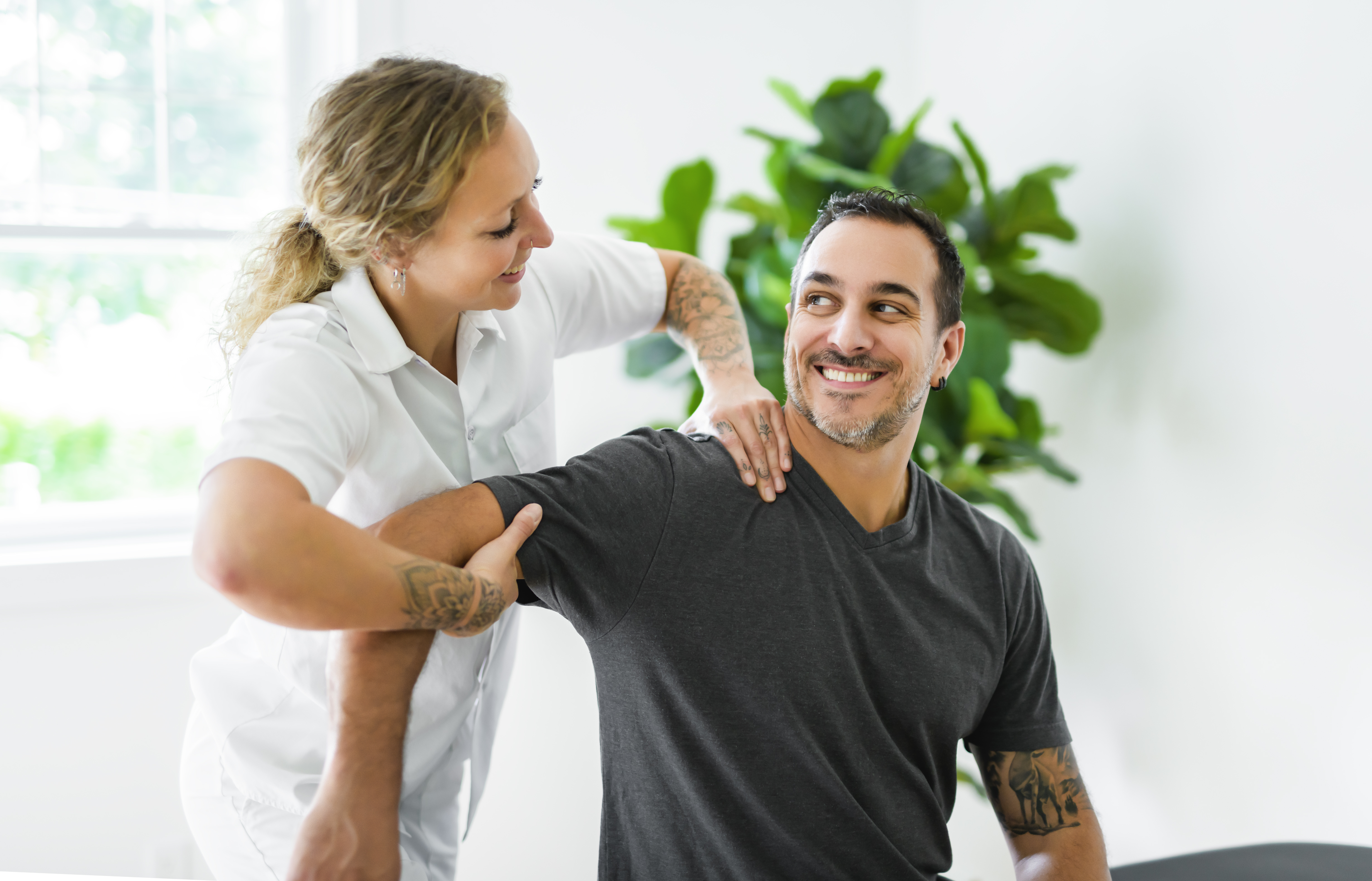
Sailors need strong and mobile shoulders to perform well. Our guide focuses on exercises that enhance shoulder mobility and strength, preventing common issues like sailor’s shoulder. Regular practice of these exercises ensures your shoulders remain healthy and functional.
Skating Injury Recovery Mississauga Strategies
Skaters often face unique challenges when recovering from injuries. Our strategies include specific exercises and therapies to restore strength and mobility. By addressing the underlying causes of injuries, we help skaters return to the rink with confidence.
Frequently Asked Questions
What is integrated care?
Integrated care combines multiple therapies, like physiotherapy and chiropractic, into a cohesive plan tailored to the individual. This approach addresses various aspects of a condition, promoting comprehensive recovery and prevention.
How does physiotherapy help with pain management?
Physiotherapy uses exercises and manual techniques to improve movement and function, supporting natural healing. It addresses the root causes of pain, offering long-term relief and enhanced quality of life.
What are the benefits of acupuncture for pain relief?
Acupuncture promotes balance and stimulates the body’s healing processes. It can reduce stress, improve energy flow, and alleviate pain, contributing to overall wellbeing.
How can I prevent running injuries?
To prevent running injuries, focus on improving your form and strength. Simple adjustments and targeted exercises can significantly reduce the risk of injury.
What exercises improve shoulder mobility?
Exercises that enhance shoulder mobility include stretches and strengthening routines. Regular practice can prevent issues like sailor’s shoulder and maintain shoulder health.
Foot pain and discomfort can slow you down, whether you’re running the Waterfront Trail or standing for hours at work. Custom orthotics Port Credit experts at MyHealth Care Centre offer targeted support that realigns your feet, eases pain, and helps you move with more confidence. In this post, you’ll learn how precise gait analysis and tailored orthotic insoles can make a real difference in your everyday activities and athletic pursuits. For more information on orthotics, you can refer to this resource.
Understanding Custom Orthotics
Let’s explore how custom orthotics can make your steps more comfortable and effective. These insoles provide specific benefits tailored to your needs.
Benefits of Orthotic Insoles
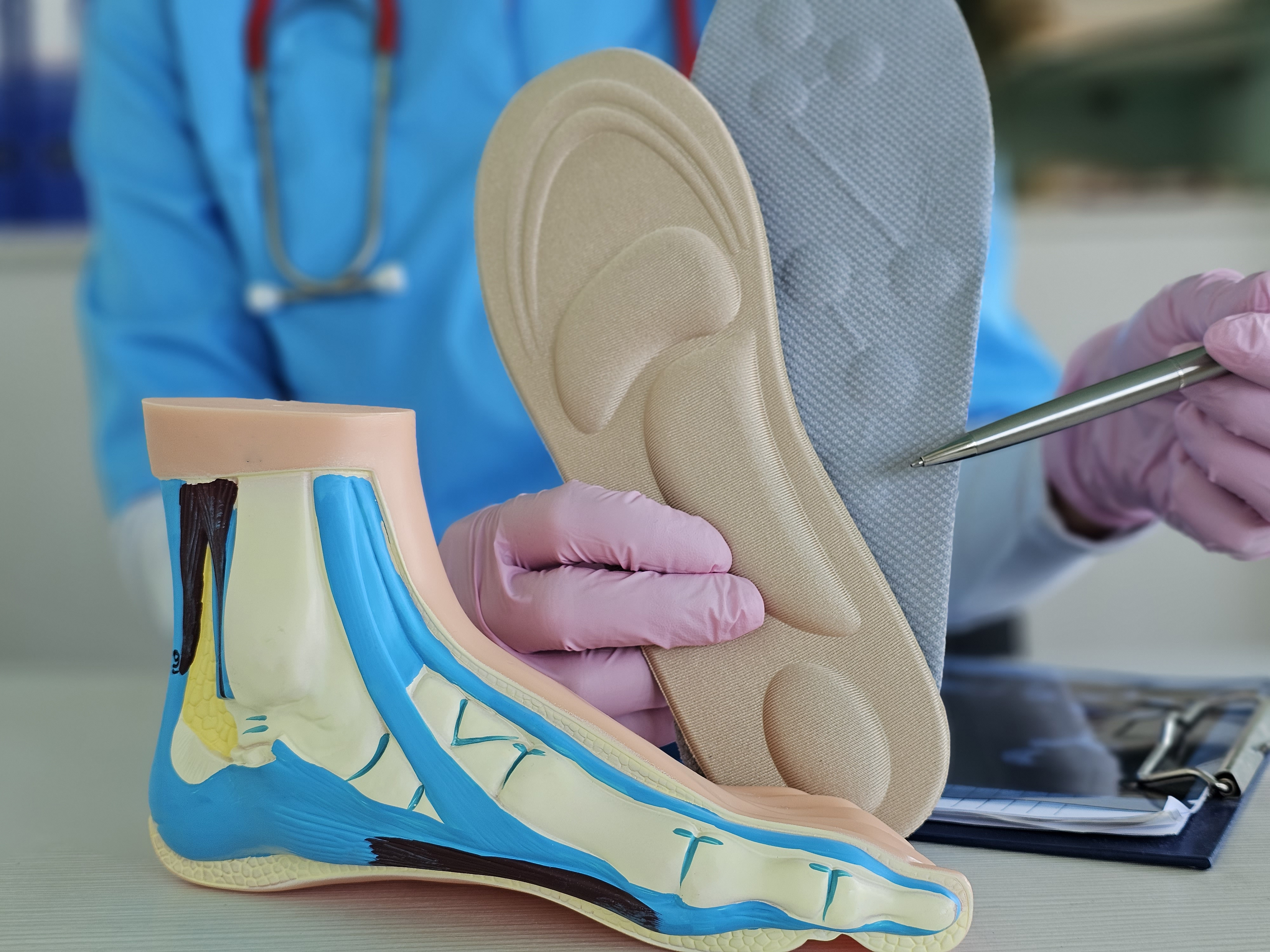
Custom orthotics help distribute pressure evenly across your feet. This relieves the strain on muscles and joints. With over 400 muscles in the feet, it’s crucial to ensure they work in harmony. These insoles can help reduce foot pain, enhance posture, and improve your overall movement. They’re not just about comfort, they actively support your body’s alignment from the ground up.
Common Foot Conditions Addressed
Orthotics can tackle various foot conditions. They are particularly effective in managing plantar fasciitis, a common issue causing heel pain. Other conditions like flat feet, overpronation, and high arches also benefit from this support. By addressing these problems, orthotics help prevent further complications that could affect your knees and hips.
Role in Injury Prevention
Injury prevention is where orthotics shine. By providing the right support, they help avoid stress injuries common in runners and those on their feet all day. Many athletes use orthotics to keep injuries at bay. These insoles can be the difference between thriving in your activities and dealing with constant setbacks.
The Gait Analysis Process
Understanding how you move is key to creating effective orthotics. Gait analysis is a crucial step in this process.
Importance of Gait Analysis in Port Credit
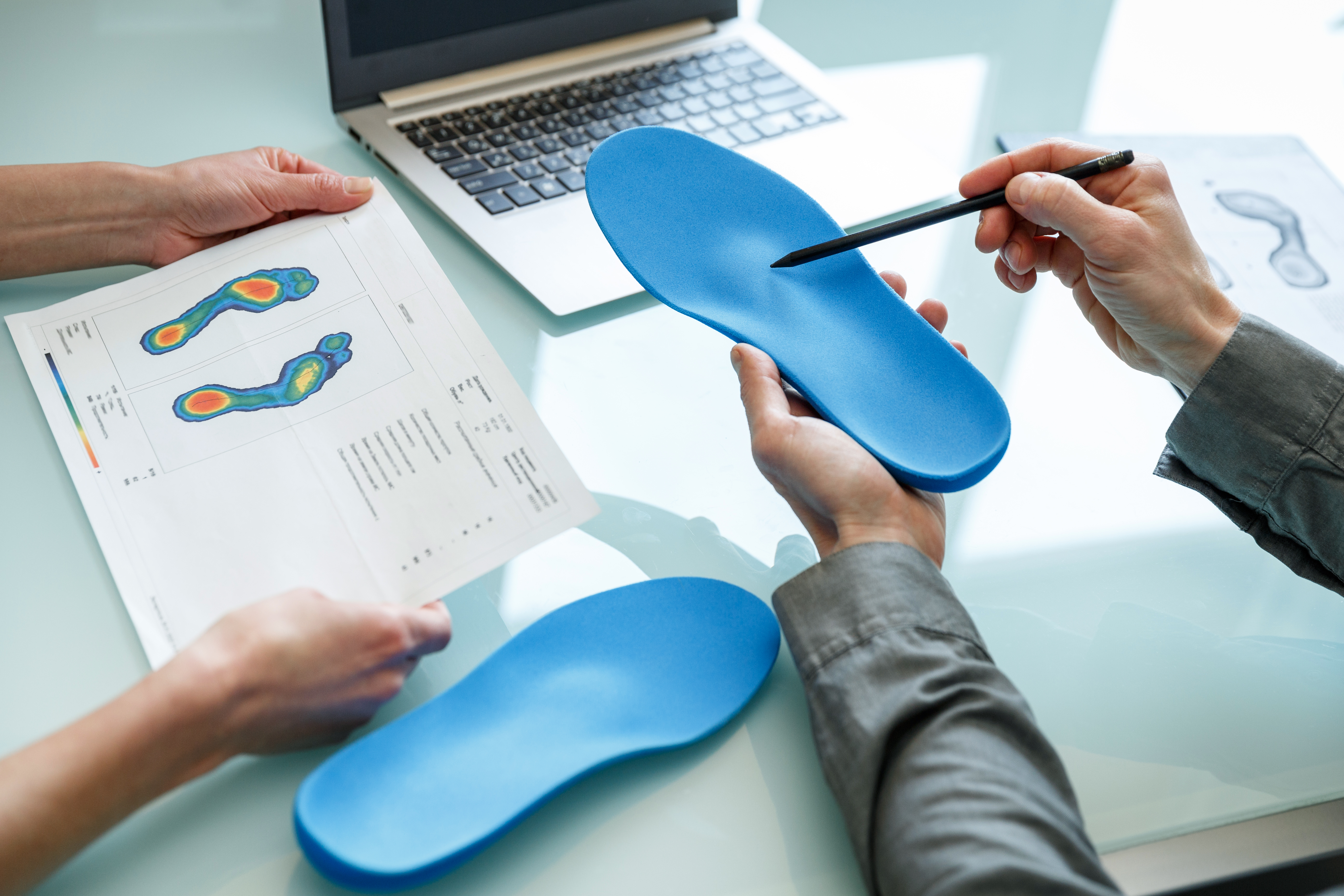
Gait analysis measures your walking and running patterns. This analysis helps identify issues like uneven weight distribution. In Port Credit, having access to tailored gait analysis means you can address these issues with precision.
Steps Involved in Gait Assessment
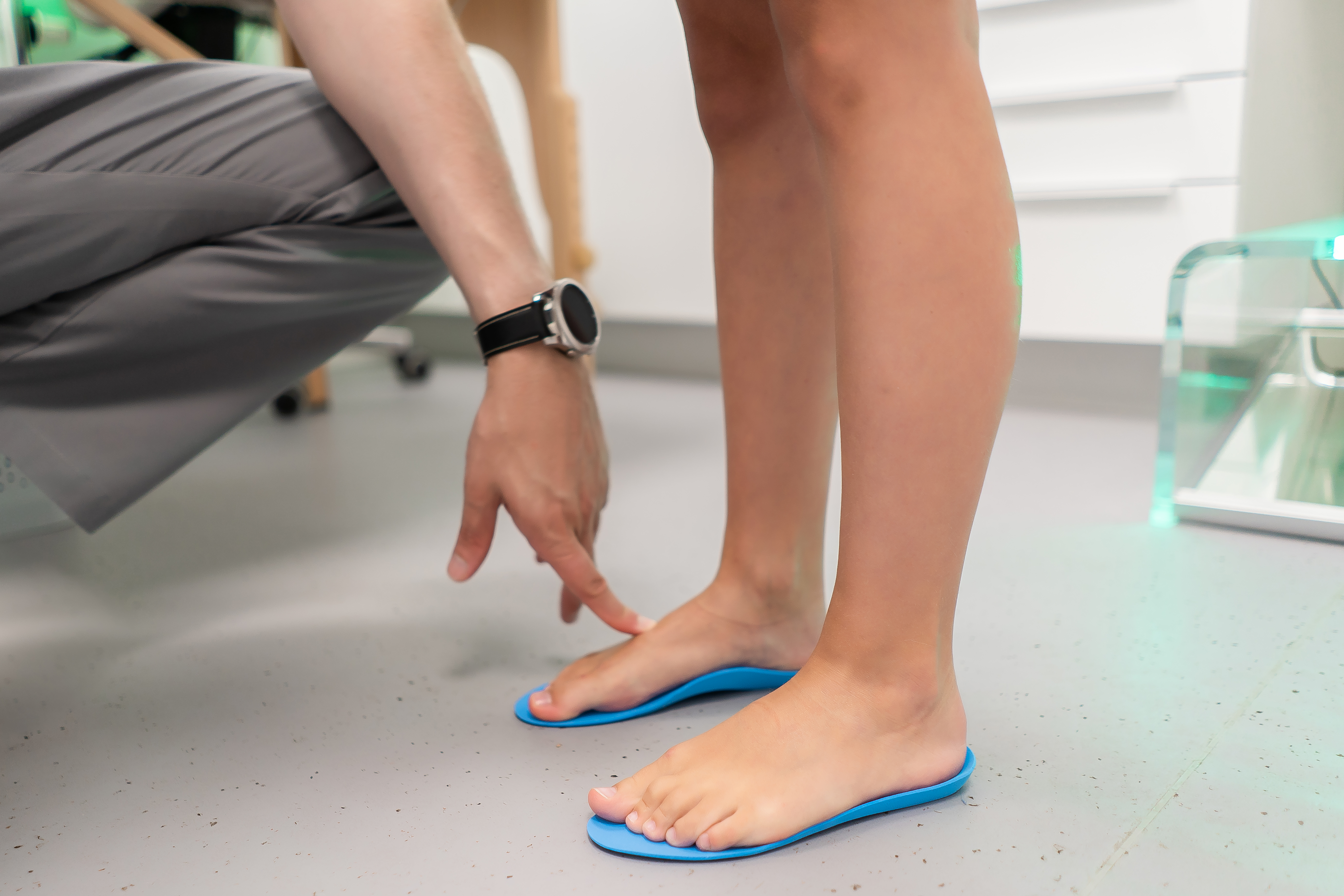
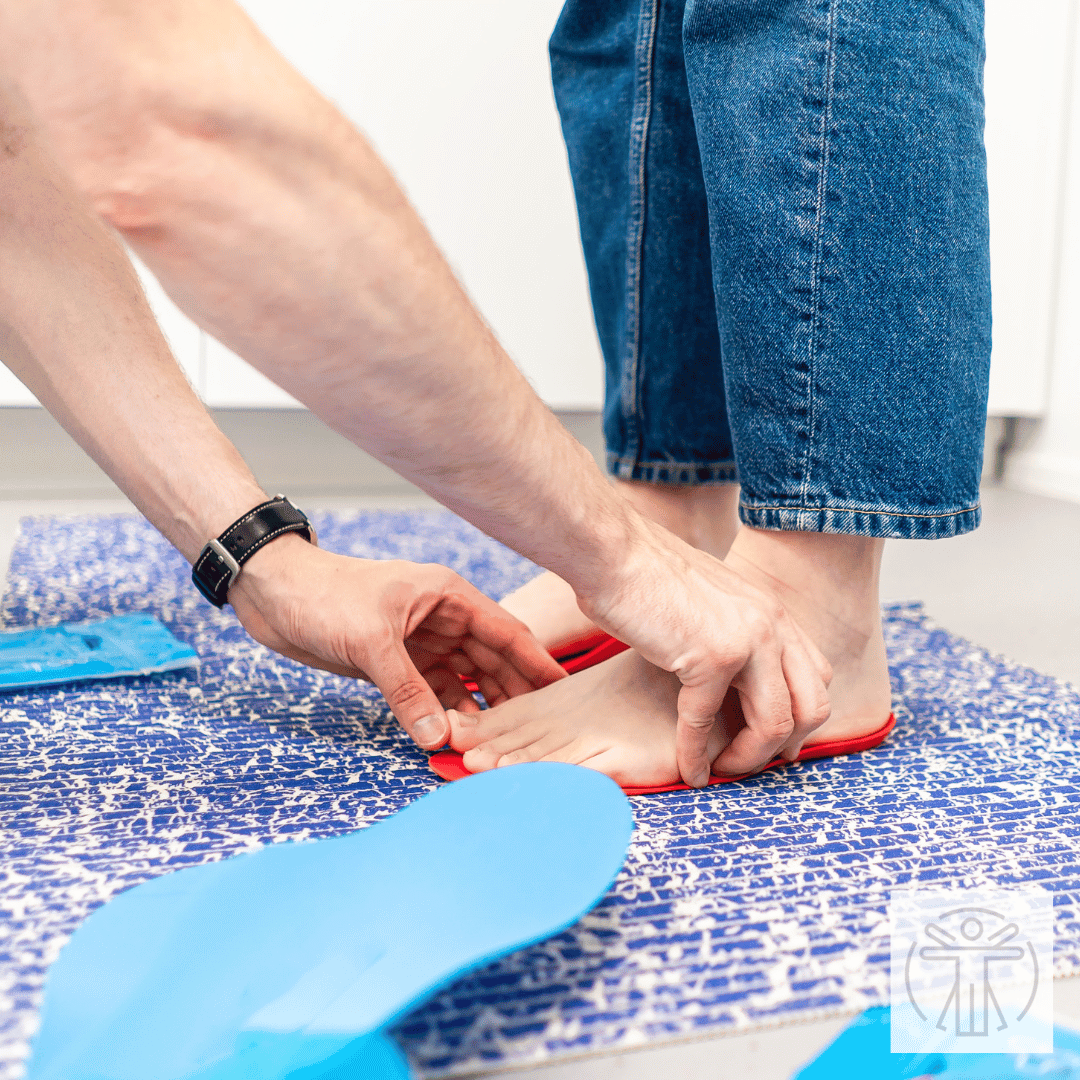
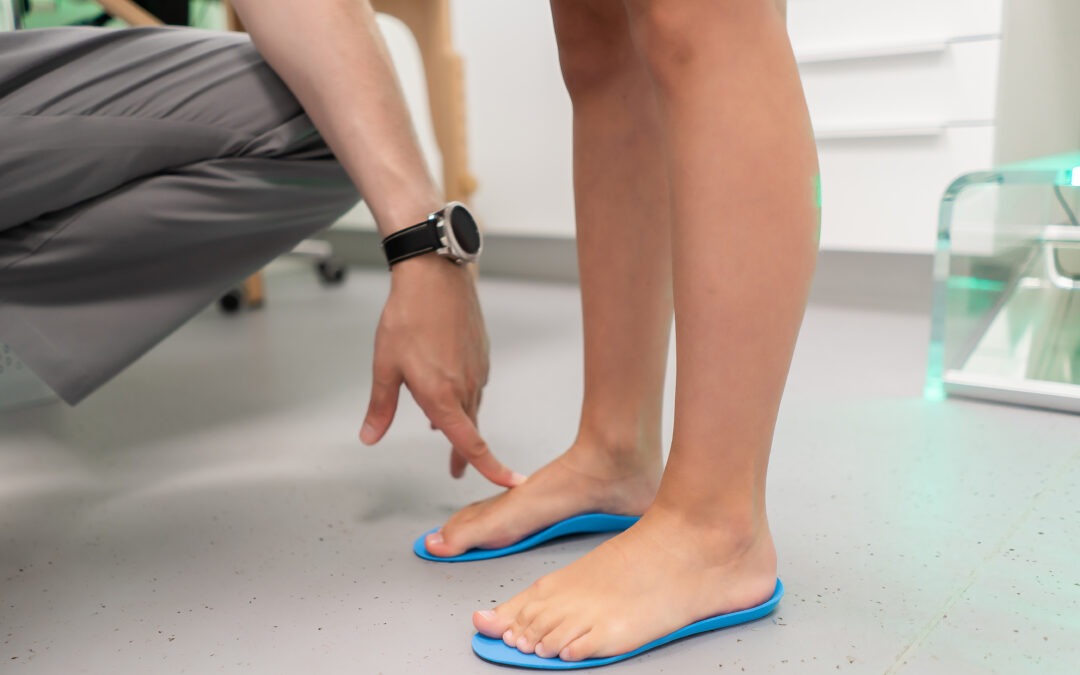
The assessment begins with observing your stance and movement. Then, advanced tools measure how your feet interact with the ground. This data is used to craft insoles that match your unique needs. The goal is to create a solution that enhances your natural movement while correcting any misalignments.
Personalised Footwear and Activity Matching
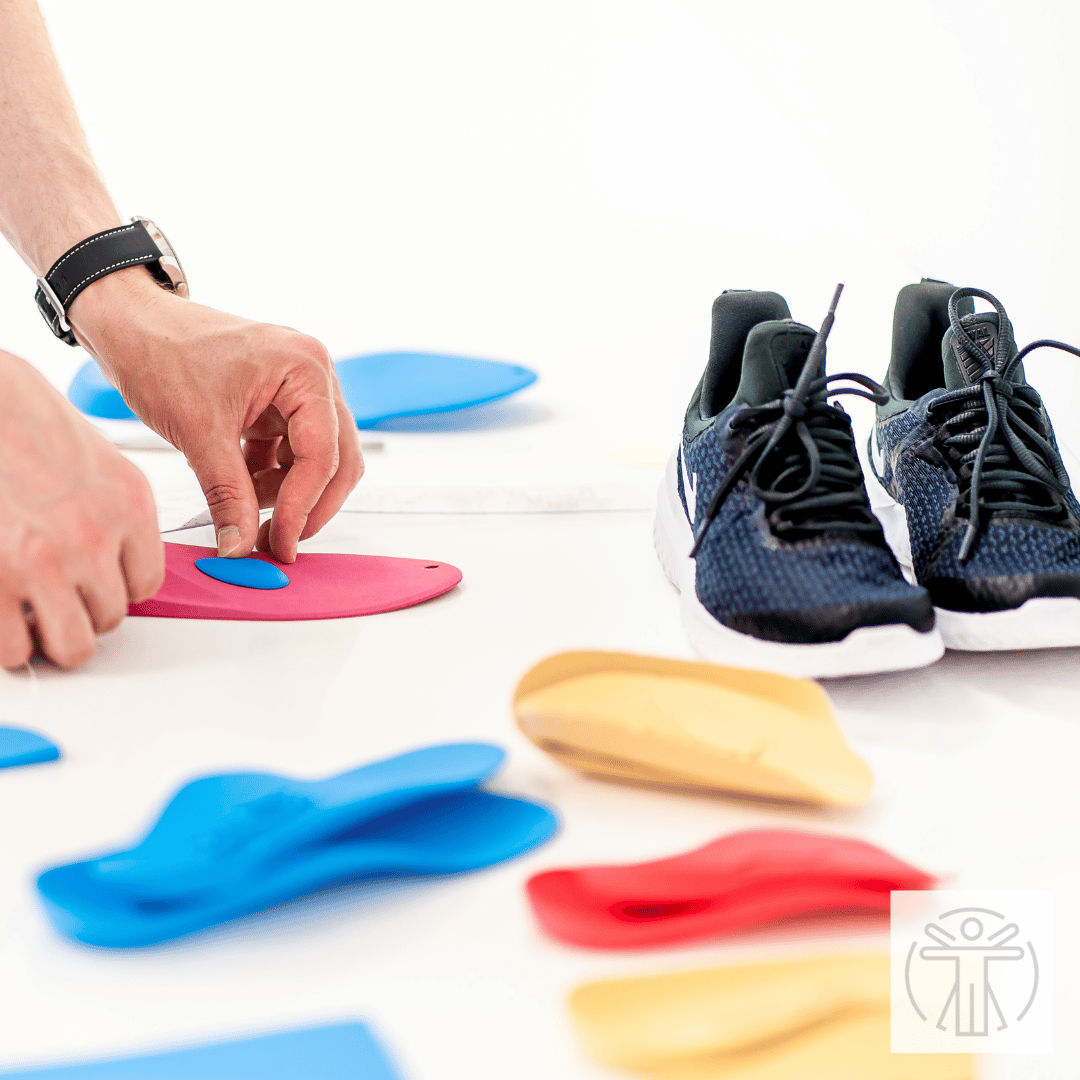
After the assessment, custom orthotics are crafted to fit your shoes and lifestyle. Whether you’re a runner, a sailor, or someone who stands a lot, your insoles will be tailored to fit your shoes and support your activities. This personalisation ensures maximum benefit and comfort.
Integrated Care at MyHealth Care Centre
At MyHealth Care Centre, orthotics are part of a broader approach to health and wellness.
Physiotherapy and Chiropractic Solutions
Physiotherapy and chiropractic care complement orthotics by addressing posture and alignment issues. These therapies help maintain balance and reduce pain. Working with professionals in these fields ensures you get a comprehensive treatment plan that supports your whole body.
Massage and Fascial Stretch Therapy
Massage therapy and fascial stretching target muscle tension and improve flexibility. These therapies increase blood flow and relax muscles, enhancing the effectiveness of orthotics. They make movement more fluid and less painful, supporting overall well-being.
Cold Laser Therapy and Medical Compression Socks
Cold laser therapy is a non-invasive treatment that promotes healing and reduces inflammation. Combined with medical compression socks, it supports blood circulation and reduces swelling. These treatments work together with orthotics to enhance recovery and comfort.
Frequently Asked Questions
What are custom orthotics?
Custom orthotics are specially designed shoe inserts that support your feet’s unique structure. They help improve alignment and reduce pain.
How do orthotics help with plantar fasciitis?
Orthotics provide heel support and distribute pressure evenly, reducing the strain on your plantar fascia and relieving pain.
Can orthotics prevent injuries?
Yes, by supporting proper foot mechanics, orthotics help prevent stress injuries common in activities like running or prolonged standing.
What is gait analysis?
Gait analysis examines how you walk or run, identifying any irregularities that custom orthotics can correct.
What other therapies complement orthotics?
Physiotherapy, chiropractic care, massage, and cold laser therapy all work alongside orthotics to improve overall health and movement.
Pain, tightness and fatigue often strike together, leaving you unsure where to start with treatment. Choosing the right therapy in Port Credit can make all the difference to your recovery and daily energy. This guide breaks down when a single approach works, when combining therapies helps, and how an integrated assessment can create a clear, personalised plan. Let’s get you moving comfortably again with the right support at MyHealth Care Centre. For further insights, you can explore alternative therapies.
Integrated Care for Overlapping Symptoms
Choosing the right therapy when you’re dealing with multiple symptoms can be tricky. Let’s explore how understanding each symptom can help you find the best path forward.
Understanding Pain and Tightness
Pain and tightness often occur together, making it difficult to pinpoint the cause. Pain can be sharp or dull, while tightness feels like a constriction or stiffness. Recognising these sensations is a crucial step. Pain may signal an injury or something more chronic, while tightness could point to muscle strain or stress. Identifying what your body is telling you allows for more effective treatment. Understanding these differences ensures that when you approach a healthcare provider, like MyHealth Care Centre, you’re equipped to explain your symptoms accurately.
The Role of Fatigue in Recovery
Fatigue can slow down recovery significantly. It’s more than just feeling tired; it’s a constant state of weariness that doesn’t improve with rest. When you’re fatigued, your body’s ability to heal is compromised. This means that any therapy you choose must consider your energy levels. Integrating rest periods and energy management strategies into your recovery plan is essential. Fatigue can stem from various issues, including stress or underlying health conditions, so addressing it holistically is key to effective recovery.
Choosing the Right Therapy
To decide on the best therapy, consider all your symptoms and their severity. An integrated assessment can help. This process evaluates your overall condition, ensuring a custom treatment plan that addresses all aspects of your health. Whether it’s physio, chiropractic care, or massage, the right combination of therapies can offer comprehensive relief. By choosing therapies that complement each other, you maximise the potential for a full recovery.
Therapies for Active Lifestyles
If you lead an active lifestyle, certain therapies can particularly benefit you. Let’s explore options that cater to those who enjoy staying active.
Physiotherapy and Chiropractic Benefits
Physiotherapy and chiropractic care work wonders for active individuals. They focus on restoring movement and reducing pain. Physiotherapy uses exercises and manual therapy to improve mobility and strength. Meanwhile, chiropractic care adjusts your spine and joints to enhance alignment and function. Together, they provide a robust framework for healing, especially useful if you’re recovering from a sports-related injury. This combo helps you get back to activities like running on the Waterfront Trail faster and stronger.
Massage and Stretch Therapy Solutions
Incorporating massage and stretch therapy into your routine can be transformative. Massage alleviates tension, enhances circulation, and promotes relaxation, while stretch therapy improves flexibility and range of motion. These therapies are particularly beneficial if you’re experiencing muscle tightness or post-exercise soreness. Regular sessions can also prevent future injuries by keeping muscles supple and joints flexible. This approach not only aids recovery but also ensures you maintain peak physical condition.
Acupuncture and Cold Laser Options
Acupuncture and cold laser therapy offer alternative routes to recovery. Acupuncture stimulates specific points on your body to relieve pain and promote healing. Cold laser therapy, on the other hand, uses low-level lasers to accelerate tissue repair and decrease inflammation. Both therapies are non-invasive and can complement traditional treatments. They’re particularly effective for chronic pain conditions and can be tailored to your specific needs at MyHealth Care Centre.
Proactive Recovery Strategies
Beyond in-clinic treatments, proactive strategies at home can accelerate your recovery journey. Let’s delve into some effective methods.
At-Home Exercises and Tips
Regular exercise is vital for maintaining health and aiding recovery. Simple exercises like stretching, yoga, or strengthening routines can be done at home to boost flexibility and core strength. Consistency is key, so try to set aside a few minutes each day. Staying hydrated and maintaining a balanced diet also supports recovery, ensuring your body has the nutrients it needs to heal and perform optimally.
When to Seek an Integrated Assessment
An integrated assessment is crucial when symptoms persist or multiple issues overlap. It provides a comprehensive view of your health, ensuring all contributing factors are addressed. This assessment can lead to a more effective treatment plan customised to your needs. If you’re unsure when to seek this, consider doing so when home remedies aren’t providing relief or if your symptoms are worsening.
Booking Treatment in Port Credit
Finding the right care in Port Credit is simple. MyHealth Care Centre offers a range of therapies that can be tailored to your needs. Booking an appointment is easy and can be done online, making it convenient for busy schedules. With a focus on personalised care and comprehensive treatment plans, you’re sure to find the right support to get back to your active lifestyle.
Frequently Asked Questions
What is the best therapy for pain and tightness?
The best therapy often combines multiple approaches. Physiotherapy and chiropractic care are excellent for addressing pain and improving mobility, while massage therapy helps relieve muscle tightness.
How does fatigue affect recovery?
Fatigue can slow recovery by reducing your body’s ability to heal. Addressing fatigue involves managing energy levels and ensuring adequate rest, which can be integrated into your overall treatment plan.
When should I consider an integrated assessment?
Consider an integrated assessment when symptoms persist despite treatment. It offers a comprehensive look at your health, ensuring all factors are addressed for an effective recovery plan.
What are the benefits of acupuncture and cold laser therapy?
Acupuncture relieves pain and promotes healing by stimulating specific body points. Cold laser therapy accelerates tissue repair and decreases inflammation, making both effective for chronic pain management.
How can I maintain my recovery at home?
Maintain recovery by incorporating regular exercise, stretching, and a balanced diet into your routine. Consistency is key, along with staying hydrated and ensuring adequate rest.
Injuries and long-term pain can slow you down when you want to stay active around Port Credit. Integrated care brings together physiotherapy, chiropractic, massage, and acupuncture to tackle your recovery from every angle. At MyHealth Care Centre, this team approach helps you move better faster, ensuring a Faster Recovery, so you can get back to the Waterfront Trail, sailing, or skating without missing a beat. Let’s explore how integrated care in Port Credit supports your return to the activities you love. By incorporating diverse therapies, you can create a personalised recovery plan that not only speeds up your healing process but also enhances your overall well-being.
Additionally, setting realistic goals during your recovery can provide direction and motivation. It is essential to work with your healthcare team to establish achievable milestones, such as walking a certain distance or performing specific exercises without pain. Celebrating these small victories can boost your confidence and keep you engaged in the recovery process. Remember, every step forward is a sign of progress, and maintaining a positive outlook is crucial for a successful recovery journey.
Integrated care is not just a concept; it is a holistic approach to health that recognises the interplay between different therapeutic modalities. For instance, a physiotherapist may work alongside a chiropractor to develop a tailored treatment plan that addresses both musculoskeletal issues and movement dysfunctions. This coordinated effort can lead to more effective outcomes compared to traditional methods that often work in silos. By integrating these services, patients can benefit from a comprehensive approach where each practitioner contributes their expertise, ensuring a well-rounded recovery experience.
Emphasising a Faster Recovery, integrated care not only focuses on immediate relief but also fosters long-term health and wellness. This approach encourages individuals to stay engaged and motivated throughout their recovery process, utilising various therapies that work in synergy to promote healing. By taking an active role in their recovery, patients can significantly enhance their overall health outcomes.
One of the key benefits of integrated care is the ability to address the root causes of pain and discomfort instead of merely alleviating symptoms. By employing various practitioners, patients receive comprehensive evaluations that consider all aspects of their health. For example, if a patient is experiencing lower back pain, the integrated team can explore the possibility of underlying issues such as poor posture, spinal alignment, or even stress-related tension. This thorough approach ensures that patients can achieve not just temporary relief, but lasting improvements in their condition.
In Port Credit, the natural environment serves as an ideal backdrop for rehabilitation. Engaging in outdoor activities such as hiking along the trails or participating in group sports can significantly enhance the recovery process. The fresh air and scenic views not only uplift the spirit but also encourage physical activity which is crucial for a Faster Recovery. Furthermore, being in nature can lead to improved mental health, helping individuals cope better with the challenges of recovery.
Moreover, incorporating elements such as nutrition and mental health support into the integrated care framework can further optimise recovery times. A nutritionist might suggest dietary adjustments that aid in inflammation reduction, while a mental health professional can provide strategies to cope with the psychological burden of injury. This multifaceted approach ensures that every aspect of a patient’s health is addressed. For instance, proper hydration and balanced meals can significantly influence energy levels and recovery processes, making nutritional guidance an essential part of the healing journey.
Patient education is another cornerstone of integrated care. When individuals understand their conditions and the various treatment options available, they are more likely to engage proactively in their recovery. Workshops and informational sessions held by healthcare providers in Port Credit can empower patients with knowledge, helping them make informed decisions about their health. Moreover, this education can extend to self-management techniques that patients can utilise at home, further supporting their recovery journey.
As you embark on your recovery journey, consider the various pathways to wellness available through integrated care. Each component, from physiotherapy to acupuncture, plays a vital role in restoring your body’s functionality and resilience. Remember, it’s not just about treating an injury; it’s about enhancing your overall quality of life. The integration of various therapies fosters a supportive environment where patients can thrive, ensuring that each step towards recovery is firmly rooted in comprehensive care.
Furthermore, consider incorporating mindfulness and relaxation techniques into your routine. Practices such as yoga, meditation, or even deep-breathing exercises can complement your physical therapies, helping to reduce stress and promote mental clarity. By addressing both your mental and physical health, you create a more balanced approach to your recovery, ultimately leading to a more successful outcome.
In conclusion, if you’re looking to move better in Port Credit for a Faster Recovery, explore the benefits of an integrated care approach. With a dedicated team focused on your recovery, you can enjoy the activities you love with renewed vitality. For more insights on the benefits of integrated care, visit this link. Embracing integrated care not only speeds up recovery but also strengthens the foundation for a healthier future, allowing you to tackle challenges with confidence and enthusiasm.
When it comes to foot pain or discomfort, not all insoles are created equal. Custom orthotics in Port Credit offer tailored support designed just for your feet, while off-the-shelf insoles provide a one-size-fits-many approach. Choosing the right option can save you money and help you stay active without pain. Let’s break down what each option really offers, so you know when a professional foot and gait assessment makes sense for you.
Understanding Orthotic Options
When dealing with foot discomfort, understanding your options is crucial. Let’s explore the ins and outs of custom orthotics and off-the-shelf insoles to see which suits your needs.
Custom Orthotics Explained
Custom orthotics are crafted specifically for your feet. They start with a detailed assessment, often involving a foot and gait analysis. This examination helps pinpoint your unique issues. These inserts are then designed to address specific problems, like plantar fasciitis or flat feet. They aim to correct imbalances and improve overall foot mechanics.
Each pair is made to fit the contours of your feet perfectly, ensuring optimal support and comfort. This personalised approach means you get inserts that don’t just fit but also function as an extension of your foot. The result: reduced pain, better alignment, and improved mobility. For individuals with chronic issues, custom orthotics can be a game changer.
Off-the-Shelf Insoles Overview
In contrast, off-the-shelf insoles are mass-produced. They are designed to fit a wide range of foot shapes and sizes. They offer general cushioning and support, providing immediate relief for minor discomfort. These insoles are easy to find at most shoe stores and are typically more affordable than custom options.
However, because they’re not tailored to your unique foot shape or gait, they may not address specific issues as effectively. They are a good start for temporary relief or for those without specific foot conditions. For mild discomfort, off-the-shelf insoles can provide an accessible and quick solution.
Key Differences and Benefits
While both options aim to improve comfort, the benefits differ. Custom orthotics are tailored to your foot, offering specific support where you need it most. This can lead to significant improvements in gait and posture, reducing pain in the feet, knees, and back. Off-the-shelf insoles, while less precise, provide general cushioning and are more budget-friendly.
The choice between custom orthotics and off-the-shelf insoles often depends on your specific needs. For targeted relief and long-term benefits, custom orthotics are ideal, especially for conditions like plantar fasciitis or overpronation. For general support and temporary relief, off-the-shelf insoles can suffice.
When to Choose Each Option
Knowing when to choose each option can make a significant difference. Here’s how to determine the best fit for your lifestyle and needs.
Foot and Gait Assessment Importance
A foot and gait assessment is a critical first step in determining your needs. During this evaluation, specialists analyse how you walk and identify any issues with foot mechanics. This process helps in crafting custom orthotics that address specific problems like shin splints or Achilles tendinopathy.
If you’re experiencing persistent pain or discomfort, a detailed assessment can provide insights into the root cause. This is essential for creating effective custom orthotics that offer lasting relief. Understanding your gait can also prevent future injuries by addressing issues before they escalate.
Identifying Specific Conditions
Certain conditions benefit more from custom orthotics. Issues like metatarsalgia, flat feet, or plantar fasciitis often require tailored support. Custom orthotics can provide the specific correction needed, reducing strain and improving comfort.
For less severe conditions, or if you’re dealing with occasional discomfort, off-the-shelf insoles might suffice. They offer a cost-effective way to alleviate minor pain. However, if your condition persists or worsens, consulting a specialist is advisable. They can recommend the best course of action, which might include transitioning to custom orthotics.
Budget Considerations and Cost-Effectiveness
Budget often plays a role in the decision-making process. Off-the-shelf insoles are generally more affordable, making them an attractive option for those seeking immediate relief. They provide a quick fix without breaking the bank.
Custom orthotics, while more expensive upfront, offer long-term benefits. They’re an investment in your overall foot health and can prevent further issues down the line. For chronic conditions, their cost-effectiveness lies in their ability to provide targeted support and avoid more significant health concerns later.
Booking Your Assessment
Understanding the benefits of each option is only the beginning. Now, let’s explore what to expect when you book your assessment at MyHealth Care Centre.
What to Expect at MyHealth Care Centre
At MyHealth Care Centre, your journey begins with a thorough foot and gait assessment. This evaluation is crucial in understanding your unique needs. Our specialists take the time to examine your foot mechanics, ensuring any recommendations are perfectly tailored to you.
Our centre prides itself on providing personalised care in a friendly, supportive environment. You’ll receive expert guidance on whether custom orthotics or off-the-shelf insoles are best for you. This ensures you leave with confidence, knowing you’ve made an informed choice.
Complementary Services and Support
Beyond orthotics, MyHealth Care Centre offers a range of complementary services. These include physiotherapy, chiropractic care, and registered massage therapy. Our multi-disciplinary approach ensures all aspects of your health are addressed.
We believe in empowering our clients through education and support. Our team is here to help you maintain a healthy lifestyle, offering strategies that extend beyond the clinic. This holistic care model is designed to keep you active and pain-free.
How to Book Your Appointment
Ready to take the next step? Booking an appointment is simple. You can visit our website or call our centre to schedule your assessment. Our friendly staff will guide you through the process, ensuring a seamless experience from start to finish.
Remember, the longer you wait, the longer you might endure discomfort. Take charge of your foot health today, and discover the benefits of personalised care at MyHealth Care Centre.
Frequently Asked Questions
What are the main benefits of custom orthotics?
Custom orthotics provide tailored support based on your unique foot structure and gait. This personalised approach can significantly reduce pain and improve alignment, offering lasting relief for chronic conditions.
Are off-the-shelf insoles effective for foot pain?
Off-the-shelf insoles can offer temporary relief for minor discomfort. They provide general cushioning and support, making them suitable for mild issues. However, they may not address specific conditions as effectively as custom orthotics.
How long does it take to get used to custom orthotics?
Most people adjust to custom orthotics within 1–2 weeks. You might experience mild muscle adaptation as your body aligns to the new support.
When should I consider a foot and gait assessment?
If you’re experiencing persistent foot pain or discomfort, a foot and gait assessment can provide valuable insights into the issue. It helps in crafting effective custom orthotics and preventing future problems.
What services does MyHealth Care Centre offer beyond orthotics?
MyHealth Care Centre offers a range of services including physiotherapy, chiropractic care, and registered massage therapy, all designed to support your overall health and well-being.
Most people believe recovery is just about building strength or stretching more. That’s only half the picture. Knowing when to focus on mobility, strength, or a joined-up plan can make all the difference in your recovery. At MyHealth Care Centre in Port Credit, we help you figure out exactly what your body needs to get back to running the Waterfront Trail, sailing, skating, or training pain-free and confident. Read more about the importance of mobility in modern wellness here.
Understanding Your Recovery Needs
Knowing what your body requires is the first step to recovery. Is it mobility, strength, or a mix of both? Discovering the right approach ensures a faster return to activities you love.
Mobility vs Strength: Key Differences
Mobility and strength are often confused, but they play different roles in recovery. Mobility is about how well you can move your joints through a range of motion. It helps you perform everyday tasks with ease. For instance, bending down to pick something up requires good hip mobility.
On the other hand, strength is the ability of muscles to exert force. Strong muscles support joints and protect them from injury. Think of it as the foundation that helps you maintain balance and stability. Understanding these differences can help you focus your recovery efforts effectively.
Signs You Need a Joined-Up Plan
If you're not seeing progress with just mobility or strength training, it might be time to consider a joined-up plan. Feeling stuck or noticing recurring pain can signal deeper issues that need a comprehensive approach.
A joined-up recovery plan combines different therapies to target the root cause of your discomfort. For example, at MyHealth Care Centre, we integrate physiotherapy, chiropractic adjustments, and massage therapy for a more holistic recovery. If you're unsure which path to take, consulting with a specialist for an assessment can provide clarity.
Tailoring Your Recovery Plan
A tailored recovery plan addresses your unique needs, creating a roadmap to healing. Let's explore how different therapies can be combined for optimal results.
Importance of Physiotherapy and Massage Therapy
Physiotherapy and massage therapy are powerful tools in any recovery plan. Physiotherapy helps restore movement and function through exercises and manual techniques. It’s essential for regaining strength and flexibility after an injury.
Massage therapy complements this by relieving muscle tension and improving circulation. It can enhance relaxation, reducing stress and supporting emotional well-being. Together, these therapies work to create a balanced recovery plan that addresses both physical and mental health.
Integrating Chiropractic and Stretch Therapy
Chiropractic care and stretch therapy offer additional layers to your recovery. Chiropractic adjustments can improve joint mobility and alignment, which is crucial for overall function and pain reduction.
Stretch therapy, such as fascial stretch therapy, focuses on increasing flexibility and reducing muscle tightness. This combination supports better posture and decreases the risk of future injuries. By integrating these therapies, you create a more comprehensive approach to recovery, addressing multiple aspects of health simultaneously.
Your Path to Pain-Free Activities
Once your recovery plan is in place, the focus shifts to reclaiming your favourite activities without pain. Let's see how specific injuries are tackled and how you can take the next step.
Overcoming Skating and Running Injuries
Skating and running are popular activities in Port Credit. However, they can also lead to common injuries like sprains and strains. Addressing these issues early is key.
Through a mix of physiotherapy and chiropractic care, you can target the underlying causes of these injuries. Exercises to strengthen the supporting muscles, combined with adjustments to improve alignment, can prevent recurrence. By following a structured rehabilitation plan, you'll be back on the rink or trail in no time.
Booking an Assessment at MyHealth Care Centre
The best way to start your recovery journey is by booking an assessment at MyHealth Care Centre. Our expert team conducts a thorough evaluation to understand your specific needs and craft a tailored plan.
From there, you receive a blend of therapies designed to optimise your recovery and prevent future issues. Don't wait until the pain worsens; take the first step to living pain-free. Visit our centre in Port Credit and let us guide you to a healthier, more active lifestyle.
Frequently Asked Questions
What is the difference between mobility and flexibility? Mobility refers to the ability of a joint to move through its range of motion, while flexibility is about the length of a muscle and its ability to stretch. Mobility is crucial for functional movement, while flexibility helps in achieving greater range in activities.
How can I tell if my recovery plan is working? Signs of a successful recovery plan include reduced pain, improved range of motion, and the ability to perform daily activities without discomfort. Regular assessments can also track progress and adjust the plan as needed.
Why should I choose a multi-disciplinary clinic for recovery? A multi-disciplinary clinic offers a comprehensive approach by combining different therapies, such as physiotherapy and chiropractic care, in one plan. This ensures all aspects of recovery are addressed, leading to more effective and lasting results.
Recovering from an injury isn’t just about resting and hoping for the best. The right care team working together can make all the difference in how quickly and safely you get back to your favourite Port Credit activities. This injury recovery guide shows you how integrated healthcare in Port Credit blends physiotherapy, chiropractic care, massage, acupuncture, and more into a personalised plan that supports lasting progress in your Integrated Injury Recovery journey. Ready to take control of your Integrated Injury Recovery? Let’s explore the proven steps to help you move better and live better. For further reading, check out this resource.
Key Stages of Integrated Injury Recovery
Welcome to your journey toward healing. First, grasping the recovery basics sets the stage for effective care in your Integrated Injury Recovery. Let's explore how understanding your injury and customising your plan can change the game.
Understanding Integrated Injury Recovery
Integrated Injury Recovery is a gradual process that demands patience and the right approach. It's about more than just rest. Your body needs the right kind of movement and care to heal properly as part of your Integrated Injury Recovery. This often involves a mix of therapies like physiotherapy, which focuses on restoring movement and strength. Chiropractic care can also be crucial for aligning your body and relieving pain naturally. By incorporating registered massage therapy, you can reduce muscle tension and improve circulation, aiding your Integrated Injury Recovery.
Sometimes, advanced treatments like acupuncture or cold laser therapy can offer additional pain relief and speed up your Integrated Injury Recovery. The key is to use a combination of approaches that address your specific needs, avoiding a one-size-fits-all mindset. Understanding these elements helps you make informed decisions about your care pathway towards Integrated Injury Recovery.
Importance of a Tailored Plan for Integrated Injury Recovery
A tailored plan is essential for effective Integrated Injury Recovery. Each injury is unique, and so is the healing process. A personalised treatment plan considers your specific condition, lifestyle, and goals. This plan typically starts with a thorough assessment of your movement, posture, and pain patterns. From there, a combination of therapies such as physiotherapy and chiropractic care is selected to suit your needs during your Integrated Injury Recovery.
For example, if you're dealing with knee pain from a running injury, your plan might include exercises for strengthening muscles around the knee, combined with acupuncture or cryotherapy for pain relief. By focusing on your unique situation, a tailored plan enhances your Integrated Injury Recovery and helps prevent future injuries. It empowers you to take control of your health journey, fostering confidence and progress.
Integrated Care Approach for Integrated Injury Recovery
By now, you understand the importance of a tailored plan. But how does an integrated approach boost your Integrated Injury Recovery? Let's see how collaborating with a healthcare team and using advanced modalities can make a difference.
Collaborative Healthcare Team in Integrated Injury Recovery
An integrated care approach involves a team of healthcare professionals working together to support your Integrated Injury Recovery. This team may include physiotherapists, chiropractors, and massage therapists, who collaborate to create a seamless treatment plan. This coordinated effort ensures that each aspect of your recovery is addressed, reducing the chance of disconnect between treatments.
Imagine recovering from a car accident: your physiotherapist might focus on restoring mobility, while your chiropractor addresses spinal alignment, and your massage therapist helps with muscle tension. This team approach not only speeds up your Integrated Injury Recovery but also enhances the quality of care by ensuring all angles are covered. You gain the benefit of each specialist's expertise, all directed toward your well-being.
Benefits of Advanced Modalities in Integrated Injury Recovery
Advanced modalities play a crucial role in supporting Integrated Injury Recovery. Treatments like cold laser therapy and cryotherapy can enhance healing by reducing inflammation and promoting tissue repair. These non-invasive options offer pain relief without medication, making them an attractive choice for many individuals involved in Integrated Injury Recovery.
For instance, cold laser therapy may be used to treat chronic back pain, providing relief by accelerating healing at a cellular level. Similarly, cryotherapy can help reduce swelling and pain after an acute injury, such as a sprained ankle. Including these advanced modalities in your treatment plan can significantly improve outcomes, providing faster, more effective relief and aiding in a smooth return to daily activities as part of your Integrated Injury Recovery.
Taking an Active Role in Integrated Injury Recovery
You've seen how integrated care works for Integrated Injury Recovery. Now, let's focus on you. Taking an active role in your recovery is vital. Here’s how you can empower yourself and ensure ongoing progress.
Steps for Patient Empowerment in Integrated Injury Recovery
Empowering yourself in Integrated Injury Recovery starts with understanding your treatment and actively participating in the process. Here are simple steps to take charge:
Educate Yourself: Learn about your condition and treatment options in your Integrated Injury Recovery. This knowledge empowers you to make informed decisions.
Follow Your Plan: Adhere to your personalised treatment plan and attend scheduled appointments. Consistency is key to progress in Integrated Injury Recovery.
Practice Self-Care: Incorporate exercises and strategies advised by your care team into your daily routine. This might include stretches or strengthening exercises to support healing during your Integrated Injury Recovery.
Communicate Openly: Keep an open line with your healthcare team. Share your progress and any concerns to allow them to adjust your plan for your Integrated Injury Recovery as needed.
By taking these steps, you become an active participant in your Integrated Injury Recovery. This proactive approach not only enhances your healing but also builds confidence and independence in managing your health.
Importance of Ongoing Assessment in Integrated Injury Recovery
Ongoing assessment is a critical component of effective Integrated Injury Recovery. Regular evaluations by your healthcare team help monitor progress and make necessary adjustments to your treatment plan. This ensures your recovery stays on track and that any potential issues are addressed promptly.
For example, if you're recovering from a sailing shoulder injury, periodic assessments can help track improvements in range of motion and strength in your Integrated Injury Recovery. Adjustments to your plan might include modifying exercises or introducing new modalities as your condition evolves. Continuous assessment ensures that your treatment remains aligned with your goals, optimising your Integrated Injury Recovery journey.
Frequently Asked Questions about Integrated Injury Recovery
How long does Integrated Injury Recovery typically take?
Recovery time varies greatly depending on the injury's severity, your overall health, and the treatment plan. Some may see improvement in weeks, while others might require months. Consistent care and following your treatment plan can help expedite the process of Integrated Injury Recovery.
What should I do if my pain persists despite treatment?
If pain persists, communicate this to your healthcare team. They can reassess your condition and adjust your treatment plan as needed. Persistent pain might indicate an underlying issue that requires further investigation or a different therapeutic approach during your Integrated Injury Recovery.
Can I start exercising while still in recovery?
Exercise is often a critical part of Integrated Injury Recovery, but it's important to follow your healthcare team's recommendations. They will guide you on safe exercises that won't exacerbate your injury, supporting your healing while maintaining fitness.
What are the benefits of using advanced modalities like cold laser therapy in Integrated Injury Recovery?
Advanced modalities, such as cold laser therapy, can accelerate healing and reduce pain without invasive procedures. They are particularly beneficial for conditions like chronic pain or acute injuries, offering a non-medication approach to relief during Integrated Injury Recovery.
How often should I have my Integrated Injury Recovery progress assessed?
Frequency of assessments depends on your specific condition and treatment plan. Typically, regular evaluations are recommended to ensure your Integrated Injury Recovery stays on track. Your healthcare team will advise on a suitable schedule based on your progress.
Many people in Port Credit and Mississauga struggle with foot, knee, or back pain that just won’t quit. When pain holds you back from running, sailing, or skating, it’s time to look deeper. Custom orthotics Port Credit offers could be the key to realigning your feet, easing discomfort, and keeping you active. Let’s explore who benefits most and how our clinic’s thorough gait analysis and personalised care make a difference. [https://my.clevelandclinic.org/health/treatments/orthotics]
Benefits of Custom Orthotics
When you think of foot support, custom orthotics might not be the first solution that comes to mind. Yet, they offer significant benefits that can change how you move and feel daily.
Improve Posture and Alignment
Getting your body aligned starts with your feet. Custom orthotics can help position your feet properly, promoting better posture. With your feet in the right place, your entire body can follow suit. This improvement can have a ripple effect, helping you stand tall and move more comfortably. It’s like finding the perfect puzzle piece that makes everything fit just right.
Reduce Pain and Discomfort
Nobody likes dealing with constant pain. Custom orthotics are designed to target specific discomforts in your feet, knees, and back. By addressing these areas, they help reduce the strain on muscles and joints. Imagine walking without that persistent ache. This relief can make everyday activities much more enjoyable, transforming your pain into a thing of the past.
Enhance Active Living
Staying active is important for your health, but pain can hold you back. Custom orthotics provide the support needed to keep you moving. Whether you love running, sailing, or going to the gym, these orthotics can boost your performance. They offer the stability and shock absorption you need, so you can participate in your favourite activities without worry.
Who May Need Orthotics
Not everyone needs custom orthotics, but how do you know if they’re right for you? Let’s explore the signs and conditions that suggest you might benefit from them.
Signs of Foot and Gait Issues
Do you notice unusual wear patterns on your shoes? This could indicate an issue with your gait. If you experience frequent pain in your feet, knees, or back, it might be time to consider orthotics. These signs suggest your feet need extra support to handle the pressures of daily movement.
Common Conditions Addressed
Many people suffer from conditions like flat feet, plantar fasciitis, or overpronation. Custom orthotics can help alleviate the discomfort associated with these issues. By providing the right support and alignment, they can make a real difference in how you feel. If these conditions sound familiar, orthotics might be the solution you’ve been searching for.
Local Activities and Foot Health
Being active is part of the Port Credit lifestyle. From running to skating, local activities can take a toll on your feet. Custom orthotics can help protect your feet from injury and keep you in the game. By ensuring your feet are well-supported, you can enjoy your favourite local activities without the worry of pain holding you back.
The Orthotics Process at MyHealth
If you’re considering orthotics, understanding the process is key. Here’s what you can expect when you visit MyHealth for your custom orthotics.
Comprehensive Assessment Approach
Our process begins with a thorough assessment. We examine how you walk and pinpoint any issues with your gait. This step is crucial for creating orthotics that are tailored to your specific needs. By understanding your unique foot mechanics, we can design orthotics that truly support you.
Precision Fitting Techniques
Once we have your assessment, the fitting process begins. We use precise techniques to ensure your orthotics fit perfectly. This is not a one-size-fits-all approach. Each pair is crafted to fit your feet like a glove, providing the support you need where you need it most.
Follow-up Care and Advice
After receiving your orthotics, follow-up care is essential. We provide guidance on how to use your orthotics effectively and address any concerns you may have. Our goal is to ensure you get the maximum benefit from your new support system. You’re not just getting orthotics; you’re gaining a partner in your journey to better health.
Frequently Asked Questions
How do I know if I need custom orthotics?
If you experience ongoing foot, knee, or back pain, or notice unusual wear on your shoes, it might be time to consider custom orthotics. They provide tailored support to improve your alignment and comfort.
Can custom orthotics help with sports injuries?
Yes, they offer support and stability, which can aid in both the prevention and recovery of sports-related injuries. They are designed to enhance your performance by supporting your feet properly.
How long does it take to adjust to new orthotics?
Most people adjust within a couple of weeks. It’s important to wear them gradually, starting with short periods and increasing usage as your feet get accustomed to the new support.
What is involved in a gait analysis?
A gait analysis involves examining your walking pattern to identify any issues with your movement. This helps in designing orthotics that address your specific needs, ensuring better alignment and support.
Are custom orthotics covered by insurance?
Coverage varies by insurance provider. It’s best to check with your insurer to understand what is included in your plan regarding custom orthotics.