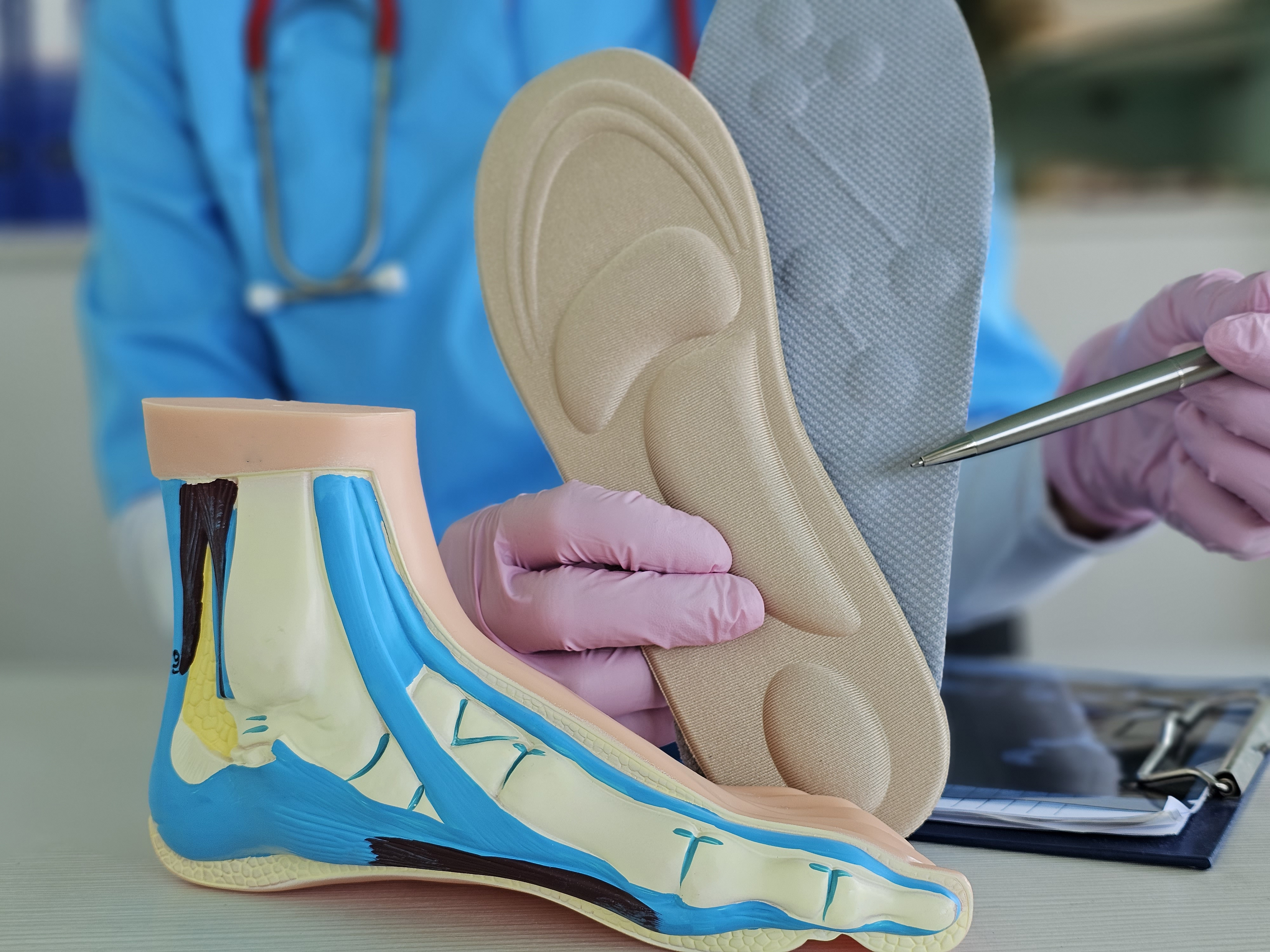
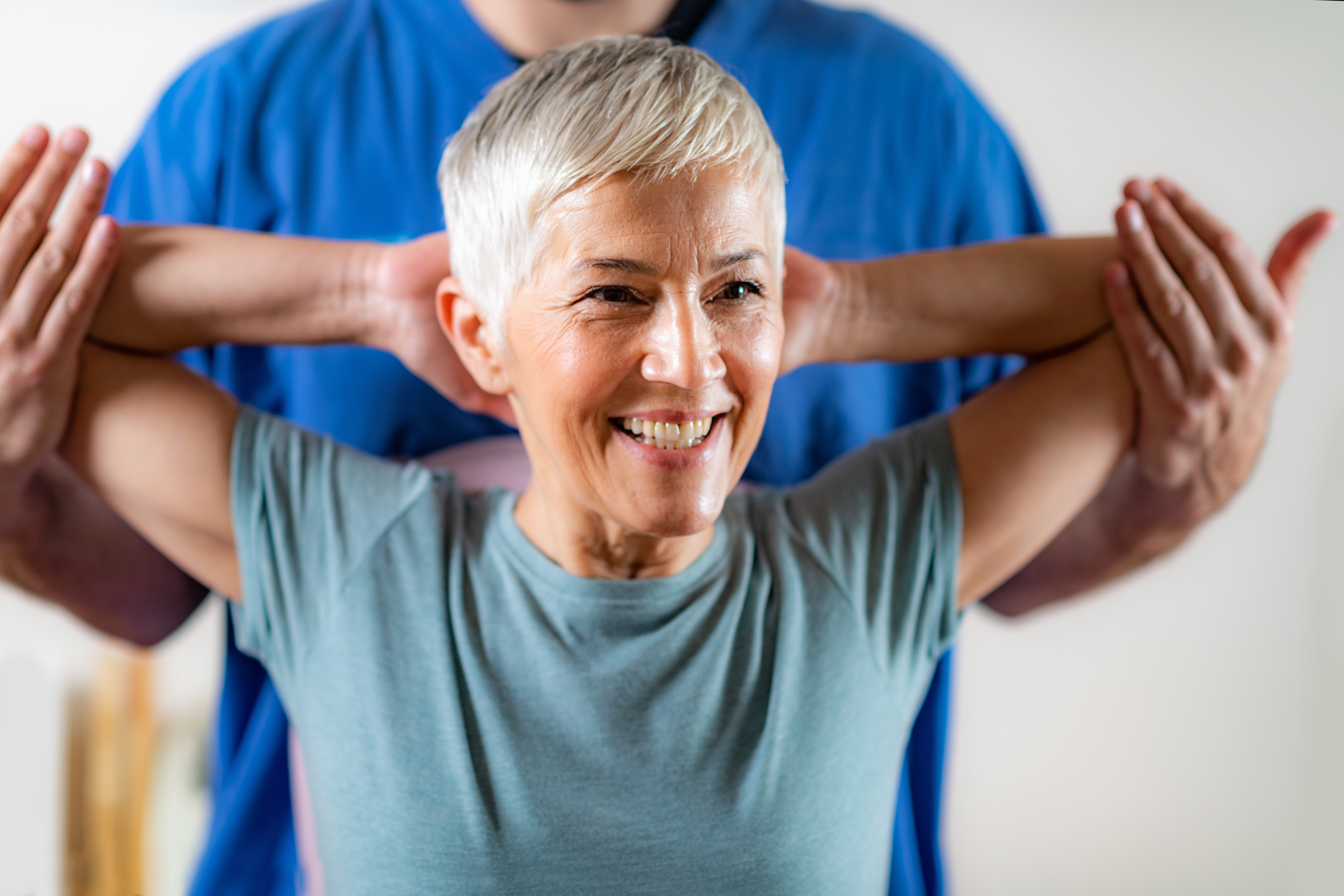
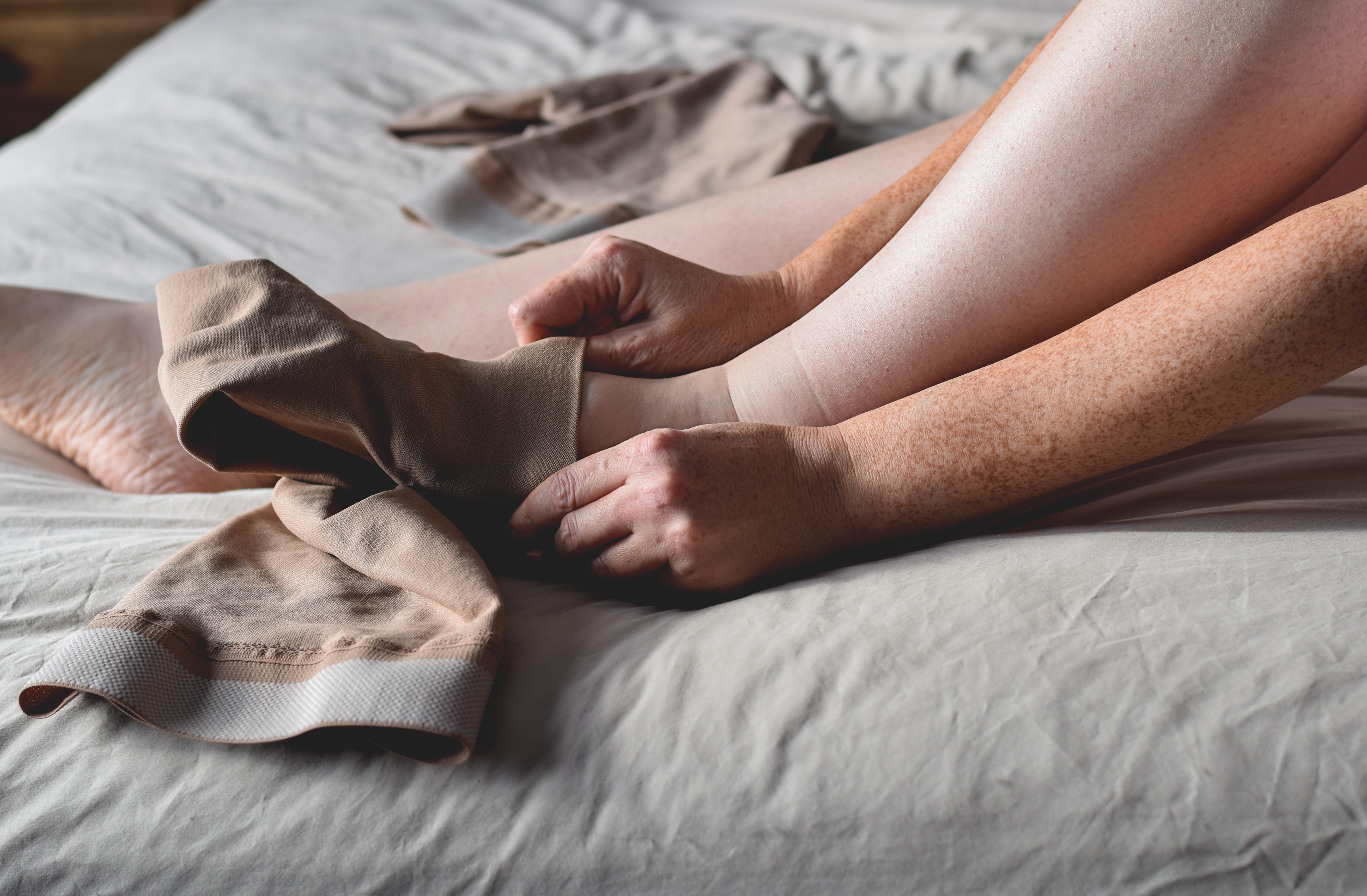
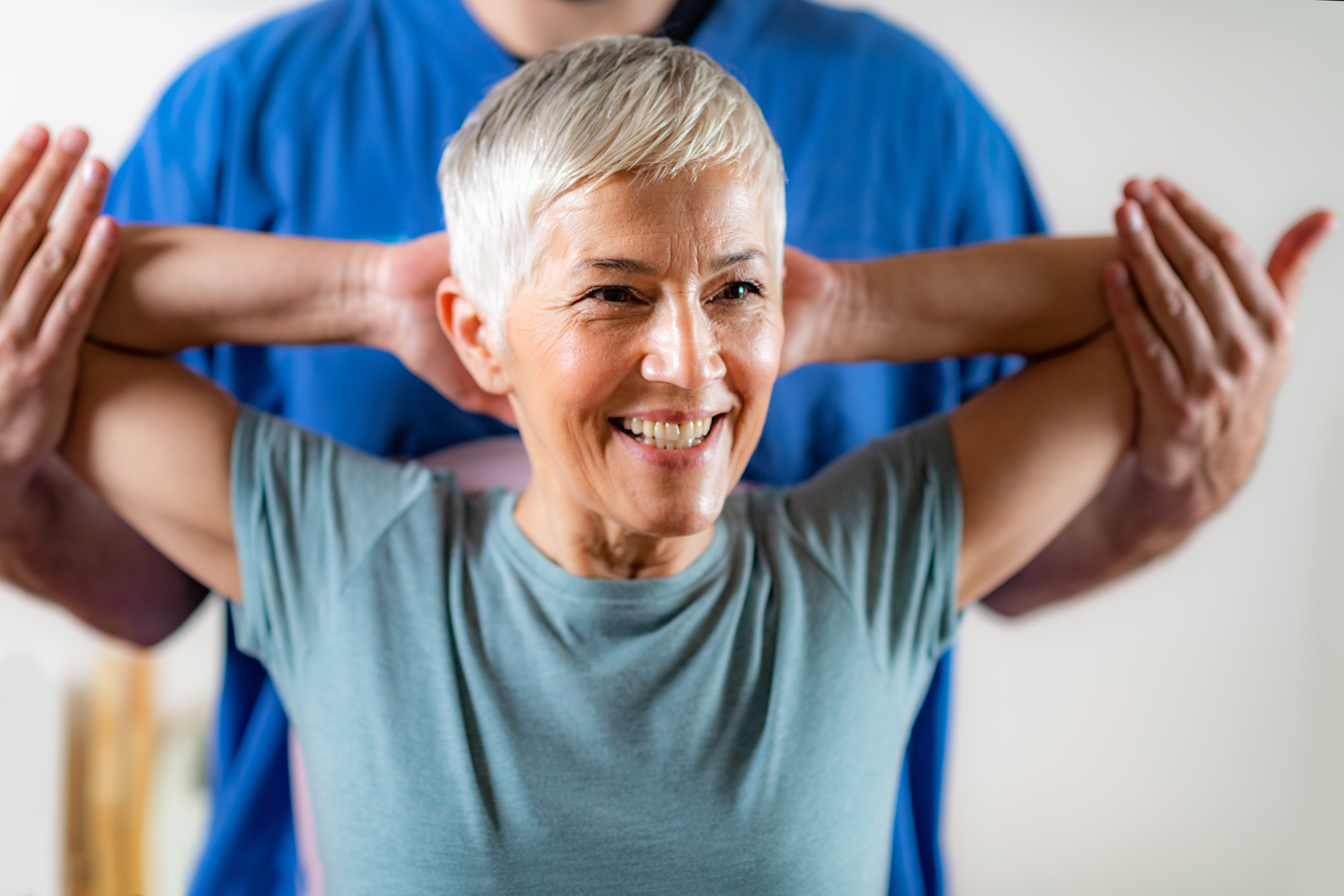
Recovery After Injury isn’t just about rest—it demands a clear, step-by-step approach that keeps you moving forward. At MyHealth Care Centre in Port Credit, our integrated care team combines physiotherapy, chiropractic, massage therapy, acupuncture, and advanced treatments to speed healing and reduce setbacks. This guide will show you how personalised rehabilitation helps you regain strength, avoid re-injury, and get back to the activities you love. Ready to take control of your recovery after injury? Learn more about rehabilitation best practices.
Integrated Care for Injury Recovery
Recovery After Injury: A Holistic Approach
Importance of Recovery After Injury
Recovery After Injury is critical for restoring your health and enabling you to return to your normal activities. Ignoring the process can lead to long-term consequences, making it essential to follow a structured plan.
When it comes to recovering from an injury, having a team that works together can make all the difference. MyHealth Care Centre in Port Credit brings together various therapies under one roof. This integrated approach helps you heal faster and get back to your daily activities. Let's explore how this can benefit you.
Benefits of Integrated Care Port Credit
Imagine not having to explain your injury over and over. With integrated care, your team works together to ensure a seamless experience. This means less hassle for you and more focus on recovery. Each specialist—from physiotherapists to chiropractors—consults and collaborates to create a cohesive plan.
Your personalised rehab plan will incorporate vital strategies for effective recovery after injury, ensuring that both physical and mental health aspects are addressed.
Utilising a blend of therapies, your recovery after injury will focus on comprehensive healing, allowing you to return to your life stronger than before.
Creating Your Personalised Rehab Plan
Every injury is unique, so your rehab plan should be too. At MyHealth Care Centre, we start with a detailed assessment. This helps us understand your specific needs and goals. Your personalised plan will address these areas, guiding you through exercises, therapies, and self-care tips that fit your lifestyle.
Key Therapies for Lasting Results
The right mix of therapies is crucial for a well-rounded recovery. Our team uses a variety of approaches to ensure comprehensive care. Each therapy targets different aspects of healing, from pain relief to restoring function, ensuring you achieve long-lasting results.
With our therapies, we aim to provide a pathway to successful recovery after injury, ensuring you regain independence and confidence.
Essential Therapies for Faster Healing
Following injury, physiotherapy is pivotal in your recovery after injury journey, enabling the restoration of movement and strength.
This combination of chiropractic care and massage therapy can greatly enhance your recovery after injury by addressing pain and improving functionality.
Acupuncture is also an important aspect of your recovery after injury, offering a holistic method to manage pain and promote healing.
To speed up your recovery, we offer a range of effective therapies. Each one plays a crucial role in helping you regain strength and mobility. Here's a closer look at what you can expect.
Physiotherapy Port Credit Techniques
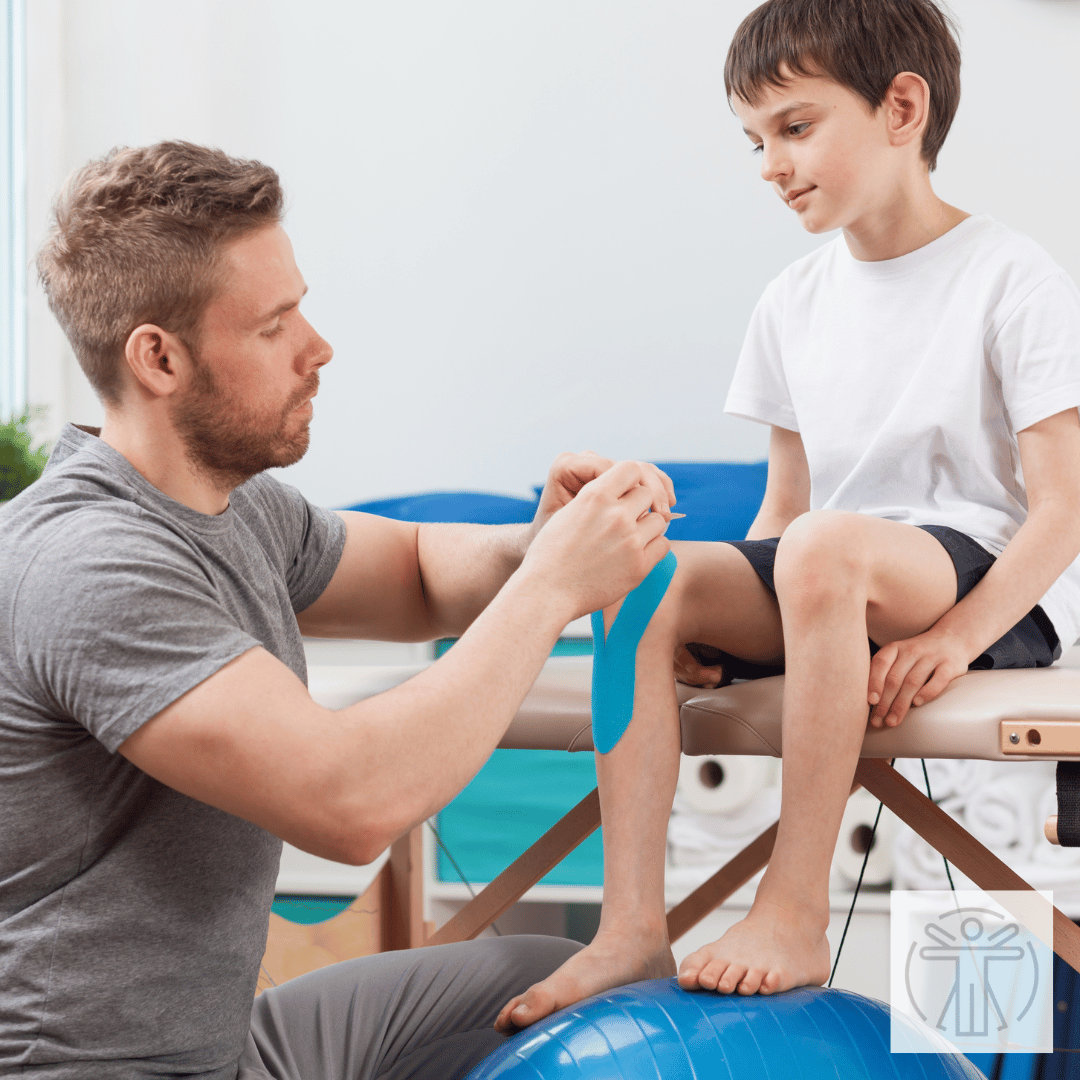
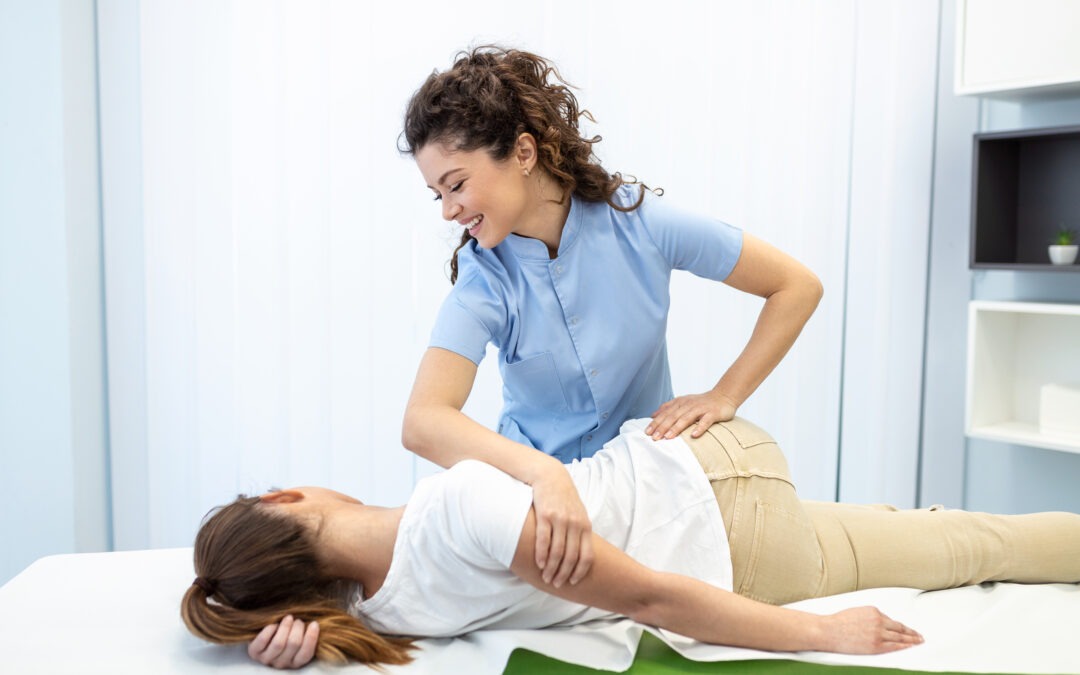
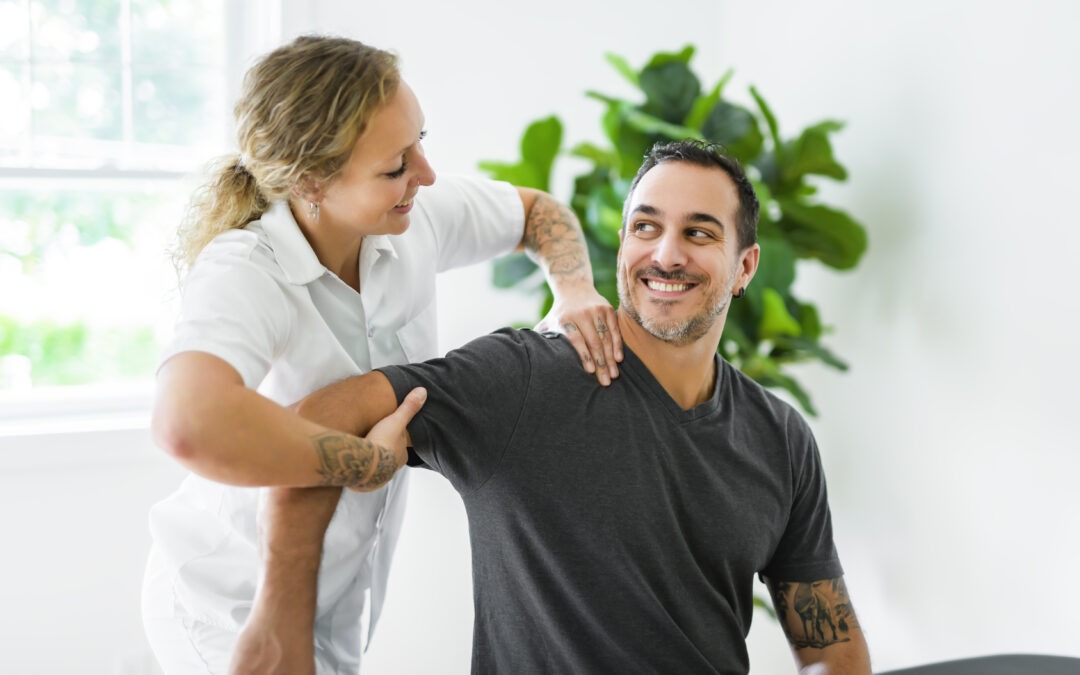
Physiotherapy is at the heart of our approach. It focuses on restoring movement and strength after an injury. Techniques such as manual therapy and targeted exercises are used to help you regain mobility. This hands-on treatment is tailored to meet your specific needs.
Post-therapy, your commitment to self-care is essential for ongoing recovery after injury, helping to maintain your progress and prevent setbacks.
Chiropractic and Massage Therapy
Incorporating home exercises into your routine is vital for your recovery after injury, allowing you to continue strengthening and healing.
Chiropractic care helps align your body, reducing pain and improving function. Meanwhile, massage therapy eases muscle tension and enhances circulation. Together, they create a powerful duo that supports healing and relaxation. This combination addresses both immediate pain and long-term recovery.
Tools for balance and fall prevention are essential in your recovery after injury, helping to ensure safety as you resume physical activities.
Acupuncture and Advanced Modalities
Continuing to stay active after your recovery after injury is crucial for long-term health and wellbeing, reducing the risk of future injuries.
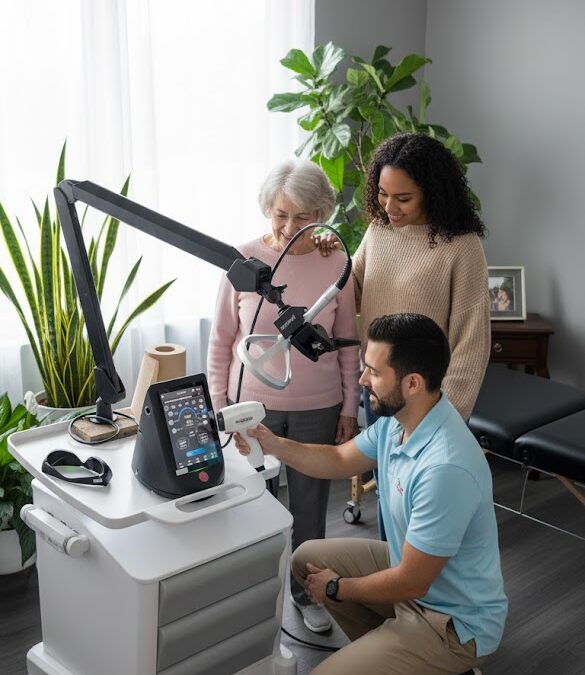
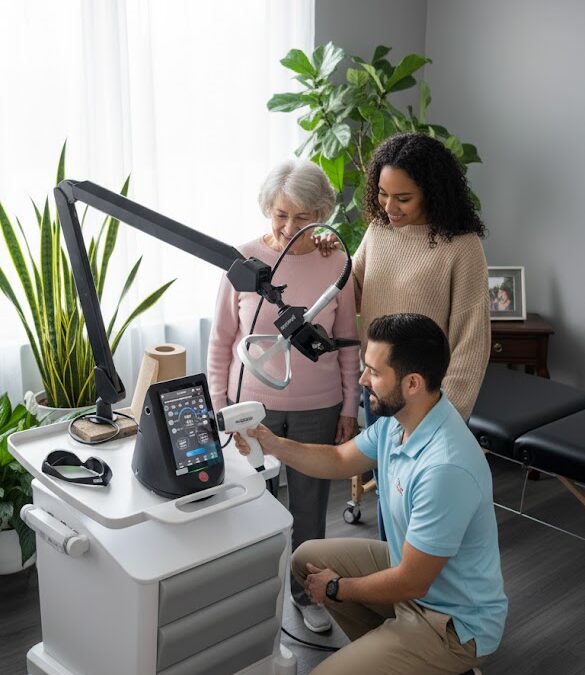
Acupuncture is another key therapy offered at our clinic. It is used to manage pain and enhance overall well-being. Additionally, we offer advanced modalities like cold laser therapy and cryotherapy. These innovative treatments can accelerate healing by reducing inflammation and promoting tissue repair.
Empowering Self-Management and Prevention
Recovery doesn't stop when you leave the clinic. It's essential to continue caring for yourself at home. Here, we'll explore how to empower yourself through effective self-management and preventive measures.
Home Programmes and Exercises
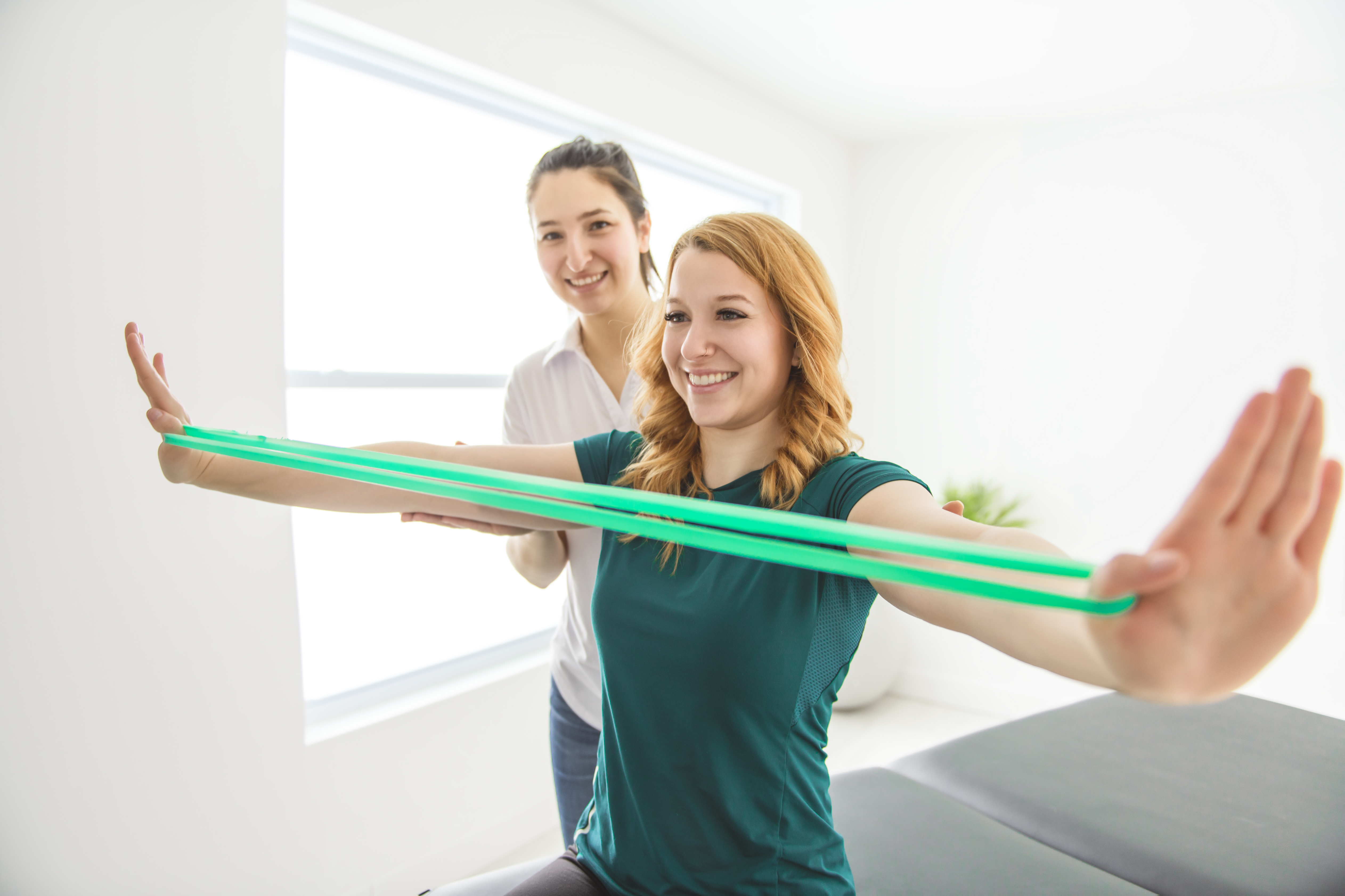
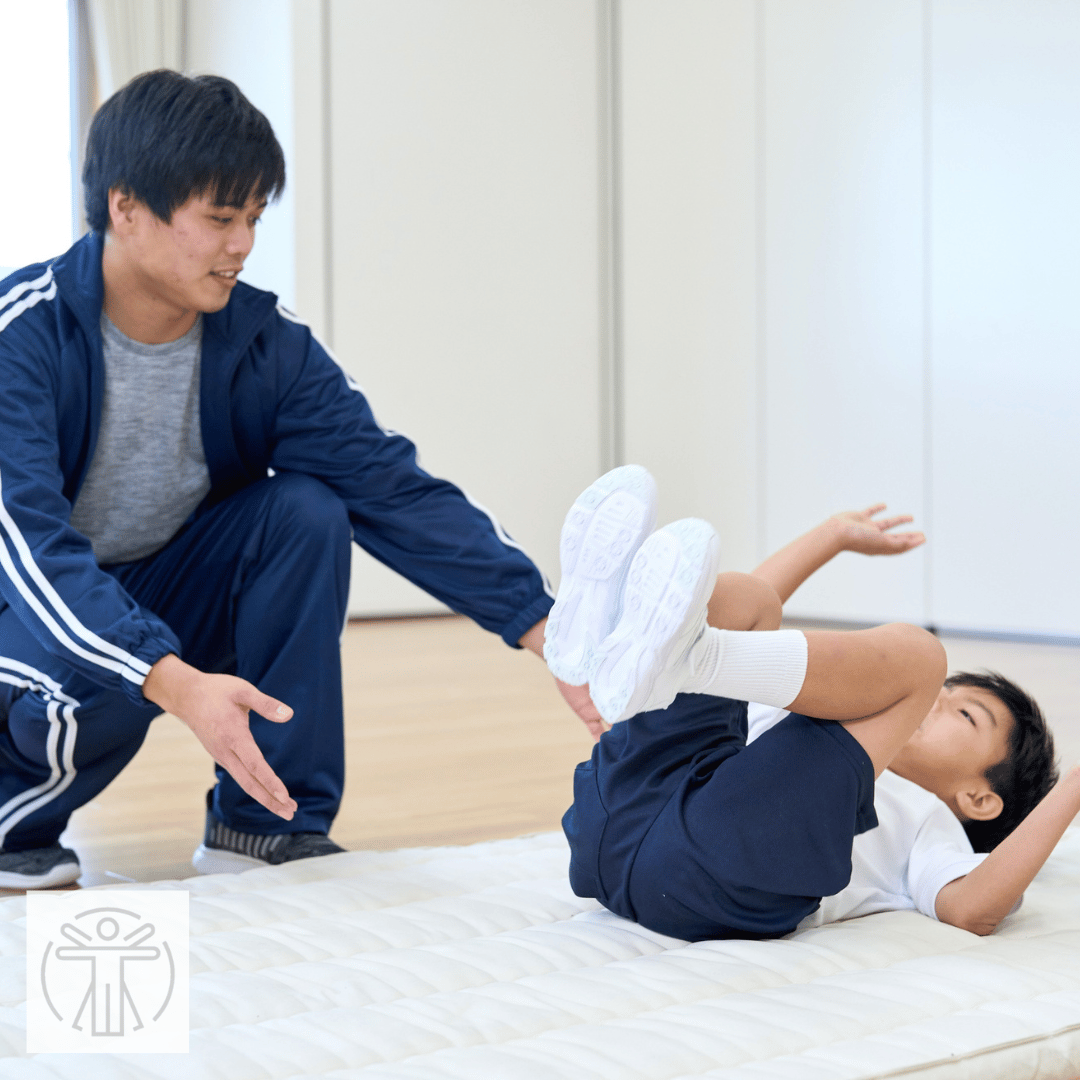
An essential part of your recovery involves home exercises. These are simple routines designed to keep you moving and prevent stiffness. Practicing these exercises can make a significant difference in your progress by maintaining flexibility and strength.
Tools for Balance and Fall Prevention Mississauga
Maintaining balance is crucial, especially after an injury. We provide tools and strategies to help improve your stability and prevent falls. This is particularly important for those who enjoy activities like running or skating, where balance is key.
Staying Active Post-Recovery
Once you recover, staying active is vital to prevent re-injury. We encourage you to continue with regular physical activity. Engaging in sports or exercises you love can improve your overall health and keep you injury-free.
By focusing on your recovery after injury, you are investing in your overall health and paving the way for a more active, fulfilling life.
What is integrated care and how does it help in recovery?
Integrated care involves a team of healthcare professionals working together to provide comprehensive treatment. This approach ensures all aspects of your health are addressed, leading to faster recovery and better outcomes.
Why is a personalised rehab plan important?
A personalised rehab plan targets your specific needs and goals. It ensures that the therapies and exercises are tailored to your condition, promoting more effective and efficient recovery.
How can I prevent re-injury after recovery?
Preventing re-injury involves staying active and following prescribed exercises. Maintaining balance and strength through regular activity can help keep you safe and healthy.
What therapies are available at MyHealth Care Centre?
We offer a range of therapies, including physiotherapy, chiropractic care, massage therapy, acupuncture, cold laser therapy, and cryotherapy. Each therapy plays a crucial role in supporting your recovery.
How often should I attend therapy sessions?
The frequency of therapy sessions depends on your specific condition and progress. Your healthcare provider will recommend a schedule that best fits your needs for optimal recovery.
By choosing MyHealth Care Centre, you're not just getting treatment; you're gaining a partner in your recovery journey. Ready to move better and live better? Start your path to Recovery After Injury today.
Pain can feel like a puzzle you just can’t solve. Is it tightness holding you back, weakness making you wobbly, or something that needs a full plan to fix? At MyHealth Care Centre, Port Credit physiotherapy experts help you figure out what your body truly needs—whether it’s mobility, strength, or a joined-up rehabilitation approach. Keep reading to learn simple ways to decode your pain and move better with confidence. Check out this guide for more information on improving your mobility and strength.
Understanding Your Pain
Understanding whether your pain stems from mobility, strength, or requires a combined plan can be the first step towards relief. By breaking down these components, you can begin to identify what your body needs most.
Mobility vs Strength
Is mobility or strength at the root of your pain? Mobility issues often manifest as stiffness or a limited range of motion. Think about how often you feel tight when moving around. This could be affecting your ability to perform daily activities effortlessly. On the other hand, strength deficits might show up as difficulty with tasks that once seemed easy, like climbing stairs or lifting objects. Your muscles might feel weak or shaky under a load. Recognizing the difference is crucial because each requires a unique approach to address the root cause of your discomfort.
Mobility issues often benefit from exercises that focus on stretching and improving flexibility. This can help increase your range of motion and ease stiffness. Strength issues, however, might require targeted exercises to build muscle power. By understanding these differences, you can start tailoring your approach to effectively manage and reduce pain.
Identifying a Joined-Up Plan
Sometimes, pain relief isn’t about choosing between mobility and strength; it’s about integrating both into a cohesive plan. This is where a joined-up plan comes into play. It’s about combining various therapies to address not just the symptoms, but the underlying causes of pain. This holistic approach might include physiotherapy, massage, and targeted exercises. By embracing a comprehensive plan, you can achieve more effective and long-lasting results. The goal is to restore the natural mechanics of your body and prevent future issues.
Quick Self-Checks at Home
Determining whether your pain is due to mobility, strength, or requires an integrated approach can start at home with simple self-checks. Try assessing your range of motion by gently stretching and noticing any stiffness or discomfort. Pay attention to tasks that require strength: are you struggling more than usual? These observations can be your first clues in understanding your pain. If you’re unsure, consider keeping a pain diary to track patterns and triggers. This information can be invaluable when seeking professional help, as it provides insight into your condition and aids in developing an effective treatment plan.
Tailored Treatment Options
Once you have a clearer understanding of your pain’s origins, exploring tailored treatment options becomes essential. Personalised plans can make a significant difference in recovery outcomes.
Importance of Personalised Assessments
A personalised assessment is crucial in developing an effective treatment plan. At MyHealth Care Centre, assessments are used to evaluate your specific condition, goals, and lifestyle. This ensures that your treatment is custom-designed rather than relying on generic templates. By identifying your unique needs, practitioners can create a plan that includes the most appropriate therapies and exercises. This level of personalization not only targets the root cause of your pain but also enhances your overall recovery process.
Combining Therapies for Best Results
Integrating multiple therapies can enhance recovery. For instance, combining physiotherapy with massage therapy can address both muscular tension and joint mobility. This approach uses the strengths of different disciplines to provide comprehensive care. It’s about creating synergy between treatments to achieve the best results. By coordinating care, you reduce the risk of treatment disconnects and ensure that each therapy complements the others. This collaborative approach can lead to quicker recovery times and more sustainable pain management.
When to Seek Professional Help
Knowing when to seek professional help is essential. If self-checks at home indicate persistent pain or if simple tasks become challenging, it’s time to consult a professional. Seeking guidance from experts at a Mississauga clinic can provide insight into your condition and the most effective treatment options. Early intervention can prevent minor issues from becoming major ones. Professionals can offer diagnostic tools and therapeutic interventions that are not available at home. Their expertise ensures you receive appropriate care tailored to your needs.
Practical Steps for Recovery
Recovery is a journey that involves both professional intervention and self-managed care. By incorporating practical steps, you can enhance your healing process.
At-Home Exercises and Tips
At-home exercises play a critical role in recovery. Simple stretches and strength-building exercises can support the treatment you’re receiving at a clinic. Focus on exercises that target your specific pain points. For instance, if knee pain is an issue, strengthening surrounding muscles can provide better support. Consistency is key: make exercise a regular part of your routine. In addition to exercises, consider lifestyle modifications that promote healing, such as adequate rest and proper nutrition.
Recognising Red Flags
While self-care is important, recognising red flags that indicate a need for professional help is crucial. If pain persists despite home treatments or intensifies, it may signal an underlying issue that requires professional assessment. Other red flags include numbness, swelling, or a sudden inability to perform daily activities. Timely intervention can prevent complications and lead to more effective treatment outcomes. Don’t hesitate to reach out if you’re concerned about any symptoms.
Benefits of Professional Guidance
Professional guidance offers numerous benefits, including tailored treatment plans and access to advanced therapies. Experts provide valuable insights into your condition and guide you through complex recovery processes. They can also offer education on injury prevention, ensuring long-term health and mobility. By partnering with professionals, you have the support needed to achieve your health goals. Their expertise can significantly enhance your recovery journey, leading to better outcomes and improved quality of life.
Frequently Asked Questions
What is the difference between mobility and strength issues? Mobility issues usually involve stiffness and limited range of motion, while strength problems relate to muscle weakness affecting your ability to perform tasks.
How can I tell if I need a joined-up plan? If you experience persistent pain that doesn’t improve with simple exercises or find that symptoms affect multiple areas, a comprehensive plan could be beneficial.
When should I seek professional help for my pain? Seek help if pain persists despite at-home care, intensifies, or if you experience symptoms like numbness, swelling, or significant loss of function.
What can I expect from a personalised assessment? A personalised assessment will evaluate your specific condition and needs, resulting in a tailored treatment plan that targets the root cause of your pain.
How can professional guidance aid in recovery? Professional guidance offers expert insights, access to advanced treatments, and education on injury prevention, greatly enhancing your recovery process.
Most injury recovery plans focus only on fixing the immediate problem. That’s like treating a single tree while ignoring the whole forest. Integrated healthcare Port Credit offers a fresh approach: a team of experts working together to speed up your recovery and prevent new injuries. At MyHealth Care Centre, we combine physiotherapy, chiropractic, massage therapy, and more to create personalised plans that keep you active and pain-free. Keep reading to see how this teamwork supports your health long term. For further reading, see this article.
Integrated Healthcare Benefits
Integrated healthcare offers a comprehensive approach to recovery and prevention by bringing together a team of experts to address your health needs. This collaborative model ensures that you receive diverse care options tailored to your specific condition, helping you to recover faster and stay injury-free.
Accelerating Recovery with Integrated Care
With integrated care, your healing process becomes smoother and more efficient. Imagine having a physiotherapist, chiropractor, and massage therapist working together to create a plan just for you. This team-based approach ensures that every aspect of your health is addressed. For instance, while a chiropractor might adjust your spine to improve alignment, a physiotherapist can focus on strengthening exercises to support your recovery. This collaboration speeds up the healing process and makes your recovery more complete, reducing the chances of relapse or prolonged discomfort.
This model of care is particularly beneficial for those recovering from surgery or injury. By addressing multiple facets of your health, integrated care eliminates the gaps often present in traditional treatment plans. The result is a seamless recovery journey where you feel supported at every step. This method not only helps you bounce back faster but also sets a foundation for long-term health and prevention of future injuries.
Preventing Injuries with Multi-Disciplinary Support
Preventing injuries before they happen is just as important as recovery. A multi-disciplinary approach combines the expertise of various professionals to create a robust defence against potential injuries. This is especially valuable for those leading active lifestyles or participating in sports. Your team might include a massage therapist to relieve muscle tension, an acupuncturist to enhance circulation, and a physiotherapist to improve your movement patterns.
This preventive strategy ensures that your body remains strong and resilient, ready to handle daily challenges or athletic pursuits. By identifying and addressing weak points or imbalances, you minimize the risk of injuries. Integrated healthcare nurtures a proactive mindset, empowering you to maintain your health and stay active without fear of setbacks. For those looking to enhance their performance and prevent injuries, this approach offers peace of mind and continuous support.
Diverse Therapies for Holistic Recovery
Holistic recovery means looking at the whole person, not just the sum of their symptoms. This approach blends various therapies to achieve comprehensive healing, ensuring your body functions harmoniously. By addressing the root causes of pain and dysfunction, these therapies pave the way for long-lasting health.
Physiotherapy and Chiropractic Techniques
Physiotherapy and chiropractic care are cornerstones of holistic recovery. Physiotherapy focuses on restoring movement and strength, crucial for individuals recovering from surgery or injury. Through targeted exercises and manual therapy, you regain flexibility and coordination. This not only aids in recovery but also fortifies your body against future issues.
Chiropractic techniques complement physiotherapy by improving spinal alignment and nervous system function. This synergy enhances your body’s ability to heal itself, reduces pain, and boosts overall well-being. Together, these therapies create a balanced approach to recovery, offering tailored solutions that address your specific needs and goals.
Massage, Acupuncture, and Fascial Stretching
Incorporating massage therapy, acupuncture, and fascial stretching into your recovery plan can significantly enhance results. Massage therapy alleviates muscle tension and promotes relaxation, which is essential for stress reduction and injury recovery. Acupuncture improves circulation and supports the body’s natural healing processes, offering relief from pain and inflammation.
Fascial stretching targets connective tissue, enhancing mobility and flexibility. This therapy is invaluable for athletes or anyone looking to improve their physical performance. By integrating these diverse therapies, you receive a comprehensive treatment plan that not only addresses existing issues but also strengthens your body for future challenges.
Personalised Care in Port Credit
Personalised care means you receive treatment that is uniquely tailored to your lifestyle and health goals. In Port Credit, MyHealth Care Centre stands out by offering this level of individual attention, ensuring that your recovery and prevention strategies are as effective as possible.
Tailored Assessments for Active Lifestyles
For those leading active lifestyles, tailored assessments are crucial. Whether you’re a runner, sailor, or gym-goer, understanding your body’s unique needs helps in crafting a customised care plan. These assessments identify specific areas that require attention, allowing for more precise interventions. This targeted approach ensures you’re not just treating symptoms, but addressing their root causes, leading to better long-term outcomes. By focusing on your unique physical demands, we help you enhance performance and prevent injuries, keeping you active and pain-free.
Local Expertise in Injury Prevention and Recovery
Having local expertise in injury prevention and recovery is a significant advantage for residents of Port Credit. MyHealth Care Centre offers a community-focused approach, providing convenience and accessibility. Our team understands the local lifestyle and the specific challenges it presents. This insight enables us to offer advice and treatment that resonates with your daily life and activities. By choosing local expertise, you benefit from personalised care that prioritizes your health and wellness, supporting you in achieving your goals.
Frequently Asked Questions
What is integrated healthcare?
Integrated healthcare combines the expertise of various health professionals to provide comprehensive care. This approach ensures that all aspects of your health are addressed, offering a more complete recovery and effective prevention strategies.
How can integrated healthcare prevent injuries?
By using a multi-disciplinary approach, integrated healthcare identifies and addresses potential weak points before they become problematic. This proactive strategy strengthens your body and reduces the risk of injuries, especially for active individuals.
What therapies are included in integrated healthcare?
Integrated healthcare can include a range of therapies such as physiotherapy, chiropractic care, massage therapy, acupuncture, and more. These therapies work together to address different aspects of your health, providing a holistic recovery plan.
How does personalised care benefit recovery?
Personalised care ensures that your treatment plan is tailored to your specific needs and lifestyle. This targeted approach addresses the root causes of your health issues, leading to more effective and lasting recovery.
Why choose local healthcare providers?
Local healthcare providers offer the advantage of convenience and a deep understanding of the community’s specific needs. This allows for more effective and personalised treatment plans that align with your lifestyle.
Muscle soreness after a workout is normal—but when does it cross the line into something more serious? Knowing the difference between muscle soreness vs injury can save your fitness routine and prevent long-term issues. In this post, you’ll learn how to spot warning signs, follow simple self-checks, and find out when to see a physio in Port Credit. Stay active safely with clear guidance from MyHealth Care Centre. For more information on muscle soreness, you might find this resource helpful.
Understanding Muscle Soreness vs Injury
Grasping the difference between typical muscle soreness and an injury can safeguard your health. It’s crucial to know how to differentiate them for better recovery and prevention.
Identifying Delayed Onset Muscle Soreness (DOMS)
Delayed Onset Muscle Soreness, or DOMS, is common after trying new workouts or increasing intensity. It usually appears 12 to 24 hours post-exercise and peaks around 48 hours. This soreness results from micro-tears in muscle fibres, which are repaired during recovery, leading to strength gains. DOMS feels like dull, widespread aches and tightness. Gentle stretching and light activity can help ease discomfort. Remember, DOMS is a regular part of physical adaptation, not a cause for alarm. If soreness persists beyond a few days without improvement, consider seeking guidance from a professional.
Recognising Injury Red Flags
While soreness is typical, recognising injury signs is vital. Pain that is sharp or sudden, swelling, and heat are immediate red flags. If pain persists or worsens with rest, it may indicate a problem. Injuries might cause visible bruising or restricted range of motion. Numbness or tingling can point to nerve issues, requiring immediate attention. If you experience these symptoms, consult a healthcare professional. Understanding these warning signs early can prevent further injury and ensure you stay active safely.
Simple Self-Checks and Recovery Tips
Keeping track of your body’s signals helps maintain your health. Here’s how to monitor sore spots and speed up recovery.
Post-Workout Pain Timeline 24-72 Hours
After exercising, soreness often follows a predictable pattern. It begins within 24 hours and peaks between 48 to 72 hours. This timeline is typical for DOMS. If pain persists beyond this window or intensifies, it might indicate an injury. Keep an eye on how your body feels; if it doesn’t improve, consider modifying your routine. Gentle movements and proper hydration aid recovery by keeping muscles flexible. Listening to your body helps avoid pushing too hard, reducing the risk of injury.
Addressing Red Flags: Pain, Swelling, Heat
Recognising unusual symptoms is crucial. Pain that feels sharp or localized, unexplained swelling, or heat in a specific area requires attention. Applying ice or taking a break can mitigate minor issues. If symptoms persist, seek professional advice. Persistent pain or swelling might suggest something more serious. Addressing these early can prevent further damage and help maintain an active lifestyle.
When to See a Physio in Port Credit
Deciding when to seek professional help is essential for recovery. Knowing the benefits of seeing a physiotherapist can guide your decision.
Benefits of Integrated Rehab Care
Integrated rehab care offers a comprehensive approach to recovery. By consulting with a physiotherapist, you can receive a personalized plan that targets the root of your pain. This care combines various therapies to enhance healing and prevent future issues. From manual therapy to tailored exercises, integrated care addresses all aspects of recovery. This holistic approach ensures you’re not just treating symptoms but promoting long-term health. A physiotherapist can guide you through exercises and offer insights that empower you to manage your health effectively.
Booking at MyHealth Care Centre
Booking a session at MyHealth Care Centre is straightforward. Our team provides expert assistance tailored to your needs. Our integrated approach combines physiotherapy, chiropractic care, and more to offer comprehensive support. By choosing MyHealth Care Centre, you’re opting for a facility that prioritizes your well-being, ensuring you recover efficiently. Our experts collaborate to create a tailored plan for your recovery, providing the best care possible. Visit our website to schedule an appointment and take the first step toward a healthier you.
Frequently Asked Questions
What is the difference between soreness and injury?
Soreness, often felt as a dull ache after exercise, is typical and temporary. An injury, however, presents as sharp pain, swelling, or heat, requiring medical attention if persistent.
How can I alleviate muscle soreness?
Gentle stretching, staying hydrated, and incorporating light activity can relieve muscle soreness. These methods support circulation and muscle recovery without overexertion.
When should I see a physiotherapist?
Consult a physiotherapist if you experience persistent pain, swelling, or restricted movement. They provide tailored care plans to address and prevent further injury.
How can MyHealth Care Centre help?
MyHealth Care Centre offers integrated care, combining therapies like physiotherapy, chiropractic, and massage to support recovery and prevent future injuries.
Is it normal for soreness to last more than three days?
While some soreness is normal, persistence beyond three days may indicate an issue. Consider consulting with a professional if the pain does not improve.
By understanding the difference between soreness and injury, you can ensure a safe and effective fitness routine. Stay informed, and don’t hesitate to seek professional advice when needed for your health and well-being.
Most people grab off-the-shelf insoles hoping for quick relief. But if your feet aren’t aligned or your arch support misses the mark, discomfort and injuries can sneak up fast. Knowing when custom orthotics Port Credit offers a smarter, lasting solution can save your feet and keep you moving pain-free. Let’s explore what really matters for comfort, alignment, and support—and how our team helps you stay active on the Waterfront Trail and beyond.
Understanding Orthotic Choices
When it comes to orthotic solutions, the right choice can make a significant difference in your daily comfort and activity levels. Let’s examine the available options and when each might be the best fit for your needs.
Custom Orthotics: Tailored Support
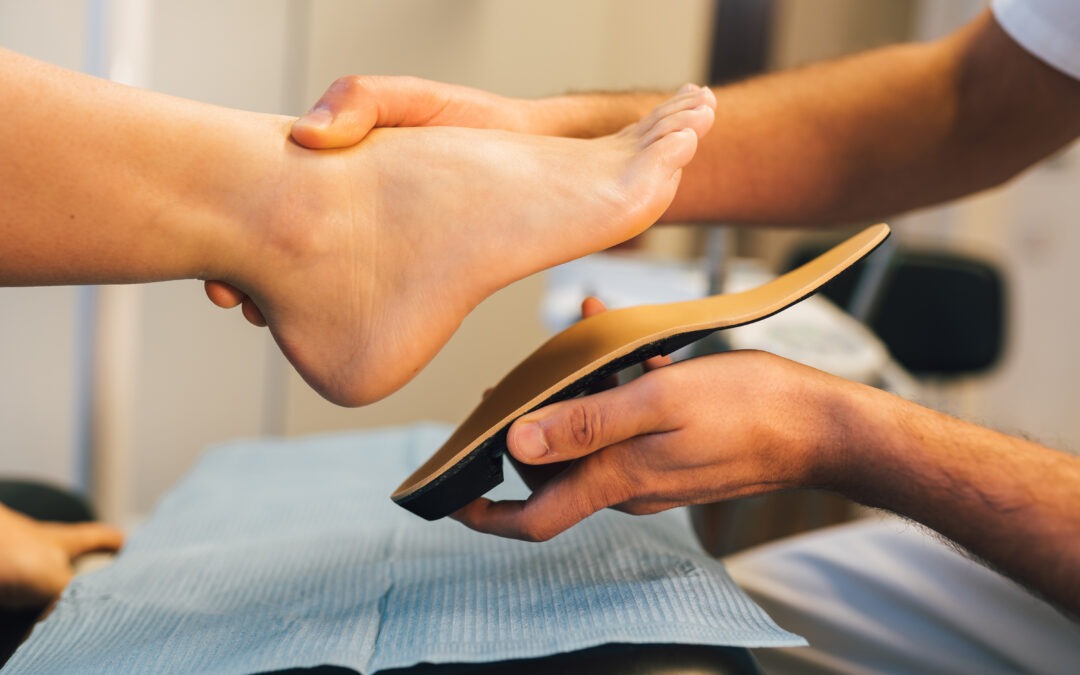
Custom orthotics provide personalised foot support, precisely crafted for your unique foot shape and gait. They are designed to correct biomechanical issues, offering more than just comfort. By addressing specific alignment needs, custom orthotics can ease pressure on your joints, making every step more comfortable.
Personalisation: Each pair is made to match your foot precisely, ensuring optimal support.
Durability: Custom orthotics are built to last, often outliving their over-the-counter counterparts.
Comprehensive Care: They help in managing conditions like plantar fasciitis, overpronation, and flat feet.
Off-the-Shelf Insoles: Quick Fixes
Off-the-shelf insoles are readily available and can provide immediate relief for minor discomforts. They are a convenient option for temporary use or if you need a quick solution without a visit to a specialist.
Accessibility: Easily found in most retail stores for immediate purchase.
Cost-Effectiveness: Generally more affordable than custom options.
Limited Customisation: While they offer cushioning, they may not address specific alignment or biomechanical issues.
When to Choose Each Option
Deciding between custom orthotics and store-bought insoles depends largely on your personal needs and the level of support required. If you experience chronic pain or specific alignment issues, investing in custom orthotics is wise. For occasional discomfort, an off-the-shelf option might suffice. The key is understanding your body’s signals and choosing accordingly.
Impact on Comfort and Alignment
Foot health is crucial for overall body alignment and comfort. Here’s why getting the right support can make a difference in your everyday life.
Achieving Foot Alignment
Proper foot alignment can prevent pain that radiates up to your knees, hips, and spine. Custom orthotics aim to align your feet naturally, supporting your body’s overall posture. This alignment helps distribute weight evenly, reducing the risk of injury.
Arch Support: Finding Balance
The right arch support can significantly reduce strain on your feet. Whether you have high arches or flat feet, finding the perfect balance is essential for comfort and long-term foot health. Custom orthotics can provide targeted support tailored to your specific arch type.
Heel Pain Relief Strategies
Heel pain can be debilitating, but with the right support strategies, you can find relief. Custom orthotics can alleviate the pain by providing cushioning and support exactly where it’s needed. They help in managing conditions like plantar fasciitis and improving overall foot health.
Integrated Care at MyHealth
At MyHealth Care Centre, we focus on providing integrated care that addresses all facets of your foot health and overall wellbeing.
Our Gait Assessment Process
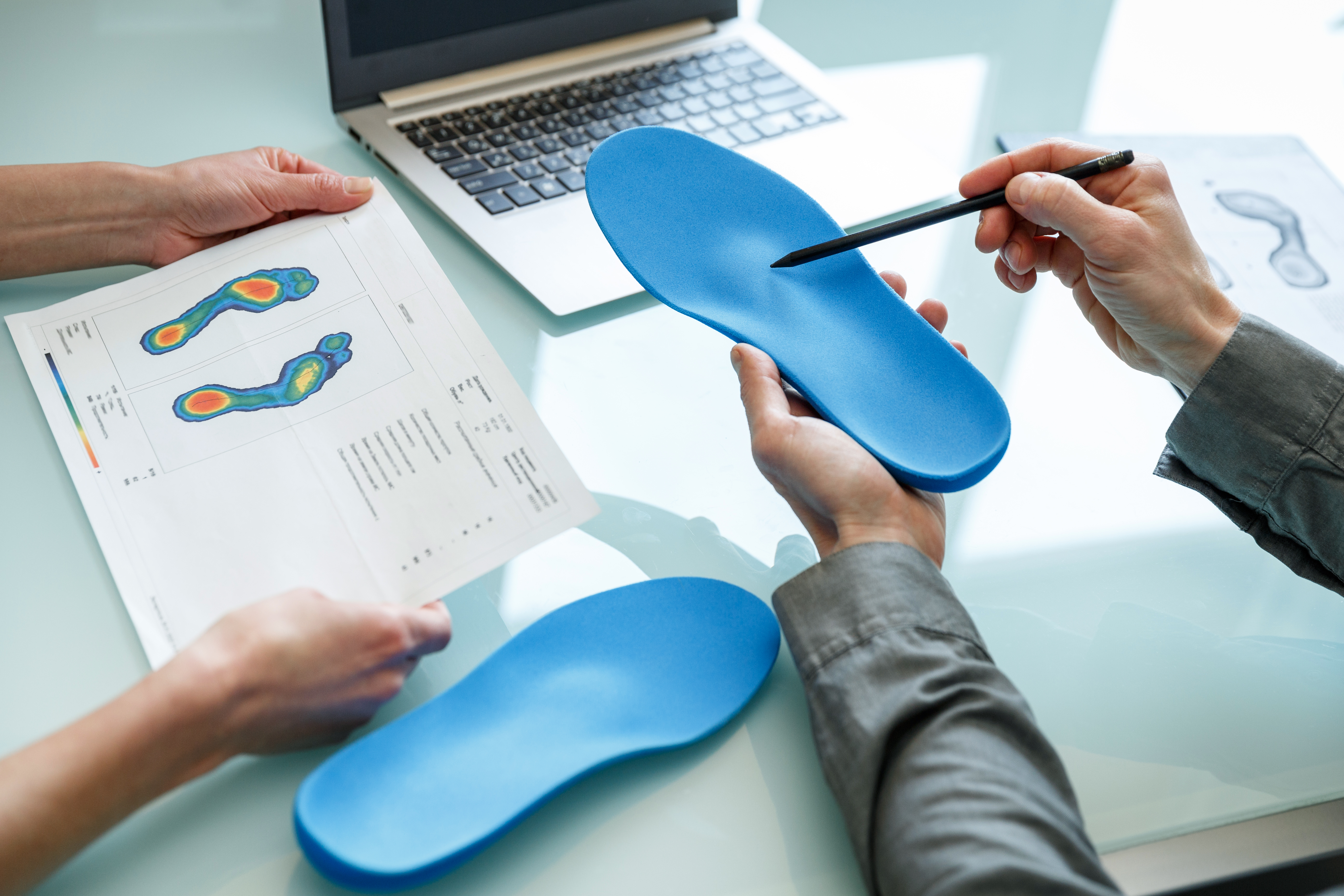
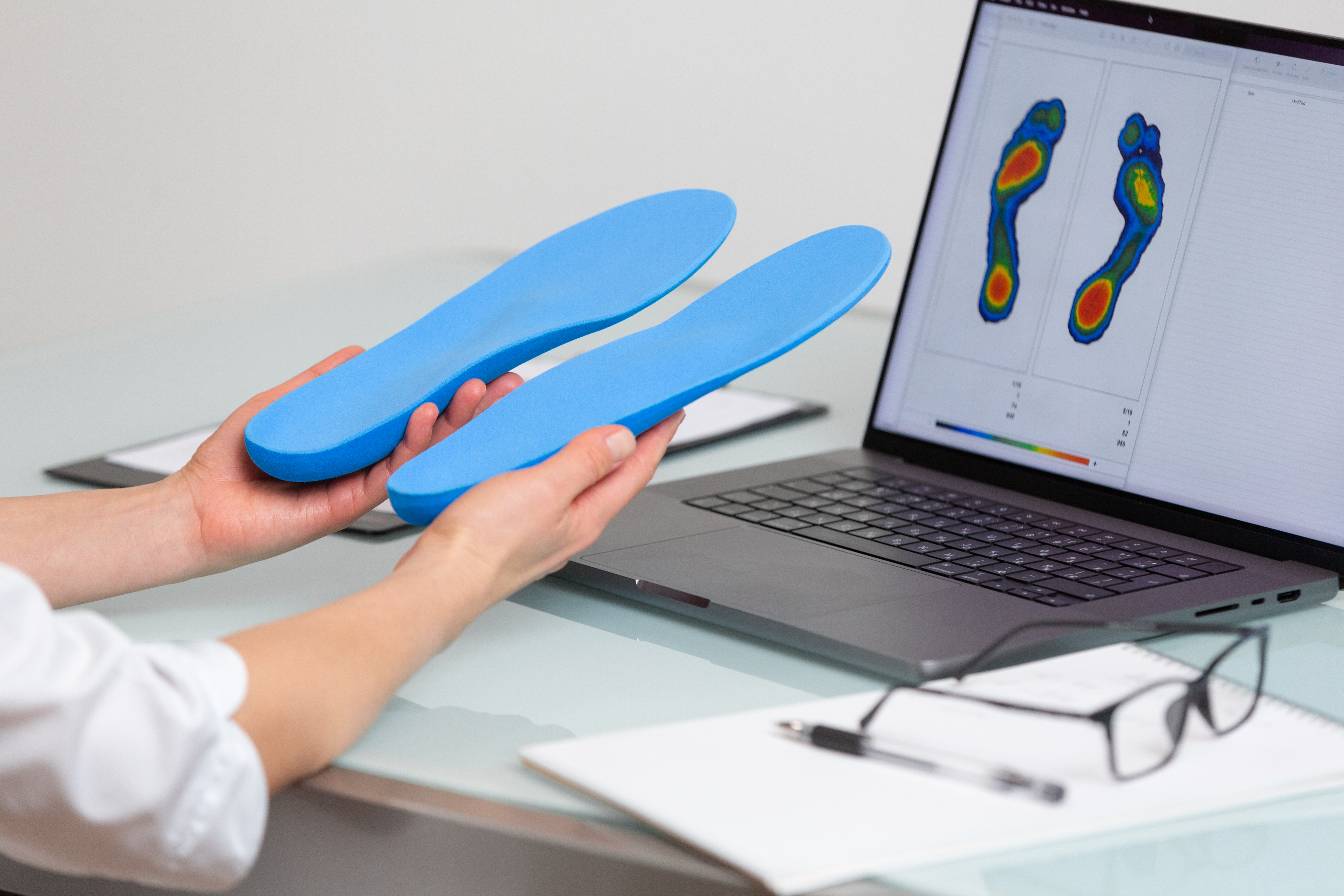
Our comprehensive gait assessment helps identify your specific needs. By analysing your movement patterns, we can create a tailored orthotic solution that provides optimal support and comfort.
Comprehensive Treatment Options
Beyond orthotics, MyHealth offers a wide range of treatments, including physiotherapy and chiropractic care. This multi-disciplinary approach ensures all aspects of your health are considered, promoting long-term wellness and injury prevention.
Personalised Plans for Active Lifestyles
We believe in providing personalised plans that keep you active and pain-free. Whether you’re a runner on the Waterfront Trail or a professional on your feet all day, our team is here to support your journey to better health.
Frequently Asked Questions
What are the main benefits of custom orthotics?
Custom orthotics are tailored to your unique foot shape, providing optimal support. They help in correcting alignment issues, reducing pressure on joints, and managing specific conditions like plantar fasciitis.
When should I consider off-the-shelf insoles?
Off-the-shelf insoles are suitable for short-term relief of minor foot discomfort. They are a convenient option when immediate support is needed, but they may not address specific alignment or biomechanical needs.
How can proper foot alignment impact my overall health?
Proper foot alignment is crucial for reducing pain that can extend to your knees, hips, and spine. It promotes better posture, distributes weight evenly, and reduces the risk of injuries.
Why choose MyHealth for gait assessment and orthotics?
At MyHealth, we offer a comprehensive gait assessment and a wide range of treatment options. Our multi-disciplinary team ensures a holistic approach, creating personalised solutions that cater to your specific needs.
Can orthotics help with heel pain?
Yes, orthotics are effective in managing heel pain by providing targeted cushioning and support. They can alleviate conditions like plantar fasciitis and promote overall foot health.
Finding a holistic approach to recovery is key. At MyHealth Care Centre, physiotherapy, chiropractic, and massage therapy combine to offer a comprehensive recovery plan. Each therapy plays a unique role in helping you achieve pain-free living.
Physio and Chiro Collaboration
In physiotherapy, exercises focus on strengthening muscles and improving movement. It is crucial for recovering from injuries and preventing future ones. Chiropractors, on the other hand, specialise in spinal adjustments and posture correction.
Collaboration Benefits: By working together, physios and chiros ensure your body remains aligned and strong. This teamwork helps reduce pain and increase mobility.
Patient Example: Imagine having back pain; a physio might guide you through exercises while a chiro adjusts your spine. This dual approach can provide quicker, more effective relief.
Massage Therapy Benefits
Massage therapy is not just for relaxation. It supports recovery by reducing muscle tension and improving circulation. Registered massage therapists at MyHealth Care Centre tailor treatments to meet your needs.
Immediate Relief: Massage helps alleviate muscle soreness, making it easier to continue with daily activities.
Long-term Benefits: Regular sessions can prevent future injuries and maintain overall well-being.
Complementary Therapies in Action
Combining different therapies can seem overwhelming. Yet, it offers a powerful way to tackle various health issues. Let’s see how exercise therapy and joint mobilisation work together.
Exercise Therapy and Joint Mobilisation
Exercise therapy involves specific exercises to restore strength and flexibility. Joint mobilisation is about gently moving joints to reduce stiffness and pain.
Dynamic Duo: Together, they improve range of motion. For instance, a physio might guide you through stretches, while mobilisation enhances joint health.
Real-life Impact: Someone recovering from a knee injury might find that this combination speeds up recovery, allowing them to return to activities they love, like running on the Waterfront Trail.
Post-Surgical and MVA Rehabilitation
Recovery from surgery or motor vehicle accidents (MVA) requires specialised care. Post-surgical rehabilitation focuses on restoring function, while MVA rehab addresses injuries from accidents.
Custom Approach: At MyHealth Care Centre, your recovery plan is tailored to suit your unique needs. This ensures a smoother, more effective healing process.
Community Support: By choosing local care, you stay connected with a team familiar with your lifestyle and activities, like sailing at the Port Credit Yacht Club.
Self-Care Tips for Prevention
Preventing injuries is as important as recovery. By focusing on mobility and posture, you can stay active and healthy.
Mobility and Posture Strategies
Maintaining good posture and mobility keeps your body in top condition. Simple strategies can make a big difference.
Daily Habits: Incorporate stretching into your routine to enhance flexibility and reduce tension.
Workstation Setup: Ensure your workspace supports good posture to prevent back and neck pain.
Staying Active in Port Credit Activities
Port Credit offers a variety of activities to keep you moving. Whether you’re running, sailing, or skating, staying active is key to prevention.
Community Involvement: Engage in local events to stay motivated and connected. Being part of a community encourages regular activity.
Enjoyment Factor: Choose activities you love. When you enjoy what you’re doing, you’re more likely to stick with it.
In conclusion, integrated healthcare at MyHealth Care Centre offers a holistic approach to recovery and prevention. Combining physio, chiro, and massage therapy provides a comprehensive plan tailored to your needs. Prioritising self-care and staying active will help you maintain a pain-free lifestyle.
Most people grab shop-bought insoles and hope for quick relief, but your feet might need something more precise. Custom orthotics Mississauga residents turn to can address specific issues like flat feet, heel pain, or overpronation that generic insoles often miss. Knowing when to choose bespoke orthotics over off-the-shelf options can save you from recurring aches and keep you moving comfortably. Let’s explore what sets them apart and who benefits most. Learn more here.
Understanding Custom Orthotics
Custom orthotics offer a tailored solution for foot discomfort that store-bought insoles just can’t match. Let’s dive into what makes them unique and why they might be the right choice for you.
What Custom Orthotics Are
Custom orthotics are specially made inserts designed to support your feet. Unlike generic insoles, these are crafted to fit the exact shape of your foot. They consider your unique walking patterns and specific needs. For example, they can effectively address issues like flat feet or overpronation, offering targeted support that standard insoles cannot provide.
Picture them as personalised foot support, much like having a suit tailored just for you. The process begins with a detailed assessment of your foot’s structure and how you move. This ensures the final product aligns perfectly with your needs, offering comfort and correcting any biomechanical issues you might have.
Custom Orthotics vs. Shop-Bought Insoles
You might wonder, “Why not just buy insoles from a store?” Well, while shop-bought insoles provide general cushioning, they lack the precision of custom orthotics. Over-the-counter options are made for the masses. They offer a one-size-fits-all solution which might not address your specific foot problems.
Custom orthotics, on the other hand, are designed based on a thorough understanding of your foot mechanics. This ensures they provide the exact support your feet require. Think of it like this: using generic insoles is like wearing a hat that almost fits, but custom orthotics are like wearing one that’s made just for your head size. Explore the differences further.
Benefits of Bespoke Orthotics
The advantages of bespoke orthotics are numerous. Firstly, they alleviate pain by evenly distributing pressure across your feet. This is especially beneficial if you suffer from conditions like plantar fasciitis or heel pain. Secondly, they improve your foot and ankle alignment, reducing stress on other joints like your knees and hips.
Moreover, these orthotics enhance your overall mobility. By providing the right support, they help you walk and move more comfortably, allowing you to engage in daily activities without discomfort. In essence, they don’t just address symptoms; they tackle the root cause of your foot issues.
Who Benefits from Orthotics
Wondering if orthotics are right for you? Let’s explore the various groups that can gain the most from custom orthotics.
Common Foot Issues Addressed
If you experience foot problems, you’re not alone. Many people deal with conditions such as flat feet, overpronation, or plantar fasciitis. Custom orthotics can be a game-changer for these issues. They offer targeted relief by supporting your arches and correcting your foot’s alignment.
For example, if you have flat feet, custom orthotics provide the necessary arch support that generic insoles lack. This tailored support can significantly reduce pain and prevent further complications. It’s like having a personal assistant for your feet, ensuring they work efficiently with every step you take.
Active Lifestyles and Orthotics
For those leading active lives, orthotics can be essential. Whether you’re a runner on the Waterfront Trail or a sailor at Port Credit Yacht Club, your feet endure a lot. Custom orthotics can enhance your performance by providing stability and reducing the risk of injury.
They are especially beneficial for athletes as they help in absorbing shock and reducing stress on the lower limbs. This way, you can focus on your sport without worrying about foot discomfort. Think of them as your silent partner in every stride or jump you make.
Post-Surgery and Rehabilitation
Recovery from foot surgery can be challenging. Custom orthotics play a significant role in rehabilitation by supporting your recovery process. They help in redistributing pressure and improving foot alignment, facilitating a smoother healing journey.
During rehabilitation, these orthotics ensure that your feet are supported correctly, reducing the likelihood of further injury. They are like crutches for your feet, providing the support needed to regain strength and function.
Booking a Professional Assessment
Considering orthotics? A professional assessment is your first step towards better foot health. Here’s what you should know.
What to Expect in a Foot & Gait Assessment
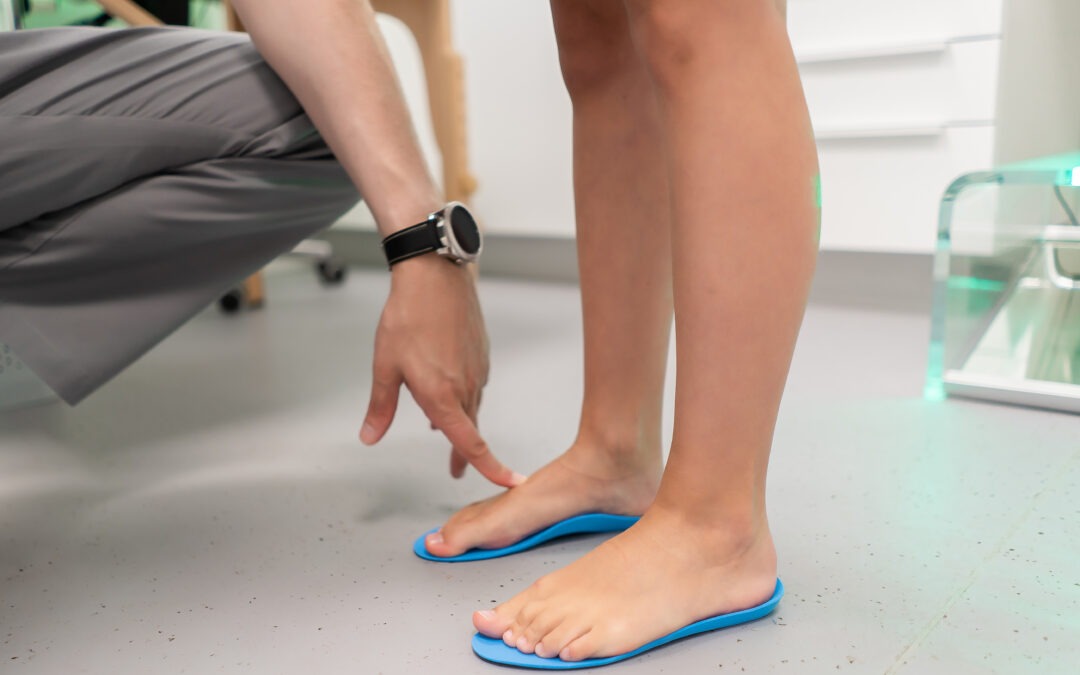
A foot and gait assessment involves a detailed evaluation of how you walk and the structure of your feet. This examination helps in identifying any specific issues that might be affecting your gait. Expect to walk and stand while experts assess your movement patterns.
The assessment isn’t just about finding problems; it’s about understanding how your feet work and what they need to function optimally. The insights gained from this process ensure that your custom orthotics are perfectly tailored to your needs.
Integrated Care at Port Credit Clinic
At the Port Credit clinic, integrated care is at the heart of what we offer. Our team of experts collaborate to provide comprehensive assessments and treatments. This holistic approach ensures that all aspects of your foot health are considered, offering you the best chance at a pain-free life.
We don’t just create orthotics; we integrate them into your overall health plan. Our multidisciplinary team works together to ensure your feet get the exact support they need, enhancing your overall well-being. Find out more about our integrated care.
Next Steps and Footwear Tips
Once you have your custom orthotics, the next step is to ensure you wear them correctly. Start by gradually increasing the time you spend in them each day. This helps your body adjust to the new support. Also, pair them with suitable footwear for the best results.
Choose shoes that accommodate your orthotics comfortably. Remember, the right shoe can enhance the benefits of your orthotics, providing added support and comfort. Consider them as the final piece in your foot care puzzle, helping you walk with confidence and ease.
In conclusion, custom orthotics offer a tailored solution that generic insoles cannot match. Whether you’re dealing with common foot issues, leading an active lifestyle, or recovering from surgery, these bespoke solutions can provide the relief and support you need. Take the first step towards better foot health by booking a professional assessment today.
Sitting for hours can leave your body feeling stiff and sore, especially if you work at a desk in Port Credit or Mississauga. That tightness in your hips, upper back, or neck might be more than just discomfort—it’s your body signalling it needs movement. In this post, you’ll learn why stiffness builds up after long sitting spells and simple, practical ways to move better throughout your day. For more information on the human body, you can visit Wikipedia.
Understanding Stiffness After Sitting
Have you ever noticed how much harder it is to get moving after a long work session? This is a common issue, especially for those in desk jobs. Let’s explore why this stiffness happens and how your environment might be contributing to it.
Common Causes of Stiffness
Prolonged sitting can lead to muscles becoming tight. You may find your hips, neck, and back feeling sore. This happens because staying still limits blood flow and muscle activity, causing everything to stiffen up. If you’re in Port Credit or Mississauga, it’s easy to end up sitting for long hours in your office chair.
Sitting for extended periods also compresses your spine and joints. This adds pressure, which can cause discomfort or pain. Over time, it can even contribute to more serious back issues. The key is to break this cycle by incorporating more movement into your day.
Impact of Desk Posture in Port Credit
How you sit at your desk can significantly impact your posture. In Port Credit, many offices may not have ergonomic setups, making it harder to maintain a healthy posture for long periods. Poor posture can lead to neck and shoulder pain, particularly if your desk and chair aren’t set up correctly.
The strain from looking at screens that aren’t at eye level or using a keyboard and mouse that aren’t positioned well can lead to upper back stiffness. Ensuring that your workspace is supportive of good posture is crucial to staying comfortable and reducing the risk of pain.
Recognising Hip Flexor Tightness
Sitting for too long can also affect your hip flexors. These muscles become tight when bent for extended periods. This is often felt as a pulling sensation in the front of your hips. If left unchecked, this tightness can affect your lower back and alter your walking pattern.
Stretching is essential to combat this. Simple exercises can help loosen these tight muscles. Recognising the signs of hip flexor tightness early allows you to address it before it becomes a bigger issue. For definitions of related terms, check out Merriam-Webster’s dictionary.
Simple Strategies to Move Better
You don’t have to accept stiffness as a part of your routine. By making small changes, you can significantly improve how your body feels throughout the day.
Microbreaks at Work Essentials
Taking microbreaks is one of the easiest ways to reduce stiffness. Every hour, try to stand up and stretch for a couple of minutes. This can help get your blood flowing and relieve tension.
Incorporate simple stretches or a short walk around the office. These breaks will keep your muscles active and reduce the build-up of stiffness. It’s a simple habit that can make a big difference in how you feel by the end of the day.
Office Ergonomics Mississauga Tips
Creating an ergonomic workspace in Mississauga is crucial. Ensure your chair supports your lower back and that your feet are flat on the floor. Your screen should be at eye level to avoid straining your neck.
Adjust your keyboard and mouse so that your arms are at a comfortable angle. This will help reduce tension in your shoulders and wrists. Making these adjustments can prevent many common issues related to desk work and help you maintain better posture.
Physiotherapy and Chiropractic Care Benefits
Consider seeking physiotherapy or chiropractic care in Port Credit if you’re experiencing persistent stiffness. These professionals can provide personalised exercises and adjustments to improve your flexibility and movement.
Physiotherapy focuses on strengthening and stretching muscles, while chiropractic care can help with alignment issues. Both can be effective in reducing pain and preventing future problems. For more insights on improving body movement, visit Cambridge Dictionary.
Personalised Movement Solutions
Addressing stiffness requires a solution tailored to your needs. Explore these personalised options for managing muscle tension and enhancing flexibility.
Massage and Acupuncture for Muscle Tension
Massage therapy in Port Credit offers a way to relieve muscle tension. Regular sessions can improve circulation and reduce discomfort. Acupuncture is another method that targets specific points to release tension and promote relaxation.
These therapies can complement other treatments like physiotherapy. They’re especially beneficial if you struggle with chronic muscle tightness or stress-related tension.
Fascial Stretch Therapy in Port Credit
Fascial Stretch Therapy (FST) focuses on stretching the connective tissue in your body. This therapy can increase your range of motion and help alleviate stiffness.
In Port Credit, FST is growing in popularity as a way to enhance mobility. It’s a gentle, effective approach to keep your body moving freely and comfortably.
Custom Orthotics and Compression Socks Insights
If you experience discomfort in your feet or legs, custom orthotics or compression socks might be beneficial. These products support your body’s alignment and improve circulation, reducing fatigue and soreness.
In Mississauga, healthcare providers can assess your needs and recommend the best options for you. Investing in these solutions can help you maintain an active lifestyle without unnecessary pain.
By understanding the reasons behind your stiffness and exploring these strategies, you can significantly improve how you feel each day. Remember, small changes can lead to big results in your overall well-being.
Post-workout aches can feel like a badge of honour—or a warning sign you shouldn’t ignore. Knowing the difference between typical DOMS (delayed onset muscle soreness) and a genuine injury can save your recovery time and prevent setbacks. In this guide, you’ll learn what normal soreness looks like, which pain signals need attention, and when to seek expert care at MyHealth Care Centre in Port Credit. Keep moving smart, not just hard. Learn more about the difference between soreness and injury here.
Understanding Post-Workout Soreness
Feeling sore after a workout is common, but how do you know if it’s just regular soreness or something more serious? Let’s break it down.
What is DOMS?
DOMS, or delayed onset muscle soreness, often kicks in a day or two after you’ve exercised. It’s a typical response to new or intense physical activity. You might feel stiffness, tenderness, or a dull ache. This sensation can last from 3 to 5 days. DOMS is your muscles adapting and building strength. Find out more about DOMS here.
If you’ve started a new workout routine or pushed harder than usual, you may notice this kind of soreness. It’s a normal part of getting stronger. On the other hand, if the pain becomes sharp or lasts longer, it might be time to consider if something else is going on.
Muscle Soreness vs Injury
Knowing whether you’re dealing with simple soreness or an injury can be tricky. Soreness is generally felt across the muscle area and improves with gentle movement. Injuries, however, can cause sharp pain and might swell, bruise, or restrict movement. Learn about how to differentiate between soreness and pain.
If you feel a sudden, intense pain, stop and assess the situation. Did you hear a pop or snap? Is the pain worsening with rest? These might be signs of an injury and could require professional attention.
Common Causes of Workout Pain
There are many reasons you might feel pain after exercising. Overexertion, improper form, or not warming up properly can all lead to discomfort. Even something as simple as wearing the wrong shoes can cause issues.
Ensure you’re using the correct techniques and wearing appropriate gear. If something feels off, listen to your body. Your body is your best guide, and understanding its signals can keep you safe and healthy.
Self-Care Strategies for Recovery
Taking care of your body after a workout is essential for recovery. Here’s how you can support your body’s healing process.
Home Remedies for Relief
Simple remedies can offer relief from typical soreness. Rest is key; give your muscles time to recover. Ice packs can reduce swelling, while a warm bath may help relax tight muscles. Gentle stretching can also ease stiffness and enhance mobility. Try foam rolling to massage the muscles gently.
Drinking plenty of water helps flush out toxins that can build up during exercise. Stay hydrated to aid recovery. If your soreness is mild, these strategies should help you feel better soon.
When to See a Physio
So, when should you seek professional help? If your pain doesn’t ease with home care, it might be time to consult a physiotherapist. Persistent or worsening pain, swelling, or loss of movement can indicate an injury needing expert attention.
A physio can assess your condition, guide you through tailored exercises, and speed up your recovery. They use techniques that promote healing and prevent future injuries. Knowing when to seek help can make all the difference in a fast recovery. Explore how physiotherapy can assist.
Benefits of Integrated Care
Combining therapies can enhance your recovery. At MyHealth Care Centre, we offer physiotherapy, massage, and chiropractic care under one roof. This integrated approach ensures comprehensive treatment tailored to your needs.
By addressing different aspects of your health, integrated care speeds up recovery and prevents future issues. You gain a well-rounded treatment plan that tackles the root cause of your pain. This synergy between therapies can be a game-changer in your recovery journey.
Recognising Red Flags
It’s crucial to identify when pain signifies a deeper problem. Let’s look at some warning signs you shouldn’t ignore.
Post-Workout Pain Red Flags
Certain signals suggest you need immediate attention. Sharp, stabbing pain, swelling, or bruising are all red flags. If your pain disrupts your daily activities or keeps you up at night, it’s time for a professional evaluation.
Ignoring these signs can lead to more severe problems. Pay attention to your body’s signals and act promptly. The longer you wait, the more challenging recovery can be. Read more on pain red flags and when to seek help.
Running Injuries on the Waterfront Trail
Running is excellent for fitness, but it can also lead to injuries. The Waterfront Trail is a beautiful place to run, but uneven surfaces and overuse can cause strains or sprains. Common injuries include shin splints, Achilles tendonitis, and runner’s knee.
Wear supportive footwear, warm up properly, and listen to your body. If you experience persistent pain, consider seeing a professional. They can assess your form and help prevent future injuries.
Sailing Injuries at Port Credit Yacht Club
Sailing offers a blend of relaxation and physical activity but comes with its own set of risks. Common injuries include strains from maneuvering sails or falls on wet surfaces. Always use the correct techniques and wear a life jacket for safety.
If you experience pain after sailing, it might be a good idea to consult a healthcare provider. Addressing minor issues early can prevent them from becoming significant problems.
By understanding your body’s signals and taking proactive steps, you can enjoy your workouts and activities safely. Remember, your health is your most valuable asset.
Warm weather doesn’t automatically erase aches and pains. If you’ve been pushing your body without proper preparation, you might be inviting injury instead of relief. Breaking the warm weather aches myth will help you stay active and pain-free along Lakeshore Road, Waterfront Trail, or even at Port Credit Yacht Club. Let’s explore why smart preparation matters more than the temperature and how MyHealth Care Centre supports your injury prevention in Port Credit. Learn more about weather and aches here.
Debunking the Warm Weather Aches Myth
Believing that warm weather will naturally ease your aches can be misleading. It’s crucial to focus on how preparation plays a key role in staying healthy and active. Let’s clear up some common misconceptions.
Misconceptions About Heat and Pain
Many think warmer weather will automatically relieve joint and muscle pain. But science tells a different story. Studies show no clear link between weather changes and pain reduction. This suggests that relying on temperature alone for relief might not be effective. Instead of expecting the sun to work miracles, consider how your body reacts to activity levels. Read more about the link between weather and pain.
Common Warm Weather Injuries
Warmer days bring new activities, but also new risks. Without proper preparation, you might face injuries like sprains or strains. Overuse of muscles during outdoor activities is common. Port Credit residents often experience wrist pain while paddling on the Credit River or back pain while sailing. These injuries can disrupt your active lifestyle, making preparation vital to avoid them.
Preparing Your Body for Activity
The secret to preventing warm-weather injuries is in preparation. Smart preparation involves a combination of gradual load increase, mobility exercises, and understanding your body’s limits. By focusing on these areas, you can enjoy your favourite activities without the worry of injury.
Effective Preparation for Active Living
Once you understand the importance of preparation, it’s time to put it into action. Let’s look at how to gear up your body for those sunny days.
Gradual Load and Mobility Tips
Start slow when returning to activities. Gradually increase the intensity of your workouts. This helps your body adjust without overstraining. Incorporate gentle stretches and mobility exercises daily. These keep your joints flexible and muscles loose, reducing your risk of injury. Focus on exercises that mimic your activities, like cycling or running, to prepare specific muscle groups.
Building Strength and Hydration
Strength is your best friend in injury prevention. Develop a balanced strength-training routine, targeting all major muscle groups. Consistent training builds resilience against strain. Equally important is staying hydrated. Water supports muscle function and joint lubrication. Aim to drink at least eight glasses daily, adjusting for activity levels and weather conditions.
Choosing Proper Footwear
The right shoes can make a difference. Choose footwear that supports your activities, whether it’s running on Lakeshore Road or walking the Waterfront Trail. Good shoes provide cushioning and stability, protecting your feet and aiding overall posture. Regularly check your shoes for wear and replace them to maintain proper support.
MyHealth Care Centre: Your Local Partner
To complement your preparation efforts, professional support is essential. MyHealth Care Centre offers services to keep you active and pain-free.
Physiotherapy and Chiropractic Services
Our physiotherapists specialise in injury prevention and recovery. They design personalised exercise routines to strengthen weak areas. Chiropractors focus on spinal health, ensuring proper alignment. Regular visits can enhance your mobility and keep you moving freely. Learn about the benefits of chiropractic care in Mississauga.
Massage and Acupuncture Benefits
Massage therapy relieves muscle tension, boosts circulation, and promotes relaxation. Acupuncture targets pain points, offering holistic relief for chronic issues. Both therapies can enhance your recovery and improve overall wellness, making them valuable additions to your healthcare routine. Discover how acupuncture helps with pain relief in Mississauga.
Custom Orthotics and Bracing Solutions
For those needing extra support, custom orthotics and bracing solutions are available. These tailor-made devices correct foot mechanics and improve body alignment. Ideal for athletes and active individuals, they can prevent injuries and support recovery. Consult with our specialists to find the perfect fit for your lifestyle needs.
In summary, don’t rely on warm weather to ease your aches. Embrace preparation and partner with MyHealth Care Centre to achieve a pain-free, active lifestyle. Your body will thank you for it.
The Biggest Myth About Preventing Aches When the Weather Warms Up (Port Credit Edition)
The idea that warm weather alone stops aches is one of the biggest warm weather aches myths out there. If you’re gearing up for runs along the Waterfront Trail or setting sail at Port Credit Yacht Club, skipping a warm-up can lead to sore muscles and injuries. Let’s break down smart ways to prevent aches in summer, so you stay strong and pain-free all season. Learn more here.
Understanding Warm Weather Aches
When the sun comes out, most people think aches magically disappear. But that’s not quite true. Here’s why.
The Common Myth Debunked
Many believe heat banishes aches. It’s a comforting thought, yet misleading. While warm weather might help muscles feel relaxed, it doesn’t protect against strain or injury. According to a study from Sydney University, there’s no clear link between weather and muscle or joint pain relief. So, while the sun might boost your mood, it’s not a substitute for proper care. Remember, heat is not a shield against injuries.
Importance of Preparation and Recovery
Preparation and recovery are key to staying active and pain-free. Without these steps, you risk injuries. A good prep routine readies your body, and recovery helps it heal. These steps are essential, especially when getting back into outdoor activities. Think of it like this: just as you wouldn’t bake without preheating the oven, you shouldn’t jump into exercise without getting your body ready.
Smart Preparation for Outdoor Activities
What if the secret to preventing aches isn’t temperature but how you prepare? Let’s explore ways to ready your body for activity.
Dynamic Warm-Up Routine
Warming up isn’t just about moving; it’s about moving smartly. A dynamic warm-up is your best friend here. It boosts blood flow and activates muscles, getting them ready for action. Try exercises like leg swings, arm circles, or gentle lunges. These movements increase your heart rate gradually and loosen up your joints.
Incorporating this routine doesn’t take much time but pays off significantly. Think of it as investing a few minutes to save yourself from days of discomfort. As you start, feel the energy in your muscles and how your body becomes more responsive.
Gradual Load and Mobility Exercises
Jumping into intense exercise can strain your body. Instead, build up your activity levels slowly. Gradual loading helps your muscles adapt to increased demands without getting overwhelmed. Start with lighter activities and increase the intensity over time.
Mobility exercises are also crucial. They improve joint function, making movements smoother and safer. Simple stretches, like hip circles or ankle rolls, can enhance your flexibility and prevent injuries. Remember, it’s about consistency. Regular practice leads to noticeable improvements in how your body feels and performs.
MyHealth Care Centre: Your Local Partner
Prevention is better than cure, and that’s where MyHealth Care Centre steps in. Let’s see how they can support your journey to a pain-free lifestyle.
Integrated Services for Injury Prevention
At MyHealth Care Centre, a range of services work together to help you stay active and pain-free. Whether it’s physiotherapy, chiropractic care, or massage therapy, these services are tailored to meet your needs. Each visit can help you understand your body’s limits and strengths, reducing the chance of injury.
The centre also offers acupuncture and Fascial Stretch Therapy, which aid in improving flexibility and reducing tension. These therapies aren’t just about treatment; they’re about teaching your body to move better and live better.
Personalised Assessment and Treatment Plans
Every person is unique, and so are their healthcare needs. MyHealth Care Centre creates personalised treatment plans that cater to your specific requirements. Whether you’re dealing with running injuries in Port Credit or looking to improve your mobility, the team is here to guide you.
They assess your condition, listen to your concerns, and develop a plan that fits your lifestyle. This personalised approach ensures you get the most out of each session, empowering you to manage your health proactively. Discover more about their services here.
By focusing on preparation and recovery, and with the support of a trusted partner like MyHealth Care Centre, you can enjoy all the activities Port Credit has to offer without the fear of aches or injuries.