Aug 24, 2026 | Uncategorized
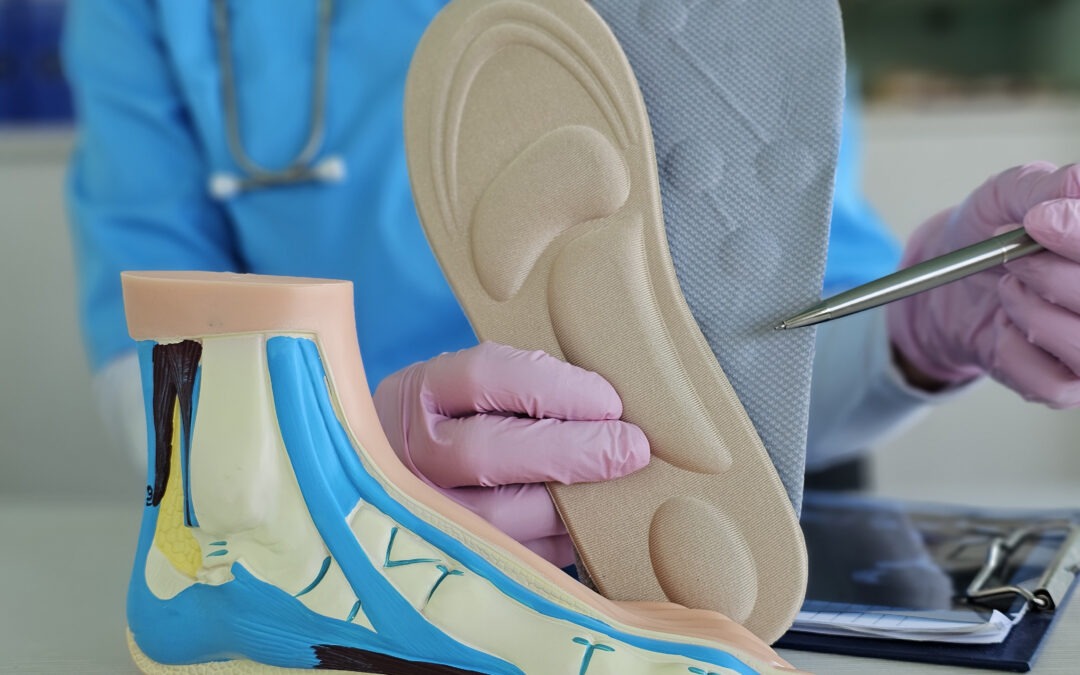
Foot pain and balance troubles can slow you down before you even realise it. If your knees ache during Waterfront Trail runs or your hips stiffen after a day at work, your feet might be the hidden cause. Custom orthotics Port Credit experts at MyHealth Care Centre tailor insoles that improve alignment, ease pressure, and help you move with confidence—whether you’re sailing, skating, or standing all day. Let’s explore how the right support can change your stride and comfort for good. For more details, you can explore this guide on the benefits of custom orthotics.
Understanding Custom Orthotics
Custom orthotics provide more than just a cushion beneath your feet. They are specially designed to fit your foot’s unique shape, offering tailored support. This section delves into how these bespoke insoles can be transformative on your daily adventures.
Benefits of Custom Orthotics
Custom orthotics are crafted to address specific foot issues, enhancing comfort and mobility. They distribute weight evenly across your feet, reducing stress on your joints and muscles. This tailored support can alleviate discomfort not just in your feet, but also in your knees, hips, and back. Most people experience relief from conditions like plantar fasciitis and flat feet.
Moreover, wearing custom orthotics can lead to improved posture and balance, making everyday activities easier and more enjoyable. Whether you’re walking on the Waterfront Trail or standing all day at work, these insoles can help you feel more stable and secure. They offer a level of precision that over-the-counter options simply can’t match.
How Orthotics Improve Movement
The right orthotics can significantly enhance your movement. By correcting foot mechanics, they promote a natural gait, reducing the risk of injury. You’ll notice smoother steps, as they absorb shock and lessen the impact on your joints. This is especially beneficial for runners and active individuals who demand more from their feet.
Custom orthotics also play a crucial role in preventing overuse injuries by supporting the arches and controlling overpronation. This means your feet are less likely to roll inward excessively, which can lead to pain and long-term issues. For those with flat feet or high arches, these insoles provide necessary support to maintain proper alignment.
Addressing Common Foot Problems
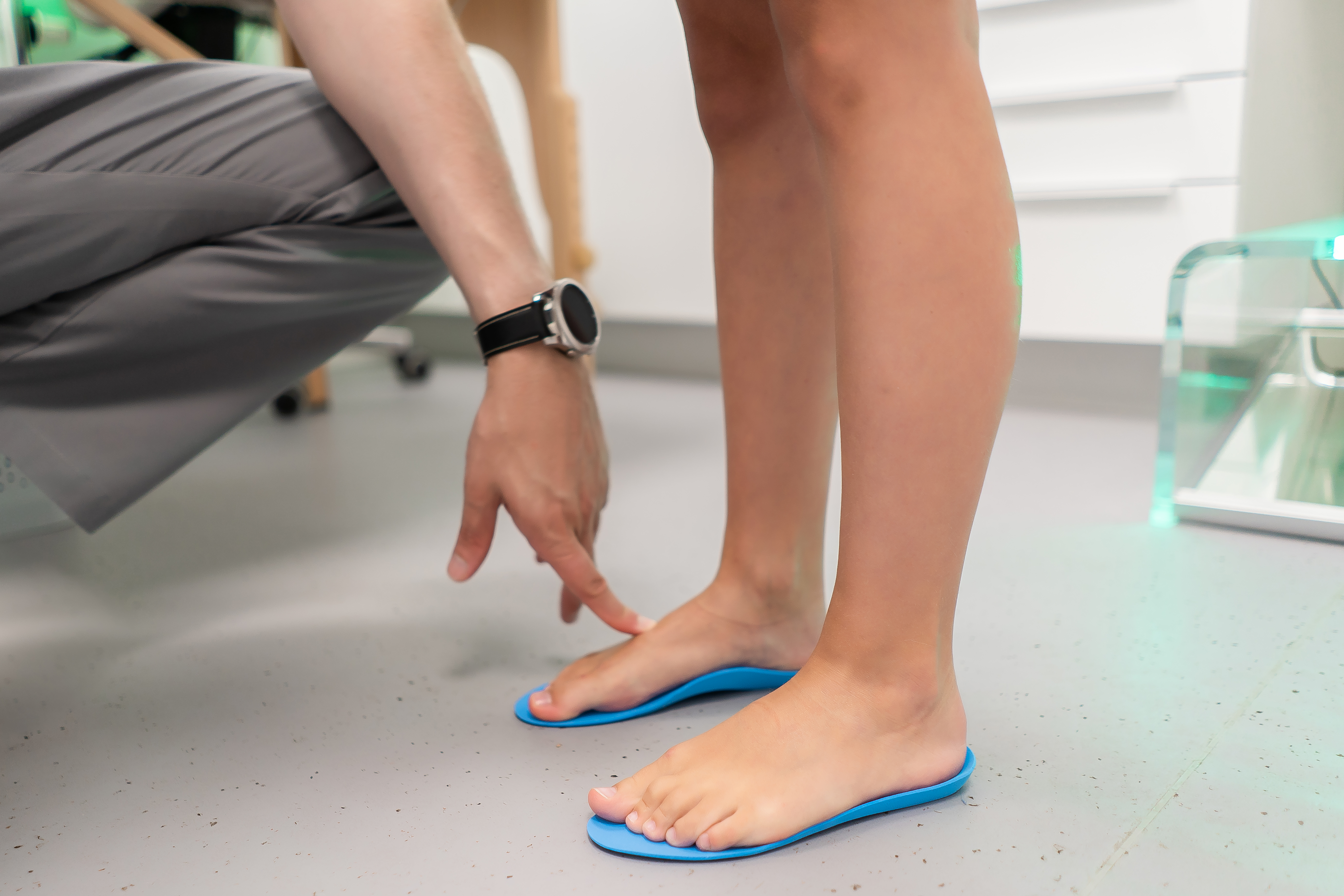
Many people experience foot pain and related issues, often without knowing the root cause. Addressing these problems can lead to a more comfortable life. Let’s explore how custom orthotics can offer relief and solutions.
Foot Pain Relief and Support
Foot pain can be debilitating, affecting your ability to enjoy day-to-day activities. Custom orthotics offer targeted pain relief by cushioning painful areas and reducing strain on your feet. They help in managing conditions like heel pain, plantar fasciitis, and bunions.
These specialized insoles work by redistributing pressure from painful areas, allowing your feet to heal naturally. Over time, you’ll notice a decrease in discomfort, enabling you to walk, run, or stand with ease. The key is their custom nature, which means every orthotic is designed specifically for your needs.
Overpronation and Flat Feet Solutions
Overpronation and flat feet are common issues that can lead to pain and instability. Custom orthotics are designed to correct these problems by providing adequate arch support and stabilizing your feet’s natural position. They prevent excessive rolling inward, which often leads to discomfort and injury.
For individuals with flat feet, these insoles offer a lifeline by enhancing support where it’s needed most. This correction allows for a more balanced stride and reduces the risk of developing further issues. With regular use, you’ll likely find improvements in both comfort and mobility.
Choosing MyHealth Care Centre
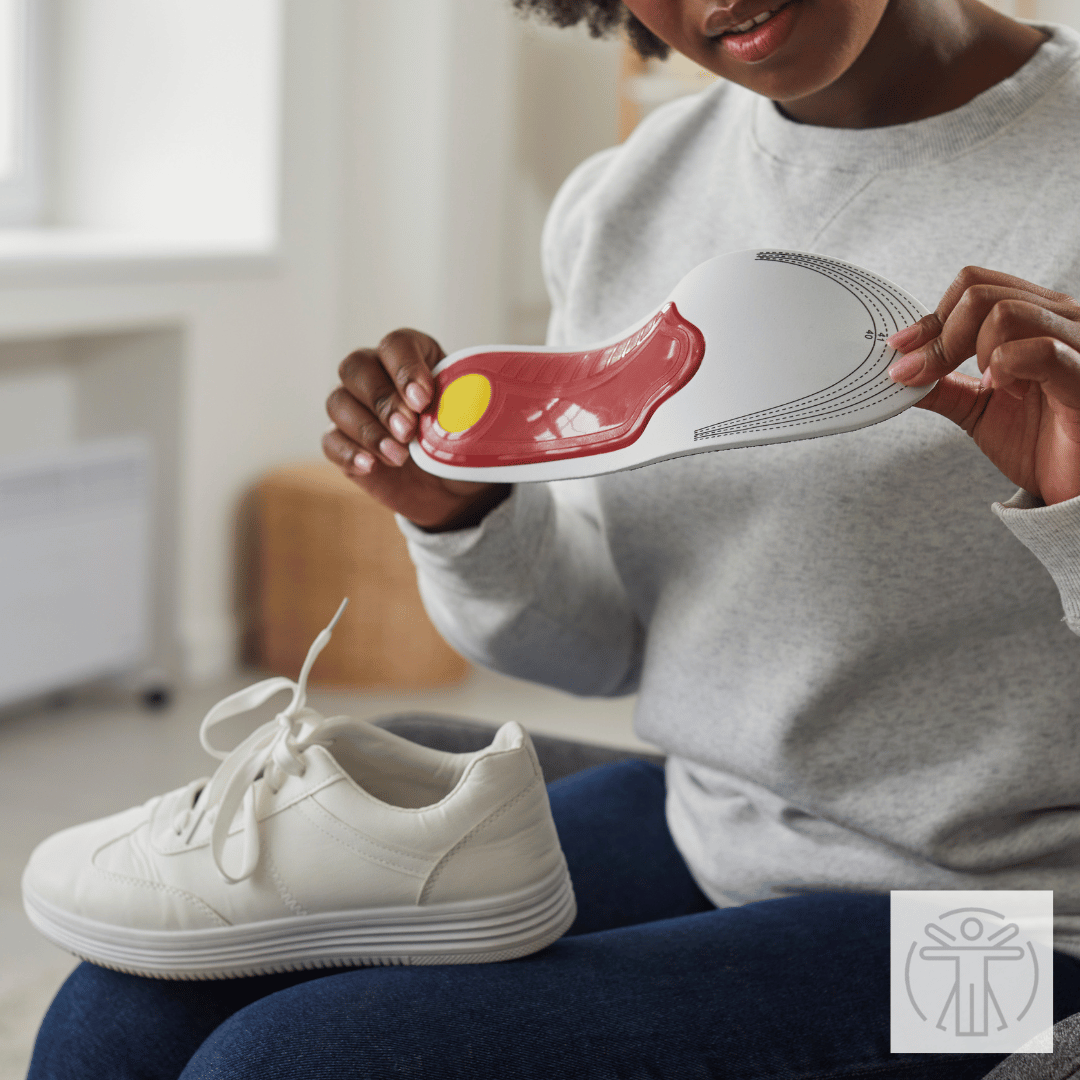
When it comes to custom orthotics, MyHealth Care Centre in Port Credit is a trusted choice. Their comprehensive approach ensures that every aspect of your foot health is considered and addressed.
Comprehensive Gait Analysis
A thorough gait analysis is the first step towards finding the right orthotics. This process involves studying how you walk to identify any abnormalities or imbalances. By understanding your unique movement patterns, specialists can craft orthotics that truly support your needs.
Through advanced techniques, MyHealth Care Centre’s team can pinpoint specific areas of concern, which helps in creating a treatment plan tailored just for you. This personalised approach ensures that your orthotics will not only fit well but also enhance your overall foot health.
Bespoke Orthotics Fitting Process
The fitting process at MyHealth Care Centre is designed to ensure maximum comfort and effectiveness. It involves precise measurements and adjustments, ensuring your orthotics fit perfectly and function optimally. This bespoke service guarantees that your insoles are uniquely yours.
The team works closely with you to make any necessary tweaks, ensuring your orthotics provide the best possible support. This collaborative approach means you can expect a noticeable improvement in both comfort and movement, helping you stay active and pain-free.
Frequently Asked Questions
What are custom orthotics, and how do they work?
Custom orthotics are specially designed shoe inserts that align and support your feet to improve comfort and mobility. They are crafted based on a detailed analysis of your foot structure and gait, offering tailored support that can alleviate pain and prevent injuries.
How can custom orthotics help with foot pain?
Custom orthotics provide targeted relief by redistributing pressure across your feet, cushioning painful areas and supporting proper alignment. This helps in managing conditions like plantar fasciitis and heel pain, making daily activities more comfortable.
Can orthotics improve balance and prevent falls?
Yes, orthotics can enhance balance by supporting your natural foot structure and aligning your body. This improved stability can reduce the risk of falls, especially for individuals with flat feet or other balance-related conditions.
How long does it take to adjust to new orthotics?
Most people adjust to wearing new orthotics within 1-2 weeks. During this time, your feet may undergo slight changes as they adapt to the new support, leading to improved comfort and alignment over time.
What makes MyHealth Care Centre’s orthotics unique?
At MyHealth Care Centre, orthotics are custom-made based on a comprehensive assessment of your feet and gait. This ensures a perfect fit and optimal support, helping to address specific issues and improve overall foot health.
Book Online

Aug 23, 2026 | Uncategorized
Many active adults in Port Credit push their limits but struggle with nagging aches or slow recovery. Your routine shouldn’t be sidelined by preventable injuries or unclear advice. This guide reveals how integrated care combines expert physiotherapy, chiropractic, massage, and more to keep you moving strong. Ready to feel the difference? Let’s explore how MyHealth Care Centre’s multi-disciplinary team supports your active lifestyle with tailored strategies and proven therapies. Check out this resource for further insights on integrated care approaches.
The Power of Integrated Care
Benefits of Multi-Disciplinary Clinics
Imagine having a team of experts focused on helping you move better and live pain-free. Multi-disciplinary clinics bring together specialists like physiotherapists, chiropractors, and massage therapists. Each expert contributes their unique skills, providing a comprehensive approach to your health. This collaboration means you receive a personalised plan tailored to your needs, addressing not just symptoms but the root causes of your discomfort.
A multi-disciplinary clinic ensures that every aspect of your well-being is covered. From muscle tension to joint mobility, the team works together to create a seamless treatment experience. This coordination reduces the risk of conflicting advice and unnecessary treatments, saving you time and effort. By coming to one place, you have access to a wide range of therapies all under one roof.
How Integrated Care Prevents Injuries
Prevention is better than cure, especially for active adults. Integrated care focuses on identifying potential issues before they become serious problems. By assessing your movement patterns and lifestyle, the team can pinpoint areas of weakness or imbalance. This proactive approach helps in designing exercises and routines that strengthen vulnerable spots, reducing the chance of injuries.
Moreover, integrated care provides ongoing support and education. You learn how to maintain proper form during activities, and receive guidance on effective warm-up routines. These strategies not only prevent injuries but also enhance your overall performance. Understanding your body’s needs and limitations is key to staying injury-free and active.
Boosting Performance Through Care
Integrated care doesn’t just prevent injuries; it also boosts your performance. By addressing muscle imbalances and improving joint function, you move more efficiently. This means better results whether you’re running marathons or playing a game of hockey. The team’s holistic approach ensures that every treatment aligns with your performance goals.
Regular sessions with a multi-disciplinary team help you recover faster and perform at your best. You benefit from therapies like massage to ease muscle tension, chiropractic adjustments for better alignment, and physiotherapy for strength and conditioning. This comprehensive care keeps you at the top of your game, ready to tackle any challenge.
Personalised Recovery Strategies

Warm-Up and Mobility Routines
Starting your routine with proper warm-up and mobility exercises is crucial. These routines prepare your body for activity, reducing the risk of strains and sprains. A physiotherapist can design a warm-up plan that suits your specific needs, focusing on key areas that support your favourite activities.
Dynamic stretches and mobility exercises enhance flexibility and joint range. This not only protects against injury but also improves your athletic performance. Incorporating these movements into your routine helps maintain optimal function and prevents stiffness, keeping you agile and ready for action.
Load Management and Recovery Tips
Managing your training load is essential to avoid burnout and injury. It’s important to balance intensity and rest, allowing your body to recover and adapt. The team at a multi-disciplinary clinic can guide you on how to pace your workouts effectively. They provide insights on when to push harder and when to take a step back.
Recovery is just as important as training. Techniques like massage therapy and proper hydration help your muscles recover faster. Understanding your body’s signals and incorporating rest days into your schedule ensures sustainable progress and long-term well-being.
Choosing the Right Therapy
Selecting the right therapy can make a significant difference in your recovery. Whether it’s physiotherapy for rehabilitation, chiropractic care for alignment, or massage for relaxation, each therapy offers unique benefits. Consulting with a multi-disciplinary team helps you identify the most suitable approach for your condition.
Personalised care plans mean you get therapies that align with your health goals. This targeted approach not only speeds up recovery but also enhances your overall quality of life. With the right guidance, you can move more freely and enjoy your favourite activities without pain.
Local Activities and Common Injuries

Running Injuries on the Waterfront Trail
Running on the Waterfront Trail is a popular activity, but it can lead to injuries like shin splints or plantar fasciitis. Understanding your running form and technique is crucial. Integrated care provides movement analysis to identify areas for improvement, reducing the risk of injury.
Proper footwear and supportive orthotics can also make a big difference. By incorporating custom orthotics into your regimen, you enhance foot mechanics and prevent discomfort. This proactive approach keeps you running smoothly and enjoying the scenic views.
Sailing Injuries at Port Credit Yacht Club
Sailing requires strength and balance, but repetitive movements can cause strains. The team at a multi-disciplinary clinic can offer exercises to improve core stability and flexibility. These exercises help in managing the physical demands of sailing, preventing injuries like lower back pain or shoulder strains.
Regular check-ups ensure you maintain peak condition, ready to navigate the waters safely. With professional guidance, you sail with confidence and minimise the risk of injury during your nautical adventures.
Rec-Hockey Injury Rehab in Port Credit
Hockey is intense, and injuries like sprains are common. An integrated care approach provides targeted rehabilitation to get you back on the ice. Through physiotherapy and strength training, you rebuild muscle function and improve endurance.
Chiropractic adjustments aid in maintaining proper alignment, essential for optimal performance in hockey. This comprehensive care not only aids recovery but also enhances your game, ensuring you return stronger and more resilient.
Frequently Asked Questions
What is integrated care?
Integrated care involves a team of healthcare professionals working together to address all aspects of a patient’s health. It combines various therapies like physiotherapy, chiropractic, and massage to provide a holistic approach to treatment.
How does integrated care prevent injuries?
By assessing movement patterns and lifestyle, integrated care identifies areas of weakness. It then creates a personalised plan to strengthen these areas, reducing the risk of injuries.
What should I expect from a multi-disciplinary clinic?
Expect a coordinated approach where different specialists collaborate to provide comprehensive care. This means personalised treatment plans, access to various therapies, and ongoing support for your health goals.
Can integrated care improve my performance?
Yes, by addressing muscle imbalances and improving joint function, integrated care enhances overall efficiency and performance, helping you achieve your athletic goals.
How often should I visit a multi-disciplinary clinic?
The frequency of visits depends on your individual needs and goals. A healthcare professional can recommend a schedule that ensures optimal recovery and performance.
Book Online
Aug 22, 2026 | Uncategorized
Pain doesn’t have to slow you down on the Waterfront Trail or at Port Credit Yacht Club. When aches start creeping in, integrated care in Mississauga offers a smarter path to staying active and pain-free. At MyHealth Care Centre, our team crafts personalised plans that combine physiotherapy, chiropractic, massage, and more, designed to keep you moving without limits. Read on to see how this approach stops injuries before they start and helps you bounce back faster. Check out our latest insights here.
Integrated Care for Active Adults
Staying active and pain-free is crucial for living your best life. Integrated care in Mississauga offers an all-encompassing solution. We combine multiple therapies to ensure you can keep moving without limits.
Benefits of Integrated Care in Mississauga
Integrated care means having a team of experts working together for you. You gain a comprehensive plan that covers all aspects of your health. Our approach reduces the need for multiple appointments by bringing everything under one roof. This not only saves you time but also ensures that your care is cohesive and targeted. With a focus on collaboration, your care plan becomes a well-oiled machine, fine-tuned to meet your specific needs and goals.
Port Credit Physiotherapy and Chiropractic
Physiotherapy and chiropractic services in Port Credit cater to your active lifestyle. Physiotherapy restores movement, strength, and function, while chiropractic care focuses on spinal health and alignment. Together, they form a powerful duo that addresses both immediate pain relief and long-term wellness. The combination allows you to recover efficiently from injuries and maintain optimal health, so you can keep enjoying activities like running on the Waterfront Trail or sailing at the Port Credit Yacht Club.
Massage Therapy and Acupuncture
Massage therapy and acupuncture in Mississauga are more than just relaxation techniques. They are integral components of a holistic health plan. Massage therapy helps relieve muscle tension and improve circulation. Acupuncture, on the other hand, can reduce stress and manage pain. These therapies work together to enhance your overall well-being, making it easier for you to stay active and pain-free.
Therapies for Pain-Free Living
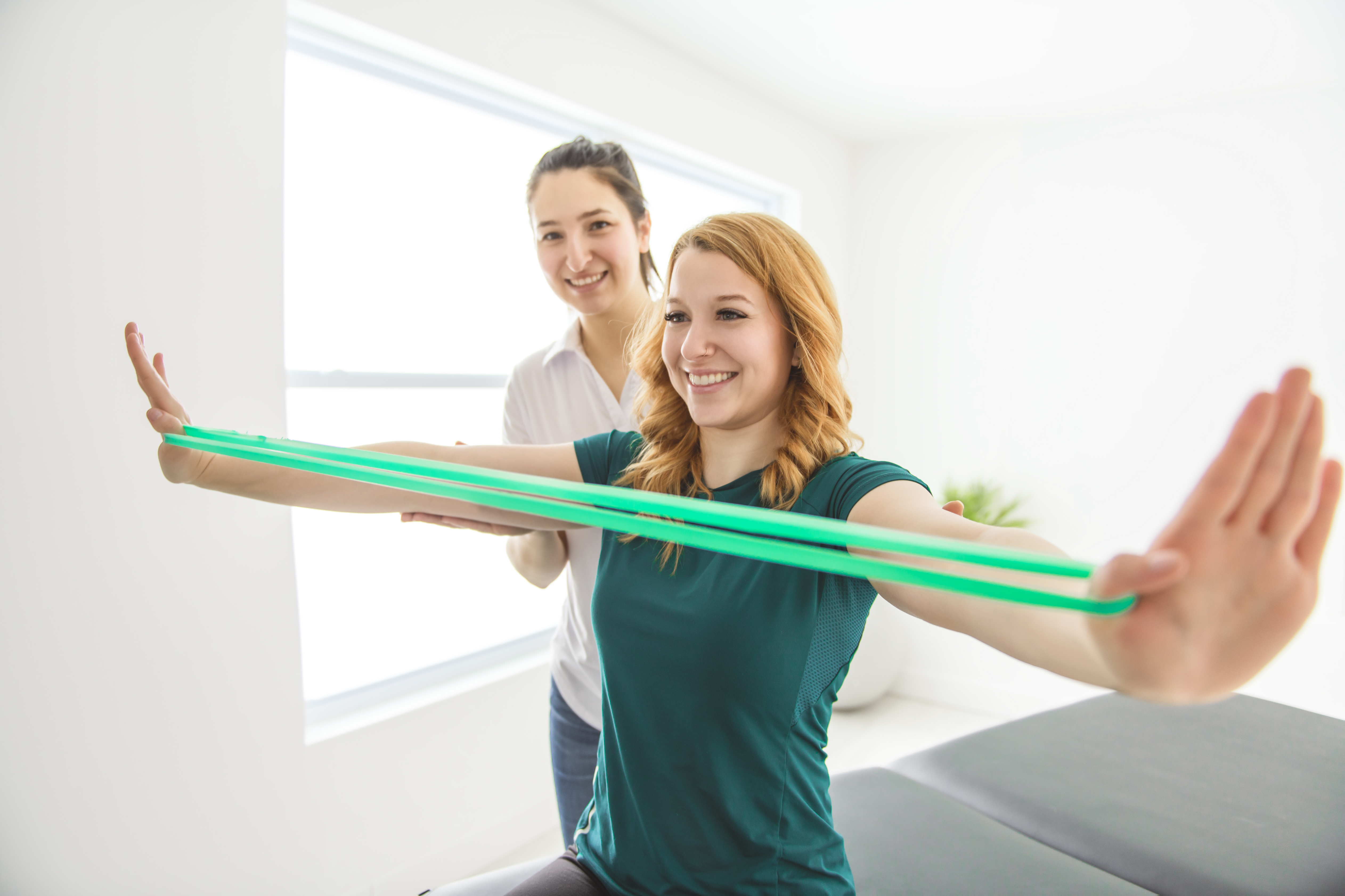
Therapies tailored for pain-free living provide targeted relief and support. It’s not just about managing pain, but about enhancing your quality of life through innovative treatments.
Cold Laser and Cryotherapy Treatments
Cold laser therapy and cryotherapy offer cutting-edge solutions for pain and inflammation. Cold laser therapy accelerates tissue healing, while cryotherapy reduces inflammation through cold exposure. These treatments are ideal for those looking to speed up recovery from injuries or alleviate chronic pain. By incorporating these therapies into your care plan, you can achieve faster healing and get back to your activities sooner.
Fascial Stretch and Custom Orthotics
Fascial stretch therapy and custom orthotics in Port Credit address specific needs to improve mobility and support. Fascial stretch therapy is a specialised service that enhances flexibility and reduces pain. Custom orthotics provide support and alignment for your feet, improving overall posture and preventing future injuries. Together, they form a comprehensive strategy to keep you active and comfortable in your daily life.
Medical Compression Socks and Balance Programmes
Medical compression socks and balance programmes in Mississauga offer additional support for active adults. Compression socks aid circulation and reduce swelling, which is essential for runners and those on their feet often. Balance programmes provide exercises to improve stability and prevent falls. These tools are crucial for maintaining an active lifestyle without the worry of injury or discomfort.
Injury Prevention and Recovery
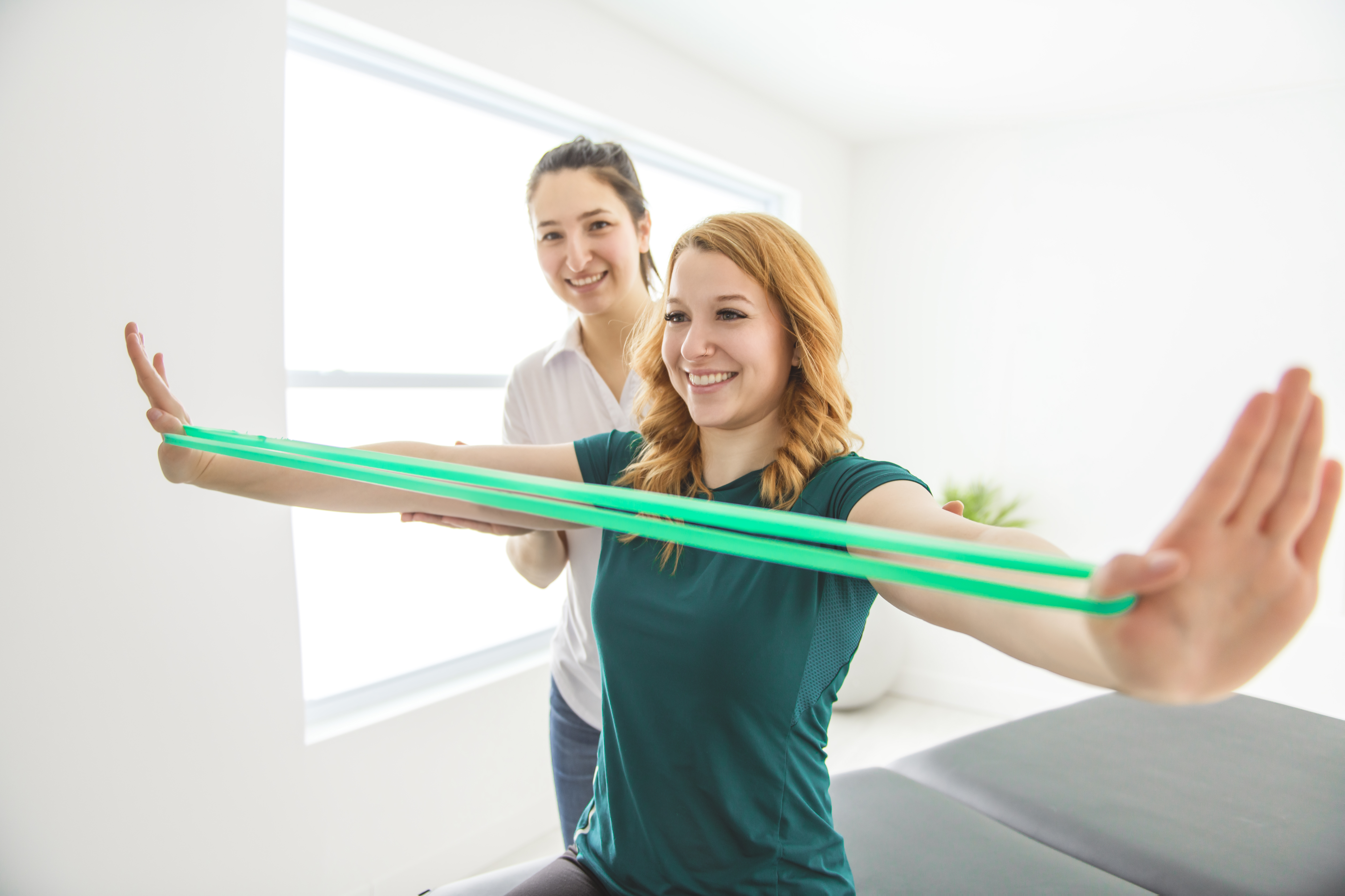
Injury prevention and recovery are key to maintaining an active lifestyle. Our integrated approach helps you avoid injuries and bounce back faster when they do occur.
Sports Injury Clinics and Mississauga Marathon Training
Sports injury clinics and marathon training in Mississauga provide specialised support for athletes. Our clinics focus on preventing and recovering from common sports injuries, ensuring you stay in top form. Whether training for the Mississauga Marathon or engaging in other athletic pursuits, our expert team offers tailored plans to keep you at your best.
Running, Sailing, and Skating Injury Solutions
Running injuries in Mississauga, sailing injuries in Port Credit, and skating injuries can all be effectively managed with the right care. Our team addresses the specific demands of these activities, offering solutions that prevent injury and enhance performance. By understanding the unique challenges each sport presents, we help you maintain a pain-free and active lifestyle.
Post-Surgical and MVA Rehabilitation
Post-surgical rehabilitation in Mississauga and MVA rehabilitation are critical for full recovery. Our approach combines physiotherapy, chiropractic, and massage to support healing and restore function. We tailor your rehabilitation plan to your specific needs, ensuring a smooth transition back to normal activities. With our comprehensive care, you can confidently regain your strength and mobility.
Frequently Asked Questions
What is integrated care, and how does it help?
Integrated care brings together multiple health disciplines to create a cohesive treatment plan. This approach helps by ensuring every aspect of your health is addressed under one roof, providing comprehensive and efficient care.
How do physiotherapy and chiropractic care work together?
Physiotherapy improves movement and strength, while chiropractic care focuses on spinal alignment. Together, they address both the symptoms and root causes of pain, providing a balanced approach to recovery and wellness.
Can massage therapy and acupuncture really help with pain?
Yes, massage therapy relieves muscle tension and improves circulation, while acupuncture reduces stress and manages pain. Both therapies enhance overall well-being, making them effective components of a pain management strategy.
What are cold laser therapy and cryotherapy used for?
Cold laser therapy accelerates tissue healing, and cryotherapy reduces inflammation. Both are used to treat injuries and chronic pain, helping you recover faster and maintain an active lifestyle.
How do custom orthotics and compression socks benefit athletes?
Custom orthotics support foot alignment and posture, preventing injuries. Compression socks improve circulation, reducing swelling and fatigue in active individuals. Together, they provide essential support for athletes.
Discover how integrated care can transform your health journey. Keep moving, stay active, and live pain-free with MyHealth Care Centre by your side.
Book Online

Aug 17, 2026 | Uncategorized
Stretching isn’t always the answer when pain or stiffness keeps holding you back. If you’re running the Port Credit Waterfront Trail or sailing at the yacht club, and your aches don’t ease, it’s time to look deeper. Knowing the signs that stretching alone won’t cut it helps you take control. This guide reveals 9 clear signals you need a fuller recovery plan with Port Credit physiotherapy to get moving with confidence again. [https://experiencelife.lifetime.life/article/5-signs-you-may-need-a-recovery-day/]
Signs Stretching Isn’t Enough
Recognising when stretching is not enough can set you on the path to a full recovery. Here’s what to watch for.
Recurring Pain After Activities
Feeling pain after your usual activities can be frustrating. It’s a clear sign that stretching alone isn’t solving the problem. You might notice aches after your morning run or an evening walk. If this pain keeps coming back, it’s time to consider a more comprehensive approach.
Ignoring this pain can lead to further issues. A physiotherapy assessment in Port Credit can help identify what’s really going on. Treatments like manual therapy or tailored exercises might be needed to address the root cause.
Morning Stiffness Lingers
Morning stiffness that doesn’t ease with stretching is another red flag. You might feel like your joints are rusted shut after a night’s rest. If this stiffness lasts longer than an hour, stretching alone won’t cut it.
This type of stiffness often indicates deeper issues, like inflammation or joint problems. Addressing the underlying cause with professional help can bring relief and improve your daily life. A combination of therapies, including massage and chiropractic care, might be just what you need.
Strength Loss and Fatigue
Losing strength or feeling constantly fatigued despite regular stretching is another sign. These issues can signal more than just a lack of stretching. You might notice you can’t lift as much or feel unusually tired after simple tasks.
Addressing these symptoms often requires a deeper look at your overall health. A physiotherapy clinic in Mississauga can provide a comprehensive assessment to figure out what’s going on. By integrating different therapies, you can regain your strength and energy.
Building a Fuller Recovery Plan
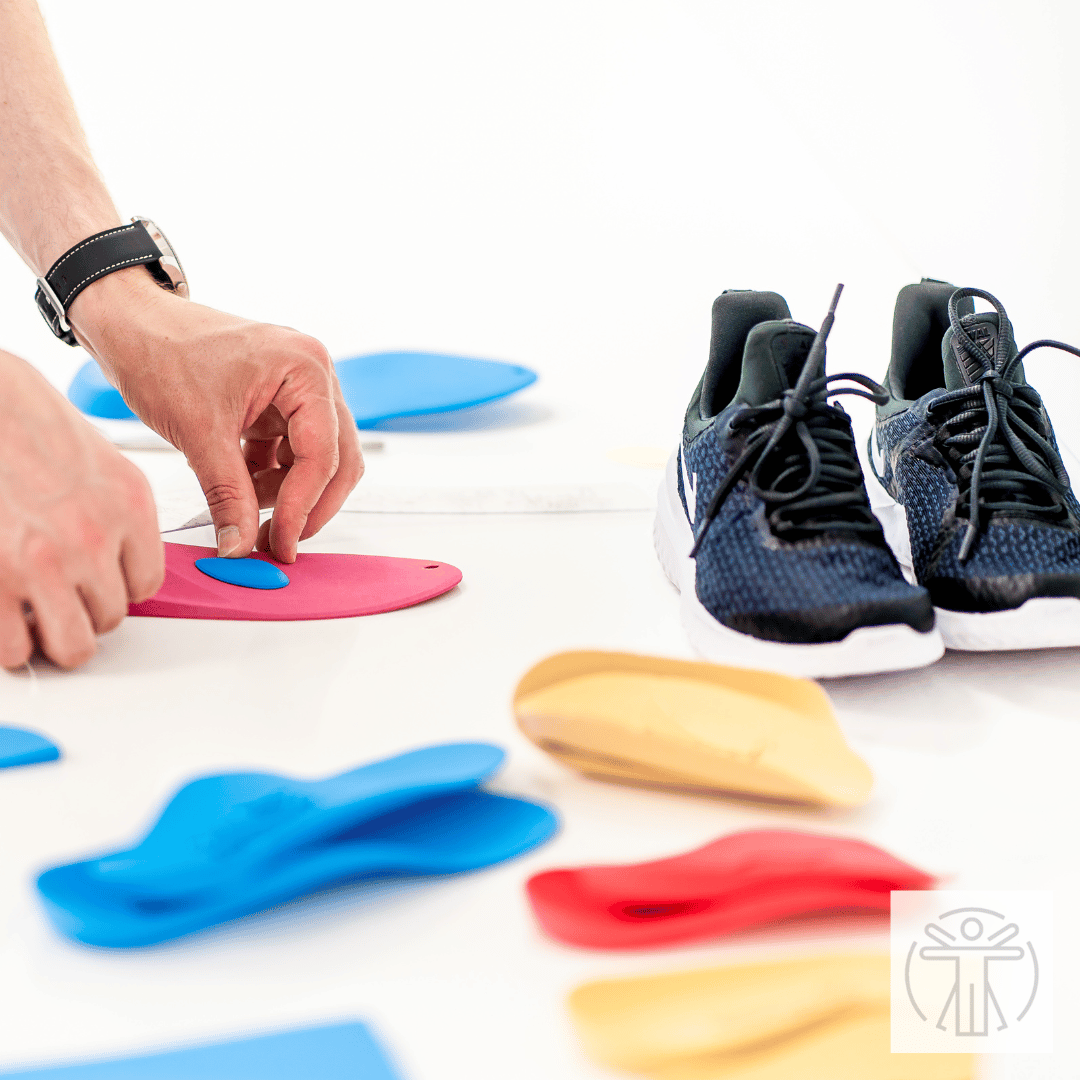
A thorough recovery plan involves more than just stretching. It requires a comprehensive approach that targets the root causes of your discomfort.
Comprehensive Assessment and Therapy
A detailed assessment is the first step towards recovery. It helps identify the specific issues causing your pain or discomfort. This might include examining your posture, movement patterns, and lifestyle habits.
Once the assessment is complete, a personalised therapy plan can be developed. This plan could include various treatments, like cold laser therapy or acupuncture in Port Credit. By addressing the root causes, you can enjoy lasting relief.
Progressive Exercise and Load Management
An effective recovery plan includes progressive exercises tailored to your needs. These exercises help build strength and mobility over time. It’s important to start slowly and gradually increase the intensity.
Load management is also crucial. This involves balancing your activity levels to avoid overloading your body. A physiotherapist can guide you through this process, ensuring you’re building strength safely and effectively.
Soft-Tissue Therapy and Acupuncture
Soft-tissue therapy, such as massage, can relieve tension and improve circulation. This therapy is often paired with acupuncture to address pain and promote healing. Together, they form a powerful duo that supports recovery.
These treatments can also enhance flexibility and mobility. By including therapies like fascial stretch therapy in Port Credit, you can achieve better results and a more complete recovery.
Local Activities and Recovery Strategies

Port Credit offers plenty of activities that can complement your recovery plan. Here are some strategies to help you stay active while recovering.
Running on the Waterfront Trail
Running is a popular activity in Port Credit. It’s great for cardio health, but it can also strain your joints and muscles. Incorporating regular physiotherapy sessions can help manage running injuries and keep you on track.
Consider working with a physiotherapist to develop a running plan that includes proper warm-ups and cooldowns. This strategy can reduce the risk of injury and enhance your performance.
Sailing Shoulder Care at PCYC
Sailing demands a lot from your shoulders. If you’re a sailor at the Port Credit Yacht Club, you need to ensure your shoulders are in top shape. Regular shoulder care, including exercises and therapy, can prevent common sailing-related injuries.
A tailored physiotherapy plan can help maintain shoulder health. It might include stretching, strengthening exercises, and treatments like acupuncture or registered massage therapy in Mississauga.
Winter Skating Preparation at Local Rinks
Winter skating is a favourite pastime in the area, but it can be hard on your knees and ankles. Preparing for the skating season with specific exercises can make a big difference.
Strengthening exercises and stretching routines are essential for skating. A physiotherapist can design a programme that helps you build the necessary strength and flexibility for a safe and enjoyable winter skating experience.
Frequently Asked Questions
How can physiotherapy help with recurring pain?
Physiotherapy can identify the root cause of recurring pain through a comprehensive assessment. Treatments may include manual therapy, exercises, and other modalities that address underlying issues for long-term relief.
Why does morning stiffness indicate a deeper issue?
Morning stiffness that lingers might suggest joint problems or inflammation. It indicates that the body’s natural recovery processes aren’t enough, and a more targeted approach is needed for improvement.
What are the benefits of soft-tissue therapy?
Soft-tissue therapy helps to release muscle tension and improve circulation. It can alleviate pain, increase flexibility, and enhance overall mobility, making it a valuable part of a recovery plan.
When should I consider an integrated recovery plan?
If stretching doesn’t alleviate your pain or if symptoms persist, it’s time to consider an integrated recovery plan. This approach addresses multiple aspects of your health and promotes comprehensive healing.
What local activities are safe to do while recovering?
Activities like running, sailing, and skating are possible with the right preparation. Working with a physiotherapist can ensure you approach these activities safely by incorporating proper exercises and therapies into your routine.
Aug 16, 2026 | Uncategorized
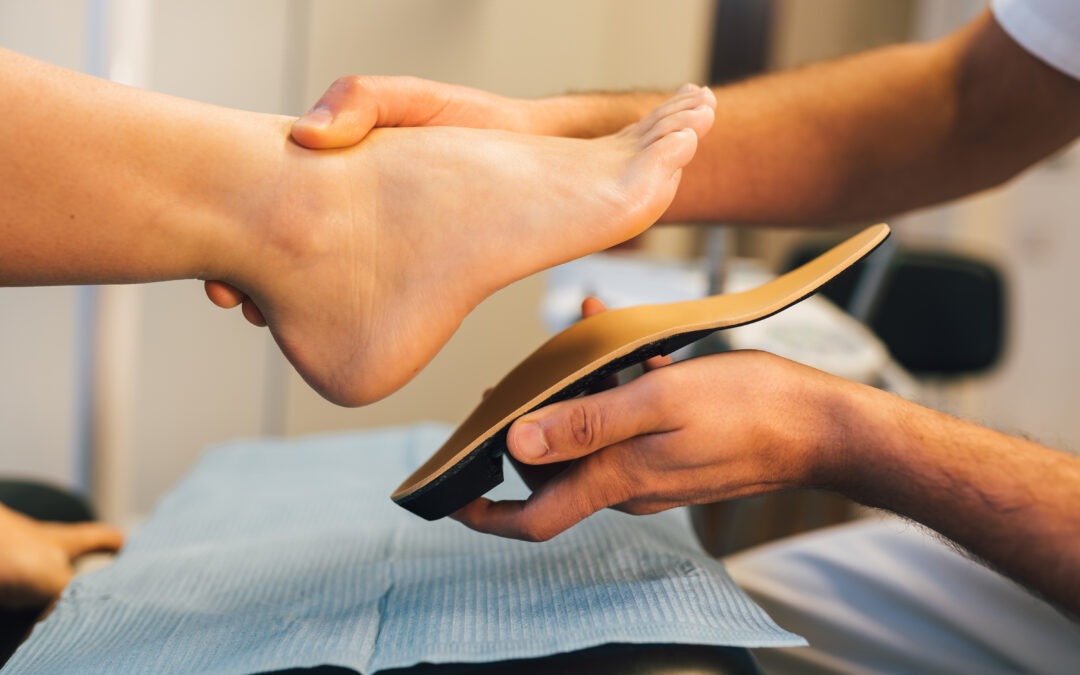
Foot and lower limb discomfort can sneak into your daily routine and slow you down before you even realise it. If you’ve been battling aches in your feet, knees, hips, or back, there’s a smart solution waiting nearby. Custom orthotics in Port Credit offer targeted support that eases pain and helps you move with more comfort and confidence every day. Let’s explore how a personalised gait assessment at MyHealth Care Centre can set you on the path to pain-free movement. For more information on custom orthotics, visit this resource.
Understanding Custom Orthotics
Custom orthotics are more than just insoles. They are specially crafted devices designed to support your feet, improve alignment, and enhance your overall movement. Let’s dive into what makes them unique.
What Are Custom Orthotics?
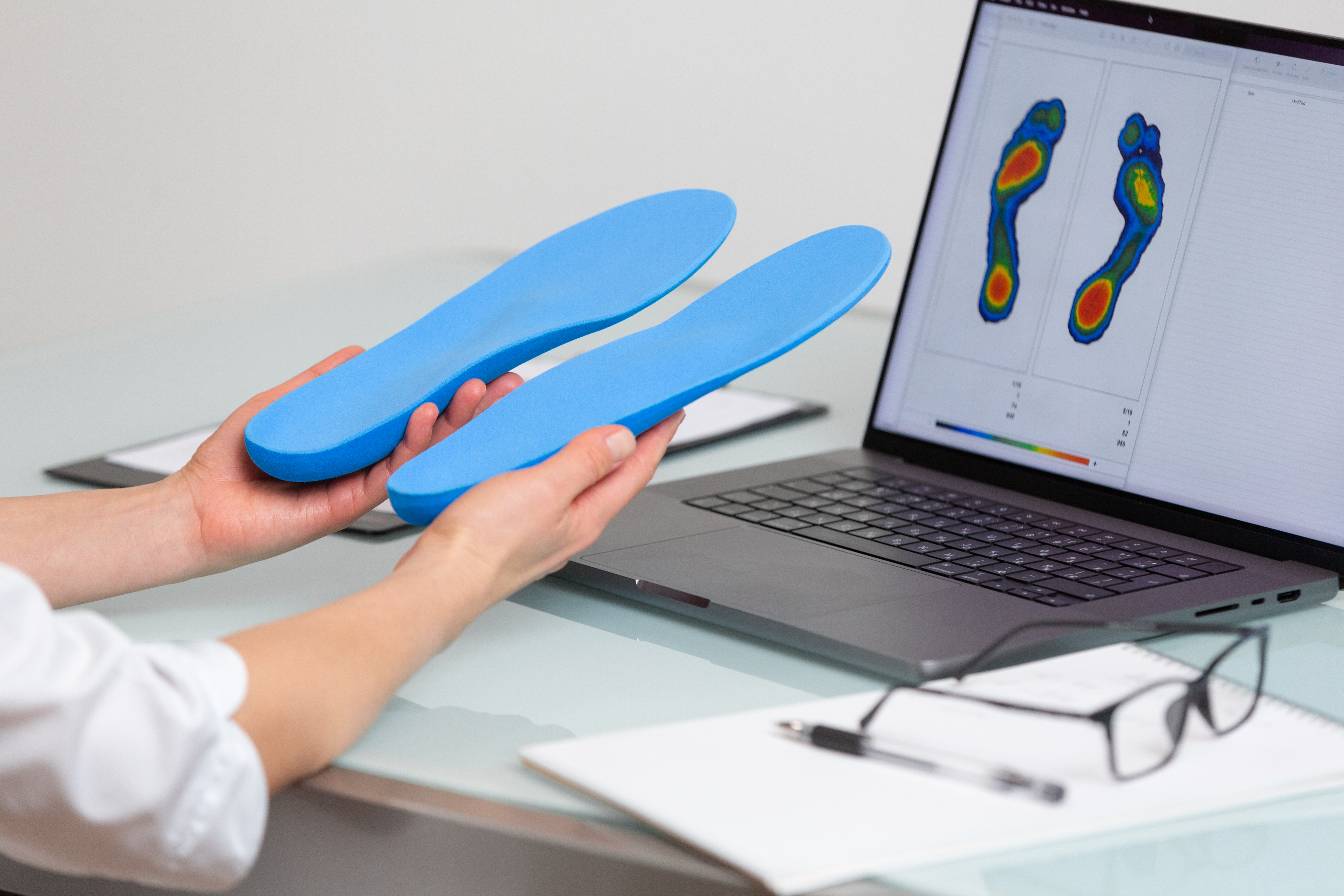
Custom orthotics are tailor-made foot devices that fit your unique foot shape and biomechanics. Unlike generic store-bought inserts, these orthotics are made after a thorough evaluation of your foot structure and movement patterns. They work by redistributing pressure evenly across your foot, aiding in correcting imbalances and promoting a more natural gait. This precision fit is crucial for addressing specific issues like overpronation or flat feet. By supporting the arches and providing a stable platform, custom orthotics can significantly impact how your feet and lower body feel and function throughout the day.
Benefits of Custom Orthotics
The primary benefit of custom orthotics is pain relief. By providing targeted support, they can alleviate discomfort in your feet, knees, hips, and lower back. For those with conditions like plantar fasciitis, custom orthotics offer crucial support, reducing strain and stress. Additionally, they improve balance and stability, allowing you to walk or run with more confidence and less fatigue. By aligning your feet correctly, these devices can also prevent the development of further complications, encouraging a proactive approach to foot health.
Conditions Helped by Orthotics
Custom orthotics are effective for various conditions, including plantar fasciitis, flat feet, and bunions. They also assist those with arthritis or diabetes-related foot issues. By addressing the root cause of these conditions, orthotics reduce pain and enhance mobility. Those with knee pain caused by misaligned feet can also benefit, as the orthotics help redistribute weight and reduce stress on the joints. If you’re dealing with hip or back discomfort resulting from foot problems, custom orthotics can help align your posture, offering relief beyond just the feet.
The Process at MyHealth Care Centre
At MyHealth Care Centre, the process of obtaining custom orthotics is designed to be thorough and personalised. Here’s a look at how we approach your foot health.
Integrated Assessment Approach
Our approach begins with a comprehensive assessment. We evaluate your feet, ankles, and the way you walk to understand your unique needs. This integrated assessment considers every factor, from your foot shape to your lifestyle. By collaborating across disciplines, our team, which includes physiotherapists and chiropractors, ensures a complete understanding of your condition. This holistic view allows us to design orthotics that complement your overall health plan, rather than just treating symptoms.
Importance of Gait Analysis
A critical part of our assessment is gait analysis. By observing how you move, we can identify irregularities in your stride that may contribute to discomfort or injury. This analysis helps pinpoint areas where support is needed most. It’s not just about the feet; gait analysis provides insights into how your entire body moves. This information is invaluable in crafting orthotics that not only alleviate pain but also enhance your mobility and prevent future issues.
Follow-up and Adjustments
After you receive your custom orthotics, we don’t just send you on your way. Follow-up appointments are crucial to ensure your orthotics are performing as expected. We make adjustments as necessary, fine-tuning the fit and support to match your evolving needs. This ongoing care helps maximise the benefits of your orthotics, ensuring they continue to provide relief and support as you adapt to them in your daily life.
Taking the Next Step
Ready to explore the benefits of custom orthotics? Here’s how you can get started with MyHealth Care Centre.
Booking Your Assessment
Scheduling an assessment is simple. Contact us to book a convenient time to meet with our specialists. During your visit, we’ll conduct a thorough evaluation and discuss your specific concerns and goals. This initial step is crucial to creating a tailor-made solution that addresses your unique needs.
Preparing for Your Appointment
Before your appointment, think about your daily activities and any specific issues you’re experiencing. Wear comfortable clothing and bring your usual footwear, as we’ll want to see how your current shoes fit with your feet. This information will help us understand how your lifestyle impacts your foot health.
Coverage and Cost Information
We understand that cost is an important consideration. Custom orthotics are often covered by insurance, so check with your provider for details. At MyHealth Care Centre, we offer transparent pricing and can assist you in navigating your coverage options. Investing in custom orthotics is a step towards long-term health and comfort, and we’re here to support you on that journey.
Frequently Asked Questions
What makes custom orthotics different from store-bought insoles?
Custom orthotics are crafted to fit your unique foot structure and address specific biomechanical needs, unlike generic insoles that offer general support.
How long does it take to get used to custom orthotics?
Most people adjust to their custom orthotics within a week or two, as your body adapts to the new support and alignment.
Can custom orthotics help with knee and hip pain?
Yes, by correcting foot alignment, custom orthotics can reduce stress on the knees and hips, alleviating pain and improving movement.
Are custom orthotics covered by insurance?
Many insurance plans cover custom orthotics, but it’s best to check with your provider to understand your specific benefits.
How often should custom orthotics be replaced?
Typically, custom orthotics last about 1-2 years, depending on wear and any changes in your foot health or activity level. Regular check-ups help keep them effective.
Book Online
Aug 15, 2026 | Uncategorized
Stiff joints in the morning, aching knees after a run, or swelling after a long walk—each tells a different story about what your body needs. Knowing when to focus on mobility, build strength, or add support can make all the difference in staying active and pain-free. At MyHealth Care Centre, our movement assessment in Port Credit helps you pinpoint the right next step with expert care tailored to your lifestyle. Let’s break down how to read your body and move better every day. For more information, check out this guide on improving strength and flexibility.
Understanding Your Body’s Needs
Your body sends signals that can guide you to better health. Understanding these signals is the first step toward a more active and pain-free life.
Recognising Mobility Signals
When it feels like your joints are stiff or you struggle to move smoothly, your body might be hinting at mobility issues. Mobility refers to the range of motion in your joints and muscles. It’s important for everyday activities like reaching for a shelf or bending to tie your shoes.
-
Listen to Your Morning: If you wake up feeling stiff, it’s a sign that your joints are not as flexible as they could be.
-
Notice Your Routines: Struggles during routine activities, such as getting out of a chair, might mean it’s time to focus on mobility exercises.
Mobility exercises improve flexibility and joint function. They can help prevent injuries and make your daily movements smoother. Discover why mobility training is essential in keeping your muscles and joints healthy.
Identifying Strength Deficits
Strength is the foundation that supports your body through various tasks. If you notice fatigue or weakness during activities you used to handle easily, your body might be telling you it needs more strength.
-
Assess Everyday Tasks: Difficulty lifting groceries or feeling tired after climbing stairs are signs you need to build muscle strength.
-
Consider Your Recovery Time: Longer recovery after physical activities indicates a need to strengthen your muscles.
Strength training doesn’t only mean lifting weights. It can include body-weight exercises or resistance bands. Strengthening your muscles enhances overall stability and can prevent injuries. For more tips, check out this discussion on combining strength and mobility.
Spotting Support Requirements
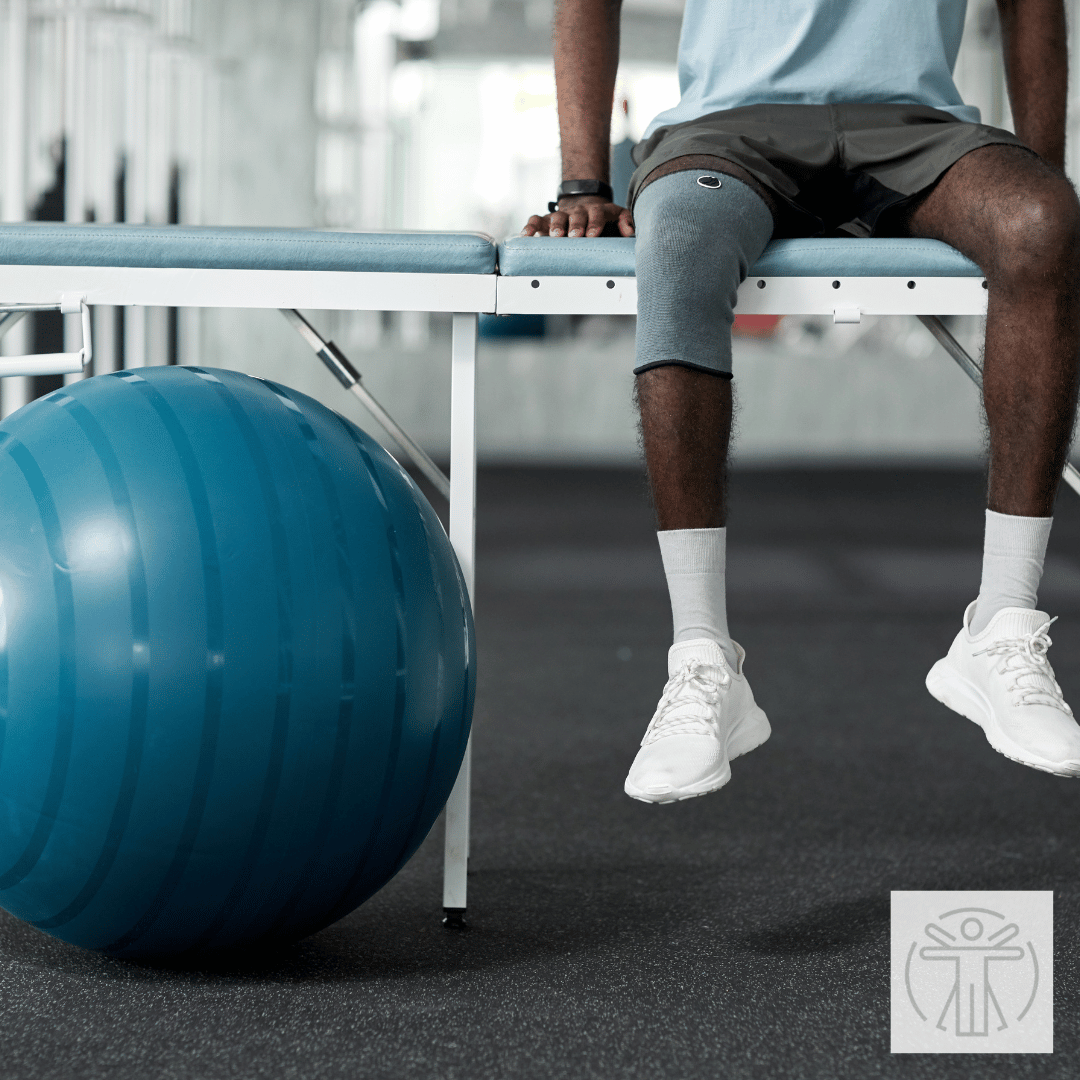
Support is crucial when your body feels strained or tired. Sometimes, external aids like orthotics or braces can provide the necessary support to keep you active.
-
Listen to Pain Points: Discomfort in your feet or knees might require external support to alleviate stress on your joints.
-
Look for Swelling or Fatigue: If certain areas swell or tire quickly, it could be a sign that additional support is needed.
Supportive aids can provide the extra stability your body needs. This can include custom orthotics for your feet or braces for knees and wrists, helping distribute pressure more evenly and reduce pain.
Tailored Solutions for Your Body

Recognising what your body needs is the first step. The next is finding solutions tailored to your unique requirements.
Mobility Enhancements in Port Credit
Improving mobility can be life-changing, especially when tailored to your needs. At MyHealth Care Centre, personalised plans target your specific mobility challenges.
Our approach not only improves your mobility but also integrates it into your daily routine. By focusing on mobility, you can enjoy a more active lifestyle with less pain. Explore more about the importance of mobility at Harvard Health.
Building Strength with Precision
Strengthening your body requires precision and the right approach. Whether you’re recovering from an injury or looking to boost your fitness, a tailored strength program is crucial.
-
Targeted Workouts: We design workouts that match your strength levels and goals.
-
Progressive Techniques: Your program evolves as you gain strength, ensuring continuous improvement.
Strength training is essential for maintaining muscle mass, improving balance, and reducing the risk of injury. It’s about building a solid foundation that supports your entire body.
Supportive Aids for Everyday Life
Supportive aids might be what you need for a more comfortable and active life. We offer various solutions that cater to individual requirements.
With the right support, you can engage in everyday activities with more confidence and less discomfort. Our experts are here to help you find the best aids for your needs.
Embarking on Your Wellness Journey
Starting your wellness journey with the right guidance can make all the difference. Here’s how you can embark on this path effectively.
Personalised Movement Assessments
A thorough movement assessment is key to understanding your body’s needs. At MyHealth Care Centre, we offer assessments tailored to uncover hidden issues.
-
Detailed Analysis: We examine your posture, movement patterns, and any pain points.
-
Actionable Insights: Our assessments provide a clear path forward, helping you make informed decisions.
This assessment is the foundation for designing a plan that truly supports your health and wellness goals.
Integrating Care for Optimal Health
Our integrated approach ensures that all aspects of your health are considered. We combine different therapies to provide comprehensive care.
-
Collaborative Team: Our professionals, from physiotherapists to chiropractors, work together for your benefit.
-
Holistic Plans: We integrate various treatments to address your unique needs efficiently.
This coordination means more effective and streamlined care, helping you achieve and maintain optimal health.
Local Activities and Recovery Preparation
Staying active is vital for health, and Port Credit offers plenty of opportunities to keep moving. Participating in local activities can support your recovery process.
Preparing for these activities with appropriate assessments and support can enhance your experience and prevent injuries.
Frequently Asked Questions
What are mobility exercises?
Mobility exercises are designed to improve the range of motion in your joints and muscles. They help prevent stiffness and enhance flexibility, making daily activities easier.
How can I tell if I need strength training?
If you find routine tasks more challenging than before, or if you tire easily, it might be time to consider strength training to build muscle and improve endurance.
When should I use supportive aids?
Supportive aids like orthotics or braces are beneficial when you experience discomfort, swelling, or fatigue in specific areas of your body, indicating a need for extra support.
Can mobility and strength training be combined?
Yes, combining mobility and strength training provides a comprehensive approach to improving overall fitness and preventing injuries, enhancing both flexibility and muscle power.
What should I expect from a movement assessment?
A movement assessment involves evaluating how you move and identifying any pain points or areas needing improvement. It provides tailored insights for enhancing your health and performance.
Book Online
Aug 10, 2026 | Uncategorized
You’ve pushed your limits on the Waterfront Trail or tackled tough cycling routes along Lakeshore Road. Now, aches or old injuries threaten to slow you down. Integrated care in Port Credit offers a smarter way to recover faster and prevent setbacks. At MyHealth Care Centre, a team of experts works together to tailor a plan that keeps you moving confidently through every local adventure. Explore the benefits of integrated care here.
Integrated Care for Active Lifestyles
Integrated care is your ally against aches and old injuries. By collaborating across disciplines, MyHealth Care Centre offers a smarter approach to recovery. This team effort ensures you get back to your active routine swiftly and safely.
Benefits of Multidisciplinary Approach
Imagine having different health experts on your side. They work together, sharing insights and strategies for your recovery. This teamwork means less time explaining your story and more time getting better. Each expert brings a unique skill, ensuring a rounded approach to your health needs.
Key Services at MyHealth Care Centre
MyHealth Care Centre in Port Credit offers a suite of services under one roof. From physiotherapy and massage therapy to acupuncture and chiropractic care, they cover it all. Each service is designed to address specific health challenges, providing comprehensive care tailored to you.
Personalised Recovery and Prevention Plans
At MyHealth Care Centre, your recovery plan is as unique as you are. After an initial assessment, a customised plan is crafted. This considers your lifestyle, goals, and current health. The aim is to not only recover but to prevent future issues, keeping you on track with your activities.
Supporting Recovery and Preventing Injuries
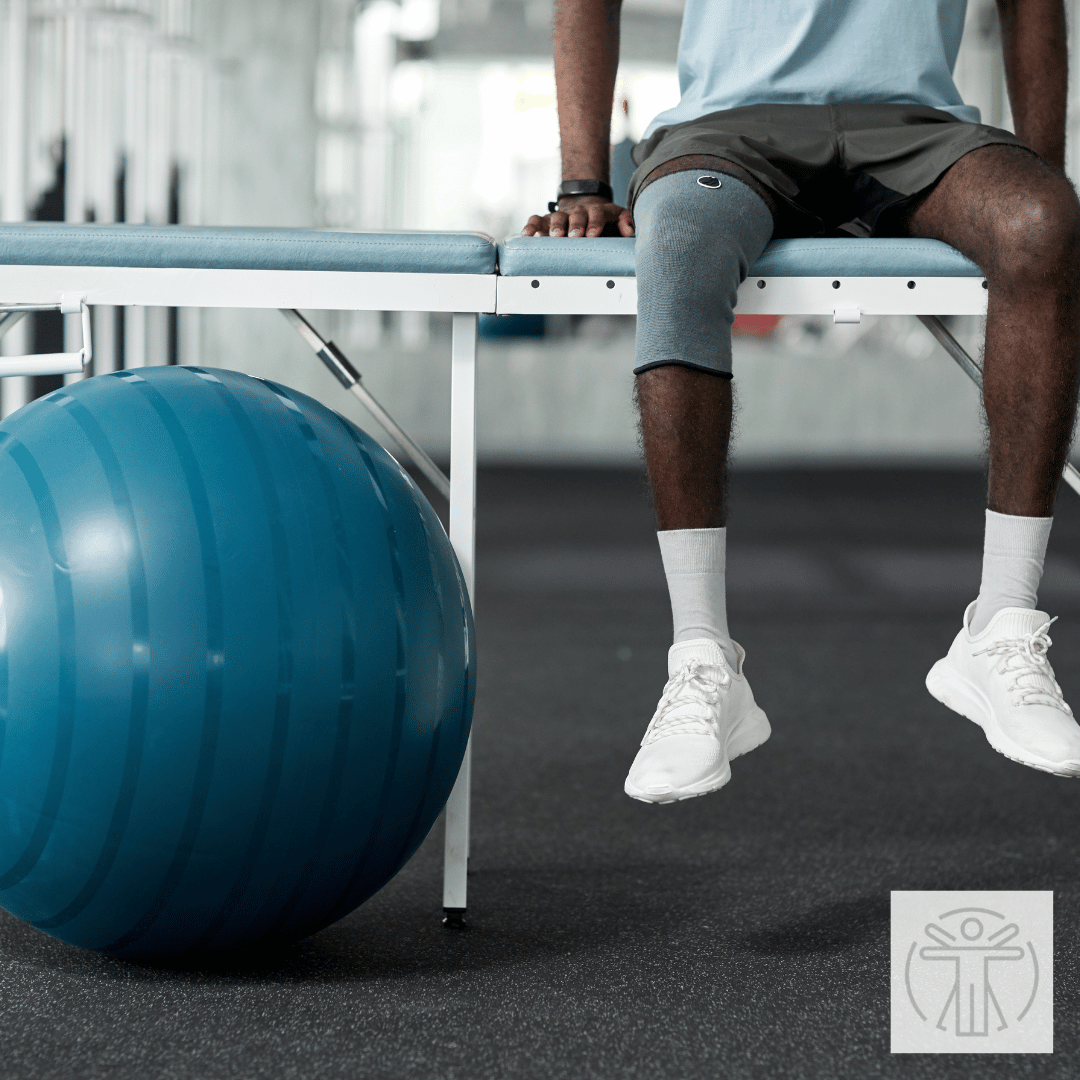
Recovering from an injury is half the battle; preventing the next one is crucial. MyHealth Care Centre focuses on both aspects to keep you active and pain-free.
Physiotherapy and Chiropractic Care
Physiotherapy and chiropractic care are pillars of recovery. Physiotherapy aids in restoring movement and strength, while chiropractic care focuses on spinal health and alignment. Together, they ensure your body functions at its best, reducing the risk of future injuries. Learn more about the benefits of integrated care here.
Role of Massage and Acupuncture
Massage therapy and acupuncture are powerful tools for pain relief and muscle relaxation. Massage eases tension and improves circulation, while acupuncture can alleviate pain and enhance overall well-being. These therapies complement other treatments, ensuring a holistic recovery approach.
Use of Custom Orthotics and Bracing
Custom orthotics and bracing provide essential support for injured or weakened areas. They help in correcting foot mechanics, improving alignment, and enhancing posture. This specialised equipment plays a crucial role in preventing further damage and promoting efficient movement.
Enhancing Local Active Participation

Staying active is important for well-being. With the right care, you can participate in local activities with confidence and joy.
Connecting Care to Local Activities
Local activities like cycling along Lakeshore Road or running the Waterfront Trail are within reach. Care plans at MyHealth Care Centre are designed to connect directly with your active lifestyle, ensuring you can enjoy these activities without setbacks.
Preparing for Safe Return to Sport
After an injury, a safe return to sport is vital. MyHealth Care Centre prepares you with targeted exercises and strategies. This preparation involves gradual progression, ensuring you are ready for the demands of your chosen sport or activity.
Long-Term Strategies for Injury Prevention
Preventing injuries is an ongoing journey. Long-term strategies include regular assessments, strengthening exercises, and lifestyle adjustments. These measures ensure that you remain active and engaged in your favourite activities without the worry of injury.
Frequently Asked Questions
What is integrated care?
Integrated care involves a holistic approach where different healthcare professionals collaborate to treat a patient. It ensures comprehensive care addressing various aspects of health.
How does physiotherapy help in recovery?
Physiotherapy helps restore movement, strength, and function through exercises and manual therapy. It’s crucial for recovering from injuries and preventing future issues.
What are the benefits of massage therapy?
Massage therapy relieves muscle tension, improves circulation, and supports overall relaxation and well-being, making it a valuable part of a recovery plan.
Why should I consider custom orthotics?
Custom orthotics help correct foot mechanics, improve posture, and prevent injuries by providing proper support and alignment.
How can I safely return to sports after an injury?
A safe return involves gradual progression, targeted exercises, and professional guidance to ensure readiness for the demands of your sport.
Book Online
Aug 9, 2026 | Uncategorized
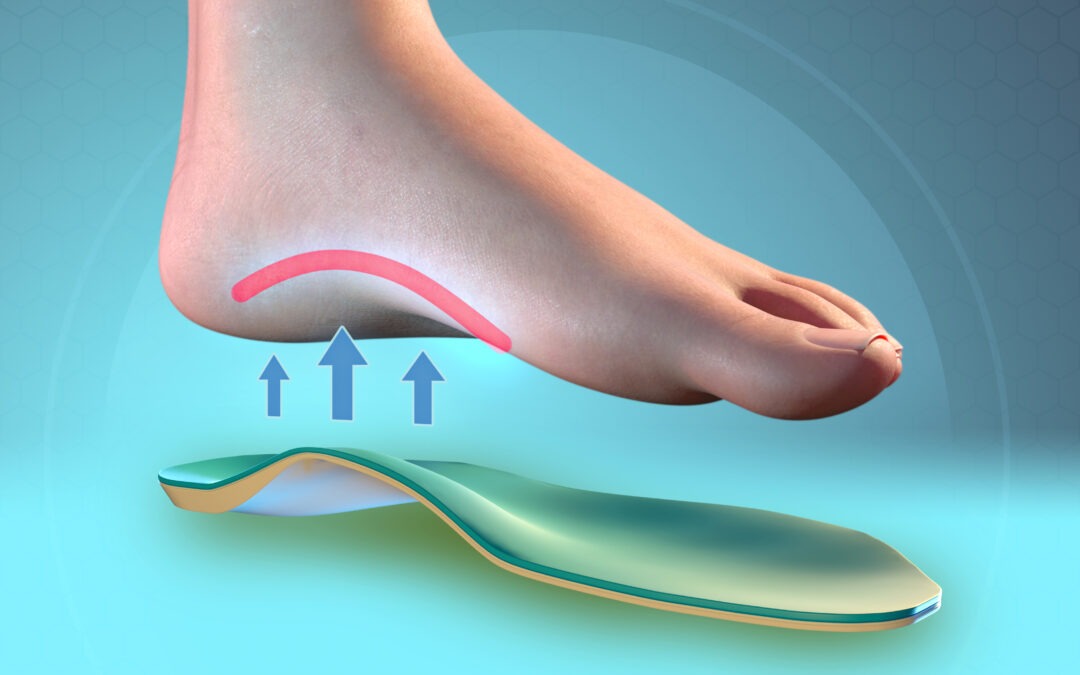
Foot pain can sneak up on you, slowing down even the most active days in Port Credit and Mississauga. When your feet aren’t supported right, aches and niggles start to affect how you move—and that’s where custom orthotics come in. In this post, you’ll learn how tailored foot support can ease pain, improve your alignment, and help you stay active without limits. Learn more about custom solutions here.
Understanding Custom Orthotics
When you think about custom orthotics, you’re considering a world of comfort and support for your feet. Let’s explore what makes these orthotics unique and why they matter for your daily life.
What Are Custom Orthotics?
Custom orthotics are specially made shoe inserts designed to fit the unique shape of your feet. Unlike generic insoles, these are crafted after a detailed assessment. This means they are tailored just for you, offering support where you need it most. Whether you have flat feet or high arches, custom orthotics can make a difference. They help in alleviating conditions like plantar fasciitis or heel pain, supporting your feet in the best way possible.
Importance of Foot Support
The foundation of your body’s movement starts with your feet. Proper foot support can prevent common issues like overpronation or supination. By stabilizing your feet, custom orthotics promote better posture and alignment. This, in turn, reduces strain on your knees, hips, and back. Imagine moving through your day without pain — that’s what effective foot support can offer.
Who Benefits From Orthotics?
Custom orthotics are beneficial for everyone, from athletes to those with everyday foot discomfort. If you spend long hours on your feet, suffer from knee pain when running, or have specific conditions like bunions, you might find relief with custom inserts. They also aid those recovering from injuries by enabling better movement patterns.
Assessment and Integration
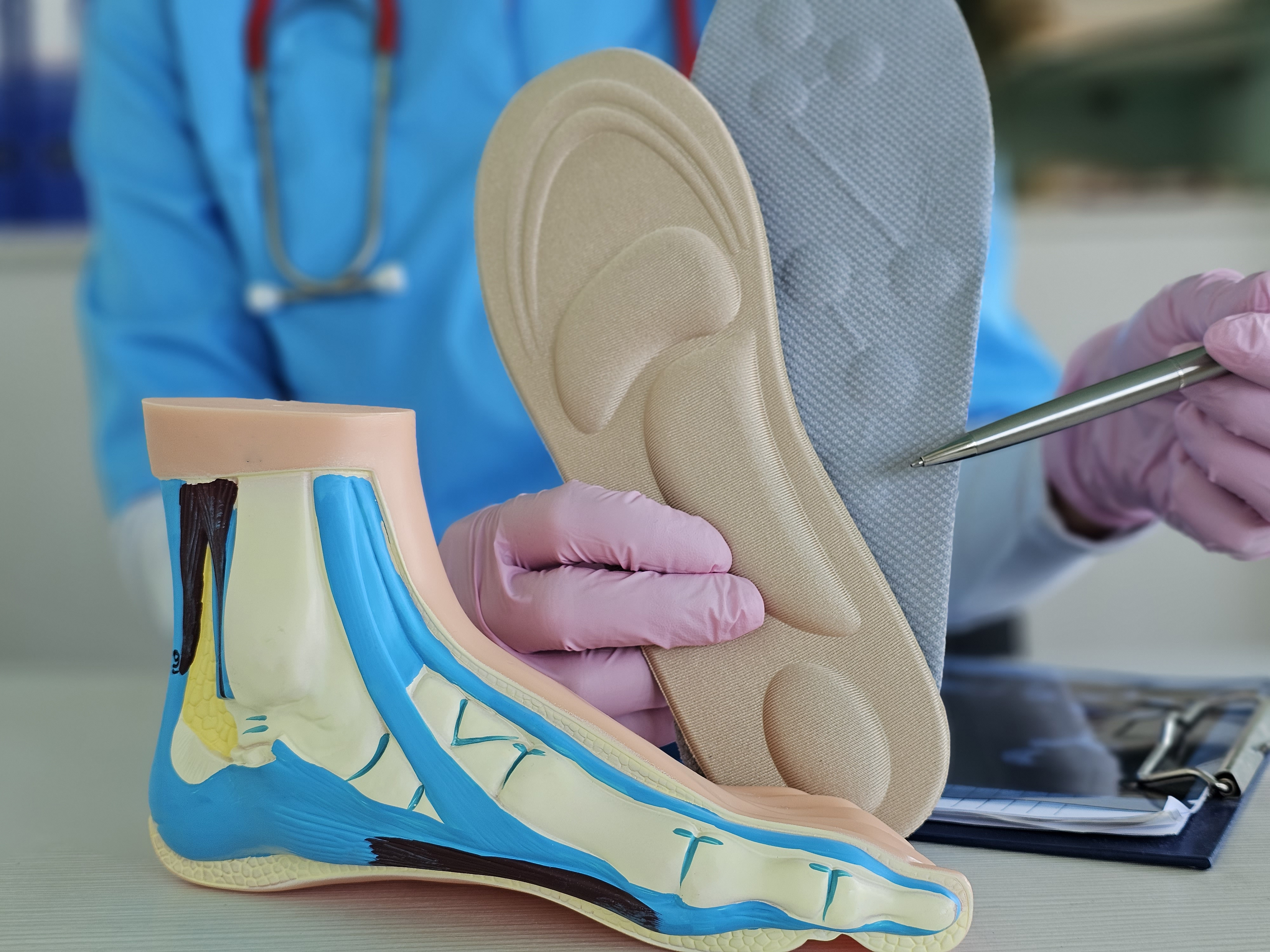
Understanding how orthotics work involves knowing the process behind them. This section will cover how assessments are performed and how orthotics fit into broader therapies.
Orthotic Assessment Process
The path to obtaining custom orthotics starts with a thorough assessment. This involves a detailed examination of your foot shape, gait, and how you walk. Specialists use tools like gait analysis to understand your movement patterns. This process ensures that the orthotics address your specific concerns. After the evaluation, orthotics are made to fit your needs, enhancing comfort and mobility.
Combining Orthotics With Therapies
Orthotics work best when paired with other treatments like physiotherapy, chiropractic, or massage therapy. These therapies support healing by addressing muscle imbalances and improving joint function. Together, they form a comprehensive approach, promoting overall well-being and preventing further injuries.
Role of Gait Analysis
Gait analysis plays a crucial role in creating effective orthotics. It helps specialists observe how your body moves, identifying any irregularities in your stride. By addressing these, orthotics can improve your biomechanics, leading to better balance and reduced pain. Understanding your gait allows for more targeted and efficient support.
Enhancing Movement and Reducing Pain
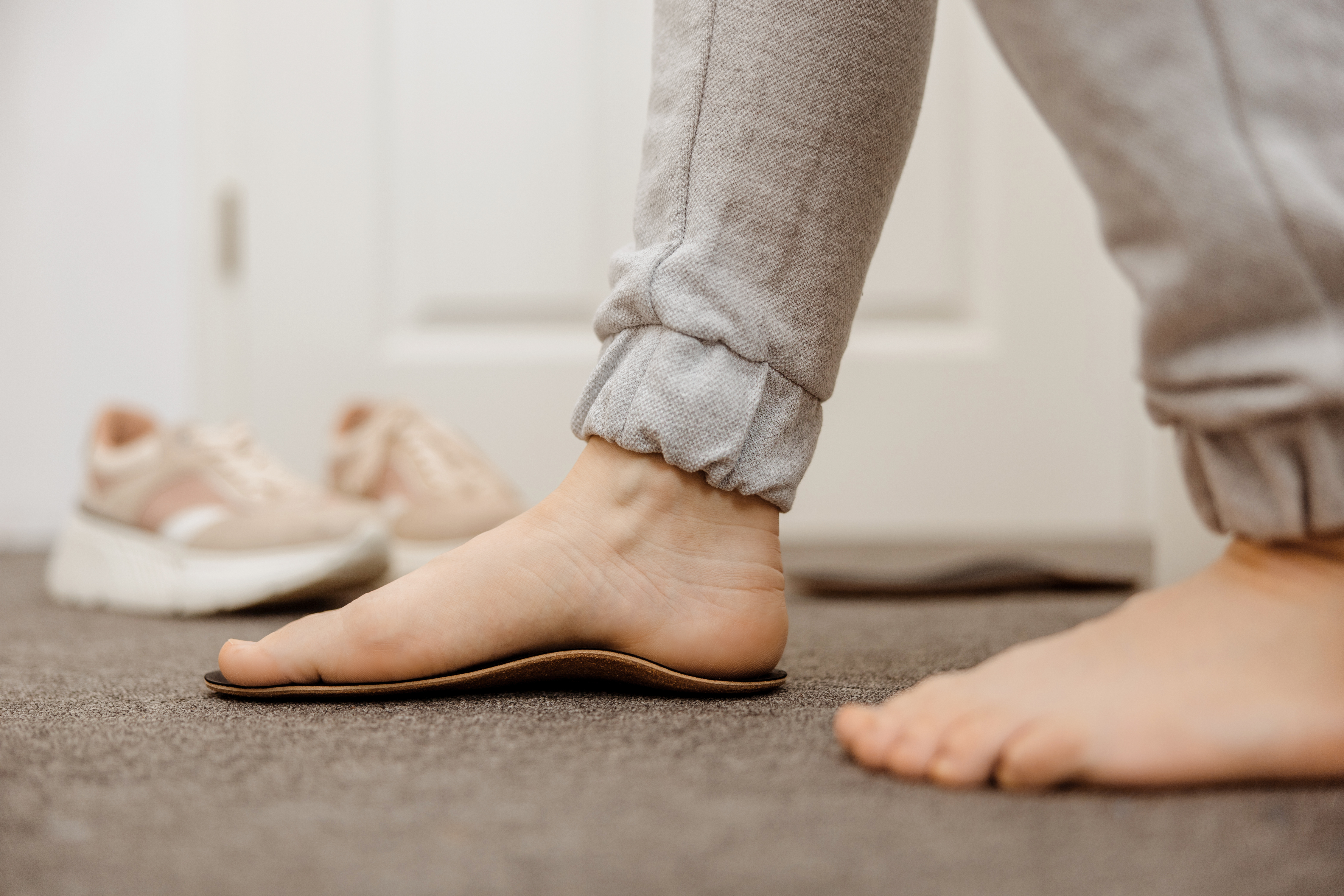
Orthotics can transform how you move by improving alignment and tackling pain. This section explores their benefits on daily activities and sports.
Improving Biomechanics and Alignment
Custom orthotics can correct biomechanical issues, enhancing how your body aligns during movement. They distribute pressure evenly across your feet, which can alleviate discomfort in your knees, hips, and lower back. This improved alignment leads to a smoother, more comfortable stride whether you’re walking to the store or jogging along the Waterfront Trail.
Addressing Common Foot Issues
Many people suffer from conditions like shin splints, Morton’s neuroma, or Achilles tendon pain. Custom orthotics can provide relief by offering targeted support and cushioning. This can reduce inflammation and prevent further strain, allowing you to stay active without pain.
Custom Orthotics for Active Lifestyles
For those who lead active lifestyles, orthotics can be a game-changer. They offer the support needed for sports like running, sailing, and skating, absorbing shock and enhancing stability. This not only helps improve performance but also reduces the risk of injury, keeping you on your feet and doing what you love.
Frequently Asked Questions
What are custom orthotics used for?
Custom orthotics are designed to support the unique contours of your feet, addressing issues like flat feet, high arches, or plantar fasciitis. They can relieve pain, improve posture, and enhance movement efficiency.
How do I know if I need orthotics?
If you experience consistent foot pain, unexplained knee or hip discomfort, or have difficulties with balance or gait, you may benefit from orthotics. A professional assessment can determine your specific needs.
Can orthotics help with sports performance?
Yes, orthotics can significantly impact sports performance by providing stability and shock absorption. They help maintain proper alignment, which can enhance your movement and reduce injury risks.
How long do custom orthotics last?
Custom orthotics typically last between one to two years, depending on usage and care. Regular check-ups ensure they remain effective and address any changes in your foot or gait mechanics.
Are there any side effects to wearing orthotics?
Some people might experience mild discomfort during the initial adjustment period as their body adapts to the new support. However, this typically subsides as your feet adjust to the orthotics.
Book Online
Aug 8, 2026 | Uncategorized
Foot pain, knee aches, or lower back stiffness can quietly sap your energy during a run along the Waterfront Trail or after a day at the Port Credit Yacht Club. Most people don’t realise that how your feet hit the ground affects your entire body’s movement and comfort. Custom orthotics in Port Credit can correct those subtle imbalances, easing strain from your feet right up to your hips and back. Let’s explore how tailored foot support helps you move smoother and stay active without pain. [https://my.clevelandclinic.org/health/treatments/orthotics]
Understanding Custom Orthotics
Have you ever felt discomfort while walking or running? You might be surprised how much custom orthotics can help. These specialised shoe inserts can improve the way you move and feel every day.
What Are Custom Orthotics?
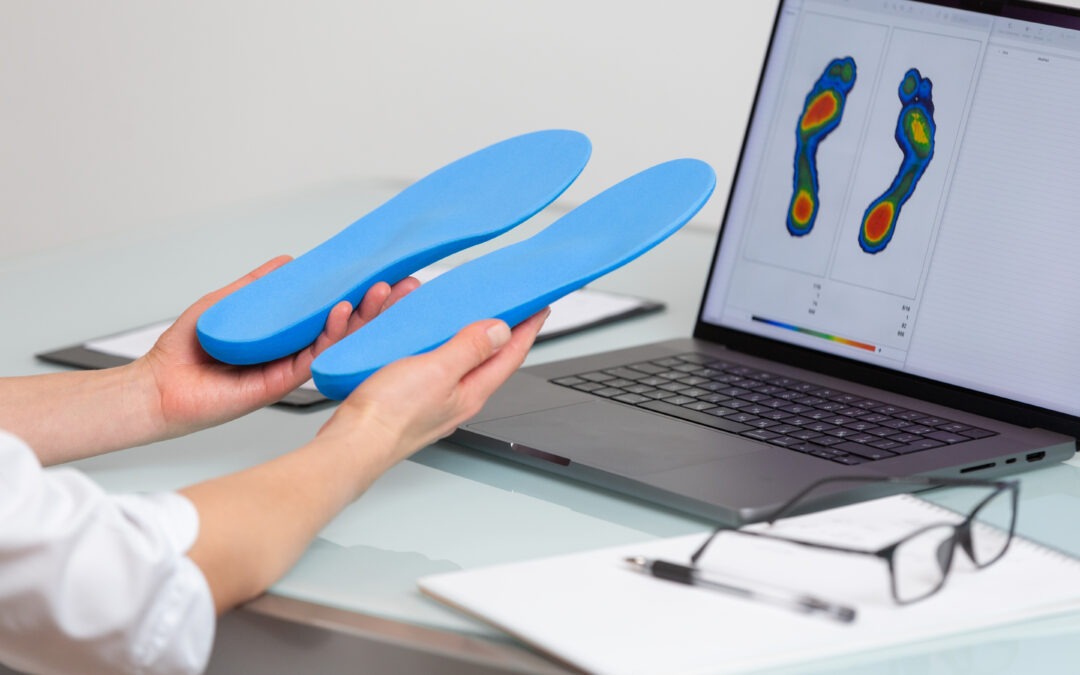
Custom orthotics are specially crafted shoe inserts made to fit the unique shape of your feet. Unlike generic insoles, they are designed based on your specific needs and foot structure. These inserts provide support where your feet need it most, helping to distribute pressure evenly across your foot. The result is a more comfortable and stable step, reducing discomfort and preventing injuries like plantar fasciitis and flat feet.
Benefits of Custom Orthotics
The primary benefit of custom orthotics is pain relief. By offering tailored support, they can help alleviate pain not only in your feet but also in your knees, hips, and lower back. This is because proper foot alignment can have a positive effect on your entire body’s posture. Additionally, they can enhance your overall mobility by allowing you to walk, run, and stand more comfortably. Whether you’re an athlete, a busy professional, or someone who simply enjoys an active lifestyle, custom orthotics can be a game-changer.
Who Needs Custom Orthotics?
Custom orthotics are beneficial for anyone experiencing foot pain or discomfort. They’re particularly useful if you have conditions such as overpronation, supination, or flat feet. If you notice pain during daily activities or after exercising, it might be time to consider custom orthotics. Even if you’re not in pain, they can still help prevent future issues by providing the right support for your feet.
The Science Behind Better Foot Support
Understanding the science behind orthotics can help you see why they are so effective. Let’s delve into how these inserts can improve your overall movement.
How Orthotics Improve Alignment
Orthotics work by aligning your feet to their natural position. This alignment helps in distributing your weight evenly, reducing unnecessary strain on certain parts of your feet, ankles, and legs. Proper alignment not only improves your posture but also makes your movement more efficient. This means you expend less energy and experience less fatigue, allowing you to stay active longer.
Reducing Strain Up the Kinetic Chain
The impact of custom orthotics extends beyond your feet. By correcting foot alignment, they reduce strain on your knees and hips. This is because when your feet are properly supported, your entire kinetic chain—from your feet up to your spine—functions more smoothly. This can be particularly beneficial if you experience knee pain or hip discomfort during activities like running or cycling.
Supporting Pain-Free Activity
Imagine engaging in your favourite activities without worrying about pain. Custom orthotics can make this possible by providing the support your feet need. They absorb shock and reduce the impact on your joints, which is especially important for those engaged in high-impact sports or who spend long hours on their feet. With the right support, you can enjoy pain-free activity and improved performance in your daily life.
Getting Assessed at MyHealth Care Centre
Finding the right orthotics begins with a professional assessment. At MyHealth Care Centre, we ensure you get the perfect fit.
Comprehensive Gait Analysis Explained
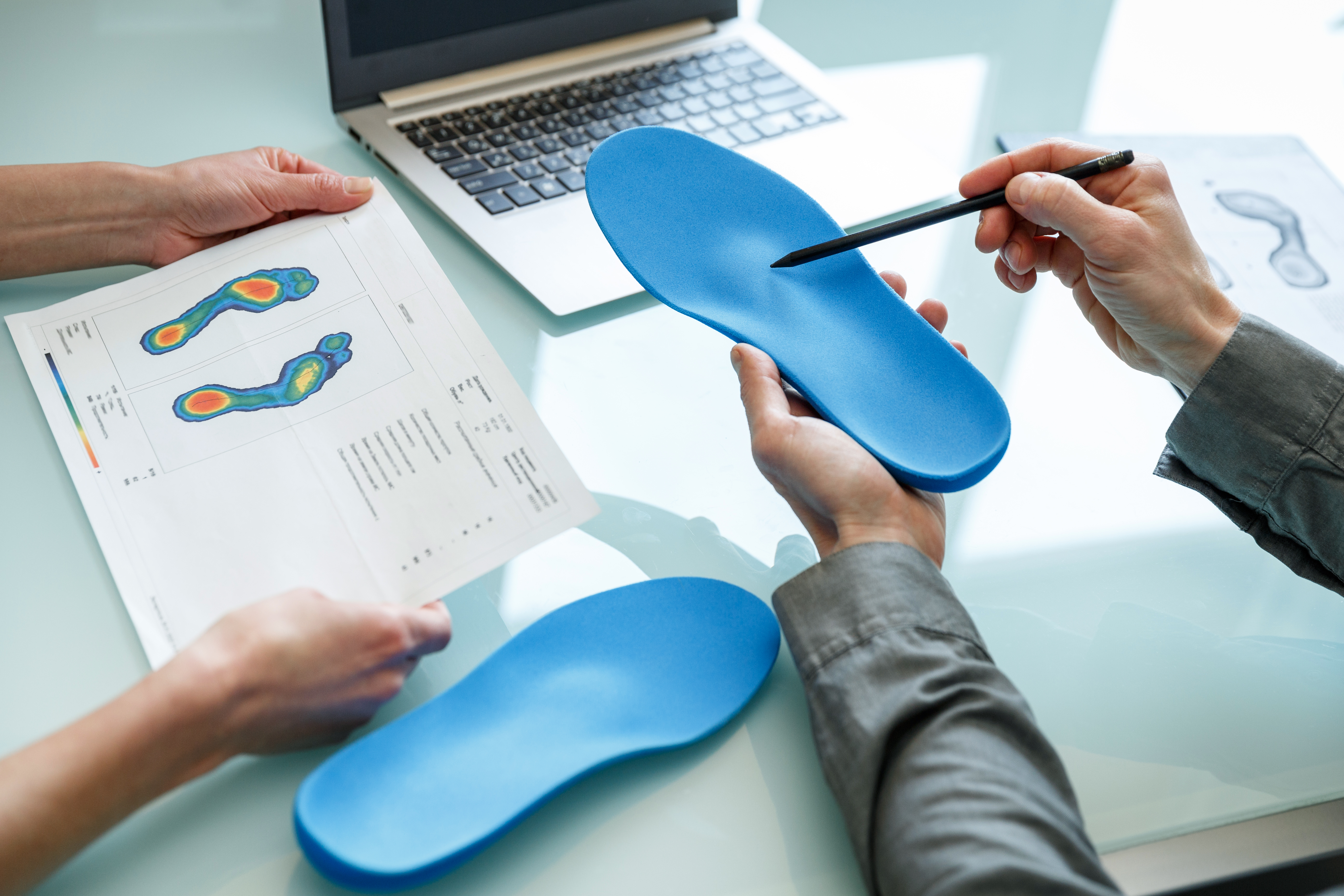
Our process starts with a thorough gait analysis. This involves observing how you walk or run to identify any irregularities in your movement patterns. By understanding how your feet interact with the ground, we can determine the exact support your feet need. This analysis is crucial as it forms the foundation for creating custom orthotics that truly benefit you.
The Custom Orthotics Fitting Process
Once your needs are assessed, we move on to the fitting process. This involves taking precise measurements of your feet to craft orthotics that fit perfectly. These inserts are made from durable materials to ensure they provide long-lasting support. The fitting process is quick and ensures that the orthotics will offer the maximum benefit for your specific requirements.
Footwear Pairing and Care Tips
Your orthotics will work best when paired with the right footwear. At MyHealth Care Centre, we guide you on choosing shoes that complement your orthotics. It’s also important to care for your orthotics properly. This includes regular cleaning and checking for wear to ensure they continue to provide optimal support. With the right care, your orthotics can last for years, providing you with ongoing comfort and support.
Frequently Asked Questions
What conditions can custom orthotics help with?
Custom orthotics can assist with conditions like plantar fasciitis, flat feet, overpronation, and supination. They provide the necessary support to alleviate pain and improve foot function.
How long do custom orthotics last?
Typically, custom orthotics last between one to five years, depending on wear and tear. Regular checks can help ensure they remain effective.
Can I use custom orthotics in any shoe?
While custom orthotics are versatile, they work best in shoes that accommodate their size. It’s important to choose footwear that complements your orthotics for optimal comfort and support.
Book Online
Aug 3, 2026 | Uncategorized
Feeling stiff after a run on the Waterfront Trail or sore after a long day at your desk in Mississauga? It’s tricky to know if your body craves more mobility, strength, or just better support. Getting this right can stop small aches from turning into bigger issues. At MyHealth Care Centre in Port Credit, our team helps you pinpoint exactly what your body needs with a tailored plan that fits your active lifestyle. Find out how to improve your strength and flexibility here.
Understanding Your Body’s Needs
Do you ever wonder if your body needs more flexibility or muscle power? Knowing what it truly needs is the first step to feeling better.
Mobility vs Strength: Key Differences
Mobility and strength are not the same. Mobility is about how easily your joints can move through their range of motion. Think about reaching for a high shelf or bending to tie your shoes. If these actions feel tight or restricted, mobility could be your focus. On the other hand, strength refers to how much force your muscles can exert. It’s what helps you carry groceries or lift a heavy object. Without enough strength, even simple tasks can become tiring.
For many, a balance of both is ideal. Yet, pinpointing which one is lagging can make a big difference. Sometimes, people think they need to stretch more when they actually need to build strength. Or they might hit the gym hard when gentle stretching could be the answer.
Recognising When You Need Support
Support might be the missing piece in your health puzzle. If you feel pain in your feet or knees during activities, custom orthotics might help. These are special shoe inserts designed to support your feet and improve alignment. Similarly, compression socks can boost circulation and reduce swelling. If joint pain is a regular issue, bracing could be beneficial. It offers stability and reduces strain on the affected area.
Support is not just for athletes. Desk workers, elderly individuals, and those recovering from injuries can all benefit. The key is to listen to your body. If discomfort lingers or affects your daily routine, extra support might be needed.
Simple Self-Checks for Assessment
Understanding your body’s needs starts at home. Simple self-checks can give you insights into your flexibility, strength, and need for support.
Testing Your Flexibility at Home
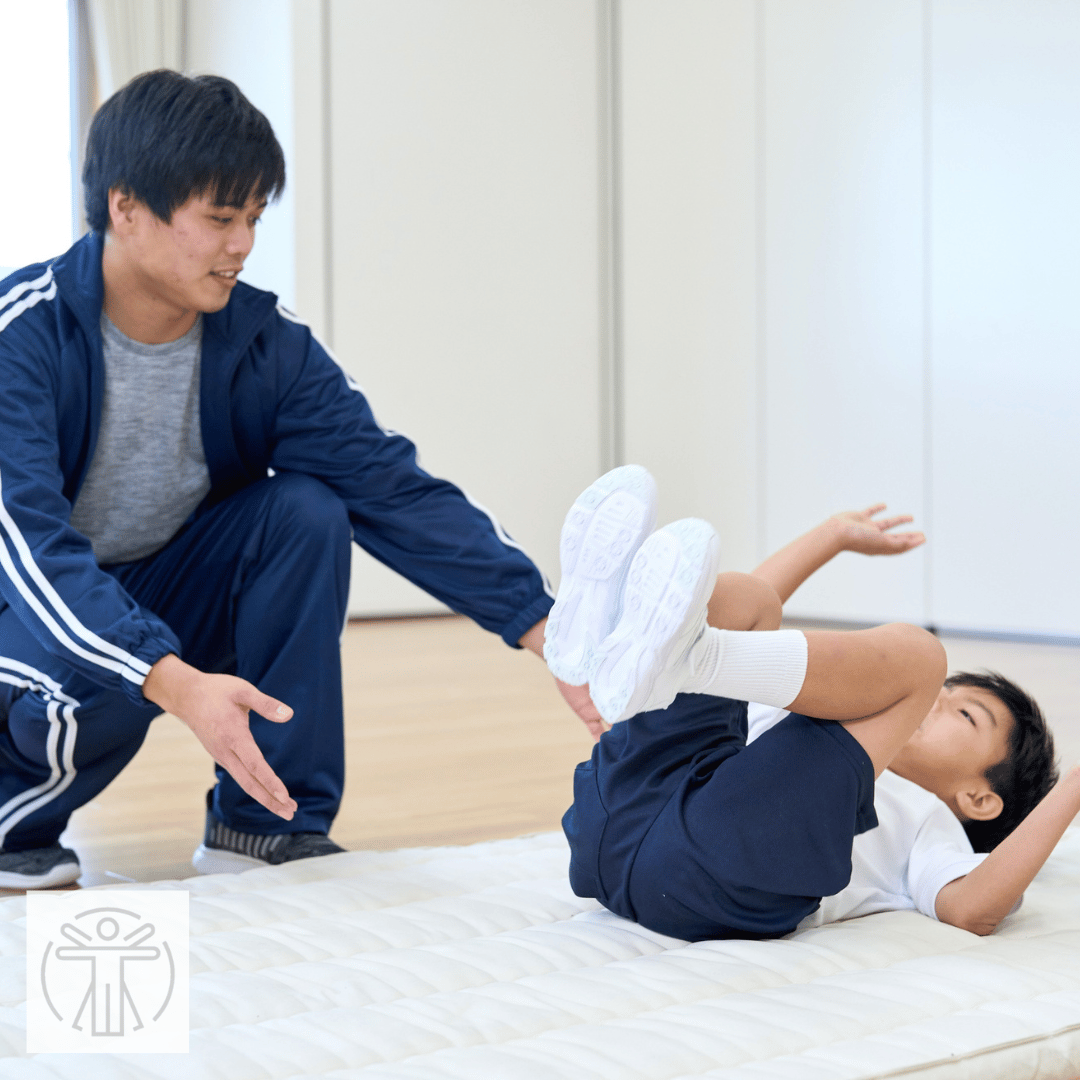
Flexibility tests are easy to do. Stand tall and try to touch your toes. Can you reach them without bending your knees? If not, your hamstrings might be tight. Try sitting on the floor with your legs outstretched. Can you reach past your toes? If you can’t, it’s a sign to work on your flexibility. Remember, flexibility supports your daily movements and prevents injuries.
Daily stretches can help improve your range of motion. Focus on key areas like your back, legs, and shoulders. Consistency is key. Over time, you’ll notice your movements becoming more fluid.
Identifying Weaknesses and Strengths
Spotting your strengths and weaknesses is crucial. Try a simple squat. Can you lower yourself without your knees buckling inward? If you struggle to maintain balance, your leg muscles may need strengthening. Push-ups are another good test. Can you do a few with proper form? If not, focus on building upper body strength.
Keeping a workout log can help track your progress. Set small goals and celebrate the milestones. Over time, you’ll see improvements in both strength and confidence.
Spotting Signs for Orthotics or Bracing
Is foot or knee pain a constant companion? This could signal a need for orthotics. Custom orthotics in Mississauga are designed to fit your unique foot shape. If you wobble during activities, a brace might offer the necessary support.
Check if your shoes wear unevenly. This is a common sign of misalignment. If aches persist, consider consulting a professional for tailored advice. They can provide solutions that fit your lifestyle and needs.
Personalised Care at MyHealth Care Centre

At MyHealth Care Centre, we believe in personalised care. Our team evaluates your specific needs and designs a plan just for you.
Comprehensive Movement Assessment
Understanding your body’s movement is vital. Our comprehensive assessments look at how you move, where you experience pain, and what might be causing it. This isn’t just about diagnosis. It’s about creating a roadmap to better health.
After assessing your movement, we craft a plan tailored to you. This might include exercises, stretches, or support tools. Each recommendation aims to restore function and boost confidence in daily activities.
Benefits of Integrated Health Solutions
Our integrated approach means you get the best of many worlds. Physiotherapy, chiropractic, and massage therapy in Port Credit all work together. This ensures a seamless experience where each treatment complements the other. By coordinating care, we address issues more effectively and shorten recovery time.
The benefits of this approach are clear. Patients often find faster relief and improved function. The collaborative effort ensures no stone is left unturned in your recovery.
Booking Your Appointment in Port Credit
Ready to start your journey to better health? Booking an appointment is easy. Our Port Credit location offers a welcoming environment with experts ready to guide you. From your first visit, you’ll know you’re in caring hands. Our focus is on you and your needs.
Investing in your health is the best decision. Whether it’s mobility, strength, or support, we have the solutions. Don’t wait for issues to grow. Take charge of your well-being today.
Frequently Asked Questions
What is the difference between mobility and flexibility?
Mobility refers to the range of motion in your joints, while flexibility involves the ability of your muscles to stretch. Both are important for ease of movement and injury prevention.
When should I consider getting custom orthotics?
Consider custom orthotics if you experience frequent foot, knee, or lower back pain. They help improve alignment and reduce stress on your feet during activities.
How often should I stretch to improve flexibility?
Stretching a few times a week can enhance flexibility. Focus on major muscle groups and hold each stretch for about 30 seconds for best results.
What are the benefits of using compression socks?
Compression socks improve circulation, reduce swelling, and can prevent blood clots. They’re especially beneficial for individuals who stand or sit for long periods.
How can I strengthen my muscles at home?
Bodyweight exercises like push-ups, squats, and lunges are effective for building strength at home. Consistency and proper form are key to seeing improvements.
Book Online
