Aug 3, 2026 | Uncategorized
Feeling stiff after a run on the Waterfront Trail or sore after a long day at your desk in Mississauga? It’s tricky to know if your body craves more mobility, strength, or just better support. Getting this right can stop small aches from turning into bigger issues. At MyHealth Care Centre in Port Credit, our team helps you pinpoint exactly what your body needs with a tailored plan that fits your active lifestyle. Find out how to improve your strength and flexibility here.
Understanding Your Body’s Needs
Do you ever wonder if your body needs more flexibility or muscle power? Knowing what it truly needs is the first step to feeling better.
Mobility vs Strength: Key Differences
Mobility and strength are not the same. Mobility is about how easily your joints can move through their range of motion. Think about reaching for a high shelf or bending to tie your shoes. If these actions feel tight or restricted, mobility could be your focus. On the other hand, strength refers to how much force your muscles can exert. It’s what helps you carry groceries or lift a heavy object. Without enough strength, even simple tasks can become tiring.
For many, a balance of both is ideal. Yet, pinpointing which one is lagging can make a big difference. Sometimes, people think they need to stretch more when they actually need to build strength. Or they might hit the gym hard when gentle stretching could be the answer.
Recognising When You Need Support
Support might be the missing piece in your health puzzle. If you feel pain in your feet or knees during activities, custom orthotics might help. These are special shoe inserts designed to support your feet and improve alignment. Similarly, compression socks can boost circulation and reduce swelling. If joint pain is a regular issue, bracing could be beneficial. It offers stability and reduces strain on the affected area.
Support is not just for athletes. Desk workers, elderly individuals, and those recovering from injuries can all benefit. The key is to listen to your body. If discomfort lingers or affects your daily routine, extra support might be needed.
Simple Self-Checks for Assessment
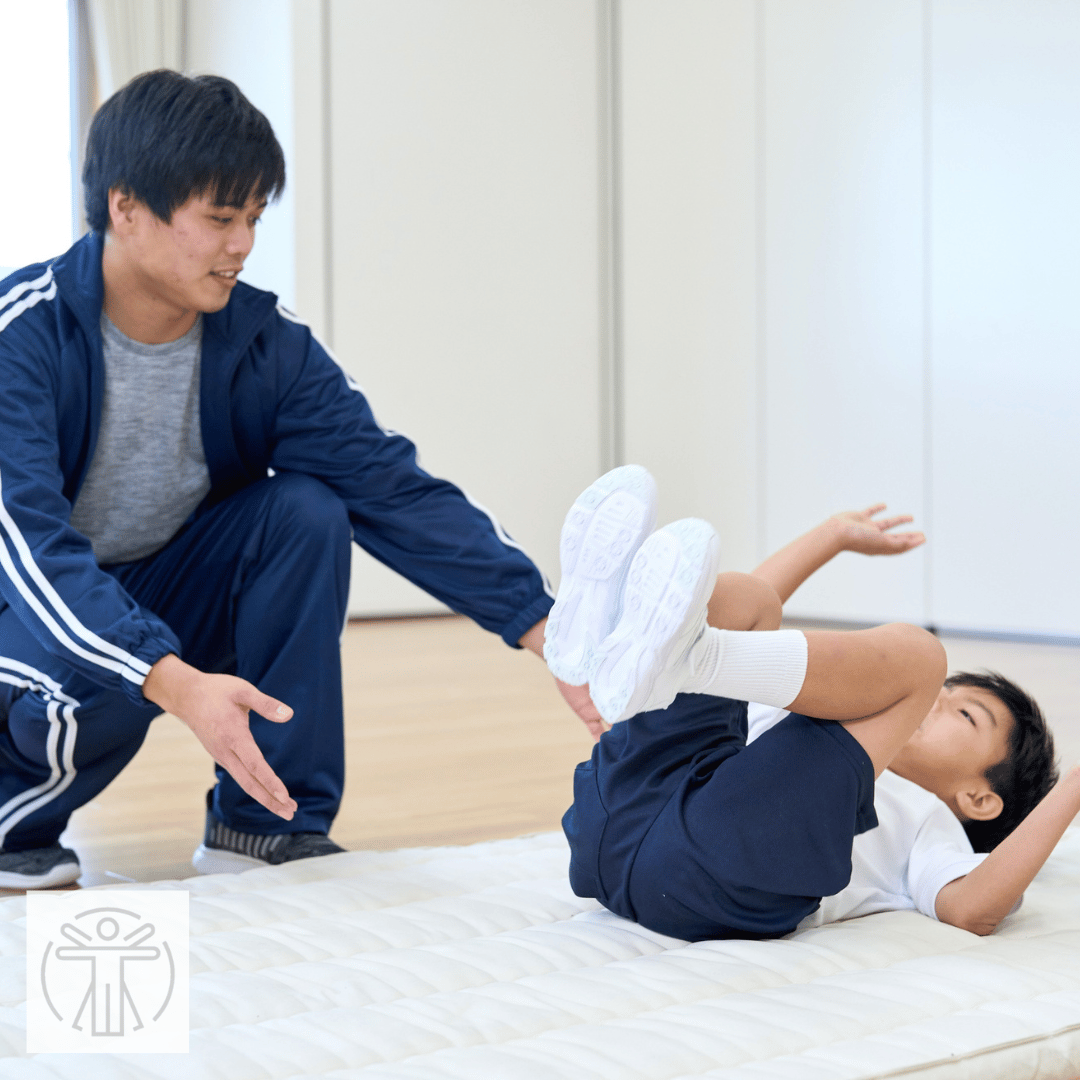
Understanding your body’s needs starts at home. Simple self-checks can give you insights into your flexibility, strength, and need for support.
Testing Your Flexibility at Home
Flexibility tests are easy to do. Stand tall and try to touch your toes. Can you reach them without bending your knees? If not, your hamstrings might be tight. Try sitting on the floor with your legs outstretched. Can you reach past your toes? If you can’t, it’s a sign to work on your flexibility. Remember, flexibility supports your daily movements and prevents injuries.
Daily stretches can help improve your range of motion. Focus on key areas like your back, legs, and shoulders. Consistency is key. Over time, you’ll notice your movements becoming more fluid.
Identifying Weaknesses and Strengths
Spotting your strengths and weaknesses is crucial. Try a simple squat. Can you lower yourself without your knees buckling inward? If you struggle to maintain balance, your leg muscles may need strengthening. Push-ups are another good test. Can you do a few with proper form? If not, focus on building upper body strength.
Keeping a workout log can help track your progress. Set small goals and celebrate the milestones. Over time, you’ll see improvements in both strength and confidence.
Spotting Signs for Orthotics or Bracing
Is foot or knee pain a constant companion? This could signal a need for orthotics. Custom orthotics in Mississauga are designed to fit your unique foot shape. If you wobble during activities, a brace might offer the necessary support.
Check if your shoes wear unevenly. This is a common sign of misalignment. If aches persist, consider consulting a professional for tailored advice. They can provide solutions that fit your lifestyle and needs.
Personalised Care at MyHealth Care Centre
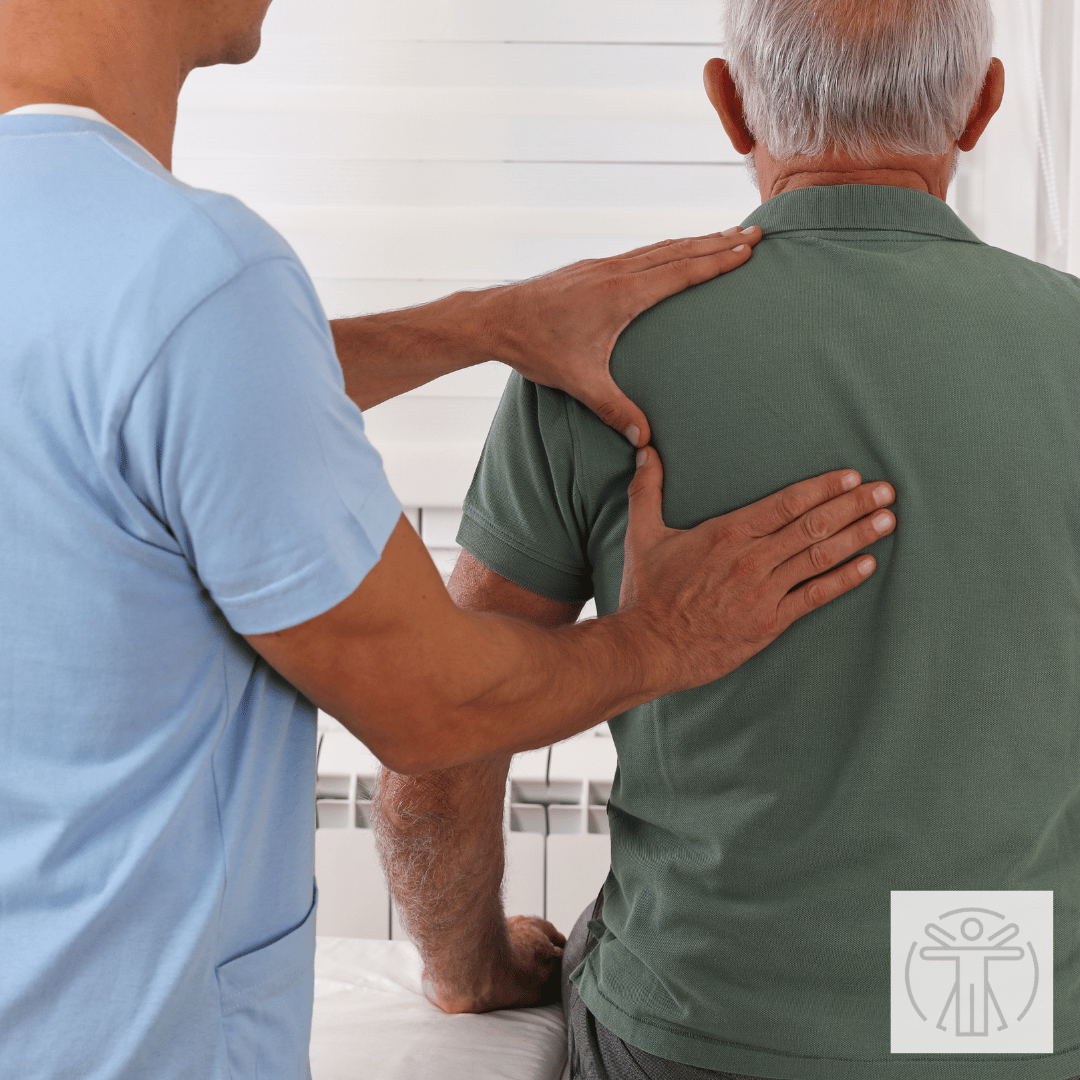
At MyHealth Care Centre, we believe in personalised care. Our team evaluates your specific needs and designs a plan just for you.
Comprehensive Movement Assessment
Understanding your body’s movement is vital. Our comprehensive assessments look at how you move, where you experience pain, and what might be causing it. This isn’t just about diagnosis. It’s about creating a roadmap to better health.
After assessing your movement, we craft a plan tailored to you. This might include exercises, stretches, or support tools. Each recommendation aims to restore function and boost confidence in daily activities.
Benefits of Integrated Health Solutions
Our integrated approach means you get the best of many worlds. Physiotherapy, chiropractic, and massage therapy in Port Credit all work together. This ensures a seamless experience where each treatment complements the other. By coordinating care, we address issues more effectively and shorten recovery time.
The benefits of this approach are clear. Patients often find faster relief and improved function. The collaborative effort ensures no stone is left unturned in your recovery.
Booking Your Appointment in Port Credit
Ready to start your journey to better health? Booking an appointment is easy. Our Port Credit location offers a welcoming environment with experts ready to guide you. From your first visit, you’ll know you’re in caring hands. Our focus is on you and your needs.
Investing in your health is the best decision. Whether it’s mobility, strength, or support, we have the solutions. Don’t wait for issues to grow. Take charge of your well-being today.
Frequently Asked Questions
What is the difference between mobility and flexibility?
Mobility refers to the range of motion in your joints, while flexibility involves the ability of your muscles to stretch. Both are important for ease of movement and injury prevention.
When should I consider getting custom orthotics?
Consider custom orthotics if you experience frequent foot, knee, or lower back pain. They help improve alignment and reduce stress on your feet during activities.
How often should I stretch to improve flexibility?
Stretching a few times a week can enhance flexibility. Focus on major muscle groups and hold each stretch for about 30 seconds for best results.
What are the benefits of using compression socks?
Compression socks improve circulation, reduce swelling, and can prevent blood clots. They’re especially beneficial for individuals who stand or sit for long periods.
How can I strengthen my muscles at home?
Bodyweight exercises like push-ups, squats, and lunges are effective for building strength at home. Consistency and proper form are key to seeing improvements.
Book Online
Aug 2, 2026 | Uncategorized
Recovery after an injury or surgery shouldn’t feel like a maze. For active adults in Port Credit, integrated care offers a straightforward path by bringing physiotherapy, chiropractic, massage therapy, and other treatments together under one roof. This team approach cuts down on extra appointments and mixed messages, helping you return to the Waterfront Trail, the Port Credit Yacht Club, or your gym routine sooner and with more confidence. Let’s explore how integrated care Port Credit simplifies your healing process.
Integrated Care for Active Recovery
Unlocking the full potential of your recovery means streamlining your healthcare. Integrated care in Port Credit offers just that by combining several treatments into one cohesive plan.
Streamline Your Healthcare Journey
Imagine not having to juggle multiple appointments. Integrated care takes away this stress by coordinating everything for you. With all your practitioners working together, your path to recovery becomes clearer and more efficient. This approach not only saves time but also ensures that you receive a comprehensive plan tailored to your needs.
Collaborative Model Benefits
When your healthcare team communicates, you benefit. Each practitioner contributes their expertise to your recovery journey, ensuring you get the best of every treatment. This collaborative model reduces the chances of miscommunication and conflicting advice. In the end, it’s about creating a seamless experience that speeds up your return to activities like running or sailing.
Simplify Your Appointments
By bringing physiotherapy, chiropractic care, and massage therapy under one roof, your appointments become simpler. No more wondering if one treatment is affecting another negatively. Integrated care ensures every session supports your overall recovery plan, making each appointment count.
Personalised Treatment Programmes
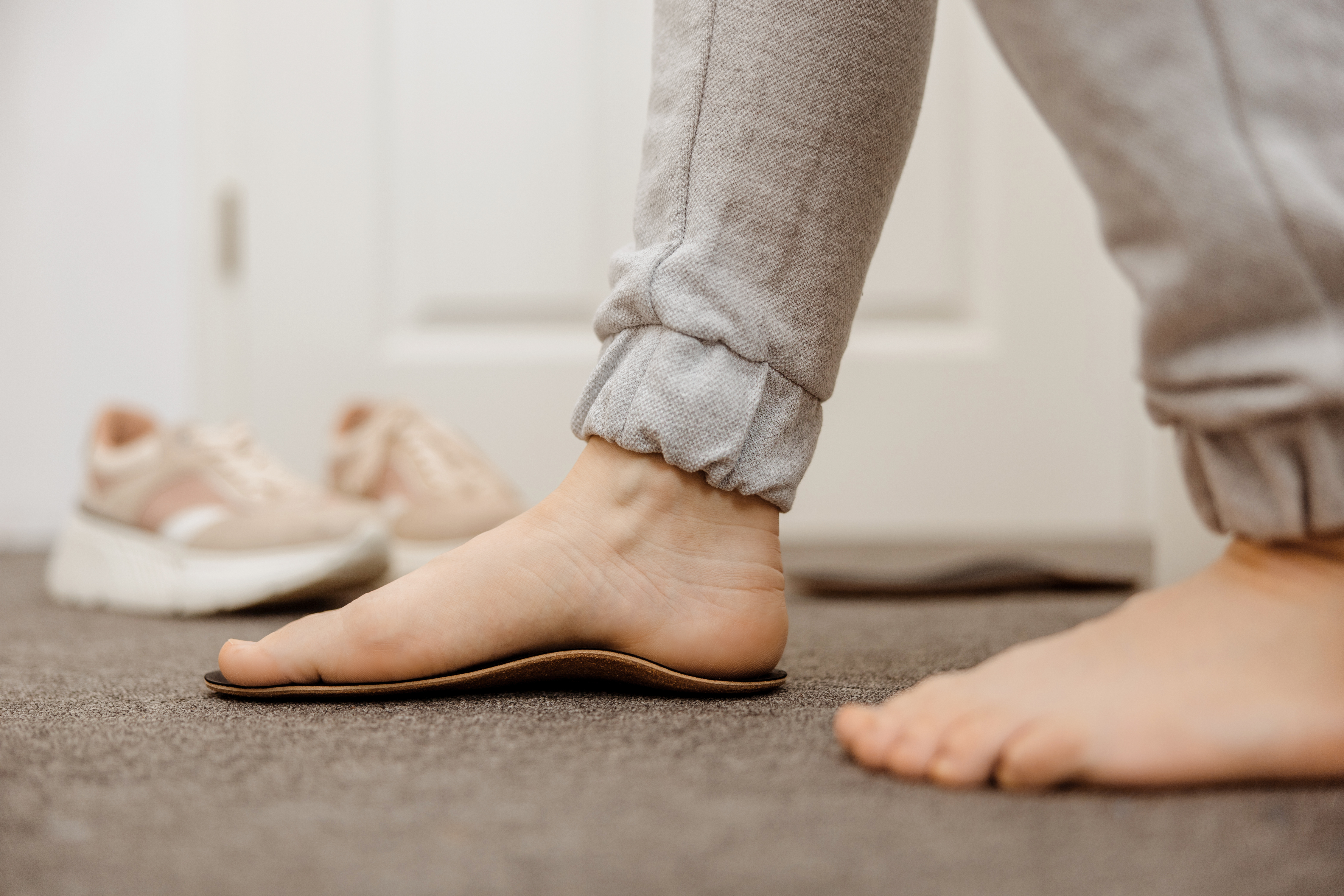
Recovery is personal, and so should be your treatment plan. Integrated care in Port Credit offers bespoke programmes that cater to your specific needs and goals.
Tailored Plans for Active Adults
Your lifestyle and goals are unique, and your recovery plan should reflect that. By assessing your specific needs, the team creates a tailored plan that focuses on getting you back to your favourite activities, be it the gym or the yacht club, quicker and stronger.
Coordinated Care Under One Roof
Having multiple experts in one location means they can easily discuss your progress and adjust your plan as needed. This ensures that every treatment you receive is perfectly aligned with the others, enhancing your overall recovery and reducing downtime.
Home Strategies for Faster Recovery
Recovery doesn’t stop when you leave the clinic. Integrated care emphasizes the importance of home strategies to speed up healing. Practitioners provide you with exercises and self-care techniques to practice at home, which can significantly boost your recovery time.
Expert Services in Port Credit
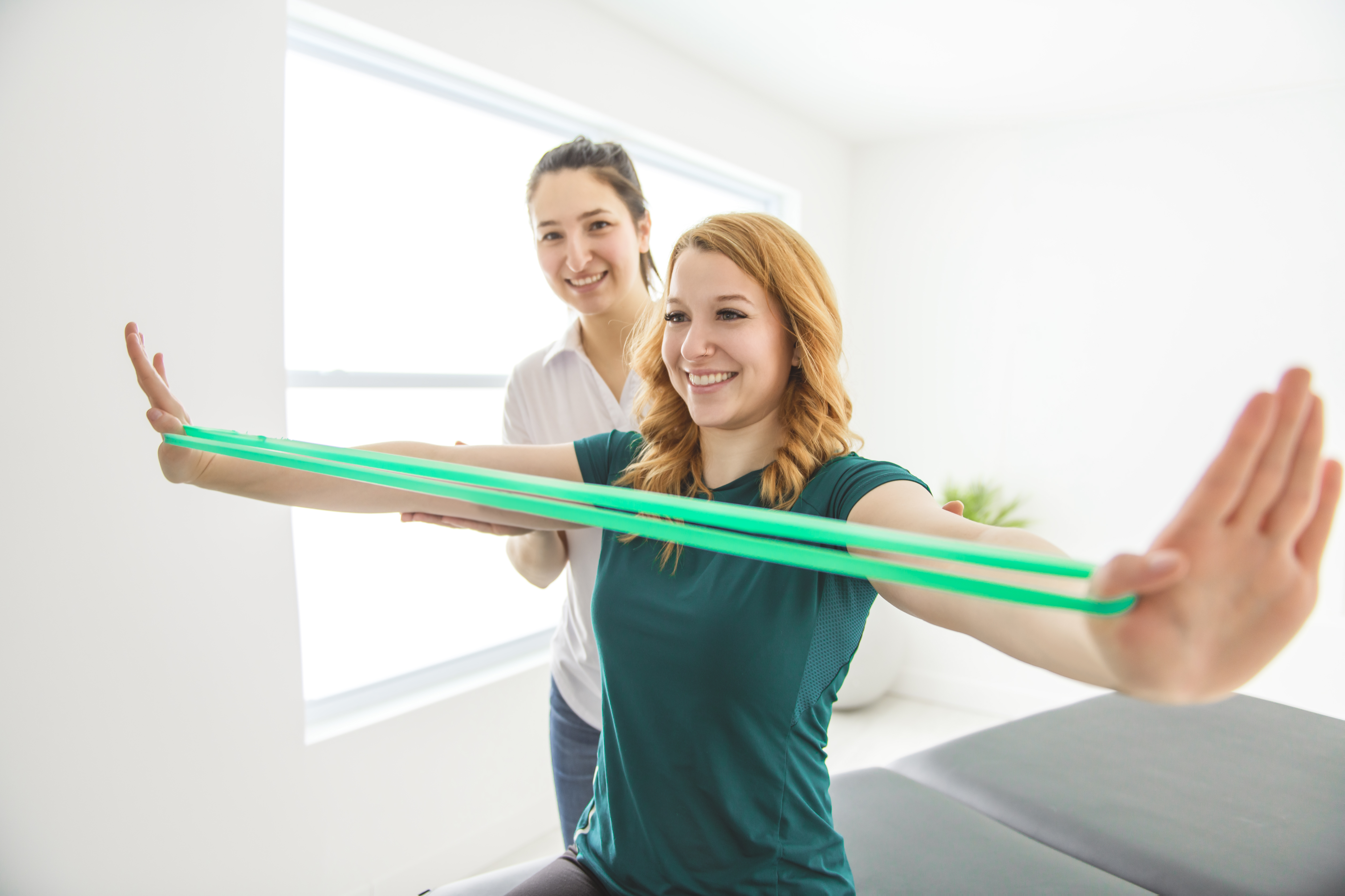
Port Credit is home to a range of expert services designed to support your recovery journey. From physiotherapy to advanced therapies, your path to wellness is well-covered.
Physiotherapy and Chiropractic Options
Physiotherapy helps restore movement and strength, while chiropractic care focuses on alignment and posture. These services work hand-in-hand to address the root causes of pain and dysfunction, ensuring long-term benefits.
Massage and Acupuncture Benefits
Massage therapy helps in relieving muscle tension and enhancing circulation. Acupuncture, on the other hand, offers holistic pain management. Together, they provide a relaxing and effective way to support your body’s natural healing processes.
Advanced Therapies for Quick Recovery
Advanced treatments such as cold laser therapy and cryotherapy offer non-invasive options for pain relief and tissue healing. These therapies can be pivotal in accelerating your recovery, allowing you to return to an active lifestyle sooner.
Frequently Asked Questions
What is integrated care?
Integrated care combines different treatments like physiotherapy and chiropractic into one plan to streamline your recovery process. It ensures all aspects of your health are addressed efficiently.
How does integrated care benefit active adults?
For active adults, integrated care reduces conflicting treatments and enhances recovery speed, allowing for a quicker return to activities like running or gym workouts.
Can I receive all treatments in one location?
Yes, integrated care in Port Credit offers multiple services under one roof, making it easier to manage appointments and ensure consistent care.
What should I expect from a personalised treatment programme?
A personalised programme is tailored to your specific recovery goals. It includes a variety of treatments and home strategies to enhance healing and prevent future injuries.
Are advanced therapies essential for recovery?
While not essential for everyone, advanced therapies like cold laser and cryotherapy can significantly aid recovery, particularly for those dealing with specific injuries or seeking faster results.
Book Online
Aug 1, 2026 | Uncategorized
Pain can take many forms, but knowing exactly what it needs can save you weeks of frustration. In Port Credit and Mississauga, active adults face common struggles like knee pain on the Waterfront Trail or shoulder aches from sailing. Your pain might call for simple mobility work, extra support like custom orthotics, or a full recovery plan crafted by experts. This guide will help you spot the signs and act fast to keep moving without missing a beat.
Identifying Your Pain Needs
Understanding what your body needs is the first step to overcoming pain. It can sometimes be tricky to decide if mobility work, support, or a recovery plan is best for you.
Mobility Work vs Support
When it comes to staying active and easing pain, mobility work and support play vital roles. Mobility exercises help keep your joints and muscles flexible. They are great if you feel a bit stiff after a long run or a day sailing. Simple routines like stretching can make a difference.
On the other hand, support like braces or orthotics might be needed if you find certain movements painful or tricky. Braces can stabilize and protect, while custom orthotics support your foot mechanics, helping with balance and alignment. Consider these if you notice discomfort during everyday activities.
Full Recovery Plan Indicators
Sometimes, pain signals a need for more than just exercises or support. If your pain is persistent, or if simple fixes don’t help, a recovery plan might be necessary. Look for signs like ongoing discomfort or pain that worsens with activity. These show you might need expert help. Specialists can create a comprehensive plan to manage your pain and restore function through methods like physiotherapy, massage, and more.
Understanding Mobility and Support Options
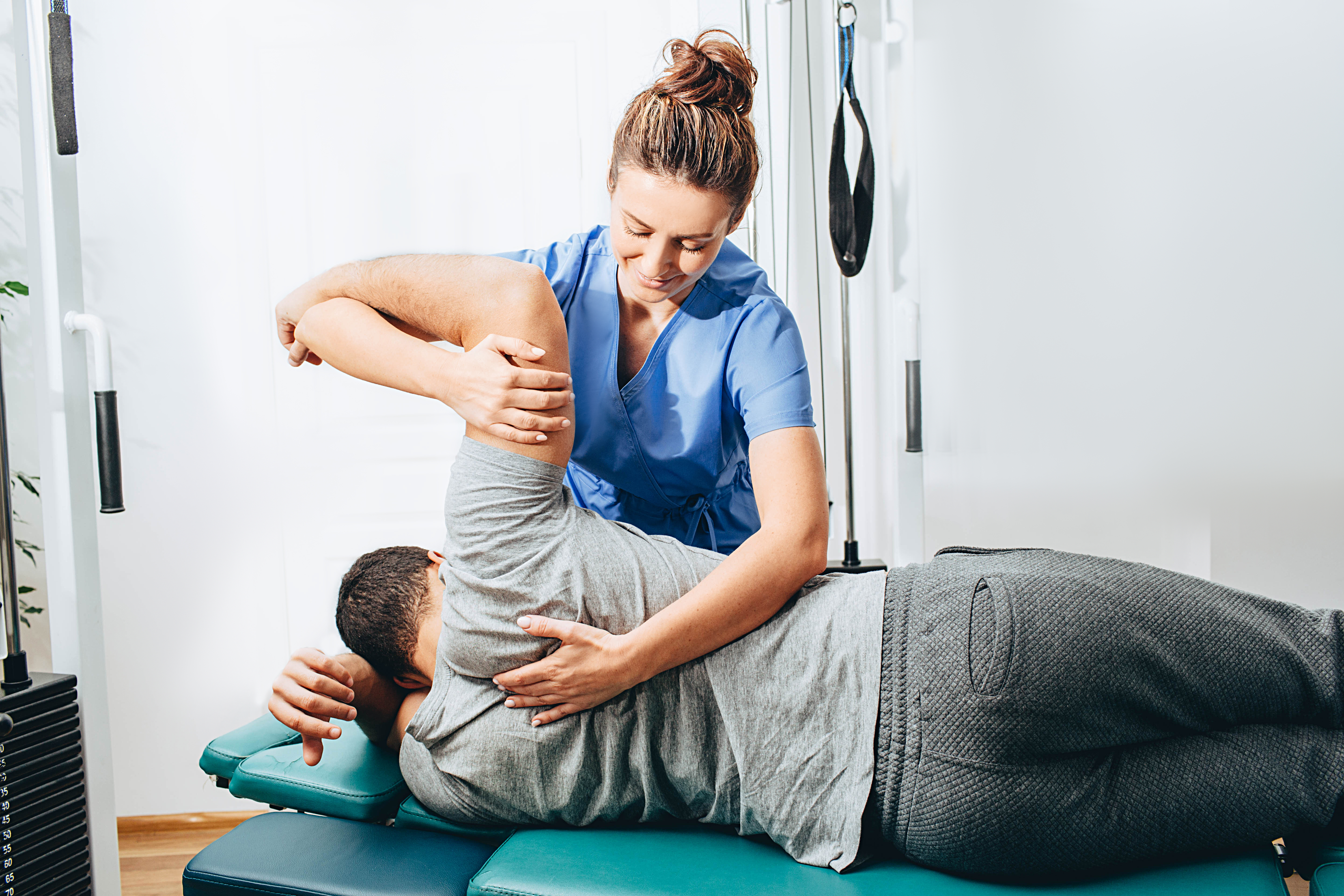
Selecting the right tools for pain relief can improve your daily life. Let’s look at when to use braces and the benefits of custom orthotics and compression gear.
When to Use a Brace
Braces can be lifesavers when recovering from an injury. They offer stability and support, helping you stay active while healing. Think of them as a short-term fix for long-term gain. If your knee feels wobbly after a run or your wrist is sore from lifting, a brace could be just what you need. It protects the injured area, allowing you to move without causing more harm.
For activities like running on the Waterfront Trail, braces can be particularly helpful. They provide the support you need to continue your routine without additional strain. Just remember, a brace is one piece of the puzzle and should be part of a broader recovery strategy.
Benefits of Custom Orthotics and Compression
Custom orthotics are more than just insoles. They adjust your foot mechanics, improving alignment and reducing pain. Imagine sailing with better balance or running with less strain. That’s what orthotics offer. They’re tailored to your foot’s unique shape, supporting your arches and helping distribute weight evenly.
Compression gear, like socks, can also aid recovery. They work by improving blood flow, reducing swelling, and offering support where it’s needed most. If you suffer from conditions like plantar fasciitis or experience swelling after a workout, compression might be the answer. Both orthotics and compression gear are simple yet effective tools to keep you moving comfortably.
Building a Comprehensive Recovery Plan
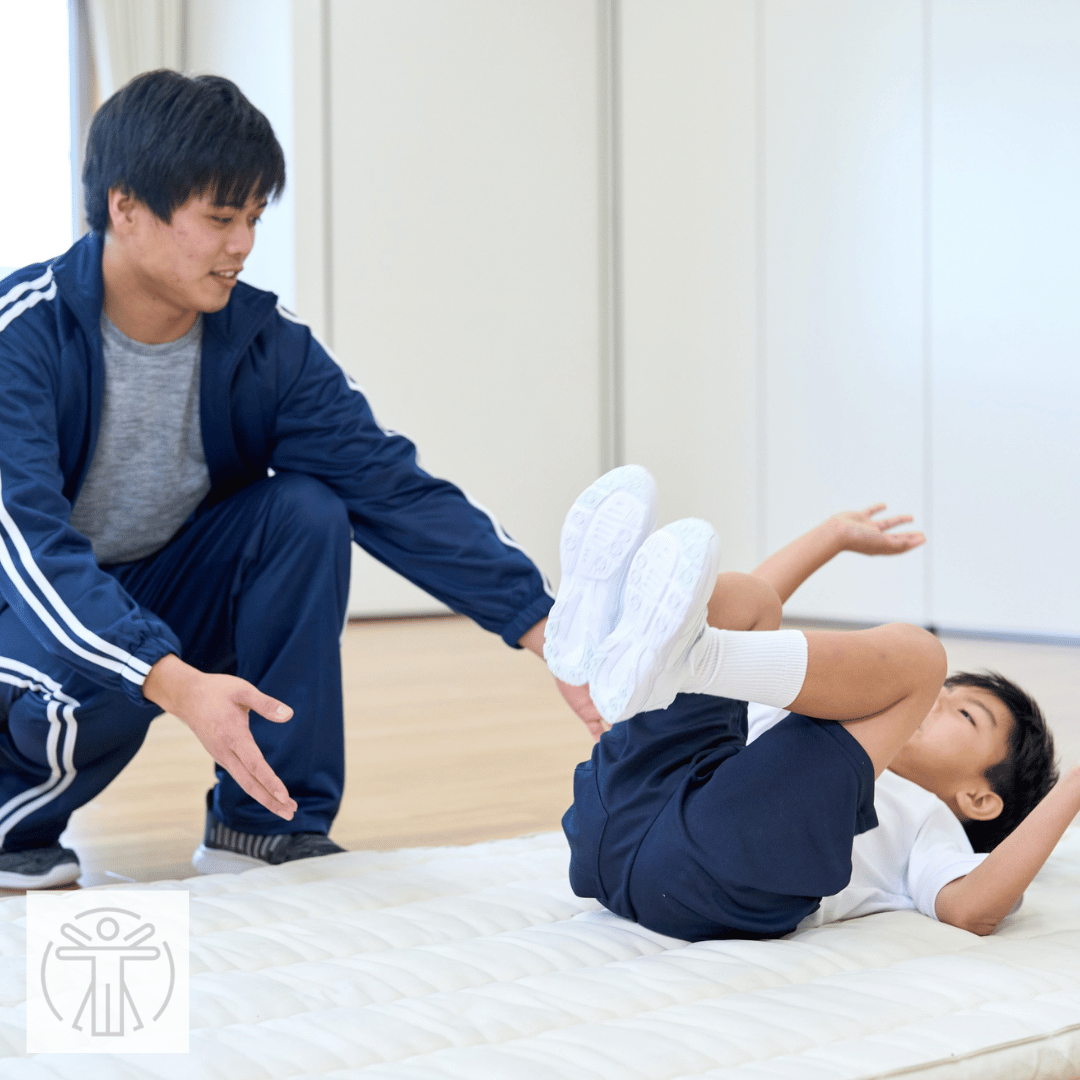
Creating a recovery plan is crucial for long-term health. It involves rehabilitation, post-surgical rehab, and strategies for injury prevention.
Rehabilitation and Post-Surgical Rehab
Rehabilitation is key to restoring movement after an injury or surgery. It focuses on exercises and therapies that improve strength and flexibility. If you’ve had surgery or a significant injury, rehab helps you regain lost function. It involves a mix of physiotherapy, exercises, and sometimes, treatments like cold laser therapy.
Post-surgical rehab, in particular, is structured to ensure you heal properly. It prevents complications and speeds up recovery. With professional guidance, you learn techniques that aid in pain management and enhance mobility. The goal is to get you back to your usual activities, feeling stronger and more confident.
Injury Prevention and Mobility Strategies
Preventing injuries is as important as treating them. By assessing your movement patterns, weak spots can be identified, reducing the risk of future issues. Exercises designed to strengthen these areas keep you active and injury-free. Regular check-ins and adjustments to your routine can make all the difference.
Mobility strategies include exercises that enhance flexibility and reduce stiffness. They’re perfect for those who love staying active, whether you’re skating in Mississauga or enjoying a gym session. By syncing these strategies with your lifestyle, you protect your body from common strains and stresses.
Frequently Asked Questions
What is the difference between mobility work and support?
Mobility work includes exercises that improve joint flexibility and muscle movement, helping manage stiffness. Support, like braces or orthotics, provides stability and relief from pain during activities.
How do I know if I need a full recovery plan?
If you have persistent pain or your symptoms worsen with activity, a full recovery plan might be necessary. It involves expert assessments and tailored therapies to address the root causes of your discomfort.
When should I use custom orthotics?
Custom orthotics are ideal if you experience foot pain, discomfort from walking or running, or need alignment support. They are especially beneficial for conditions like plantar fasciitis.
What are the benefits of compression gear?
Compression gear improves blood flow, reduces swelling, and provides support, making it beneficial for recovery and reducing discomfort after physical activities.
Why is rehabilitation important after surgery?
Rehabilitation is essential post-surgery to restore movement, prevent complications, and ensure proper healing. It involves exercises and therapies that aid in regaining strength and function.
Jul 27, 2026 | Uncategorized
Pain can sneak up on you during your favourite activities along Port Credit’s Waterfront Trail or at the yacht club. Ignoring those niggles only lets them grow into bigger problems that slow you down. Integrated care Port Credit offers a way to tackle aches early by combining physiotherapy, chiropractic, massage, acupuncture and more into one plan tailored for you. Keep moving pain-free with expert support that fits your active lifestyle. Learn more about integrative pain care here.
Understanding Integrated Care Port Credit
Active adults in Port Credit can benefit from integrated care to maintain a pain-free lifestyle. A coordinated approach combines multiple therapies for effective results.
Benefits for Active Adults
Integrated care offers personalised plans combining therapies like physiotherapy and chiropractic. This holistic approach supports recovery and promotes long-term wellbeing, allowing you to enjoy your favourite activities without pain. By addressing root causes rather than symptoms, you experience lasting relief. For example, a runner on the Waterfront Trail can overcome knee pain by treating muscle imbalances and improving joint mechanics.
Multi-disciplinary Clinic Port Credit Approach
At our clinic, experts from various fields collaborate to create comprehensive treatment plans. This team effort reduces the need to retell your story, saving time and ensuring consistency. By working together, practitioners provide seamless care that addresses all aspects of your condition. This means a sailor with shoulder issues receives coordinated treatment for mobility and strength.
Key Components of Integrated Care
Our integrated care involves several key components: thorough assessment, personalised plans, and a focus on prevention. Each plan is tailored to your unique needs and goals, combining therapies like acupuncture and massage for maximum benefit. You’ll receive education on exercises and lifestyle choices to support recovery and prevent future issues.
Effective Therapies for Pain-Free Living

Integrated care includes various therapies to address different aspects of pain management and recovery. Each therapy plays a specific role in your overall health plan.
Physiotherapy Mississauga: Movement and Recovery
Physiotherapy helps restore movement and function through targeted exercises and manual therapy. By focusing on areas like flexibility and strength, physiotherapy supports natural healing. Whether recovering from an injury or managing chronic pain, physiotherapy offers practical solutions to improve your quality of life.
Chiropractic Port Credit: Spine and Joint Health
Chiropractic care focuses on spine and joint health, addressing issues like back pain and poor posture. Through adjustments and manual techniques, chiropractic care improves mobility and reduces pain. Regular sessions maintain alignment and prevent future problems, allowing you to stay active.
Acupuncture for Pain Mississauga: Balance and Relief
Acupuncture offers a holistic approach to pain management, promoting balance and relieving discomfort. By targeting specific points, acupuncture stimulates the body’s natural healing processes. This therapy can reduce stress, improve energy flow, and enhance overall wellbeing.
Staying Active with Injury Prevention
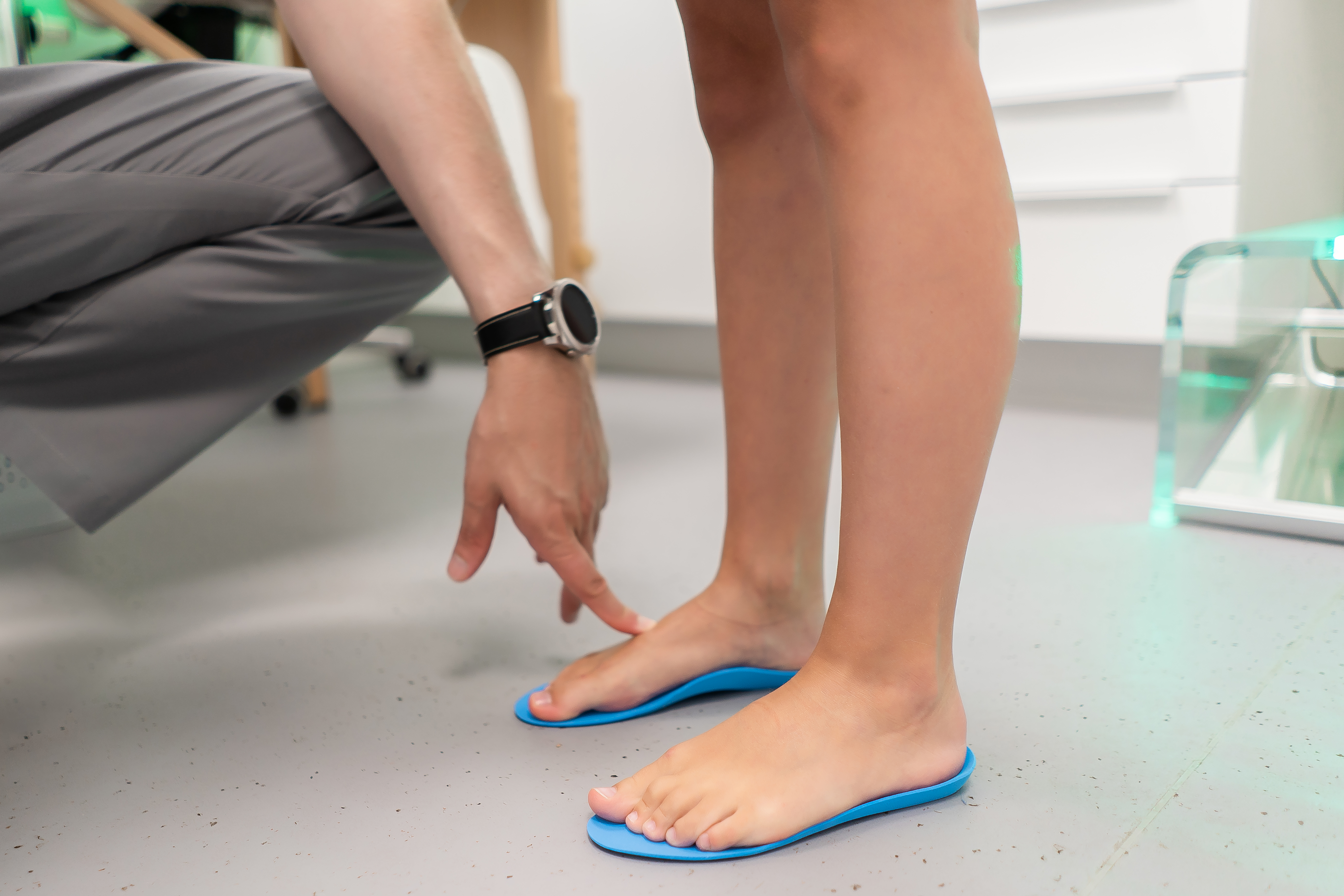
Preventing injuries is crucial for maintaining an active lifestyle. Our integrated care model includes strategies to minimise the risk of injury.
Running Injury Prevention Mississauga Techniques
Running can put stress on joints and muscles, leading to injuries. Our prevention techniques focus on improving form and strength. Simple adjustments to your running style and targeted strengthening exercises can significantly reduce the risk of injury.
Shoulder Mobility Port Credit: Sailor’s Guide
Sailors need strong and mobile shoulders to perform well. Our guide focuses on exercises that enhance shoulder mobility and strength, preventing common issues like sailor’s shoulder. Regular practice of these exercises ensures your shoulders remain healthy and functional.
Skating Injury Recovery Mississauga Strategies
Skaters often face unique challenges when recovering from injuries. Our strategies include specific exercises and therapies to restore strength and mobility. By addressing the underlying causes of injuries, we help skaters return to the rink with confidence.
Frequently Asked Questions
What is integrated care?
Integrated care combines multiple therapies, like physiotherapy and chiropractic, into a cohesive plan tailored to the individual. This approach addresses various aspects of a condition, promoting comprehensive recovery and prevention.
How does physiotherapy help with pain management?
Physiotherapy uses exercises and manual techniques to improve movement and function, supporting natural healing. It addresses the root causes of pain, offering long-term relief and enhanced quality of life.
What are the benefits of acupuncture for pain relief?
Acupuncture promotes balance and stimulates the body’s healing processes. It can reduce stress, improve energy flow, and alleviate pain, contributing to overall wellbeing.
How can I prevent running injuries?
To prevent running injuries, focus on improving your form and strength. Simple adjustments and targeted exercises can significantly reduce the risk of injury.
What exercises improve shoulder mobility?
Exercises that enhance shoulder mobility include stretches and strengthening routines. Regular practice can prevent issues like sailor’s shoulder and maintain shoulder health.
Book Online
Jul 26, 2026 | Uncategorized
Foot pain and discomfort can slow you down, whether you’re running the Waterfront Trail or standing for hours at work. Custom orthotics Port Credit experts at MyHealth Care Centre offer targeted support that realigns your feet, eases pain, and helps you move with more confidence. In this post, you’ll learn how precise gait analysis and tailored orthotic insoles can make a real difference in your everyday activities and athletic pursuits. For more information on orthotics, you can refer to this resource.
Understanding Custom Orthotics
Let’s explore how custom orthotics can make your steps more comfortable and effective. These insoles provide specific benefits tailored to your needs.
Benefits of Orthotic Insoles
Custom orthotics help distribute pressure evenly across your feet. This relieves the strain on muscles and joints. With over 400 muscles in the feet, it’s crucial to ensure they work in harmony. These insoles can help reduce foot pain, enhance posture, and improve your overall movement. They’re not just about comfort, they actively support your body’s alignment from the ground up.
Common Foot Conditions Addressed
Orthotics can tackle various foot conditions. They are particularly effective in managing plantar fasciitis, a common issue causing heel pain. Other conditions like flat feet, overpronation, and high arches also benefit from this support. By addressing these problems, orthotics help prevent further complications that could affect your knees and hips.
Role in Injury Prevention
Injury prevention is where orthotics shine. By providing the right support, they help avoid stress injuries common in runners and those on their feet all day. Many athletes use orthotics to keep injuries at bay. These insoles can be the difference between thriving in your activities and dealing with constant setbacks.
The Gait Analysis Process
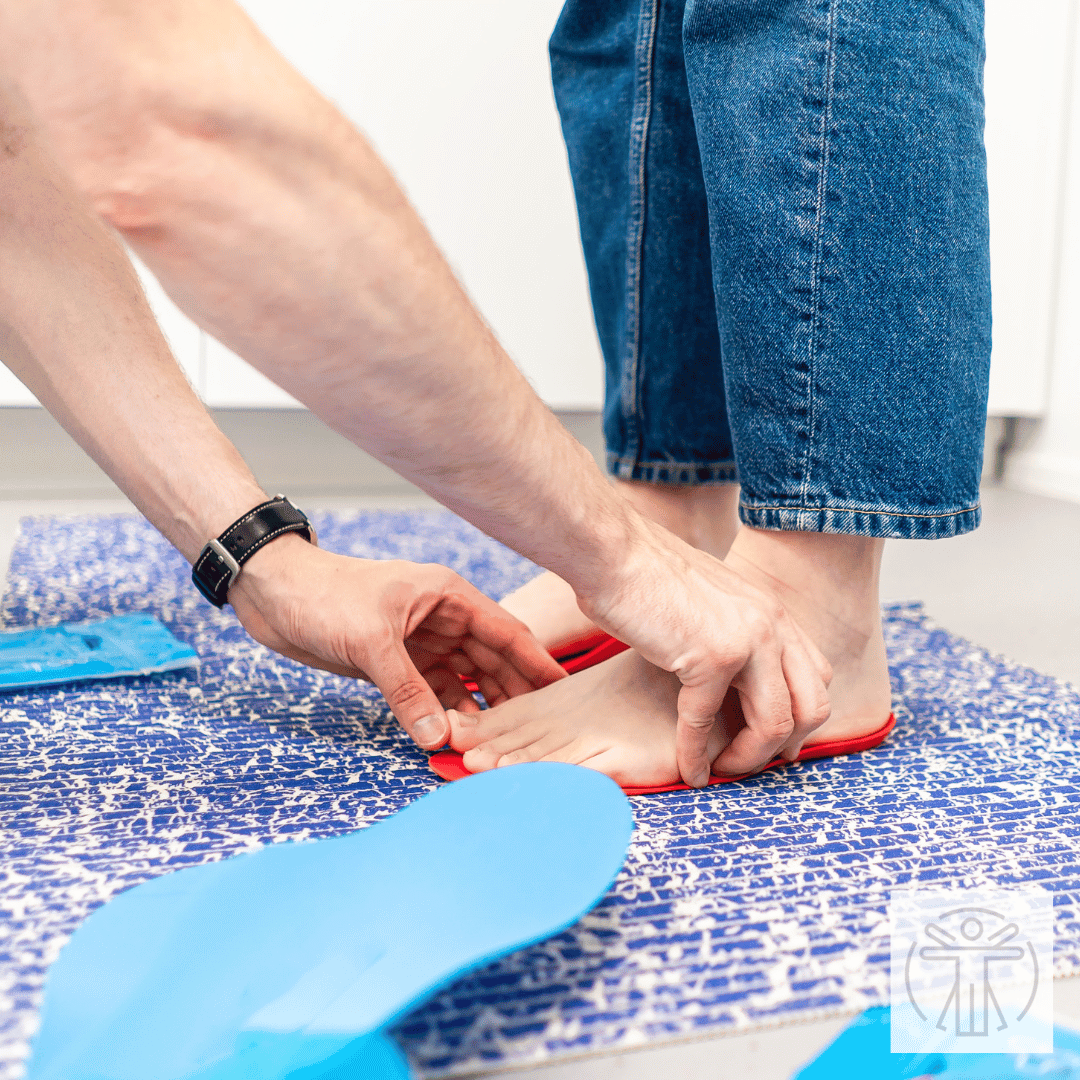
Understanding how you move is key to creating effective orthotics. Gait analysis is a crucial step in this process.
Importance of Gait Analysis in Port Credit
Gait analysis measures your walking and running patterns. This analysis helps identify issues like uneven weight distribution. In Port Credit, having access to tailored gait analysis means you can address these issues with precision.
Steps Involved in Gait Assessment
The assessment begins with observing your stance and movement. Then, advanced tools measure how your feet interact with the ground. This data is used to craft insoles that match your unique needs. The goal is to create a solution that enhances your natural movement while correcting any misalignments.
Personalised Footwear and Activity Matching
After the assessment, custom orthotics are crafted to fit your shoes and lifestyle. Whether you’re a runner, a sailor, or someone who stands a lot, your insoles will be tailored to fit your shoes and support your activities. This personalisation ensures maximum benefit and comfort.
Integrated Care at MyHealth Care Centre
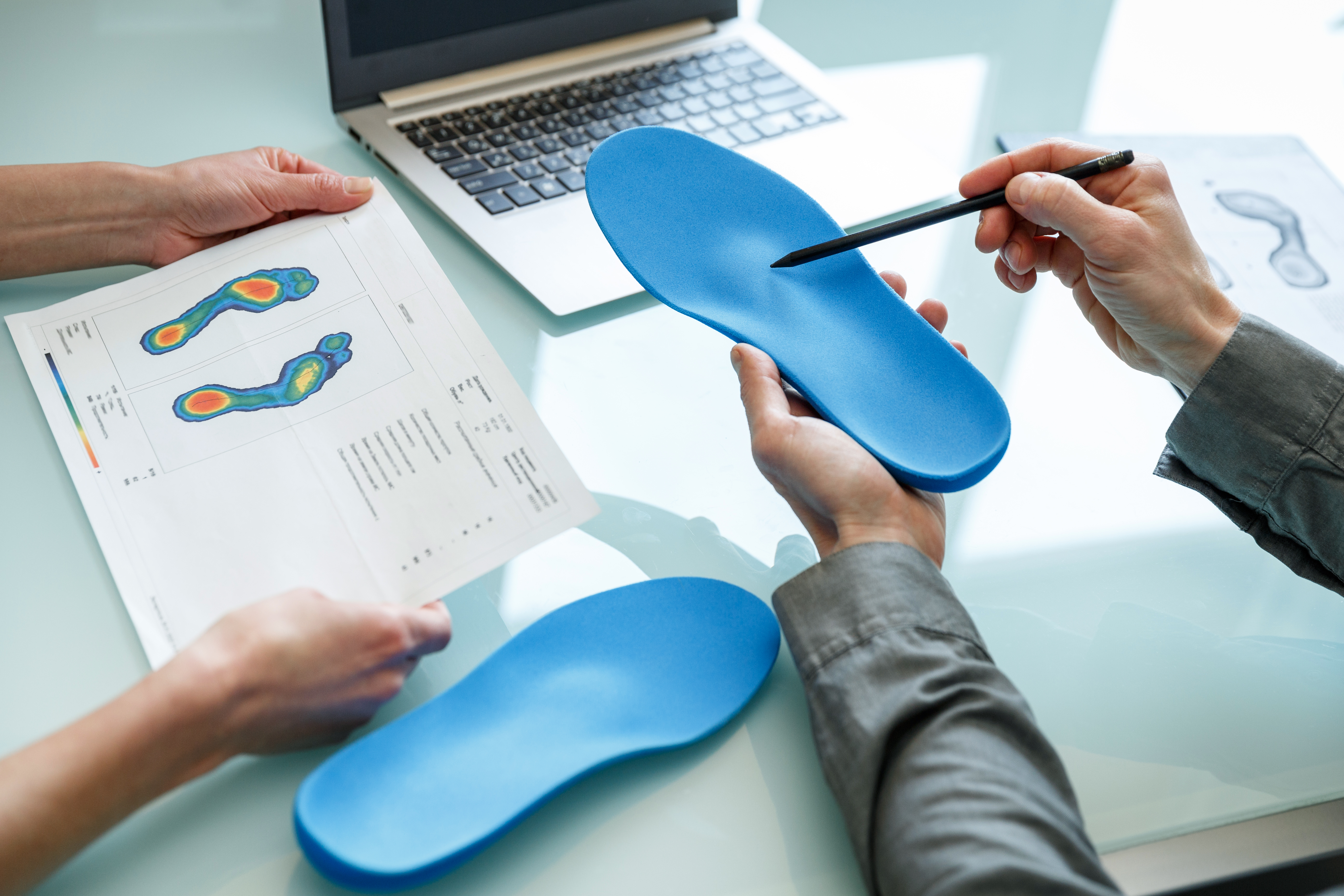
At MyHealth Care Centre, orthotics are part of a broader approach to health and wellness.
Physiotherapy and Chiropractic Solutions
Physiotherapy and chiropractic care complement orthotics by addressing posture and alignment issues. These therapies help maintain balance and reduce pain. Working with professionals in these fields ensures you get a comprehensive treatment plan that supports your whole body.
Massage and Fascial Stretch Therapy
Massage therapy and fascial stretching target muscle tension and improve flexibility. These therapies increase blood flow and relax muscles, enhancing the effectiveness of orthotics. They make movement more fluid and less painful, supporting overall well-being.
Cold Laser Therapy and Medical Compression Socks
Cold laser therapy is a non-invasive treatment that promotes healing and reduces inflammation. Combined with medical compression socks, it supports blood circulation and reduces swelling. These treatments work together with orthotics to enhance recovery and comfort.
Frequently Asked Questions
What are custom orthotics?
Custom orthotics are specially designed shoe inserts that support your feet’s unique structure. They help improve alignment and reduce pain.
How do orthotics help with plantar fasciitis?
Orthotics provide heel support and distribute pressure evenly, reducing the strain on your plantar fascia and relieving pain.
Can orthotics prevent injuries?
Yes, by supporting proper foot mechanics, orthotics help prevent stress injuries common in activities like running or prolonged standing.
What is gait analysis?
Gait analysis examines how you walk or run, identifying any irregularities that custom orthotics can correct.
What other therapies complement orthotics?
Physiotherapy, chiropractic care, massage, and cold laser therapy all work alongside orthotics to improve overall health and movement.
Book Online
