
Oct 1, 2026 | Uncategorized
Sudden pain from a sprain or strain can throw your day off balance—and knowing where to turn makes all the difference. Searching for “urgent care near me” in Port Credit means finding fast, expert help that moves with you, not against you. At MyHealth Care Centre, you’ll get same-week access to a team that works together to ease your pain, speed healing, and keep you active in the community you love. For more locations, check here.
Fast Relief for Sudden Pain
Understanding Urgent Care Needs
When you’re dealing with unexpected pain, it can be tough to decide where to seek help. Urgent care offers a convenient option for sudden musculoskeletal issues, providing quick access to treatments like physiotherapy, chiropractic care, and massage therapy. For residents of Port Credit, understanding the benefits of urgent care can help you make informed decisions about your health.
Urgent care clinics are designed to handle a range of non-life-threatening conditions. If you’ve twisted an ankle playing tennis or pulled a muscle during a workout, these clinics can provide the necessary care. You’ll receive treatment tailored to your needs, helping you get back on your feet faster. If you’re considering options, Zocdoc can guide you to other urgent care centers.
When to Visit a Clinic
Deciding when to visit an urgent care clinic is crucial. If you’re experiencing severe pain from a sports injury or have a sudden back spasm, urgent care can offer immediate relief. Clinics in Port Credit provide same-day services, ensuring you don’t have to wait long for treatment.
Urgent care is ideal for situations that require prompt attention but aren’t severe enough for the emergency room. Examples include minor fractures, sprains, or flare-ups of chronic conditions like arthritis. Seeking help at the right time can significantly impact your recovery process. For instance, Concentra provides similar services in other regions.
Knowing When to Call 911
While urgent care is suitable for many conditions, knowing when to call 911 is vital. If you experience chest pain, difficulty breathing, or severe trauma, it’s essential to seek emergency care immediately. These symptoms may indicate life-threatening issues that require advanced medical intervention.
Remember, urgent care is not equipped to handle all emergencies. Trust your instincts and prioritize your health by seeking emergency help when necessary. If you need more guidance on urgent care services, Yelp can provide reviews and insights.
Integrated Care Approach

Collaborative Treatment Plans
At MyHealth Care Centre, we believe in a collaborative approach to treatment. Our team of experts works together to create a plan tailored to your needs. This integrated model ensures that each aspect of your recovery is addressed. From physiotherapy to chiropractic care, our professionals collaborate to provide comprehensive care.
This approach not only speeds up recovery but also enhances the quality of your treatment. By working together, our team can identify the best strategies to address your condition and prevent future setbacks. If you’re curious about our methods, check out our Sports Injury Rehabilitation page for more details.
Benefits of Same-Week Access
Same-week access to care is a significant advantage when dealing with sudden pain. Quick intervention can prevent minor issues from becoming major problems. At MyHealth Care Centre, we prioritize getting you the care you need when you need it.
Whether it’s a massage therapy session to relieve muscle tension or physiotherapy to improve mobility, timely treatment can make a world of difference. Our goal is to get you back to your activities as soon as possible, ensuring you don’t miss out on the things you love.
Advanced Therapies and Techniques
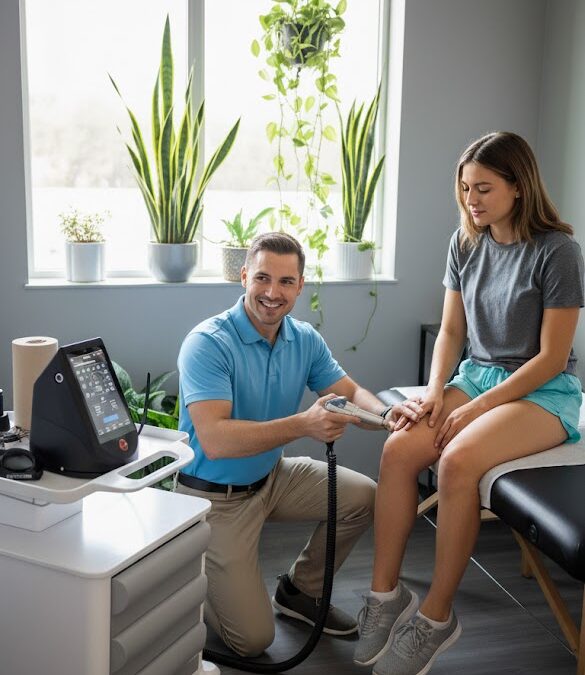
Our clinic offers a range of advanced therapies designed to enhance recovery. Techniques like cold laser therapy, cryotherapy, and acupuncture are available to reduce pain and promote healing. These therapies complement traditional treatments, providing a holistic approach to care.
By incorporating advanced techniques, we can address your condition from multiple angles. This comprehensive care model ensures you’re receiving the best possible treatment for your specific needs. If you’re in Mississauga, Mercy Jefferson offers similar services that might interest you.
Navigating Your Recovery

Tips for Preventing Setbacks
Preventing setbacks is crucial to a successful recovery. Here are a few tips to keep your progress on track:
-
Follow your treatment plan: Consistency is key to recovery.
-
Stay active: Gentle movements can aid healing, but avoid overexertion.
-
Listen to your body: Rest when needed to prevent injury.
By adhering to these guidelines, you can minimize the risk of setbacks and ensure a smoother recovery journey.
Importance of Prompt Action
Acting promptly on musculoskeletal issues is essential for effective recovery. Delaying treatment can lead to complications and prolonged pain. Seeking help as soon as symptoms arise increases the chance of a quicker, more successful recovery.
At MyHealth Care Centre, we emphasize the importance of early intervention. By addressing issues promptly, we can tailor a treatment plan that meets your needs and helps you get back to your routine.
Engaging in Safe Movement in Port Credit
Staying active is vital for recovery, but it’s important to engage in safe movement. Whether you’re sailing at the Port Credit Yacht Club or enjoying a run at Lakefront Promenade Park, being mindful of your body’s limits is crucial.
Incorporate exercises that promote strength and flexibility into your routine. These activities support recovery and help prevent future injuries. Remember, maintaining an active lifestyle is possible with the right precautions and guidance.
Frequently Asked Questions
What conditions can urgent care clinics treat?
Urgent care clinics can treat non-life-threatening conditions like sprains, strains, minor fractures, and flare-ups of chronic conditions. They’re ideal for situations requiring prompt attention but not severe enough for the emergency room.
When should I visit an urgent care clinic instead of the ER?
Visit an urgent care clinic for conditions like sports injuries, minor fractures, and back pain. For severe symptoms like chest pain or difficulty breathing, seek emergency care immediately.
What therapies are available at MyHealth Care Centre?
MyHealth Care Centre offers a range of therapies including physiotherapy, chiropractic care, massage therapy, acupuncture, cold laser therapy, and cryotherapy. These treatments are part of our integrated approach to care.
How can I prevent setbacks during recovery?
Prevent setbacks by following your treatment plan, staying active without overexerting, and listening to your body. Consistency and rest are key to a successful recovery.
Why is prompt action important for recovery?
Prompt action prevents minor issues from becoming major problems and increases the chances of a quicker, more successful recovery. Early intervention allows for tailored treatment plans that address specific needs.
Sep 29, 2026 | Uncategorized
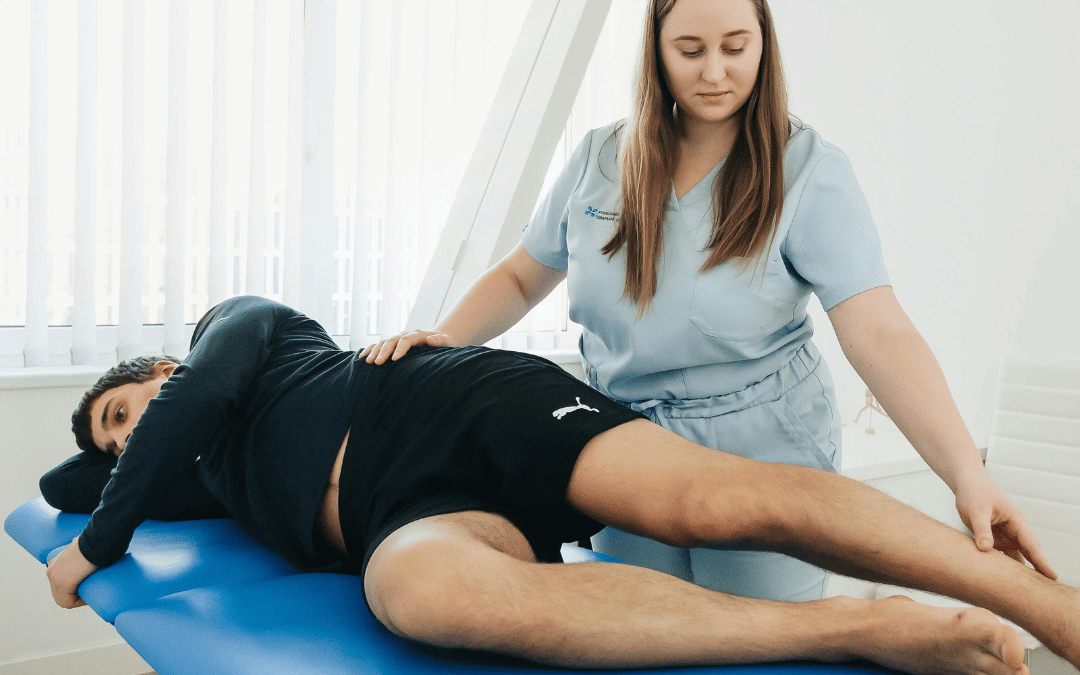
Knee pain can stop you in your tracks, whether you’re hitting the Waterfront Trail or clocking long hours at your desk. If you’ve been nursing aches from runner’s knee, meniscus strains, or stubborn osteoarthritis flare-ups, relief is within reach. Our knee pain physiotherapy in Port Credit combines hands-on care and tailored exercises to restore your strength, ease discomfort, and keep you moving confidently. Let’s explore how a personalised plan can get you back to the activities you love. Learn more about physiotherapy here.
Understanding Knee Pain
Knee pain can stem from various issues that can hinder your daily activities. Knowing the underlying causes and when to seek help is crucial for effective relief and recovery.
Common Causes of Knee Pain
Knee pain can have multiple causes. One common reason is overuse, leading to conditions like runner’s knee or patellofemoral pain. This often affects those who enjoy running, cycling, or hiking. Injuries such as meniscus tears or ligament strains, like ACL or MCL injuries, are also prevalent, especially among sports enthusiasts. Osteoarthritis is another frequent culprit, causing pain and stiffness due to wear and tear over time. Understanding these causes helps in addressing the root of your knee discomfort effectively.
When to Seek Physiotherapy Help
Recognising when to seek professional help can be a game-changer in managing knee pain. If you experience persistent pain that limits your daily activities, it might be time to consult a physiotherapist. Early intervention can prevent further damage and promote quicker recovery. A physiotherapist will assess your condition, identify the cause, and develop a personalised treatment plan to address your specific needs. Don’t wait for the pain to control your life; take proactive steps towards recovery.
Physiotherapy Approaches in Port Credit
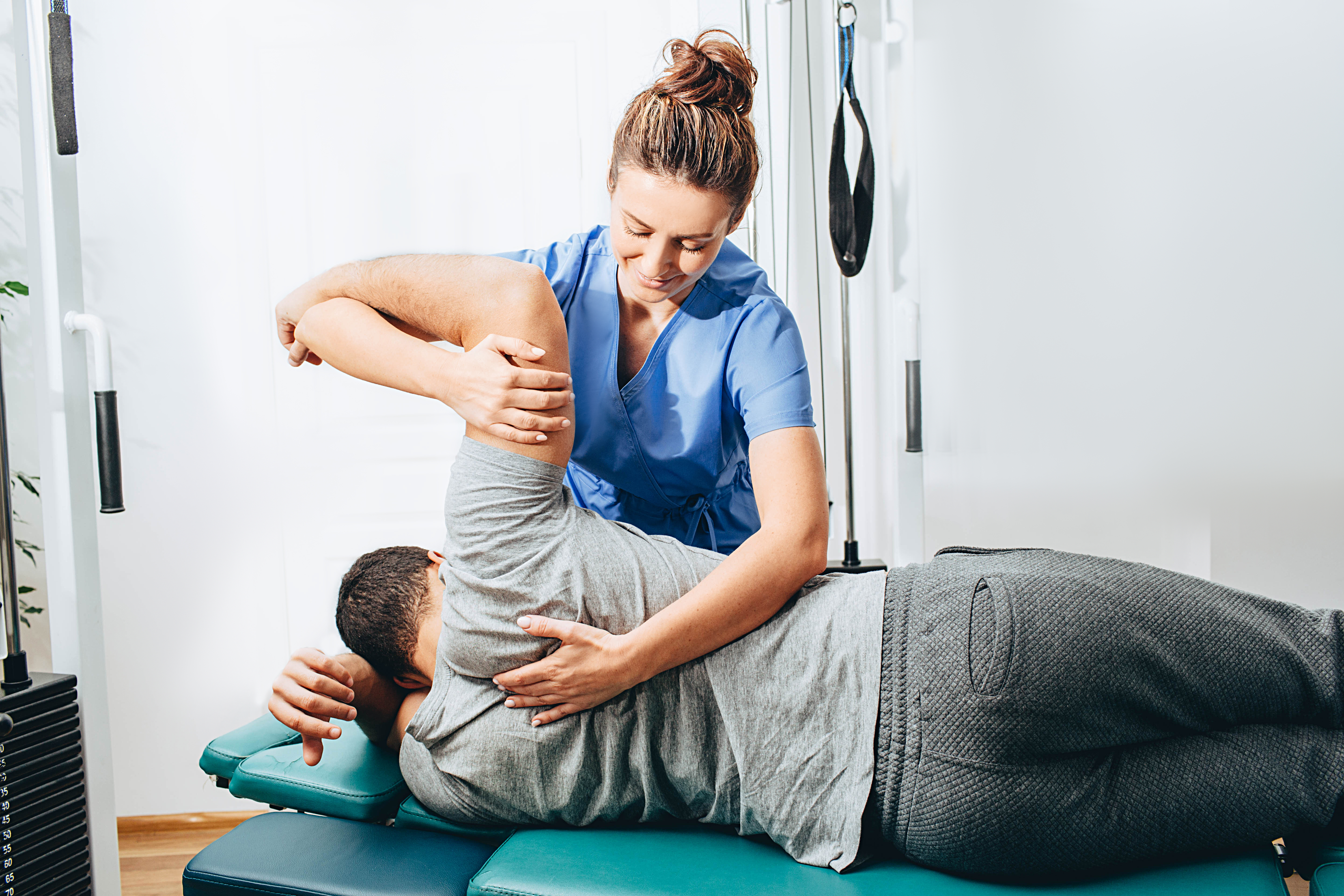
In Port Credit, physiotherapy offers a comprehensive approach to knee pain, focusing on integrated recovery and personalised care plans designed to fit your unique needs.
Integrated Knee Recovery Programme
Our integrated knee recovery programme combines multiple therapies to address knee pain comprehensively. This approach includes manual therapy, exercise routines, and possibly cold laser therapy, which can accelerate healing. By improving joint mobility and strengthening muscles around the knee, the programme aims to restore your function and reduce pain. This method not only targets symptoms but also corrects underlying dysfunctions such as poor posture or gait issues, leading to long-term benefits.
Personalised Care Plans for Your Needs
One-size-fits-all solutions rarely work for knee pain. Our physiotherapists in Port Credit create customised care plans tailored to your condition and lifestyle. After a thorough assessment, a plan might include a mix of exercises, manual mobilisation, and other therapies like cryotherapy or acupuncture. This tailored approach ensures that your specific issues are targeted, facilitating a more effective recovery and helping you return to your daily activities with confidence.
Staying Active and Pain-Free
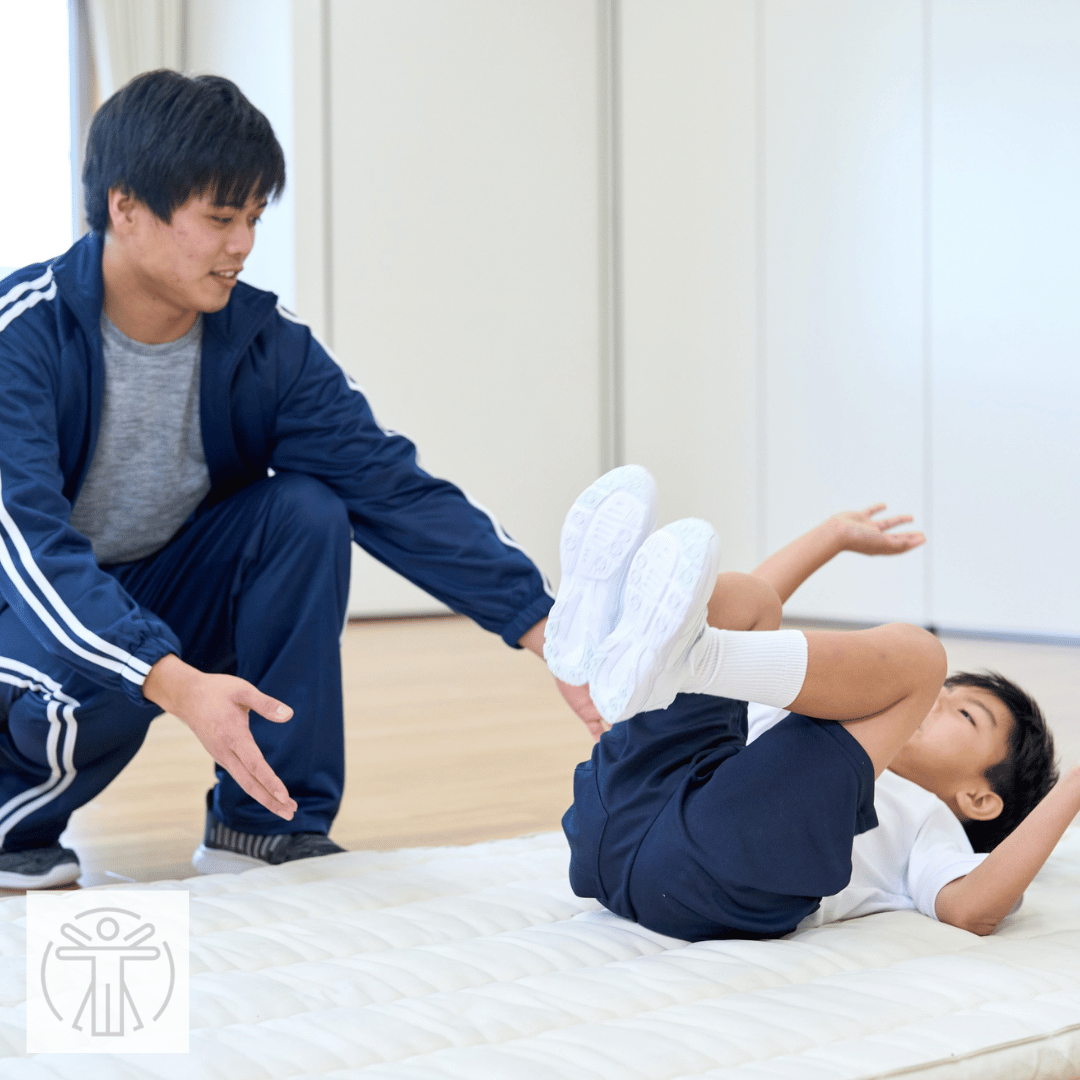
Staying active is essential for overall health, but doing so without aggravating knee pain requires some strategy. Here are tips to keep you moving safely.
Tips for Injury Prevention on the Waterfront Trail
Enjoying the Waterfront Trail should be pain-free. To prevent knee injuries, ensure you wear supportive footwear, which can be enhanced with custom orthotics if needed. Warming up before and cooling down after your workout can help prepare your muscles and prevent strains. Incorporate exercises that strengthen your leg muscles, particularly the quadriceps and hamstrings, to support your knees better. Regular physiotherapy check-ins can also help you maintain proper form and function.
Training Smart for Mississauga Half Marathon
Training for the Mississauga Half Marathon requires a smart approach to avoid knee injuries. Gradually increase your running distance to build endurance without overstraining your knees. Cross-training activities such as cycling or swimming can enhance your fitness while reducing the impact on your joints. Regular gait analysis can help identify any imbalances or improper techniques that might lead to injury. By following these strategies, you can train effectively and safely.
Frequently Asked Questions
What are common symptoms of knee problems?
Common symptoms include pain, swelling, stiffness, and difficulty bending the knee. You might also experience a popping sensation or instability.
How does physiotherapy help with knee pain?
Physiotherapy helps by strengthening muscles, improving mobility, and correcting movement patterns. This holistic approach targets the root cause of pain rather than just the symptoms.
Is it necessary to stop exercising if I have knee pain?
Not necessarily. It’s important to modify your activities rather than stop altogether. A physiotherapist can guide you on safe exercises that won’t exacerbate your condition.
How long does recovery from knee pain take?
Recovery time varies depending on the cause and severity of the injury. Some people may see improvement in a few weeks, while others might require several months of therapy.
Can knee pain be prevented?
Yes, maintaining a healthy weight, staying active, and strengthening your leg muscles can help prevent knee pain. Regular physiotherapy assessments can also identify and address potential issues early.
By understanding and addressing knee pain through physiotherapy, you can continue to engage in the activities you love, stay active, and live pain-free.
Book Online

Sep 28, 2026 | Uncategorized
Lower back pain can slow you down, especially when your days start with hours at a desk or end with a long run along the Waterfront Trail. Lower back pain physiotherapy offers more than just relief—it helps you regain control. At MyHealth Care Centre in Port Credit, our experts guide you through detailed assessments and personalised care plans that tackle pain at its root. Keep reading to learn how tailored therapy and smart daily habits can keep your back strong and your life active. For more information on exercises for lower back pain, visit this link.
Gold-Standard Physiotherapy for Back Pain
Physiotherapy provides an effective solution for lower back pain, offering a pathway to both immediate relief and long-term health. By focusing on movement, strength, and function, it targets the root causes of discomfort.
Why Physiotherapy is Effective
Physiotherapy works by addressing the core problems of back pain, rather than just the symptoms. Through hands-on techniques and tailored exercises, it supports your body’s natural healing processes. You benefit from improved mobility and reduced pain without relying on medication. This approach not only helps alleviate discomfort but also enhances your overall physical health.
Many people find themselves surprised by how much better they feel after just a few sessions. Physiotherapy empowers you with the knowledge to manage your condition. By learning proper movement patterns and strengthening exercises, you can prevent future flare-ups. This proactive approach sets you on a path to a healthier, more active lifestyle.
Components of a Thorough Assessment
A comprehensive assessment is crucial to effective treatment. At MyHealth Care Centre, assessments include a detailed analysis of your posture, joint mechanics, and muscle imbalances. This allows us to design a plan tailored to your specific needs. Understanding your unique movement patterns provides insight into the underlying issues contributing to your pain.
Assessments go beyond just observing your symptoms. We consider your lifestyle, daily activities, and personal goals. This holistic view enables us to address not just where you are now, but where you want to be. By pinpointing the exact sources of discomfort, we can create a targeted treatment plan that offers long-lasting relief.
Creating an Integrated Care Plan
Your care plan at MyHealth Care Centre is more than just a series of exercises. It involves a collaborative approach, combining physiotherapy with other modalities like chiropractic and massage therapy. This integrated model ensures all aspects of your recovery are covered.
By working together, our team can address multiple issues simultaneously. Whether it’s improving joint mobility, releasing muscle tension, or building functional strength, each element of your plan complements the others. This synergy accelerates your recovery and helps you achieve your health goals more efficiently.
Daily Habits for Pain Prevention
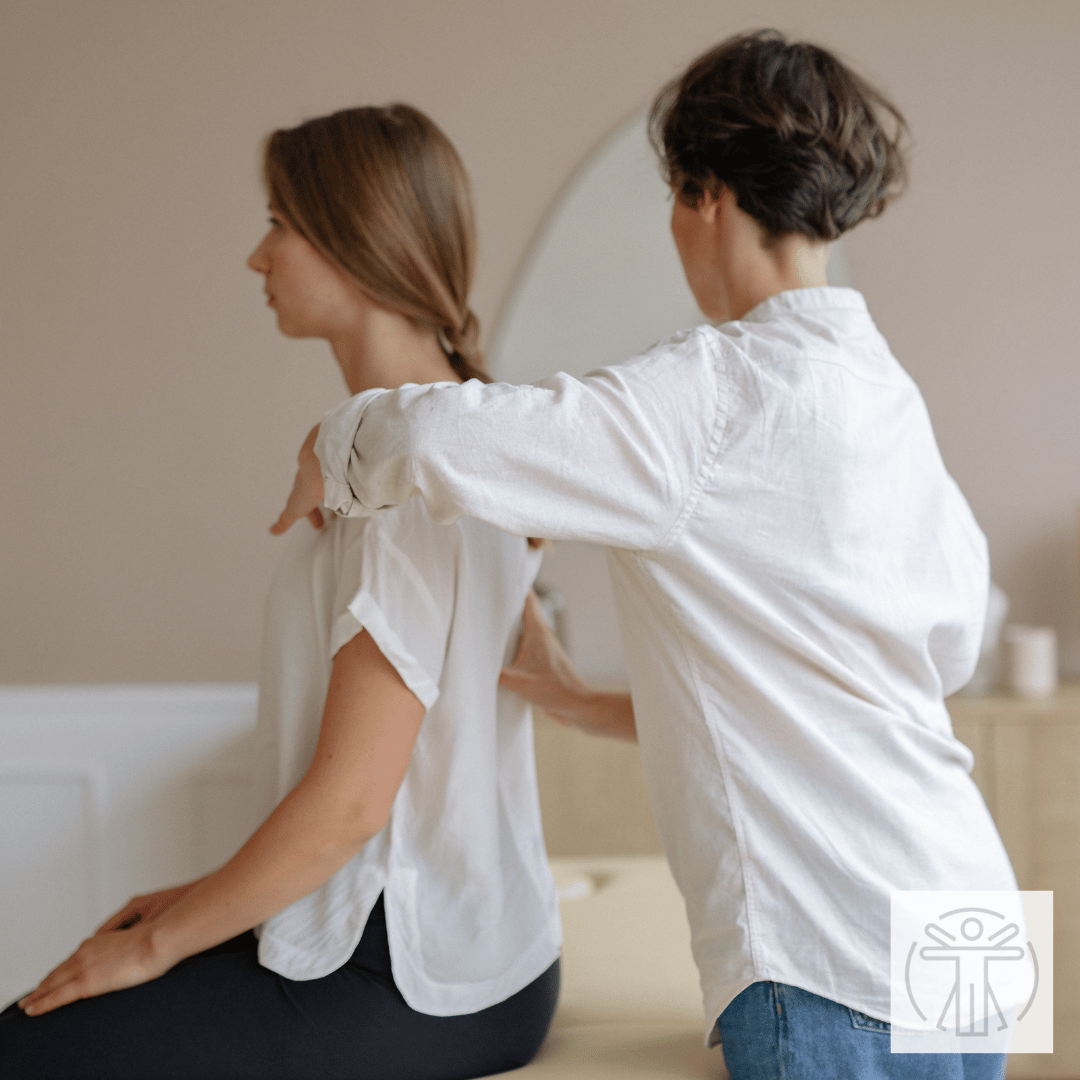
Preventing back pain is as vital as treating it. Simple changes in your daily routine can make a significant difference in maintaining a healthy spine.
Simple Habits to Prevent Flare-Ups
Incorporating small habits into your day can greatly reduce the risk of back pain. Regular breaks during long periods of sitting and proper lifting techniques are key. These habits help distribute stress more evenly across your body, reducing strain on your back.
Additionally, staying hydrated and maintaining a balanced diet support muscle function and overall health. Consistency is crucial. By making these habits part of your routine, you can significantly reduce the likelihood of flare-ups.
Posture and Ergonomics for Desk Workers
For those who spend hours at a desk, posture and ergonomics are essential. Investing in a supportive chair and adjusting your workstation can prevent unnecessary strain. Your screen should be at eye level, and your feet should rest flat on the floor.
Regularly check your posture throughout the day. Simple reminders to sit up straight or adjust your chair can help prevent pain. Over time, these adjustments become second nature, contributing to a healthier work environment and reduced back discomfort.
Core Strengthening and Mobility Tips
Building core strength is vital for back health. A strong core supports your spine and reduces the risk of injury. Incorporate exercises like planks and bridges into your routine. Start with short sessions and gradually increase as your strength improves.
Mobility is equally important. Stretching exercises that target the lower back and surrounding muscles enhance flexibility. This combination of strength and flexibility keeps your back resilient and ready to handle daily demands.
Collaborative Care at MyHealth Care Centre
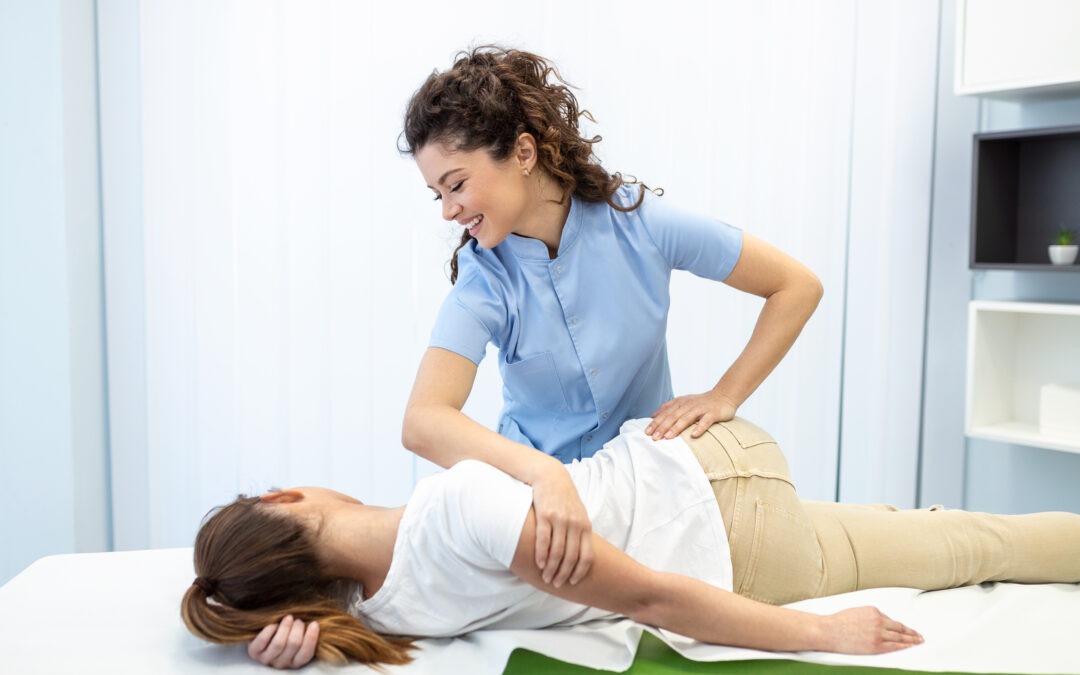
At MyHealth Care Centre, our integrated care model offers a comprehensive solution for back pain. By combining various therapies, we ensure you receive the most effective treatment for your needs.
Combining Physiotherapy and Chiropractic
Physiotherapy and chiropractic care work hand in hand to enhance your recovery. While physiotherapy focuses on movement and strengthening, chiropractic care addresses alignment and joint health. This combination maximises the benefits of both therapies.
Chiropractic adjustments can relieve pressure on the spine, complementing the exercises prescribed by your physiotherapist. Together, these approaches provide a well-rounded plan that supports your overall recovery.
Benefits of Massage and Acupuncture
Massage therapy and acupuncture offer additional relief for back pain. Massage helps relax tight muscles and improve circulation, which can alleviate discomfort. Acupuncture targets specific points to release tension and promote healing.
These therapies enhance the effects of physiotherapy by addressing both physical and energetic aspects of pain. Incorporating them into your care plan provides a comprehensive approach to managing and reducing back pain.
Additional Therapies for Recovery and Relief
Beyond standard treatments, MyHealth Care Centre offers advanced therapies like cold laser therapy and cryotherapy. These non-invasive options can accelerate healing and reduce inflammation.
Cold laser therapy promotes tissue regeneration, while cryotherapy targets acute pain and swelling. By integrating these therapies into your treatment plan, we provide a holistic approach to recovery that supports every stage of the healing process.
Frequently Asked Questions
What are the benefits of physiotherapy for lower back pain?
Physiotherapy offers effective relief by addressing the root cause of pain. Through personalised exercises and hands-on techniques, it improves mobility and reduces reliance on medication.
How does a physiotherapy assessment work?
An assessment involves analysing your posture, joint mechanics, and muscle imbalances. This helps create a tailored treatment plan that targets your specific needs and goals.
Can simple habits really prevent back pain?
Yes, incorporating small changes like proper posture and regular breaks can significantly reduce the risk of back pain by distributing stress more evenly across your body.
How do physiotherapy and chiropractic care complement each other?
Physiotherapy focuses on movement and strengthening, while chiropractic care addresses spinal alignment. Together, they provide a comprehensive approach to recovery.
Are massage and acupuncture effective for back pain?
Yes, both therapies offer additional relief. Massage relaxes muscles and improves circulation, while acupuncture targets tension points, enhancing overall pain management.
Book Online
Sep 27, 2026 | Uncategorized
Sports injury rehabilitation in Port Credit isn’t just about healing—it’s about getting you back to what you love, stronger and smarter. Whether you’re running the Waterfront Trail, sailing at the Port Credit Yacht Club, or hitting the ice at the Memorial Arena, injuries can slow you down. At MyHealth Care Centre, we tailor rehab plans to your sport and lifestyle, helping you recover efficiently and prevent future setbacks. Ready to move better and live better? Learn more about rehabilitation in sport here.
Common Sports Injuries in Port Credit
Living an active lifestyle by the water comes with unique challenges. Port Credit’s vibrant community of runners, sailors, and hockey enthusiasts often faces specific injuries. Let’s dive into the details to help you stay ahead of the game.
Running Injuries on the Waterfront Trail
Running on the Waterfront Trail offers stunning views and fresh air, but it can also lead to common injuries. If you love pounding the pavement, watch for knee pain or shin splints. These often stem from overuse or improper footwear.
A bit of proactive care can go a long way. Stretch before running and consider wearing custom orthotics to support your feet. Rest when needed and consult with a professional if pain persists. Keeping your joints and muscles happy ensures you can run freely along the scenic trail.
Sailing Shoulder Strain at Port Credit Yacht Club
Sailing on Lake Ontario is an exhilarating experience, but it can strain your shoulders. Rigging and steering require strength, and repetitive motions may lead to discomfort. This strain is common among sailors, especially those new to the sport.
To protect your shoulders, focus on strengthening exercises. Incorporating stretches into your routine can also help maintain flexibility. If you do experience pain, don’t ignore it. Seeking early treatment might save you from long-term issues, allowing you to enjoy the water with ease.
Hockey Groin Strain Rehab at Memorial Arena
Playing hockey at Memorial Arena is intense and thrilling. Yet, the fast-paced game can lead to groin strains, a common injury among players. Quick movements and sudden changes in direction put the groin area at risk.
To prevent these strains, a warm-up routine that includes stretching is crucial. Pay attention to any discomfort and take breaks as needed. Proper technique and conditioning can help keep you on the ice without setbacks.
Evidence-Based Rehabilitation Strategies
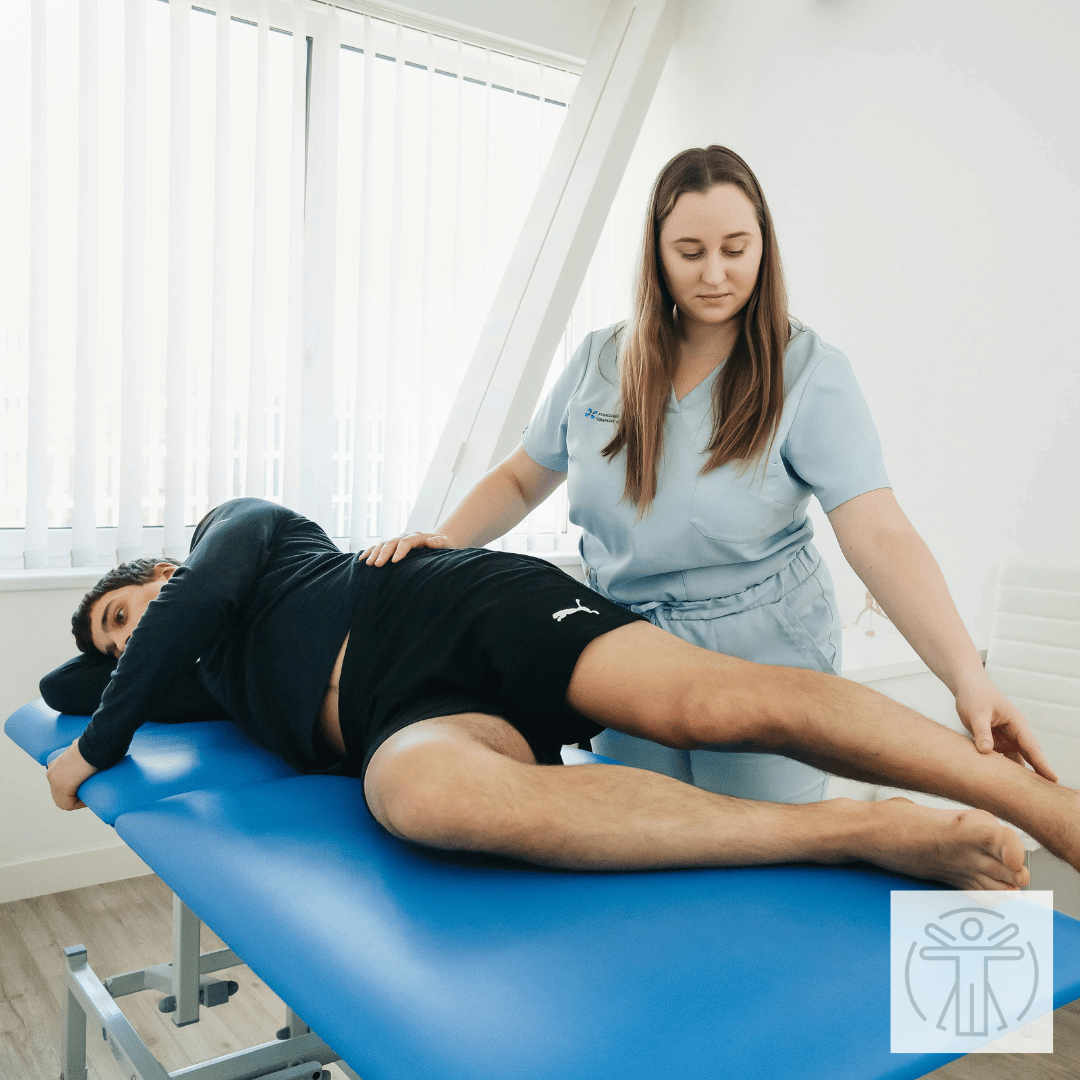
Recovering from sports injuries is not just about rest; it’s about smart, evidence-based strategies. Let’s explore some effective rehabilitation techniques available in Port Credit.
Physiotherapy and Chiropractor Care in Port Credit
Physiotherapy and chiropractic care can be powerful tools for recovery. These therapies focus on restoring movement and relieving pain. They involve manual therapy, exercises, and education to support healing.
When you visit MyHealth Care Centre, expect a personalized plan tailored to your needs. Our team collaborates to ensure each session contributes to your recovery. With their expertise, you can regain strength and mobility efficiently.
Massage and Acupuncture for Sports Injuries in Mississauga
Massage therapy and acupuncture offer additional support in sports injury recovery. Massage can relax tense muscles and improve circulation, aiding in faster healing. Acupuncture, on the other hand, targets pain relief and promotes overall wellness.
These methods are particularly effective when combined with other treatments. Our integrated approach ensures you get the best care, improving your chances of a full recovery.
Fascial Stretch Therapy and Cold Laser Therapy
Fascial Stretch Therapy and cold laser therapy are innovative techniques. They target flexibility and pain reduction, respectively. By improving range of motion and reducing inflammation, these therapies can accelerate your recovery.
At MyHealth Care Centre, we offer these advanced options to enhance your rehabilitation journey. Our goal is to provide comprehensive care that addresses all aspects of your recovery.
Prevention and Recovery for Active Adults
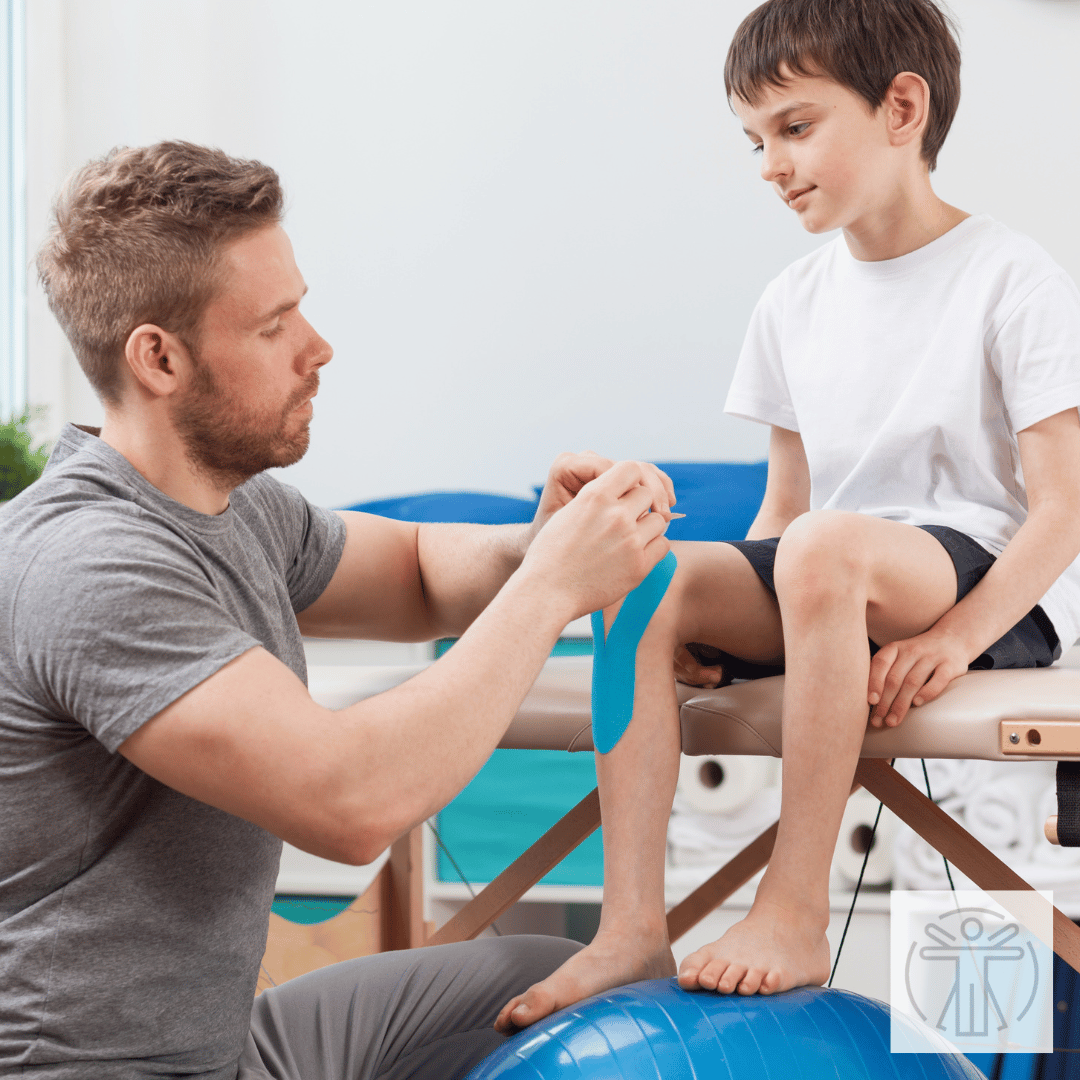
Staying injury-free is just as important as recovery. Here’s how you can protect yourself and maintain an active lifestyle.
Injury Prevention Exercises and PEACE and LOVE Protocol
Preventing injuries involves regular exercises and following the PEACE and LOVE protocol. These strategies focus on maintaining strength, flexibility, and balance. They also emphasize listening to your body and addressing pain early.
By incorporating these practices into your routine, you reduce the risk of injuries. Consistency is key, so make these exercises part of your lifestyle.
Custom Orthotics and Orthopaedic Bracing
Supportive gear like custom orthotics and orthopedic bracing can be game-changers. They provide stability and alignment, reducing the strain on your body during activities.
Consult with a specialist to find the right fit for you. Proper support can make a significant difference in preventing injuries and enhancing your performance.
Personalized Return to Sport Programme in Port Credit
After an injury, returning to sport requires a careful approach. A personalized return to sport programme ensures a safe transition back to your activities. Our team designs these plans based on your specific needs and goals.
With guided support, you can regain your confidence and enjoy the sports you love without fear of re-injury.
Frequently Asked Questions
What are the most common running injuries on the Waterfront Trail?
Common injuries include knee pain and shin splints due to overuse. Proper footwear and stretching can help prevent these issues.
How can sailors prevent shoulder strains at the Port Credit Yacht Club?
Strengthening exercises and stretching routines are key to preventing shoulder strains. Addressing pain early also helps in avoiding long-term problems.
What rehabilitation strategies are recommended for hockey groin strains?
A combination of physiotherapy, chiropractic care, and proper conditioning can aid in recovering from groin strains. Stretching before games is also crucial.
How does massage therapy help in sports injury recovery?
Massage therapy relaxes muscles and improves circulation, aiding in faster recovery. It’s often combined with other treatments for best results.
What is the PEACE and LOVE protocol for injury prevention?
The PEACE and LOVE protocol focuses on protecting, elevating, and managing injury sites while encouraging an active and mindful recovery.
Sep 21, 2026 | Uncategorized
Post-surgical rehabilitation is more than just resting after surgery. Without a clear plan, you risk longer pain and slower progress. Your recovery plan after surgery should guide you step by step—covering pain control, movement retraining, and strength rebuilding. At MyHealth Care Centre, we tailor post-op physiotherapy to fit your lifestyle, helping you return to the Waterfront Trail, the gym, or everyday activities with confidence.
Pre-Op Education Essentials

Preparing for surgery involves more than the procedure itself. Effective planning sets the stage for smoother recovery.
Setting Realistic Expectations
Understanding what to expect post-surgery helps manage anxiety and promotes a proactive mindset. Talk with your healthcare provider about recovery timelines and potential challenges. Knowing the typical progression can keep you motivated. Remember that healing is personal, and your journey might look different from others. Use this insight to set achievable goals for your recovery.
Understanding Your Surgery
Knowledge empowers you to make informed decisions. Learn about the procedure and potential side effects. This understanding helps in recognizing what’s normal and when to seek help. Research your surgery using reliable sources, but also rely on your medical team’s expertise. They can provide specific advice tailored to your needs.
Preparing Your Home Environment
A well-prepared home can make recovery smoother. Organise your space to limit movements that might strain your body. Place essentials within easy reach to avoid unnecessary trips. Consider safety aids like grab bars or a shower chair. These small adjustments can significantly ease your daily routine post-surgery, allowing you to focus on healing.
Early Recovery Strategies

Post-surgery, the initial phase of recovery is crucial. It’s about managing discomfort and starting gentle movements.
Pain and Swelling Management
Effective pain control is key to recovery. Use prescribed medications as directed, and don’t ignore discomfort. Ice packs can reduce swelling, and elevating the affected area might help too. Consistent management prevents small issues from becoming big setbacks. Communicate with your healthcare provider if pain intensifies or changes.
Safe Mobility Techniques
Moving safely is essential after surgery. Start with small steps, guided by your physiotherapist. They will show you how to get in and out of bed, use assistive devices, and navigate your home without risking injury. Practising these techniques builds confidence and encourages gradual mobility, a vital part of healing.
Initial Gait Training
Learning to walk again post-surgery requires patience and practice. A physiotherapist will guide your gait training, focusing on posture and balance. They might introduce aids like walkers or crutches. Consistent training strengthens muscles and improves coordination. Each step taken with care is a step towards independence.
Progressive Rehabilitation Techniques
As you progress, recovery focuses on rebuilding strength and improving mobility.
Strength and Range-of-Motion Work
Strengthening exercises become a priority in this phase. Target specific muscle groups affected by surgery to restore function. Gentle stretching can enhance range of motion, reducing stiffness. A physiotherapist will design a programme tailored to your needs, ensuring safe and effective progression. Regular practice aids in regaining control and improving movement precision.
Balance and Core Stability Exercises
Balance and stability are often compromised post-surgery. Exercises focusing on core strength and stability are crucial. These exercises help prevent falls and improve overall movement quality. Simple activities like standing on one leg or using a stability ball can be beneficial. Integration of these exercises into your routine supports long-term recovery and functional movement.
Functional Movement Retraining
Relearning everyday tasks is a significant aspect of recovery. Functional movement retraining focuses on performing these activities safely and efficiently. Your physiotherapist will guide you through exercises mimicking daily tasks, ensuring you regain the skills needed for independence. This targeted training supports your return to normal life and boosts confidence in your physical abilities.
Frequently Asked Questions
What should I do before surgery to prepare for recovery?
Preparing your home and understanding your surgery are key. Arrange your environment for safety, and discuss the procedure with your healthcare provider to set realistic expectations.
How can I manage pain effectively after surgery?
Follow your doctor’s pain management plan, including medication and icing. If pain worsens or changes, contact your healthcare provider immediately.
When can I start walking after surgery?
Begin with guided steps and follow your physiotherapist’s instructions. Gait training is tailored to individual progress, so patience is essential.
Why is balance training important in recovery?
Balance exercises help prevent falls and improve movement. They strengthen core muscles and enhance stability.
How do I know if my recovery is on track?
Regular follow-ups with your healthcare team and physiotherapist provide insight. They can adjust your recovery plan based on your progress and needs.
Book Online
