
Overuse injuries can sneak up on you, especially when you’re pushing hard on the Port Credit waterfront or tackling the Waterfront Trail. If you’ve felt nagging pain in your knees, shins, or Achilles lately, it’s time to pay attention. We’ll guide you through spotting early signs, managing your training load, and making simple changes that keep you moving without pain this autumn. Book your assessment at MyHealth Care Centre and start your personalised path to recovery today. For additional insights into overuse injuries, you can read more here.
Understanding Overuse Injuries
Overuse injuries can affect anyone, from weekend warriors to seasoned athletes. Let’s explore the common overuse injuries you might face.
Common Overuse Injuries
Overuse injuries often occur when you increase your activity level too quickly. Some frequent examples include runner’s knee and iliotibial band syndrome. These conditions typically result in knee pain, a common issue among those who run regularly. Additionally, shin splints and Achilles pain are prevalent among runners and those who engage in high-impact activities. These injuries result from repetitive stress and can significantly hinder your performance.
Dealing with these injuries can be frustrating, but with the right approach, you can overcome them. By understanding the specific injury and its cause, you can tailor your recovery plan to your needs. It’s crucial to address these issues early to prevent further complications.
Warning Signs and Symptoms
Recognising the warning signs of an overuse injury is the first step in prevention. Common symptoms include persistent pain, swelling, and a decrease in performance. You might notice pain during your workout that lingers after you finish or even worsens the next day. Stiffness and a loss of range of motion can also indicate an overuse injury.
If you’re experiencing these symptoms, it might be time to reassess your training routine. Ignoring these warning signs can lead to more severe injuries, making recovery longer and more challenging. Paying attention to your body and responding to these signals can help you avoid prolonged downtime.
Causes and Risk Factors
Several factors can contribute to overuse injuries. The most common cause is increasing your activity level too quickly without allowing your body to adapt. Factors like poor technique or improper equipment can also play a role. For instance, wearing shoes that don’t provide adequate support can lead to foot and ankle injuries such as plantar fasciitis.
Understanding your body’s limits and adapting your training accordingly can prevent these injuries. It’s essential to balance your workout routine with rest and recovery to facilitate growth and prevent overuse. By recognising and managing these risk factors, you can keep your training on track and injury-free.
Prevention and Smart Training
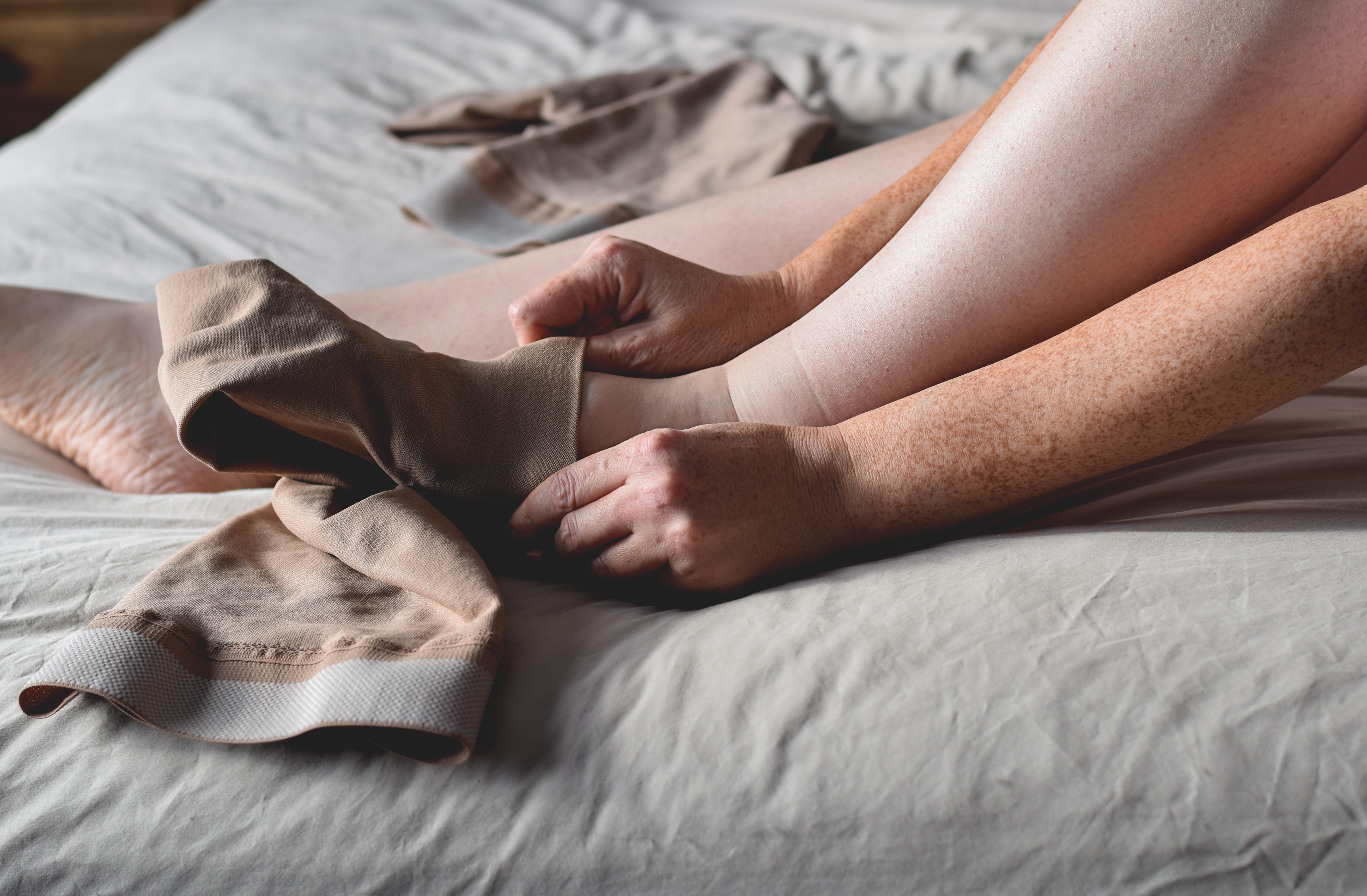
Now that we know about overuse injuries, let’s dive into prevention and smart training strategies that can keep you on the move.
Effective Load Management
Managing your training load is crucial in preventing overuse injuries. Gradually increasing your activity level allows your body to adapt without causing harm. Avoid making sudden changes in intensity or duration, as this can lead to injury. Instead, aim to increase your workload by no more than 10% each week.
Consistency is key. By maintaining a regular training schedule, you give your body the chance to adjust and strengthen. This approach not only helps prevent injuries but also improves overall performance. Remember, it’s about making steady progress rather than pushing yourself too hard too quickly.
Activity Modification Tips
Sometimes, a few simple changes to your routine can make a big difference. If you’re dealing with pain, try adjusting your activities to reduce stress on the affected area. For example, if running is causing discomfort, consider switching to low-impact exercises like swimming or cycling until the pain subsides.
Incorporate cross-training into your routine to balance strength and flexibility. This method helps target different muscle groups, enhancing your overall fitness. By diversifying your activities, you can reduce strain on specific areas and improve your body’s resilience against injury.
Injury Prevention Strategies
Preventing injuries requires a proactive approach. Incorporating warm-ups and cool-downs into your routine is essential. These practices prepare your muscles for activity and help them recover afterwards. Stretching and flexibility exercises also enhance your range of motion and reduce the risk of injury.
Focus on building strength, particularly in your core and lower body. A strong foundation supports your movements and reduces the likelihood of injury. Additionally, listen to your body’s signals and allow time for recovery. Adequate rest is crucial for muscle repair and growth, ensuring you stay active and injury-free.
Recovery and Professional Support
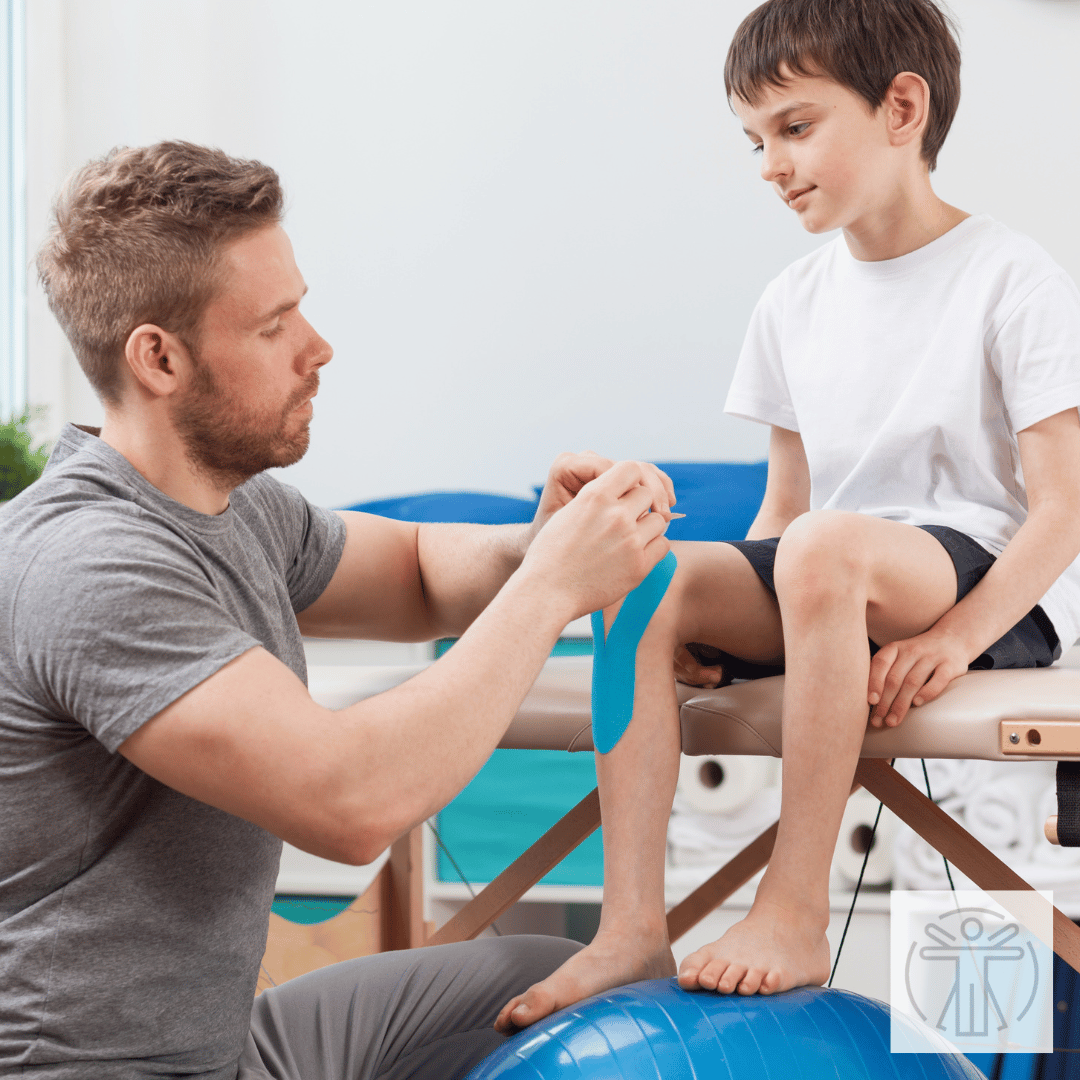
Even with preventive measures, injuries can occur. Let’s explore recovery strategies and professional support options available to you.
Personalised Recovery Plans
A personalised recovery plan is essential for effective healing. At MyHealth Care Centre, we tailor our approach to your specific needs. Our comprehensive assessments allow us to identify the root cause of your injury and develop a customised plan. This plan may include exercises, manual therapy, and education on injury prevention.
Our goal is to restore your function and mobility while preventing future injuries. By focusing on the underlying causes, we address the problem at its source, ensuring a smoother and more complete recovery. With our guidance, you can confidently return to your activities stronger than before.
Services at MyHealth Care Centre
Our clinic offers a range of services to support your recovery journey. From physiotherapy to chiropractic care, we provide integrated solutions tailored to your needs. Our team of experts collaborates to deliver a cohesive treatment plan that addresses all aspects of your recovery.
We also offer specialised treatments like sports massage, acupuncture, and fascial stretch therapy, which can aid in pain relief and enhance recovery. By combining these modalities, we ensure that your treatment is comprehensive and effective. For more information on our services, visit our page on Sports Injury Rehabilitation in Port Credit: Recover Smarter, Return Stronger.
Benefits of a Port Credit Clinic Visit
Visiting our Port Credit clinic offers numerous benefits for your recovery journey. Our local presence means convenient access to expert care tailored to your needs. As part of the Port Credit community, we understand the unique demands of your active lifestyle.
Our integrated approach ensures seamless care, addressing your recovery needs while promoting long-term well-being. By choosing MyHealth Care Centre, you invest in a comprehensive treatment plan that empowers you to move better and live better.
Frequently Asked Questions
What are the most common overuse injuries?
Common overuse injuries include runner’s knee, shin splints, and Achilles pain. These injuries often result from repetitive stress and can affect your performance significantly.
How can I prevent overuse injuries?
Preventing overuse injuries involves managing your training load, incorporating cross-training, and paying attention to your body’s signals. Gradually increasing your activity level and allowing time for recovery are crucial.
What services does MyHealth Care Centre offer for recovery?
MyHealth Care Centre offers a range of services, including physiotherapy, chiropractic care, and sports massage. Our integrated approach ensures comprehensive care tailored to your unique needs.
Why should I choose a Port Credit clinic for treatment?
Choosing a Port Credit clinic offers convenient access to expert care tailored to your lifestyle. Our local presence and integrated approach ensure seamless, effective recovery solutions.
How do I know if I have an overuse injury?
Signs of an overuse injury include persistent pain, swelling, and a decrease in performance. If you experience these symptoms, it’s important to reassess your training routine and seek professional guidance.