
Post-surgical rehabilitation in Port Credit isn’t one-size-fits-all. A structured recovery plan after surgery should fit your lifestyle, goals, and the unique demands of your body. At MyHealth Care Centre, we combine treatments like physiotherapy after surgery Port Credit with therapies such as cold laser and cryotherapy to help you regain strength and confidence. Here’s what a personalised rehab programme looks like—and how it sets you up to move better and live better.
Essential Elements of Rehabilitation
When embarking on post-surgical rehabilitation, understanding the foundational elements is crucial. Let’s break down what goes into crafting a recovery plan that truly supports your journey back to health.
Understanding Your Recovery Plan
Your recovery plan is a roadmap tailored to your needs. It focuses on restoring your strength and mobility, ensuring that every step addresses your specific post-surgical challenges. By prioritising your unique recovery goals, the plan becomes a guide that adapts to your body’s responses and progresses as you heal.
During the initial stages, you and your healthcare provider will outline the plan together. This is where you’ll discuss your surgery details, current physical condition, and any particular concerns you have. Each session is designed to work on specific areas that need attention, helping you regain full function over time.
Monitoring progress is vital. Regular check-ins with your physiotherapist help track improvements and tweak your plan as needed. This ensures that every aspect of your recovery is on track, making you an active participant in your healing process.
Importance of Personalised Programmes
A personalised programme is essential because no two bodies are the same. Such a plan takes into account your lifestyle, surgical history, and recovery goals, making it more effective than a generic approach. It empowers you to stay engaged and motivated throughout your rehab journey.
These programmes often incorporate a variety of therapies that aim to address different recovery facets. You might find yourself combining exercises, manual therapy, and education to achieve the best outcomes. This integrated approach ensures that you’re not just recovering but also building resilience against future injuries.
Moreover, the flexibility of a personalised plan means you can address new challenges as they arise. Whether it’s incorporating new exercises or adjusting therapy intensity, a tailored plan evolves with you, ensuring continuous improvement.
Therapies and Treatments
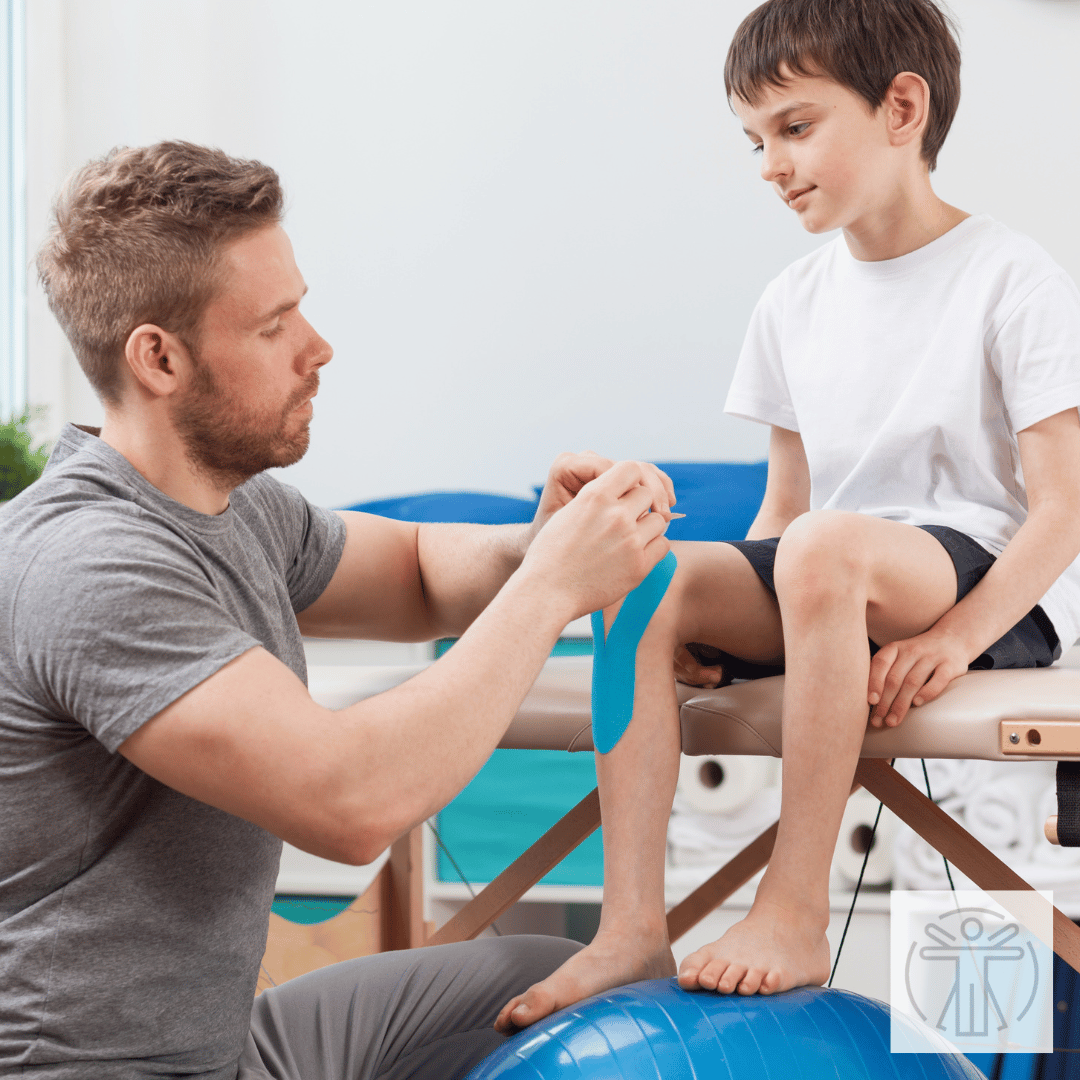
To support your recovery, a range of therapies and treatments can be employed. These not only aid in healing but also enhance overall well-being.
Physiotherapy and Chiropractic Benefits
Physiotherapy and chiropractic care form the backbone of rehabilitation. These therapies focus on improving mobility, reducing pain, and promoting healing. Physiotherapy exercises help strengthen muscles around the surgical site, while chiropractic adjustments can enhance spinal health and joint function.
The combination of these two disciplines creates a comprehensive approach to recovery. When integrated, they address both the immediate post-surgical needs and the long-term maintenance of your body’s health. This synergy ensures a smoother, more effective recovery process.
Patients often report that physiotherapy helps in regaining motion quickly, while chiropractic care aids in maintaining alignment and reducing discomfort. Together, they create a robust framework for achieving optimal health post-surgery.
Advanced Modalities: Cold Laser and Cryotherapy
Cold laser therapy and cryotherapy are advanced treatments that play a significant role in modern rehabilitation. Cold laser therapy targets cellular repair and accelerates tissue healing, making it a valuable tool for reducing inflammation and pain post-surgery.
Cryotherapy, on the other hand, uses cold temperatures to reduce swelling and manage pain. It’s especially effective for acute injuries and post-surgical recovery, providing quick relief and supporting the body’s natural healing processes.
These therapies are non-invasive, making them appealing options for many patients. They can be seamlessly integrated into your personalised programme, enhancing the overall effectiveness of your rehabilitation.
Role of Massage and Stretch Therapies
Massage therapy and stretching exercises contribute significantly to rehabilitation by improving circulation and flexibility. Massage helps alleviate muscle tension, promoting relaxation and recovery. Stretching maintains joint mobility and prevents stiffness, which is crucial after surgery.
Incorporating these therapies into your recovery plan can lead to better outcomes. Regular sessions can improve your range of motion and decrease the risk of complications, supporting your journey toward full recovery.
These therapies also offer mental benefits. They reduce stress and promote a sense of well-being, which is vital for maintaining a positive outlook during your rehabilitation journey.
Preparing for Active Recovery
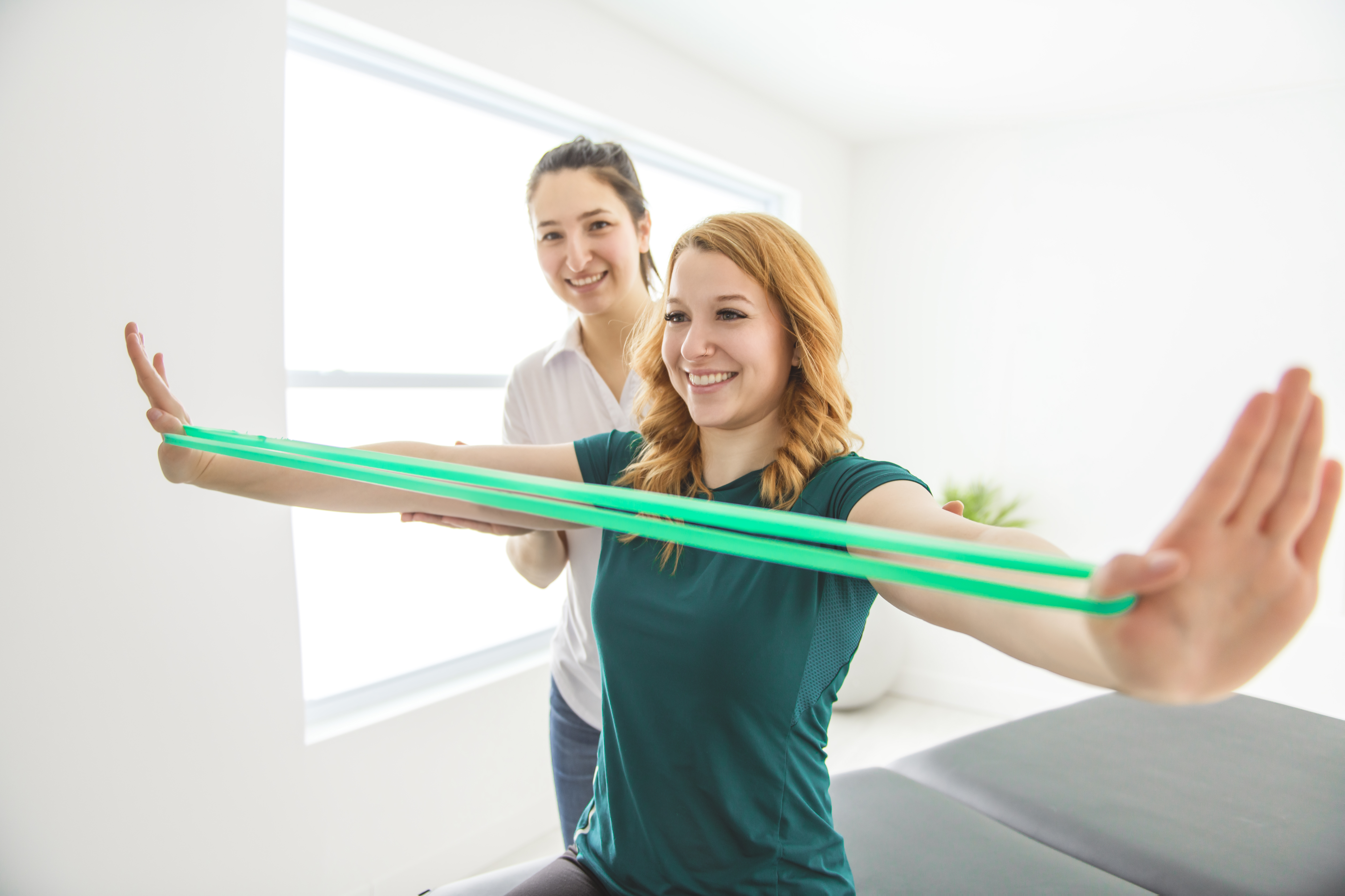
Active recovery involves taking charge of your healing outside the clinic. Let’s explore how you can prepare for this important phase.
Home Exercises and Progress Tracking
Home exercises are a cornerstone of active recovery. They allow you to continue your rehabilitation independently, reinforcing the work done during therapy sessions. Consistency is key—performing exercises regularly ensures steady progress.
Tracking your progress is equally important. By keeping a record of your achievements and setbacks, you can adapt your exercises to better suit your needs. This not only keeps you motivated but also provides valuable insights to your healthcare provider.
Remember, the goal is to integrate these exercises into your daily routine. This makes recovery a part of your lifestyle, ensuring long-term success.
Incorporating Orthotics and Compression Socks
Orthotics and medical compression socks can be valuable tools in your recovery arsenal. Custom orthotics support proper foot alignment, reducing strain on surgical sites and aiding overall biomechanics. These are particularly useful for surgeries involving the legs or back.
Compression socks help improve circulation, reducing swelling and discomfort. They’re especially beneficial during the early stages of recovery when mobility might be limited.
Both orthotics and compression socks can enhance your rehabilitation efforts, offering support and improving comfort as you regain activity levels.
Local Activities to Aim For
Engaging in local activities can boost your recovery by encouraging movement and social interaction. Walking along the Port Credit waterfront or participating in community yoga classes can be excellent ways to stay active.
These activities not only support physical healing but also enhance mental well-being. They offer opportunities to connect with others, reducing feelings of isolation during your recovery journey.
As you progress, gradually incorporate more challenging activities. This keeps your rehabilitation engaging and helps you achieve new milestones in your journey to health.
Frequently Asked Questions
What should I expect during post-surgical rehabilitation?
Post-surgical rehabilitation focuses on restoring function through personalised exercises and therapies. Expect a combination of in-clinic sessions and home exercises to support recovery.
How do personalised programmes benefit my recovery?
Personalised programmes cater to your specific needs, enhancing recovery effectiveness. They incorporate various therapies and evolve with your progress, ensuring continuous improvement.
What role do advanced therapies play in rehabilitation?
Advanced therapies like cold laser therapy and cryotherapy aid healing by reducing inflammation and managing pain. They complement traditional therapies, making recovery more efficient.
Why are home exercises crucial in active recovery?
Home exercises extend the benefits of in-clinic sessions, reinforcing progress. They help maintain muscle strength and joint mobility, supporting long-term recovery goals.
How can local activities enhance my recovery?
Local activities promote movement and social engagement, boosting mental and physical well-being. They keep rehabilitation enjoyable, motivating you to stay active.