
Pain, tightness and fatigue often strike together, leaving you unsure where to start with treatment. Choosing the right therapy in Port Credit can make all the difference to your recovery and daily energy. This guide breaks down when a single approach works, when combining therapies helps, and how an integrated assessment can create a clear, personalised plan. Let’s get you moving comfortably again with the right support at MyHealth Care Centre. For further insights, you can explore alternative therapies.
Integrated Care for Overlapping Symptoms
Choosing the right therapy when you’re dealing with multiple symptoms can be tricky. Let’s explore how understanding each symptom can help you find the best path forward.
Understanding Pain and Tightness
Pain and tightness often occur together, making it difficult to pinpoint the cause. Pain can be sharp or dull, while tightness feels like a constriction or stiffness. Recognising these sensations is a crucial step. Pain may signal an injury or something more chronic, while tightness could point to muscle strain or stress. Identifying what your body is telling you allows for more effective treatment. Understanding these differences ensures that when you approach a healthcare provider, like MyHealth Care Centre, you’re equipped to explain your symptoms accurately.
The Role of Fatigue in Recovery
Fatigue can slow down recovery significantly. It’s more than just feeling tired; it’s a constant state of weariness that doesn’t improve with rest. When you’re fatigued, your body’s ability to heal is compromised. This means that any therapy you choose must consider your energy levels. Integrating rest periods and energy management strategies into your recovery plan is essential. Fatigue can stem from various issues, including stress or underlying health conditions, so addressing it holistically is key to effective recovery.
Choosing the Right Therapy
To decide on the best therapy, consider all your symptoms and their severity. An integrated assessment can help. This process evaluates your overall condition, ensuring a custom treatment plan that addresses all aspects of your health. Whether it’s physio, chiropractic care, or massage, the right combination of therapies can offer comprehensive relief. By choosing therapies that complement each other, you maximise the potential for a full recovery.
Therapies for Active Lifestyles

If you lead an active lifestyle, certain therapies can particularly benefit you. Let’s explore options that cater to those who enjoy staying active.
Physiotherapy and Chiropractic Benefits
Physiotherapy and chiropractic care work wonders for active individuals. They focus on restoring movement and reducing pain. Physiotherapy uses exercises and manual therapy to improve mobility and strength. Meanwhile, chiropractic care adjusts your spine and joints to enhance alignment and function. Together, they provide a robust framework for healing, especially useful if you’re recovering from a sports-related injury. This combo helps you get back to activities like running on the Waterfront Trail faster and stronger.
Massage and Stretch Therapy Solutions
Incorporating massage and stretch therapy into your routine can be transformative. Massage alleviates tension, enhances circulation, and promotes relaxation, while stretch therapy improves flexibility and range of motion. These therapies are particularly beneficial if you’re experiencing muscle tightness or post-exercise soreness. Regular sessions can also prevent future injuries by keeping muscles supple and joints flexible. This approach not only aids recovery but also ensures you maintain peak physical condition.
Acupuncture and Cold Laser Options
Acupuncture and cold laser therapy offer alternative routes to recovery. Acupuncture stimulates specific points on your body to relieve pain and promote healing. Cold laser therapy, on the other hand, uses low-level lasers to accelerate tissue repair and decrease inflammation. Both therapies are non-invasive and can complement traditional treatments. They’re particularly effective for chronic pain conditions and can be tailored to your specific needs at MyHealth Care Centre.
Proactive Recovery Strategies
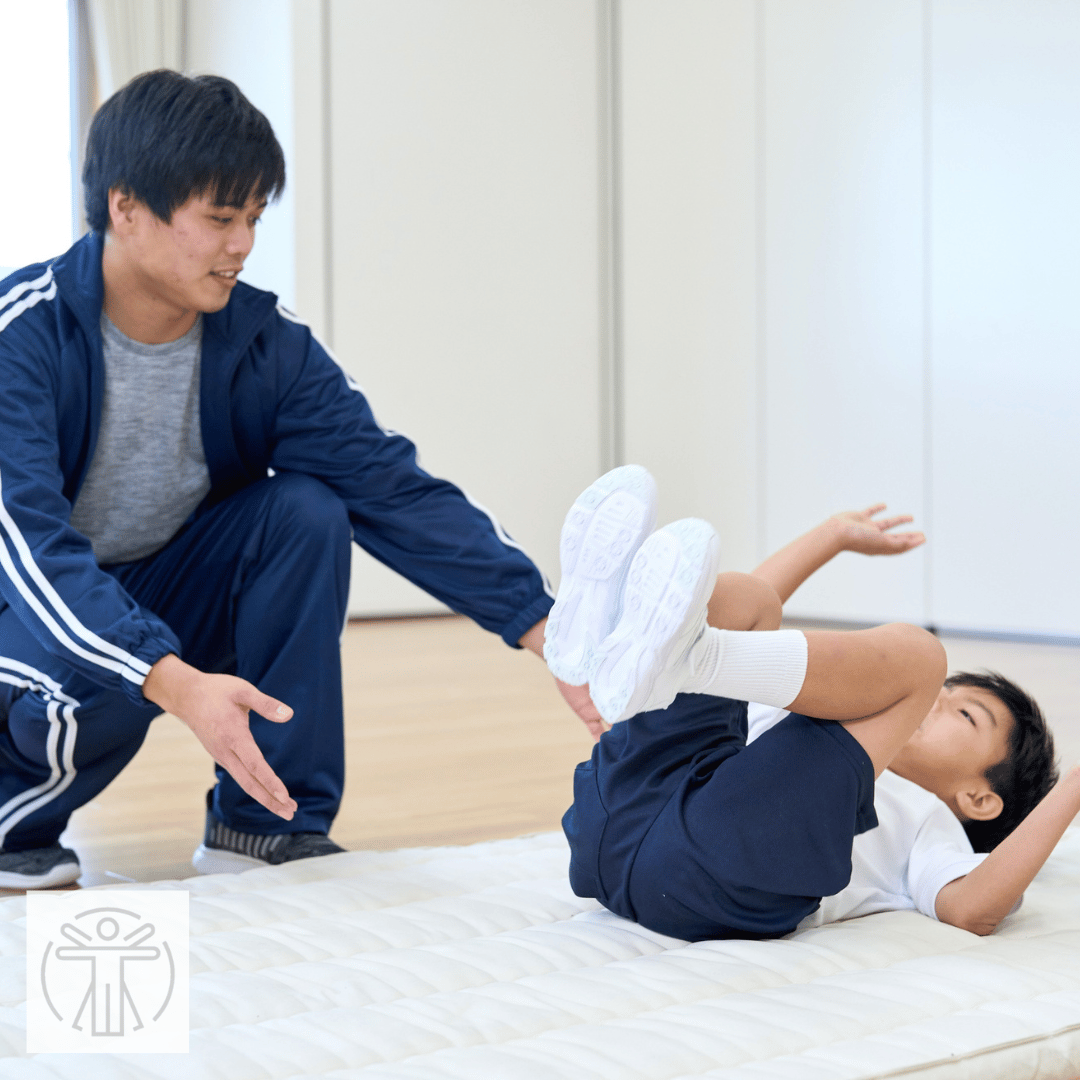
Beyond in-clinic treatments, proactive strategies at home can accelerate your recovery journey. Let’s delve into some effective methods.
At-Home Exercises and Tips
Regular exercise is vital for maintaining health and aiding recovery. Simple exercises like stretching, yoga, or strengthening routines can be done at home to boost flexibility and core strength. Consistency is key, so try to set aside a few minutes each day. Staying hydrated and maintaining a balanced diet also supports recovery, ensuring your body has the nutrients it needs to heal and perform optimally.
When to Seek an Integrated Assessment
An integrated assessment is crucial when symptoms persist or multiple issues overlap. It provides a comprehensive view of your health, ensuring all contributing factors are addressed. This assessment can lead to a more effective treatment plan customised to your needs. If you’re unsure when to seek this, consider doing so when home remedies aren’t providing relief or if your symptoms are worsening.
Booking Treatment in Port Credit
Finding the right care in Port Credit is simple. MyHealth Care Centre offers a range of therapies that can be tailored to your needs. Booking an appointment is easy and can be done online, making it convenient for busy schedules. With a focus on personalised care and comprehensive treatment plans, you’re sure to find the right support to get back to your active lifestyle.
Frequently Asked Questions
What is the best therapy for pain and tightness?
The best therapy often combines multiple approaches. Physiotherapy and chiropractic care are excellent for addressing pain and improving mobility, while massage therapy helps relieve muscle tightness.
How does fatigue affect recovery?
Fatigue can slow recovery by reducing your body’s ability to heal. Addressing fatigue involves managing energy levels and ensuring adequate rest, which can be integrated into your overall treatment plan.
When should I consider an integrated assessment?
Consider an integrated assessment when symptoms persist despite treatment. It offers a comprehensive look at your health, ensuring all factors are addressed for an effective recovery plan.
What are the benefits of acupuncture and cold laser therapy?
Acupuncture relieves pain and promotes healing by stimulating specific body points. Cold laser therapy accelerates tissue repair and decreases inflammation, making both effective for chronic pain management.
How can I maintain my recovery at home?
Maintain recovery by incorporating regular exercise, stretching, and a balanced diet into your routine. Consistency is key, along with staying hydrated and ensuring adequate rest.