
Post‑Surgery Recovery: 7 Steps to a Personalized Rehab Plan That Works
Post-surgery recovery isn’t one-size-fits-all. You need a personalized rehab plan that fits your unique surgery and lifestyle. At MyHealth Care Centre, we’ll guide you through seven clear steps to build a safe, effective post-surgical rehabilitation program me. Ready to take control and move without pain? Let’s start with what really works.
Building Your Rehab Foundation

The first step to an effective post-surgical recovery is laying down a solid foundation. This involves understanding what your surgeon recommends and how you can incorporate that into your plan. Let's dig into the details.
Understanding Surgeon’s Protocols
Your surgeon provides key insights into your recovery. Their guidelines are not just advice—they're tailored to your surgery. Start by reviewing these instructions. Knowing what movements to avoid and what exercises to focus on helps steer your recovery in the right direction. Ask questions if anything seems unclear. This is your body, and you deserve to know what each step entails.
Conducting a Baseline Assessment
Once you understand your surgeon's protocols, the next step is assessing your current condition. This involves evaluating your range of motion, pain levels, and overall mobility. A professional therapist from MyHealth can guide you through this. They use specific tests to determine your starting point. This baseline will serve as a benchmark to track your progress over time.
Setting SMART Goals
With a baseline in place, it's time to set goals. But not just any goals—SMART goals. These are Specific, Measurable, Achievable, Relevant, and Time-bound. For instance, if you're recovering from knee surgery, you might aim to walk for 10 minutes without pain within two weeks. Such goals keep you focused and motivated, providing clarity and direction.
Effective Therapy Integration
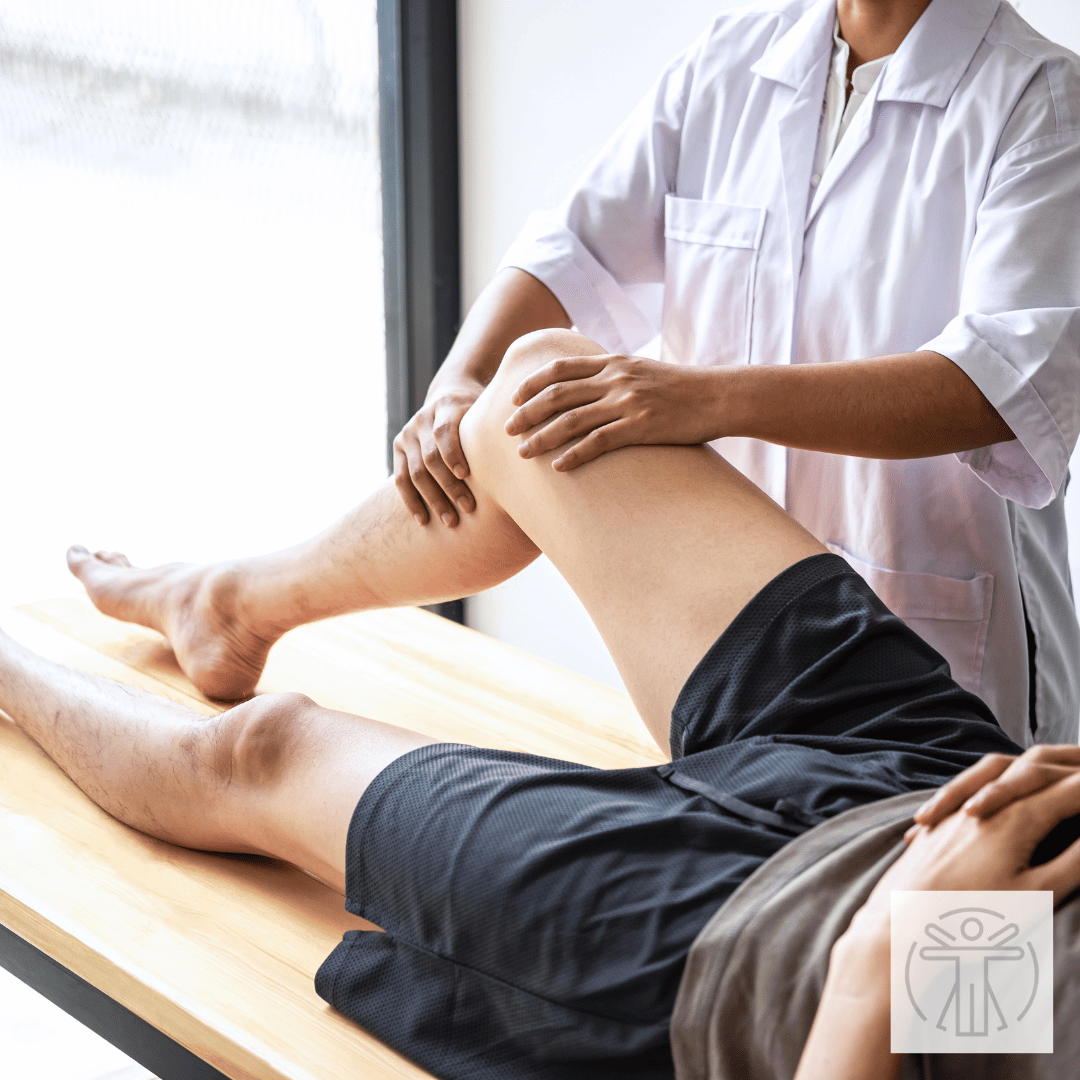
Having a strong foundation is crucial, but integrating effective therapies takes your recovery to the next level. Here’s how physiotherapy, massage, and other treatments can help.
Physiotherapy and Exercise Therapy
Engaging in physiotherapy is pivotal. It not only aids in rebuilding strength but also improves flexibility. Exercise therapy, guided by a professional, ensures you're performing the right movements. It’s about quality, not quantity. By focusing on posture and technique, you prevent further injury and promote healing.
Massage Therapy and Acupuncture
Massage therapy offers more than just relaxation. It alleviates muscle tension and enhances blood flow, vital for recovery. Acupuncture, on the other hand, targets specific points to reduce pain and inflammation. Used together, these therapies can accelerate your healing process, making each session a step closer to recovery.
Cold Laser Therapy and Cryotherapy
For reducing inflammation, cold laser therapy is a modern solution. It accelerates tissue repair and relieves pain without invasive procedures. Cryotherapy, involving cold exposure, complements this by reducing swelling and numbing painful areas. Incorporating these into your routine can make a significant difference.
Home Management and Progress

Successful recovery is not just about therapy sessions—it’s also about what you do at home. Managing pain, tracking progress, and gradually returning to daily activities are crucial steps.
Pain and Swelling Management
Pain management is vital in recovery. Ice packs, prescribed medication, and gentle stretches can help control discomfort. Swelling, a common post-surgery issue, can be reduced with elevation and compression socks. Managing these effectively aids in a smoother recovery journey.
Tracking Progress and Milestones
Monitoring your progress keeps you motivated. Keep a journal of your daily activities and improvements. Note any setbacks too. These records help you and your therapist adjust your plan as needed. Celebrating small victories, like taking a few extra steps, can boost your morale.
Returning to Everyday Activities
Gradually reintroducing daily activities is the final step to recovery. Begin with simple tasks like walking short distances or climbing a few stairs. As you build strength, you can resume more demanding tasks. Remember, patience is key. Rushing can lead to setbacks, so listen to your body and progress at your own pace.
In your path to recovery, remember that you're not alone. MyHealth Care Centre in Port Credit offers a team of professionals ready to support you with a personalized, evidence-based care plan. Stay committed to your journey, and soon enough, you'll be moving with confidence and ease.