
Sep 28, 2026 | Uncategorized
Lower back pain can slow you down, especially when your days start with hours at a desk or end with a long run along the Waterfront Trail. Lower back pain physiotherapy offers more than just relief—it helps you regain control. At MyHealth Care Centre in Port Credit, our experts guide you through detailed assessments and personalised care plans that tackle pain at its root. Keep reading to learn how tailored therapy and smart daily habits can keep your back strong and your life active. For more information on exercises for lower back pain, visit this link.
Gold-Standard Physiotherapy for Back Pain
Physiotherapy provides an effective solution for lower back pain, offering a pathway to both immediate relief and long-term health. By focusing on movement, strength, and function, it targets the root causes of discomfort.
Why Physiotherapy is Effective
Physiotherapy works by addressing the core problems of back pain, rather than just the symptoms. Through hands-on techniques and tailored exercises, it supports your body’s natural healing processes. You benefit from improved mobility and reduced pain without relying on medication. This approach not only helps alleviate discomfort but also enhances your overall physical health.
Many people find themselves surprised by how much better they feel after just a few sessions. Physiotherapy empowers you with the knowledge to manage your condition. By learning proper movement patterns and strengthening exercises, you can prevent future flare-ups. This proactive approach sets you on a path to a healthier, more active lifestyle.
Components of a Thorough Assessment
A comprehensive assessment is crucial to effective treatment. At MyHealth Care Centre, assessments include a detailed analysis of your posture, joint mechanics, and muscle imbalances. This allows us to design a plan tailored to your specific needs. Understanding your unique movement patterns provides insight into the underlying issues contributing to your pain.
Assessments go beyond just observing your symptoms. We consider your lifestyle, daily activities, and personal goals. This holistic view enables us to address not just where you are now, but where you want to be. By pinpointing the exact sources of discomfort, we can create a targeted treatment plan that offers long-lasting relief.
Creating an Integrated Care Plan
Your care plan at MyHealth Care Centre is more than just a series of exercises. It involves a collaborative approach, combining physiotherapy with other modalities like chiropractic and massage therapy. This integrated model ensures all aspects of your recovery are covered.
By working together, our team can address multiple issues simultaneously. Whether it’s improving joint mobility, releasing muscle tension, or building functional strength, each element of your plan complements the others. This synergy accelerates your recovery and helps you achieve your health goals more efficiently.
Daily Habits for Pain Prevention
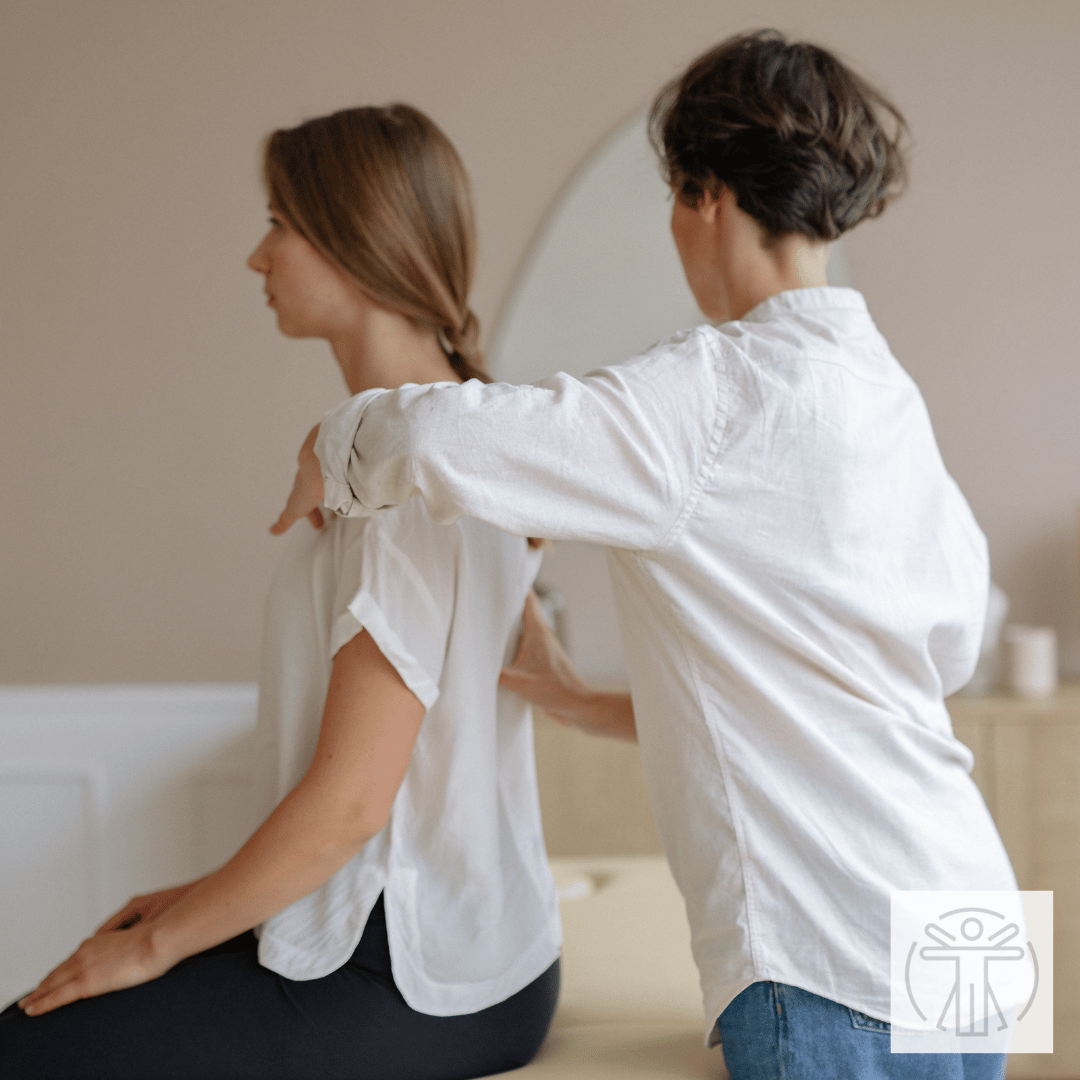
Preventing back pain is as vital as treating it. Simple changes in your daily routine can make a significant difference in maintaining a healthy spine.
Simple Habits to Prevent Flare-Ups
Incorporating small habits into your day can greatly reduce the risk of back pain. Regular breaks during long periods of sitting and proper lifting techniques are key. These habits help distribute stress more evenly across your body, reducing strain on your back.
Additionally, staying hydrated and maintaining a balanced diet support muscle function and overall health. Consistency is crucial. By making these habits part of your routine, you can significantly reduce the likelihood of flare-ups.
Posture and Ergonomics for Desk Workers
For those who spend hours at a desk, posture and ergonomics are essential. Investing in a supportive chair and adjusting your workstation can prevent unnecessary strain. Your screen should be at eye level, and your feet should rest flat on the floor.
Regularly check your posture throughout the day. Simple reminders to sit up straight or adjust your chair can help prevent pain. Over time, these adjustments become second nature, contributing to a healthier work environment and reduced back discomfort.
Core Strengthening and Mobility Tips
Building core strength is vital for back health. A strong core supports your spine and reduces the risk of injury. Incorporate exercises like planks and bridges into your routine. Start with short sessions and gradually increase as your strength improves.
Mobility is equally important. Stretching exercises that target the lower back and surrounding muscles enhance flexibility. This combination of strength and flexibility keeps your back resilient and ready to handle daily demands.
Collaborative Care at MyHealth Care Centre
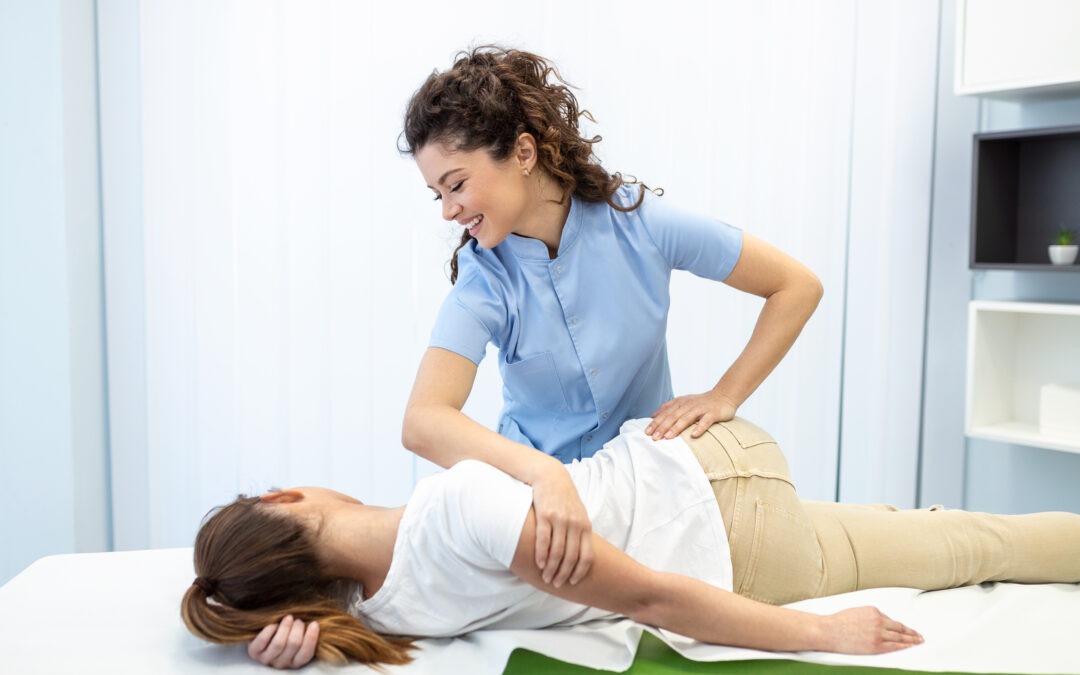
At MyHealth Care Centre, our integrated care model offers a comprehensive solution for back pain. By combining various therapies, we ensure you receive the most effective treatment for your needs.
Combining Physiotherapy and Chiropractic
Physiotherapy and chiropractic care work hand in hand to enhance your recovery. While physiotherapy focuses on movement and strengthening, chiropractic care addresses alignment and joint health. This combination maximises the benefits of both therapies.
Chiropractic adjustments can relieve pressure on the spine, complementing the exercises prescribed by your physiotherapist. Together, these approaches provide a well-rounded plan that supports your overall recovery.
Benefits of Massage and Acupuncture
Massage therapy and acupuncture offer additional relief for back pain. Massage helps relax tight muscles and improve circulation, which can alleviate discomfort. Acupuncture targets specific points to release tension and promote healing.
These therapies enhance the effects of physiotherapy by addressing both physical and energetic aspects of pain. Incorporating them into your care plan provides a comprehensive approach to managing and reducing back pain.
Additional Therapies for Recovery and Relief
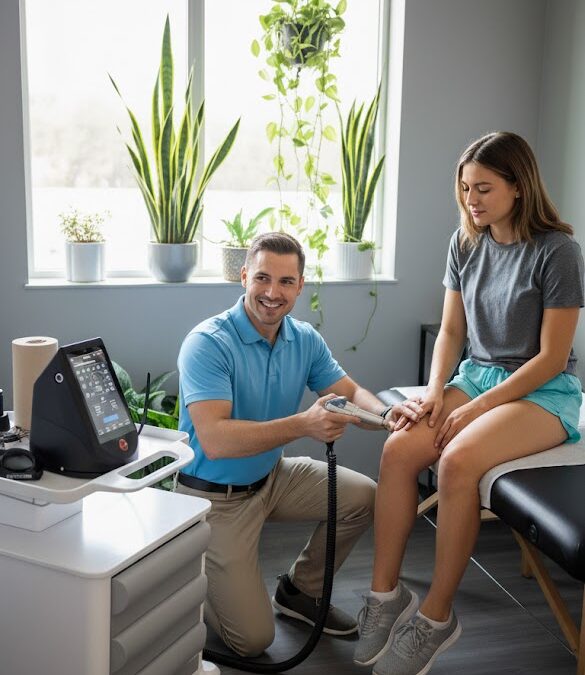
Beyond standard treatments, MyHealth Care Centre offers advanced therapies like cold laser therapy and cryotherapy. These non-invasive options can accelerate healing and reduce inflammation.
Cold laser therapy promotes tissue regeneration, while cryotherapy targets acute pain and swelling. By integrating these therapies into your treatment plan, we provide a holistic approach to recovery that supports every stage of the healing process.
Frequently Asked Questions
What are the benefits of physiotherapy for lower back pain?
Physiotherapy offers effective relief by addressing the root cause of pain. Through personalised exercises and hands-on techniques, it improves mobility and reduces reliance on medication.
How does a physiotherapy assessment work?
An assessment involves analysing your posture, joint mechanics, and muscle imbalances. This helps create a tailored treatment plan that targets your specific needs and goals.
Can simple habits really prevent back pain?
Yes, incorporating small changes like proper posture and regular breaks can significantly reduce the risk of back pain by distributing stress more evenly across your body.
How do physiotherapy and chiropractic care complement each other?
Physiotherapy focuses on movement and strengthening, while chiropractic care addresses spinal alignment. Together, they provide a comprehensive approach to recovery.
Are massage and acupuncture effective for back pain?
Yes, both therapies offer additional relief. Massage relaxes muscles and improves circulation, while acupuncture targets tension points, enhancing overall pain management.
Book Online
Sep 27, 2026 | Uncategorized
Sports injury rehabilitation in Port Credit isn’t just about healing—it’s about getting you back to what you love, stronger and smarter. Whether you’re running the Waterfront Trail, sailing at the Port Credit Yacht Club, or hitting the ice at the Memorial Arena, injuries can slow you down. At MyHealth Care Centre, we tailor rehab plans to your sport and lifestyle, helping you recover efficiently and prevent future setbacks. Ready to move better and live better? Learn more about rehabilitation in sport here.
Common Sports Injuries in Port Credit
Living an active lifestyle by the water comes with unique challenges. Port Credit’s vibrant community of runners, sailors, and hockey enthusiasts often faces specific injuries. Let’s dive into the details to help you stay ahead of the game.
Running Injuries on the Waterfront Trail
Running on the Waterfront Trail offers stunning views and fresh air, but it can also lead to common injuries. If you love pounding the pavement, watch for knee pain or shin splints. These often stem from overuse or improper footwear.
A bit of proactive care can go a long way. Stretch before running and consider wearing custom orthotics to support your feet. Rest when needed and consult with a professional if pain persists. Keeping your joints and muscles happy ensures you can run freely along the scenic trail.
Sailing Shoulder Strain at Port Credit Yacht Club
Sailing on Lake Ontario is an exhilarating experience, but it can strain your shoulders. Rigging and steering require strength, and repetitive motions may lead to discomfort. This strain is common among sailors, especially those new to the sport.
To protect your shoulders, focus on strengthening exercises. Incorporating stretches into your routine can also help maintain flexibility. If you do experience pain, don’t ignore it. Seeking early treatment might save you from long-term issues, allowing you to enjoy the water with ease.
Hockey Groin Strain Rehab at Memorial Arena
Playing hockey at Memorial Arena is intense and thrilling. Yet, the fast-paced game can lead to groin strains, a common injury among players. Quick movements and sudden changes in direction put the groin area at risk.
To prevent these strains, a warm-up routine that includes stretching is crucial. Pay attention to any discomfort and take breaks as needed. Proper technique and conditioning can help keep you on the ice without setbacks.
Evidence-Based Rehabilitation Strategies
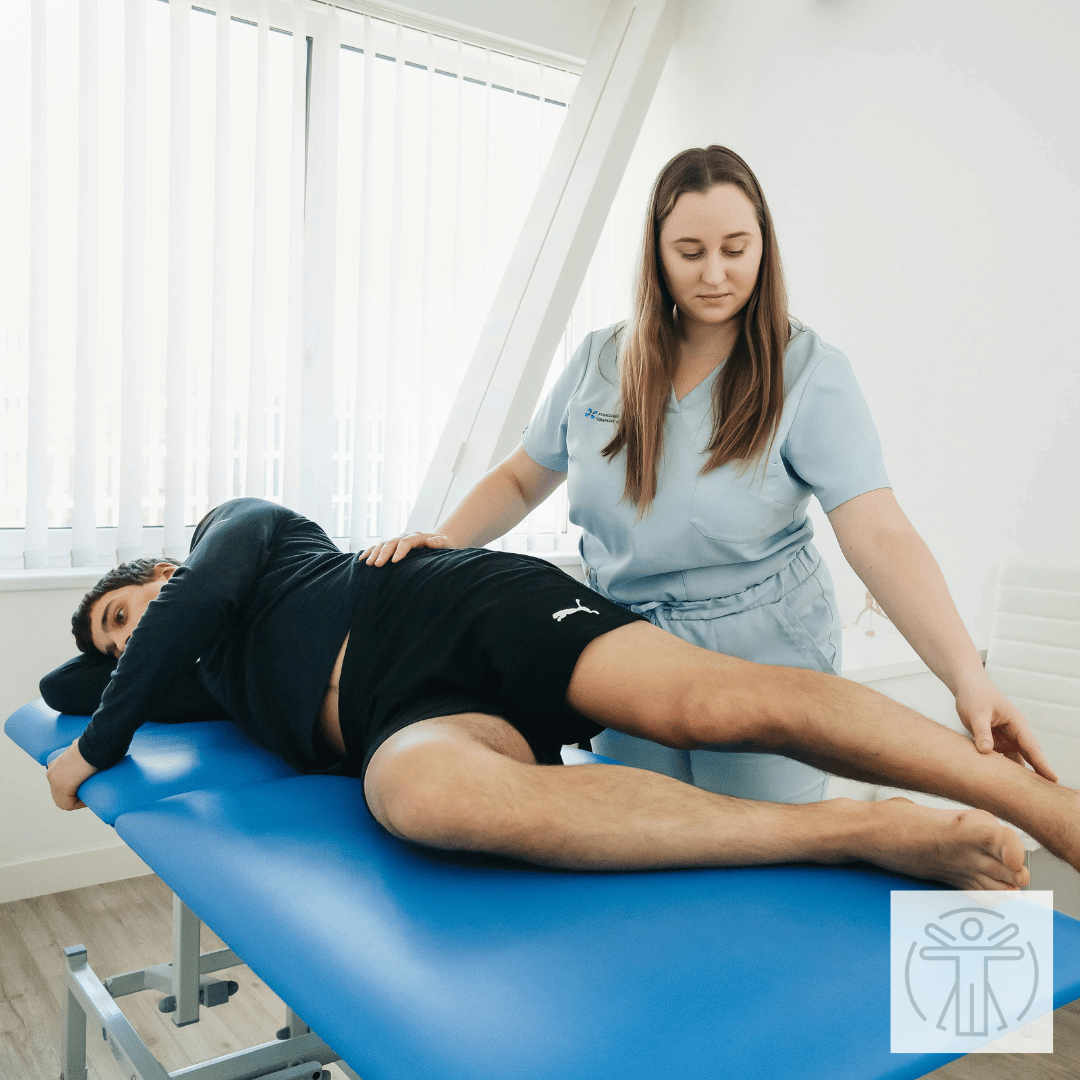
Recovering from sports injuries is not just about rest; it’s about smart, evidence-based strategies. Let’s explore some effective rehabilitation techniques available in Port Credit.
Physiotherapy and Chiropractor Care in Port Credit
Physiotherapy and chiropractic care can be powerful tools for recovery. These therapies focus on restoring movement and relieving pain. They involve manual therapy, exercises, and education to support healing.
When you visit MyHealth Care Centre, expect a personalized plan tailored to your needs. Our team collaborates to ensure each session contributes to your recovery. With their expertise, you can regain strength and mobility efficiently.
Massage and Acupuncture for Sports Injuries in Mississauga
Massage therapy and acupuncture offer additional support in sports injury recovery. Massage can relax tense muscles and improve circulation, aiding in faster healing. Acupuncture, on the other hand, targets pain relief and promotes overall wellness.
These methods are particularly effective when combined with other treatments. Our integrated approach ensures you get the best care, improving your chances of a full recovery.
Fascial Stretch Therapy and Cold Laser Therapy
Fascial Stretch Therapy and cold laser therapy are innovative techniques. They target flexibility and pain reduction, respectively. By improving range of motion and reducing inflammation, these therapies can accelerate your recovery.
At MyHealth Care Centre, we offer these advanced options to enhance your rehabilitation journey. Our goal is to provide comprehensive care that addresses all aspects of your recovery.
Prevention and Recovery for Active Adults
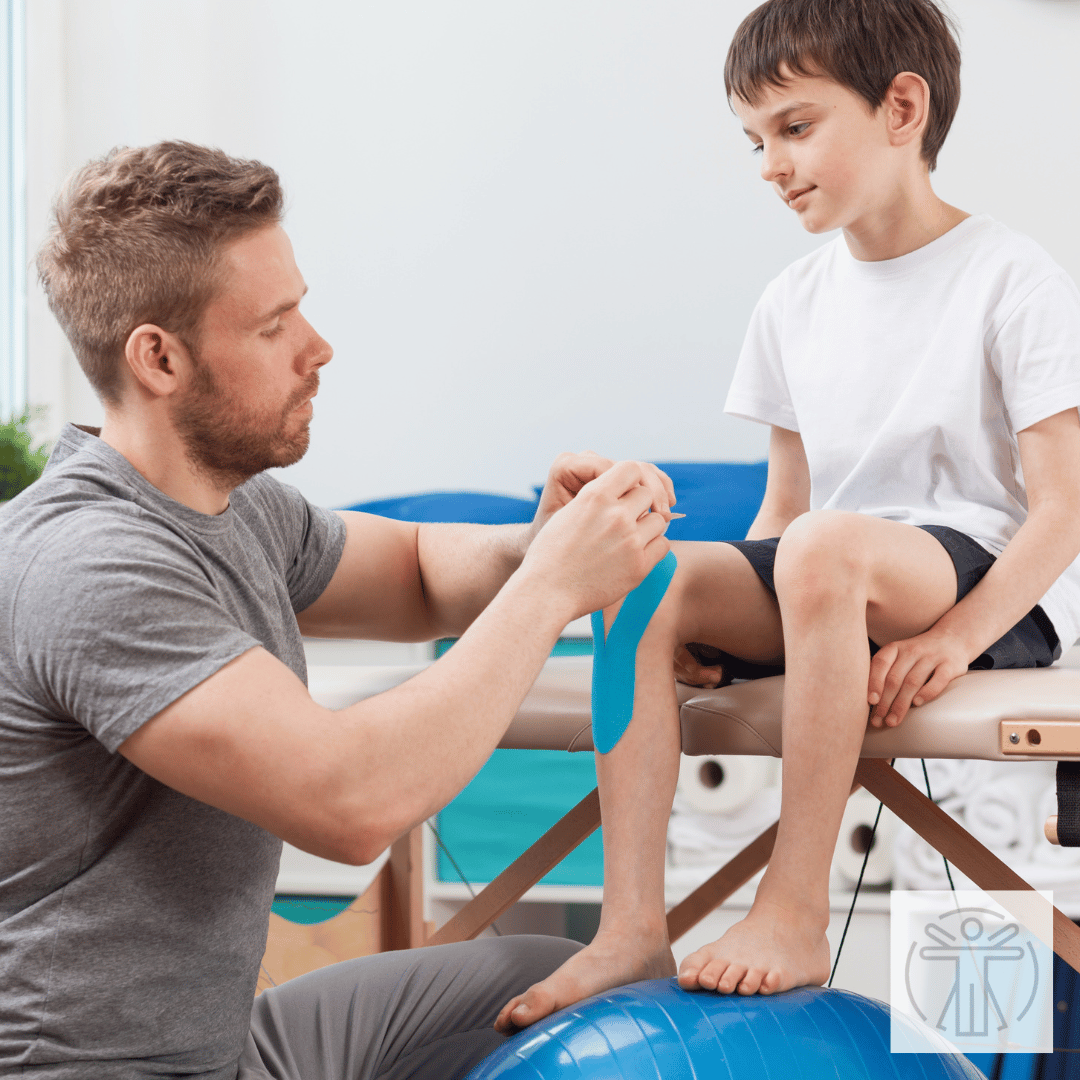
Staying injury-free is just as important as recovery. Here’s how you can protect yourself and maintain an active lifestyle.
Injury Prevention Exercises and PEACE and LOVE Protocol
Preventing injuries involves regular exercises and following the PEACE and LOVE protocol. These strategies focus on maintaining strength, flexibility, and balance. They also emphasize listening to your body and addressing pain early.
By incorporating these practices into your routine, you reduce the risk of injuries. Consistency is key, so make these exercises part of your lifestyle.
Custom Orthotics and Orthopaedic Bracing
Supportive gear like custom orthotics and orthopedic bracing can be game-changers. They provide stability and alignment, reducing the strain on your body during activities.
Consult with a specialist to find the right fit for you. Proper support can make a significant difference in preventing injuries and enhancing your performance.
Personalized Return to Sport Programme in Port Credit
After an injury, returning to sport requires a careful approach. A personalized return to sport programme ensures a safe transition back to your activities. Our team designs these plans based on your specific needs and goals.
With guided support, you can regain your confidence and enjoy the sports you love without fear of re-injury.
Frequently Asked Questions
What are the most common running injuries on the Waterfront Trail?
Common injuries include knee pain and shin splints due to overuse. Proper footwear and stretching can help prevent these issues.
How can sailors prevent shoulder strains at the Port Credit Yacht Club?
Strengthening exercises and stretching routines are key to preventing shoulder strains. Addressing pain early also helps in avoiding long-term problems.
What rehabilitation strategies are recommended for hockey groin strains?
A combination of physiotherapy, chiropractic care, and proper conditioning can aid in recovering from groin strains. Stretching before games is also crucial.
How does massage therapy help in sports injury recovery?
Massage therapy relaxes muscles and improves circulation, aiding in faster recovery. It’s often combined with other treatments for best results.
What is the PEACE and LOVE protocol for injury prevention?
The PEACE and LOVE protocol focuses on protecting, elevating, and managing injury sites while encouraging an active and mindful recovery.
Sep 21, 2026 | Uncategorized
Post-surgical rehabilitation is more than just resting after surgery. Without a clear plan, you risk longer pain and slower progress. Your recovery plan after surgery should guide you step by step—covering pain control, movement retraining, and strength rebuilding. At MyHealth Care Centre, we tailor post-op physiotherapy to fit your lifestyle, helping you return to the Waterfront Trail, the gym, or everyday activities with confidence.
Pre-Op Education Essentials
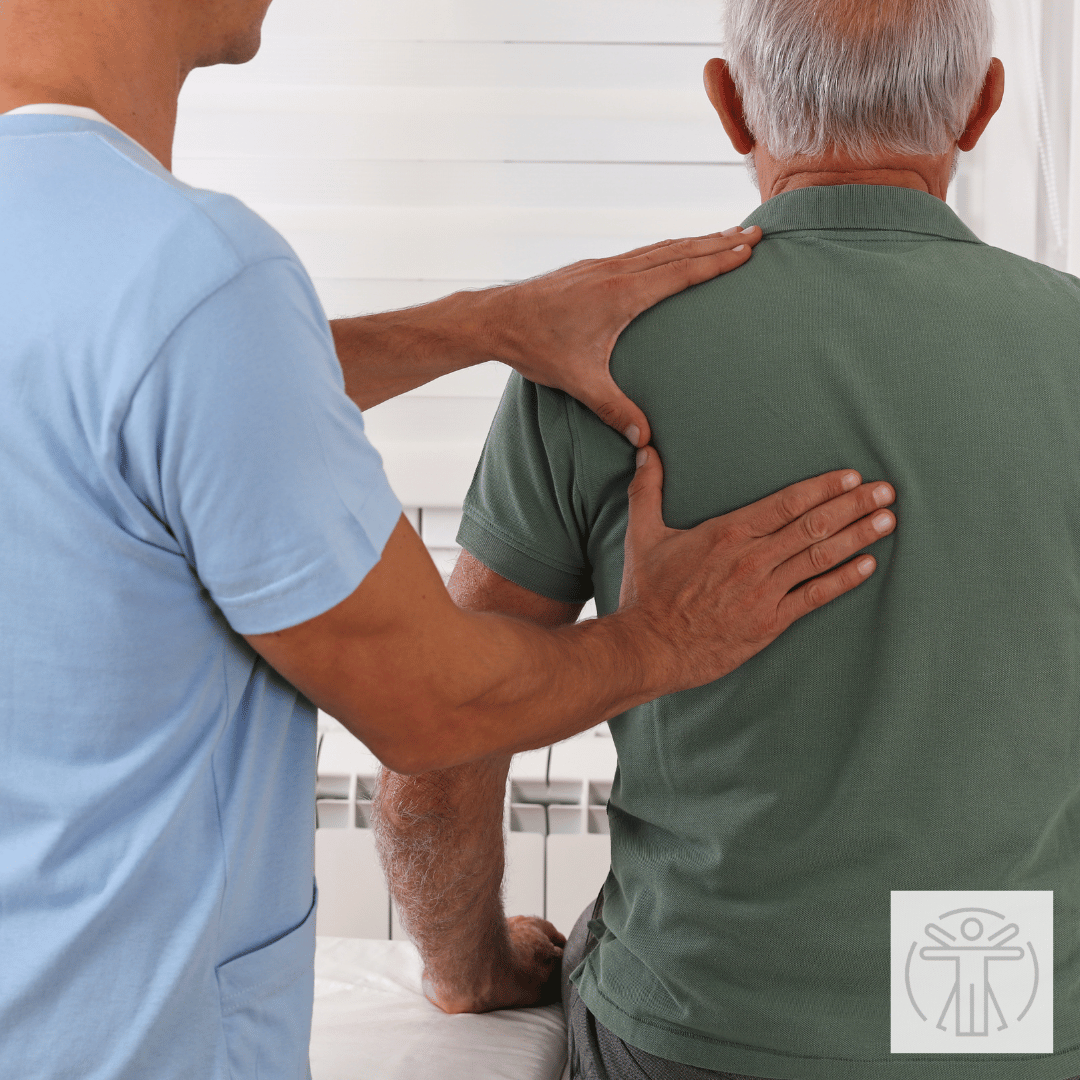
Preparing for surgery involves more than the procedure itself. Effective planning sets the stage for smoother recovery.
Setting Realistic Expectations
Understanding what to expect post-surgery helps manage anxiety and promotes a proactive mindset. Talk with your healthcare provider about recovery timelines and potential challenges. Knowing the typical progression can keep you motivated. Remember that healing is personal, and your journey might look different from others. Use this insight to set achievable goals for your recovery.
Understanding Your Surgery
Knowledge empowers you to make informed decisions. Learn about the procedure and potential side effects. This understanding helps in recognizing what’s normal and when to seek help. Research your surgery using reliable sources, but also rely on your medical team’s expertise. They can provide specific advice tailored to your needs.
Preparing Your Home Environment
A well-prepared home can make recovery smoother. Organise your space to limit movements that might strain your body. Place essentials within easy reach to avoid unnecessary trips. Consider safety aids like grab bars or a shower chair. These small adjustments can significantly ease your daily routine post-surgery, allowing you to focus on healing.
Early Recovery Strategies
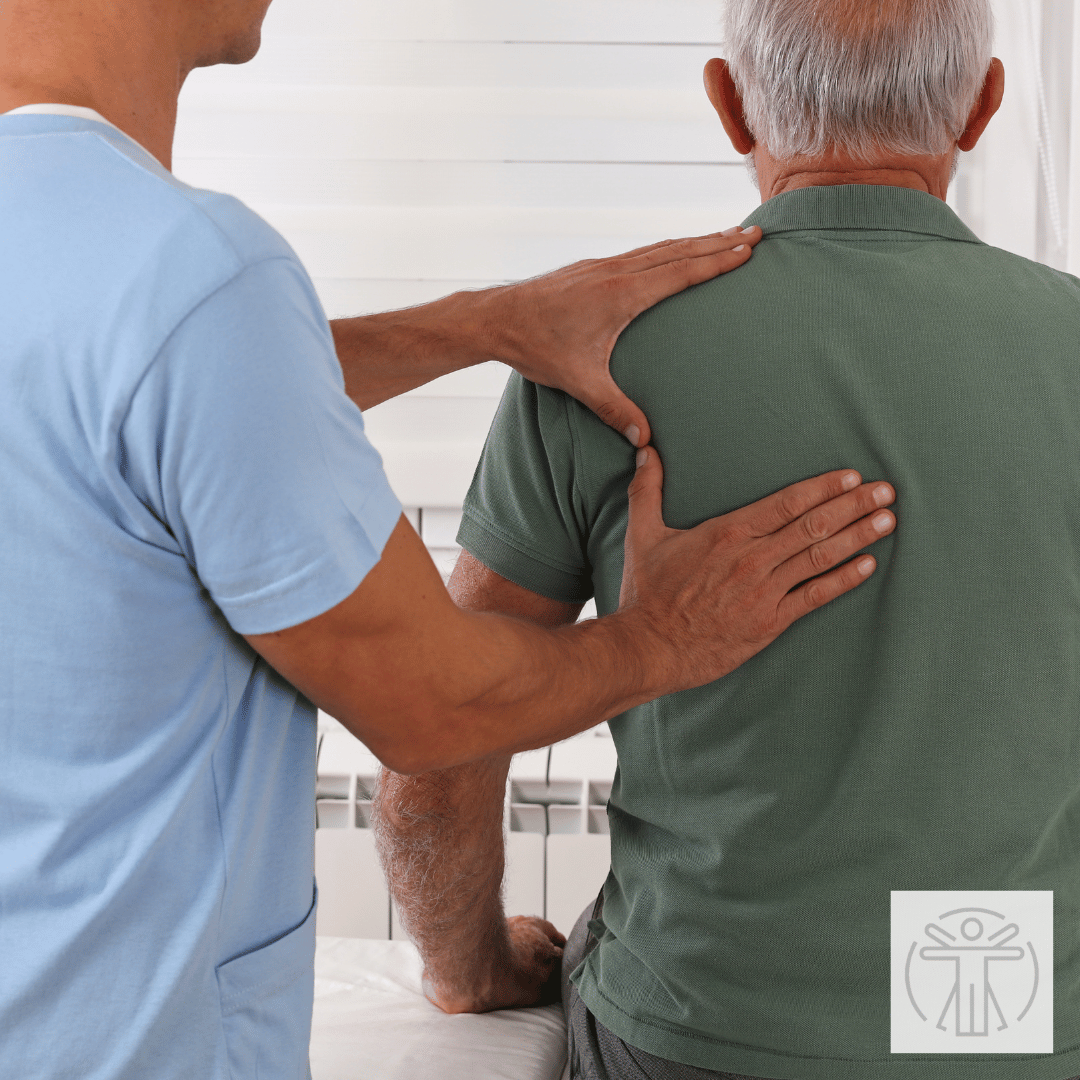
Post-surgery, the initial phase of recovery is crucial. It’s about managing discomfort and starting gentle movements.
Pain and Swelling Management
Effective pain control is key to recovery. Use prescribed medications as directed, and don’t ignore discomfort. Ice packs can reduce swelling, and elevating the affected area might help too. Consistent management prevents small issues from becoming big setbacks. Communicate with your healthcare provider if pain intensifies or changes.
Safe Mobility Techniques
Moving safely is essential after surgery. Start with small steps, guided by your physiotherapist. They will show you how to get in and out of bed, use assistive devices, and navigate your home without risking injury. Practising these techniques builds confidence and encourages gradual mobility, a vital part of healing.
Initial Gait Training
Learning to walk again post-surgery requires patience and practice. A physiotherapist will guide your gait training, focusing on posture and balance. They might introduce aids like walkers or crutches. Consistent training strengthens muscles and improves coordination. Each step taken with care is a step towards independence.
Progressive Rehabilitation Techniques
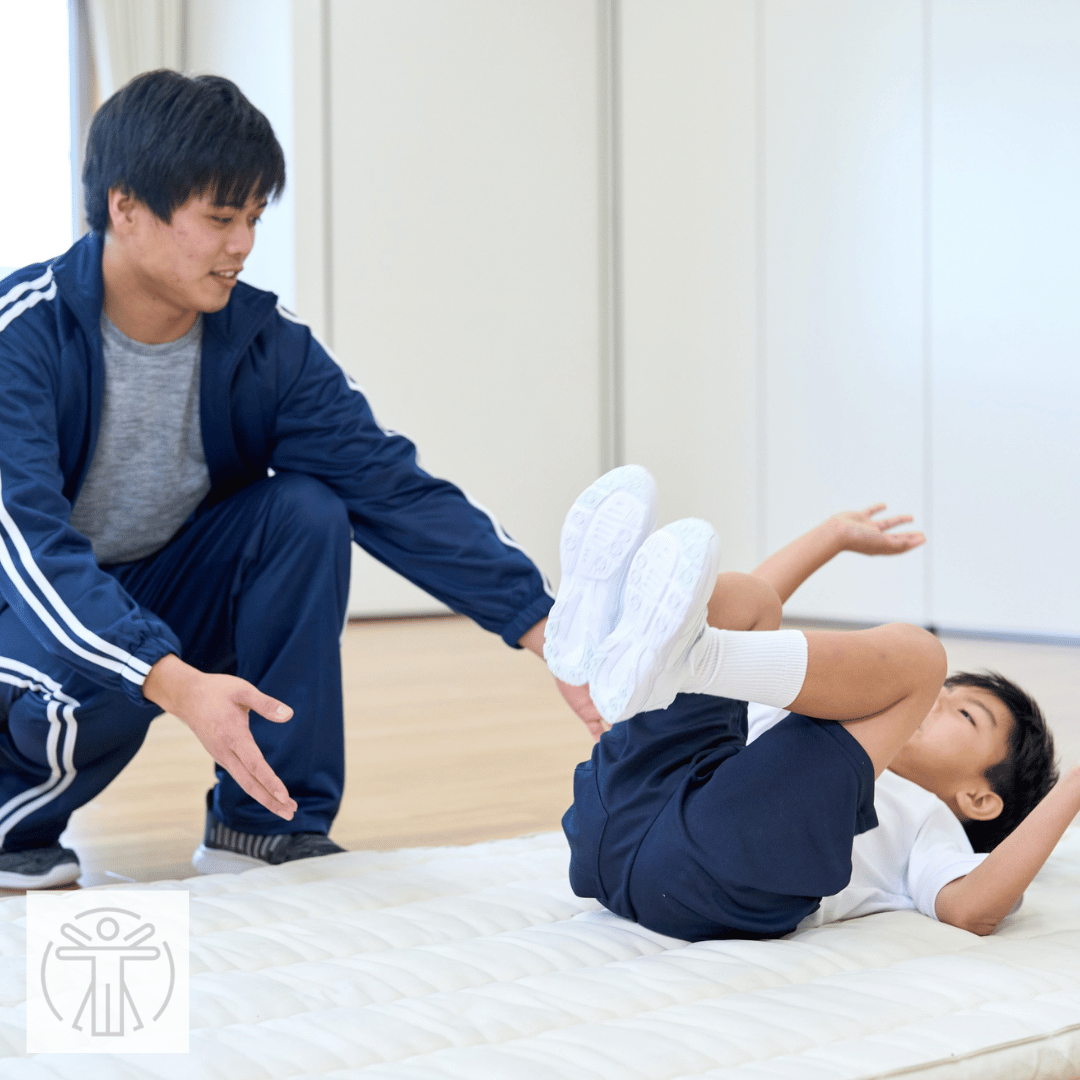
As you progress, recovery focuses on rebuilding strength and improving mobility.
Strength and Range-of-Motion Work
Strengthening exercises become a priority in this phase. Target specific muscle groups affected by surgery to restore function. Gentle stretching can enhance range of motion, reducing stiffness. A physiotherapist will design a programme tailored to your needs, ensuring safe and effective progression. Regular practice aids in regaining control and improving movement precision.
Balance and Core Stability Exercises
Balance and stability are often compromised post-surgery. Exercises focusing on core strength and stability are crucial. These exercises help prevent falls and improve overall movement quality. Simple activities like standing on one leg or using a stability ball can be beneficial. Integration of these exercises into your routine supports long-term recovery and functional movement.
Functional Movement Retraining
Relearning everyday tasks is a significant aspect of recovery. Functional movement retraining focuses on performing these activities safely and efficiently. Your physiotherapist will guide you through exercises mimicking daily tasks, ensuring you regain the skills needed for independence. This targeted training supports your return to normal life and boosts confidence in your physical abilities.
Frequently Asked Questions
What should I do before surgery to prepare for recovery?
Preparing your home and understanding your surgery are key. Arrange your environment for safety, and discuss the procedure with your healthcare provider to set realistic expectations.
How can I manage pain effectively after surgery?
Follow your doctor’s pain management plan, including medication and icing. If pain worsens or changes, contact your healthcare provider immediately.
When can I start walking after surgery?
Begin with guided steps and follow your physiotherapist’s instructions. Gait training is tailored to individual progress, so patience is essential.
Why is balance training important in recovery?
Balance exercises help prevent falls and improve movement. They strengthen core muscles and enhance stability.
How do I know if my recovery is on track?
Regular follow-ups with your healthcare team and physiotherapist provide insight. They can adjust your recovery plan based on your progress and needs.
Book Online
Sep 20, 2026 | Uncategorized
Recurring pain and stiffness can stop you from enjoying all that Port Credit has to offer—whether that’s running the Waterfront Trail or skating at Memorial Arena. At MyHealth Care Centre, our integrated care Port Credit team combines physiotherapy, chiropractic, massage therapy, acupuncture, and more to build personalised plans that tackle pain from every angle. Keep your body moving smoothly and prevent flare-ups so you can stay active in the local community you love. Read more about how integrated care can help you move again.
Integrated Care for Active Locals
Integrated care offers a comprehensive solution to keep you moving pain-free in Port Credit. Our approach blends various therapies into a cohesive plan tailored for your needs.
Multi-Disciplinary Approach Explained
Imagine a team of experts working together to address all your pain points. That’s what our multi-disciplinary approach offers. By combining the skills of physiotherapists, chiropractors, massage therapists, and acupuncturists, we create a personalized plan for you.
Each professional brings their expertise to the table, ensuring a well-rounded treatment. Physiotherapists focus on restoring movement, chiropractors on joint alignment, massage therapists on muscle tension, and acupuncturists on energy flow. This united effort addresses the root causes of pain, not just the symptoms.
Benefits of Collaborative Care
Collaborative care means you don’t have to visit multiple clinics. All your needs are met in one place. This integrated method boosts recovery time and ensures every aspect of your health is considered.
With a team that communicates and collaborates, treatments are more effective. You’ll see quicker improvements and enjoy long-term relief. The convenience of having all services under one roof also means less stress for you. Want to learn more about integrated pain care? Check out this resource.
Therapies and Treatments at MyHealth
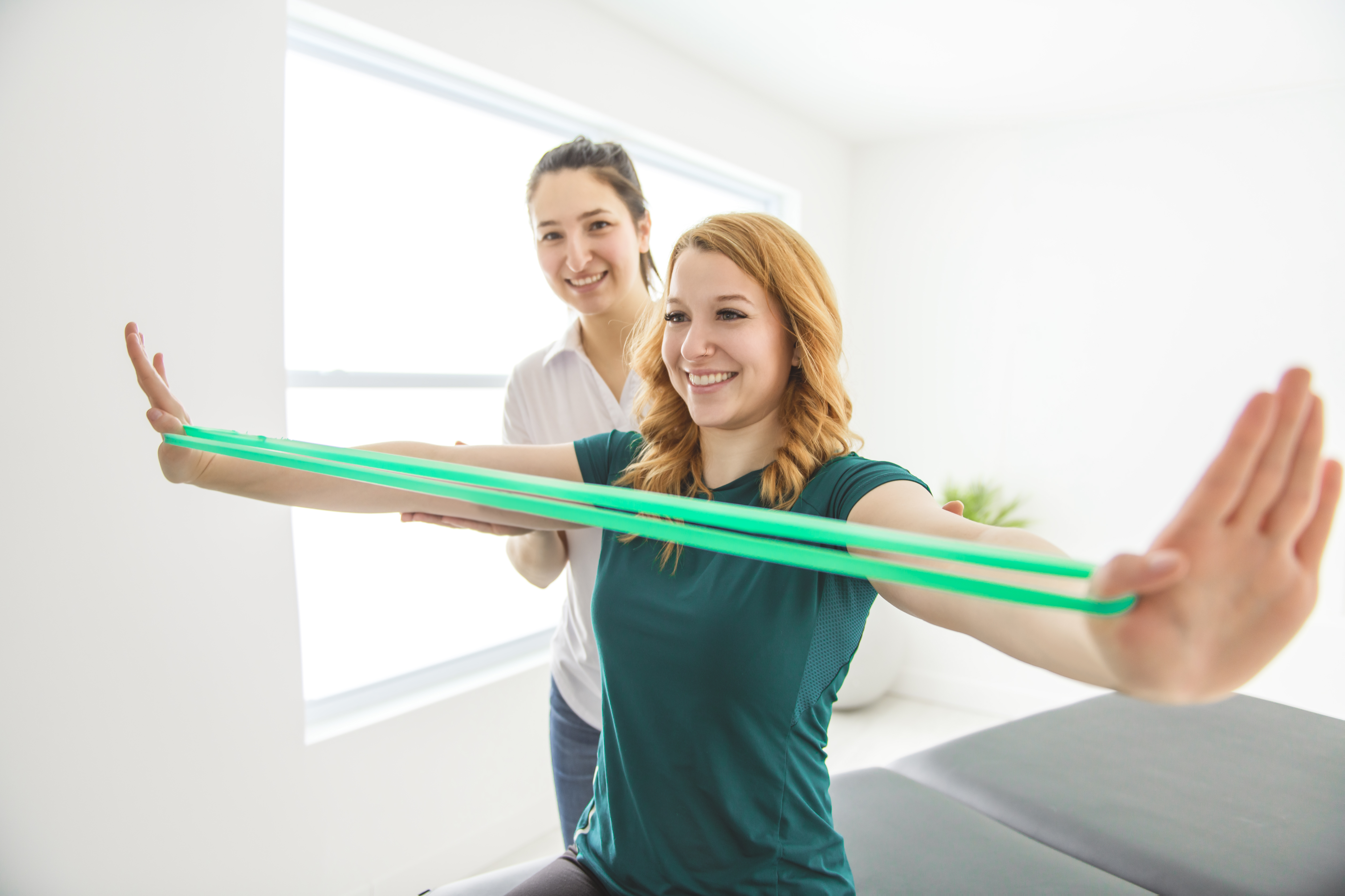
Your journey to pain-free living involves various therapies that complement each other, providing a holistic approach to health.
Physiotherapy and Chiropractic
Physiotherapy helps restore your mobility through exercises and manual techniques. It’s ideal for recovering from injuries or surgeries. Meanwhile, chiropractic care adjusts your spine and joints to improve alignment and reduce pain.
Both therapies are key to correcting underlying issues. They work hand in hand: while physiotherapy strengthens your muscles, chiropractic care ensures your body is correctly aligned. This combination is crucial for maintaining long-term wellness.
Massage and Acupuncture Benefits
Massage therapy is not just about relaxation. It’s a powerful tool against muscle tension and stress, aiding recovery and promoting circulation. Acupuncture, on the other hand, balances your body’s energy, reducing pain and enhancing recovery.
Together, these therapies offer a dual approach: massage releases physical tension, while acupuncture targets deeper energy imbalances. Both are essential in a well-rounded treatment plan. Interested in how acupuncture can aid recovery? Explore this study.
Advanced Modalities for Pain Relief
Advanced treatments like cold laser therapy and cryotherapy offer modern solutions to chronic pain. Cold laser therapy speeds up tissue healing without surgery or medication. Cryotherapy reduces inflammation, offering instant relief.
These modalities are part of our comprehensive care strategy. They complement traditional methods, offering you more options for pain relief and faster recovery. Curious about the benefits of cold laser therapy? Learn more here.
Staying Active in Port Credit
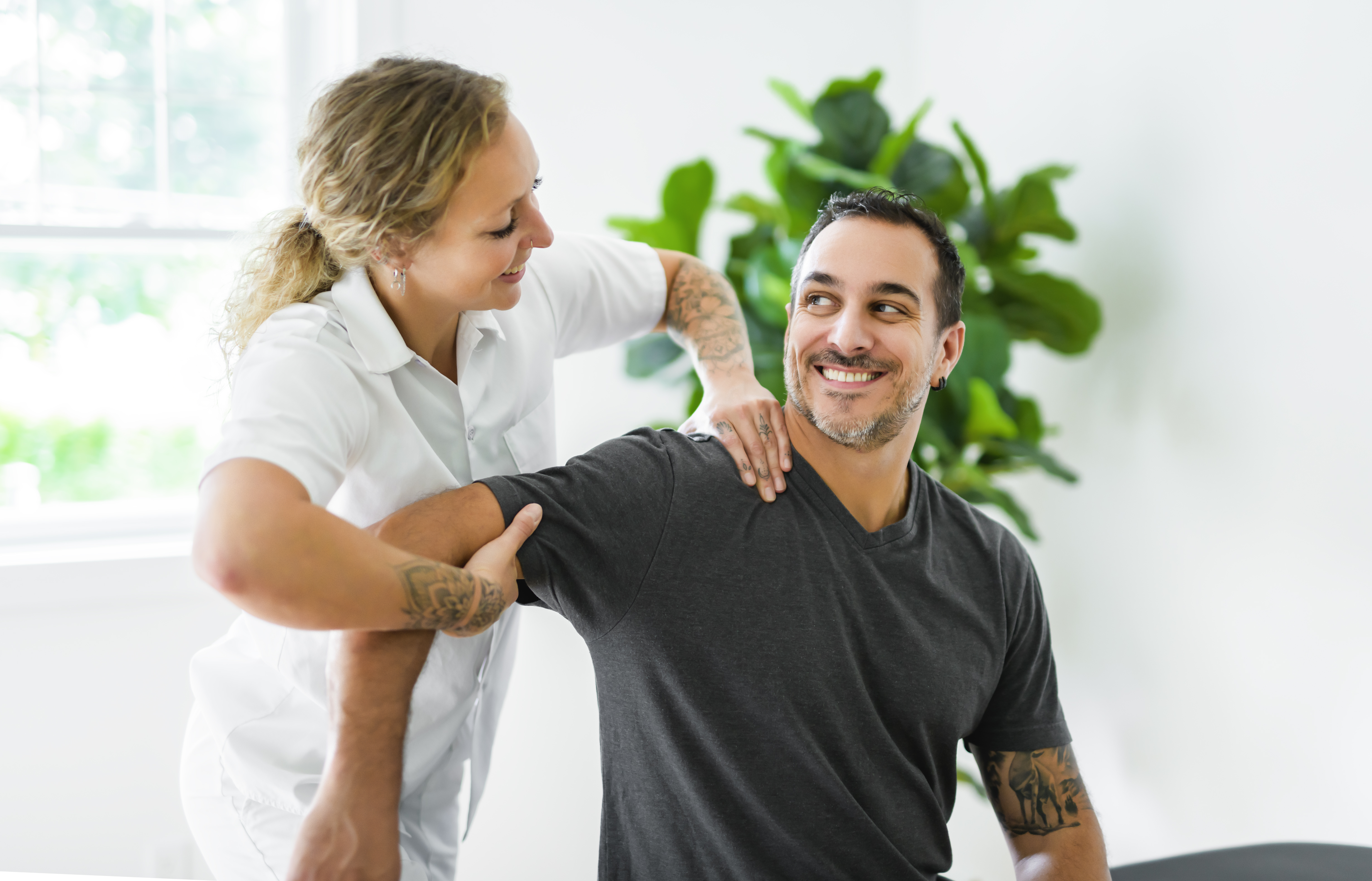
Staying active is key to enjoying life in Port Credit. Our centre provides strategies to keep you moving, whether you’re running the trail or recovering from surgery.
Preventing Running Injuries
Running is a fantastic way to stay fit, but it can lead to injuries. We focus on preventing these through proper technique and conditioning. Our experts assess your gait and muscles, providing exercises that strengthen and prevent strain.
Injury prevention is all about preparation. By understanding your body’s mechanics, we help you run safely, reducing the risk of common issues like shin splints or runner’s knee.
Post-Surgical and Injury Rehabilitation
Recovering from surgery or injury requires a delicate balance of rest and activity. Our team designs rehabilitation plans that restore function without overloading your body. Techniques from physiotherapy and massage aid this process.
Rehabilitation is not just about healing; it’s about returning to your daily routine stronger and more resilient. With our support, you can regain confidence and mobility.
Balance, Posture, and Mobility Strategies
Balance and posture are vital for preventing falls and injuries. We provide targeted exercises to improve these areas, enhancing your overall mobility. Good posture aligns your body, reducing pain and improving function.
Mobility strategies are tailored to your lifestyle. Whether you’re an athlete or enjoy leisurely walks, we ensure your body moves efficiently and comfortably.
Frequently Asked Questions
What is integrated care and how can it help with recurring pain?
Integrated care combines therapies like physiotherapy, chiropractic, massage, and acupuncture into one treatment plan. This approach addresses multiple aspects of pain, ensuring comprehensive care and faster recovery.
How does massage therapy contribute to pain relief?
Massage therapy reduces muscle tension and promotes circulation. It helps release tight muscles, reducing pain and supporting recovery.
What are the benefits of cold laser therapy?
Cold laser therapy speeds up tissue healing and reduces inflammation. It’s a non-invasive treatment that provides pain relief without medication.
Can I prevent running injuries with physiotherapy?
Yes, physiotherapy offers exercises and techniques that strengthen your body and improve your running form, reducing the risk of injuries.
How does chiropractic care improve mobility?
Chiropractic care aligns your spine and joints, which enhances your body’s movement and reduces pain, improving overall mobility.
Sep 19, 2026 | Uncategorized
Recurring pain and stiffness can slow you down, especially when life in Port Credit moves fast. You’re juggling work, workouts, and local events, but nagging aches keep pulling you back. Integrated care Mississauga offers combines physiotherapy, chiropractic, massage, and more into one personalised plan that stops flare-ups before they start. Let’s explore how this approach helps you stay active and strong in the community you love. [https://www.instagram.com/p/DcqrvahEhQg/]
Integrated Care Approach
Integrated care brings together a team of experts in a single, cohesive plan tailored to you. This approach is especially beneficial in addressing recurring pain and stiffness.
Multi-Disciplinary Team Benefits
Imagine having a team that collaborates on your care plan. Each expert contributes unique skills, whether it’s a physiotherapist, chiropractor, or massage therapist. This team looks after every aspect of your health journey. You’re not just another patient; you’re at the centre of a coordinated effort. They work together to design a plan that targets your specific needs, ensuring you don’t have to retell your story at each visit. This method accelerates recovery and saves you time, allowing you to focus on your activities in Port Credit.
Personalised Care Plans Explained
Your health journey is unique, and your care plan should reflect that. Personalised plans are crafted with your specific goals and conditions in mind. These aren’t cookie-cutter solutions but are grounded in scientific research and tailored to you. Whether it’s dealing with recurring pain and stiffness or recovering from an injury, your plan evolves with you. This ensures you receive the most effective treatments and advice. You’ll have a roadmap not just for recovery but also for maintaining long-term health.
Effective Therapies and Treatments
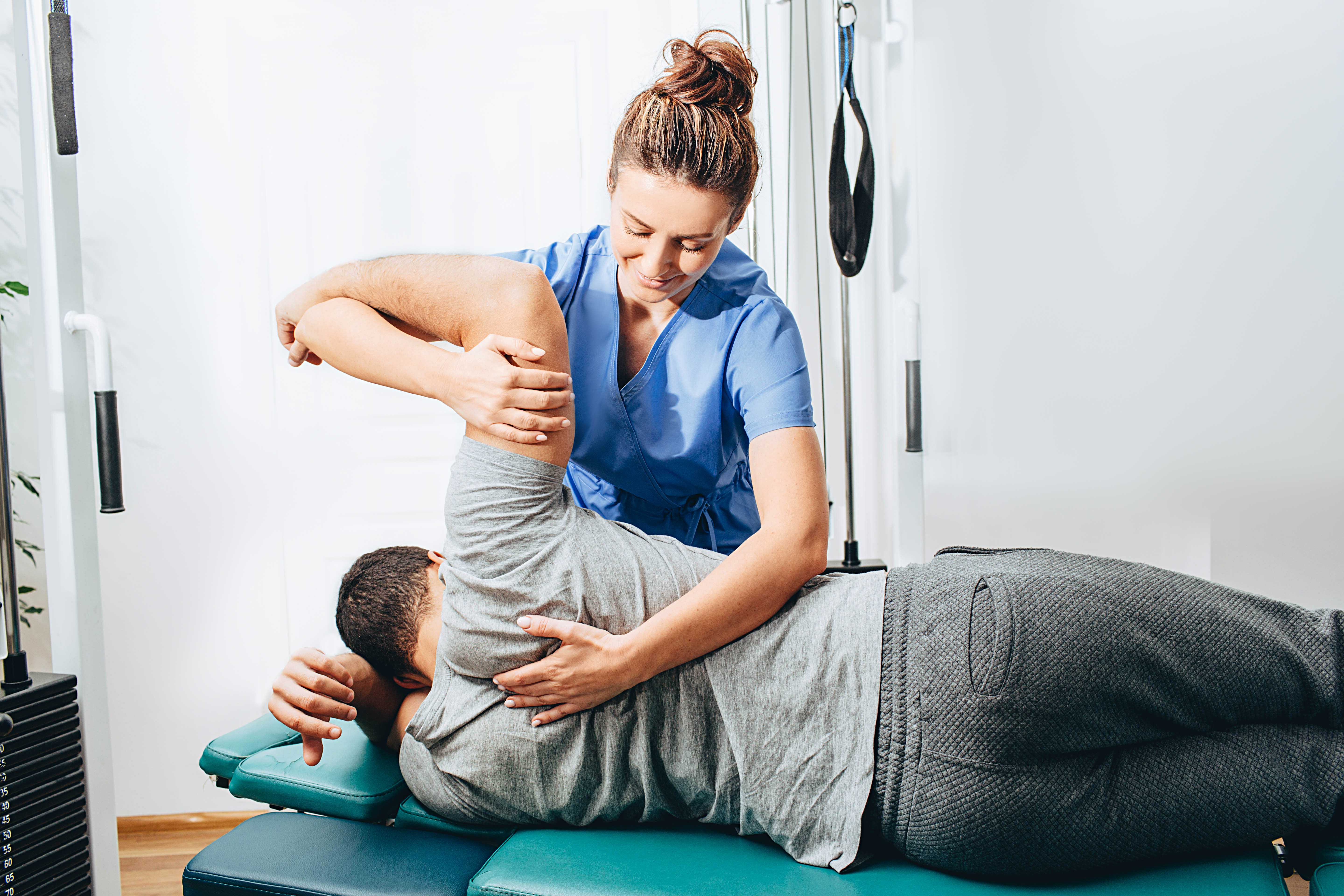
Once a personalised plan is in place, the focus shifts to effective therapies and treatments that support your recovery and long-term wellness.
Manual Therapy and Joint Mobilisation
Manual therapy is a hands-on approach that targets joint and muscle issues. It’s like a reset for your body, providing relief from stiffness and pain. Techniques such as joint mobilisation help improve movement and reduce discomfort. This therapy not only addresses current issues but also aids in preventing future problems. Imagine feeling the tension melt away as your body becomes more flexible and agile.
Exercise and Stretching Techniques
An active approach to recovery involves exercises and stretches tailored to your needs. These techniques are designed to strengthen muscles and improve flexibility, reducing the likelihood of flare-ups. By incorporating these exercises into your routine, you’re not just managing pain; you’re enhancing your overall physical health. You can perform these exercises at home or in the gym, making them a convenient addition to your lifestyle.
Preventing and Managing Flare-Ups
Managing pain is one thing, but preventing it from coming back is key. With the right strategies in place, you can enjoy an active life without frequent interruptions.
Posture and Movement Strategies
Improving posture and movement is crucial in managing recurring pain. Simple changes in how you sit, stand, or move can make a significant difference. You’ll learn how to adjust your movements to reduce strain on your body. These adjustments can be applied to everyday activities, allowing you to enjoy your favourite local events without discomfort.
Long-Term Self-Management Tips
Being proactive about your health means adopting long-term habits that support well-being. Self-management tips include regular exercises, healthy posture habits, and stress management techniques. These strategies empower you to take control of your health. By integrating these tips into your daily routine, you’ll find yourself more resilient and ready to tackle the day, whether it’s at work or during leisure activities.
Frequently Asked Questions
What is integrated care?
Integrated care combines multiple healthcare services in one plan, tailored to your needs. It involves a team of professionals working collaboratively to ensure comprehensive care.
How can manual therapy help with stiffness?
Manual therapy uses hands-on techniques to relieve joint and muscle stiffness. It can enhance flexibility and reduce pain, helping you move more freely.
What exercises can help prevent flare-ups?
Exercises that focus on strengthening and stretching can prevent flare-ups. A physiotherapist can recommend specific exercises based on your condition.
How do posture strategies reduce pain?
Good posture reduces strain on your body, preventing pain and discomfort. Simple adjustments in your sitting and standing positions can make a big difference.
What are long-term self-management tips for pain?
Incorporate regular exercise, maintain good posture, and practice stress management techniques to manage pain long-term. These habits support ongoing health and wellness.
Book Online
Sep 14, 2026 | Uncategorized
Post-surgical rehabilitation in Port Credit isn’t one-size-fits-all. A structured recovery plan after surgery should fit your lifestyle, goals, and the unique demands of your body. At MyHealth Care Centre, we combine treatments like physiotherapy after surgery Port Credit with therapies such as cold laser and cryotherapy to help you regain strength and confidence. Here’s what a personalised rehab programme looks like—and how it sets you up to move better and live better.
Essential Elements of Rehabilitation
When embarking on post-surgical rehabilitation, understanding the foundational elements is crucial. Let’s break down what goes into crafting a recovery plan that truly supports your journey back to health.
Understanding Your Recovery Plan
Your recovery plan is a roadmap tailored to your needs. It focuses on restoring your strength and mobility, ensuring that every step addresses your specific post-surgical challenges. By prioritising your unique recovery goals, the plan becomes a guide that adapts to your body’s responses and progresses as you heal.
During the initial stages, you and your healthcare provider will outline the plan together. This is where you’ll discuss your surgery details, current physical condition, and any particular concerns you have. Each session is designed to work on specific areas that need attention, helping you regain full function over time.
Monitoring progress is vital. Regular check-ins with your physiotherapist help track improvements and tweak your plan as needed. This ensures that every aspect of your recovery is on track, making you an active participant in your healing process.
Importance of Personalised Programmes
A personalised programme is essential because no two bodies are the same. Such a plan takes into account your lifestyle, surgical history, and recovery goals, making it more effective than a generic approach. It empowers you to stay engaged and motivated throughout your rehab journey.
These programmes often incorporate a variety of therapies that aim to address different recovery facets. You might find yourself combining exercises, manual therapy, and education to achieve the best outcomes. This integrated approach ensures that you’re not just recovering but also building resilience against future injuries.
Moreover, the flexibility of a personalised plan means you can address new challenges as they arise. Whether it’s incorporating new exercises or adjusting therapy intensity, a tailored plan evolves with you, ensuring continuous improvement.
Therapies and Treatments
To support your recovery, a range of therapies and treatments can be employed. These not only aid in healing but also enhance overall well-being.
Physiotherapy and Chiropractic Benefits
Physiotherapy and chiropractic care form the backbone of rehabilitation. These therapies focus on improving mobility, reducing pain, and promoting healing. Physiotherapy exercises help strengthen muscles around the surgical site, while chiropractic adjustments can enhance spinal health and joint function.
The combination of these two disciplines creates a comprehensive approach to recovery. When integrated, they address both the immediate post-surgical needs and the long-term maintenance of your body’s health. This synergy ensures a smoother, more effective recovery process.
Patients often report that physiotherapy helps in regaining motion quickly, while chiropractic care aids in maintaining alignment and reducing discomfort. Together, they create a robust framework for achieving optimal health post-surgery.
Advanced Modalities: Cold Laser and Cryotherapy
Cold laser therapy and cryotherapy are advanced treatments that play a significant role in modern rehabilitation. Cold laser therapy targets cellular repair and accelerates tissue healing, making it a valuable tool for reducing inflammation and pain post-surgery.
Cryotherapy, on the other hand, uses cold temperatures to reduce swelling and manage pain. It’s especially effective for acute injuries and post-surgical recovery, providing quick relief and supporting the body’s natural healing processes.
These therapies are non-invasive, making them appealing options for many patients. They can be seamlessly integrated into your personalised programme, enhancing the overall effectiveness of your rehabilitation.
Role of Massage and Stretch Therapies
Massage therapy and stretching exercises contribute significantly to rehabilitation by improving circulation and flexibility. Massage helps alleviate muscle tension, promoting relaxation and recovery. Stretching maintains joint mobility and prevents stiffness, which is crucial after surgery.
Incorporating these therapies into your recovery plan can lead to better outcomes. Regular sessions can improve your range of motion and decrease the risk of complications, supporting your journey toward full recovery.
These therapies also offer mental benefits. They reduce stress and promote a sense of well-being, which is vital for maintaining a positive outlook during your rehabilitation journey.
Preparing for Active Recovery
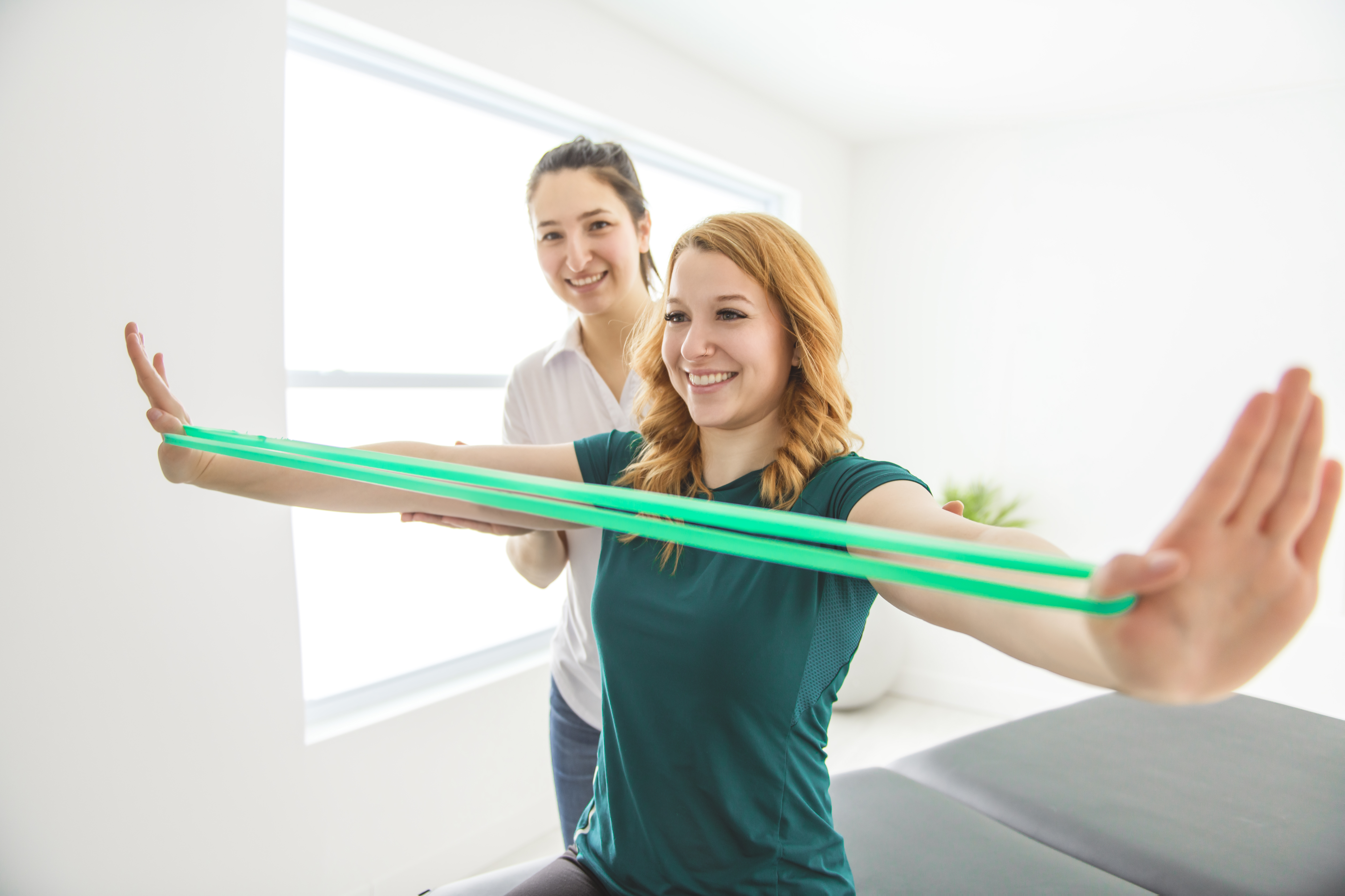
Active recovery involves taking charge of your healing outside the clinic. Let’s explore how you can prepare for this important phase.
Home Exercises and Progress Tracking
Home exercises are a cornerstone of active recovery. They allow you to continue your rehabilitation independently, reinforcing the work done during therapy sessions. Consistency is key—performing exercises regularly ensures steady progress.
Tracking your progress is equally important. By keeping a record of your achievements and setbacks, you can adapt your exercises to better suit your needs. This not only keeps you motivated but also provides valuable insights to your healthcare provider.
Remember, the goal is to integrate these exercises into your daily routine. This makes recovery a part of your lifestyle, ensuring long-term success.
Incorporating Orthotics and Compression Socks
Orthotics and medical compression socks can be valuable tools in your recovery arsenal. Custom orthotics support proper foot alignment, reducing strain on surgical sites and aiding overall biomechanics. These are particularly useful for surgeries involving the legs or back.
Compression socks help improve circulation, reducing swelling and discomfort. They’re especially beneficial during the early stages of recovery when mobility might be limited.
Both orthotics and compression socks can enhance your rehabilitation efforts, offering support and improving comfort as you regain activity levels.
Local Activities to Aim For
Engaging in local activities can boost your recovery by encouraging movement and social interaction. Walking along the Port Credit waterfront or participating in community yoga classes can be excellent ways to stay active.
These activities not only support physical healing but also enhance mental well-being. They offer opportunities to connect with others, reducing feelings of isolation during your recovery journey.
As you progress, gradually incorporate more challenging activities. This keeps your rehabilitation engaging and helps you achieve new milestones in your journey to health.
Frequently Asked Questions
What should I expect during post-surgical rehabilitation?
Post-surgical rehabilitation focuses on restoring function through personalised exercises and therapies. Expect a combination of in-clinic sessions and home exercises to support recovery.
How do personalised programmes benefit my recovery?
Personalised programmes cater to your specific needs, enhancing recovery effectiveness. They incorporate various therapies and evolve with your progress, ensuring continuous improvement.
What role do advanced therapies play in rehabilitation?
Advanced therapies like cold laser therapy and cryotherapy aid healing by reducing inflammation and managing pain. They complement traditional therapies, making recovery more efficient.
Why are home exercises crucial in active recovery?
Home exercises extend the benefits of in-clinic sessions, reinforcing progress. They help maintain muscle strength and joint mobility, supporting long-term recovery goals.
How can local activities enhance my recovery?
Local activities promote movement and social engagement, boosting mental and physical well-being. They keep rehabilitation enjoyable, motivating you to stay active.
Book Online
