
Oct 6, 2026 | Uncategorized
Finding reliable physical therapy near me within 5 mi can be a challenge when you’re juggling work, family, and staying active. In Port Credit, your local physiotherapy clinic offers more than just treatment—they bring together experts in physio, chiropractic, massage, and acupuncture all under one roof. With tailored care plans and a focus on recovery and injury prevention, you’ll get the support you need to move pain-free and stay active. Ready to take the first step? Explore more here.
Discovering the Best Physiotherapy Options
Exploring physiotherapy choices in Port Credit reveals a wealth of local expertise dedicated to your recovery. By understanding the unique benefits offered here, you can make informed decisions for your health.
Localised Care in Port Credit
In Port Credit, you’re not just another patient. The MyHealth Care Centre focuses on providing personalised attention. As a local facility, they understand the community’s needs and can offer convenient access to comprehensive care services. This means less time commuting and more time focusing on your recovery. Plus, being part of the community allows them to offer insights into local activities that could aid your recovery journey, like lakefront running or community sports.
Integrated Treatments for Recovery
Integrated care is a cornerstone of effective recovery. At this integrated health clinic in Port Credit, the team collaborates across disciplines. Whether you’re dealing with a sports injury or post-surgical rehabilitation, having access to physiotherapy, chiropractic, and acupuncture under one roof ensures a seamless treatment plan. This approach not only addresses immediate pain but also targets long-term wellness by coordinating various therapies.
Understanding the Benefits of Physiotherapy

Grasping the full scope of physiotherapy’s benefits can transform how you approach your recovery. It’s all about prevention, tailored plans, and getting back to living your life.
Injury Prevention and Recovery
Physiotherapy is crucial for both recovering from injuries and preventing them. By focusing on muscle balance, joint mechanics, and posture, you can reduce the risk of future injuries. This means you can keep enjoying activities like running along the lakefront in Mississauga without the worry of recurring problems. Early physiotherapy intervention can also speed up recovery, helping you regain strength and function faster.
Personalised Treatment Plans
A one-size-fits-all approach doesn’t work in physiotherapy. That’s why Port Credit physiotherapy clinics focus on creating custom plans. These are based on thorough assessments of your condition, ensuring that every exercise and treatment aligns with your specific goals. The emphasis is on evidence-based care, using the latest research to guide your journey back to health.
Booking Your Physiotherapy Assessment
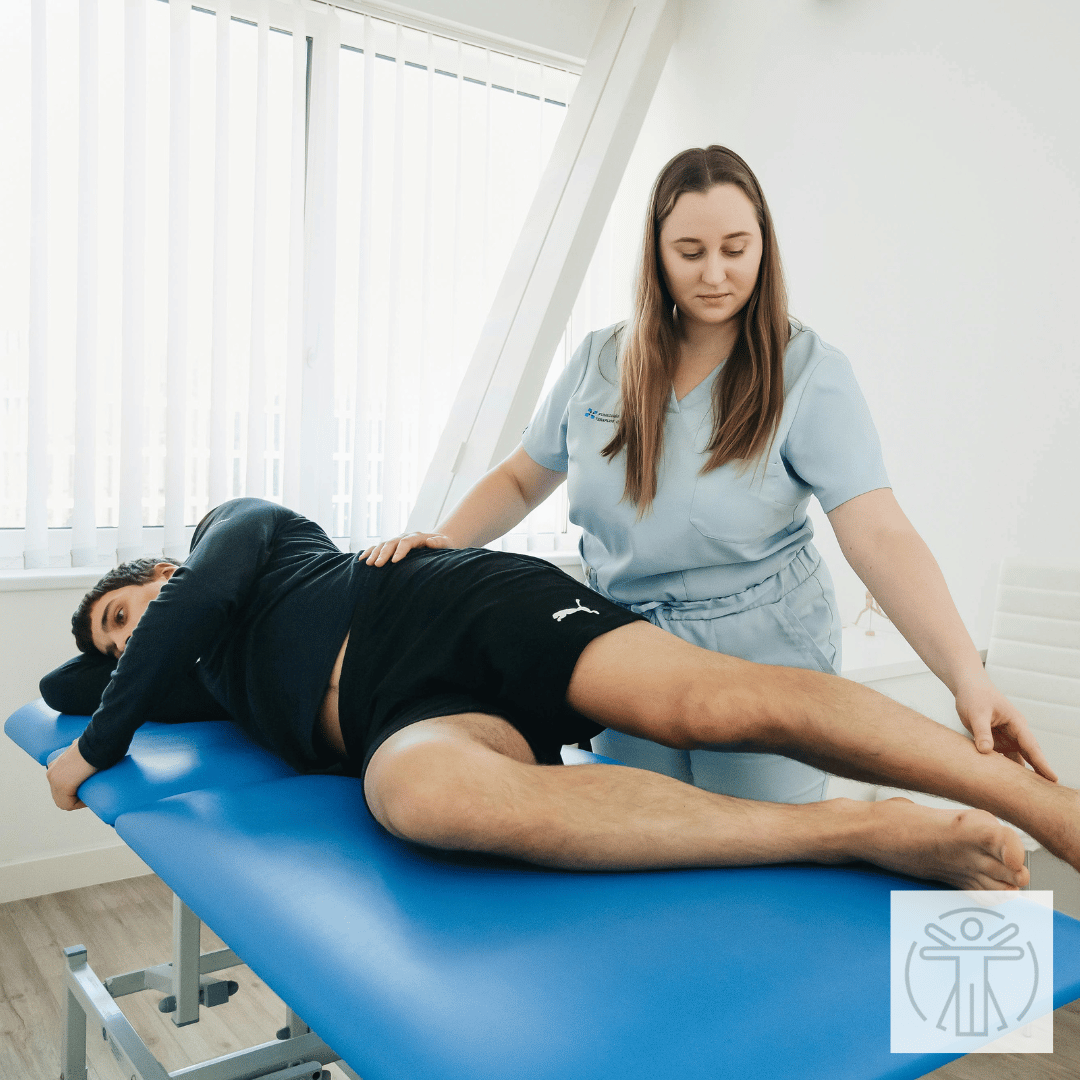
Getting started with physiotherapy is simple once you know where to begin. Booking your first session is a significant step toward regaining control over your health.
Convenient and Accessible Services
MyHealth Care Centre offers flexible scheduling to fit your busy lifestyle. Located conveniently in Port Credit, it’s easy to slot in appointments around work or family commitments. This accessibility ensures you can maintain consistent care, which is vital for effective recovery and prevention. Most people think finding time for therapy is hard, but with online booking and extended hours, it’s easier than ever.
Preparing for Your Initial Visit
Your first visit sets the tone for your recovery journey. To make the most of it, prepare by noting any symptoms or questions you have. Wear comfortable clothing and be ready to discuss your health goals. The initial assessment will include a detailed evaluation of your posture, movement, and pain points. This helps tailor a plan just for you, ensuring that every session is productive and focused on moving you closer to your wellness goals.
Frequently Asked Questions
What should I expect during my first physiotherapy session?
During your first session, expect a thorough assessment of your physical condition. This includes evaluating your posture, movement, and any pain you might be experiencing. It helps in creating a tailored treatment plan.
How often do I need to attend physiotherapy sessions?
The frequency of sessions depends on your specific condition and goals. Typically, sessions might start weekly and adjust based on progress and needs.
Can physiotherapy help with chronic pain management?
Yes, physiotherapy can play a significant role in managing chronic pain by addressing the underlying issues through exercises, manual therapy, and lifestyle changes.
Is physiotherapy covered by insurance?
Many insurance plans cover physiotherapy, but it’s best to check with your provider to understand your specific coverage.
How can I prevent injuries through physiotherapy?
By focusing on exercises that improve strength, flexibility, and posture, physiotherapy helps identify and correct movement patterns that could lead to injuries, thereby acting as a preventive measure.

Oct 5, 2026 | Uncategorized
Overuse injuries can sneak up on you, especially when you’re pushing hard on the Port Credit waterfront or tackling the Waterfront Trail. If you’ve felt nagging pain in your knees, shins, or Achilles lately, it’s time to pay attention. We’ll guide you through spotting early signs, managing your training load, and making simple changes that keep you moving without pain this autumn. Book your assessment at MyHealth Care Centre and start your personalised path to recovery today. For additional insights into overuse injuries, you can read more here.
Understanding Overuse Injuries
Overuse injuries can affect anyone, from weekend warriors to seasoned athletes. Let’s explore the common overuse injuries you might face.
Common Overuse Injuries
Overuse injuries often occur when you increase your activity level too quickly. Some frequent examples include runner’s knee and iliotibial band syndrome. These conditions typically result in knee pain, a common issue among those who run regularly. Additionally, shin splints and Achilles pain are prevalent among runners and those who engage in high-impact activities. These injuries result from repetitive stress and can significantly hinder your performance.
Dealing with these injuries can be frustrating, but with the right approach, you can overcome them. By understanding the specific injury and its cause, you can tailor your recovery plan to your needs. It’s crucial to address these issues early to prevent further complications.
Warning Signs and Symptoms
Recognising the warning signs of an overuse injury is the first step in prevention. Common symptoms include persistent pain, swelling, and a decrease in performance. You might notice pain during your workout that lingers after you finish or even worsens the next day. Stiffness and a loss of range of motion can also indicate an overuse injury.
If you’re experiencing these symptoms, it might be time to reassess your training routine. Ignoring these warning signs can lead to more severe injuries, making recovery longer and more challenging. Paying attention to your body and responding to these signals can help you avoid prolonged downtime.
Causes and Risk Factors
Several factors can contribute to overuse injuries. The most common cause is increasing your activity level too quickly without allowing your body to adapt. Factors like poor technique or improper equipment can also play a role. For instance, wearing shoes that don’t provide adequate support can lead to foot and ankle injuries such as plantar fasciitis.
Understanding your body’s limits and adapting your training accordingly can prevent these injuries. It’s essential to balance your workout routine with rest and recovery to facilitate growth and prevent overuse. By recognising and managing these risk factors, you can keep your training on track and injury-free.
Prevention and Smart Training
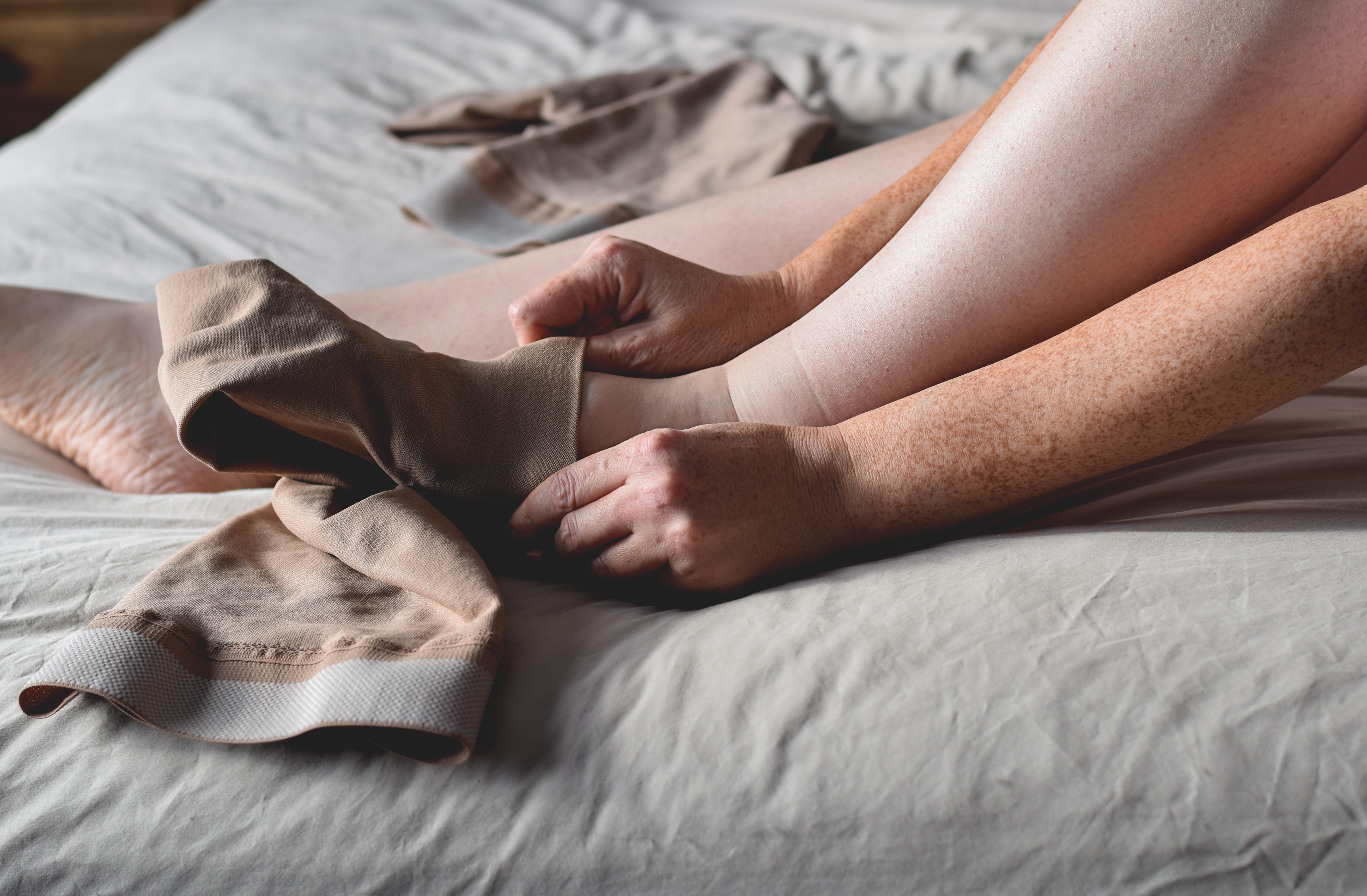
Now that we know about overuse injuries, let’s dive into prevention and smart training strategies that can keep you on the move.
Effective Load Management
Managing your training load is crucial in preventing overuse injuries. Gradually increasing your activity level allows your body to adapt without causing harm. Avoid making sudden changes in intensity or duration, as this can lead to injury. Instead, aim to increase your workload by no more than 10% each week.
Consistency is key. By maintaining a regular training schedule, you give your body the chance to adjust and strengthen. This approach not only helps prevent injuries but also improves overall performance. Remember, it’s about making steady progress rather than pushing yourself too hard too quickly.
Activity Modification Tips
Sometimes, a few simple changes to your routine can make a big difference. If you’re dealing with pain, try adjusting your activities to reduce stress on the affected area. For example, if running is causing discomfort, consider switching to low-impact exercises like swimming or cycling until the pain subsides.
Incorporate cross-training into your routine to balance strength and flexibility. This method helps target different muscle groups, enhancing your overall fitness. By diversifying your activities, you can reduce strain on specific areas and improve your body’s resilience against injury.
Injury Prevention Strategies
Preventing injuries requires a proactive approach. Incorporating warm-ups and cool-downs into your routine is essential. These practices prepare your muscles for activity and help them recover afterwards. Stretching and flexibility exercises also enhance your range of motion and reduce the risk of injury.
Focus on building strength, particularly in your core and lower body. A strong foundation supports your movements and reduces the likelihood of injury. Additionally, listen to your body’s signals and allow time for recovery. Adequate rest is crucial for muscle repair and growth, ensuring you stay active and injury-free.
Recovery and Professional Support
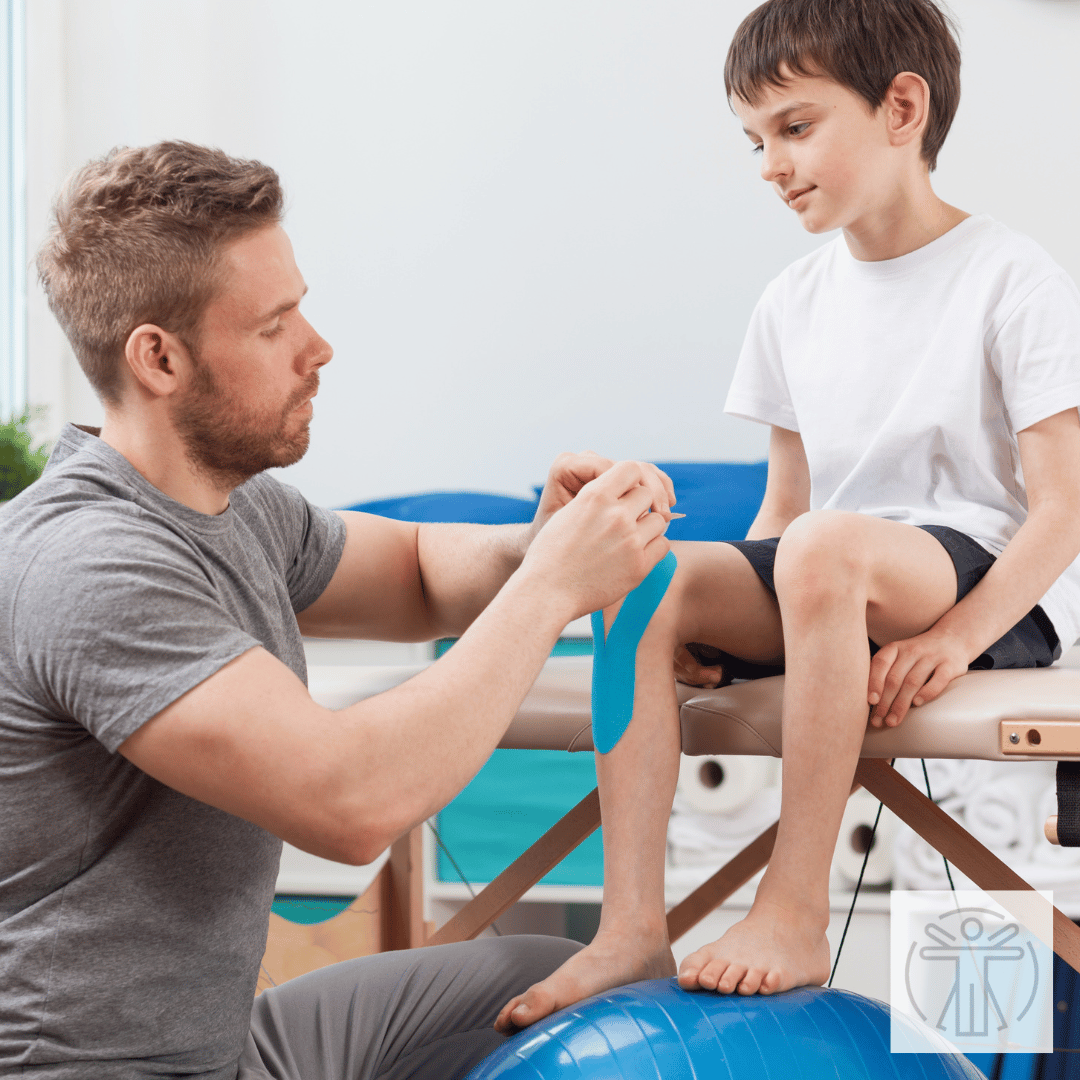
Even with preventive measures, injuries can occur. Let’s explore recovery strategies and professional support options available to you.
Personalised Recovery Plans
A personalised recovery plan is essential for effective healing. At MyHealth Care Centre, we tailor our approach to your specific needs. Our comprehensive assessments allow us to identify the root cause of your injury and develop a customised plan. This plan may include exercises, manual therapy, and education on injury prevention.
Our goal is to restore your function and mobility while preventing future injuries. By focusing on the underlying causes, we address the problem at its source, ensuring a smoother and more complete recovery. With our guidance, you can confidently return to your activities stronger than before.
Services at MyHealth Care Centre
Our clinic offers a range of services to support your recovery journey. From physiotherapy to chiropractic care, we provide integrated solutions tailored to your needs. Our team of experts collaborates to deliver a cohesive treatment plan that addresses all aspects of your recovery.
We also offer specialised treatments like sports massage, acupuncture, and fascial stretch therapy, which can aid in pain relief and enhance recovery. By combining these modalities, we ensure that your treatment is comprehensive and effective. For more information on our services, visit our page on Sports Injury Rehabilitation in Port Credit: Recover Smarter, Return Stronger.
Benefits of a Port Credit Clinic Visit
Visiting our Port Credit clinic offers numerous benefits for your recovery journey. Our local presence means convenient access to expert care tailored to your needs. As part of the Port Credit community, we understand the unique demands of your active lifestyle.
Our integrated approach ensures seamless care, addressing your recovery needs while promoting long-term well-being. By choosing MyHealth Care Centre, you invest in a comprehensive treatment plan that empowers you to move better and live better.
Frequently Asked Questions
What are the most common overuse injuries?
Common overuse injuries include runner’s knee, shin splints, and Achilles pain. These injuries often result from repetitive stress and can affect your performance significantly.
How can I prevent overuse injuries?
Preventing overuse injuries involves managing your training load, incorporating cross-training, and paying attention to your body’s signals. Gradually increasing your activity level and allowing time for recovery are crucial.
What services does MyHealth Care Centre offer for recovery?
MyHealth Care Centre offers a range of services, including physiotherapy, chiropractic care, and sports massage. Our integrated approach ensures comprehensive care tailored to your unique needs.
Why should I choose a Port Credit clinic for treatment?
Choosing a Port Credit clinic offers convenient access to expert care tailored to your lifestyle. Our local presence and integrated approach ensure seamless, effective recovery solutions.
How do I know if I have an overuse injury?
Signs of an overuse injury include persistent pain, swelling, and a decrease in performance. If you experience these symptoms, it’s important to reassess your training routine and seek professional guidance.
Book Online
Oct 4, 2026 | Uncategorized
You don’t have to wait weeks for relief when aches or injuries slow you down. Finding an “orthopaedic walk-in clinic near me” in Port Credit means quick access to expert care that combines physiotherapy, chiropractic, massage, and advanced rehab all under one roof. At MyHealth Care Centre, you’ll get personalised treatment that helps you recover safely and get moving again—without the usual delays. Let’s explore how integrated care can make a real difference for your health.
For those in need of prompt sports injury rehabilitation, our Port Credit centre offers tailored approaches to help you recover smarter and return stronger. We understand the urgency when it comes to musculoskeletal issues, which is why our services extend to immediate care for sprains, strains, and sudden pain through our urgent care services.
Integrated Care for Quick Relief
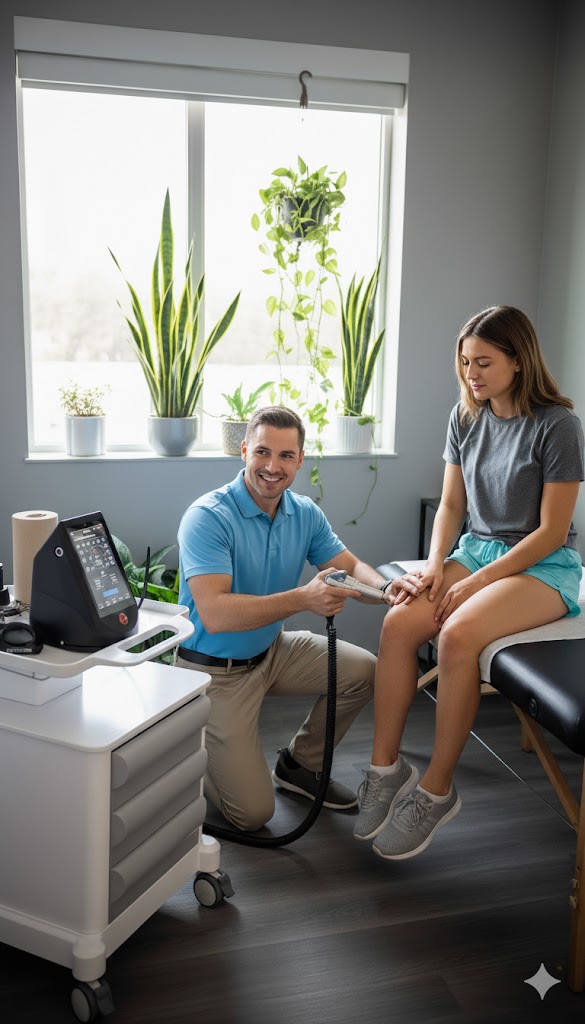
You can access a broad range of healthcare services without delay. Integrated care combines multiple therapies to address your needs effectively.
Port Credit Orthopaedic Care Options
At MyHealth Care Centre, you’ll find a variety of options tailored to your unique needs. Our focus on comprehensive care allows you to get back to your daily life swiftly. The centre offers physiotherapy, chiropractic, and massage therapy under one roof. This means you do not need to visit different places for each service. The team collaborates to create a plan that fits you. Whether you’re dealing with a sports injury or need post-surgical support, we’ve got you covered.
Mississauga Physiotherapy Services
Our physiotherapy services in Mississauga aim to restore your movement and function. The team starts with a detailed assessment to identify the root cause of your pain. From there, we create a personalised treatment plan. This plan may include exercises, manual therapy, and modalities like ultrasound. We focus on long-term relief rather than quick fixes. With our approach, you learn exercises and self-care techniques that you can use daily. This empowers you to take charge of your recovery.
Benefits of Fascial Stretch Therapy
Fascial stretch therapy can improve your flexibility and mobility. This therapy targets the fascia, which is the connective tissue surrounding your muscles and bones. By stretching the fascia, you can reduce pain and improve your range of motion. It’s particularly helpful for athletes and active individuals. You might notice a difference in how your body feels during everyday activities. This therapy complements other treatments like physiotherapy and chiropractic care, providing a well-rounded approach to recovery.
Addressing Pain and Injuries
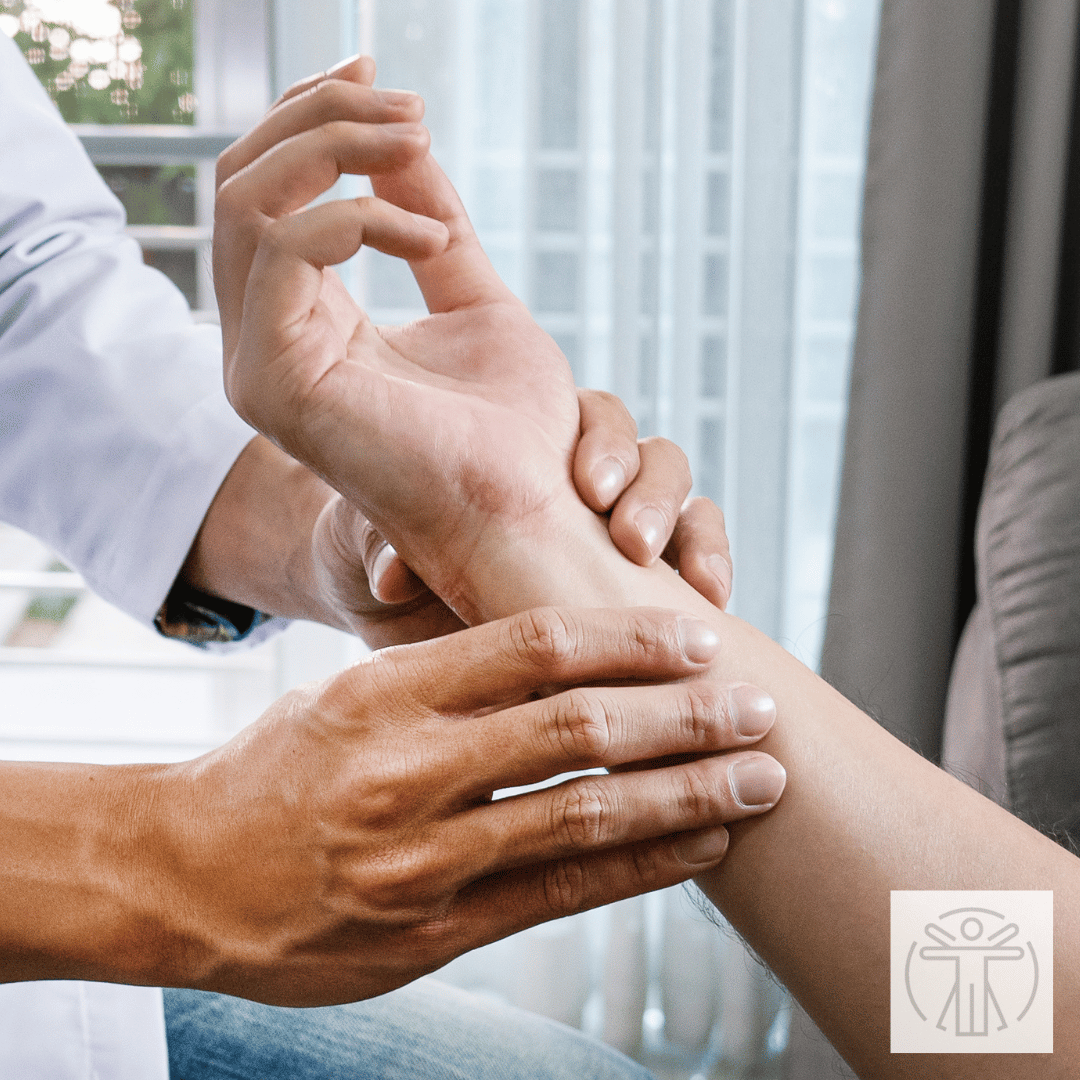
Pain and injuries can disrupt your life. Addressing them quickly and effectively is crucial.
Back Pain Treatment Mississauga
Back pain can be debilitating, but you don’t have to live with it. Our treatment options focus on identifying the cause of your pain. This might include posture issues or muscle imbalances. We use a combination of therapies to address these issues. Manual therapy, exercises, and education on proper body mechanics can make a big difference. With our help, you can reduce pain and improve your quality of life.
Knee Pain Clinic Near Me
Knee pain can limit your activities and affect your happiness. At our clinic, we offer targeted knee pain treatments. These treatments often start with an assessment to understand what’s causing the pain. From there, we might use therapies like physiotherapy or chiropractic adjustments to relieve discomfort. You’ll also learn exercises to strengthen the muscles around your knee. This holistic approach ensures that you not only feel better but also prevent future issues.
Shoulder Pain Rehabilitation Techniques
Shoulder pain can result from various conditions, but it doesn’t have to keep you down. Our rehabilitation techniques are designed to restore full function. This may involve exercises to improve strength and flexibility. We also emphasize the importance of proper posture in preventing shoulder pain. By addressing these factors, we help you regain your range of motion and reduce pain. The key is a comprehensive approach that considers all aspects of your health.
Recovery and Prevention Strategies

Effective recovery involves more than just treatment. Prevention is equally important.
Post-Surgical Rehabilitation Port Credit
After surgery, your body needs time and care to heal properly. Our post-surgical rehabilitation program is tailored to your specific needs. We focus on restoring strength and mobility through exercises and therapies. The goal is to help you return to your normal activities as quickly as possible. With guidance from our experts, you’ll learn how to care for your body and avoid complications.
Sprain and Strain Treatment Steps
Sprains and strains are common injuries, but they require proper care to heal. Here’s how we handle them:
-
Assessment: We start by evaluating the injury to understand its severity.
-
Rest and Ice: Initial steps often include resting the injured area and applying ice to reduce swelling.
-
Therapy: Depending on the injury, we may use therapies like physiotherapy or massage to aid recovery.
-
Rehabilitation: Finally, we guide you through exercises to restore strength and flexibility.
These steps ensure a comprehensive approach to healing and prevention.
Balance and Fall Prevention Tips
Falls can lead to serious injuries, but there are ways to reduce your risk. Here are some tips to improve your balance and prevent falls:
-
Exercise Regularly: Activities like walking or yoga can enhance your strength and balance.
-
Check Your Environment: Remove tripping hazards in your home, like loose rugs or clutter.
-
Wear Proper Footwear: Choose shoes with good support to help maintain stability.
By following these tips, you can reduce your risk of falls and maintain your independence.
Frequently Asked Questions
What services does MyHealth Care Centre offer?
MyHealth Care Centre provides a wide range of services, including physiotherapy, chiropractic, massage therapy, and more. These services aim to address various health needs, from pain relief to improving mobility.
How can I benefit from integrated care?
Integrated care combines different therapies to provide comprehensive treatment. This approach can lead to faster recovery and improved overall health by addressing multiple aspects of your condition.
What should I expect during my first visit?
During your first visit, you will undergo a thorough assessment. This helps us understand your condition and create a personalised treatment plan tailored to your specific needs.
How long does it take to see improvement?
The time it takes to see improvement varies depending on the condition and treatment plan. Some patients notice changes within a few sessions, while others may take longer. Your therapist will guide you throughout the process.
Can I prevent future injuries with your help?
Yes, we offer guidance on exercises and lifestyle changes that can help prevent future injuries. Our focus on education empowers you to take control of your health and well-being.
Book Online
Oct 3, 2026 | Uncategorized
Most people think becoming a physiotherapist in Ontario is a long, confusing path. The truth is, with clear steps and the right support, you can turn your passion for movement and healing into a fulfilling career. In this guide, you’ll find straightforward advice on education, registration, and clinical experience—all with a local focus on Port Credit’s unique community and active lifestyle. For more on the essential requirements, you might want to check out this resource.
Educational Pathways to Physio
If you’re looking to embark on a career in physiotherapy, understanding the educational pathways is crucial. Starting with the right foundation leads to a successful career.
BSc Requirements and Insights
To become a physiotherapist, you’ll need a solid foundation in science. A Bachelor of Science (BSc) degree is often the first step. This degree covers subjects like biology, physics, and anatomy. You’ll gain critical knowledge about how the body works. Courses in these areas set the stage for understanding complex physiotherapy concepts.
Pursuing a BSc degree from a recognised institution is essential. It ensures you meet the prerequisites for graduate programs. Check specific requirements for each university to tailor your studies accordingly. For more in-depth information, visit this source.
MScPT Programmes in Canada
After completing your undergraduate degree, the next step is a Master of Science in Physical Therapy (MScPT). Canadian universities offer various programs. They focus on practical skills and theoretical knowledge. Programs usually last two years, blending classroom learning with clinical placements.
During the MScPT, you’ll engage in hands-on practice. This prepares you for real-world scenarios you’ll face in your career. It’s crucial to choose a program that aligns with your career goals and offers the specialties you’re interested in.
Key Physio Clinical Placements in Ontario
Clinical placements are integral to your education. They provide the opportunity to apply what you’ve learned. In Ontario, placements occur in hospitals, clinics, and community settings. Each placement offers unique experiences and challenges.
In these settings, you’ll work under the supervision of experienced physiotherapists. This not only enhances your skills but also builds your confidence. It’s an excellent way to network and find mentors who can guide you in your career.
Registration and Licensing Essentials

Once your education is complete, the next step is registration and licensing. Understanding these requirements ensures a smooth transition into professional practice.
College of Physiotherapists of Ontario Registration
Registering with the College of Physiotherapists of Ontario is mandatory. This body regulates the practice of physiotherapy in the province. It ensures all practitioners meet professional standards. Registration involves submitting proof of education and completing an examination.
This process verifies your competency to practice safely and effectively. For more details on registration procedures, explore the College of Physiotherapists of Ontario’s requirements.
Physio Licensing Ontario Process
Licensing is the final step before you can practice independently. It involves passing the Physiotherapy Competency Exam. This exam tests your knowledge and skills. Preparing thoroughly is vital for success.
The exam includes both written and practical components. It assesses your ability to handle real-life situations in physiotherapy practice. Passing this exam gives you the confidence and credentials to start your career.
Physiotherapy Entry to Practice in Ontario
Entering practice means more than just having a license. It’s about joining a community of healthcare professionals. You’ll be part of a network that values continuous learning and patient care.
Staying updated with the latest research and techniques is crucial. It ensures you provide the best care to your patients. Engaging in professional development opportunities can enhance your skills and knowledge.
Community-Centric Physiotherapy in Port Credit
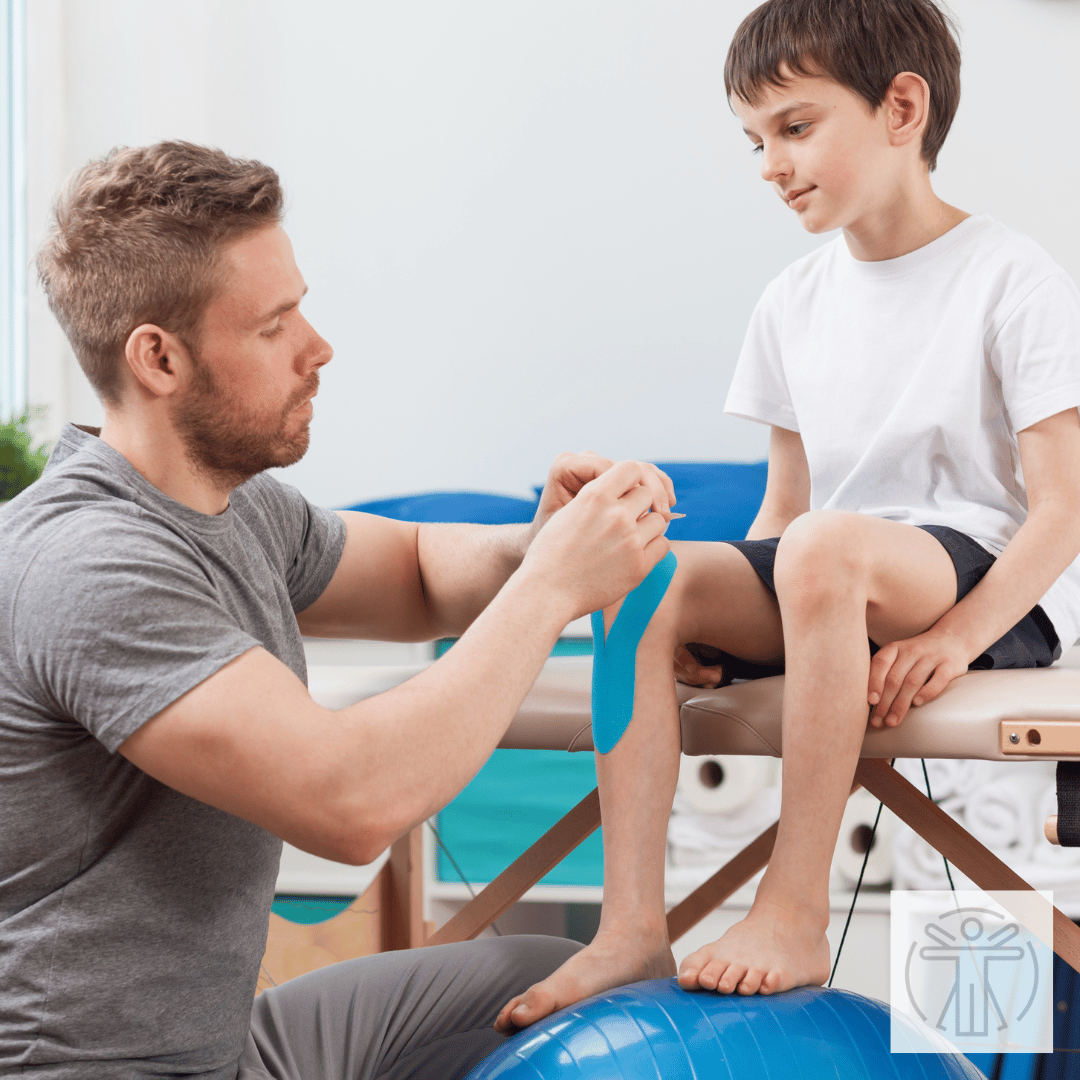
Port Credit is a vibrant community, perfect for a career in physiotherapy. Its active lifestyle provides numerous opportunities for healthcare professionals.
Multi-Disciplinary Clinic in Mississauga
Working in a multi-disciplinary clinic can be rewarding. It allows you to collaborate with other healthcare professionals. This approach enhances patient care and outcomes. In Mississauga, such clinics are common, offering a range of services under one roof.
Collaboration with chiropractors, massage therapists, and other specialists provides a holistic approach to health. This model ensures patients receive comprehensive care tailored to their needs.
Port Credit Sports Injury Prevention
Port Credit is known for its active community. Sports injury prevention is a significant focus here. Physiotherapists play a vital role in educating the community about injury prevention strategies.
By conducting workshops and providing resources, you can help athletes maintain their performance and avoid injuries. This proactive approach benefits both individuals and the community at large. For more on sports injury prevention, check out Sports Injury Rehabilitation in Port Credit: Recover Smarter, Return Stronger.
Movement Assessment in Port Credit
Movement assessment is a critical aspect of physiotherapy. It helps identify potential issues before they become serious problems. In Port Credit, offering these assessments can set you apart as a provider.
Such assessments involve analyzing movement patterns to detect imbalances or weaknesses. Addressing these early can prevent future injuries and enhance overall well-being. Providing this service supports the active lifestyle valued in the community.
Frequently Asked Questions
What are the educational requirements to become a physiotherapist in Ontario?
To become a physiotherapist, you need a Bachelor of Science degree followed by a Master of Science in Physical Therapy. Both provide the necessary foundation and practical experience.
How do I register with the College of Physiotherapists of Ontario?
Registration involves submitting proof of your education and passing an examination. It ensures you meet the professional standards required to practice safely.
What is the Physiotherapy Competency Exam?
This exam tests your knowledge and practical skills in physiotherapy. It includes written and practical components and is essential for obtaining a license to practice.
Why are clinical placements important in physiotherapy education?
Clinical placements provide hands-on experience in real-world settings. They enhance your skills, build confidence, and offer networking opportunities with experienced professionals.
How can I contribute to sports injury prevention in Port Credit?
As a physiotherapist, you can conduct workshops and provide resources on injury prevention. This proactively supports the community’s active lifestyle and reduces injury risks.
Book Online

Oct 1, 2026 | Uncategorized
Sudden pain from a sprain or strain can throw your day off balance—and knowing where to turn makes all the difference. Searching for “urgent care near me” in Port Credit means finding fast, expert help that moves with you, not against you. At MyHealth Care Centre, you’ll get same-week access to a team that works together to ease your pain, speed healing, and keep you active in the community you love. For more locations, check here.
Fast Relief for Sudden Pain
Understanding Urgent Care Needs
When you’re dealing with unexpected pain, it can be tough to decide where to seek help. Urgent care offers a convenient option for sudden musculoskeletal issues, providing quick access to treatments like physiotherapy, chiropractic care, and massage therapy. For residents of Port Credit, understanding the benefits of urgent care can help you make informed decisions about your health.
Urgent care clinics are designed to handle a range of non-life-threatening conditions. If you’ve twisted an ankle playing tennis or pulled a muscle during a workout, these clinics can provide the necessary care. You’ll receive treatment tailored to your needs, helping you get back on your feet faster. If you’re considering options, Zocdoc can guide you to other urgent care centers.
When to Visit a Clinic
Deciding when to visit an urgent care clinic is crucial. If you’re experiencing severe pain from a sports injury or have a sudden back spasm, urgent care can offer immediate relief. Clinics in Port Credit provide same-day services, ensuring you don’t have to wait long for treatment.
Urgent care is ideal for situations that require prompt attention but aren’t severe enough for the emergency room. Examples include minor fractures, sprains, or flare-ups of chronic conditions like arthritis. Seeking help at the right time can significantly impact your recovery process. For instance, Concentra provides similar services in other regions.
Knowing When to Call 911
While urgent care is suitable for many conditions, knowing when to call 911 is vital. If you experience chest pain, difficulty breathing, or severe trauma, it’s essential to seek emergency care immediately. These symptoms may indicate life-threatening issues that require advanced medical intervention.
Remember, urgent care is not equipped to handle all emergencies. Trust your instincts and prioritize your health by seeking emergency help when necessary. If you need more guidance on urgent care services, Yelp can provide reviews and insights.
Integrated Care Approach

Collaborative Treatment Plans
At MyHealth Care Centre, we believe in a collaborative approach to treatment. Our team of experts works together to create a plan tailored to your needs. This integrated model ensures that each aspect of your recovery is addressed. From physiotherapy to chiropractic care, our professionals collaborate to provide comprehensive care.
This approach not only speeds up recovery but also enhances the quality of your treatment. By working together, our team can identify the best strategies to address your condition and prevent future setbacks. If you’re curious about our methods, check out our Sports Injury Rehabilitation page for more details.
Benefits of Same-Week Access
Same-week access to care is a significant advantage when dealing with sudden pain. Quick intervention can prevent minor issues from becoming major problems. At MyHealth Care Centre, we prioritize getting you the care you need when you need it.
Whether it’s a massage therapy session to relieve muscle tension or physiotherapy to improve mobility, timely treatment can make a world of difference. Our goal is to get you back to your activities as soon as possible, ensuring you don’t miss out on the things you love.
Advanced Therapies and Techniques
Our clinic offers a range of advanced therapies designed to enhance recovery. Techniques like cold laser therapy, cryotherapy, and acupuncture are available to reduce pain and promote healing. These therapies complement traditional treatments, providing a holistic approach to care.
By incorporating advanced techniques, we can address your condition from multiple angles. This comprehensive care model ensures you’re receiving the best possible treatment for your specific needs. If you’re in Mississauga, Mercy Jefferson offers similar services that might interest you.
Navigating Your Recovery

Tips for Preventing Setbacks
Preventing setbacks is crucial to a successful recovery. Here are a few tips to keep your progress on track:
-
Follow your treatment plan: Consistency is key to recovery.
-
Stay active: Gentle movements can aid healing, but avoid overexertion.
-
Listen to your body: Rest when needed to prevent injury.
By adhering to these guidelines, you can minimize the risk of setbacks and ensure a smoother recovery journey.
Importance of Prompt Action
Acting promptly on musculoskeletal issues is essential for effective recovery. Delaying treatment can lead to complications and prolonged pain. Seeking help as soon as symptoms arise increases the chance of a quicker, more successful recovery.
At MyHealth Care Centre, we emphasize the importance of early intervention. By addressing issues promptly, we can tailor a treatment plan that meets your needs and helps you get back to your routine.
Engaging in Safe Movement in Port Credit
Staying active is vital for recovery, but it’s important to engage in safe movement. Whether you’re sailing at the Port Credit Yacht Club or enjoying a run at Lakefront Promenade Park, being mindful of your body’s limits is crucial.
Incorporate exercises that promote strength and flexibility into your routine. These activities support recovery and help prevent future injuries. Remember, maintaining an active lifestyle is possible with the right precautions and guidance.
Frequently Asked Questions
What conditions can urgent care clinics treat?
Urgent care clinics can treat non-life-threatening conditions like sprains, strains, minor fractures, and flare-ups of chronic conditions. They’re ideal for situations requiring prompt attention but not severe enough for the emergency room.
When should I visit an urgent care clinic instead of the ER?
Visit an urgent care clinic for conditions like sports injuries, minor fractures, and back pain. For severe symptoms like chest pain or difficulty breathing, seek emergency care immediately.
What therapies are available at MyHealth Care Centre?
MyHealth Care Centre offers a range of therapies including physiotherapy, chiropractic care, massage therapy, acupuncture, cold laser therapy, and cryotherapy. These treatments are part of our integrated approach to care.
How can I prevent setbacks during recovery?
Prevent setbacks by following your treatment plan, staying active without overexerting, and listening to your body. Consistency and rest are key to a successful recovery.
Why is prompt action important for recovery?
Prompt action prevents minor issues from becoming major problems and increases the chances of a quicker, more successful recovery. Early intervention allows for tailored treatment plans that address specific needs.
Sep 29, 2026 | Uncategorized
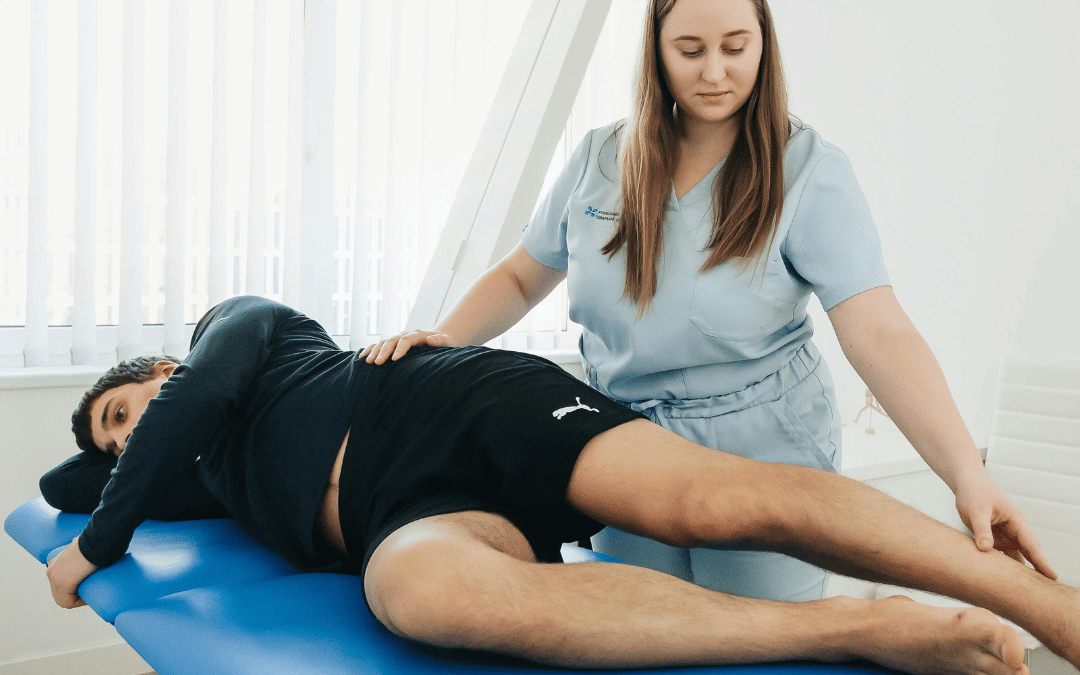
Knee pain can stop you in your tracks, whether you’re hitting the Waterfront Trail or clocking long hours at your desk. If you’ve been nursing aches from runner’s knee, meniscus strains, or stubborn osteoarthritis flare-ups, relief is within reach. Our knee pain physiotherapy in Port Credit combines hands-on care and tailored exercises to restore your strength, ease discomfort, and keep you moving confidently. Let’s explore how a personalised plan can get you back to the activities you love. Learn more about physiotherapy here.
Understanding Knee Pain
Knee pain can stem from various issues that can hinder your daily activities. Knowing the underlying causes and when to seek help is crucial for effective relief and recovery.
Common Causes of Knee Pain
Knee pain can have multiple causes. One common reason is overuse, leading to conditions like runner’s knee or patellofemoral pain. This often affects those who enjoy running, cycling, or hiking. Injuries such as meniscus tears or ligament strains, like ACL or MCL injuries, are also prevalent, especially among sports enthusiasts. Osteoarthritis is another frequent culprit, causing pain and stiffness due to wear and tear over time. Understanding these causes helps in addressing the root of your knee discomfort effectively.
When to Seek Physiotherapy Help
Recognising when to seek professional help can be a game-changer in managing knee pain. If you experience persistent pain that limits your daily activities, it might be time to consult a physiotherapist. Early intervention can prevent further damage and promote quicker recovery. A physiotherapist will assess your condition, identify the cause, and develop a personalised treatment plan to address your specific needs. Don’t wait for the pain to control your life; take proactive steps towards recovery.
Physiotherapy Approaches in Port Credit
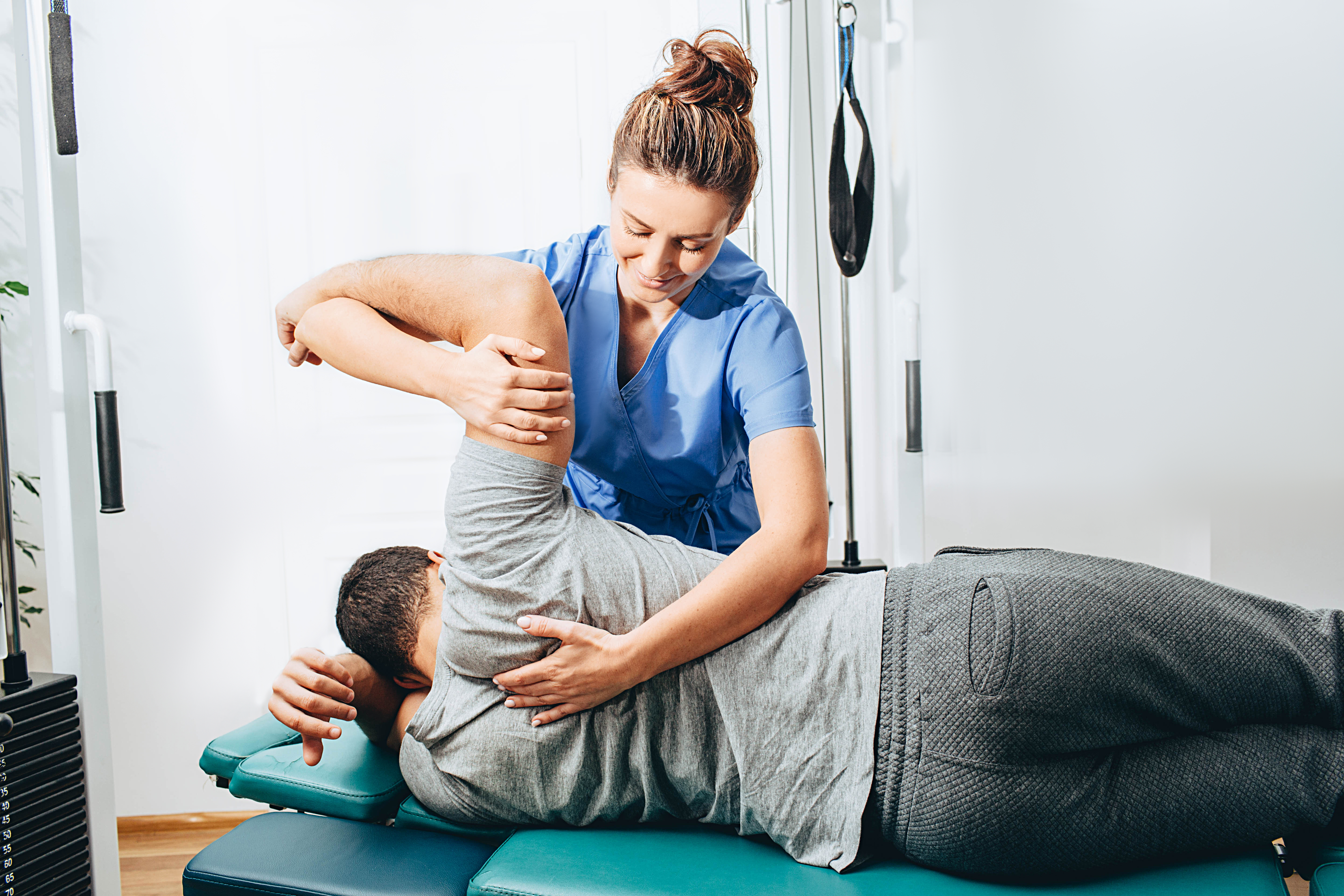
In Port Credit, physiotherapy offers a comprehensive approach to knee pain, focusing on integrated recovery and personalised care plans designed to fit your unique needs.
Integrated Knee Recovery Programme
Our integrated knee recovery programme combines multiple therapies to address knee pain comprehensively. This approach includes manual therapy, exercise routines, and possibly cold laser therapy, which can accelerate healing. By improving joint mobility and strengthening muscles around the knee, the programme aims to restore your function and reduce pain. This method not only targets symptoms but also corrects underlying dysfunctions such as poor posture or gait issues, leading to long-term benefits.
Personalised Care Plans for Your Needs
One-size-fits-all solutions rarely work for knee pain. Our physiotherapists in Port Credit create customised care plans tailored to your condition and lifestyle. After a thorough assessment, a plan might include a mix of exercises, manual mobilisation, and other therapies like cryotherapy or acupuncture. This tailored approach ensures that your specific issues are targeted, facilitating a more effective recovery and helping you return to your daily activities with confidence.
Staying Active and Pain-Free
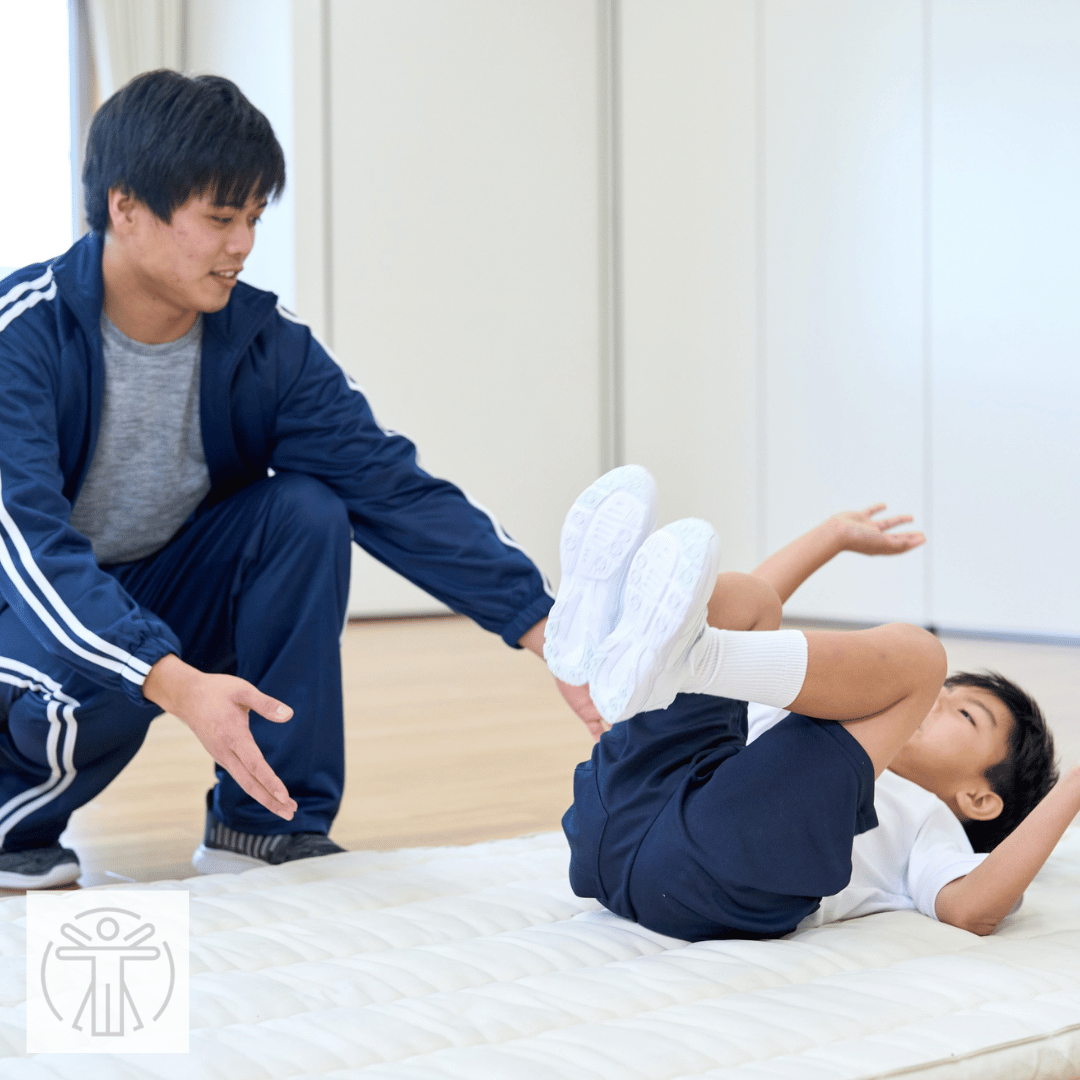
Staying active is essential for overall health, but doing so without aggravating knee pain requires some strategy. Here are tips to keep you moving safely.
Tips for Injury Prevention on the Waterfront Trail
Enjoying the Waterfront Trail should be pain-free. To prevent knee injuries, ensure you wear supportive footwear, which can be enhanced with custom orthotics if needed. Warming up before and cooling down after your workout can help prepare your muscles and prevent strains. Incorporate exercises that strengthen your leg muscles, particularly the quadriceps and hamstrings, to support your knees better. Regular physiotherapy check-ins can also help you maintain proper form and function.
Training Smart for Mississauga Half Marathon
Training for the Mississauga Half Marathon requires a smart approach to avoid knee injuries. Gradually increase your running distance to build endurance without overstraining your knees. Cross-training activities such as cycling or swimming can enhance your fitness while reducing the impact on your joints. Regular gait analysis can help identify any imbalances or improper techniques that might lead to injury. By following these strategies, you can train effectively and safely.
Frequently Asked Questions
What are common symptoms of knee problems?
Common symptoms include pain, swelling, stiffness, and difficulty bending the knee. You might also experience a popping sensation or instability.
How does physiotherapy help with knee pain?
Physiotherapy helps by strengthening muscles, improving mobility, and correcting movement patterns. This holistic approach targets the root cause of pain rather than just the symptoms.
Is it necessary to stop exercising if I have knee pain?
Not necessarily. It’s important to modify your activities rather than stop altogether. A physiotherapist can guide you on safe exercises that won’t exacerbate your condition.
How long does recovery from knee pain take?
Recovery time varies depending on the cause and severity of the injury. Some people may see improvement in a few weeks, while others might require several months of therapy.
Can knee pain be prevented?
Yes, maintaining a healthy weight, staying active, and strengthening your leg muscles can help prevent knee pain. Regular physiotherapy assessments can also identify and address potential issues early.
By understanding and addressing knee pain through physiotherapy, you can continue to engage in the activities you love, stay active, and live pain-free.
Book Online
