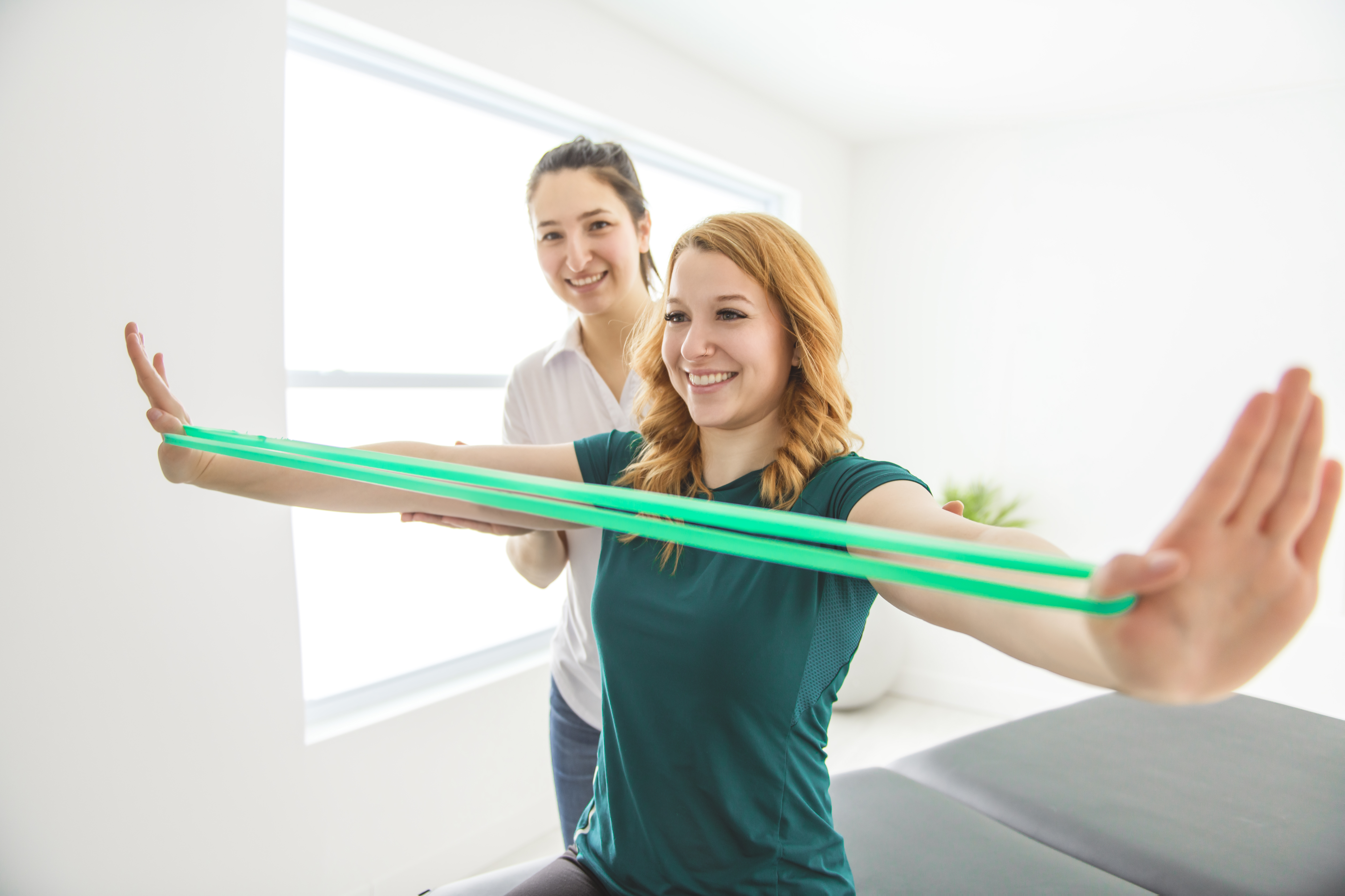
How Personalized Physiotherapy Speeds Up Post‑Surgical Rehab in Port Credit
Most post-surgical rehab plans treat everyone the same. But your body has its own rhythm for healing, strength, and movement. Personalized physiotherapy in Port Credit matches your unique needs, speeding up recovery and getting you back to running the Waterfront Trail or sailing at the PCYC sooner. Here’s how a tailored post-op physio programme at MyHealth Care Centre can make all the difference.
Personalised Physiotherapy Benefits
Let's dive into how personalised physiotherapy can dramatically enhance your recovery journey. A tailored approach not only speeds up healing but also ensures you regain strength and flexibility without complications.
Accelerating Post-Surgical Rehab
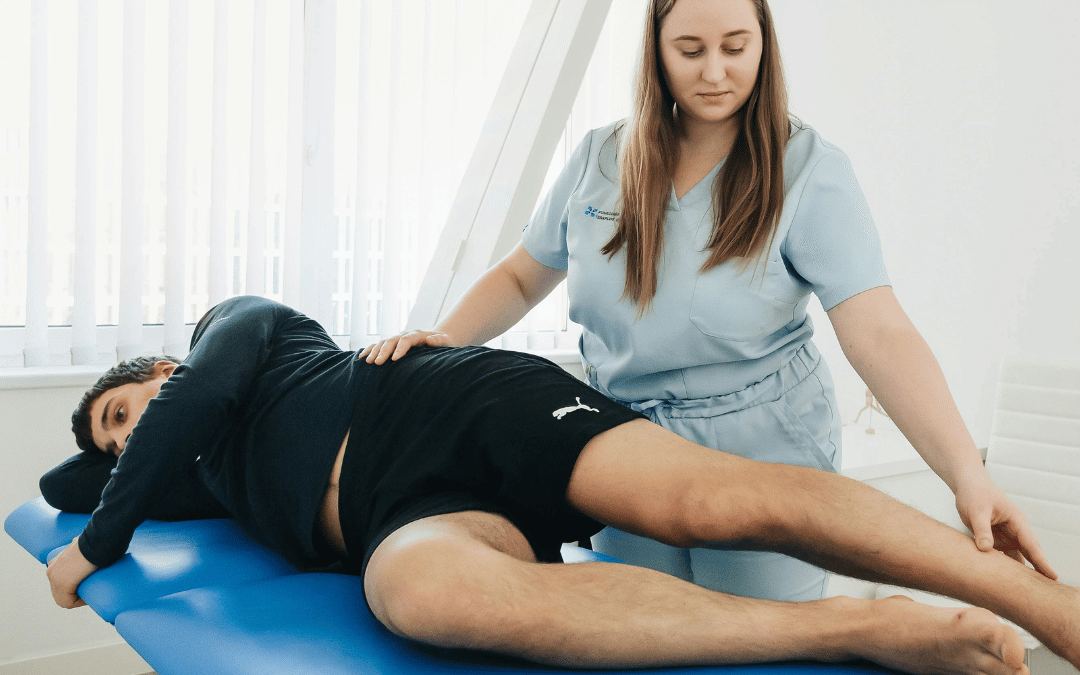
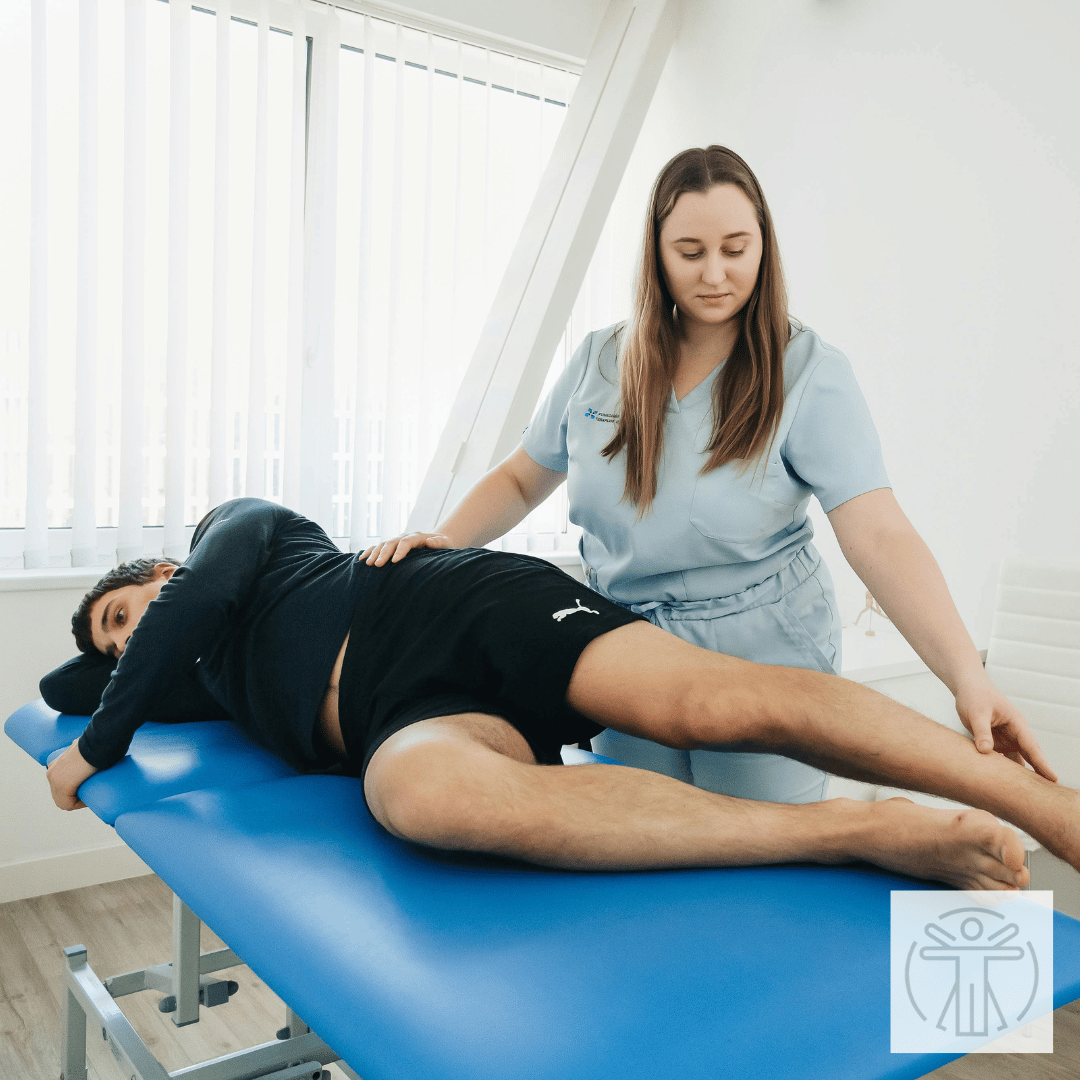
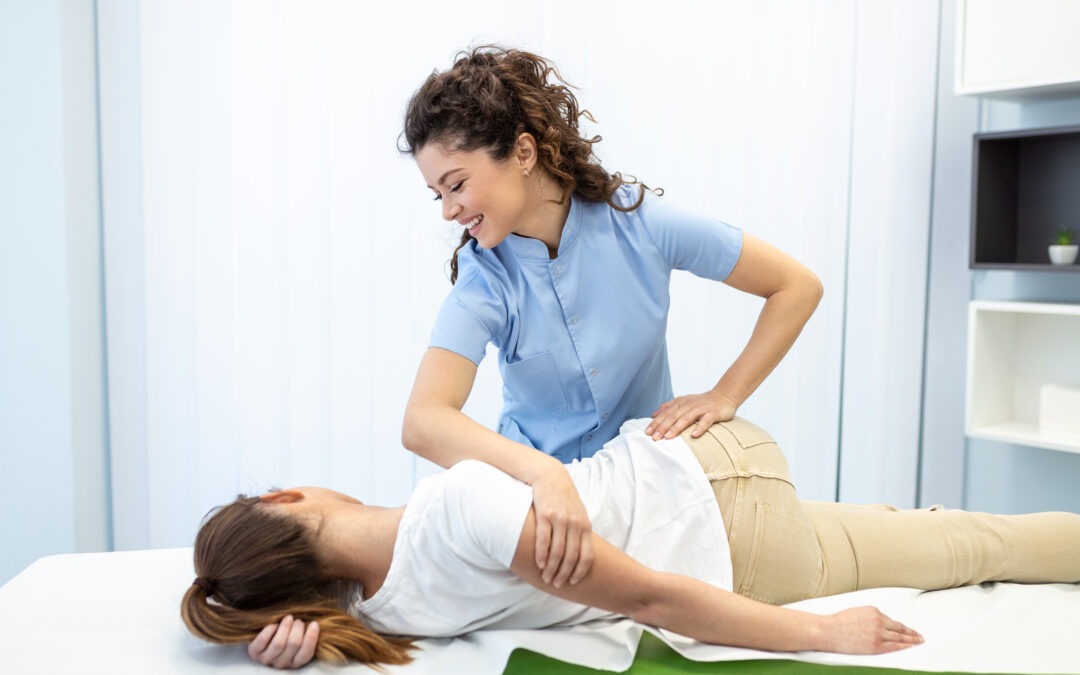
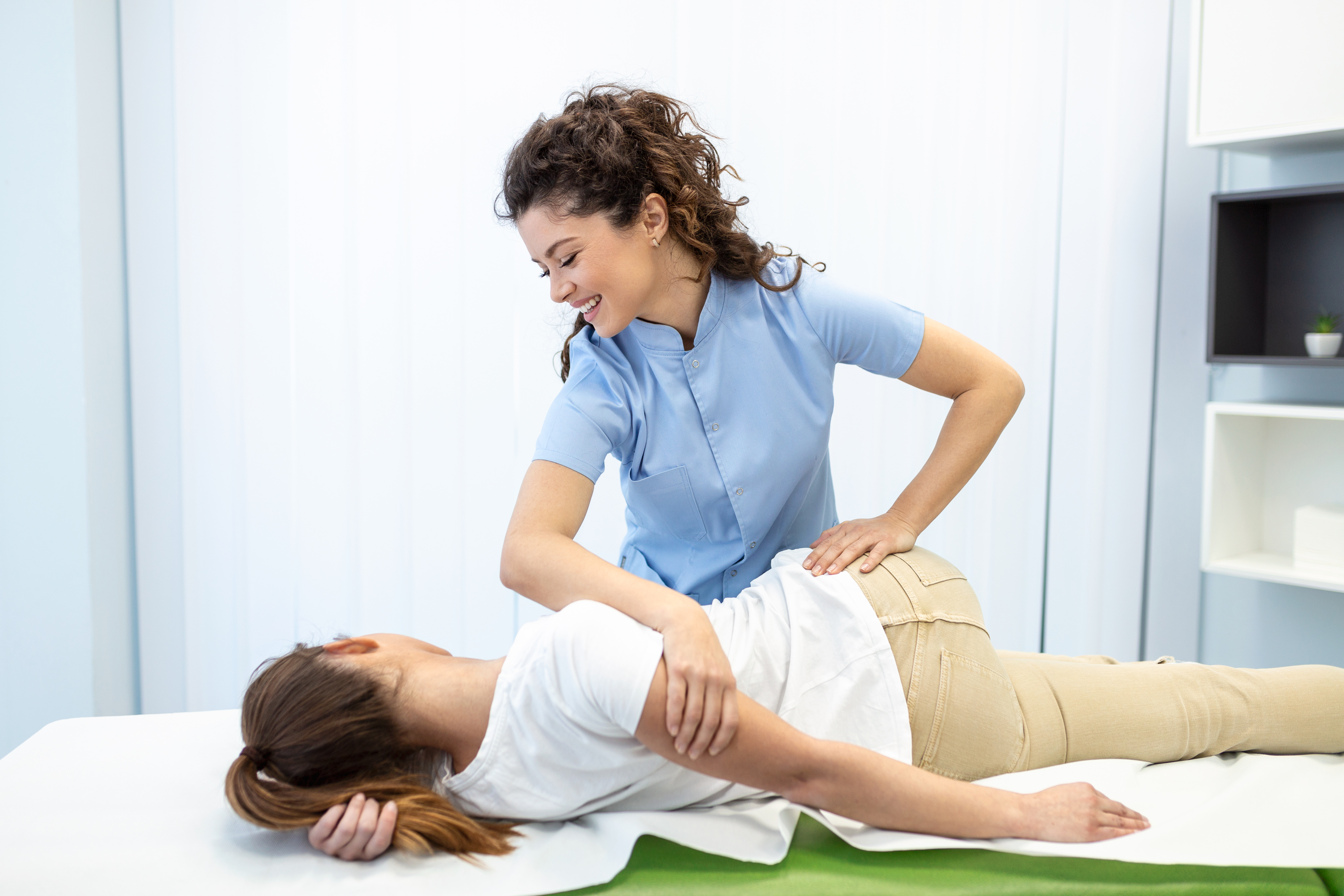
Post-surgery, your body craves a unique recovery plan. With personalised physiotherapy, each session is designed to fast-track your healing. Picture this: instead of following a generic exercise sheet, your physiotherapist crafts a specific routine just for you.
This targeted plan focuses on your individual needs, helping you progress faster than standard methods. For example, if you've had a knee replacement, specific exercises can improve your range of motion by 30% faster compared to generic routines. This means you're back on your feet and moving with confidence much sooner.
Restoring Mobility and Strength
Regaining strength and mobility after surgery is crucial. Personalised physiotherapy ensures that every exercise you do is effective for your body. A tailored plan targets the muscles that need attention, helping them strengthen efficiently.
Imagine returning to your favourite activities, like cycling on Lakeshore or jogging along the Waterfront Trail, without fear of injury. You’ll notice improvements in your balance and coordination, making everyday movements easier and safer.
Reducing Risk of Complications
Complications can delay your recovery. Personalised physiotherapy works to prevent these setbacks by addressing potential issues before they arise. Your therapist monitors your progress closely, adjusting your plan as needed.
This proactive approach reduces risks like swelling or joint stiffness, ensuring your journey to recovery is smooth. The goal is to keep you moving forward without unnecessary detours.
MyHealth Care Centre Approach
At MyHealth Care Centre, we believe in a comprehensive approach to recovery. Our methods combine diverse health disciplines for a well-rounded path to wellness.
Integrated Care Model
Our integrated care model ensures you benefit from the expertise of multiple health professionals. This means you’re not just working with one therapist, but a team dedicated to your recovery.
For instance, while a physiotherapist focuses on exercises, a chiropractor may assist with alignment. This teamwork helps you recover more completely, addressing every facet of your health.
Evidence-Based Rehab Techniques
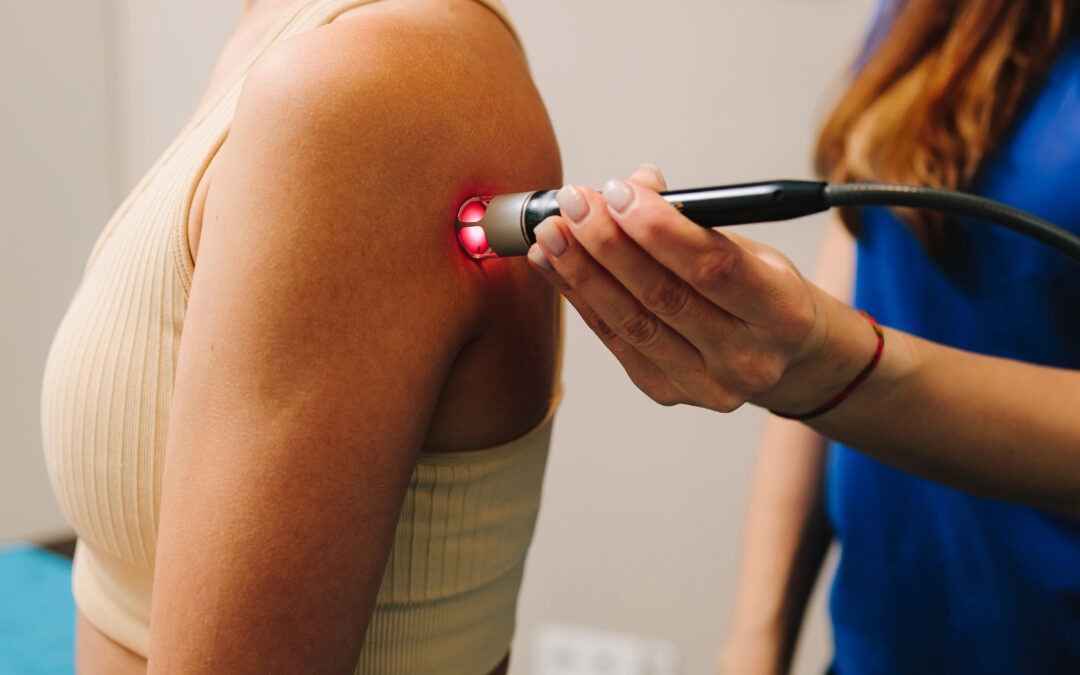
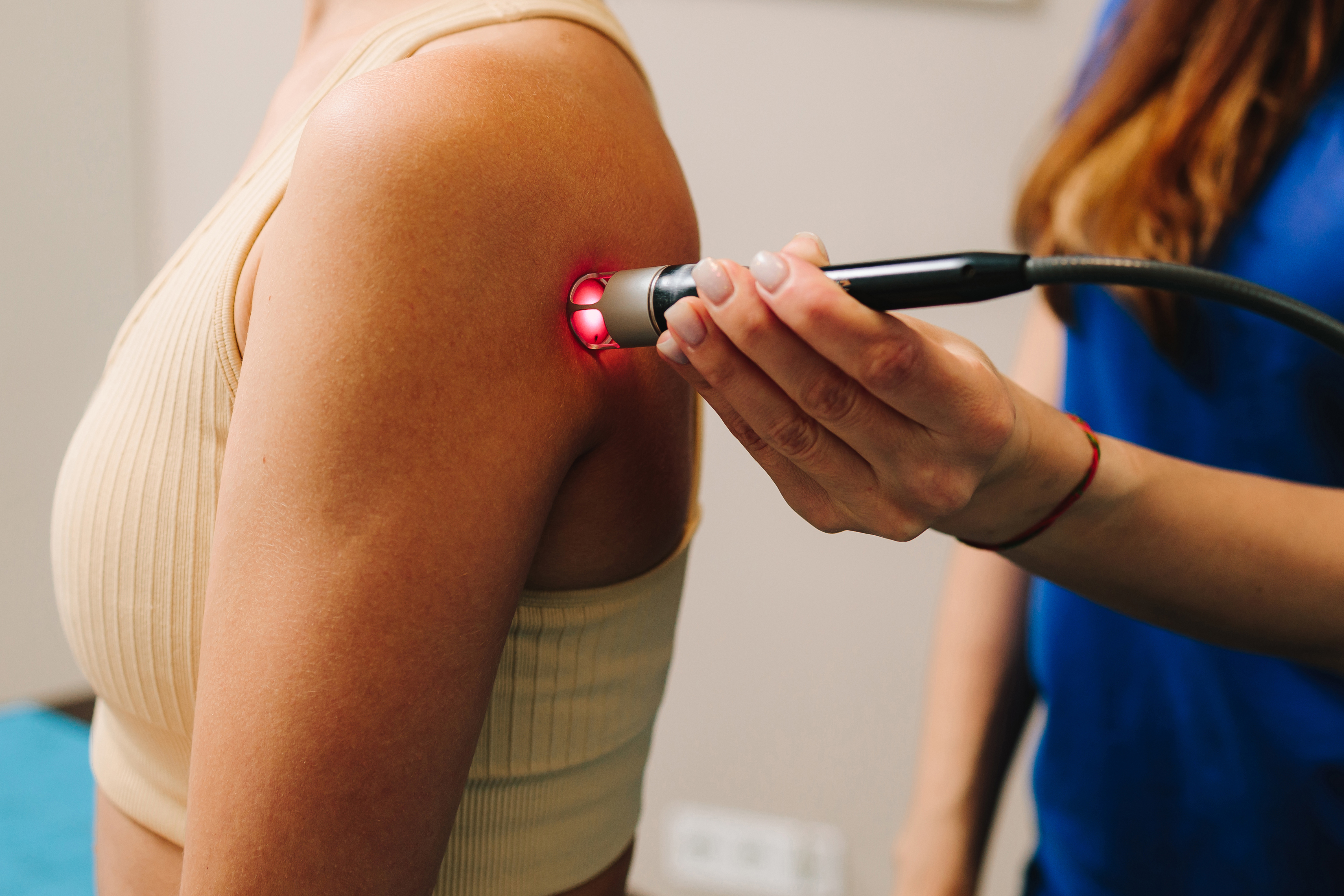
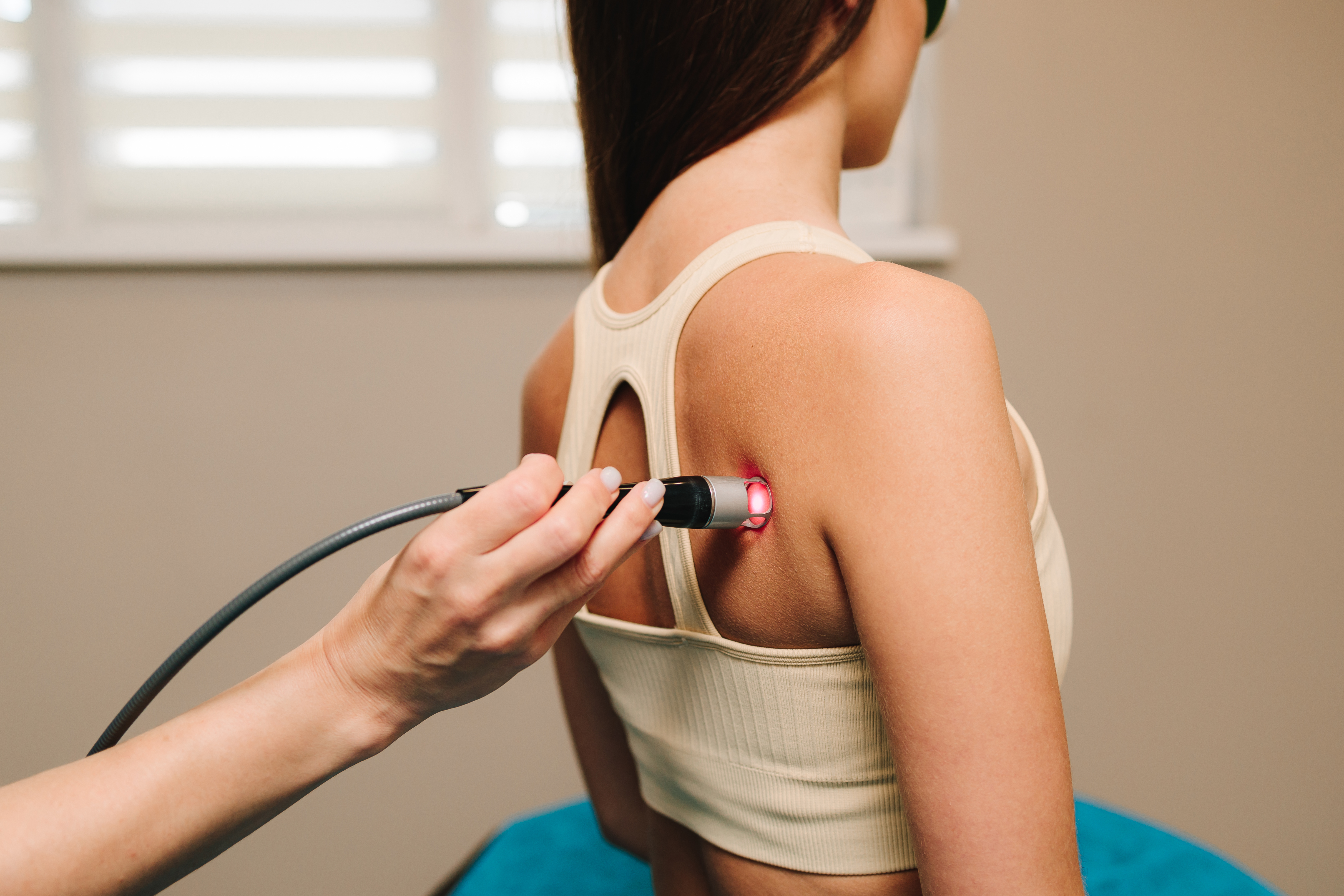
Using techniques backed by science, we tailor your rehab plan for maximum effectiveness. Whether it’s cold laser therapy for pain relief or targeted exercises, each method is chosen based on its proven success.
By prioritising what works, we help you achieve quicker, more reliable results. This evidence-based approach ensures your time is spent on interventions that truly make a difference.
Tailored Exercise Progressions
No two bodies are the same, and neither are their recovery needs. That’s why we customise your exercise progressions, ensuring each step is manageable and beneficial for your condition.
As you improve, your exercises evolve, preventing plateaus and maintaining motivation. This keeps your progress steady and your goals within reach.
Local Recovery and Activities
Recovery doesn’t stop at the clinic door. It extends into your life, impacting how you engage with the activities you love.
Safe Return to Sport
Returning to sports after surgery can be daunting. Our programmes are designed to ease this transition, focusing on building the strength and confidence you need.
Whether it’s sailing at the PCYC or joining a gym session, your tailored plan prepares you for a safe comeback, minimising risk and enhancing performance.
Gait Retraining and Activities
Proper movement is key to preventing future injuries. Gait retraining helps you move correctly, reducing stress on healing areas.
We focus on improving your walking patterns, ensuring you step back into activities like running or skating with confidence and ease.
Managing Pain and Swelling
Pain and swelling can hinder your recovery, but they don’t have to. We offer therapies like cryotherapy, which can reduce swelling by up to 40%.
Managing these symptoms ensures your comfort and maintains your motivation, so you can focus on living an active, fulfilling life.
In conclusion, personalised physiotherapy at MyHealth Care Centre offers a comprehensive, tailored path to recovery. By focusing on your unique needs, we help you heal faster, regain strength, and return to the activities you love, all while minimising complications. Your journey to health and wellness is as unique as you are, and we're here to guide you every step of the way.
Beyond Quick Fixes: The Hidden Benefits of Combining Chiropractic Care and Physiotherapy for Lasting Pain Relief in Port Credit
Quick fixes for pain often leave you stuck in a cycle of discomfort. Combining chiropractic care with physiotherapy offers a smarter way to recover faster and keep pain at bay for good. At MyHealth Care Centre in Port Credit, this integrated approach tackles the root causes, helping you move better and live pain-free. Let’s explore how this blend of treatments can give you lasting relief. [https://pmc.ncbi.nlm.nih.gov/articles/PMC6984631/]
Integrated Approach to Pain Relief
Imagine getting to the heart of your pain, not just masking it. Combining therapies like chiropractic and physiotherapy means addressing your pain from different angles.
Benefits of Combining Therapies
Here’s why mixing chiropractic care with physiotherapy could be your secret to feeling better. This combo tackles pain by aligning your body and strengthening it. Think of chiropractic adjustments as fine-tuning your spine and joints. When your body is better aligned, physiotherapy can then work to strengthen muscles, enhancing recovery. Together, they form a powerful duo against discomfort.
Many people believe one therapy is enough, but combining these treatments offers a holistic approach. This team effort not only reduces pain but also boosts overall function. By pairing these strategies, you’re not just soothing symptoms—you’re enhancing your whole well-being.
Addressing Root Causes of Pain
Let's talk about getting to the bottom of things. Chiropractic care focuses on alignment issues. Misalignments can cause nerve irritation, leading to pain. Correcting these misalignments helps your body heal naturally. On the other hand, physiotherapy targets muscle imbalances and weak spots. By strengthening these areas, physiotherapy supports long-term health.
Together, they tackle both causes and symptoms. This means you’re not just managing pain—you’re addressing what’s causing it. Port Credit physiotherapy and chiropractic care are key in this approach.
Preventing Future Flare-Ups
Now, let’s think long-term. Once you feel better, how do you stay that way? Combining therapies works to prevent future issues. Chiropractic care maintains alignment while physiotherapy strengthens your body. This means less chance of injuries and flare-ups down the road.
Most people just treat pain without thinking ahead. But a proactive approach keeps you active and pain-free. With regular care, you can enjoy life without the constant worry of pain returning.
Personalised Rehabilitation Plans
A one-size-fits-all plan doesn’t cut it. Personalised rehab plans are designed just for you, ensuring every step of your recovery is effective.
Customised Exercise and Manual Therapy
No two bodies are the same, and neither are their needs. Customised exercises target specific weaknesses. This may involve stretches or strength training that fits your unique situation. Manual therapy complements this by easing tension and promoting mobility.
With the right plan, you’ll notice improvements in flexibility and strength. This personalised attention makes all the difference in your recovery journey. It’s not just about feeling better today—it’s about building a stronger you for tomorrow.
Chiropractic Adjustments and Joint Mobilisation
Getting to the root of discomfort often involves fine-tuning your body’s mechanics. Chiropractic adjustments target spinal alignment. Misalignments can lead to nerve pain and other issues. By adjusting the spine, chiropractors help restore proper function and ease pain.
Joint mobilisation complements this by improving range of motion. When joints move as they should, it reduces stress on the body. This approach not only alleviates pain but also enhances overall movement and function. It’s like giving your body the tune-up it needs to perform its best.
Incorporating Massage and Acupuncture
There’s more to therapy than just adjustments and exercises. Massage therapy helps in relaxing muscles, reducing tension, and promoting blood flow. It’s a great way to support your recovery and enhance overall well-being.
Acupuncture, on the other hand, taps into the body’s natural healing potential. By targeting specific points, it can relieve pain and improve function. Together, these therapies offer a comprehensive approach. They not only address symptoms but also support your body’s innate ability to heal.
Long-Term Health and Wellness
Staying healthy is more than just avoiding pain. It’s about building a lifestyle that promotes wellness every day.
Enhancing Posture and Alignment
Good posture is more than just standing tall. It’s about supporting your body’s natural curves and ensuring everything is in the right place. Chiropractic care focuses on maintaining alignment, which supports good posture.
Better posture means less strain on your body. It helps prevent things like back pain and tension headaches. By focusing on alignment, you’re not just fixing problems—you’re preventing them from happening.
Injury Prevention and Recovery Strategies
Imagine not just recovering from injuries but actively preventing them. That’s what a proactive approach offers. Physiotherapy and chiropractic care work together to build strength and flexibility. This reduces your risk of future injuries.
Most people think recovery ends once the pain is gone. But true recovery involves strategies to prevent re-injury. By focusing on these areas, you’re ensuring a healthier future.
Encouraging Active Lifestyles in Port Credit
Living actively is key to long-term health. Whether it’s walking along Port Credit’s waterfront or playing sports, staying active keeps you feeling your best. Regular care supports this lifestyle by keeping your body in top shape.
An active lifestyle doesn’t just mean exercise. It’s about making choices that promote wellness every day. From posture to prevention, the right care encourages you to live fully and freely. Moving better means living better, and that’s a goal worth striving for.
By embracing an integrated approach to care, you’re not just treating pain—you’re building a path to lasting health and vitality.
Why Combining Physiotherapy, Chiropractic, and Massage Therapy Speeds Holistic Recovery
Most people treat injuries with one therapy and hope for the best. But combining physiotherapy, chiropractic, and massage therapy often speeds up holistic recovery. In Port Credit, this integrated approach means less downtime, fewer relapses, and a quicker return to your favourite activities like running the Waterfront Trail or skating at the Memorial Arena. Here’s why a personalised treatment plan from our multi-disciplinary clinic makes all the difference.
Table of Contents
Benefits of Integrated Therapies
Combining different therapies can lead to faster, more lasting recovery. Let’s explore how this integrated approach benefits you.
Faster Recovery with Combined Approaches
Using multiple therapies speeds up healing. By targeting different aspects of your body, you can get back to your daily activities more quickly. For instance, physiotherapy helps restore movement and strength. At the same time, chiropractic care realigns your spine, and massage therapy eases muscle tension. This trio works together to tackle injury from all angles, ensuring a faster recovery.
Imagine having a team support you, each with a unique skill. This approach means less time in pain and more time enjoying life in Port Credit. The combination of therapies ensures no stone is left unturned in your recovery journey. You get back on your feet sooner.
Long-Lasting Relief from Pain
The goal of integrated therapy is not just quick recovery but lasting relief. By addressing the root causes of pain with multiple therapies, you build a stronger foundation for health. Physiotherapy strengthens weak areas, chiropractic care maintains alignment, and massage therapy prevents tension buildup. This method ensures your pain doesn’t return.
Think of it as building a fortress around your health. Each therapy adds a layer of protection, keeping pain at bay. This means you can focus on daily life without worrying about recurring issues. Enjoy activities like sailing at the Port Credit Yacht Club with confidence that pain won’t interrupt your day.
Active Lifestyle and Prevention
Integrated therapies don’t just heal—they also prepare you for the future. By working together, they create a plan that not only treats but also prevents issues. With regular visits, you maintain flexibility, strength, and alignment. This proactive approach keeps you active longer.
Staying active is vital for long-term health. Whether you're a runner, skater, or busy professional, these therapies ensure you stay on top of your game. The longer you wait to embrace this model, the longer you might spend in pain. Choose this approach and enjoy a life full of movement and energy.
Understanding Each Therapy
Each therapy plays a specific role in recovery. Understanding these roles helps you appreciate their combined power.
Role of Physiotherapy in Healing
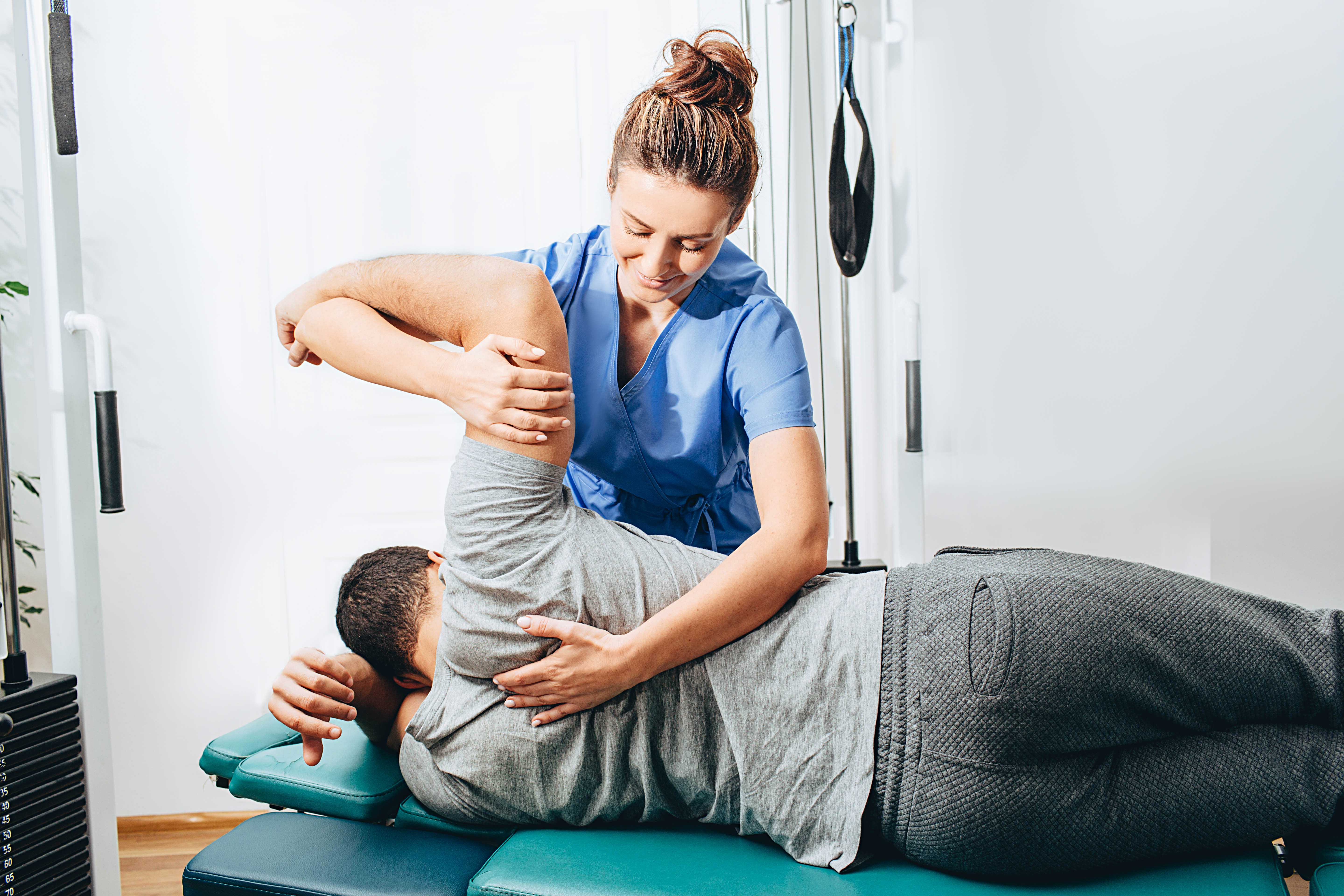
Physiotherapy is key to rebuilding strength and mobility. It focuses on exercises and manual therapy to restore function. Whether you’re recovering from surgery or an injury, physiotherapy helps you regain movement. By targeting specific muscles and joints, it addresses the root of your problems.
Imagine having a guide who knows exactly what your body needs. Physiotherapy offers that guidance, leading you through exercises that promote healing. It’s not just about treating symptoms—it’s about creating lasting change. With physiotherapy, you’ll find yourself moving better and feeling stronger.
Chiropractic Care for Spine Health
Your spine is your body’s main support. Chiropractic care keeps it in top shape. Through adjustments, it corrects misalignments that can cause pain and discomfort. By focusing on the spine, chiropractic care improves overall health and boosts your body’s ability to heal.
Think of your spine as the backbone of wellness. When it’s aligned, everything else falls into place. Chiropractic care ensures your body functions at its best. Enjoy activities like running and sailing without back pain holding you back.
Massage Therapy for Muscle Relaxation
Muscle tension can slow recovery. Massage therapy helps by easing tight muscles and improving circulation. It’s not just a luxury—it’s a crucial part of healing. By reducing stress and increasing blood flow, massage therapy supports the other therapies and enhances overall recovery.
Picture a knot in a rope. Massage therapy untangles those knots, allowing your body to relax and heal. It’s a treatment that soothes both body and mind. After a session, you’ll feel ready to tackle whatever life throws your way.
Tailored Treatment Plans
Integrated care means personalised treatment. Here’s how tailored plans improve your recovery.
Personalised Assessments and Goals
Every person is unique, and so is their treatment. At our clinic, we start with a detailed assessment. This helps us understand your specific needs and set realistic goals. Your recovery plan is custom-made, ensuring the best results.
Imagine a plan crafted just for you. It’s not about fitting you into a mould but creating a path that suits your journey. With personalised goals, you know exactly what to aim for, making success achievable.
Collaborative Care for Holistic Recovery
Our team works together to provide holistic care. By collaborating, each expert contributes their knowledge, ensuring no aspect of recovery is missed. This teamwork creates a seamless journey back to health.
Think of it as having a personal health team. Each member brings something to the table, crafting a plan that covers all bases. This collaboration means you’re supported every step of the way.
Advanced Options for Specific Needs
Sometimes, recovery requires advanced care. We offer options like cold laser therapy and custom orthotics to address specific issues. These treatments complement the main therapies, providing targeted solutions.
Consider these advanced options as your secret weapon. They’re there to tackle stubborn problems and ensure nothing stands in your way. With these tools, you have everything you need for a complete recovery.
In summary, combining physiotherapy, chiropractic, and massage therapy accelerates recovery and supports long-term health. With tailored plans and collaborative care, you’re equipped to live an active, pain-free life. Embrace this approach for a healthier tomorrow.
Is Cold Laser Therapy Covered by Insurance in Ontario? A Mississauga Resident’s Guide
Cold laser therapy is gaining attention as a powerful way to relieve pain and speed recovery. But many wonder if their insurance covers it here in Ontario. For Mississauga residents, the key is knowing that it is usually billed under physiotherapy or chiropractic sessions. In this guide, you’ll get clear answers about your coverage and how to make the most of your extended health benefits with confidence.
Table of Contents
Understanding Insurance Coverage
Understanding how insurance works with cold laser therapy can help you make the most of your health benefits. Let's break it down so you can see where you stand.
Cold Laser Therapy Insurance in Ontario
When exploring cold laser therapy insurance in Ontario, it's crucial to know that this treatment often falls under broader categories. It is typically billed as part of physiotherapy or chiropractic services. This means that if your insurance covers these services, you might be in luck. Always check the specific terms of your policy. Some insurers have specific conditions or require pre-authorization. This process ensures you know what to expect before starting treatment.
Physiotherapy Coverage in Mississauga
You're probably wondering about physiotherapy coverage in Mississauga. Most extended health benefits in Ontario include physiotherapy. This means you can likely access cold laser therapy as part of these sessions. It's essential to verify the details with your provider. Ask about coverage limits, co-pays, or any required referrals. Many clinics in Mississauga offer assistance with insurance claims, ensuring you focus on your recovery rather than paperwork.
Chiropractic Coverage and Benefits
Chiropractic care also covers cold laser therapy. If your plan includes chiropractic coverage in Ontario, you might already have access. Chiropractors often incorporate this treatment to enhance outcomes. This approach means more comprehensive care for you. Before you begin, confirm what’s included in your plan. This knowledge will help you plan your treatment sessions effectively.
Billing and Reimbursement Explained
Navigating the billing process can be daunting. With the right information, you'll be better equipped to handle it smoothly and confidently.
How Cold Laser Therapy is Billed
Cold laser therapy is often billed under physiotherapy or chiropractic services. Clinics usually include it as part of a broader treatment plan. This means you might see it listed as a component of a session rather than as a standalone charge. Familiarise yourself with how your provider bills these sessions. This clarity will help you understand what your insurance covers and what you might need to pay out of pocket.
Direct Billing in Port Credit Clinic
Some clinics in Port Credit offer direct billing to insurance companies. This service can simplify your life. Instead of paying upfront and waiting for reimbursement, the clinic handles the process for you. It’s a convenient option, making healthcare more accessible. Check with your provider to see if they offer this service. It could save you time and reduce financial stress.
Navigating Extended Health Benefits
Understanding your extended health benefits in Mississauga is crucial. These benefits often cover treatments like cold laser therapy. Start by reviewing your policy details. Know your limits, co-pays, and any necessary referrals. Many clinics offer patient assistance in navigating these benefits. This support ensures you make the most of what’s available to you.
Making the Most of Your Benefits
Maximising your health benefits requires some strategy and planning. Here's how you can make sure you're getting the most out of your coverage.
Insurance Verification for Physiotherapy
The first step is insurance verification for physiotherapy. Before starting any treatment, verify what your plan covers. This involves contacting your insurer or consulting with your healthcare provider. Confirming these details prevents unexpected costs. It also helps you schedule your sessions efficiently.
Post-Surgical Rehab Options
Cold laser therapy is beneficial for post-surgical rehab. It aids in reducing pain and speeding up recovery. If you've recently had surgery in Mississauga, consider including this treatment in your rehabilitation plan. Discuss these options with your therapist. This discussion will ensure your recovery plan is comprehensive and beneficial.
Including cold laser therapy in your post-surgical rehab plan can be a significant step towards a complete recovery. This therapy not only reduces pain but also accelerates the healing process, making it an essential component of your rehabilitation.
Sports Injury Recovery with Laser Therapy
For those recovering from a sports injury, laser therapy offers non-invasive relief. Laser therapy for sports injuries can reduce inflammation and speed healing. If you're involved in local sports, this treatment can be a game-changer. Consult with your provider to see how it fits into your recovery plan. This proactive approach will help you return to your activities faster and stronger.
In conclusion, understanding your insurance coverage for cold laser therapy in Ontario can be straightforward with the right information. By knowing what your plan includes and working closely with your provider, you can effectively manage your health and recovery journey.
Stay Active in Port Credit: Simple Strategies to Prevent Common Sports Injuries
Most sports injuries don’t come out of nowhere—they build up from small missteps in your routine. If you’re running the Waterfront Trail or cycling along Lakeshore, a few simple changes can keep you moving pain-free. At MyHealth Care Centre, we’ve helped many Port Credit athletes prevent injuries with smart warm-ups, strength training, and smart load management. Let’s explore practical injury prevention tips that fit your busy lifestyle.
Simple Injury Prevention Tips
Warm-Up Essentials for Port Credit Runners
Getting your muscles ready before a run can make a world of difference. A proper warm-up increases blood flow and flexibility, reducing the risk of injury. Start with a brisk walk or light jog for five minutes. This gets your heart pumping and muscles warm. Then, move into dynamic stretches like leg swings and high knees. These help improve your range of motion and prepare your body for the run ahead.
Most runners skip warm-ups, thinking they save time, but they might be inviting injuries like strains and sprains. Next time, take those extra minutes to warm up properly. You’ll be thanking yourself later when you’re running injury-free along the Waterfront Trail. Remember, warming up is not just about avoiding injuries; it’s about enhancing your performance too.
Sailing Shoulder Pain Prevention
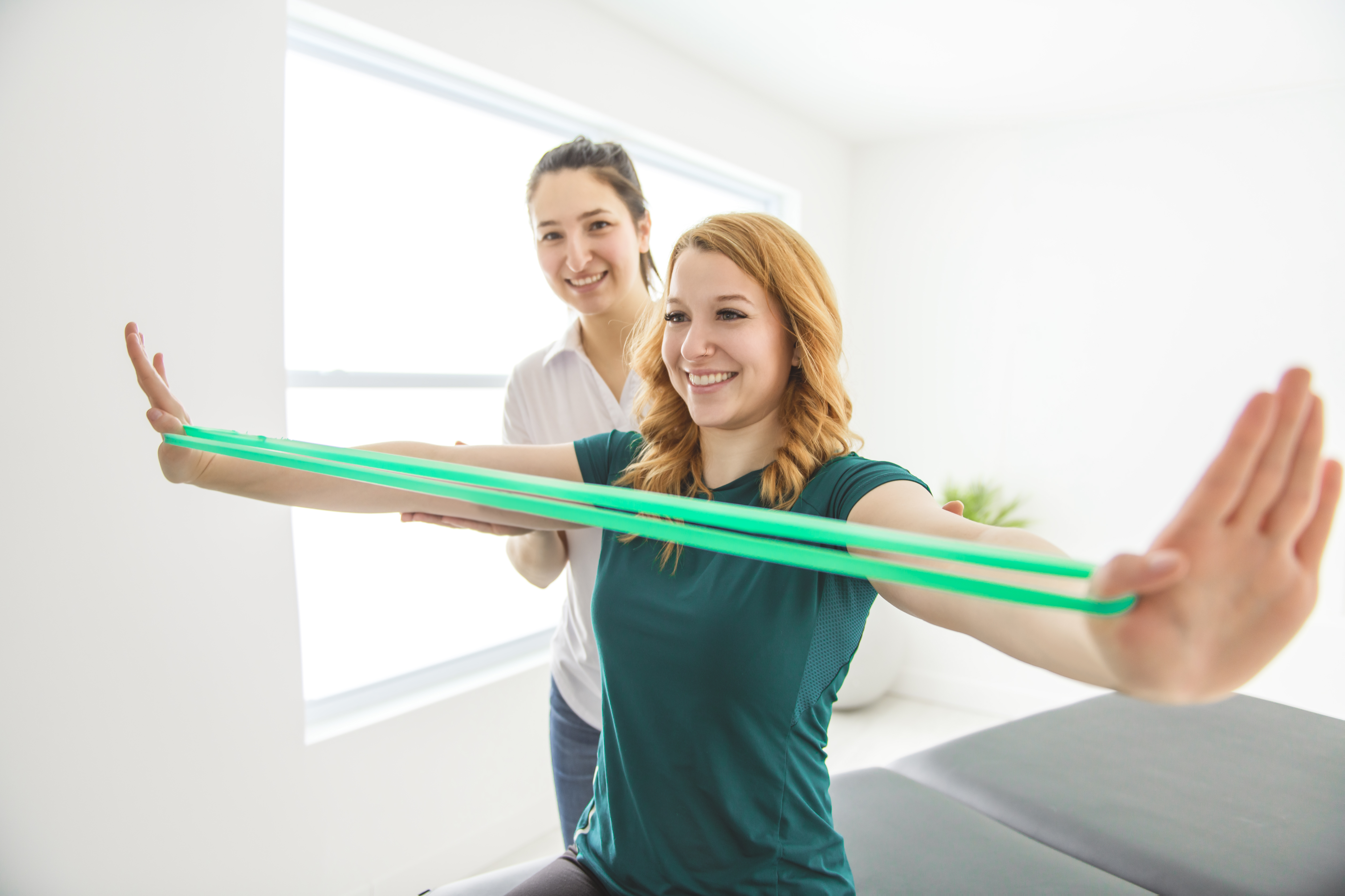
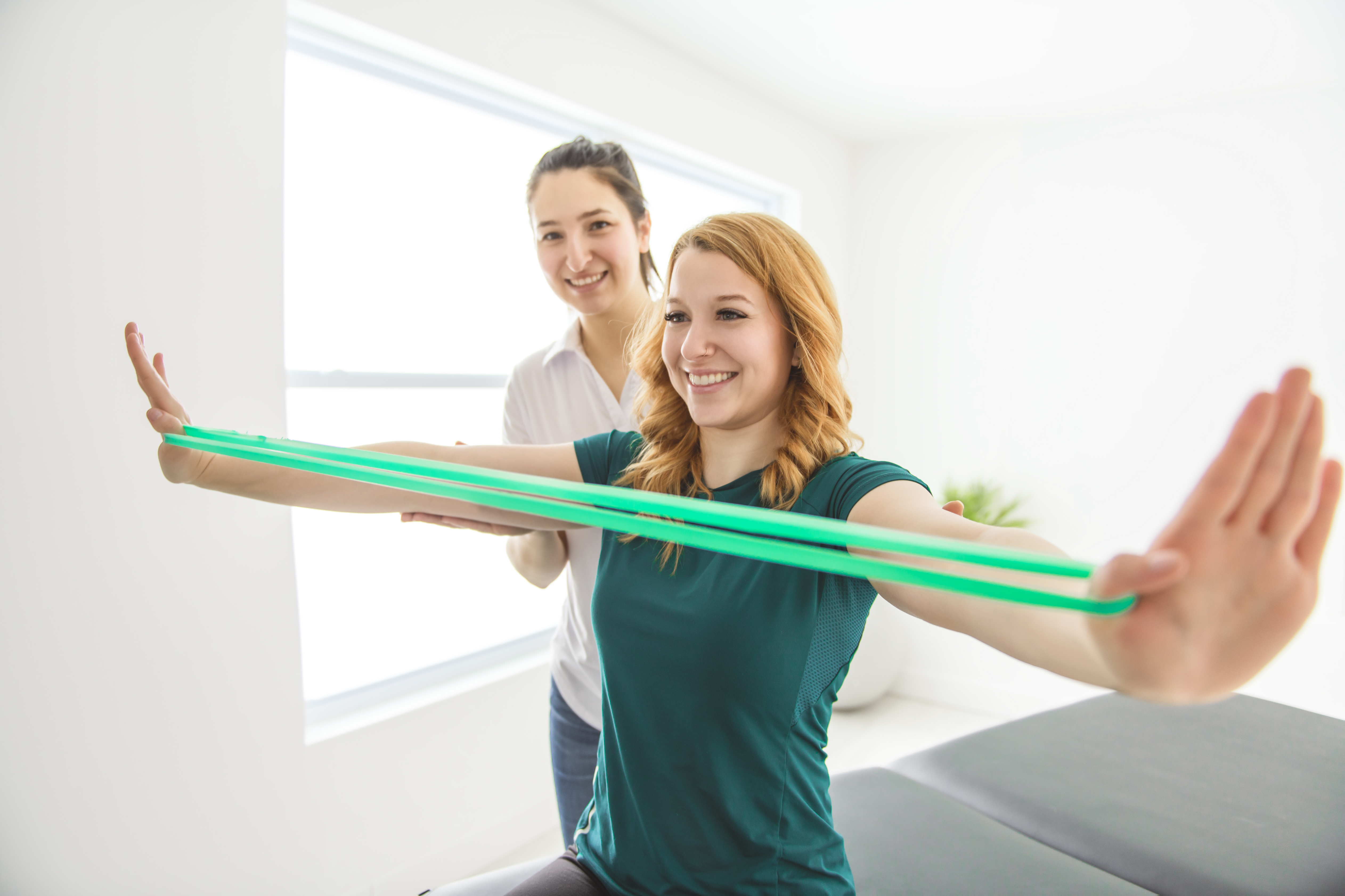
Sailing can be tough on your shoulders, but with some simple steps, you can stay pain-free. Focus on strengthening your rotator cuff muscles. Exercises like external rotations with a resistance band can be extremely beneficial. Aim to perform these exercises three times a week. They build up the small muscles around your shoulder, providing stability and reducing the risk of injury.
Shoulder pain can sideline you from your favourite water activities. Don't let it! Also, incorporate stretching into your routine. Stretching your shoulders after sailing helps maintain flexibility and prevents tightness. By keeping your shoulders strong and flexible, you can enjoy more time on the water without discomfort.
Strength and Mobility Training
Incorporating strength and mobility exercises into your routine is key to staying injury-free. Improving your body's resilience helps you withstand the demands of your favourite sports and activities.
Cycling Lower Back Pain Solutions
Cycling is fantastic, but it can strain your lower back. Core strengthening is your best ally here. Focus on exercises like planks and bridges, which support your back and enhance stability. Just five to ten minutes a day can make a significant difference.
Another common issue is poor bike setup. Make sure your seat and handlebars are correctly adjusted to your height. This prevents awkward positioning that can lead to pain. If you're unsure, consider a bike fitting session with a professional. Once your setup is right, you'll notice a smoother ride and less tension in your back.
Skating Knee Pain Advice in Mississauga
Knee pain is a frequent complaint among skaters. To prevent this, focus on strengthening your quadriceps and hamstrings. Squats and lunges are excellent exercises for this purpose. They help support your knees and improve your skating performance.
Most people think stretching isn't necessary, but it is equally important. Dedicate a few minutes to stretching your legs after skating. This promotes flexibility and reduces stiffness, which are critical for knee health. By keeping your muscles strong and flexible, you can skate with confidence and reduce your risk of injury.
Recovery and Support Strategies
After a workout or sport, your body needs recovery to repair and strengthen. Here are some effective strategies to support your body's healing process.
Benefits of Massage Therapy in Mississauga
Massage therapy can do wonders for your recovery. It helps reduce muscle tension, improve circulation, and speed up healing. Regular sessions can be particularly beneficial for athletes. If you're pushing your body hard, consider scheduling massages weekly or bi-weekly. They provide relief and enhance your performance by keeping your muscles relaxed and ready for action.
Many believe massage is only for relaxation, but it’s a powerful tool for recovery. In Mississauga, finding a qualified therapist can be a game-changer for your post-activity routine. You’ll not only feel better, but you’ll also perform better.
Custom Orthotics and Gait Assessment in Port Credit
Custom orthotics can offer much-needed support for your feet, especially if you’re experiencing discomfort. A gait assessment can identify any imbalances or issues in your stride. With this information, orthotics can be tailored to provide the right support and alignment for your feet.
This proactive step can prevent conditions like plantar fasciitis and other overuse injuries. Don’t wait until pain sidelines you—get assessed and find the support you need. By investing in custom orthotics now, you’re setting the foundation for a healthier, more active lifestyle.
In summary, by incorporating these simple strategies, you can prevent common sports injuries and keep enjoying your favourite activities in Port Credit. Stay proactive about your health, and remember, a little care now can save a lot of pain later. Make MyHealth Care Centre your partner in maintaining a pain-free, active lifestyle.
Port Credit Playbook: Simple Ways to Prevent Common Sports Injuries
Most sports injuries start small but can quickly bench you for weeks. If you’re active around Port Credit—running the Waterfront Trail, sailing, or skating—knowing how to protect your body is your best play. Our simple, science-backed tips from Port Credit physiotherapy experts help you stay strong and pain-free, so you can keep enjoying every step, stroke, or stride. Check out this guide for more tips on staying injury-free.
Understanding Common Sports Injuries
Sports injuries can put a damper on your active lifestyle. But with the right tips, you can keep moving without pain. Let's explore how to protect yourself.
Running Injury Prevention Tips
Running is a great way to stay fit, but it can also lead to injuries if you're not careful. The Waterfront Trail in Mississauga is a popular spot for runners. Here’s how to stay safe:
Warm-up properly: Spend at least 5-10 minutes warming up with dynamic stretches to get your muscles ready.
Choose the right shoes: Wear shoes that offer good support and fit well. They should be replaced every 300-500 miles.
Listen to your body: If you feel pain, stop running and rest. Pushing through pain can lead to more serious injuries.
These simple steps can help you enjoy your run without the risk of injury.
Sailing Shoulder Pain Prevention
Sailing can be tough on your shoulders. The repetitive motion of hoisting sails or steering can lead to strain. Here’s how you can prevent it:
Strengthen your shoulders: Incorporate exercises like shoulder presses and lateral raises into your routine.
Stretch regularly: Perform gentle shoulder stretches before and after you sail.
Use proper technique: Make sure you’re using the correct form when performing tasks on the boat.
By focusing on these tips, you can enjoy your time on the water without pain.
Ice Skating Knee Pain Tips
Ice skating is fun but can be hard on your knees. The sharp turns and stops can lead to injuries if you're not careful:
Wear knee supports: These can provide extra stability and prevent injuries.
Practice proper form: Keep your knees slightly bent and your weight centered over your skates.
Strengthen your legs: Focus on exercises like squats and lunges to build muscle around your knees.
Remember, protecting your knees means more time enjoying the ice.
Proactive Injury Prevention Strategies
Taking steps to prevent injuries is key to staying active. Here, we'll look at various strategies you can use.
Movement Screening Port Credit
Movement screening helps identify potential problem areas in your body. It’s a proactive step to prevent injuries. Here’s why it matters:
Identifies weaknesses: A professional can spot areas where you might be more prone to injury.
Customized exercises: You'll receive tailored exercises to strengthen weak points.
Improves performance: Addressing these issues can help you move more efficiently.
Consider scheduling a movement screening at a local clinic to stay ahead.
Gait Analysis Mississauga
Understanding how you walk or run can prevent injuries. A gait analysis provides insights into your movement patterns:
Pinpoints issues: It can identify imbalances or improper techniques.
Custom solutions: You'll get advice on footwear or orthotics that can correct these issues.
Enhances comfort: Proper gait can reduce pain and improve your comfort during activities.
This analysis can be a game-changer for runners and walkers alike.
Balance and Fall Prevention Mississauga
Good balance is crucial for preventing falls, especially as we age. Here’s how to boost your balance:
Regular exercises: Practice balance exercises like standing on one leg or using a balance board.
Strength training: Building leg muscles can support better balance.
Professional guidance: Consider enrolling in a balance class or program in Mississauga.
Preventing falls can keep you active and independent.
Integrative Therapies for Recovery
Injuries can happen despite our best efforts. When they do, integrative therapies can aid recovery.
Acupuncture for Sports Pain
Acupuncture can be an effective way to manage sports-related pain:
Relieves pain: By stimulating muscles and nerves, it can reduce discomfort.
Promotes healing: Increases blood flow to injured areas, speeding up recovery.
Non-invasive: Offers a natural alternative to medication.
Consider acupuncture for a holistic approach to pain relief.
Fascial Stretch Therapy Port Credit
Fascial stretch therapy can improve your flexibility and help with recovery:
Targets fascia: This therapy focuses on the connective tissues surrounding your muscles.
Improves flexibility: Regular sessions can enhance your range of motion.
Reduces pain: Helps alleviate tension and discomfort in your body.
This therapy could be a key element in your recovery plan.
Cold Laser Therapy Mississauga
Cold laser therapy is a modern technique to aid recovery from sports injuries:
Reduces inflammation: The laser targets inflamed tissue, reducing swelling.
Relieves pain: Many patients report a decrease in pain after treatment.
Speeds up healing: Stimulates cellular activity, promoting faster recovery.
This non-invasive therapy can be a powerful tool in your recovery arsenal.
In summary, staying active and injury-free in Port Credit requires a mix of prevention strategies and recovery therapies. Whether you're running, sailing, or skating, these insights can help you enjoy your activities with confidence. Keep these tips in mind to maintain your health and vitality. For more expert advice, consider reaching out to a specialist in your area.