The Science of Healing Light: Why 650–1064 nm Is the Goldilocks Zone (and Why 30W Matters)
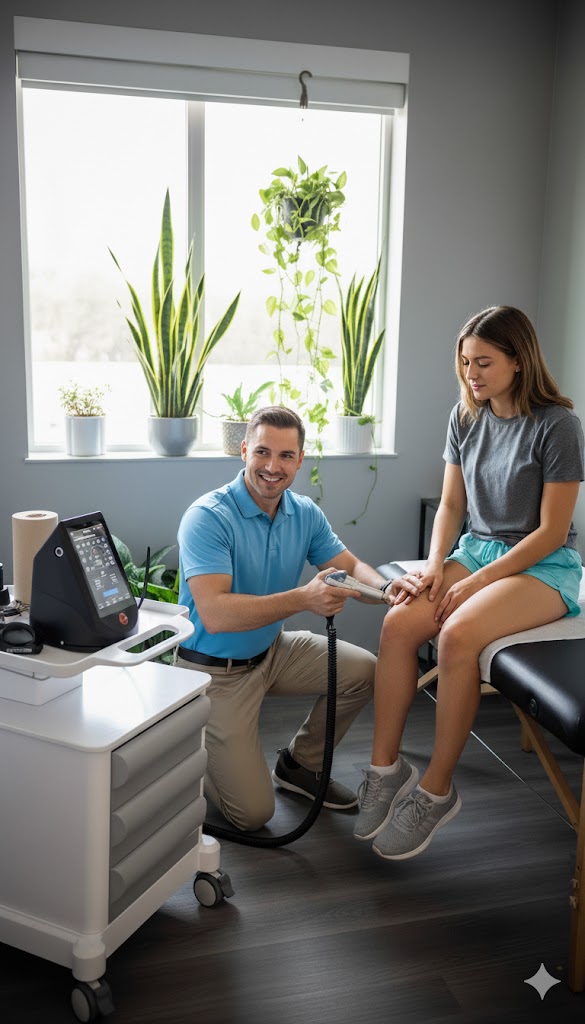
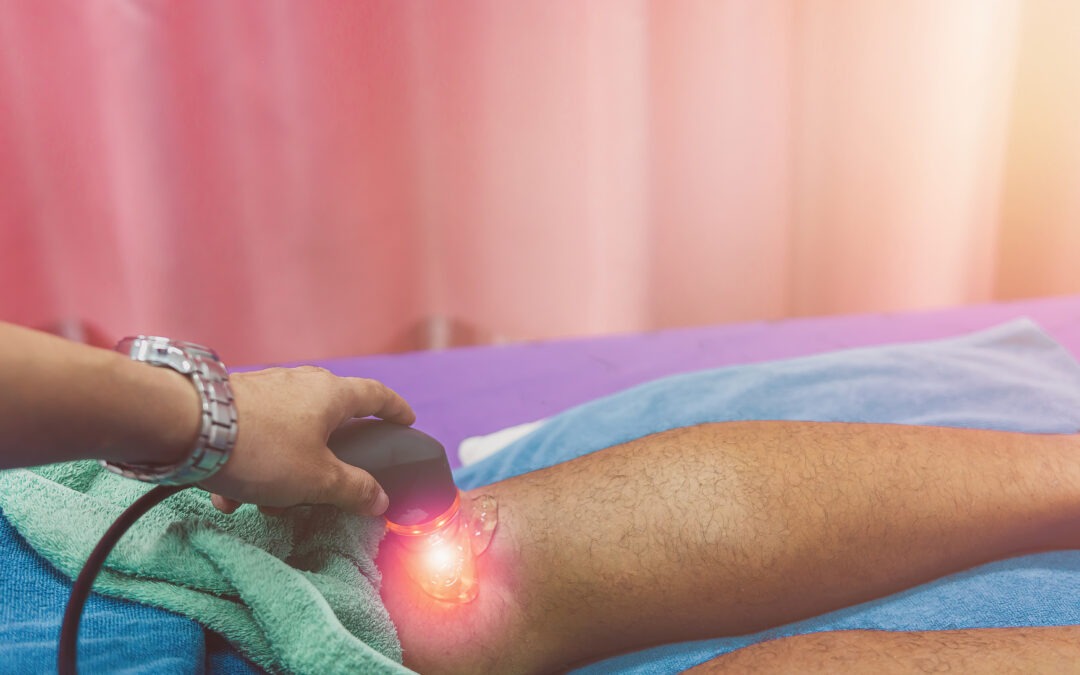
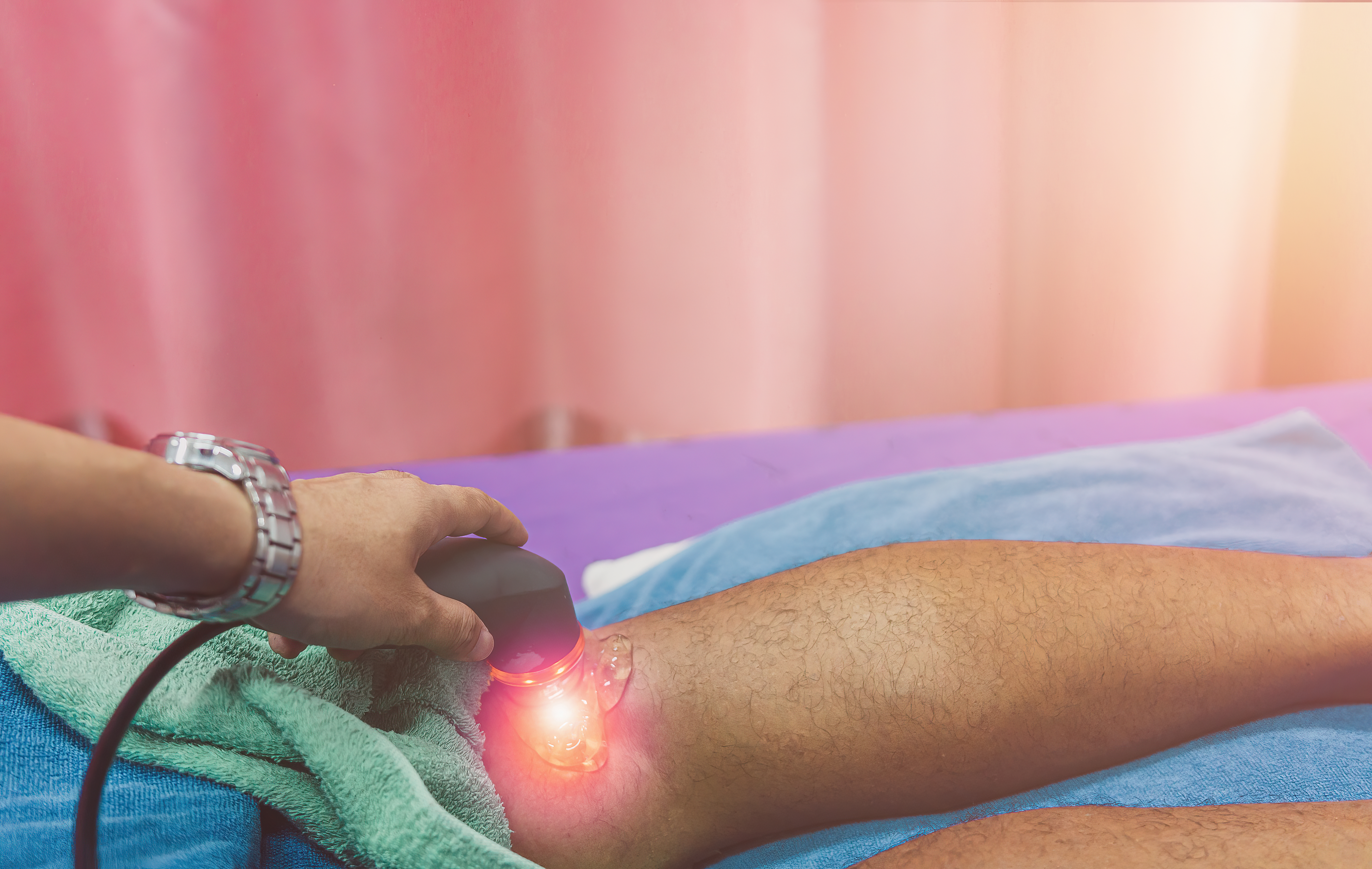
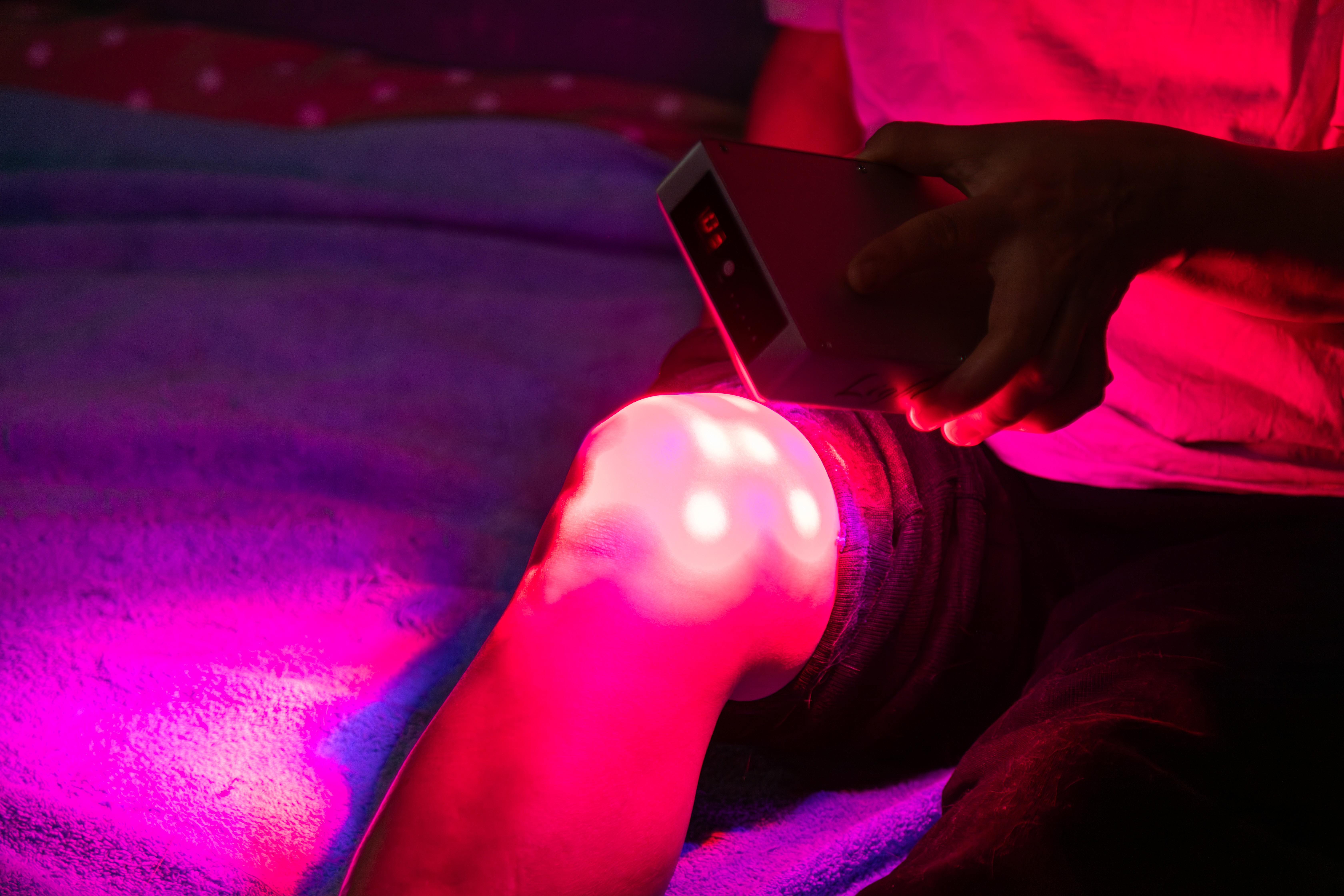
Forget what you think you know about red light therapy. Not all wavelengths deliver the same healing power, and the range between 650 nm and 1064 nm hits the perfect spot for boosting your cells’ energy. At MyHealth Care Centre in Port Credit, our 30W class IV laser reaches deeper and faster than typical at-home LEDs, helping you recover from injury and get back to your active life sooner. Ready to see why this matters? [https://pmc.ncbi.nlm.nih.gov/articles/PMC11049838/]
Table of Contents
The Healing Power of Light
When it comes to recovery, light can be your biggest ally. Imagine a therapy so precise it rejuvenates your cells, boosts your energy levels, and helps you heal faster. Welcome to the world of light therapy.
Understanding Photobiomodulation
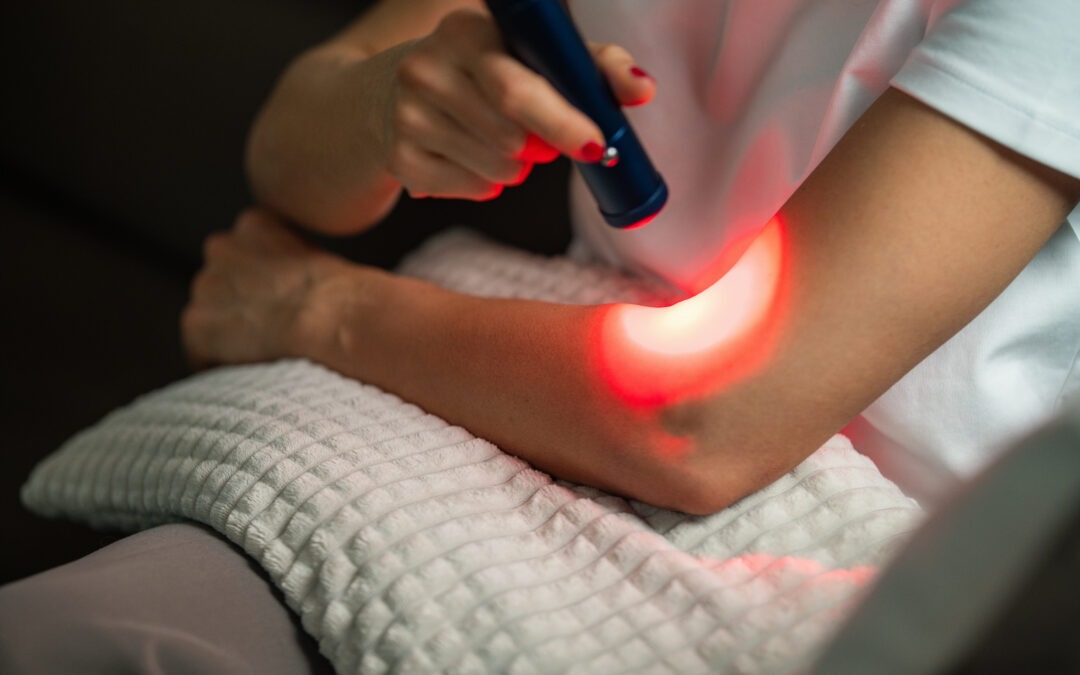
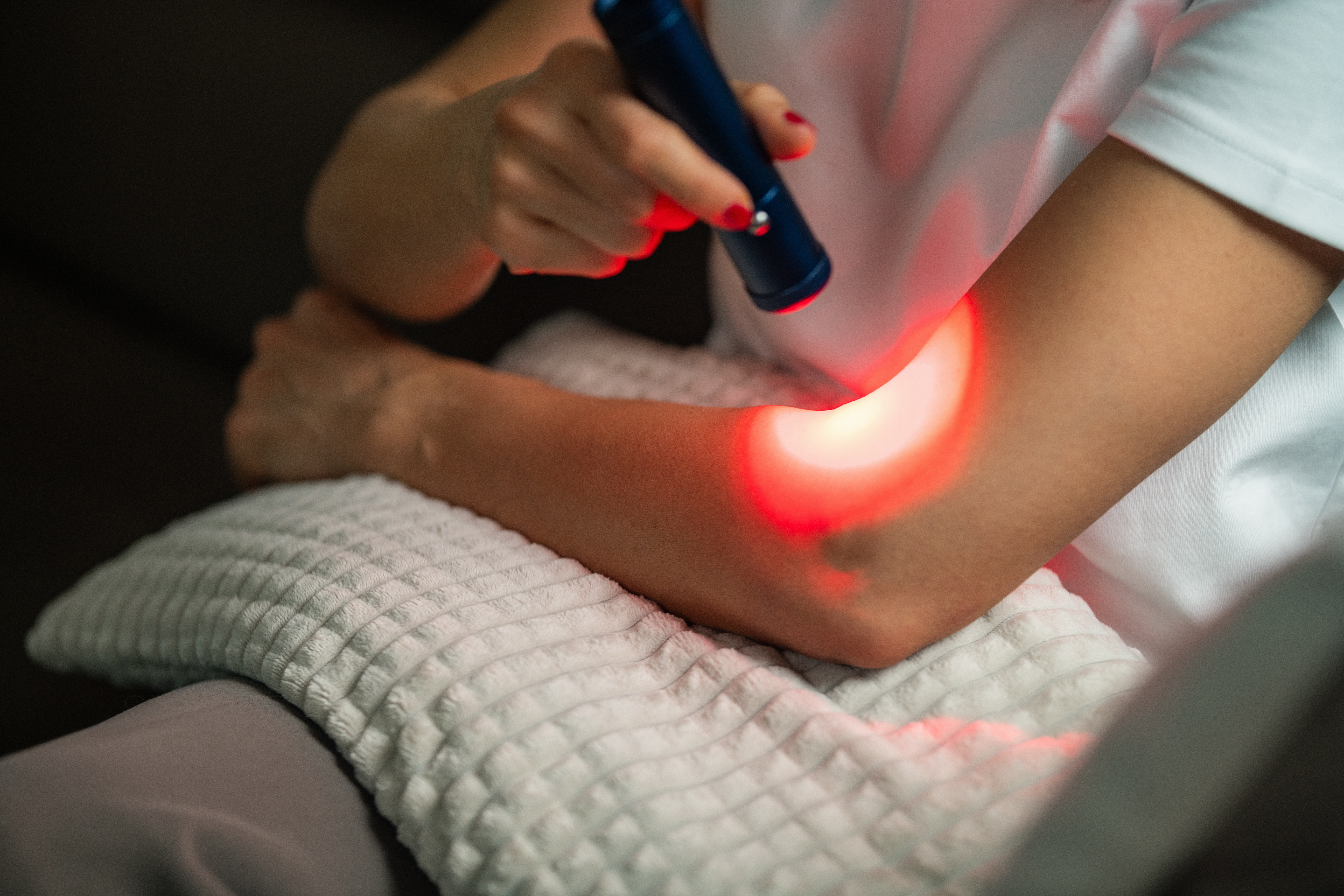
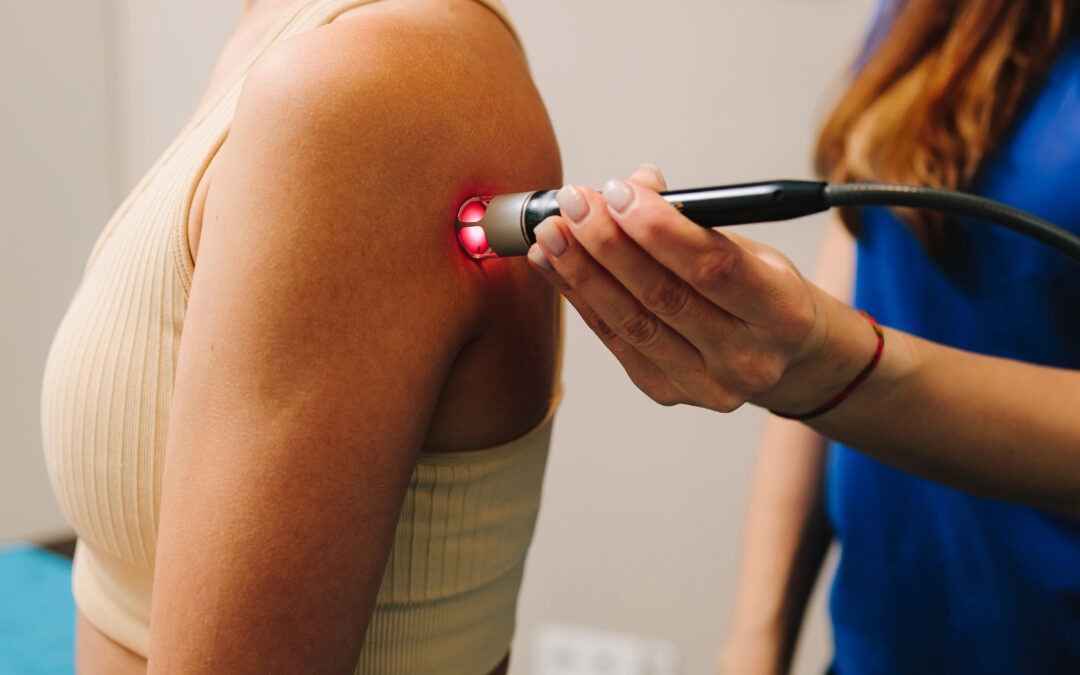
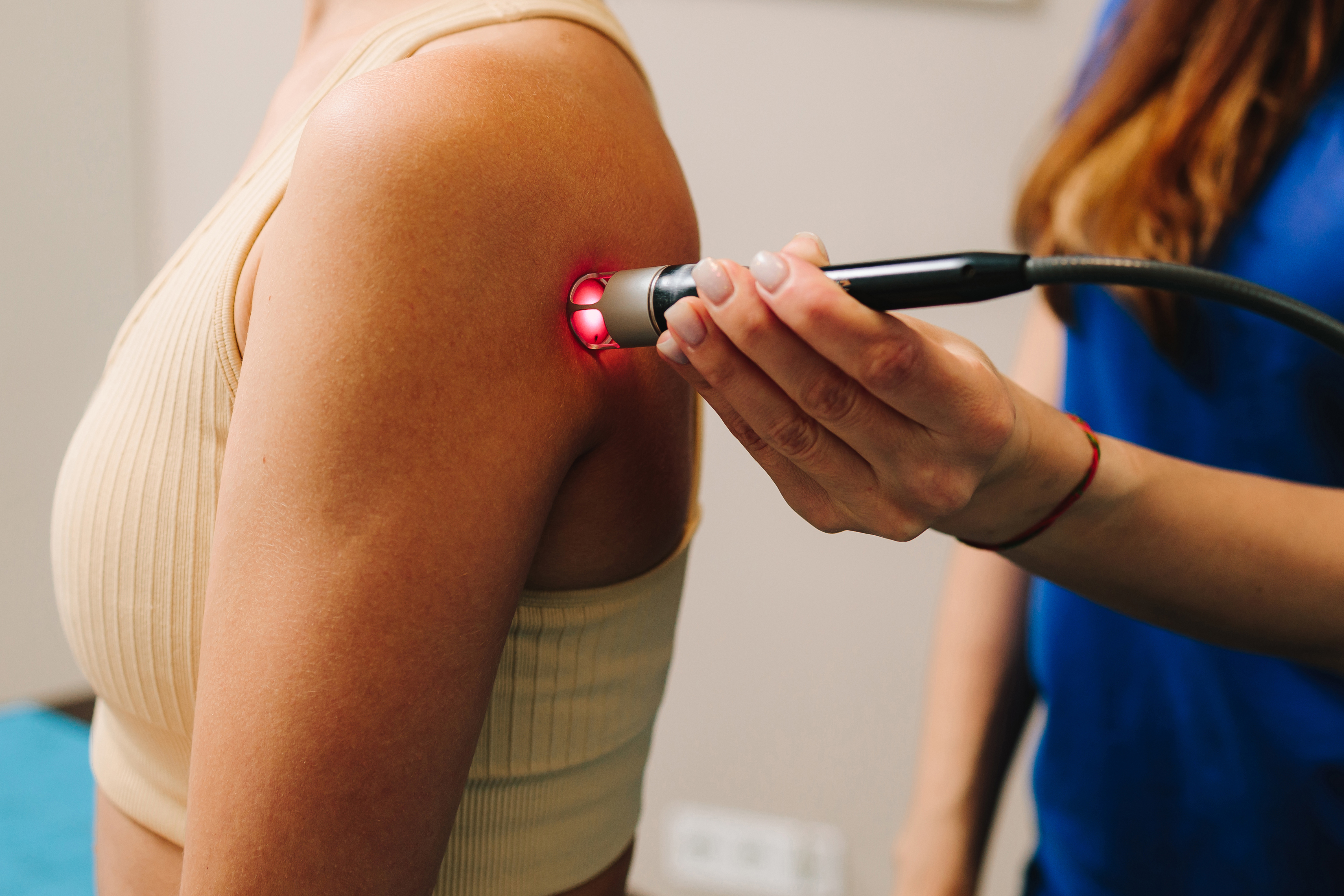
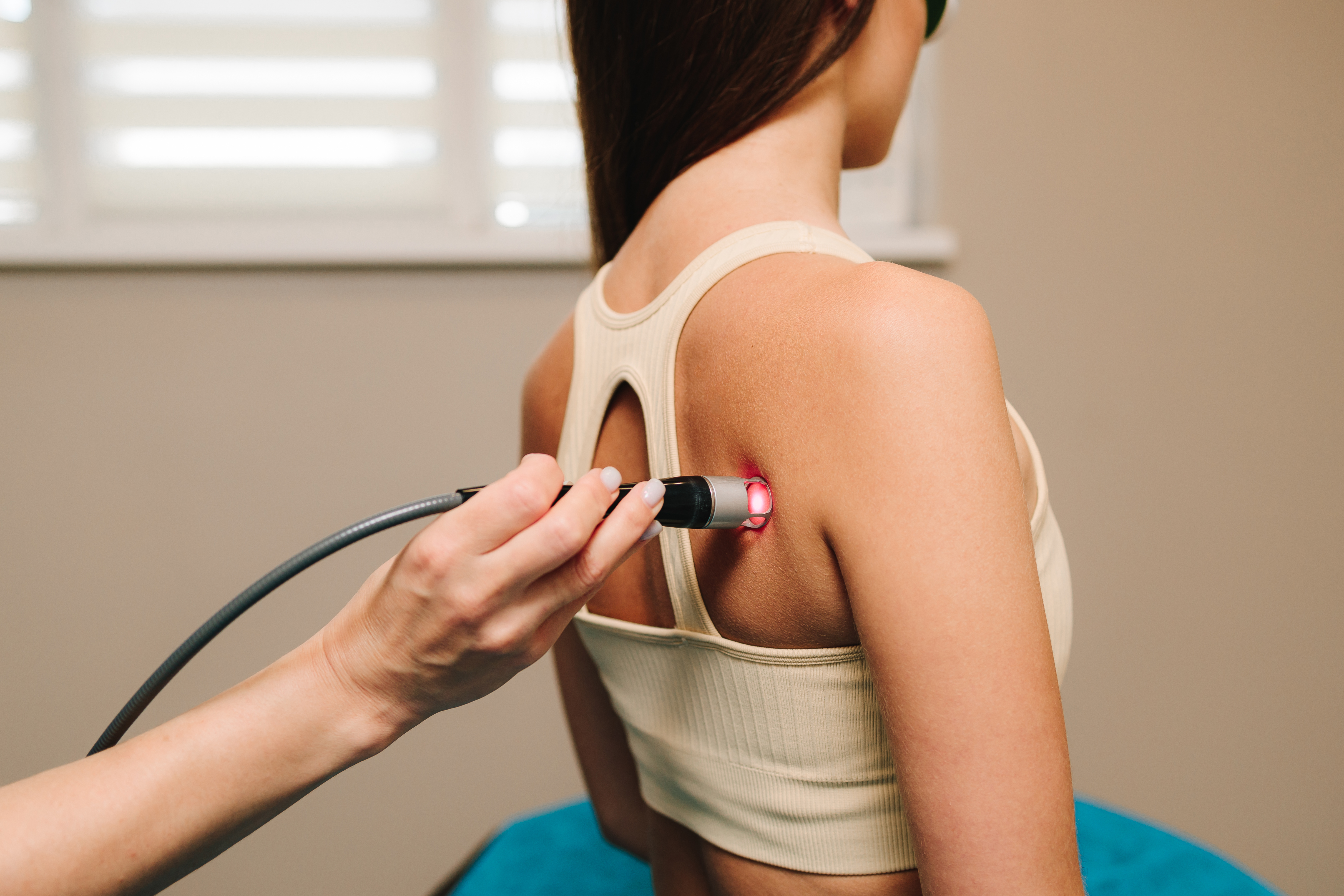
Photobiomodulation is not just a fancy term. It's a process where specific wavelengths of light penetrate the skin to enhance your cell function. Think of it as charging your body's internal battery. This therapy is known to improve ATP production, which is the energy currency of your cells. By increasing ATP, you're not just feeling better, you're healing better. This makes photobiomodulation a game-changer for those battling injuries or looking to maintain their active lifestyle.
The Role of Cytochrome c Oxidase
So, how does this magic happen? The answer lies in a key player: cytochrome c oxidase. This enzyme, found in our mitochondria, is crucial for cellular energy production. When activated by light, it accelerates the production of ATP. This means your cells are more energized and capable of quicker repair. For someone recovering from an injury, this is like having a turbo boost for your healing process. The science behind this process is solid, making it an exciting option for those seeking evidence-based rehabilitation [https://spinoff.nasa.gov/NASA-Research-Illuminates-Medical-Uses-of-Light].
Why 650–1064 nm is Optimal
Ready to dive deeper? This range of wavelengths isn't just another number. It's the sweet spot that ensures maximum benefit from light therapy.
The Goldilocks Zone Explained
Why do we call it the Goldilocks Zone? Because it's just right. Wavelengths between 650 nm and 1064 nm are perfect for penetrating deep into tissues without causing damage. Shorter wavelengths might not reach deep enough, while longer ones can cause overheating. This specific range targets the mitochondria effectively, enhancing your body's natural healing capabilities. It's like finding that perfect rhythm that your body dances to, ensuring optimal recovery and well-being [https://web.ecreee.org/fresh-field/wavelengths-allied-health-light-therapy-therapies-1770820552].
Benefits of Near-Infrared Light Therapy
Near-infrared light therapy is more than just a trend. It's a scientifically-backed method offering significant benefits. First, it reduces inflammation, easing pain and discomfort. Imagine being able to skate at the local rink or sail without the nagging pain. Secondly, it promotes better blood circulation, speeding up the delivery of nutrients to your injured tissues. This helps in faster recovery. Lastly, it's non-invasive. No needles, just gentle light doing wonders for your body. It's a therapy that fits seamlessly into your active lifestyle, helping you stay on top of your game.
The Advantage of 30W Laser Therapy
You might wonder, why opt for clinic-grade therapy when you can buy devices for home use? Here's where the 30W laser comes into play.
Clinic-Grade vs At-Home Devices
Let's cut to the chase. At-home devices are convenient, but they often lack the power needed for deep tissue penetration. The 30W laser used in clinics like MyHealth Care Centre is a powerhouse. It delivers energy more effectively, reaching deeper tissues and promoting faster healing [https://www.researchgate.net/publication/399825760_Qualitative_Comparison_of_LED_and_LASER_Effects_on_Cutaneous_Wound_Healing_A_Systematic_Review_of_Experimental_Studies]. Imagine trying to water a garden with a sprinkle versus using a hose; the clinic-grade laser is that hose, delivering a steady, powerful stream of energy to heal you from the inside out.
Effective Energy Delivery for Recovery
What does this mean for your recovery? Clinic-grade lasers provide consistent and precise energy delivery, which translates to quicker results. Whether you're recovering from a musculoskeletal injury or post-surgery, the 30W laser ensures you're back to your active lifestyle sooner. It enhances tissue repair, reduces inflammation, and relieves pain effectively. The longer you wait to explore this option, the longer your recovery might take. So, why not take advantage of this cutting-edge therapy and give your body the boost it deserves?
In conclusion, the science of healing light is not just about technology, it's about understanding your body's needs and providing the best possible care. Ready to experience the benefits of 30W class IV laser therapy? Your journey to a pain-free, active lifestyle is just a light session away.
Local Athlete’s Guide: Managing Running Injuries with Advanced Laser Therapy in Port Credit
Running injuries can stop your training in its tracks. If you’re battling nagging shin splints or runner’s knee, quick relief matters. Cold laser therapy at MyHealth Care Centre in Port Credit offers a smart, non-invasive way to reduce pain and support healing. Keep reading to find out how this therapy, combined with physiotherapy and tailored exercises, can get you back on the Port Credit Waterfront Trail faster. For further insights, explore this article. Additionally, we will delve deeper into the reasons behind these injuries and the importance of timely intervention. This is especially crucial for local athletes.
For local athletes, managing injuries effectively is crucial. Incorporating local treatment options can lead to quicker recovery times.
Local Approaches to Injury Prevention for Runners
Running injuries can put a pause on your plans, but knowing what to look out for is the first step in prevention. Let’s explore some of the most common injuries runners face, along with personal accounts that illustrate the consequences of ignoring these signals.
Understanding Runner’s Knee and IT Band Syndrome
Understanding Runner’s Knee and IT Band Syndrome
Seeking local advice can lead to improvements in your running mechanics and overall performance.
Many local runners experience issues, making awareness of local resources essential for treatment.
Local advice from experts can also prevent injuries from occurring in the first place.
Local practitioners often have in-depth knowledge about the specific needs of local runners.
By understanding local injury patterns, you can better prepare yourself for running safely.
Runner's knee often feels like a dull pain around the kneecap. It can hit you after a long run, making stairs a dreaded enemy. The main culprit? Overuse. Many athletes, particularly those who suddenly increase their mileages, encounter this problem. IT band syndrome, meanwhile, is a tightness or pain on the outer side of the knee. Many runners think they need to push through the pain, but rest and proper care are crucial. To prevent these issues, strengthen your quadriceps and hamstrings through targeted exercises. Regular stretching, ensuring you have proper footwear, and paying attention to running mechanics can also help mitigate these risks.
Local recovery options can be more accessible and tailored to your specific needs.
Stay connected with local practitioners for ongoing support and advice.
Spotlight on Shin Splints and Achilles Tendinopathy
Finding local resources to assist with rehabilitation can significantly impact your training.
It’s important for local runners to stay updated on effective treatments available in the area.
Shin splints and Achilles tendinopathy are two more injuries that plague many runners. Shin splints cause sharp pain along the front of the lower leg, often described as a burning sensation. They frequently occur when you increase your mileage too quickly or change your running surface. The Achilles tendon, the thick band at the back of your ankle, can become irritated with overuse, leading to Achilles tendinopathy. To ease these pains, gradually increase your running distance, and incorporate calf-strengthening exercises into your routine. Additionally, pay close attention to your warm-up and cool-down routines to help prevent these issues from developing.
A local approach can significantly enhance recovery times and prevent further issues.
Local resources can help you stay informed about effective running practices.
Shin splints and Achilles tendinopathy are two more injuries that plague many runners. Shin splints cause sharp pain along the front of the lower leg. They often occur when you increase your mileage too quickly. The Achilles tendon, the thick band at the back of your ankle, can become irritated with overuse, leading to Achilles tendinopathy. To ease these pains, gradually increase your running distance, and incorporate calf-strengthening exercises into your routine.
Tackling Plantar Fasciitis and Hamstring Strains
Plantar fasciitis and hamstring strains can sideline even the most dedicated runners. Plantar fasciitis causes a stabbing pain in the heel, especially in the mornings, making it difficult to take those first few steps. It’s like stepping onto a tack with each step. Meanwhile, hamstring strains often start as a sudden sharp pain at the back of your thigh, sometimes making it impossible to continue running. Stretching and strengthening your foot arch through specific exercises can significantly help combat plantar fasciitis. For hamstring strains, focus on slow progression, flexibility exercises, and cross-training to strengthen surrounding muscles.
Plantar fasciitis and hamstring strains can sideline even the most dedicated runners. Plantar fasciitis causes a stabbing pain in the heel, especially in the mornings. It’s like stepping onto a tack with each step. Hamstring strains, on the other hand, start as a sudden sharp pain at the back of your thigh. Stretching and strengthening your foot arch can help combat plantar fasciitis. For hamstring strains, focus on slow progression and flexibility exercises.
Advanced Laser Therapy Benefits
Utilising local services can be vital for thorough rehabilitation post-injury.
Exploring advanced treatments can offer relief for these common injuries. Cold laser therapy is gaining attention for its effectiveness in easing pain and promoting healing. This innovative technique not only targets pain but also stimulates cellular function, which can lead to enhanced recovery times.
Exploring advanced treatments can offer relief for these common injuries. Cold laser therapy is gaining attention for its effectiveness in easing pain.
Cold Laser Therapy for Pain Relief
Cold laser therapy offers a non-invasive pain relief option. It uses light to reduce inflammation and promote healing within the tissues. Imagine a warm sensation that calms your sore muscles without any discomfort. Most people believe that healing takes time, but cold laser therapy can help speed up this process significantly. Many athletes report reduced recovery times and a return to their sports sooner than anticipated after undergoing this treatment.
Cold laser therapy offers a non-invasive pain relief option. It uses light to reduce inflammation and promote healing. Imagine a warm sensation that calms your sore muscles without any discomfort. Most people believe that healing takes time, but cold laser therapy can help speed up this process significantly.
Photobiomodulation and Tissue Repair
Local knowledge on injury prevention can enhance your overall running experience.
Engaging with local health professionals can provide essential support during recovery.
Local athletes often find that community support enhances their recovery journey.
Photobiomodulation, a fancy term for light therapy, aids tissue repair by stimulating the mitochondria in your cells. This therapy goes deep, reaching tissues that need healing, and it’s like giving your body a boost to heal itself faster. The longer you wait to try this therapy, the more you might prolong your recovery and risk further injury. Patients who have undergone this treatment often share their success stories, highlighting how it has played a pivotal role in their recovery journeys.
Photobiomodulation, a fancy term for light therapy, aids tissue repair. This therapy goes deep, reaching tissues that need healing. It’s like giving your body a boost to heal itself faster. The longer you wait to try this therapy, the more you might prolong your recovery.
Speeding Recovery with Low-Level Laser Therapy
Low-level laser therapy (LLLT) accelerates recovery by enhancing cellular function. The therapy encourages your cells to work harder and repair quicker. You're not just treating the surface pain; you're addressing the root cause of your discomfort. Remember, faster recovery means you can return to your running regime sooner, helping you maintain your fitness goals and overall performance.
Consider local workshops to learn about injury prevention and management techniques.
Low-level laser therapy (LLLT) accelerates recovery by enhancing cellular function. The therapy encourages your cells to work harder and repair quicker. You're not just treating the surface pain; you're addressing the root. Remember, faster recovery means you can return to your running regime sooner.
Integrating Treatments for Best Results
Participating in local events can also help you connect with other athletes facing similar challenges.
Joining local running clubs can also enhance motivation and support during recovery.
Combining treatments enhances their overall effectiveness. Let’s see how integrating different methods can optimise your recovery journey and keep you on track to achieving your running goals.
Local solutions often provide tailored advice that considers the unique needs of each runner.
Consider reaching out to local experts who can help tailor your training to prevent injuries.
Combining treatments enhances their overall effectiveness. Let’s see how integrating different methods can optimise your recovery journey.
Moreover, staying informed about the latest advancements in sports medicine can empower you as an athlete. Engaging with local running communities for support and encouragement can also play a vital role in your recovery process. Remember, you're not alone on this journey; there are numerous resources and professionals ready to assist you.
Physiotherapy for Runners in Port Credit
Consult local professionals who specialise in running injuries for the best outcomes.
Physiotherapy offers a tailored approach to recovery, taking into account the unique needs of each athlete. It’s not just about exercises; it’s about understanding how your body moves and how to optimise your performance while preventing injuries. At MyHealth Care Centre in Port Credit, physiotherapy sessions address your specific needs, helping you regain strength and flexibility. Engaging with a qualified physiotherapist can lead to substantial improvements in your running efficiency.
Physiotherapy offers a tailored approach to recovery. It’s not just about exercises; it’s about understanding how your body moves. At MyHealth Care Centre in Port Credit, physiotherapy sessions address your specific needs, helping you regain strength and flexibility.
Utilising local resources can make a significant difference in your recovery process.
Custom Orthotics and Gait Analysis
Do you know that your shoes could be the reason for your pain? Custom orthotics can correct misalignments in your feet, reducing strain on your body and improving your overall comfort while running. A gait analysis can pinpoint exactly where things go wrong during your run, providing invaluable information for your training plan. This step is crucial in creating a tailored recovery plan, addressing the root causes of your discomfort and enhancing your performance.
Do you know that your shoes could be the reason for your pain? Custom orthotics can correct misalignments in your feet, reducing strain on your body. A gait analysis can pinpoint exactly where things go wrong during your run. This step is crucial in creating a tailored recovery plan.
Comprehensive Rehab Programmes and Return to Running
A comprehensive rehab programme is your best bet for a full recovery. It combines physiotherapy, laser therapy, and personalised exercises to ensure you are well-prepared for your return to running. The goal is to get you back to running safely and confidently, helping you to avoid any setbacks or re-injuries. Remember, a complete recovery plan can prevent future injuries, keeping you on the trails longer and enhancing your overall running experience.
A comprehensive rehab programme is your best bet for a full recovery. It combines physiotherapy, laser therapy, and personalised exercises. The goal is to get you back to running safely and confidently. Remember, a complete recovery plan can prevent future injuries, keeping you on the trails longer.
In summary, understanding and addressing your running injuries with advanced therapies and integrated treatments can significantly improve your recovery speed and keep you on track. MyHealth Care Centre in Port Credit is here to guide you through this journey, offering expert care and personalised solutions tailored to your needs as an athlete.
ATP‑Boosting Benefits: How Cold Laser Therapy Biohacks Your Healing in Port Credit
Cold laser therapy in Port Credit is changing how your body heals after injury or surgery. By boosting ATP production, this treatment fuels your cells with fresh energy to repair tissue faster, calm inflammation, and ease pain. If you’re active and want to recover smarter, not harder, this approach could be your next step. Keep reading to learn how laser therapy in Mississauga speeds your recovery and gets you back to doing what you love. Read more about red light therapy benefits here.
Boosting ATP for Faster Recovery
Understanding how your body heals can lead to a smarter recovery. Let’s explore how ATP plays a vital role in this process and how cold laser therapy can make all the difference.
Understanding ATP Production and Healing
ATP, the energy currency of your cells, powers every healing process in your body. Imagine it as the fuel that speeds up tissue repair and reduces downtime after an injury. When you provide your cells with more ATP, they become more efficient at fixing damage, easing inflammation, and relieving pain. Studies show that increasing ATP accelerates recovery, allowing you to return to your favourite activities sooner.
Cold Laser Therapy Port Credit: How It Works
Cold laser therapy is a game-changer in Port Credit. This treatment uses light energy to penetrate your skin and reach damaged tissues. Once inside, it boosts ATP production at the cellular level. The process is painless and non-invasive, making it an ideal choice for those who prefer natural healing methods. By stimulating ATP, cold laser therapy enhances your body’s ability to repair itself, providing a quicker path to recovery.
Benefits of Red Light Therapy for Recovery
Red light therapy offers numerous benefits for those recovering from injuries or surgery. Firstly, it increases blood flow to affected areas, which helps deliver oxygen and nutrients necessary for healing. Secondly, by reducing inflammation, it alleviates pain and accelerates tissue repair. Lastly, it strengthens your immune response, ensuring your body can fight off potential infections. These benefits make it a must-have for anyone seeking a swifter, more effective recovery.
Effective Pain and Inflammation Management
Managing pain and inflammation effectively can transform your recovery experience. Let’s delve into how cold laser therapy provides a fresh approach for those dealing with sports injuries, chronic pain, or post-surgical recovery.
LLLT Benefits in Sports Injury Treatment Port Credit
Low-Level Laser Therapy (LLLT) is widely recognised for its effectiveness in treating sports injuries. In Port Credit, this therapy is helping athletes and active individuals bounce back faster. LLLT reduces inflammation and speeds up tissue repair by boosting ATP production. Many athletes notice a significant reduction in recovery time, enabling them to get back into action quickly. Embrace LLLT and benefit from a faster, smoother return to your favourite sports.
Chronic Pain Relief Mississauga: A New Approach
Chronic pain can be debilitating, but there's a promising solution in Mississauga. Cold laser therapy offers a fresh approach to managing persistent discomfort. By targeting inflamed tissues, it reduces pain and promotes healing without the need for medication. This therapy provides a natural alternative, ideal for those seeking relief from conditions like arthritis or fibromyalgia. Experience the power of light therapy and enjoy a life with less pain.
Post-Surgical Rehabilitation Mississauga: Speeding Up Recovery
Post-surgery recovery can be a long and challenging process. However, with cold laser therapy, Mississauga residents can accelerate their healing journey. This treatment enhances ATP production, which is crucial for tissue repair and reducing inflammation. Patients often report faster recovery times and improved mobility. If you’re looking to get back on your feet after surgery, consider integrating cold laser therapy into your rehabilitation plan.
Integrated Care for Optimal Healing
A well-integrated care approach ensures all aspects of your recovery are covered. Discover how combining different therapies can optimise your health outcomes.
Combining Physiotherapy Port Credit with Laser Therapy
In Port Credit, combining physiotherapy with laser therapy offers a comprehensive recovery solution. Physiotherapy focuses on restoring movement and strength, while laser therapy speeds up tissue repair. This combination ensures a faster and more complete recovery. By addressing both the physical and cellular levels, you maximise your body’s healing potential. Consider this integrated approach for a holistic recovery experience.
Advantages of Registered Massage Therapy Mississauga
Massage therapy is an excellent complement to laser therapy in Mississauga. It relieves muscle tension, improves circulation, and enhances flexibility. When combined with laser therapy, the benefits multiply. As laser therapy boosts ATP and reduces inflammation, massage therapy ensures muscles are relaxed, promoting faster healing and pain relief. This powerful combination supports a balanced and effective recovery journey.
Comprehensive Care at Integrated Care Clinic Port Credit
At the Integrated Care Clinic in Port Credit, you can access a range of therapies under one roof. This multidisciplinary approach means your care plan is tailored to your unique needs. By integrating services like physiotherapy, laser therapy, and massage therapy, you receive comprehensive care that addresses every aspect of your recovery. This seamless approach ensures you heal faster and stay active longer. Embrace this model and enjoy a smoother path to wellness.
Post‑Surgical Recovery in Mississauga: Can Low‑Level Laser Therapy Help Halve Healing Time?
Most people expect surgery to mean weeks of slow healing and limited movement. But what if you could speed up recovery after ACL, hip, or shoulder surgery in Mississauga? Low-level laser therapy Mississauga offers a way to cut healing time in half by targeting tissue repair and easing pain. Keep reading to see how combining this with physiotherapy at MyHealth Care Centre can get you moving sooner and stronger.
Accelerating Recovery with LLLT
Imagine bouncing back from surgery faster than you thought possible. Low-Level Laser Therapy (LLLT) is a game-changer for post-surgical recovery. It's not just about the speed of healing, but also the quality.
How High-Intensity Laser Therapy for Sciatica in Mississauga Works
LLLT uses light energy to penetrate deep into your tissues. This energy kick-starts your cells, improving their ability to repair and grow. It sounds like science fiction but it's real. The light stimulates cellular function without causing heat or damage. This gentle process supports natural healing, reducing pain and inflammation. It's like giving your body a head start in the race to recovery.
You might wonder if this is safe. Yes, LLLT is non-invasive and painless. It's used for many conditions, from joint injuries to post-surgical recovery. It’s especially effective for those recovering from ACL, hip, or shoulder surgeries. By boosting cellular repair, it helps you heal from the inside out.
Benefits for Post-Surgical Patients
Recovering from surgery involves more than just healing incisions. It's about getting back to your life. LLLT helps make this transition smoother and faster. A key benefit is pain reduction. Surgery can leave you sore and stiff, but LLLT eases this discomfort. It works by reducing inflammation, which is often the source of pain. This means less reliance on pain medication and a more comfortable recovery.
Another advantage is enhanced tissue repair. By promoting cell growth, LLLT helps your body heal more effectively. It's like having a personal repair crew working round the clock. This leads to less scar tissue and improved joint function, helping you regain your strength and mobility faster.
Complementing Traditional Rehab Protocols
While LLLT is powerful on its own, its true potential shines when combined with traditional rehabilitation. Physiotherapy at MyHealth Care Centre complements LLLT perfectly. Together, they create a comprehensive recovery plan. Imagine pairing targeted light therapy with exercises designed to build strength and flexibility. This approach supports your body in regaining its full range of motion.
Physiotherapists work with you to tailor exercises to your needs. This might include gentle stretching, strength training, or balance exercises. The combination of LLLT and physiotherapy not only accelerates recovery but also supports long-term health. It’s about more than just getting you back to normal; it’s about getting you better than before.
Tailored Programmes for Optimal Healing
Recovery isn’t a one-size-fits-all journey. At MyHealth Care Centre, every programme is customised to your unique needs. Our goal is to make your healing journey as effective and comfortable as possible.
Customised Care at MyHealth Care Centre
We believe that understanding your needs is the first step to recovery. Our team takes the time to assess your condition thoroughly. This personalised approach ensures that every aspect of your care is tailored to you. You’re not just another patient; you’re a partner in your health journey.
Our programmes are designed to address your specific goals, whether it's regaining full mobility after ACL surgery or returning to your favourite activities. By focusing on your individual needs, we ensure that your recovery is both effective and efficient.
Integrating LLLT with Physiotherapy
The synergy between LLLT and physiotherapy at MyHealth Care Centre is undeniable. Together, they offer a holistic approach to recovery. LLLT reduces pain and accelerates healing, while physiotherapy builds strength and flexibility. This integrated care model ensures that all aspects of your recovery are covered.
Our physiotherapists work closely with you to develop a plan that fits your lifestyle and goals. This might include exercises to improve balance, strength, or flexibility. By integrating LLLT, we can enhance these benefits, ensuring a more effective recovery.
Supporting Safe and Swift Progress
Safety is our top priority. We aim to support your recovery in a way that is both safe and swift. Our team monitors your progress closely, adjusting your programme as needed. This ensures that you’re always moving forward, but never at the expense of your well-being.
We emphasize safe practices, ensuring that each step you take is supported by expert guidance. This approach not only speeds up recovery but also builds confidence in your ability to return to daily life.
Embracing Community and Lifestyle
Recovery is about more than just physical healing. It’s about returning to your life and community. At MyHealth Care Centre, we support you in embracing a full, active lifestyle.
Linking Recovery to Local Activities
Port Credit offers a vibrant community filled with opportunities to stay active. From local parks to community events, there’s always something to engage in. We encourage you to connect your recovery with these local activities.
Being active in your community not only supports physical health but also boosts mental well-being. Whether it’s a gentle walk along the lake or participating in a community yoga class, staying engaged can enhance your recovery journey.
Encouraging a Return to Daily Life
Returning to daily life after surgery is a significant milestone. We understand the importance of feeling like yourself again. Our programmes are designed to support this transition. We focus on building the skills and confidence you need to navigate everyday tasks with ease.
By integrating exercises that mimic daily activities, we prepare you for the challenges you might face. This approach ensures that you’re not just healing, but thriving in your day-to-day life.
Booking Your Assessment in Port Credit
Ready to take the next step in your recovery journey? At MyHealth Care Centre, we’re here to guide you. Booking an assessment is the first step towards a healthier, more active life. Our team is ready to evaluate your needs and create a plan that suits you.
Don’t wait to start feeling better. The longer you delay, the longer it might take to fully recover. Let us help you return to your life with confidence and vitality. Visit our Port Credit clinic and discover how our integrated approach can make a difference in your recovery.
The 30‑Watt Difference: Why Most Mississauga Clinics Use Underpowered Lasers—and How We Reach the Root Cause Faster
Most clinics in Mississauga still rely on underpowered 0.5W lasers that barely scratch the surface of your injury. That’s why recovery often drags on and pain lingers longer than it should. Our 30W Class IV laser therapy in Port Credit cuts through the guesswork, reaching deep tissues faster and delivering precise doses that target the root cause. Ready to see how high-power laser physiotherapy can speed your healing? Explore the research here
The Power of Laser Therapy
Imagine having a treatment that targets the root cause of your pain more effectively. This is the promise of advanced laser therapy. Let's delve into why some treatments might fall short and how you can opt for the best.
Understanding Underpowered Lasers
Many clinics still use lasers that don't quite hit the mark. These low-power options, often rated at 0.5 watts, are common. You might wonder why this matters.
Limited Reach: These lasers don't penetrate deeply. They can't reach the tissues where problems often begin.
Slow Progress: With limited power, healing can be slow. You might find yourself in a cycle of repeated visits without much progress.
When you're dealing with pain, time is of the essence. Faster solutions mean getting back to your life quicker.
The Benefits of 30W Class IV Lasers
Enter the 30W Class IV lasers: a game-changer in therapeutic treatments. Why are these superior?
Deep Penetration: These lasers reach deep tissue layers. This means addressing issues right at the source.
Quick Results: With more power, you see faster improvements. This efficiency can reduce the number of sessions needed.
Imagine cutting your recovery time in half. That's the power of choosing the right technology.
Comparing 0.5W and 30W Technologies
Let's look at these technologies side by side. The differences are stark.
Feature
0.5W Lasers
30W Class IV Lasers
Penetration Depth
Shallow
Deep
Number of Sessions
High
Fewer
Recovery Speed
Slow
Fast
The choice between these can significantly impact your healing journey. When given the option, why settle for less?
Targeted Treatment for Faster Recovery
With the right tools, recovery becomes a precise science. Imagine a treatment plan that's as unique as you are, designed for maximum benefit.
Reaching Deeper with Precision
The secret to effective laser therapy is precision. 30W lasers allow this by getting to the core of your problem.
Targeted Approach: These lasers can be tuned for specific issues. Whether it's muscle pain or joint discomfort, the treatment is tailored.
Consistent Results: By targeting only what's necessary, the results are consistent and reliable.
Precision means less guesswork and more certainty in healing.
Addressing Sports Injuries Effectively
Sports injuries can be particularly stubborn. But with the right approach, recovery is within reach.
Rapid Healing: High-power lasers accelerate tissue repair. This is crucial for athletes needing a quick return to play.
Reduced Inflammation: These treatments also cut down on swelling, a common hurdle in sports recovery.
Imagine bouncing back from a sprain or strain faster than you thought possible. With the right technology, it's no longer a dream.
Personalised Plans for Optimal Healing
No two injuries are the same, and neither should be the treatment plans.
Customized Care: We assess your specific needs and tailor therapy accordingly.
Long-Term Health: This approach not only heals current injuries but also builds resilience against future ones.
Why go through a one-size-fits-all plan when you can have one designed just for you?
Integrated Care at MyHealth Care Centre
Combining therapies and expertise offers a more holistic approach to healing. This is where integrated care shines.
Combining Therapies for Best Results
Multiple modalities can work wonders when used together.
Holistic Healing: By integrating laser therapy with physiotherapy or chiropractic care, you get comprehensive treatment.
Enhanced Outcomes: The synergy between different treatments can lead to superior results.
This multi-faceted approach is about treating the whole person, not just symptoms.
Evidence-Based Approaches in Mississauga
At MyHealth Care Centre, we believe in using treatments backed by research.
Proven Methods: Our therapies are supported by scientific evidence, ensuring effectiveness.
Continuous Improvement: We stay updated with the latest research to offer only the best Check out this study.
This commitment to evidence-based care is what sets us apart.
Why Choose Port Credit’s Leading Clinic
Choosing the right clinic can significantly impact your health journey.
Trusted Expertise: Our team is highly trained and dedicated to your recovery.
Community Focused: As part of the Port Credit community, we're invested in your well-being.
With us, you're not just another patient. You're a partner in health, and we are here to support you every step of the way.
By choosing MyHealth Care Centre, you're opting for a smarter, more effective path to recovery. Don't wait to experience the benefits of advanced laser therapy.
Is Cold Laser Therapy Covered by Insurance in Ontario? A Mississauga Resident’s Guide
Cold laser therapy is gaining attention as a powerful way to relieve pain and speed recovery. But many wonder if their insurance covers it here in Ontario. For Mississauga residents, the key is knowing that it is usually billed under physiotherapy or chiropractic sessions. In this guide, you’ll get clear answers about your coverage and how to make the most of your extended health benefits with confidence.
Table of Contents
Understanding Insurance Coverage
Understanding how insurance works with cold laser therapy can help you make the most of your health benefits. Let's break it down so you can see where you stand.
Cold Laser Therapy Insurance in Ontario
When exploring cold laser therapy insurance in Ontario, it's crucial to know that this treatment often falls under broader categories. It is typically billed as part of physiotherapy or chiropractic services. This means that if your insurance covers these services, you might be in luck. Always check the specific terms of your policy. Some insurers have specific conditions or require pre-authorization. This process ensures you know what to expect before starting treatment.
Physiotherapy Coverage in Mississauga
You're probably wondering about physiotherapy coverage in Mississauga. Most extended health benefits in Ontario include physiotherapy. This means you can likely access cold laser therapy as part of these sessions. It's essential to verify the details with your provider. Ask about coverage limits, co-pays, or any required referrals. Many clinics in Mississauga offer assistance with insurance claims, ensuring you focus on your recovery rather than paperwork.
Chiropractic Coverage and Benefits
Chiropractic care also covers cold laser therapy. If your plan includes chiropractic coverage in Ontario, you might already have access. Chiropractors often incorporate this treatment to enhance outcomes. This approach means more comprehensive care for you. Before you begin, confirm what’s included in your plan. This knowledge will help you plan your treatment sessions effectively.
Billing and Reimbursement Explained
Navigating the billing process can be daunting. With the right information, you'll be better equipped to handle it smoothly and confidently.
How Cold Laser Therapy is Billed
Cold laser therapy is often billed under physiotherapy or chiropractic services. Clinics usually include it as part of a broader treatment plan. This means you might see it listed as a component of a session rather than as a standalone charge. Familiarise yourself with how your provider bills these sessions. This clarity will help you understand what your insurance covers and what you might need to pay out of pocket.
Direct Billing in Port Credit Clinic
Some clinics in Port Credit offer direct billing to insurance companies. This service can simplify your life. Instead of paying upfront and waiting for reimbursement, the clinic handles the process for you. It’s a convenient option, making healthcare more accessible. Check with your provider to see if they offer this service. It could save you time and reduce financial stress.
Navigating Extended Health Benefits
Understanding your extended health benefits in Mississauga is crucial. These benefits often cover treatments like cold laser therapy. Start by reviewing your policy details. Know your limits, co-pays, and any necessary referrals. Many clinics offer patient assistance in navigating these benefits. This support ensures you make the most of what’s available to you.
Making the Most of Your Benefits
Maximising your health benefits requires some strategy and planning. Here's how you can make sure you're getting the most out of your coverage.
Insurance Verification for Physiotherapy
The first step is insurance verification for physiotherapy. Before starting any treatment, verify what your plan covers. This involves contacting your insurer or consulting with your healthcare provider. Confirming these details prevents unexpected costs. It also helps you schedule your sessions efficiently.
Post-Surgical Rehab Options
Cold laser therapy is beneficial for post-surgical rehab. It aids in reducing pain and speeding up recovery. If you've recently had surgery in Mississauga, consider including this treatment in your rehabilitation plan. Discuss these options with your therapist. This discussion will ensure your recovery plan is comprehensive and beneficial.
Including cold laser therapy in your post-surgical rehab plan can be a significant step towards a complete recovery. This therapy not only reduces pain but also accelerates the healing process, making it an essential component of your rehabilitation.
Sports Injury Recovery with Laser Therapy
For those recovering from a sports injury, laser therapy offers non-invasive relief. Laser therapy for sports injuries can reduce inflammation and speed healing. If you're involved in local sports, this treatment can be a game-changer. Consult with your provider to see how it fits into your recovery plan. This proactive approach will help you return to your activities faster and stronger.
In conclusion, understanding your insurance coverage for cold laser therapy in Ontario can be straightforward with the right information. By knowing what your plan includes and working closely with your provider, you can effectively manage your health and recovery journey.