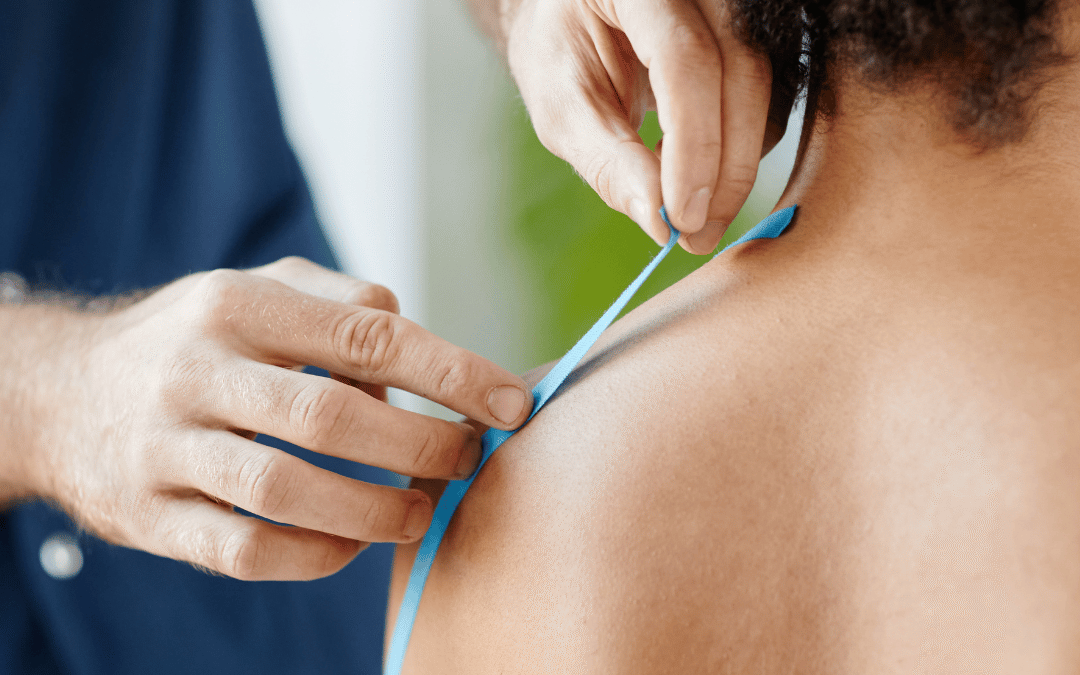
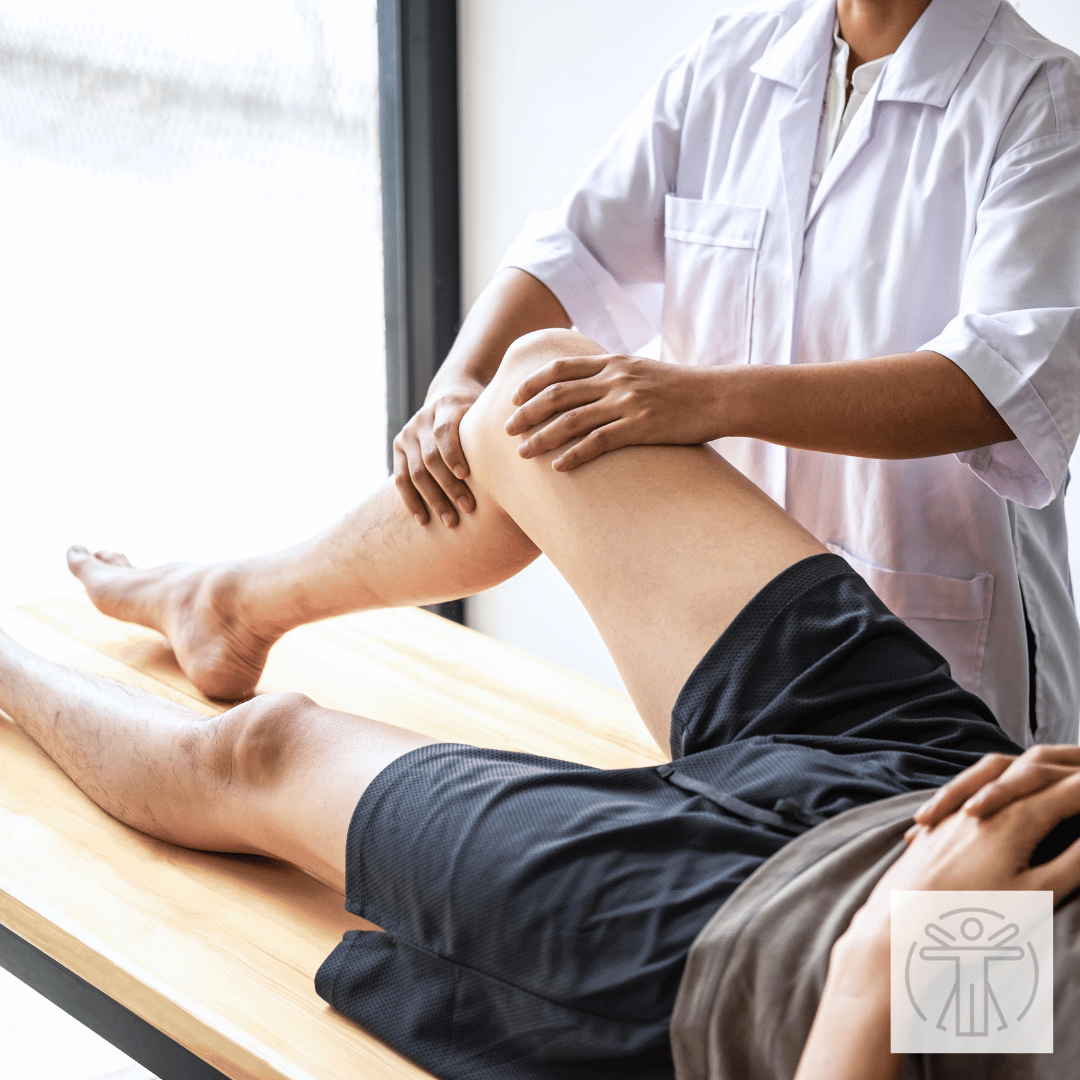
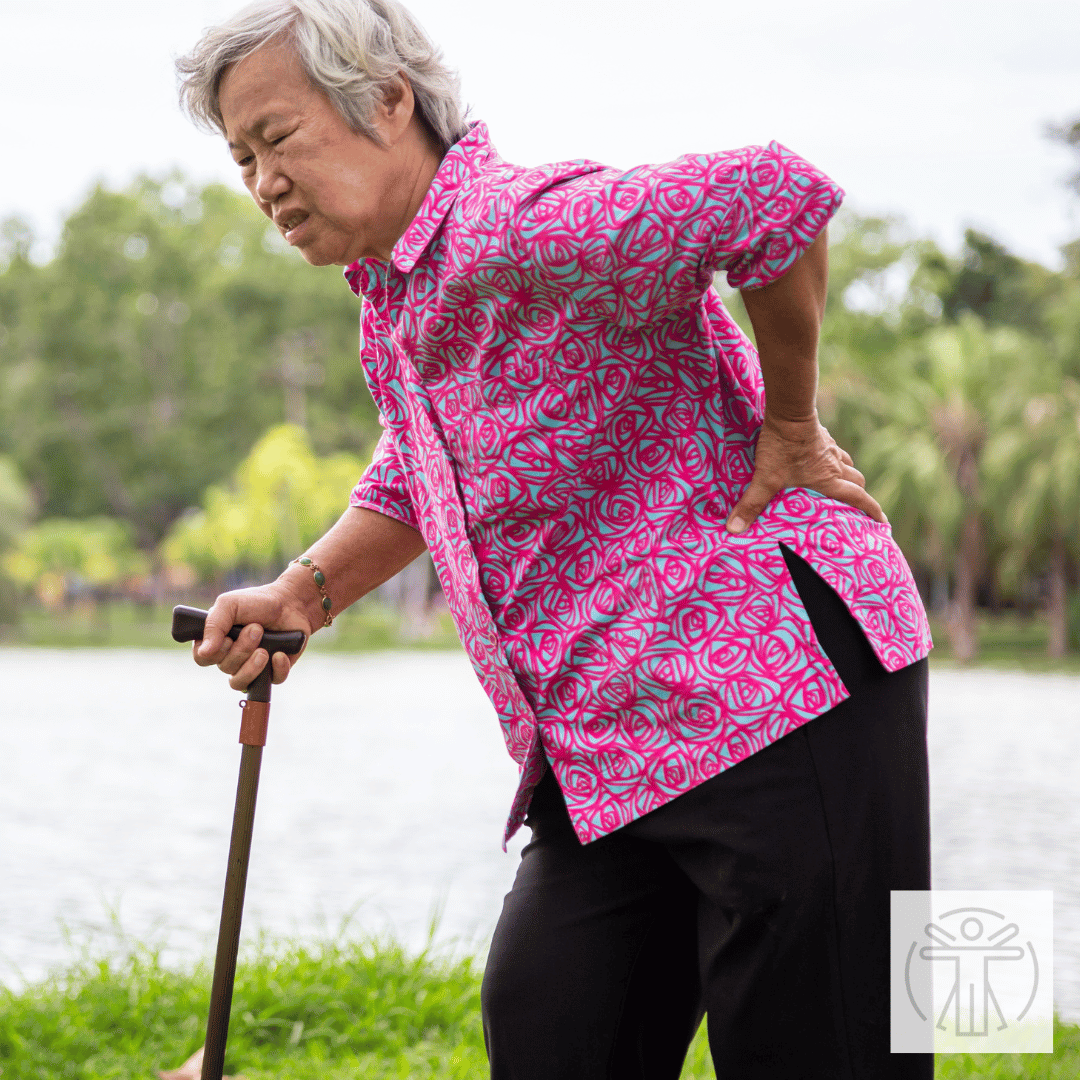
Post‑Surgery Recovery: 7 Steps to a Personalized Rehab Plan That Works
Post-surgery recovery isn’t one-size-fits-all. You need a personalized rehab plan that fits your unique surgery and lifestyle. At MyHealth Care Centre, we’ll guide you through seven clear steps to build a safe, effective post-surgical rehabilitation program me. Ready to take control and move without pain? Let’s start with what really works.
Building Your Rehab Foundation
The first step to an effective post-surgical recovery is laying down a solid foundation. This involves understanding what your surgeon recommends and how you can incorporate that into your plan. Let's dig into the details.
Understanding Surgeon’s Protocols
Your surgeon provides key insights into your recovery. Their guidelines are not just advice—they're tailored to your surgery. Start by reviewing these instructions. Knowing what movements to avoid and what exercises to focus on helps steer your recovery in the right direction. Ask questions if anything seems unclear. This is your body, and you deserve to know what each step entails.
Conducting a Baseline Assessment
Once you understand your surgeon's protocols, the next step is assessing your current condition. This involves evaluating your range of motion, pain levels, and overall mobility. A professional therapist from MyHealth can guide you through this. They use specific tests to determine your starting point. This baseline will serve as a benchmark to track your progress over time.
Setting SMART Goals
With a baseline in place, it's time to set goals. But not just any goals—SMART goals. These are Specific, Measurable, Achievable, Relevant, and Time-bound. For instance, if you're recovering from knee surgery, you might aim to walk for 10 minutes without pain within two weeks. Such goals keep you focused and motivated, providing clarity and direction.
Effective Therapy Integration
Having a strong foundation is crucial, but integrating effective therapies takes your recovery to the next level. Here’s how physiotherapy, massage, and other treatments can help.
Physiotherapy and Exercise Therapy
Engaging in physiotherapy is pivotal. It not only aids in rebuilding strength but also improves flexibility. Exercise therapy, guided by a professional, ensures you're performing the right movements. It’s about quality, not quantity. By focusing on posture and technique, you prevent further injury and promote healing.
Massage Therapy and Acupuncture
Massage therapy offers more than just relaxation. It alleviates muscle tension and enhances blood flow, vital for recovery. Acupuncture, on the other hand, targets specific points to reduce pain and inflammation. Used together, these therapies can accelerate your healing process, making each session a step closer to recovery.
Cold Laser Therapy and Cryotherapy
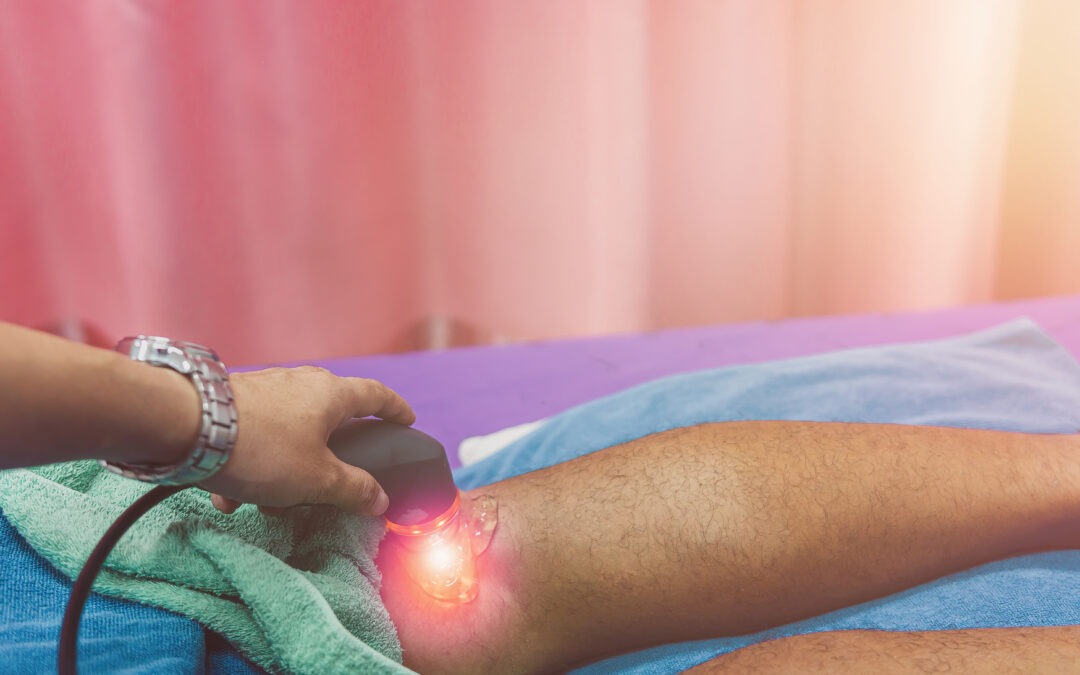
For reducing inflammation, cold laser therapy is a modern solution. It accelerates tissue repair and relieves pain without invasive procedures. Cryotherapy, involving cold exposure, complements this by reducing swelling and numbing painful areas. Incorporating these into your routine can make a significant difference.
Home Management and Progress
Successful recovery is not just about therapy sessions—it’s also about what you do at home. Managing pain, tracking progress, and gradually returning to daily activities are crucial steps.
Pain and Swelling Management
Pain management is vital in recovery. Ice packs, prescribed medication, and gentle stretches can help control discomfort. Swelling, a common post-surgery issue, can be reduced with elevation and compression socks. Managing these effectively aids in a smoother recovery journey.
Tracking Progress and Milestones
Monitoring your progress keeps you motivated. Keep a journal of your daily activities and improvements. Note any setbacks too. These records help you and your therapist adjust your plan as needed. Celebrating small victories, like taking a few extra steps, can boost your morale.
Returning to Everyday Activities
Gradually reintroducing daily activities is the final step to recovery. Begin with simple tasks like walking short distances or climbing a few stairs. As you build strength, you can resume more demanding tasks. Remember, patience is key. Rushing can lead to setbacks, so listen to your body and progress at your own pace.
In your path to recovery, remember that you're not alone. MyHealth Care Centre in Port Credit offers a team of professionals ready to support you with a personalized, evidence-based care plan. Stay committed to your journey, and soon enough, you'll be moving with confidence and ease.
Love Winter, Skip the Injuries: Port Credit’s Comprehensive Winter Safety Guide for Safe Skating, Running, and Snow Shovelling
Essential Tips from Our Winter Safety Guide
Winter’s beauty often hides a harsh truth: injuries spike when cold weather hits Port Credit. Slips on icy paths, overdoing it while shovelling, or pushing too hard on the Waterfront Trail can leave you sidelined. Knowing how to spot risks and care for aches early keeps you moving strong. This winter safety guide shares simple steps for skating injury prevention, managing knee pain from skiing Ontario trails, and beating snow shovelling back pain—so you stay active all season. For more information, visit this link.
Table of Contents
As the temperatures drop and Port Credit transforms into a winter wonderland, the risk of injuries increases significantly. It is essential to approach outdoor activities like skating, running, and snow shovelling with a proactive mindset. This guide not only highlights the risks but also offers practical tips on how to mitigate them, ensuring you can enjoy the beauty of winter without the fear of injury. Let's delve deeper into the specifics of winter safety and explore various strategies to keep you safe and sound.
Firstly, let’s discuss the common injuries associated with skating. Skating can be a fun and exhilarating activity, but it often comes with its fair share of risks. It's important to wear appropriate safety gear, including helmets and pads. Additionally, choosing the right type of skates for your skill level can significantly impact your safety. Beginners are encouraged to start on smoother, less crowded ice to build confidence. Consider taking lessons from experienced instructors to learn essential techniques and safety practices.
Moreover, assessing the skating environment is crucial. Ensure that the ice is adequately maintained and free from cracks or debris. An icy surface can be deceptively slippery, so being mindful of your surroundings can prevent unnecessary falls and injuries. If you do fall, knowing how to fall correctly can also make a difference; try to roll with the fall rather than bracing yourself, which can lead to fractures.
Running in winter can also present unique challenges. The colder temperatures can lead to muscle stiffness, increasing the risk of strains. Hence, warming up properly before your run is vital. Incorporate dynamic stretches and gentle movements to get your blood flowing. Wearing layers is equally important; stop your body from overheating while ensuring you stay warm enough to enjoy your run. Don't forget to use reflective gear in low visibility conditions to keep yourself safe from traffic.
Another critical aspect of winter running is being cautious of slippery surfaces. Always opt for shoes with adequate grip and tread designed for winter conditions. Additionally, try to avoid running in extreme weather conditions, such as heavy snow or freezing rain, as these can significantly heighten the risk of injury.
Snow shovelling is another winter activity that can lead to injuries, particularly back strain. One effective technique to prevent injuries while shovelling is to use your legs rather than your back to lift the snow. Bend your knees and keep your back straight as you lift, and take frequent breaks to avoid overexertion. If the snow is heavy or wet, consider using a snow blower instead of a shovel to lighten the load.
Furthermore, staying hydrated is essential during winter activities, even if you don't feel thirsty. Dehydration can still occur in cold weather, so be sure to drink fluids before and after your activities. Additionally, maintain a balanced diet rich in vitamins and minerals to support your body's needs during the colder months.
By following these guidelines, you can significantly reduce the risk of injuries and enjoy all that winter has to offer in Port Credit. Remember, being prepared is key to staying safe this winter. For more information and detailed resources on winter safety, be sure to check out this link
As we navigate through the winter months, let’s commit to practising safe habits and encouraging others to do the same. This winter safety guide will help you not only to avoid injuries but also to make the most of your time outdoors.
Ultimately, staying active during winter is not just about enjoying recreational activities; it’s also about maintaining your overall health and wellness. Engaging in physical activity can boost your mood, improve your immune system, and help combat the winter blues. So, lace up your skates, grab your running shoes, and get your shovel ready—but always remember to stay safe.
In conclusion, winter in Port Credit offers a unique landscape for outdoor activities. By being aware of the risks and taking proactive steps to mitigate them, you can embrace the season fully. Enjoy skating on the frozen lakes, running along the picturesque trails, and shovelling your walkways without fear of injury. Implementing the tips from this winter safety guide will ensure you have a fantastic, injury-free winter.
Stay safe, stay active, and most importantly, enjoy the beauty of winter in Port Credit!
Love Winter, Skip the Injuries: Port Credit’s guide to safe skating, running and snow shoveling
Winter’s beauty often hides a harsh truth: injuries spike when cold weather hits Port Credit. Slips on icy paths, overdoing it while shoveling, or pushing too hard on the Waterfront Trail can leave you sidelined. Knowing how to spot risks and care for aches early keeps you moving strong. This guide shares simple steps for skating injury prevention, managing knee pain from skiing Ontario trails, and beating snow shoveling back pain—so you stay active all season. For more information, visit this link.
Preventing Common Winter Injuries
Winter activities can be thrilling but come with their own set of risks. By being prepared, you can enjoy the season without setbacks.
Skating Safety on Icy Surfaces
Gliding on ice is exhilarating but demands caution. The key is preparation. Before lacing up, inspect your skates for a snug fit and sharp blades. A well-fitting helmet is also essential. If you’re new to the ice, consider taking a lesson to learn how to stop safely.
Once on the ice, keep your knees slightly bent. This posture helps maintain balance and absorb shocks. If you feel yourself falling, try to land on your side to minimise injury. Remember, most people think speed is the only risk, but standing still on ice can be equally tricky if you're tense.
Running Tips for the Waterfront Trail
Running in winter can be refreshing. The crisp air and serene surroundings make it worthwhile. Dress in layers to stay warm and dry. Reflective gear is a must for those shorter days, ensuring you’re visible to others.
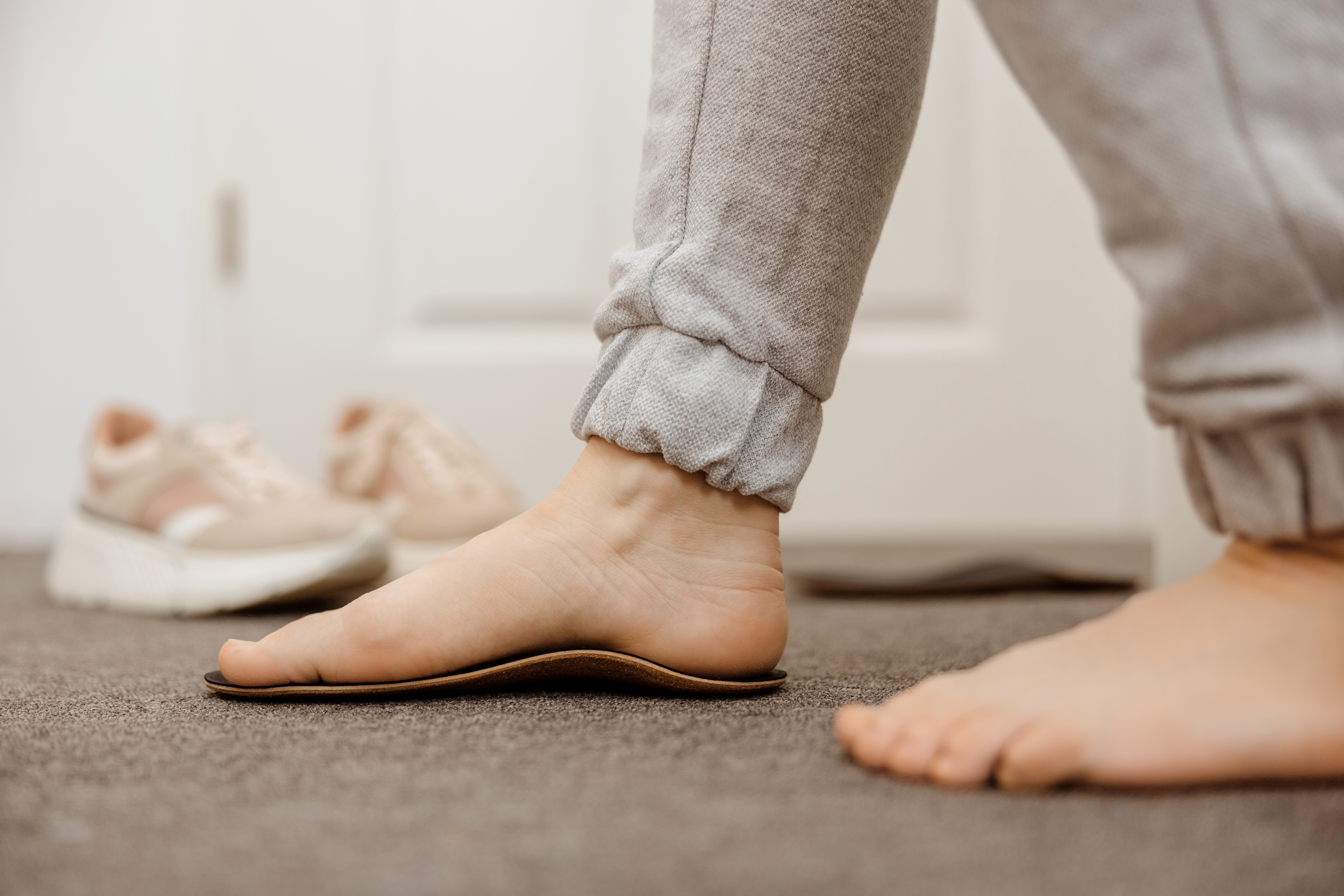
When running on the Waterfront Trail, watch for icy patches. Shorten your stride to maintain control. If you're dealing with knee pain from past runs, consider using custom orthotics. They provide support and can reduce strain on your joints. Hydration might seem less urgent in cold weather, but it remains crucial.
Snow Shovelling Back Pain Prevention
Shovelling snow is great exercise, but it can strain your back if done incorrectly. Start with warm-up stretches. Use a lightweight shovel and push snow instead of lifting whenever possible.
Adopt a staggered stance, with one foot ahead of the other. This improves stability and power. If you lift, bend at the knees, not the waist. Take frequent breaks to avoid fatigue. Remember, the longer you wait to clear snow, the heavier it becomes, increasing your risk of back pain.
Effective Injury Management Strategies
If injuries occur, acting quickly makes all the difference. Recovery doesn’t have to be a long haul.
Quick Wins for Fast Recovery
The first hours post-injury are crucial. Cold therapy can help reduce swelling. Apply an ice pack wrapped in a cloth to the affected area for 15 minutes every hour. Keep the injured part elevated to decrease swelling.
Rest is vital, but complete immobility isn’t always the answer. Gentle movements can maintain flexibility and circulation. Most people think resting too much is beneficial, but it can lead to stiffness.
Integrated Therapies for Holistic Care
Addressing injuries from different angles speeds up healing. Combining therapies like massage and acupuncture for pain relief can be beneficial. Massage helps with muscle tension, while acupuncture targets pain points and encourages healing.
At MyHealth Care Centre, our approach involves a team of specialists working together. Our Port Credit chiropractor might collaborate with a physiotherapist to create a tailored plan for you. This comprehensive care ensures all aspects of your recovery are covered.
Personalised Home Exercise Plans
Once initial pain subsides, maintaining strength and flexibility is crucial. A home exercise plan can be a game changer. These exercises are simple but effective, designed to fit into your daily routine without much hassle.
Your plan might include stretches to enhance mobility or exercises to build strength. The goal is to prevent future injuries and encourage a return to normal activities. It’s not just about recovery; it’s about empowering you to stay active.
Support from MyHealth Care Centre
Support during recovery is key, and having the right team makes all the difference.
Balance and Fall Prevention Programmes
Our balance and fall prevention programmes are designed to improve stability. Through targeted exercises, you can increase your strength and reduce the risk of falls. These programmes are especially beneficial for older adults or those recovering from injuries.
Specialised Therapies: Acupuncture, Cryotherapy
We offer a range of therapies tailored to your needs. Acupuncture helps with pain relief, while cryotherapy reduces inflammation in acute injuries. Our experts ensure these treatments fit seamlessly into your recovery plan.
Booking Your Winter Injury Prevention Assessment
Taking proactive steps can save you from setbacks. Our winter injury prevention assessments evaluate your risks and offer strategies to keep you safe. Our experts guide you through exercises and tips specific to your lifestyle.
In summary, staying active in winter is possible with the right precautions and support. MyHealth Care Centre is here to help you enjoy the season without worry. With comprehensive care and personalised plans, you can embrace winter with confidence.
Embrace the Chill: Staying Active in Winter with MyHealth Care Centre
Winter often feels like a hurdle between you and staying active. The cold can tighten muscles, and shorter days make motivation slip away fast. At MyHealth Care Centre, we understand these challenges and offer tailored support to keep your winter wellness on track. Let’s explore practical ways to stay active in winter and protect your body through every chilly step. For more tips on staying active during the colder months, visit this helpful guide.
Table of Contents
Benefits of Winter Wellness
Winter doesn't have to be a season of inactivity. Embracing the cold months can bolster your health in unexpected ways. Let's uncover how maintaining your activity levels during winter can be a game-changer.
Stay Active in Winter
Keeping fit during winter can seem daunting, but it offers unique benefits. Regular movement boosts your mood, combats seasonal blues, and keeps your immune system robust. Start with small steps. Perhaps a brisk walk around your neighbourhood or a hike through a nearby park. Remember, it's not about the intensity but consistency.
Indoor activities can be equally rewarding. Consider joining a local yoga class or trying a home workout video. The key is to find something you enjoy, so it becomes part of your routine. You might discover new passions along the way! Check out more ways to keep fit during winter from this community discussion.
Cold Weather Exercise Tips
Exercising in the cold requires a few tweaks to your usual routine. Dress in layers to regulate your body temperature as you warm up. Moisture-wicking fabrics are your best friend, keeping the sweat at bay. Don't forget a hat and gloves—most heat escapes through your extremities.
Safety is paramount. Shorter daylight hours mean you might find yourself exercising in low light. Reflective gear and a flashlight can keep you visible. Always watch for icy patches to avoid slips. And remember, a proper warm-up is vital to prevent injuries. For more safety tips, explore this resource.
Support from MyHealth Care Centre
At MyHealth Care Centre, we're committed to supporting your health journey, especially during winter. Our services are designed to help you stay active and injury-free all year round.
Physiotherapy in Mississauga
Physiotherapy can be your secret weapon against winter sluggishness. Our experts in Mississauga focus on tailored exercises that improve mobility. Whether you're recovering from an injury or just looking to enhance your fitness, our personalised plans have you covered.
Imagine waking up with less stiffness and more energy. That's the power of physiotherapy. We'll guide you through exercises that strengthen your body and boost your confidence. You don't have to navigate this alone. We're here to help.
Chiropractic Care for Port Credit
Chiropractic care is not just about back adjustments. It's about holistic well-being. In Port Credit, our chiropractors align your spine to promote overall health. This approach can reduce headaches, improve posture, and increase your range of motion.
Picture yourself standing taller, with fewer aches and more vitality. That's what chiropractic care can offer. It's about unlocking your body's potential and feeling your best, even in the coldest months.
Preventing Winter Injuries
Winter activities can increase the risk of injuries, but with the right strategies, you can stay safe and active. Let's explore how you can protect yourself from common winter pitfalls.
Winter Injury Prevention Strategies
Slips and falls are common in winter, but a bit of planning can keep you safe. Invest in footwear with good traction and consider using walking poles for added stability. Practicing balance exercises at home can also be beneficial.
Always listen to your body. If something doesn't feel right, don't push through the pain. Rest and recovery are just as important as the activity itself. For more insights, check out these winter health tips.
Maintain Mobility and Health Goals
Consistency is key to maintaining mobility during winter. Set realistic goals and track your progress. Maybe today it's a walk around the block, and next week it's a longer trek. Celebrate each milestone, no matter how small.
Mobility is not just about physical activity; it's about lifestyle. Stay hydrated, eat well, and get enough sleep. These factors contribute to your overall health and help you stay on track with your fitness goals. For additional tips, explore this helpful article.
Winter can be an opportunity to embrace new challenges and enhance your well-being. By staying active and aware, you can transform this season into a time of growth and vitality. Remember, at MyHealth Care Centre, we're here to support every step of your winter wellness journey. Stay warm, stay active, and enjoy the benefits of a healthy winter! 🌟
Stay Fall-Free This Season: Top Strategies to Keep You Safe and Active
Every year, thousands face injuries from simple falls that could have been prevented. If you’re worried about losing balance or recovering from an injury, taking action now matters. At MyHealth Care Centre, our tailored fall prevention programs use balance exercises and expert physiotherapy Mississauga services to keep you steady and strong. Keep reading to learn how to protect yourself and stay active all season long. Learn more about fall prevention.
Table of Contents
Master Your Balance
stay fall-free this season: top strategies to keep you safe and active 15
Understanding how to maintain your balance is key to preventing falls. It's not just about standing still—it's about staying stable while moving.
Essential Balance Exercises
Simple exercises can make a big difference in your stability. Start with heel-to-toe walking. Place one foot directly in front of the other, and walk in a straight line. This exercise strengthens muscles and improves coordination. Try standing on one leg. Hold onto a chair for support and lift one leg off the ground. Hold this position for a few seconds, then switch sides. Balance exercises should be a part of your daily routine. Just 10-15 minutes a day can enhance your balance significantly. Plus, they don't require any special equipment, making them easy to incorporate into your life.
Physiotherapy for Stability
Physiotherapy can help you maintain your balance. At MyHealth Care Centre, we focus on exercises tailored to your needs. Our physiotherapists will guide you to ensure each movement is performed correctly. Individualized programs are crucial. They consider your current level of fitness and any existing injuries. With professional guidance, you'll see improvements faster and more safely. Whether you're recovering from an injury or looking to prevent one, physiotherapy can boost your stability and confidence. Learn more about our physiotherapy Mississauga services.
Proactive Injury Prevention
Taking steps to prevent injuries is vital for staying active and healthy. Let's explore some practical tips to keep you on your feet.
Key Fall Prevention Tips
Preventing falls starts with awareness. Clear your home of clutter and ensure pathways are well-lit. Consider installing grab bars in critical areas like bathrooms. Regular exercise keeps your muscles strong and improves balance. Try incorporating activities that challenge your stability, like tai chi or yoga. Footwear also plays a crucial role. Ensure your shoes have non-slip soles and provide adequate support. Avoid walking in socks on slippery surfaces. The key is to create a safe environment and maintain physical strength. Explore more fall prevention strategies.
Chiropractic Care Benefits
Chiropractic care can be a powerful tool for preventing falls. It helps improve posture and alignment, which are crucial for balance. Regular adjustments can relieve tension and enhance your body's natural movement. Chiropractors also provide exercises that can strengthen your core and improve flexibility. This holistic approach not only addresses current issues but also prevents future ones. By aligning your body and maintaining proper posture, you reduce the risk of falls. Chiropractic care is part of a comprehensive plan to keep you active and safe. Discover more on chiropractic benefits.
Personalized Health Plans
stay fall-free this season: top strategies to keep you safe and active 16balancing exercise outdoors. mature woman standing on one leg, exercising balance
Your health plan should be as unique as you are. Let's look at how personalized care can make a difference.
MyHealth Care Centre Services
At MyHealth Care Centre, we believe in tailored health solutions. Our services include physiotherapy, chiropractic, and more. Each plan is designed to meet your specific needs, whether you're recovering from an injury or looking to prevent one. Our integrated approach means you get comprehensive care. Practitioners from different disciplines collaborate to ensure the best outcomes. This team effort creates a seamless experience for you. Our focus is on empowering you with the knowledge and tools to manage your health effectively. Explore more about our services.
Schedule Your Consultation 🏃♀️
Ready to take control of your health? Our team is here to help. Schedule your consultation today and start your journey to better balance and stability. We'll work with you to develop a plan that fits your lifestyle and goals. Don't wait until a fall happens. Proactive steps can make all the difference. Let us guide you on the path to a safer, more active life. Remember, the longer you wait, the higher the risk. Take action now and stay fall-free this season.
We use cookies to understand how visitors use our site and to measure our ads. You can accept or decline non-essential cookies. See our Privacy Policy.
Functional
Always active
The technical storage or access is strictly necessary for the legitimate purpose of enabling the use of a specific service explicitly requested by the subscriber or user, or for the sole purpose of carrying out the transmission of a communication over an electronic communications network.
Preferences
The technical storage or access is necessary for the legitimate purpose of storing preferences that are not requested by the subscriber or user.
Statistics
The technical storage or access that is used exclusively for statistical purposes.The technical storage or access that is used exclusively for anonymous statistical purposes. Without a subpoena, voluntary compliance on the part of your Internet Service Provider, or additional records from a third party, information stored or retrieved for this purpose alone cannot usually be used to identify you.
Marketing
The technical storage or access is required to create user profiles to send advertising, or to track the user on a website or across several websites for similar marketing purposes.