Cold Laser Therapy and Cryotherapy: Advanced Care to Repair Tissue and Relieve Pain in Port Credit

Cold Laser Therapy and Cryotherapy: Advanced Care to Repair Tissue and Relieve Pain in Port Credit

Cold Laser Therapy and Cryotherapy: Advanced Care to Repair Tissue and Relieve Pain in Port Credit

You’ve been pushing through aches and niggles after your latest run or workout, but the pain just won’t quit. Cold laser therapy and cryotherapy offer non-invasive treatment options that speed tissue repair and reduce inflammation, helping you get back to what you love faster. At MyHealth Care Centre in Port Credit, we combine these therapies with physiotherapy and chiropractic care to create a personalised plan that supports your recovery and keeps you moving strong. Learn more about cold laser therapy here.

Benefits of Advanced Therapies
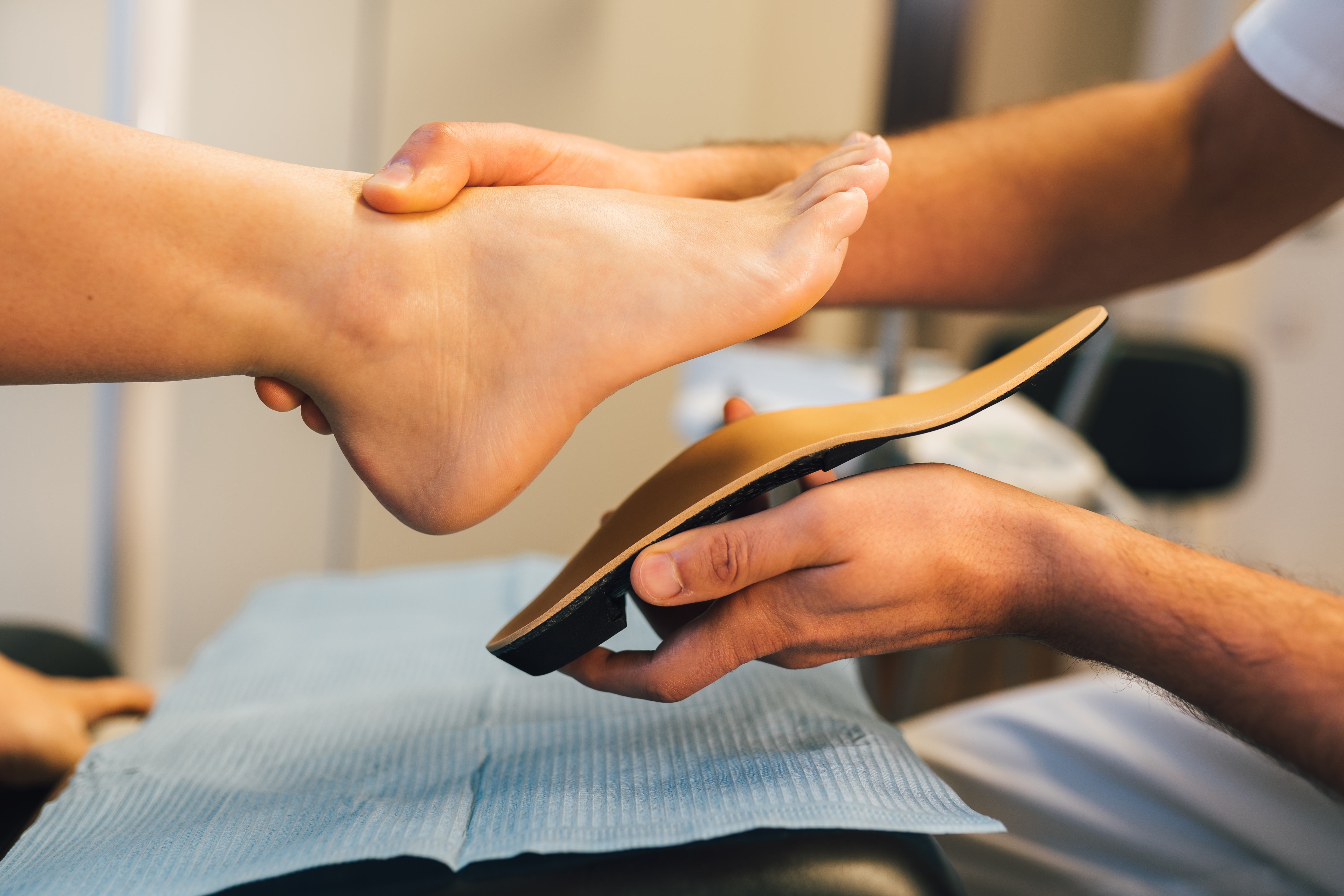
image c3c05fbedc44c12bdbb8


Delving into the benefits of these therapies reveals a world of potential for your recovery. Whether you're dealing with a recent sports injury or managing chronic pain, these advanced treatments are designed to get you back on track.

Fast-Tracking Tissue Repair

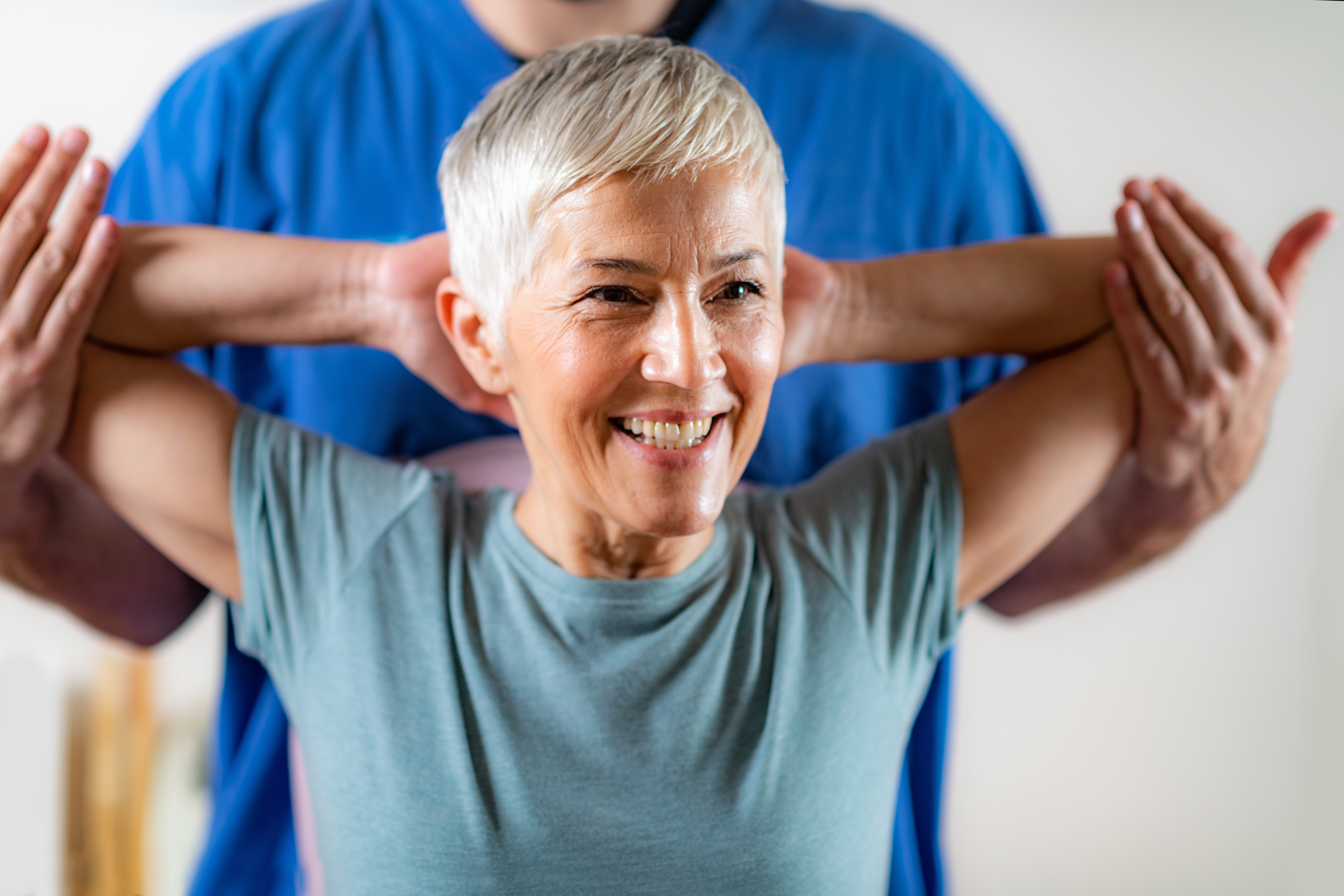
Imagine your body healing faster than ever. That's what advanced therapies aim for. Cold laser therapy, in particular, accelerates tissue repair. This treatment uses light energy to stimulate cell regeneration and increase blood flow to the affected area. It's like giving your cells a boost of energy. When you opt for this therapy, expect to notice improvements quicker than traditional methods might offer.

Have you ever thought about how your body heals itself? With the right support, it can do so even faster. A key factor here is the stimulation of collagen production, which is essential for tissue repair. This means fewer days of discomfort and more days being active.

Effective Pain Relief Strategies

Pain can be frustrating. But with the right strategies, it doesn't have to be a constant companion. Cryotherapy offers a targeted approach to pain relief. By applying extreme cold to specific areas, it numbs nerve endings, reducing pain signals to the brain. This isn't just about temporary relief; it's about managing pain effectively.

Consider those days when pain seems to dictate your routine. With cold therapy, you’re taking control back. This treatment method not only reduces pain but also decreases swelling, making it a double-edged sword in pain management.

Non-Invasive Treatment Options

Surgery and invasive procedures aren't for everyone. That's where non-invasive treatments come in. Both cold laser therapy and cryotherapy provide effective results without the need for cuts or injections. They offer a natural way to heal, using the body's own processes to repair and rejuvenate.

Are you sceptical about non-invasive options? Many people are, yet they often find these methods surprisingly effective. With minimal risk and no downtime, you can continue your daily activities without interruption. This makes them an attractive option for busy individuals who can't afford to pause their lives.

Cold Laser Therapy Insights
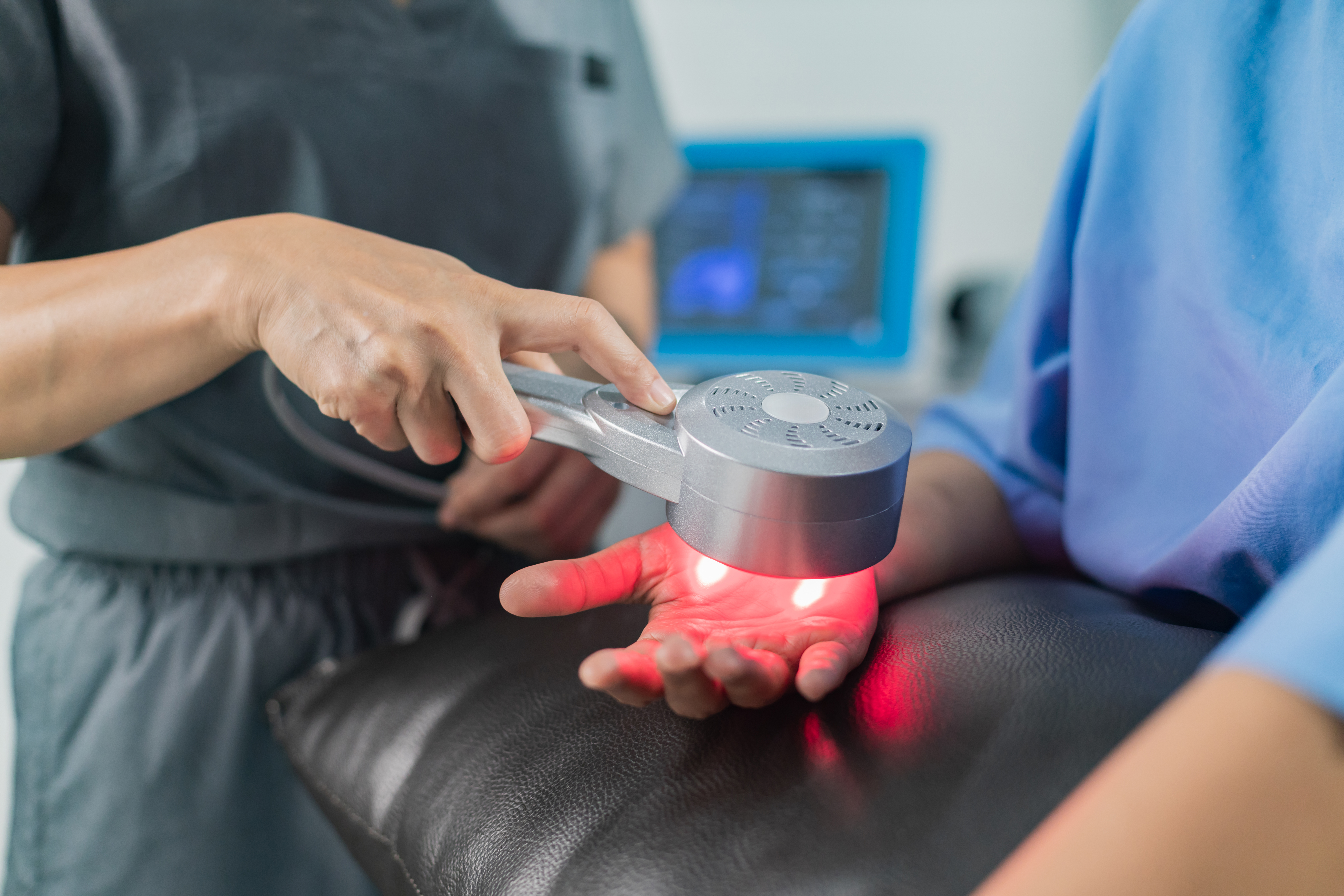
image 7ae9c29c7833873f8398


Diving deeper into cold laser therapy uncovers how it works wonders for tissue repair and pain relief. This non-invasive approach harnesses the power of light to heal from within.

Understanding Photobiomodulation

Photobiomodulation might sound complex, but it's quite straightforward. It’s the process by which cold laser therapy aids healing. The laser light penetrates your skin, reaching the cells and jumpstarting cellular processes. This means your body starts repairing itself at a cellular level.

This mechanism not only aids recovery but also reduces inflammation. By enhancing cellular energy, it helps in reducing swelling and discomfort. Imagine harnessing light as a tool for healing—it's science and nature working in harmony.

Low-Level Laser Therapy Explained

Low-level laser therapy, often called LLLT, is a cornerstone of cold laser treatments. It uses a specific wavelength of light to stimulate healing. Unlike other lasers, it doesn't produce heat, making it safe and painless.

During a session, the laser targets specific areas, promoting blood flow and reducing inflammation. This precise approach ensures that the healing process is both effective and targeted. It’s a gentle nudge to your body to kickstart its natural healing processes.

When Cold Laser Therapy Works Best

Cold laser therapy shines in specific scenarios. It's particularly effective in treating musculoskeletal injuries, tendinopathy, and even osteoarthritis pain. If you've undergone surgery, it can also aid in your post-operative recovery.

Thinking about when to choose cold laser therapy? It's ideal for scenarios where you require deep tissue repair without the invasiveness of surgery. Whether it's a sprain, strain, or chronic joint pain, this therapy offers a path to recovery.

Cryotherapy: Cooling Pain Away
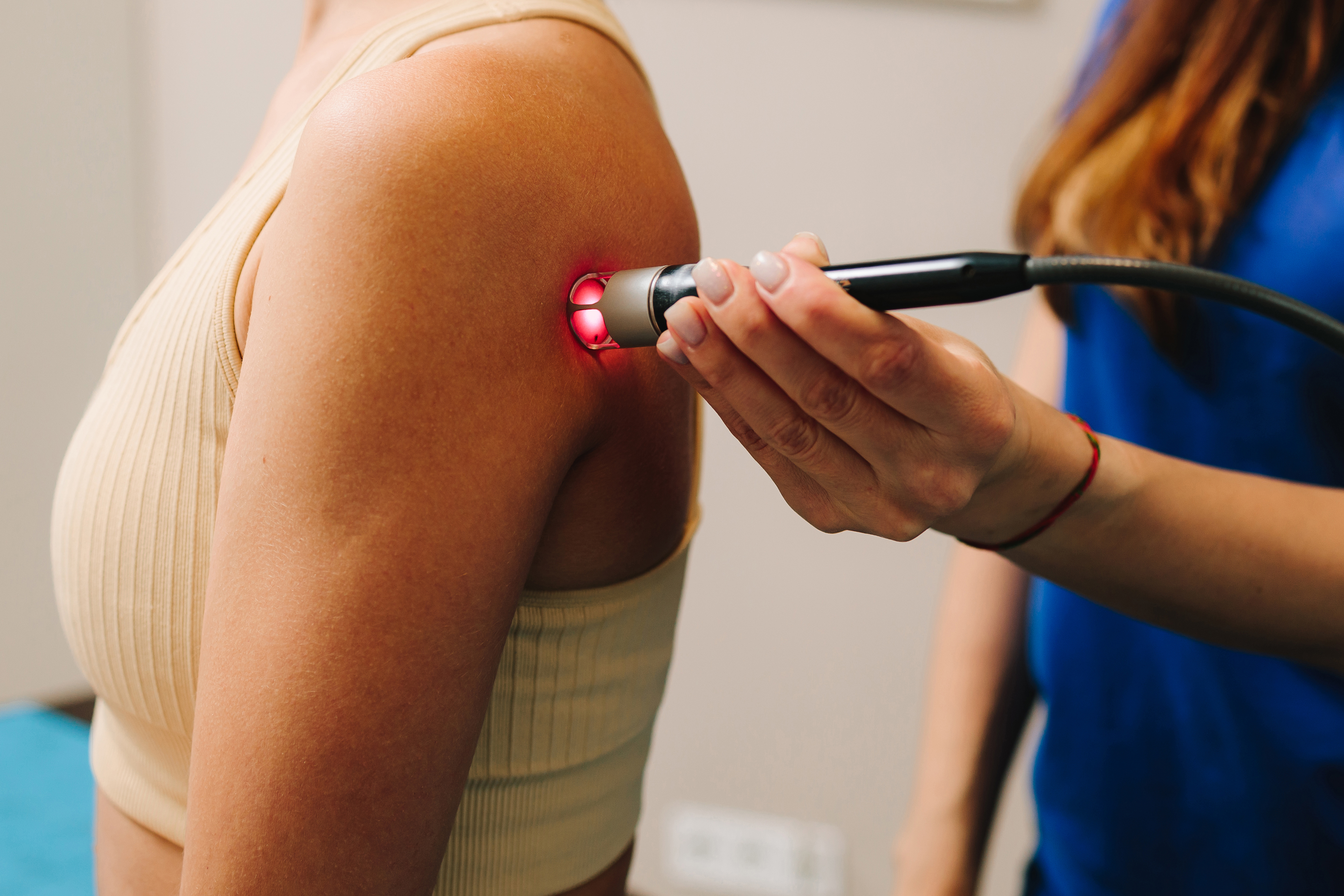
image 8a146156492bc2a8c272


Cryotherapy introduces a refreshing approach to pain management and tissue repair. By harnessing the power of cold, it provides relief and promotes healing in a unique way.

Targeted Cryotherapy for Injuries

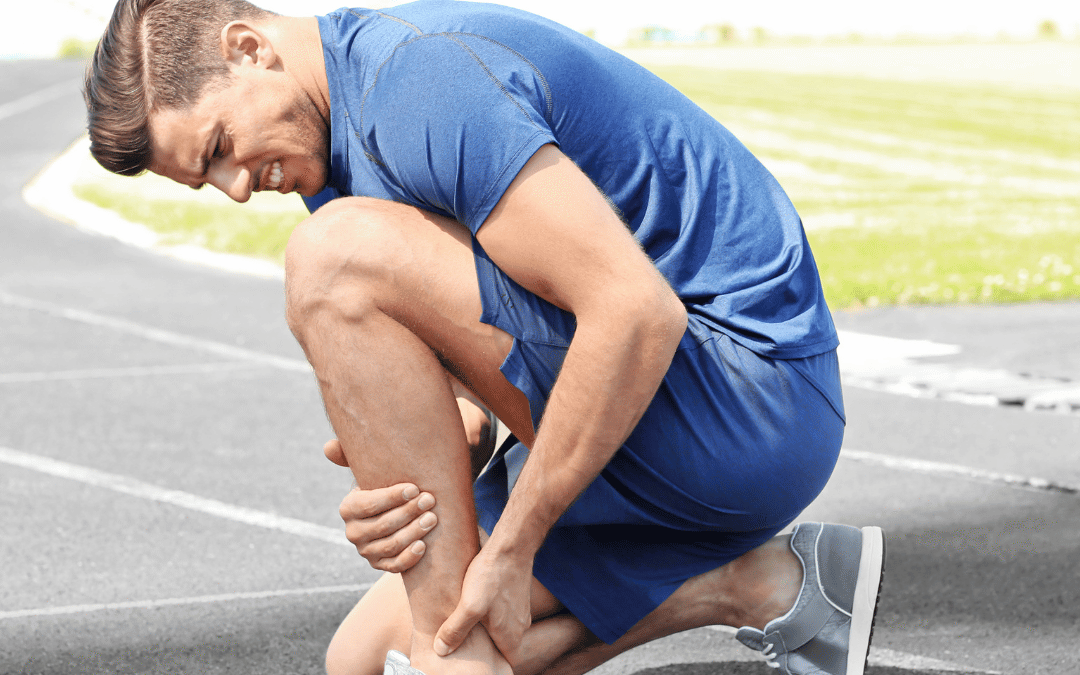
Targeted cryotherapy is all about precision. By applying extreme cold to injury sites, it not only numbs pain but also reduces inflammation. This dual action makes it a powerful tool for managing pain from sprains, strains, and sports injuries.

Have you considered how cold can be your ally? In situations where swelling is a concern, cryotherapy helps by constricting blood vessels, reducing fluid build-up and thereby easing discomfort.

Reducing Inflammation with Cold

Inflammation is a natural response, but it can be painful. Cryotherapy tackles this head-on. By lowering tissue temperature, it reduces inflammatory markers and speeds up recovery. It's like giving your body a chill pill that soothes and heals.

Are you curious about the science behind this? The cold triggers an anti-inflammatory response, reducing cytokine levels—those proteins that tell your body to feel pain. This makes cryotherapy a smart choice for inflammation-related discomfort.

Ideal Scenarios for Cryotherapy Use

When is cryotherapy your best bet? It's ideally suited for acute injuries and post-exercise recovery. If you’re dealing with tendinopathy, sprains, or post-surgical swelling, cryotherapy can be the cool solution you need.

Ever wondered when to opt for cold therapy? If you're looking for a quick, effective way to manage pain and swelling without medication, cryotherapy stands out. It's a non-invasive, natural way to support your body's healing journey.

By integrating these advanced therapies into your care regimen, you're not just treating symptoms; you're embracing a proactive approach to health. Whether it's accelerating healing or managing pain, these treatments provide a path back to an active, fulfilling lifestyle. Ready to explore these options? Contact MyHealth Care Centre and start your journey to recovery today.
Book Online


Know More, Move Better: Patient Education for Chronic Musculoskeletal Pain in Port Credit

Know More, Move Better: Patient Education for Chronic Musculoskeletal Pain in Port Credit

Know More, Move Better: Patient Education for Chronic Musculoskeletal Pain in Port Credit

Chronic musculoskeletal pain can wear you down, especially when it lingers in your back, neck, or joints. Managing that pain isn’t just about treatments—it starts with understanding how your body works and what it needs. At MyHealth Care Centre in Port Credit, patient education is the key to helping you regain control, with proven strategies like pacing, posture resets, and graded activity tailored to your lifestyle. Ready to move better and feel stronger? Let’s explore how knowledge changes everything. Read more here.

Understanding Chronic Musculoskeletal Pain

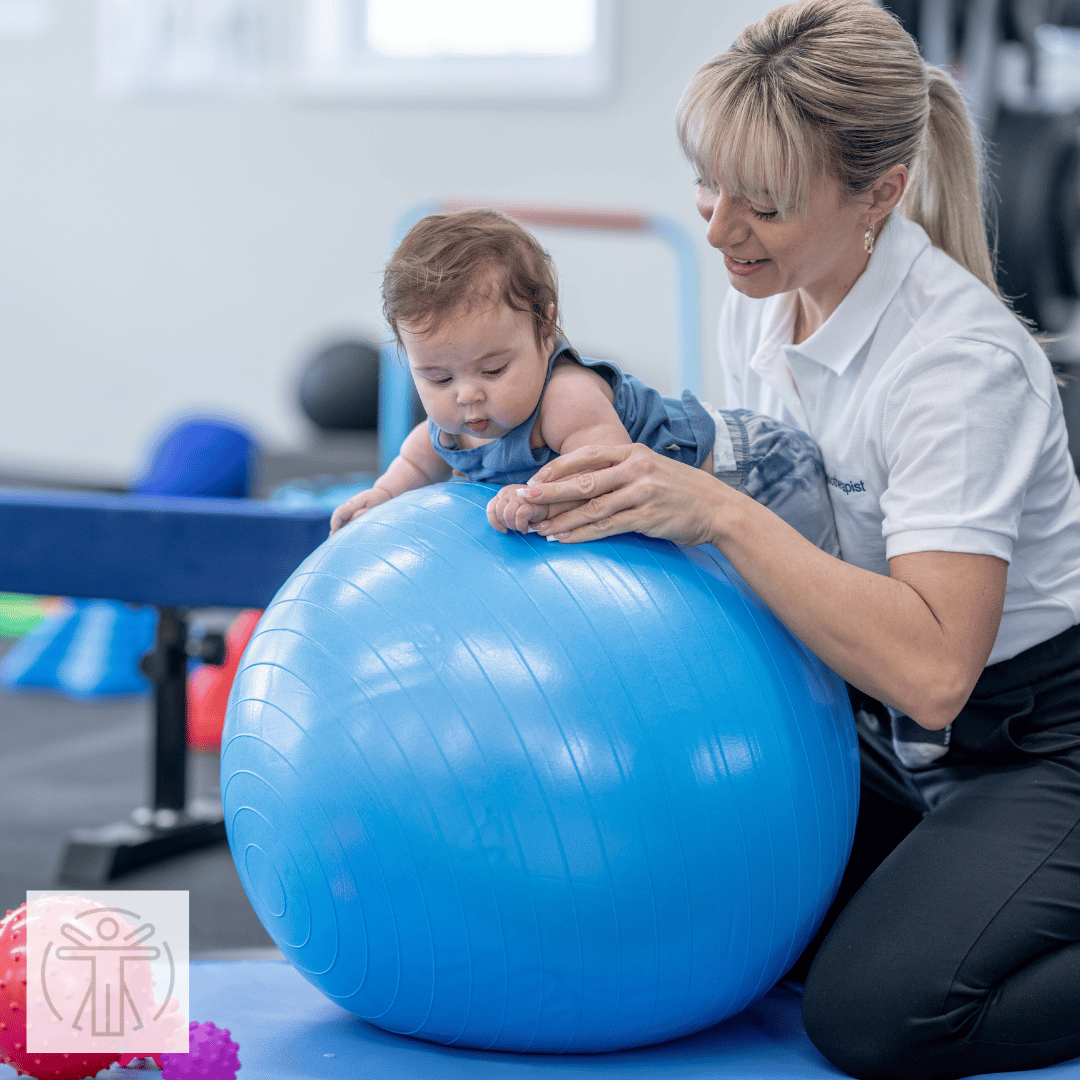
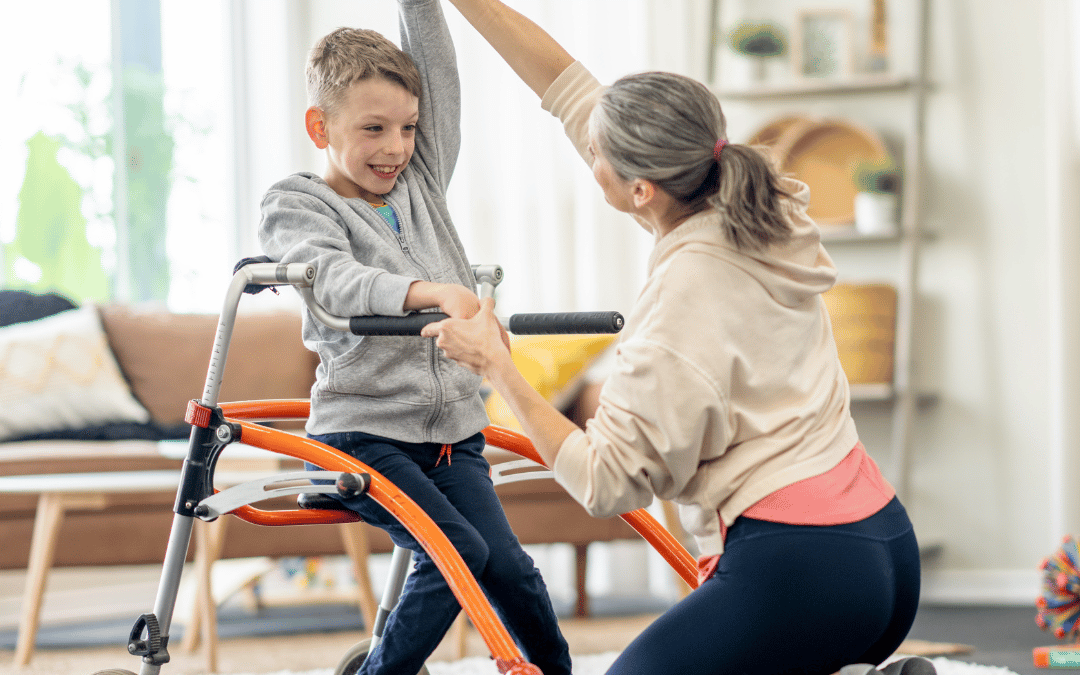
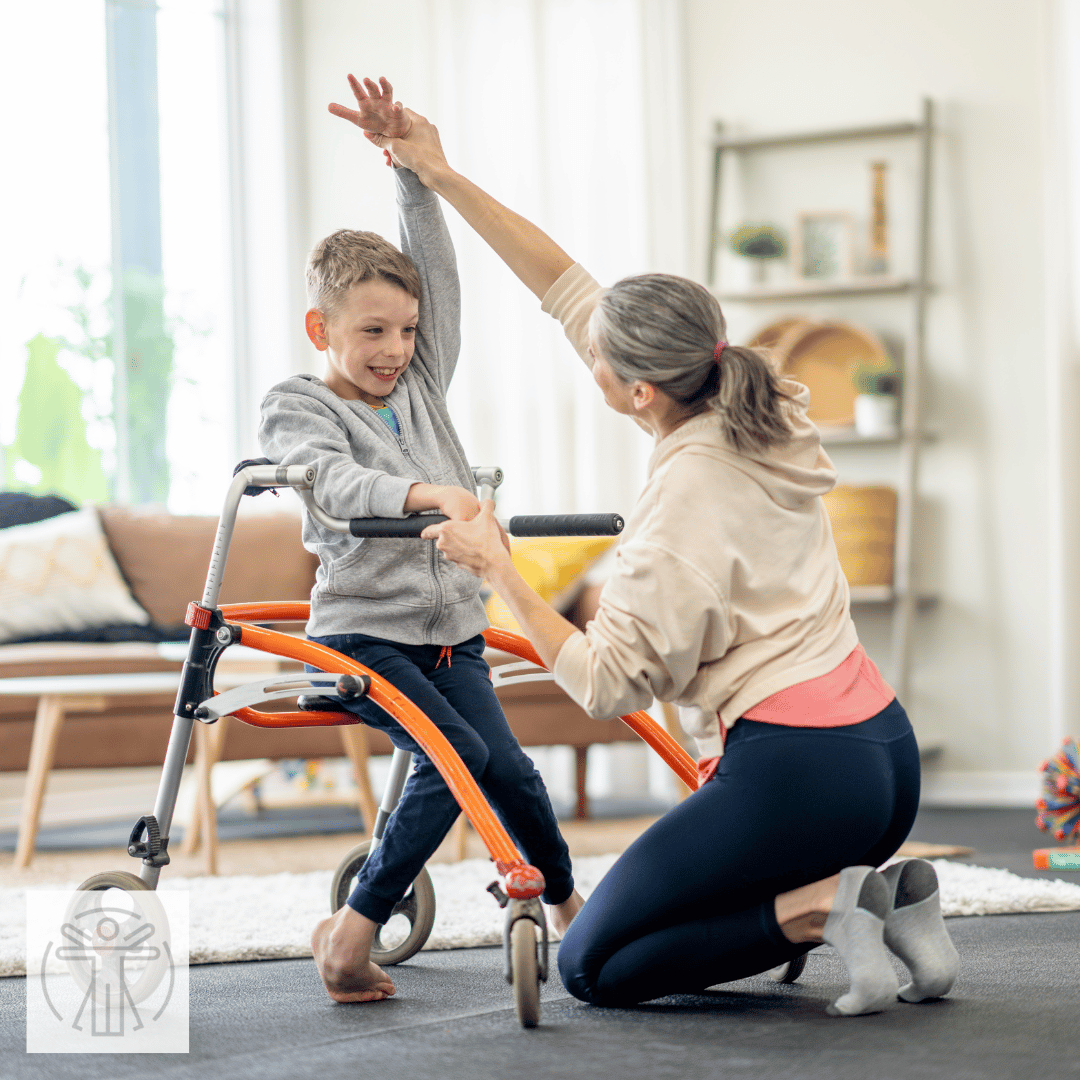
child receiving physiotherapy guidance at myhealth care centre.


To tackle chronic musculoskeletal pain, understanding its root is crucial. This isn't just about coping; it's about mastering your body's signals and responses. Let's dig into the importance of patient education and how it can empower you to manage pain effectively.

The Importance of Patient Education

Patient education is more than just information. It's about giving you the tools to take charge of your health. Knowing the "why" and "how" behind your pain can change everything. Imagine waking up with less pain because you know exactly what to do. This is the power of patient education. Most people think pain management is all about medication, but understanding your body reduces dependence on pills.

Here’s the key insight: When you understand your body, you're less likely to suffer from chronic pain. An article from the Journal of Orthopaedic & Sports Physical Therapy highlights that educated patients report better outcomes and fewer complications. This research shows the impact of knowledge on recovery and prevention. When you know what's happening within, you can make informed decisions about your care. Curious to learn more? Check out this study.

Practical Self-Management Strategies

Self-management involves simple yet effective strategies you can practice daily. These aren't just tips; they're lifestyle changes you can integrate seamlessly. Start with these two: pacing and posture. Each plays a critical role in managing pain without drastic changes to your routine.

  1. Pacing: This is about understanding your limits and spreading activities throughout the day. It prevents flare-ups and keeps you active without overdoing it.

  2. Posture: Good posture isn't just for aesthetics—it can reduce strain on your back and neck. Small adjustments can make a huge difference. Improving posture can alleviate pain and has been shown to enhance quality of life. Most people overlook this simple fix, but it works wonders.

Incorporating these strategies doesn't require drastic lifestyle changes. Instead, it's about smart adjustments. For those suffering from knee pain, research shows pacing reduces stress on joints, leading to long-term relief. Learn more about self-management here.

Effective Pain Management Techniques

Effective pain management is a game-changer in daily life. Discovering what works best for you can transform how you handle pain. From pacing to posture, each technique brings unique benefits to your routine.

Pacing and Load Management

Pacing helps you avoid doing too much too soon. It's about balancing activity with rest to manage pain effectively. Load management is its partner, focusing on gradually increasing what you can handle. Together, they form a powerful duo in managing chronic pain.

Here's how pacing benefits you: imagine running a marathon. You wouldn't sprint the first mile, right? Pacing is similar—it's about conserving energy and staying in the race. Load management ensures you gradually build up strength without overloading your body.

Most believe pushing through pain is the answer, but paced activity leads to better long-term results. Research from ScienceDirect supports this approach, showing that gradual load increases reduce injury risk and improve rehabilitation outcomes. Learn more about pacing techniques here.

Posture and Movement Retraining

Posture and movement retraining focuses on correcting the way you move. This isn't just about standing up straight; it's about improving how you sit, walk, and even sleep. Movement retraining can significantly reduce pain and enhance mobility.

Correct posture acts like a shield for your body, reducing the strain on muscles and joints. Movement retraining teaches your body the right way to perform daily tasks, minimizing discomfort and preventing injuries.

This strategy challenges the common belief that pain is inevitable with aging. By retraining your body, you can enjoy activities you thought were impossible. A study found that posture improvements reduced chronic pain in 80% of participants. Explore more about posture benefits.

Integrated Care at MyHealth Care Centre

image e0fc8e4009904aa621f7


At MyHealth Care Centre, we offer integrated care that combines multiple disciplines for optimal results. Our team approach ensures you receive comprehensive treatment tailored to your needs.

Evidence-Based Physiotherapy in Port Credit

Our physiotherapy services in Port Credit are grounded in evidence-based practices. This means you're getting treatments backed by the latest research and best practices. Our physiotherapists design personalized plans that cater to your unique situation.

Here's the benefit: Our evidence-based approach means you're not just another patient. We consider your lifestyle, goals, and challenges to craft a plan that works for you. By focusing on what science supports, we ensure you're receiving the most effective care possible.

Our integrated care model means physiotherapists, chiropractors, and massage therapists work together for your benefit. This team effort results in a well-rounded recovery plan. Most clinics don't offer this level of collaboration, but we believe it leads to better outcomes. Find out more about our physiotherapy services.

Additional Therapies and Supportive Tools

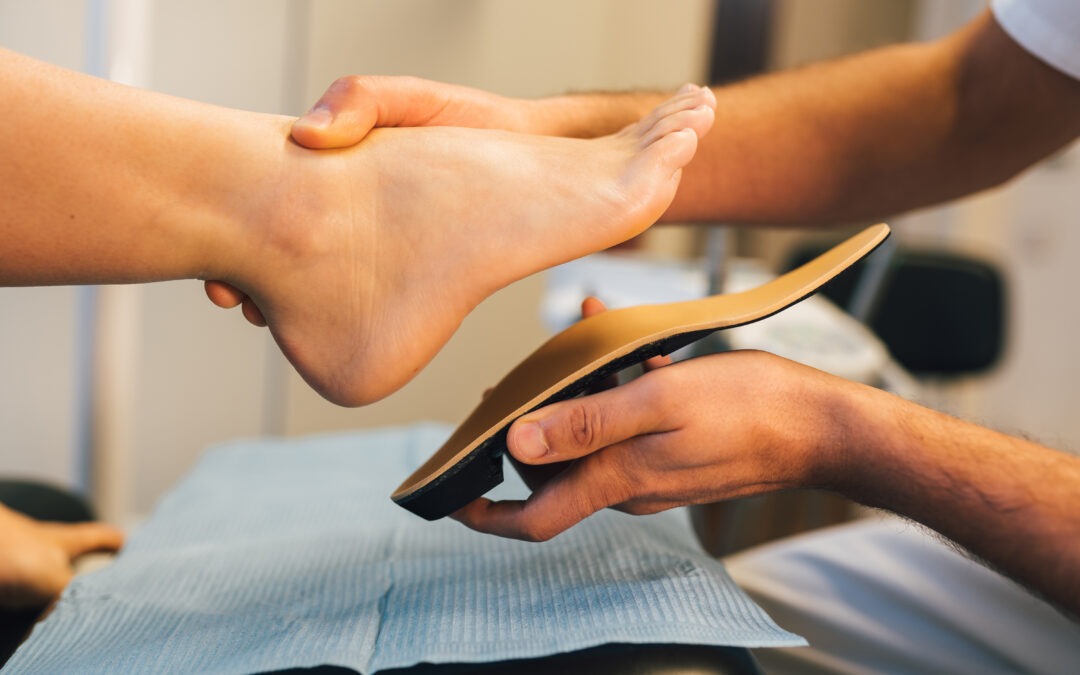
Beyond physiotherapy, we offer various therapies and tools to support your journey. Whether it's massage therapy, acupuncture, or custom orthotics, each service is designed to complement your treatment plan.

These additional therapies provide holistic support, addressing all aspects of your pain. For example, acupuncture can reduce stress, while massage therapy promotes relaxation and reduces muscle tension. Custom orthotics help with alignment, improving overall posture and reducing strain.

Our approach challenges the idea that one treatment fits all. By offering a range of services, we ensure you receive the best possible care tailored to your needs. Most people think pain management is a one-size-fits-all solution, but we know personalized treatment is key.

In summary, understanding your pain and how to manage it is crucial. By adopting self-management strategies and effective techniques, you can transform your daily life. At MyHealth Care Centre, our integrated approach ensures you're getting the comprehensive care you need to move better and feel stronger.


Stay Steady: Fall Prevention and Balance Strategies for Older Adults in Port Credit

Stay Steady: Fall Prevention and Balance Strategies for Older Adults in Port Credit

Stay Steady: Fall Prevention and Balance Strategies for Older Adults in Port Credit

Falls are the leading cause of injury for older adults, but many don’t realise how much simple steps can lower their risk. When you focus on balance training Mississauga offers, you gain more than stability—you build confidence to move freely and safely every day. At MyHealth Care Centre, our Balance & Fall Prevention Programme combines expert care with personalised plans designed just for you. Ready to take control and stay steady?

Understanding Fall Risks

myhealth ca image cd4259d5215f32d646aa


To prevent falls, understanding the risks involved is crucial. Older adults face various challenges that increase fall chances, but recognising these can make all the difference. Let’s explore what typically causes these accidents and how you can identify your personal risks.

Common Causes of Falls

Many factors contribute to falls, especially in seniors. Poor lighting, uneven surfaces, and clutter are major environmental hazards. Home modifications like adding grab bars or improving lighting can significantly reduce risks. Health issues such as vision impairment, medications, and muscle weakness also play a vital role. Regular check-ups and discussing medication side effects with your doctor can help address these issues.

Simple activities like walking downstairs can become a challenge without proper precautions. Consider wearing shoes with good grip and avoiding loose rugs. These small changes create a safer environment and minimise fall chances.

Identifying Personal Risk Factors

Knowing your unique risk factors empowers you to take preventive action. If you've experienced dizziness or a previous fall, your risk increases. Regular health assessments can identify underlying conditions affecting balance, like arthritis or low blood pressure. Did you know? Over 30% of seniors who fall may experience serious injuries leading to hospitalisation.

Another key factor is inactivity. Muscles weaken over time if not used regularly. Engage in gentle exercises to maintain strength and improve balance. A gait and posture assessment can highlight areas to work on for stability.

Strategies for Fall Prevention

myhealth ca image 7da74a4a6d5a1742b719


Addressing fall risks involves proactive strategies. By focusing on specific exercises and training, you can enhance your balance and minimise fall chances. Here’s how you can take charge of your safety and confidence with effective techniques.

Balance Training Mississauga

Balance training is a powerful tool in fall prevention. In Mississauga, programs tailor exercises to improve coordination and stability. These sessions focus on core strength and posture, which are vital for maintaining balance. Whether you prefer group classes or one-on-one training, options are available to suit your needs.

Imagine feeling confident walking on uneven surfaces or navigating stairs without fear. Balance training can make this a reality. Consistent practice leads to improved reflexes and muscle memory, reducing the risk of falls. Most people think it requires rigorous activity, but even simple routines can yield significant benefits.

Strength and Flexibility Exercises

Building strength and flexibility is essential in maintaining balance as you age. Exercises such as Tai Chi or yoga are excellent for enhancing flexibility and core stability. Incorporating these into your routine not only helps prevent falls but also boosts overall well-being.

Resistance training is another effective method. Using weights or resistance bands helps strengthen muscles, supporting your joints and improving balance. You might start with a simple routine that gradually increases in intensity as your strength improves.

Flexibility exercises ensure your body remains limber, reducing stiffness that can lead to falls. Stretching regularly keeps muscles and joints flexible, making daily movements smoother and safer.

MyHealth Care Centre's Approach

myhealth ca image abf9939740bcb0e74b0a


At MyHealth Care Centre, we understand fall prevention is a personal journey. Our integrated approach combines expert assessments with personalised care plans. Here’s how we support you in staying steady and safe.

Personalised Assessment and Plan

Our process begins with a thorough assessment to identify your specific fall risks. From there, we create a custom plan addressing your unique needs. This tailored approach ensures you receive the most effective strategies for fall prevention.

Each plan includes targeted exercises and lifestyle adjustments. We guide you through every step, ensuring you feel confident and supported. Here's the key insight: personalised care leads to better outcomes because it addresses your individual challenges and goals.

Integrated Health Clinic Port Credit

Being part of the Port Credit community, we offer a comprehensive, integrated approach to health care. Our clinic combines physiotherapy, chiropractic care, and more to provide holistic treatment. Learn more about our integrated solutions and how they can enhance your balance and reduce fall risks.

Our multi-disciplinary team collaborates to give you the best care possible. Whether you need custom orthotics or massage therapy, our services cover all aspects of fall prevention. Remember: The longer you wait, the more you risk a fall. Take action now to ensure a safer future.

With these insights and strategies, you're now equipped to tackle fall risks head-on. Prioritise your safety by adopting proactive measures and seeking expert guidance. Stay confident and active with MyHealth Care Centre's support.


Stronger for Longer: Balancing Treatment and Prevention for Active Lives in Port Credit

Stronger for Longer: Balancing Treatment and Prevention for Active Lives in Port Credit

Stronger for Longer: Balancing Treatment and Prevention for Active Lives in Port Credit

Most people push through pain, hoping it’ll disappear on its own. But ignoring warning signs can turn a small setback into a long-term problem. At MyHealth Care Centre, your Port Credit physiotherapy experts, we help you spot when it’s time for treatment—and when prevention should take priority—so you can keep moving pain-free for years to come. Read more about the importance of physical activity and prevention here.

Balancing Treatment and Prevention

myhealth ca image 198a2e844208393d84a1


Finding the right balance between treatment and prevention is crucial for maintaining an active lifestyle. Let’s explore when to focus on getting the treatment you need and when to prioritise prevention for the long haul.

When to Focus on Treatment

When pain strikes, it’s tempting to wait and see if it will pass. But addressing issues early can often prevent bigger problems. You might need treatment if you're noticing:

  • Persistent pain that doesn’t improve with rest.

  • Limited movement affecting daily activities.

  • Swelling or inflammation that doesn’t subside.

In these cases, seeking guidance from your local Port Credit physiotherapy clinic can help. Physiotherapists provide targeted exercises and therapies, restoring movement and strength. They also identify the root cause of your pain, ensuring that you receive care tailored to your specific needs. By addressing these issues promptly, you set the stage for effective recovery and a quicker return to your favourite activities.

Prioritising Prevention for Longevity

Prevention is always better than cure. By focusing on preventive measures, you can maintain an active lifestyle with fewer interruptions. Consider these strategies:

  • Regular exercise keeps your body strong and flexible. Activities like swimming, cycling, or yoga can enhance joint stability and muscle balance.

  • Mindful movement techniques, like Pilates or tai chi, can improve posture and body awareness, reducing injury risk.

Consistent preventive practices contribute to long-term health benefits. By incorporating these habits into your daily routine, you're investing in a future where you can enjoy life without the burden of pain. Most people think they don’t need these until an issue arises, but starting now ensures a healthier tomorrow.

Integrated Plans for Pain-Free Movement

Combining treatment with prevention creates a comprehensive approach to health. Integrated plans involve:

  • Collaborative care from physiotherapists, chiropractors, and massage therapists.

  • Customised routines that include exercises and lifestyle modifications tailored to your needs.

At MyHealth Care Centre, we believe in the power of an integrated approach. This means you’re not just treating symptoms but also addressing the factors that contribute to them. Our integrated health solutions are designed to support your journey to a pain-free life, ensuring every aspect of your health is considered.

Active Lifestyle Tips and Strategies

myhealth ca image 01b0f386b3fbb23064ab


Living an active lifestyle requires more than just movement. It involves strategies to prevent injury, support recovery, and enhance everyday activities.

Injury Prevention Strategies

Preventing injuries is key to staying active. Here’s how you can keep injuries at bay:

  1. Warm-up before activities: Prepare your muscles with dynamic stretches to increase blood flow and flexibility.

  2. Strengthening exercises: Build muscle support around joints to enhance stability.

  3. Proper technique: Ensure you’re using the correct form during activities to avoid unnecessary strain.

These tips are your first line of defence against injuries. By integrating these strategies, you’re not just protecting your body but also paving the way for sustained activity. Explore more about scientific backing for these preventive measures.

Post-Surgical Rehabilitation in Mississauga

Recovering from surgery can be daunting, but with the right plan, you can regain your strength and mobility. Our Mississauga physiotherapy clinic offers:

  • Tailored rehabilitation programs that focus on your specific surgery and recovery goals.

  • Guided exercises to restore function and minimise complications.

Rehabilitation isn’t just about healing, but about rebuilding confidence in your body. With professional support, you can return to your activities stronger than before.

Custom Orthotics and Bracing Benefits

Custom orthotics and bracing offer unique benefits for those needing extra support:

  • Orthotics can improve foot mechanics, reducing pain and preventing future injuries.

  • Braces provide stability for weakened joints, allowing safe movement during recovery phases.

Both are tailored to fit your needs, ensuring comfort and effectiveness. By investing in these tools, you’re enhancing your overall movement quality. Learn more about their benefits and how they aid in recovery.

Comprehensive Care at MyHealth

myhealth ca image e888ce8a9fb26a99edfb


At MyHealth Care Centre, we’re committed to providing comprehensive care that addresses all facets of your health.

Services at Our Port Credit Health Clinic

Our Port Credit health clinic offers a range of services designed to meet diverse health needs:

  • Physiotherapy for mobility and strength.

  • Chiropractic care for alignment and pain relief.

  • Massage therapy for relaxation and tension release.

  • Acupuncture for holistic pain management.

Each service is provided by experts who collaborate to ensure you receive the best possible care.

Evidence-Based Care for Active Lives

Our approach to care is based on the latest research and best practices:

  • Personalised treatment plans are developed using evidence-based methods.

  • Continual assessment ensures your plan evolves with your progress.

This commitment to evidence-based care means you’re receiving treatments that are not only effective but also aligned with your personal health goals. Dive deeper into the benefits of physical activity in preventing disease.

Community-Centred Health Solutions

Being part of the Port Credit community, we understand local needs and lifestyles. Our solutions are designed to:

  • Support community health initiatives.

  • Offer accessible and effective care options for everyone.

We believe that health is a journey best undertaken together. Our community-centred health solutions ensure that you’re never alone on this path. We’re here to support you every step of the way, providing the resources and care you need to live an active, pain-free life.


Stay active, stay pain‑free: winter activity injuries in Port Credit and how to prevent them

Stay active, stay pain‑free: winter activity injuries in Port Credit and how to prevent them

Stay active, stay pain‑free: winter activity injuries in Port Credit and how to prevent them

Winter sports injuries in Port Credit catch many off guard each year. Whether you’re skating at the Memorial Arena or clearing snow from your driveway, aches and strains can sneak up fast. You don’t have to accept pain as part of the season—simple steps can keep you moving with ease. In this post, we’ll cover common injuries and share practical tips to help you stay active and pain-free all winter long. For further information, check out this resource on winter sports.

Understanding Winter Sports Injuries

image 44a962cec214f058efae


Winter sports offer a thrill, but they also bring risks. Awareness of these risks is the first step to staying injury-free. Let's explore the common injuries related to popular winter activities.

Common Skating and Hockey Injuries

Skating and hockey are beloved winter activities in Port Credit. However, they come with their share of injuries. The most frequent issues include sprained ankles, bruises, and rotator cuff strains.

  • Ankle Sprains: These occur when your foot twists awkwardly, often due to uneven surfaces or sudden movements. Wearing supportive skates can help.

  • Rotator Cuff Strains: Common in hockey, these result from repetitive shoulder movements. Strengthening exercises can reduce the risk.

Most people think these injuries are unavoidable, but strengthening and conditioning can significantly reduce their occurrence. If you’re concerned about shoulder injuries, seek advice from a Mississauga chiropractor for preventive tips.

Preventing Sledging Mishaps

Sledging is fun, but it can lead to injuries if not done safely. The most common mishaps include collisions and falls.

  • Collisions: These happen when sleds crash into each other or obstacles. Always choose a clear path and wear helmets for safety.

  • Falls: Slipping off the sled can cause bruises or fractures. Sitting securely and holding on tight helps prevent falls.

Many assume sledging is all fun and games, but proper precautions are crucial. Stay alert and enjoy a worry-free ride with these simple measures.

Strategies for Injury Prevention

image 79cdbac3560ac3fc25da


Prevention is better than cure. By taking a few smart steps, you can enjoy winter sports while steering clear of injuries.

Protecting Against Snow Shovelling Back Pain

Shovelling snow is a necessary chore, but it can strain your back if done incorrectly. Avoid unnecessary pain with these tips:

  1. Warm-Up: Treat shovelling like an exercise. Stretch your muscles before you start. This prevents sudden strains.

  2. Use Proper Technique: Push the snow instead of lifting it. If you must lift, bend your knees and keep your back straight.

Ignoring these tips can lead to severe back pain. The longer you wait to adopt proper techniques, the more strain you put on your body. Don't let snow turn into an enemy—shovel smartly.

Avoiding Slips and Falls on Ice

Ice is a hidden hazard during winter walks. Falls can lead to serious injuries, so staying vigilant is key.

  • Wear the Right Footwear: Shoes with good traction are essential for walking on ice. They reduce the likelihood of slips.

  • Take Small Steps: Short steps and a slight shuffle can help maintain balance on icy surfaces.

You might think walking on ice is just about being careful, but preparation and the right gear make all the difference. Don't underestimate the power of good footwear and cautious movement.

Integrated Care for Recovery

myhealth ca image de9923d10e9fc6280451


Despite best efforts, injuries can happen. When they do, integrated care can accelerate recovery and get you back on your feet.

Benefits of Physiotherapy and Chiropractic

Physiotherapy and chiropractic care offer effective solutions for winter sports injuries. Here's how they help:

  • Physiotherapy: Aids in recovery through tailored exercises that strengthen injured areas and restore mobility.

  • Chiropractic Care: Adjustments can alleviate pain, especially for spinal issues and misalignments caused by falls or strains.

These therapies complement each other, providing a holistic approach to healing. Most people think recovery is slow, but integrated care can speed it up significantly.

Utilising Custom Orthotics and Acupuncture

Custom orthotics and acupuncture are excellent additions to your recovery plan. They target specific issues, offering precise solutions.

  • Custom Orthotics: These offer support and alignment, reducing stress on joints and preventing further injury.

  • Acupuncture: This ancient practice reduces pain and inflammation, promoting healing from within.

While some might see these as unconventional, their benefits are well-documented. Embrace these therapies for a comprehensive recovery strategy.

In conclusion, staying active and pain-free during winter requires awareness and proactive measures. Educate yourself, take preventive steps, and seek integrated care for a healthier, more enjoyable winter season.