Port Credit Playbook: Simple Strategies to Prevent Common Sports Injuries
Sports injury prevention isn’t just about avoiding pain—it’s about keeping you moving on the Waterfront Trail, the rink, or the harbour without setbacks. If you’ve faced Port Credit sports injuries before, you know how frustrating downtime can be. This guide shares simple, proven strategies to help you stay active and injury-free, supported by expert physiotherapy in Port Credit. Ready to take control? Let’s start with what really works. Learn more here.
Understanding Sports Injury Prevention
Preventing sports injuries is more than just a safety measure. It lets you enjoy your favourite activities without interruption. Let’s dive into the common injuries faced in Port Credit and why prevention strategies matter.
Common Injuries in Port Credit
Port Credit’s active community is familiar with specific injuries. Runners on the Waterfront Trail often encounter shin splints. Hockey enthusiasts might deal with knee strains at Port Credit Memorial Arena. Sailing folks from the harbour might experience shoulder pain. Each sport brings its own risks, but awareness can help you stay ahead.
Runners: Shin splints, often linked to poor footwear or sudden changes in activity intensity.
Hockey players: Knee strains, commonly from sudden stops and starts on the ice.
Sailors: Shoulder pain, usually from repetitive movements during sailing.
Understanding these common issues is the first step. Recognising what might go wrong helps you take the necessary precautions. Now, let’s look at why you should take prevention seriously.
Importance of Prevention Strategies
Why focus on prevention? Because avoiding injuries keeps you active and enjoying the sports you love. It saves time, money, and the frustration of downtime. Most people think they can push through injuries, but this often worsens the situation. By adopting prevention strategies, you limit risks and enhance your performance.
Save Time: Less recovery time means more time doing what you enjoy.
Save Money: Avoid costly treatments and therapies.
Avoid Frustration: Stay in the game without interruptions.
Here’s the key insight: prevention is your best play in sports. When you focus on avoiding injuries, you invest in your long-term well-being. Ready to learn how? Let’s explore simple strategies next.
Simple Strategies for Injury Prevention
Preventing injuries doesn’t have to be complex. Simple changes can make a significant difference. We’ll start with the basics: warming up and cooling down.
Warm-Up and Cool-Down Routines
A good routine starts with warming up. This prepares your body for activity and reduces the risk of injury. Begin with light cardio: a brisk walk or gentle jog for five minutes. Follow this with dynamic stretches, focusing on the areas you’ll use most.
Light Cardio: Get your heart rate up with a brisk walk.
Dynamic Stretches: Leg swings, arm circles, and torso twists.
After your activity, cooling down is essential. It helps your body return to a resting state and reduces muscle stiffness. Try gentle stretches, focusing on the muscles you’ve worked.
Gentle Stretches: Focus on legs, arms, and back.
Deep Breathing: Helps relax muscles and lower heart rate.
These routines are quick and effective. They reduce the chances of injury and enhance your performance. Most people skip this step, but it’s a simple way to protect yourself. Next, let’s discuss the importance of technique and equipment.
Proper Technique and Equipment
Using the right technique and equipment is crucial. It ensures your body moves safely and efficiently. For instance, runners should wear well-fitted shoes to support their feet and legs. Hockey players must use protective gear that fits well to prevent injuries.
Runners: Invest in quality shoes tailored to your foot type.
Hockey Players: Ensure helmets and pads fit well and provide adequate protection.
Sailors: Use gloves to protect hands and maintain grip.
Remember, the best equipment can still lead to injury if used incorrectly. Focus on learning proper techniques. Consider lessons or training sessions to refine your skills.
Technique Training: Work with a coach or take lessons.
Regular Practice: Consistent practice helps improve skills and safety.
Good technique and equipment are your first line of defense. They prevent injuries and enhance your overall experience. Now, let’s see how MyHealth Care Centre can be your partner in staying injury-free.
Partnering with MyHealth Care Centre
Prevention is easier with the right partner. MyHealth Care Centre offers services to support your injury prevention journey. Let’s explore how they can help you stay active and healthy.
Personalised Movement Screenings
Understanding your body is key to preventing injuries. MyHealth Care Centre offers personalised movement screenings. These assess your movement patterns and identify potential problem areas. With this information, you can focus on exercises that strengthen weaknesses.
Assess Movement: Identify areas prone to injury.
Target Weaknesses: Focus on exercises that build strength and flexibility.
Most people don’t realise their movement habits can lead to injuries. A personalised screening provides insights that lead to better performance and fewer injuries. Ready to take the next step? Let’s look at the integrated healthcare services available.
Integrated Healthcare Services
MyHealth Care Centre offers a range of services to keep you active. Their integrated approach combines physiotherapy, chiropractic care, and massage therapy. This ensures comprehensive care tailored to your needs.
Physiotherapy: Focuses on rehabilitation and mobility enhancement.
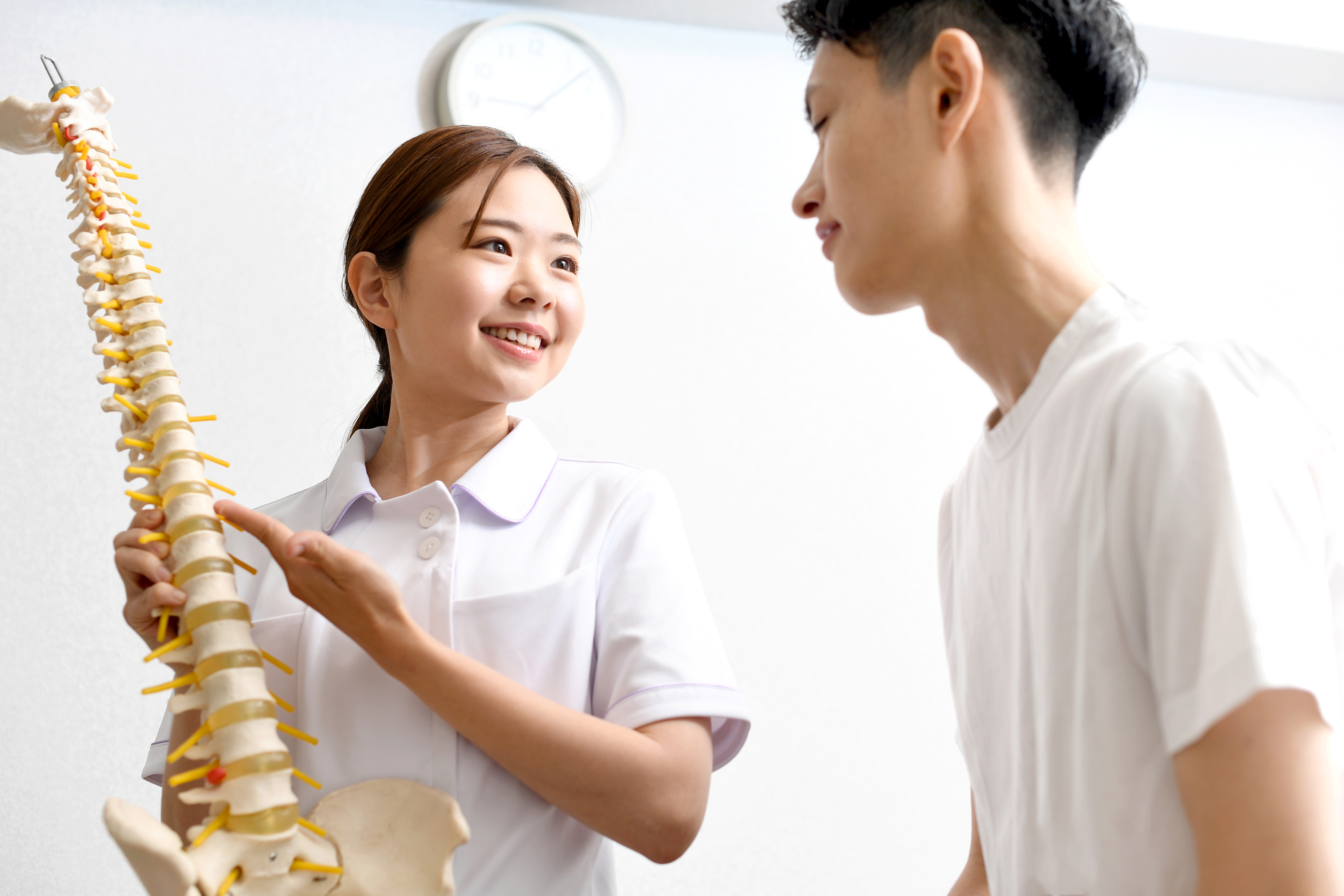
Chiropractic Care: Improves spinal health and posture.
Massage Therapy: Relieves muscle tension and supports recovery.
These services work together to keep you at your best. Whether you’re dealing with an existing injury or want to prevent future ones, MyHealth Care Centre provides the support you need.
In conclusion, sports injury prevention is about taking proactive steps. From warming up properly to choosing the right equipment, each strategy makes a difference. Partnering with experts like MyHealth Care Centre enhances your efforts, ensuring you stay active and pain-free. Embrace these strategies and enjoy your favourite activities without setbacks.
Cold laser and cryotherapy: advanced therapies to speed tissue repair and calm inflammation in Port Credit
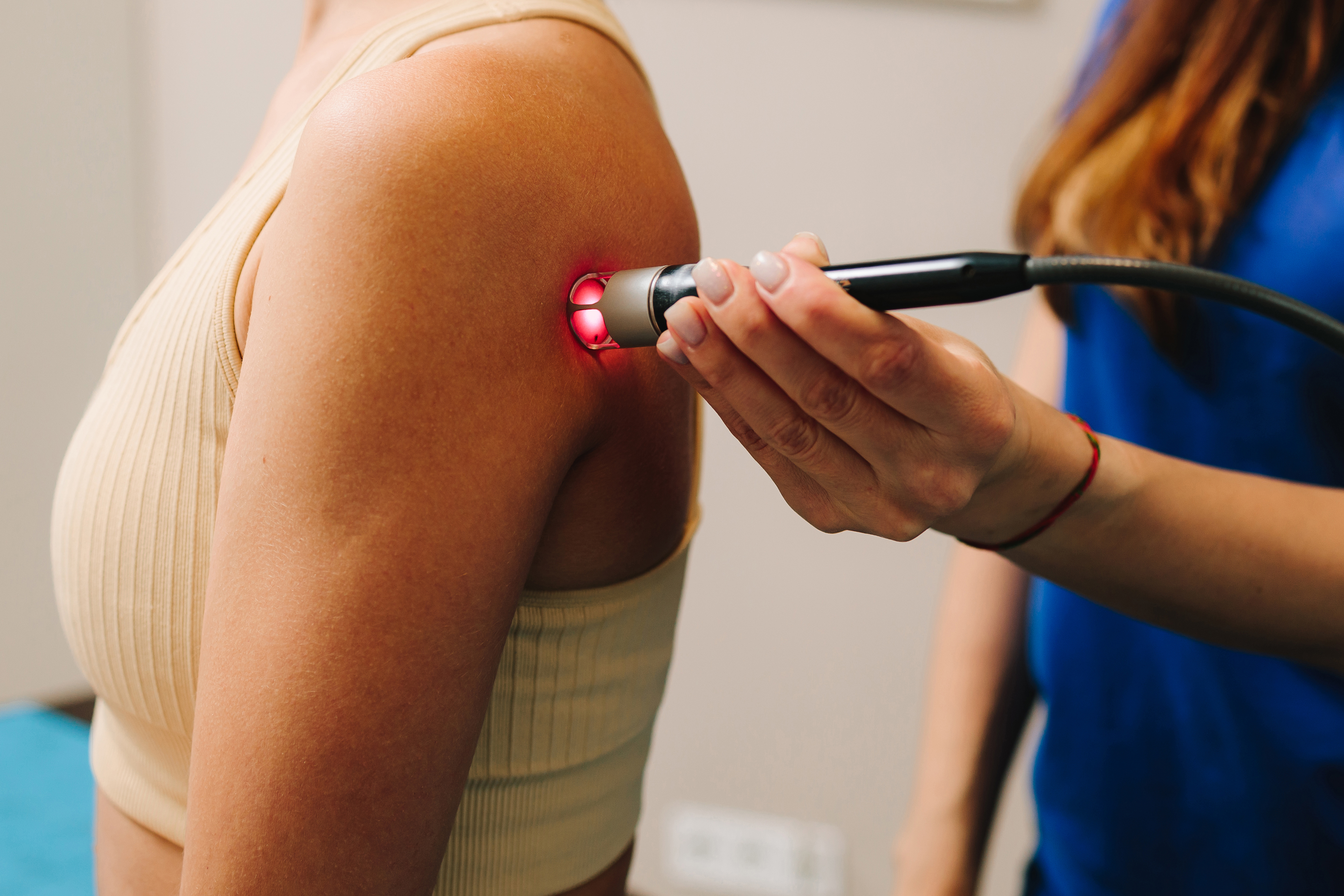
Cold laser therapy and cryotherapy are changing how you recover from sports strains, overuse aches, and surgery. These targeted treatments speed up tissue repair and reduce inflammation faster than you might expect. At MyHealth Care Centre in Port Credit, we combine these therapies with physiotherapy and chiropractic care for a personalised plan that helps you get back to your favourite activities sooner. Ready to find out how they can work for you?
Understanding Cold Laser Therapy
Cold laser therapy is an exciting option for those looking to recover quickly. By using focused light, it targets deep tissue and promotes faster healing.
How Cold Laser Therapy Works
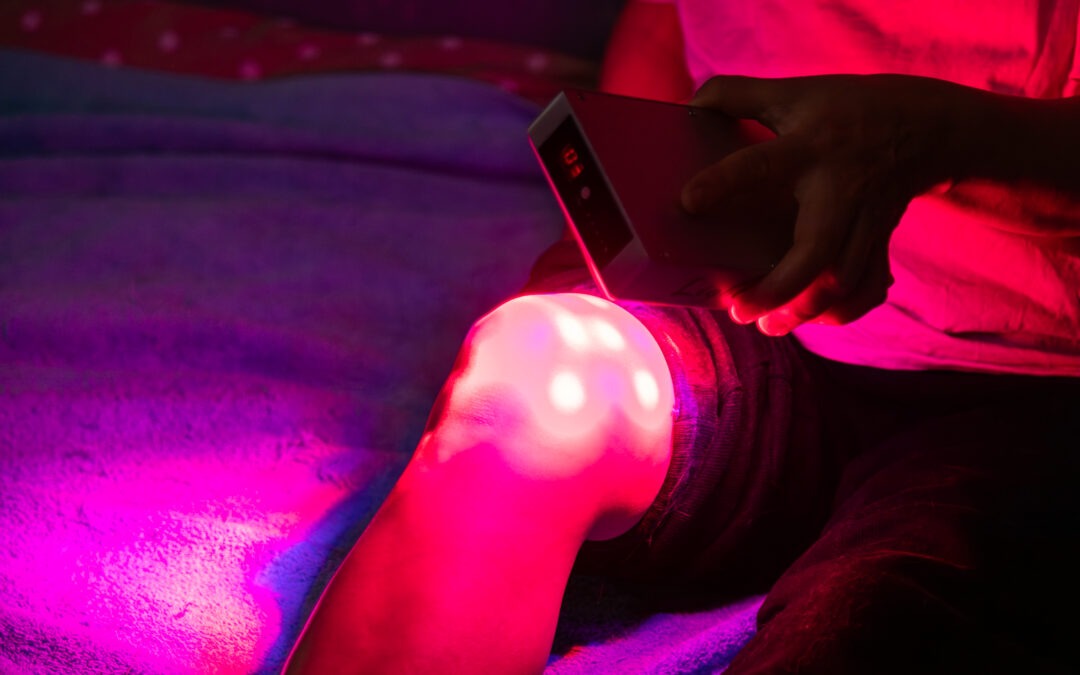
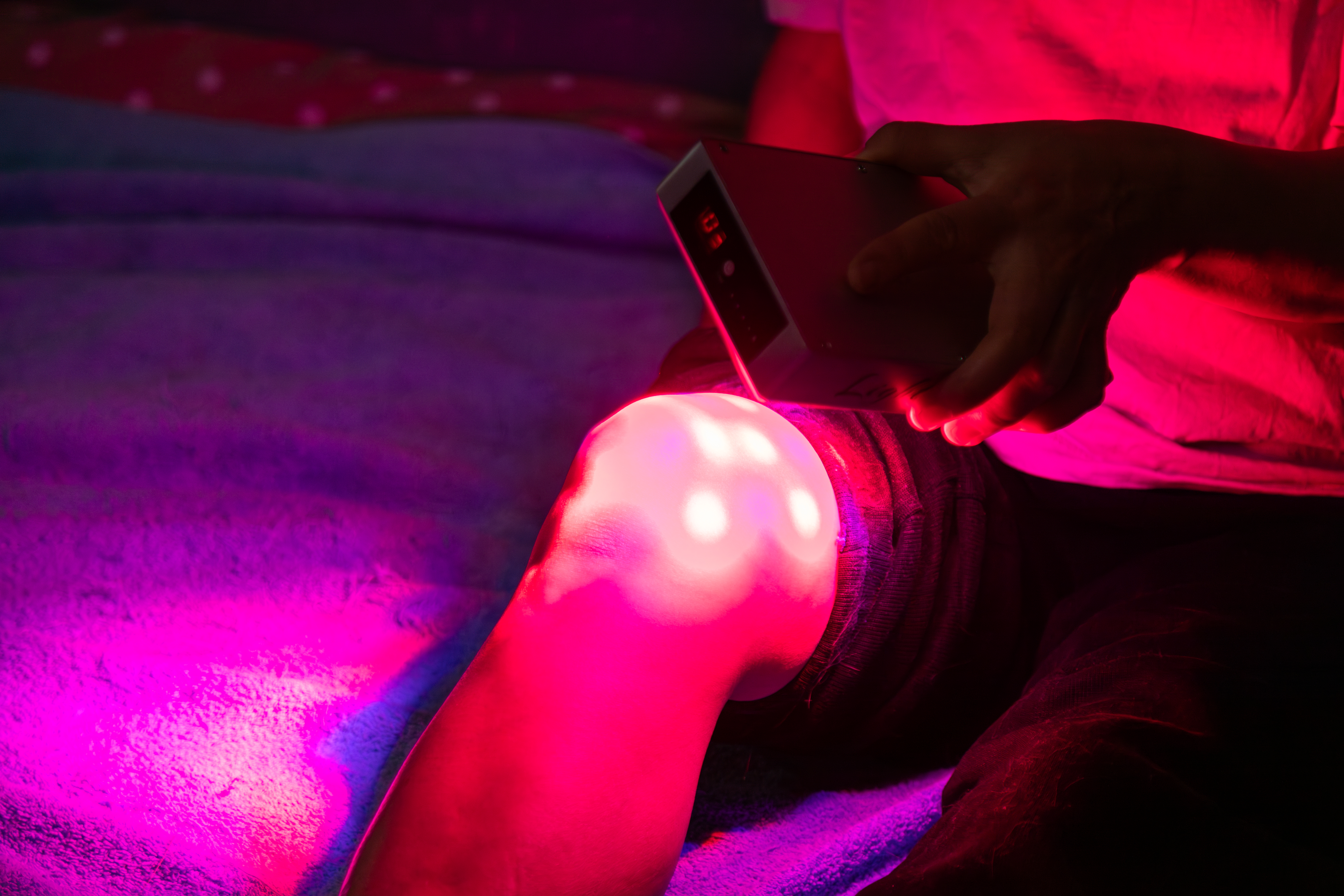
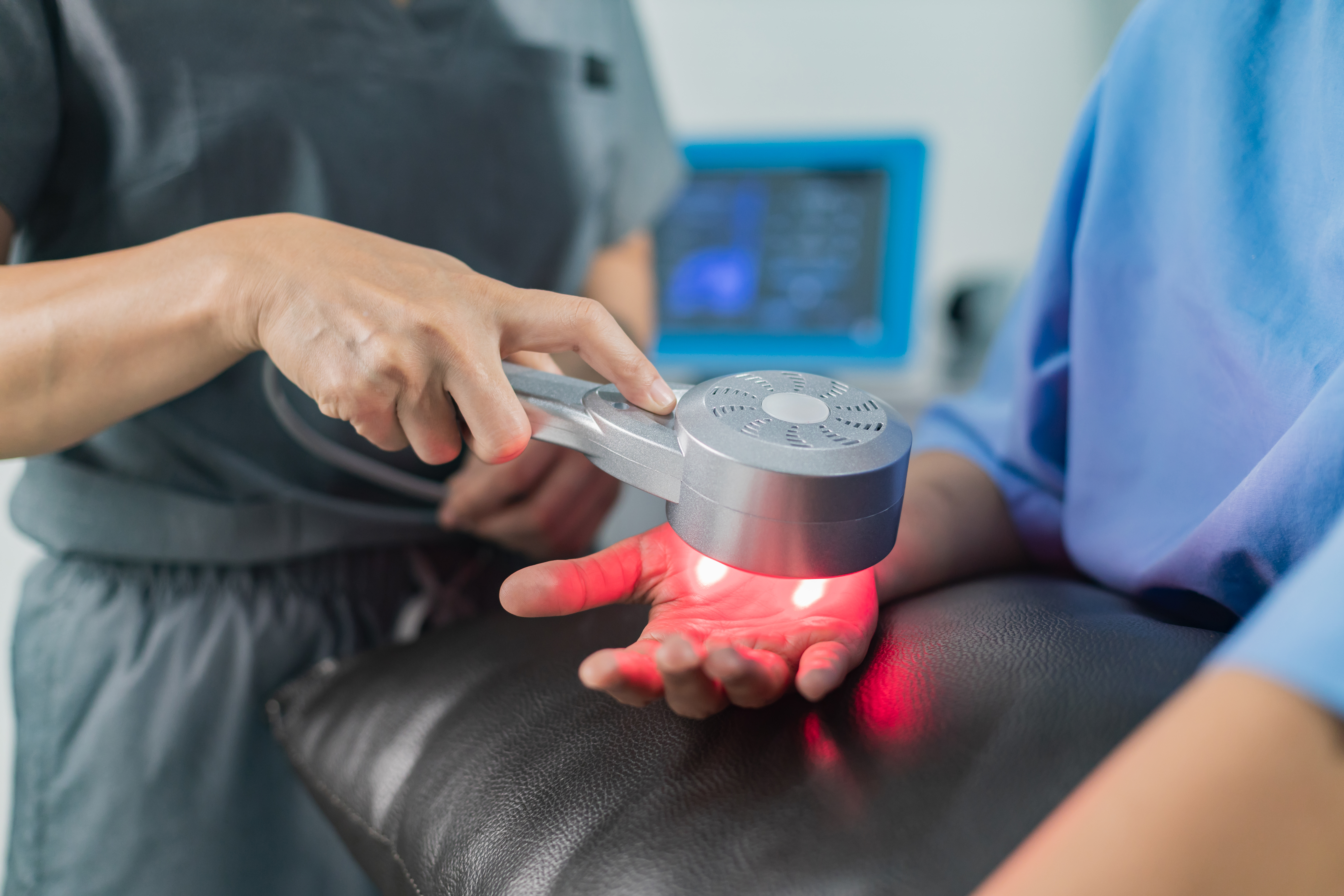
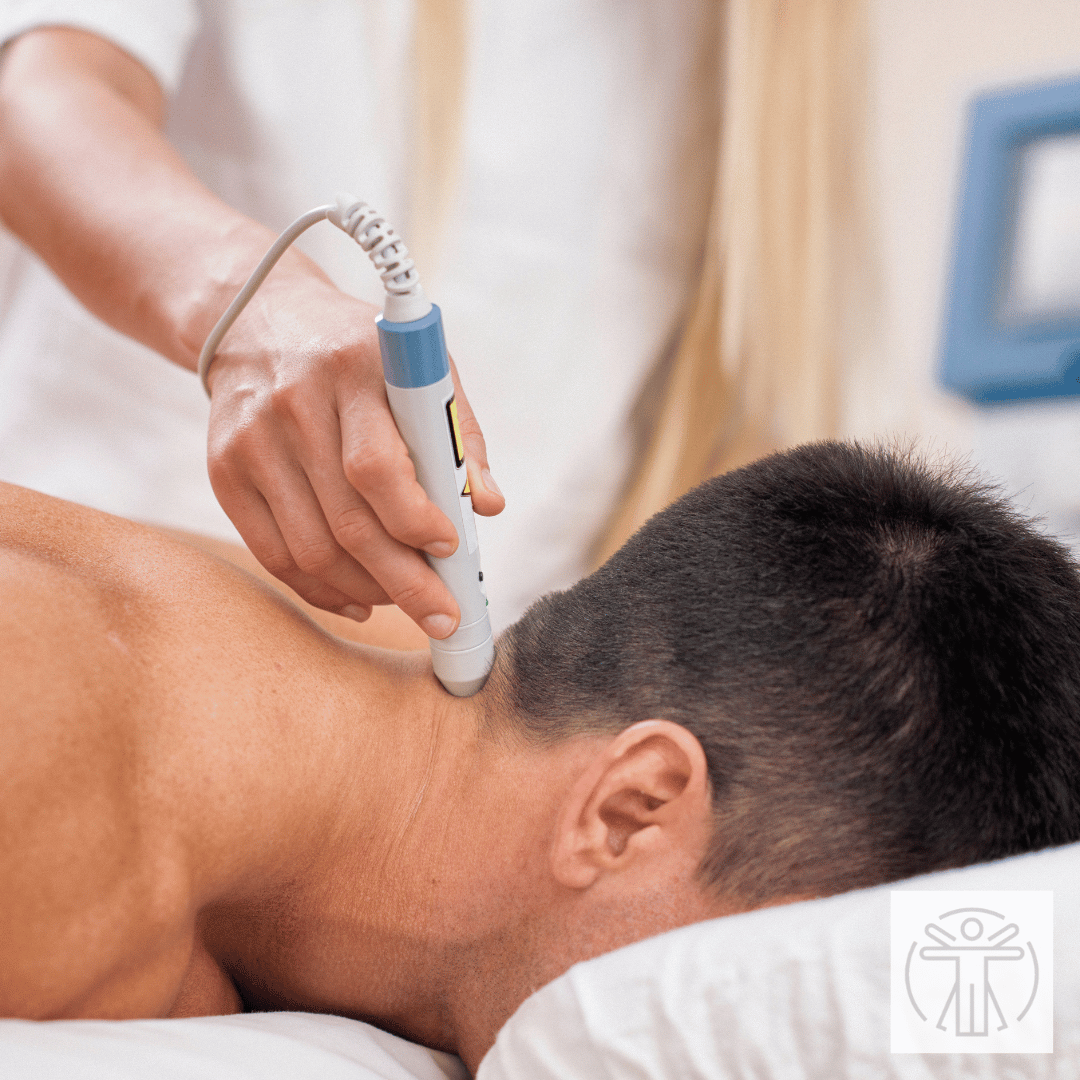
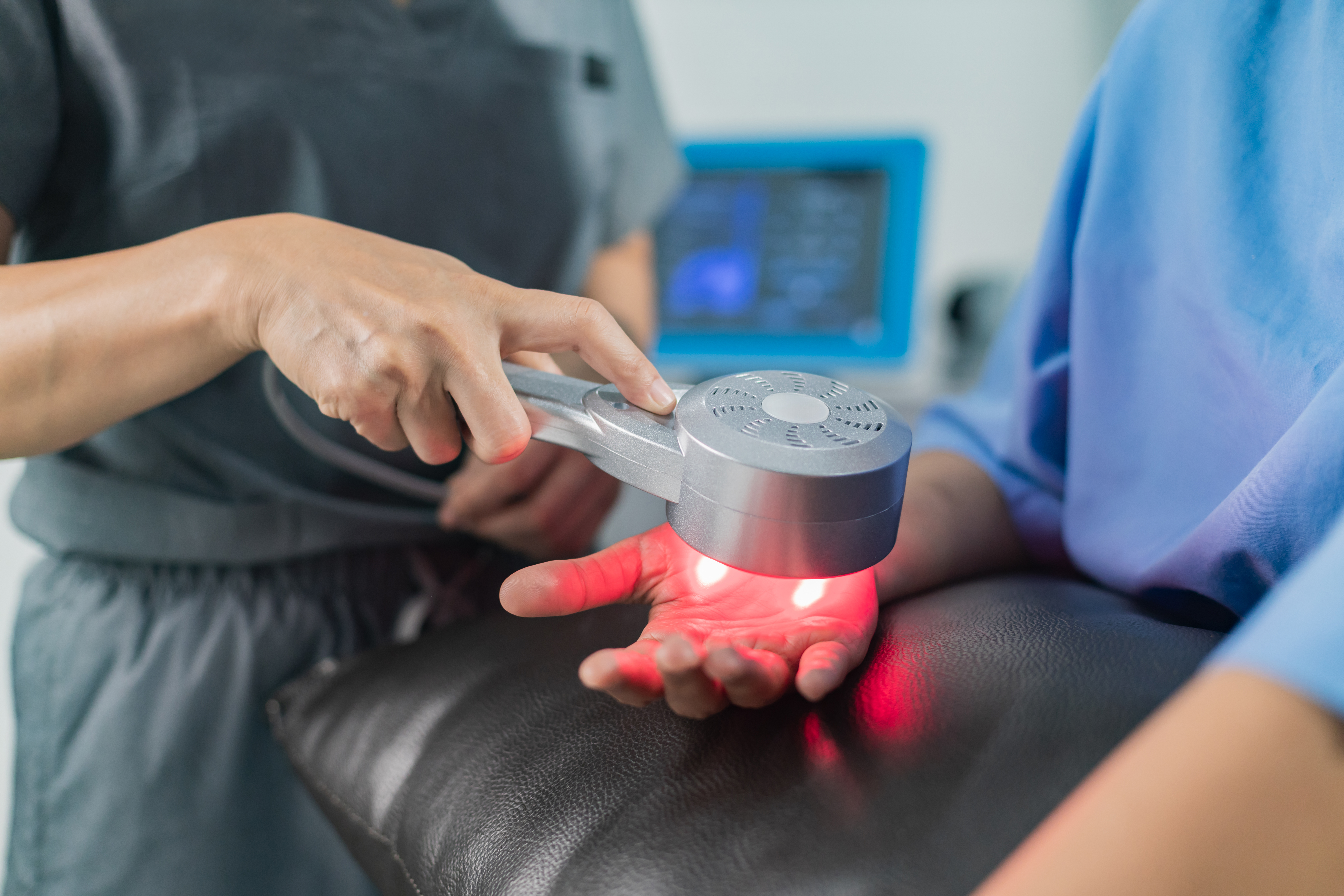
Cold laser therapy, also known as low-level laser therapy (LLLT), uses light to stimulate healing. The laser sends photons into the tissues, which cells absorb. This process boosts cell activity. The result: faster tissue repair and reduced inflammation.
The therapy is non-invasive. It doesn’t involve heat or surgery, making it a great choice for sensitive areas. Comfortable and quick, sessions usually last about 15 minutes. This ease of use has made it popular for treating conditions like sports injuries and chronic pain.
Benefits of Low-Level Laser Therapy (LLLT)
Many people find relief from pain through LLLT. It accelerates tissue healing, helping you get back to your activities faster. The therapy also reduces swelling, which means less discomfort and more mobility.
Patients have reported a 70% improvement in pain levels after just a few sessions. The therapy is also versatile. It can be used alongside other treatments like physiotherapy and chiropractic care. This combination ensures a well-rounded approach to recovery.
Ideal Conditions for Cold Laser Therapy
Cold laser therapy is effective for various conditions. It’s ideal for sprains, strains, and tendonitis. It’s also beneficial for those recovering from surgery, as it helps tissues heal faster without the need for medication.
For chronic conditions like arthritis, LLLT provides ongoing relief. It keeps inflammation down and mobility up, improving your quality of life. By addressing both acute and chronic issues, cold laser therapy is a comprehensive treatment option.
Exploring Cryotherapy
Cryotherapy is another powerful tool in the recovery toolkit. By applying cold directly to affected areas, it reduces inflammation and speeds up healing.
Mechanisms Behind Cryotherapy
Cryotherapy uses extreme cold to treat injuries. The cold reduces blood flow to the area, which helps decrease swelling and pain. This process also triggers the release of endorphins, which help manage pain naturally.
Treatments are quick, often lasting just a few minutes. Despite the brief duration, they have a lasting impact on recovery. Whether you’re dealing with a sports injury or post-surgical inflammation, cryotherapy can offer significant relief.
Benefits of Cryotherapy for Inflammation
One of the key benefits of cryotherapy is its ability to reduce inflammation. It minimizes swelling and helps control pain, allowing you to move more freely. This is crucial for anyone looking to maintain an active lifestyle.
Studies have shown that cryotherapy can decrease inflammation by up to 50%. This makes it an excellent choice for those dealing with acute injuries. Furthermore, it can be a preventive measure, keeping potential issues at bay.
When to Use Cryotherapy in Recovery
Cryotherapy is best used shortly after injury. It helps control initial swelling and eases pain, facilitating a quicker return to activity. It’s also effective for post-surgical recovery, speeding up the healing process.
For chronic conditions, regular sessions can keep inflammation at manageable levels. This ongoing treatment helps maintain mobility and reduces the frequency of flare-ups. Whether you’re recovering from a one-time injury or managing a long-term condition, cryotherapy is a valuable part of any recovery plan.
Integrating Therapies at MyHealth Care Centre
At MyHealth Care Centre, we believe in a comprehensive approach to health. By combining therapies, we ensure the best possible outcome for our clients.
Combining Therapies for Optimal Results
We integrate cold laser therapy and cryotherapy with other treatments like physiotherapy. This synergy maximizes the benefits of each therapy, providing a holistic recovery plan.
For example, combining laser therapy with physiotherapy can improve muscle strength and joint function. This combination ensures faster healing and long-lasting results. By addressing various aspects of recovery, patients experience more complete healing.
Personalised Care Plans at Port Credit Clinic
Every person is unique, and so is their path to recovery. At our Port Credit clinic, we tailor each care plan to your specific needs. This personalized approach ensures you get the best possible care.
We conduct thorough assessments to determine the most effective treatments for your condition. By focusing on your individual goals, we craft a plan that fits your lifestyle. This means faster recovery and better outcomes overall.
Booking Your Assessment in Port Credit
Ready to take the next step in your recovery? Book an assessment at MyHealth Care Centre. Our team of experts is here to guide you through every step of the process.
We prioritize your health and well-being, ensuring you receive the care you need. By choosing us, you’re opting for a path to recovery that is both effective and supportive. Don’t wait—embrace the benefits of integrated care and start your healing journey today.
Patient education: your secret weapon for chronic pain control and re‑injury prevention
Chronic pain wears you down and makes every step feel uncertain. You’ve tried managing it, but flare-ups keep sneaking back in. Patient education offers the clear, practical guidance you need to take control—reducing pain day-to-day and stopping re‑injury before it starts. At MyHealth Care Centre in Port Credit, we combine science with real-life advice to help you stay active and confident. Learn more about patient education in pain management.
Table of Contents
Power of Patient Education
Understanding how to manage chronic pain and prevent injuries is crucial. Patient education empowers you by offering the tools you need. Let’s explore how knowledge can be your ally.
Empowering Pain Management
Feeling in control of your pain can change your life. Imagine handling pain without fear. Educating yourself is the first step. This involves learning about your condition: what triggers your pain and how to manage it. By doing this, you gain confidence. You’re no longer at the mercy of your symptoms.
Think about Mary, who struggled with back pain. By attending workshops at MyHealth Care Centre, she learned techniques that helped her. Now, she can enjoy activities like sailing without constant worry.
Understand your pain: Learn what makes it better or worse.
Use practical tips: Apply strategies that work in real life.
Reducing Flare-Ups Effectively
Dealing with sudden flare-ups can be daunting. But with the right knowledge, you can minimise them. It starts with recognising early signs. This way, you can take action before the pain becomes unmanageable.
Monitor your symptoms: Keep track of pain patterns.
Intervene early: Use techniques like stretching or heat packs at the first sign.
Most people think ignoring mild pain is okay. In reality, addressing it early can prevent a full-blown flare-up. This proactive approach keeps you active and engaged in life.
Preventing Re-Injury with Knowledge
Re-injury is a common concern. However, knowing how to move safely and what to avoid can keep you safe. Education provides insights into proper techniques and exercises that protect you.
Imagine knowing exactly how to lift heavy objects without straining your back. This kind of knowledge isn’t just reassuring; it’s empowering. Regular workshops or sessions with experts at MyHealth Care Centre can provide this vital information.
Practical Strategies for Day-to-Day Management
Living with chronic pain requires daily strategies. Let’s look at how simple changes can make a big difference in your routine.
Pacing and Load Management Tips
Managing daily tasks without overdoing it is key. Pacing yourself helps maintain your energy and prevents pain from worsening.
Break tasks into smaller steps: Avoid trying to do everything at once.
Rest regularly: Short breaks can recharge you.
Listen to your body: Stop activities if you feel pain.
Most people think pushing through pain is strong. But smart pacing is about maintaining strength and avoiding setbacks.
Importance of Posture and Movement
Good posture and movement are vital for pain management. They help distribute weight evenly and reduce unnecessary strain.
Check your posture: Sit and stand straight, with shoulders relaxed.
Move often: Avoid staying in one position too long.
Remember, small adjustments can prevent big problems. A quick posture check can save you from hours of discomfort.
Sleep and Stress Management
A good night’s sleep can significantly impact your pain levels. Stress, on the other hand, can increase tension and worsen pain.
Establish a sleep routine: Go to bed and wake up at the same time daily.
Practice relaxation techniques: Deep breathing or meditation can help.
Most people underestimate the power of sleep. Yet, quality rest is a powerful tool in managing chronic pain.
Integrated Care at MyHealth Care Centre
At MyHealth Care Centre, we believe in a comprehensive approach. Our integrated care model brings together various therapies for the best outcomes.
Tailored Plans for Pain Relief
Everyone’s pain is different. That’s why we create personalised plans. Our team works with you to develop strategies that suit your lifestyle and needs. Learn more about integrated healthcare.
Assessment: We start with a detailed assessment to understand your condition.
Personalised goals: Together, we set achievable goals.
Think of a tailored plan as your personal roadmap to pain relief. It guides you to a healthier, more active life.
Comprehensive Therapy Options
Our centre offers a range of therapies, from physiotherapy to massage. This holistic approach ensures all aspects of your health are addressed.
Physiotherapy: Focuses on movement and strength.
Massage therapy: Relieves tension and promotes relaxation.
Chiropractic care: Improves alignment and nerve function.
Combining these therapies can enhance your recovery and prevent future issues.
Local Activities and Practical Applications
Engaging in local activities can boost your recovery. Port Credit offers various options for staying active while enjoying the beautiful surroundings.
Join a local walking group: Walking is a gentle way to stay active.
Try sailing: Enjoy the water while strengthening muscles.
Explore local trails: Hiking can improve both physical and mental health.
Most people think of physical activity as just exercise. But in Port Credit, it’s also about community and connection.
By embracing patient education and integrated care, you’re not just managing pain; you’re taking charge of your health. The journey to recovery begins with a single step, and MyHealth Care Centre is here to guide you along the way.
Cold Laser Therapy and Cryotherapy: Advanced Care to Repair Tissue and Relieve Pain in Port Credit
You’ve been pushing through aches and niggles after your latest run or workout, but the pain just won’t quit. Cold laser therapy and cryotherapy offer non-invasive treatment options that speed tissue repair and reduce inflammation, helping you get back to what you love faster. At MyHealth Care Centre in Port Credit, we combine these therapies with physiotherapy and chiropractic care to create a personalised plan that supports your recovery and keeps you moving strong. Learn more about cold laser therapy here.
Table of Contents
Benefits of Advanced Therapies
Delving into the benefits of these therapies reveals a world of potential for your recovery. Whether you’re dealing with a recent sports injury or managing chronic pain, these advanced treatments are designed to get you back on track.
Fast-Tracking Tissue Repair
Imagine your body healing faster than ever. That’s what advanced therapies aim for. Cold laser therapy, in particular, accelerates tissue repair. This treatment uses light energy to stimulate cell regeneration and increase blood flow to the affected area. It’s like giving your cells a boost of energy. When you opt for this therapy, expect to notice improvements quicker than traditional methods might offer.
Have you ever thought about how your body heals itself? With the right support, it can do so even faster. A key factor here is the stimulation of collagen production, which is essential for tissue repair. This means fewer days of discomfort and more days being active.
Effective Pain Relief Strategies
Pain can be frustrating. But with the right strategies, it doesn’t have to be a constant companion. Cryotherapy offers a targeted approach to pain relief. By applying extreme cold to specific areas, it numbs nerve endings, reducing pain signals to the brain. This isn’t just about temporary relief; it’s about managing pain effectively.
Consider those days when pain seems to dictate your routine. With cold therapy, you’re taking control back. This treatment method not only reduces pain but also decreases swelling, making it a double-edged sword in pain management.
Non-Invasive Treatment Options
Surgery and invasive procedures aren’t for everyone. That’s where non-invasive treatments come in. Both cold laser therapy and cryotherapy provide effective results without the need for cuts or injections. They offer a natural way to heal, using the body’s own processes to repair and rejuvenate.
Are you sceptical about non-invasive options? Many people are, yet they often find these methods surprisingly effective. With minimal risk and no downtime, you can continue your daily activities without interruption. This makes them an attractive option for busy individuals who can’t afford to pause their lives.
Cold Laser Therapy Insights
Diving deeper into cold laser therapy uncovers how it works wonders for tissue repair and pain relief. This non-invasive approach harnesses the power of light to heal from within.
Understanding Photobiomodulation
Photobiomodulation might sound complex, but it’s quite straightforward. It’s the process by which cold laser therapy aids healing. The laser light penetrates your skin, reaching the cells and jumpstarting cellular processes. This means your body starts repairing itself at a cellular level.
This mechanism not only aids recovery but also reduces inflammation. By enhancing cellular energy, it helps in reducing swelling and discomfort. Imagine harnessing light as a tool for healing—it’s science and nature working in harmony.
Low-Level Laser Therapy Explained
Low-level laser therapy, often called LLLT, is a cornerstone of cold laser treatments. It uses a specific wavelength of light to stimulate healing. Unlike other lasers, it doesn’t produce heat, making it safe and painless.
During a session, the laser targets specific areas, promoting blood flow and reducing inflammation. This precise approach ensures that the healing process is both effective and targeted. It’s a gentle nudge to your body to kickstart its natural healing processes.
When Cold Laser Therapy Works Best
Cold laser therapy shines in specific scenarios. It’s particularly effective in treating musculoskeletal injuries, tendinopathy, and even osteoarthritis pain. If you’ve undergone surgery, it can also aid in your post-operative recovery.
Thinking about when to choose cold laser therapy? It’s ideal for scenarios where you require deep tissue repair without the invasiveness of surgery. Whether it’s a sprain, strain, or chronic joint pain, this therapy offers a path to recovery.
Cryotherapy: Cooling Pain Away
Cryotherapy introduces a refreshing approach to pain management and tissue repair. By harnessing the power of cold, it provides relief and promotes healing in a unique way.
Targeted Cryotherapy for Injuries
Targeted cryotherapy is all about precision. By applying extreme cold to injury sites, it not only numbs pain but also reduces inflammation. This dual action makes it a powerful tool for managing pain from sprains, strains, and sports injuries.
Have you considered how cold can be your ally? In situations where swelling is a concern, cryotherapy helps by constricting blood vessels, reducing fluid build-up and thereby easing discomfort.
Reducing Inflammation with Cold
Inflammation is a natural response, but it can be painful. Cryotherapy tackles this head-on. By lowering tissue temperature, it reduces inflammatory markers and speeds up recovery. It’s like giving your body a chill pill that soothes and heals.
Are you curious about the science behind this? The cold triggers an anti-inflammatory response, reducing cytokine levels—those proteins that tell your body to feel pain. This makes cryotherapy a smart choice for inflammation-related discomfort.
Ideal Scenarios for Cryotherapy Use
When is cryotherapy your best bet? It’s ideally suited for acute injuries and post-exercise recovery. If you’re dealing with tendinopathy, sprains, or post-surgical swelling, cryotherapy can be the cool solution you need.
Ever wondered when to opt for cold therapy? If you’re looking for a quick, effective way to manage pain and swelling without medication, cryotherapy stands out. It’s a non-invasive, natural way to support your body’s healing journey.
By integrating these advanced therapies into your care regimen, you’re not just treating symptoms; you’re embracing a proactive approach to health. Whether it’s accelerating healing or managing pain, these treatments provide a path back to an active, fulfilling lifestyle. Ready to explore these options? Contact MyHealth Care Centre and start your journey to recovery today.
Know More, Move Better: Patient Education for Chronic Musculoskeletal Pain in Port Credit
Chronic musculoskeletal pain can wear you down, especially when it lingers in your back, neck, or joints. Managing that pain isn’t just about treatments—it starts with understanding how your body works and what it needs. At MyHealth Care Centre in Port Credit, patient education is the key to helping you regain control, with proven strategies like pacing, posture resets, and graded activity tailored to your lifestyle. Ready to move better and feel stronger? Let’s explore how knowledge changes everything. Read more here.
Table of Contents
Understanding Chronic Musculoskeletal Pain
To tackle chronic musculoskeletal pain, understanding its root is crucial. This isn’t just about coping; it’s about mastering your body’s signals and responses. Let’s dig into the importance of patient education and how it can empower you to manage pain effectively.
The Importance of Patient Education
Patient education is more than just information. It’s about giving you the tools to take charge of your health. Knowing the “why” and “how” behind your pain can change everything. Imagine waking up with less pain because you know exactly what to do. This is the power of patient education. Most people think pain management is all about medication, but understanding your body reduces dependence on pills.
Here’s the key insight: When you understand your body, you’re less likely to suffer from chronic pain. An article from the Journal of Orthopaedic & Sports Physical Therapy highlights that educated patients report better outcomes and fewer complications. This research shows the impact of knowledge on recovery and prevention. When you know what’s happening within, you can make informed decisions about your care. Curious to learn more? Check out this study.
Practical Self-Management Strategies
Self-management involves simple yet effective strategies you can practice daily. These aren’t just tips; they’re lifestyle changes you can integrate seamlessly. Start with these two: pacing and posture. Each plays a critical role in managing pain without drastic changes to your routine.
Pacing: This is about understanding your limits and spreading activities throughout the day. It prevents flare-ups and keeps you active without overdoing it.
Posture: Good posture isn’t just for aesthetics—it can reduce strain on your back and neck. Small adjustments can make a huge difference. Improving posture can alleviate pain and has been shown to enhance quality of life. Most people overlook this simple fix, but it works wonders.
Incorporating these strategies doesn’t require drastic lifestyle changes. Instead, it’s about smart adjustments. For those suffering from knee pain, research shows pacing reduces stress on joints, leading to long-term relief. Learn more about self-management here.
Effective Pain Management Techniques
Effective pain management is a game-changer in daily life. Discovering what works best for you can transform how you handle pain. From pacing to posture, each technique brings unique benefits to your routine.
Pacing and Load Management
Pacing helps you avoid doing too much too soon. It’s about balancing activity with rest to manage pain effectively. Load management is its partner, focusing on gradually increasing what you can handle. Together, they form a powerful duo in managing chronic pain.
Here’s how pacing benefits you: imagine running a marathon. You wouldn’t sprint the first mile, right? Pacing is similar—it’s about conserving energy and staying in the race. Load management ensures you gradually build up strength without overloading your body.
Most believe pushing through pain is the answer, but paced activity leads to better long-term results. Research from ScienceDirect supports this approach, showing that gradual load increases reduce injury risk and improve rehabilitation outcomes. Learn more about pacing techniques here.
Posture and Movement Retraining
Posture and movement retraining focuses on correcting the way you move. This isn’t just about standing up straight; it’s about improving how you sit, walk, and even sleep. Movement retraining can significantly reduce pain and enhance mobility.
Correct posture acts like a shield for your body, reducing the strain on muscles and joints. Movement retraining teaches your body the right way to perform daily tasks, minimizing discomfort and preventing injuries.
This strategy challenges the common belief that pain is inevitable with aging. By retraining your body, you can enjoy activities you thought were impossible. A study found that posture improvements reduced chronic pain in 80% of participants. Explore more about posture benefits.
Integrated Care at MyHealth Care Centre
At MyHealth Care Centre, we offer integrated care that combines multiple disciplines for optimal results. Our team approach ensures you receive comprehensive treatment tailored to your needs.
Evidence-Based Physiotherapy in Port Credit
Our physiotherapy services in Port Credit are grounded in evidence-based practices. This means you’re getting treatments backed by the latest research and best practices. Our physiotherapists design personalized plans that cater to your unique situation.
Here’s the benefit: Our evidence-based approach means you’re not just another patient. We consider your lifestyle, goals, and challenges to craft a plan that works for you. By focusing on what science supports, we ensure you’re receiving the most effective care possible.
Our integrated care model means physiotherapists, chiropractors, and massage therapists work together for your benefit. This team effort results in a well-rounded recovery plan. Most clinics don’t offer this level of collaboration, but we believe it leads to better outcomes. Find out more about our physiotherapy services.
Additional Therapies and Supportive Tools
Beyond physiotherapy, we offer various therapies and tools to support your journey. Whether it’s massage therapy, acupuncture, or custom orthotics, each service is designed to complement your treatment plan.
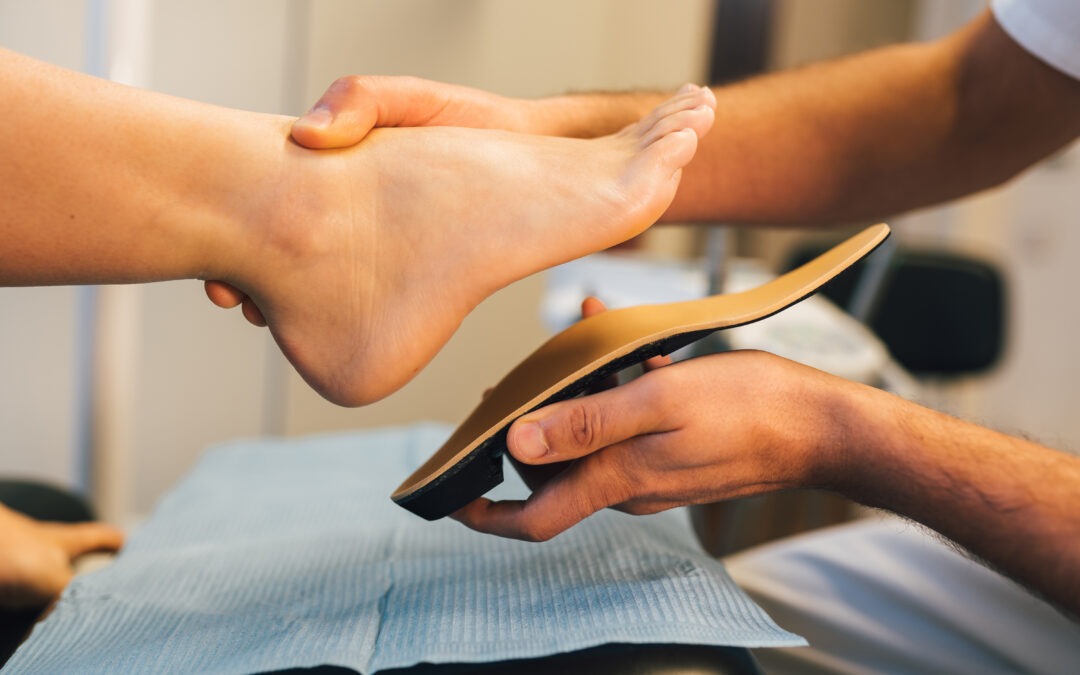
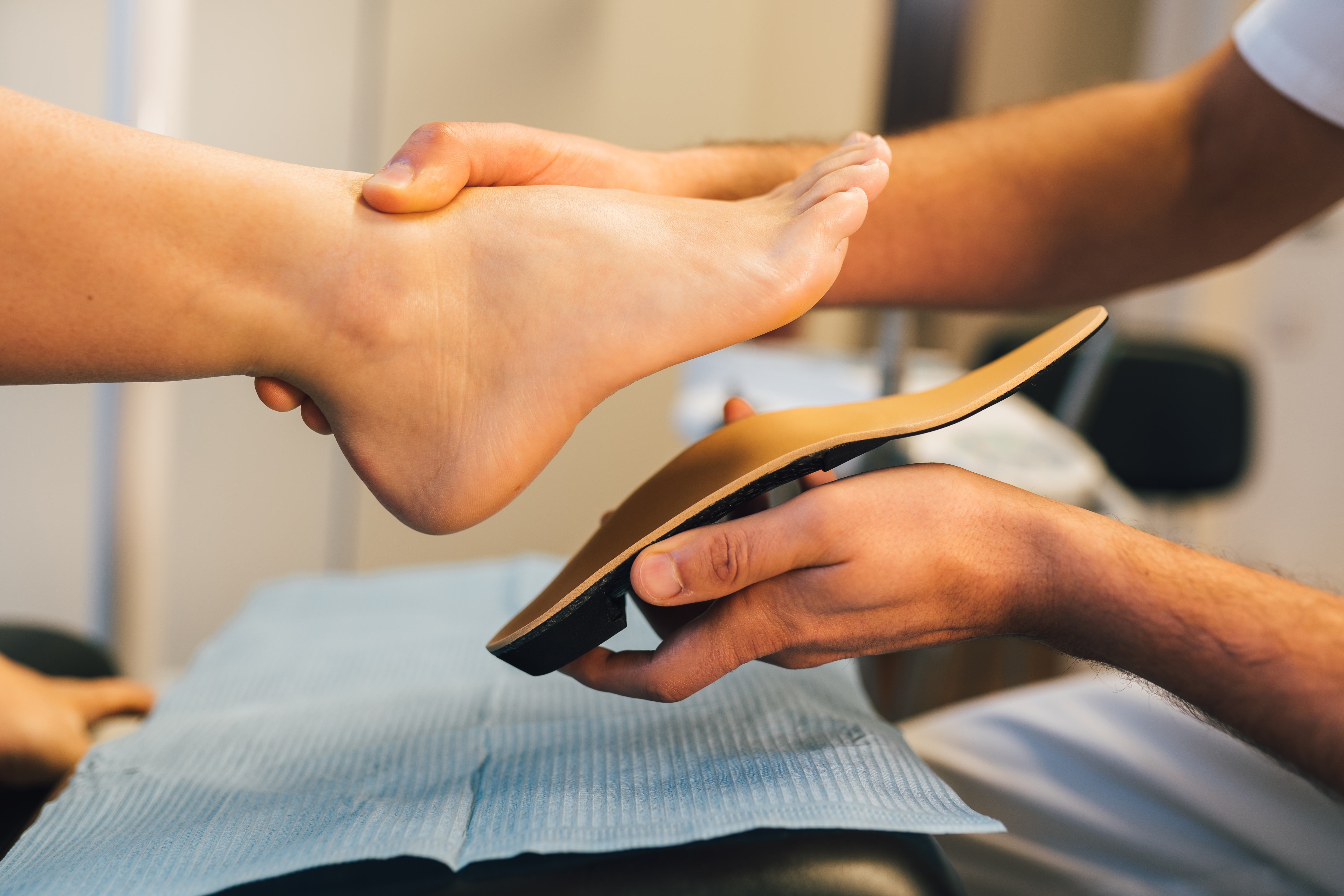
These additional therapies provide holistic support, addressing all aspects of your pain. For example, acupuncture can reduce stress, while massage therapy promotes relaxation and reduces muscle tension. Custom orthotics help with alignment, improving overall posture and reducing strain.
Our approach challenges the idea that one treatment fits all. By offering a range of services, we ensure you receive the best possible care tailored to your needs. Most people think pain management is a one-size-fits-all solution, but we know personalized treatment is key.
In summary, understanding your pain and how to manage it is crucial. By adopting self-management strategies and effective techniques, you can transform your daily life. At MyHealth Care Centre, our integrated approach ensures you’re getting the comprehensive care you need to move better and feel stronger.