Move Better at Home: Empowered Recovery Tools from Your Port Credit Care Team

Move Better at Home: Empowered Recovery Tools from Your Port Credit Care Team

Move Better at Home: Empowered Recovery Tools from Your Port Credit Care Team

Most recovery plans miss one thing: you. Managing your health at home doesn’t have to be confusing or overwhelming. With simple, proven tools like a tailored home exercise programme and smart pacing strategies, you can take control of your healing journey. At MyHealth Care Centre, your Port Credit care team supports you every step of the way, blending expert therapies with practical steps to keep you moving and feeling strong. Learn more about patient empowerment in healthcare.

Empowering Your Recovery at Home

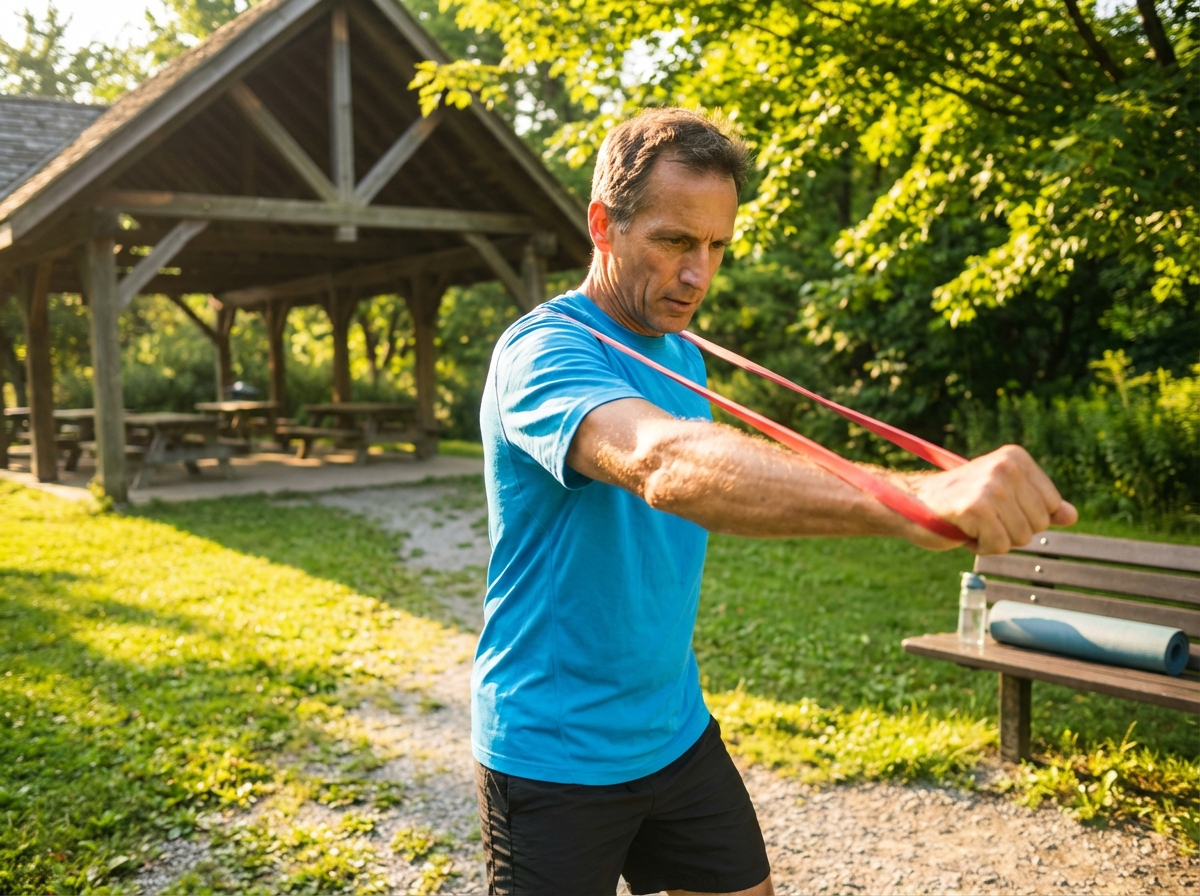
port credit care team empowered tools for recovery.


Managing recovery at home can transform your healing process. It all begins with integrating simple routines into your daily life.

Simple Mobility Routines

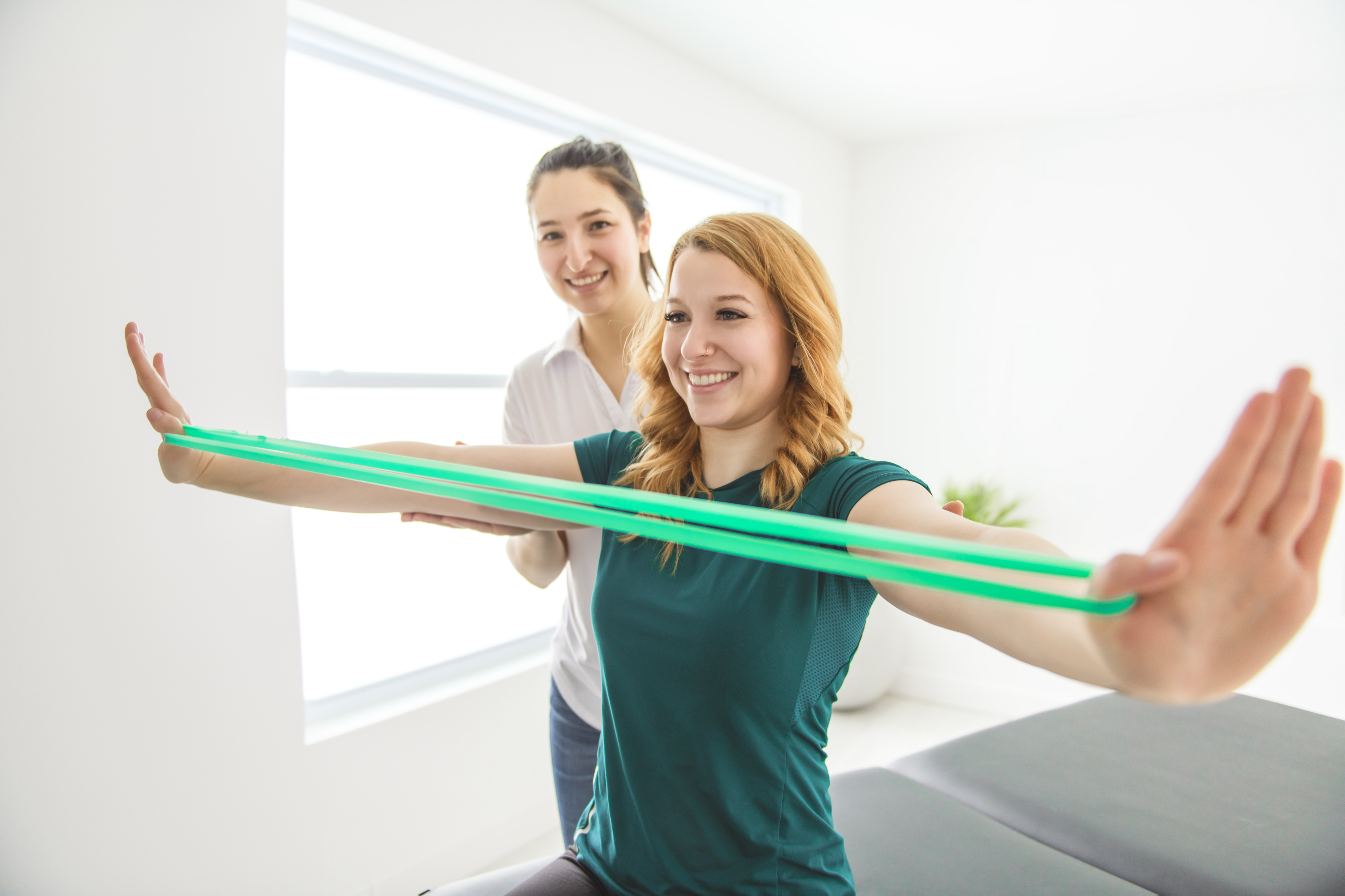
Let's start with movement. Gentle exercises can make a big difference in how you feel each day. A simple plan involves 10 minutes of stretching in the morning. This not only loosens tight muscles but also prepares your body for the activities ahead.

Don’t underestimate the power of walking. 20-minute walks can help maintain joint flexibility and improve mood. A brisk walk around your neighbourhood or along the Port Credit Waterfront Trail can be refreshing and revitalising.

Pair these routines with breathing exercises for maximum benefit. You might be surprised at how much better you feel by keeping things moving!

Graded Activity and Pacing

Balancing activity with rest is key to a successful recovery. You don't need to push yourself too hard to see progress. Instead, focus on gradually increasing your activity levels. This approach is called graded activity.

Start by breaking down tasks into smaller steps. For instance, tackle household chores in 10-minute intervals with breaks in between. This method helps build stamina without causing fatigue.

Remember, pacing is not about doing less—it's about being smart with your energy. Over time, you'll find your endurance improving, making daily tasks easier to handle.

Breathwork for Pain Management

Breathwork is a simple yet powerful tool in managing pain. Techniques like deep breathing can help reduce stress and discomfort. Try this: inhale deeply for four counts, hold, then exhale slowly for six counts.

Incorporating breathwork into your routine can have immediate effects. It calms the mind and body, helping you feel more in control. Practicing these exercises during moments of discomfort can ease tension and improve your overall sense of well-being.

Thinking breathwork is only for yoga enthusiasts? Think again. Anyone can benefit from these techniques, regardless of fitness level.

When to Seek Professional Help

gemini generated 17e524d3da9209453361


Even with the best home practices, there are times when professional support is essential. Knowing when to reach out can significantly enhance your recovery.

Physiotherapy and Chiropractic Support

Physiotherapy and chiropractic care play vital roles in recovery. A Mississauga physiotherapist can offer targeted exercises tailored to your needs. This personalised approach ensures you address specific areas of pain or weakness effectively.

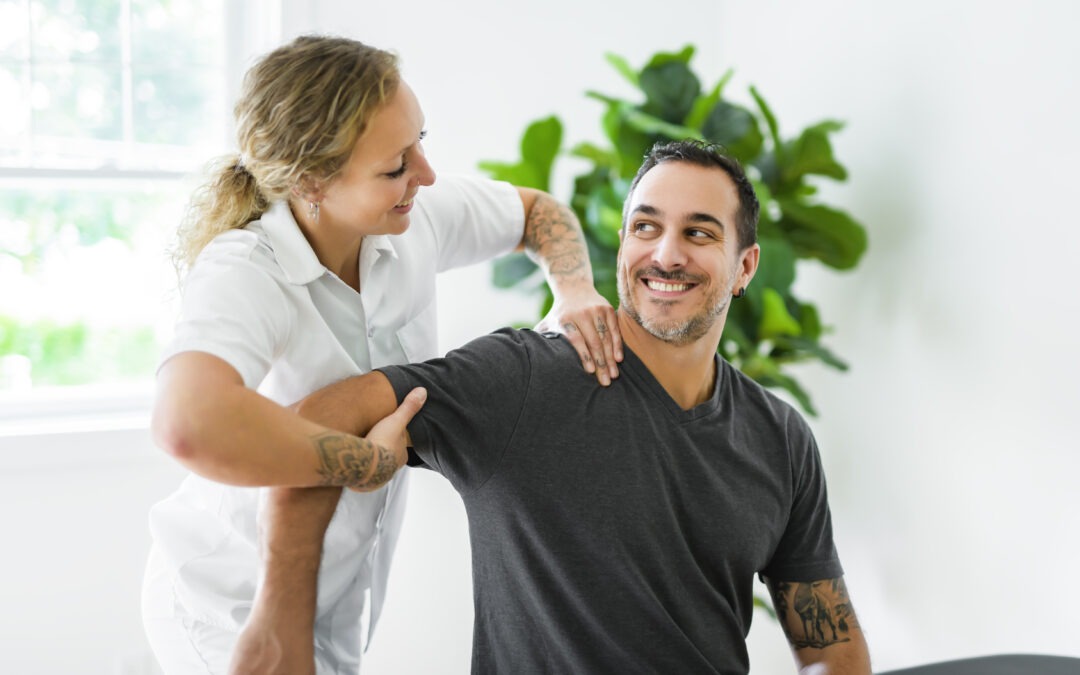
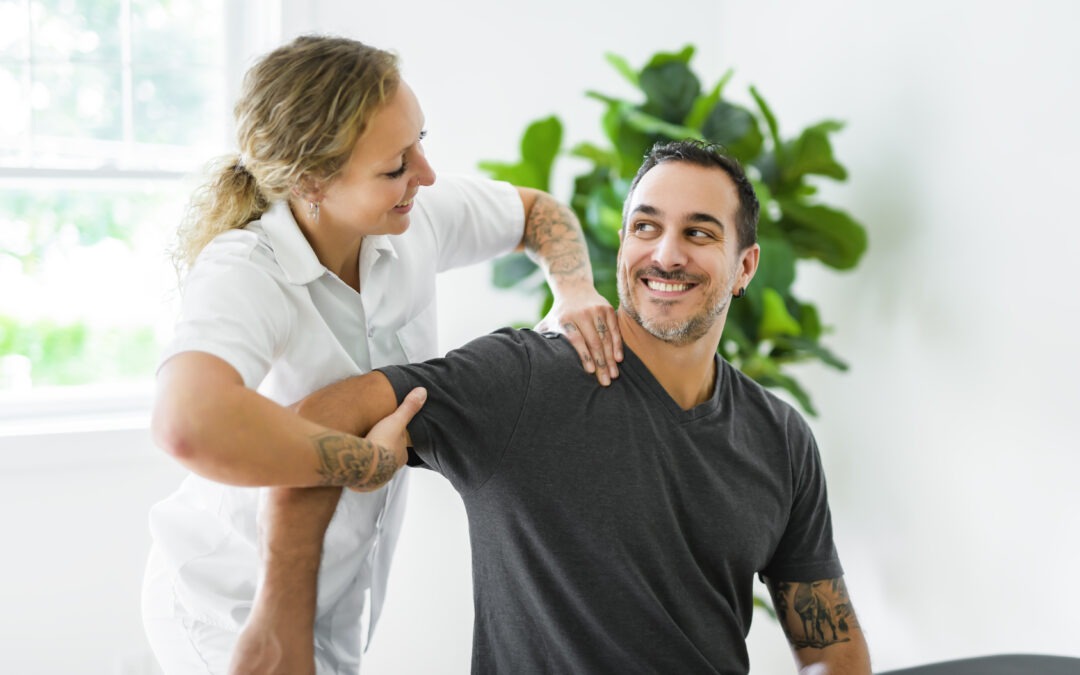
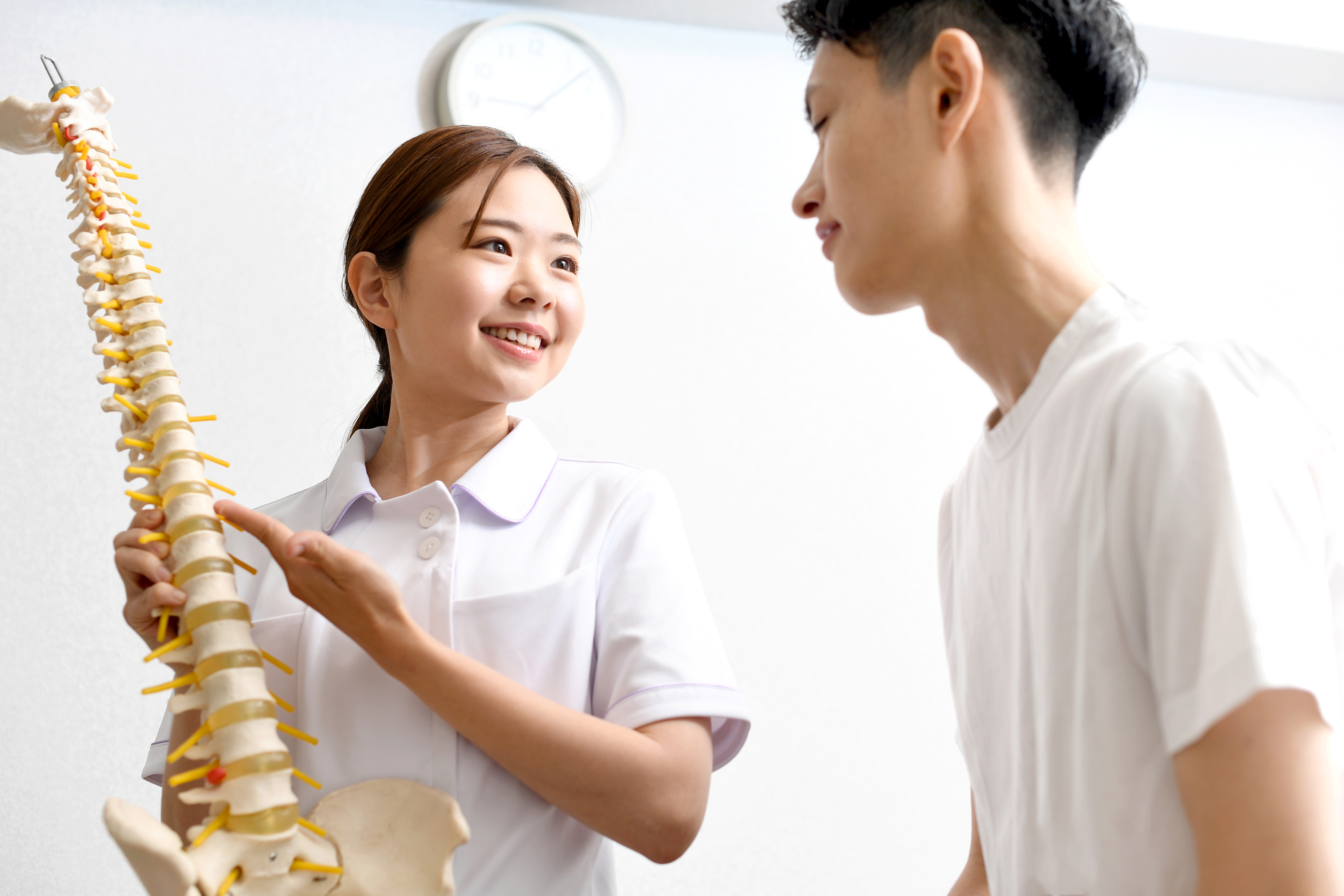
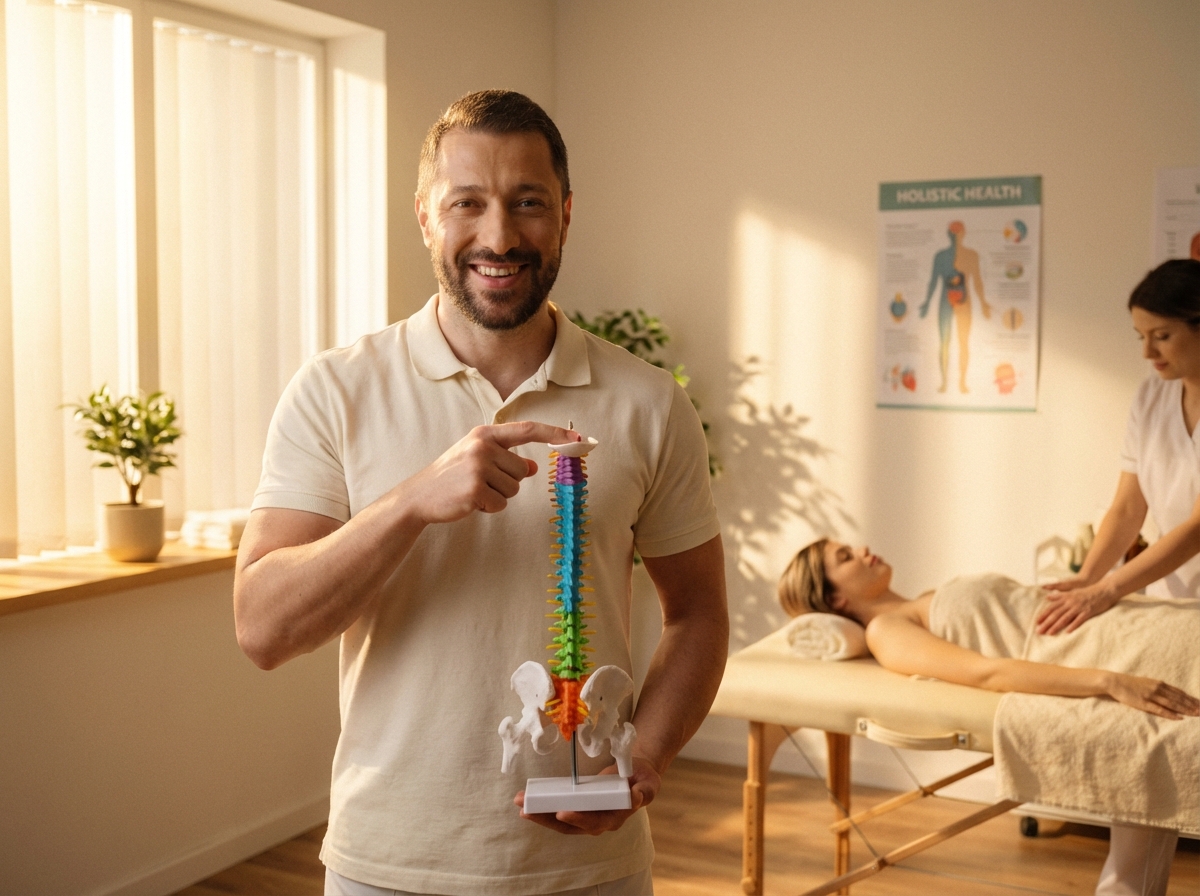
Chiropractic care focuses on alignment and spinal health, which can alleviate discomfort and improve mobility. If you're dealing with back pain or posture issues, chiropractic sessions might be the solution you need.

Don't wait until pain becomes unbearable. Early intervention with these therapies can prevent minor issues from becoming major setbacks.

Acupuncture and Massage Therapy Benefits

Acupuncture and massage therapy provide holistic alternatives for pain relief. Acupuncture is known for its ability to reduce pain and inflammation by stimulating specific points on the body.

Meanwhile, registered massage therapy in Port Credit offers relaxation and relief from muscle tension. Regular sessions can improve circulation and promote faster healing.

These therapies work well alone or combined with other treatments. Consider them as part of your comprehensive recovery strategy.

Cold Laser and Cryotherapy Options

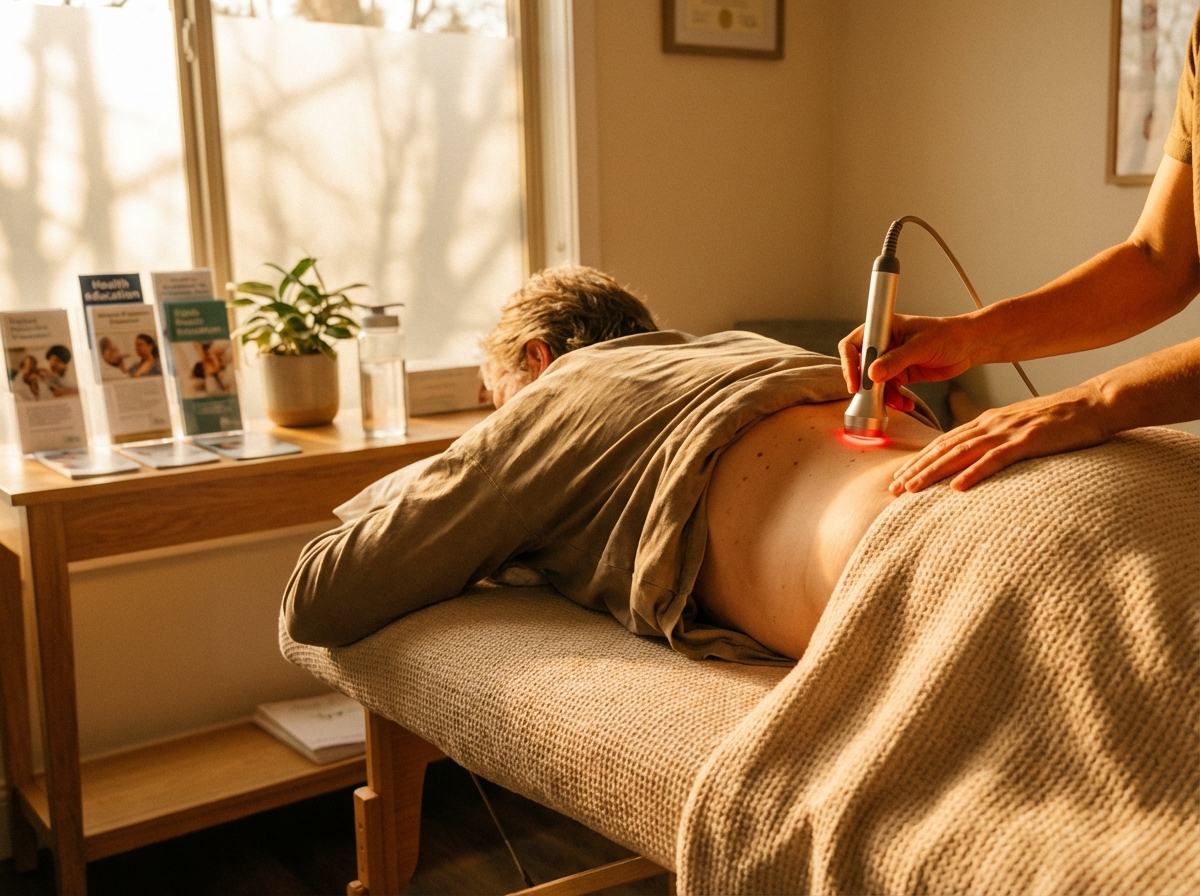
Cold laser therapy and cryotherapy are cutting-edge treatments for pain and inflammation. At MyHealth Care Centre, these therapies offer non-invasive solutions to support healing.

Cold laser therapy in Mississauga uses light to reduce pain and accelerate tissue repair. Cryotherapy, on the other hand, involves exposing the body to cold temperatures to reduce swelling and pain.

Exploring these options can provide significant relief, especially when traditional methods aren't enough. Consult with your healthcare provider to see if they're right for you.

Customising Your Home Exercise Programme

gemini generated 53d4979f069306981520


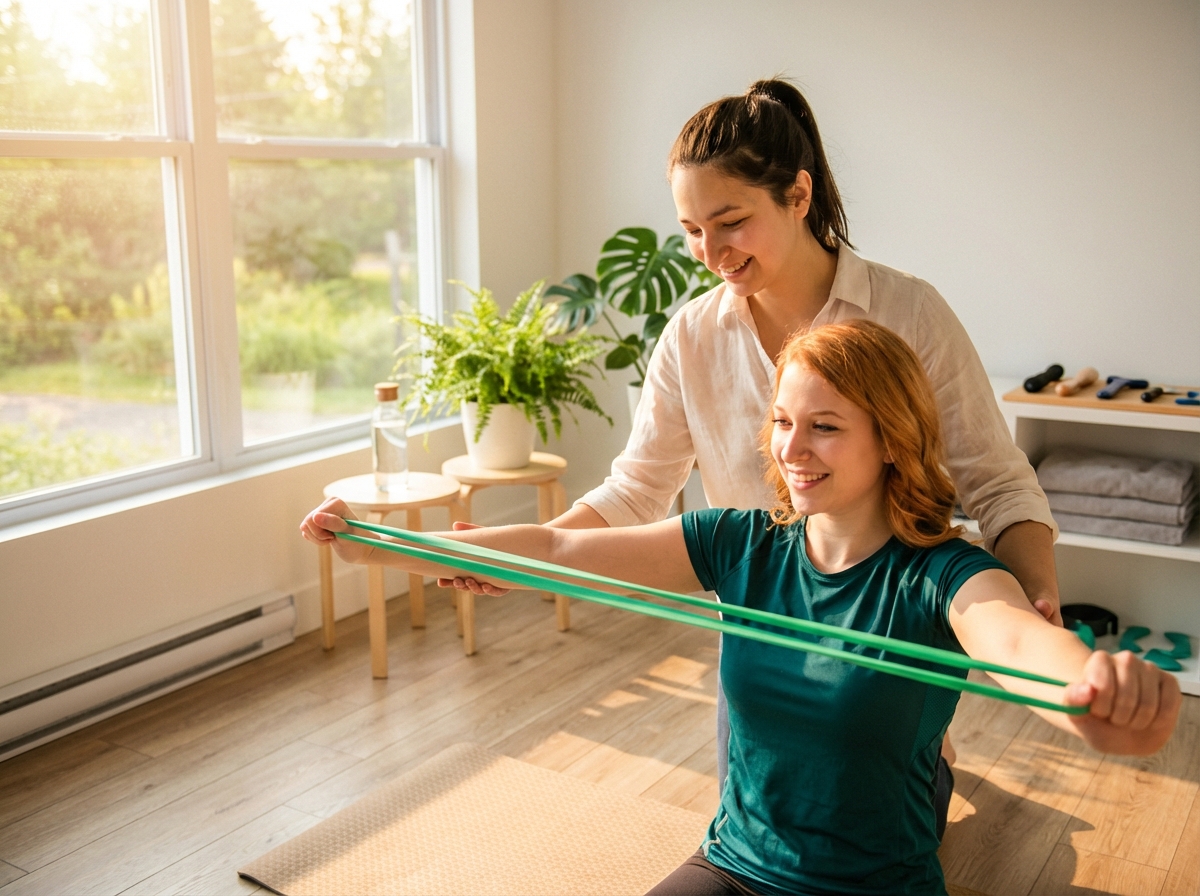
Creating a home exercise programme tailored to you is essential for recovery. This ensures you're not just doing exercises, but the right exercises for your needs.

Balancing Workouts and Rest

Finding the right balance between activity and rest is crucial. Aim for three days of planned exercise per week, ensuring each session is followed by a day of rest or light activity.

On rest days, focus on gentle stretching or walking. This keeps your body active without overloading it. Remember, recovery happens during rest, not just during exercise.

Self-Massage and Stretching Techniques

Self-massage can ease muscle tension and improve flexibility. Using a massage ball or foam roller, spend five minutes on areas like the back or legs. This can enhance blood flow and aid recovery.

Stretching should be a daily habit. Focus on problem areas, holding each stretch for 30 seconds. Consistency is key to seeing improvements in flexibility and pain reduction.

Nutrition and Sleep Habits for Recovery

Finally, nutrition and sleep are the foundation of recovery. Ensure you're eating a balanced diet rich in fruits, vegetables, and lean proteins. These nutrients support your body's repair processes.

Sleep is equally important. Aim for 7-9 hours of quality sleep each night. Good rest enhances your body's ability to heal and keeps you feeling energised.

By customising your approach to recovery, you're empowering yourself to heal effectively. Each small step you take builds towards a healthier, more active lifestyle. Remember, MyHealth Care Centre is here to support you every step of the way.


Stronger Together: The Evidence for Combining Physiotherapy, Chiropractic, and Massage Therapy for Optimal Healing

Stronger Together: The Evidence for Combining Physiotherapy, Chiropractic, and Massage Therapy for Optimal Healing

Stronger Together: The Evidence for Combining Physiotherapy, Chiropractic, and Massage Therapy for Optimal Healing

Most people treat aches and injuries one way—physio, chiro, or massage alone. But evidence shows combining these therapies speeds recovery and helps prevent future pain. At MyHealth Care Centre in Port Credit, our collaborative team builds personalised treatment plans that get you moving better and living pain-free. Learn why multidisciplinary care matters and how it can support your active lifestyle. [https://pmc.ncbi.nlm.nih.gov/articles/PMC3390215/]

The Power of Multidisciplinary Care

providing chiropractic care to patients.


Imagine a world where your health is treated from every angle, all under one roof. That's the beauty of multidisciplinary care. It brings together different therapies to target your health issues more effectively, ensuring a smoother journey to recovery.

Benefits of Integrated Health Solutions

When different therapies work in harmony, they provide a stronger path to wellness. You gain multiple perspectives on your health issue, which often means quicker, more complete recovery. Consider it a team of experts all focused on one goal: your well-being.

How Manual Therapy Supports Healing

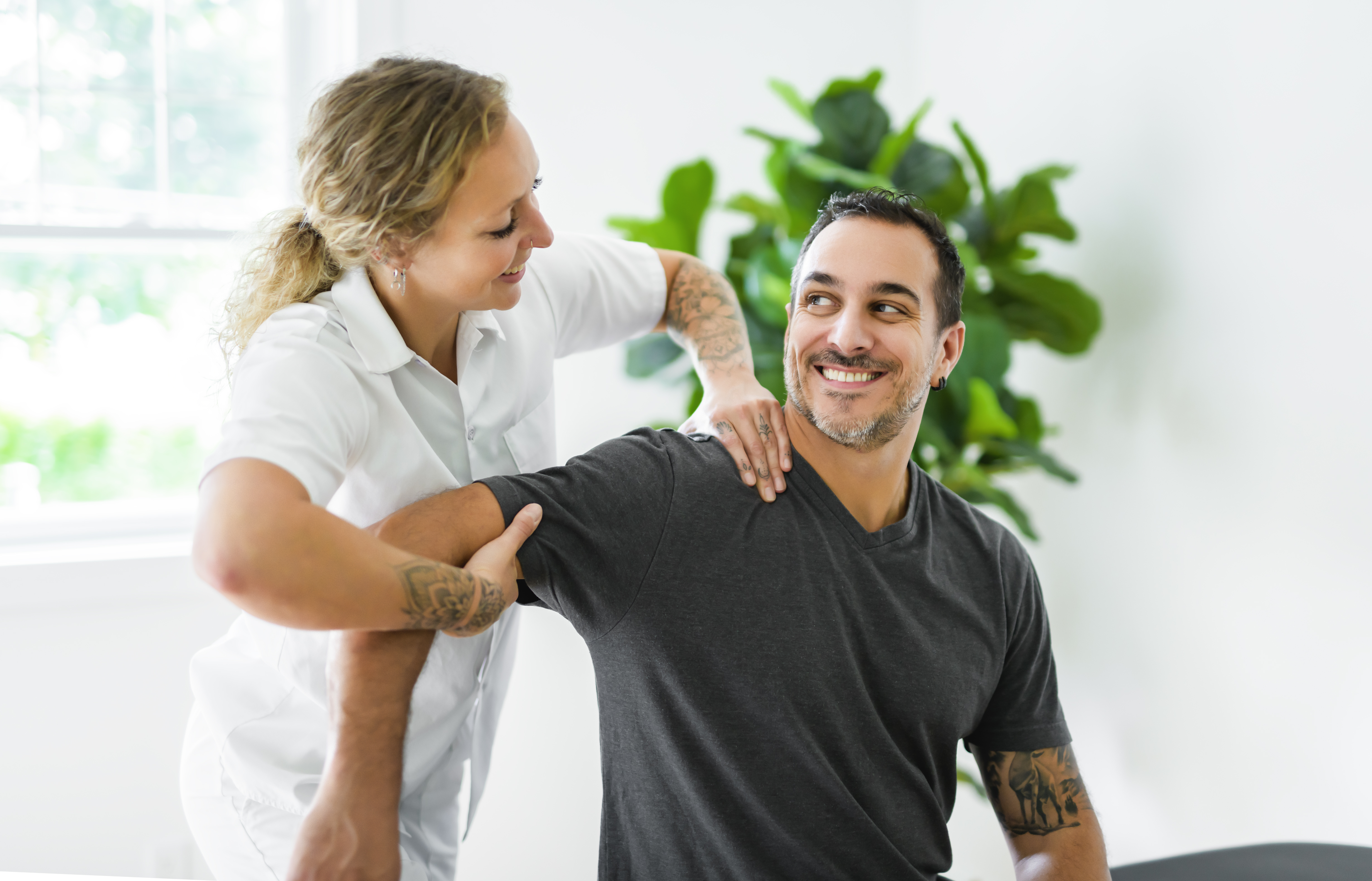
Manual therapy, a hands-on approach, plays a crucial role in healing. By gently manipulating your body, it helps ease pain and restore movement. This method is especially beneficial after injuries, as it promotes natural healing and reduces reliance on medication.

Importance of Personalised Treatment Plans

One-size-fits-all doesn't work in healthcare. Personalised plans are crafted to fit your unique needs, making them more effective. They're your blueprint to recovery, focusing on your condition and lifestyle, ensuring you're not just treated but truly understood.

Combining Therapies for Faster Recovery

gemini generated 23d33fff1c0c8e63303f


By combining therapies like physiotherapy, chiropractic, and massage, you tap into a comprehensive approach that speeds up recovery. Each therapy brings its strengths, working together to tackle the issue from all sides.

Physiotherapy for Sports Injuries

You know the drill—sports can be tough on the body. Physiotherapy steps in to restore strength and movement. Through targeted exercises, it helps heal sports injuries like sprains or strains, getting you back to your favourite activities faster.

Chiropractic for Back and Neck Pain

Chiropractic care is your go-to for spine-related issues. By adjusting misalignments, it relieves back and neck pain. The result? Improved posture and reduced discomfort, allowing you to move freely without constant aches.

Massage Therapy for Muscle Relaxation

Tight muscles can hold you back. Massage therapy addresses this by easing tension and improving circulation. It's not just about relaxation; it's about enhancing your recovery process, making those tight spots a thing of the past.

Long-term Prevention and Pain-free Living

gemini generated 707d78cfd8244f743b96


Recovery is just the start. The goal is long-term health, where you live without the constant worry of pain. With the right strategies, you can maintain this freedom.

Balance and Fall Prevention Strategies

Falls can be dangerous, especially as we age. Strategies focusing on balance enhance stability, reducing fall risk. Simple exercises can make a big difference, keeping you steady on your feet and confident in your movements.

Custom Orthotics and Bracing Benefits

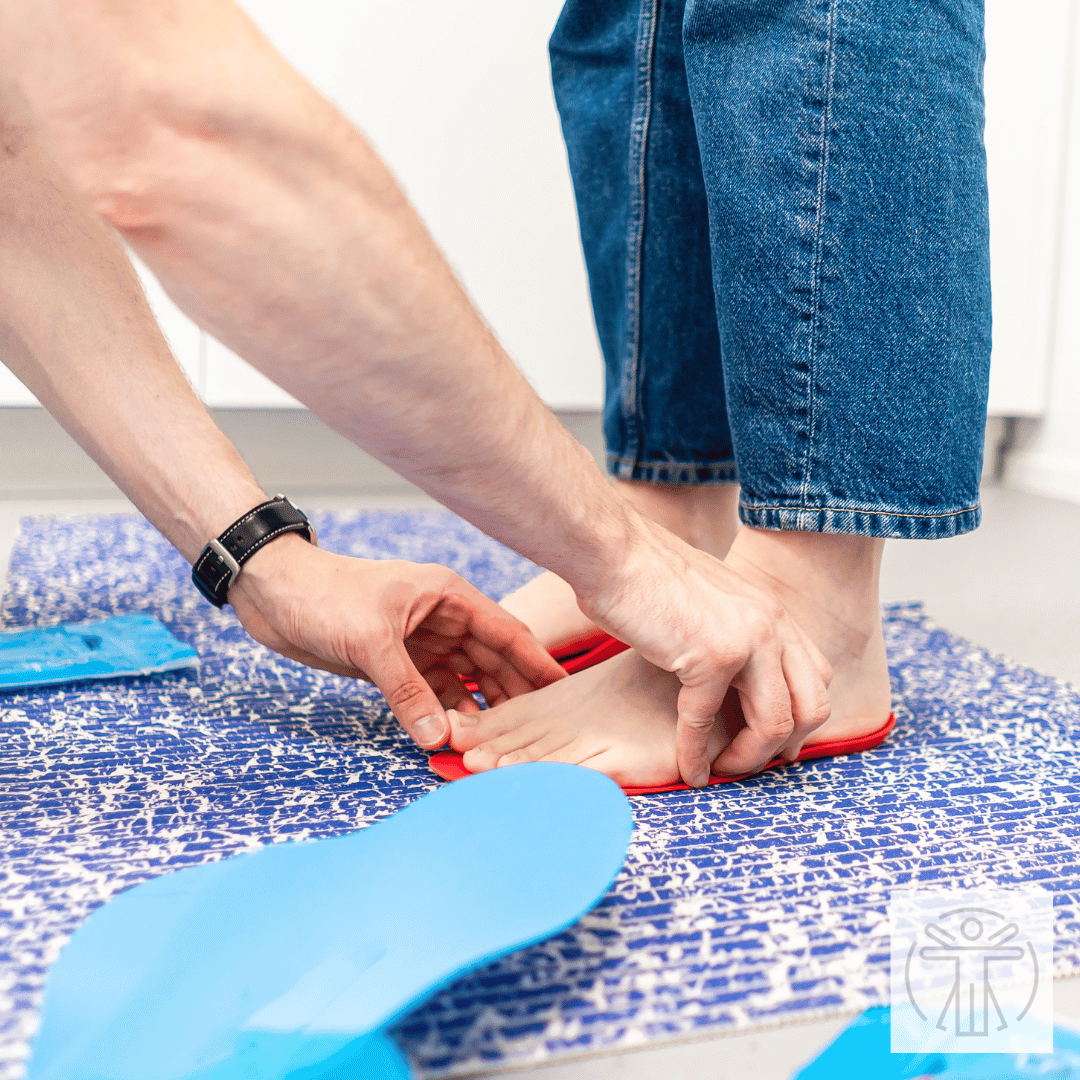
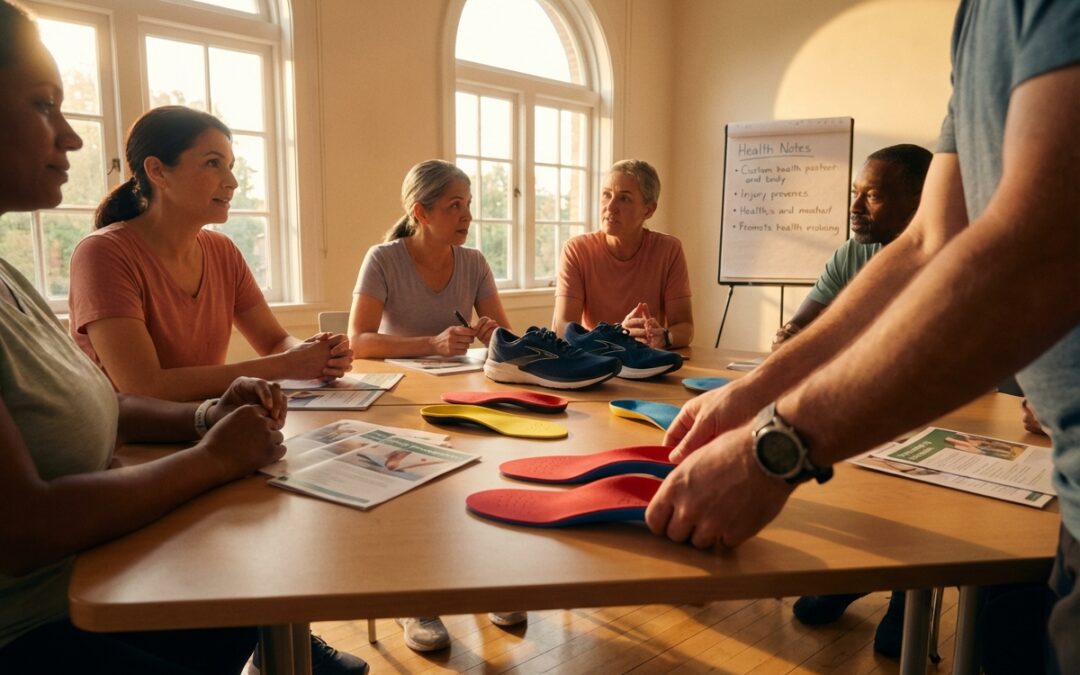
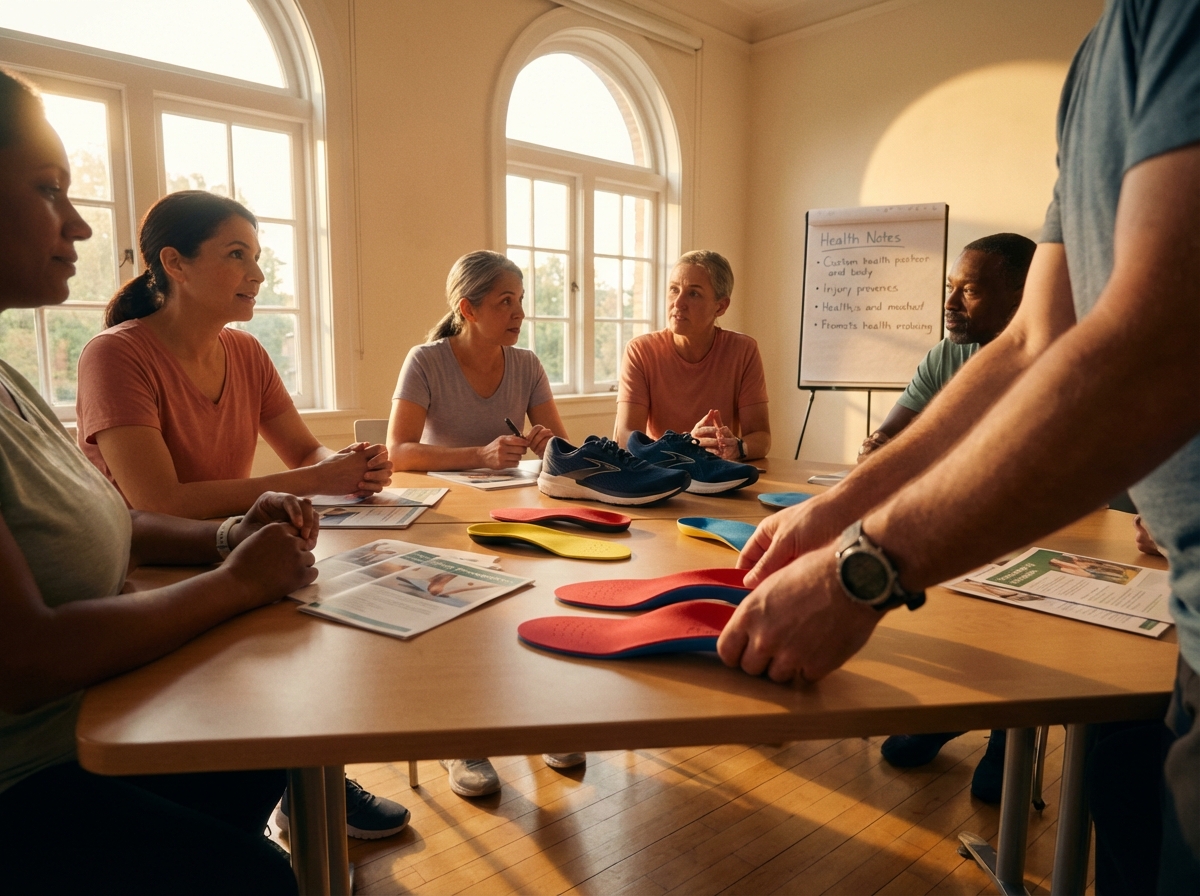
Custom orthotics and braces provide essential support. They correct foot alignment and relieve pressure, aiding in pain prevention. Whether you're standing or moving, they ensure your body is well-supported and comfortable.

Move Better, Live Better: Ongoing Support

Your journey doesn't end at recovery. Ongoing support keeps you on track, ensuring you continue to move better and live pain-free. Regular check-ins and tailored exercises help maintain your health, so you're always at your best.

In summary, embracing a multidisciplinary approach with personalised plans leads to faster recovery and long-term health. By combining therapies, you're not just healing; you're building a foundation for a pain-free, active life. Take charge of your health today and see the difference it makes.


Post‑Surgery Recovery: 7 Steps to a Personalized Rehab Plan That Works

Post‑Surgery Recovery: 7 Steps to a Personalized Rehab Plan That Works

Post‑Surgery Recovery: 7 Steps to a Personalized Rehab Plan That Works

Post-surgery recovery isn’t one-size-fits-all. You need a personalized rehab plan that fits your unique surgery and lifestyle. At MyHealth Care Centre, we’ll guide you through seven clear steps to build a safe, effective post-surgical rehabilitation program me. Ready to take control and move without pain? Let’s start with what really works.

Building Your Rehab Foundation

myhealth ca image 6e3db9dce71fd1176a9a

The first step to an effective post-surgical recovery is laying down a solid foundation. This involves understanding what your surgeon recommends and how you can incorporate that into your plan. Let's dig into the details.

Understanding Surgeon’s Protocols

Your surgeon provides key insights into your recovery. Their guidelines are not just advice—they're tailored to your surgery. Start by reviewing these instructions. Knowing what movements to avoid and what exercises to focus on helps steer your recovery in the right direction. Ask questions if anything seems unclear. This is your body, and you deserve to know what each step entails.

Conducting a Baseline Assessment

Once you understand your surgeon's protocols, the next step is assessing your current condition. This involves evaluating your range of motion, pain levels, and overall mobility. A professional therapist from MyHealth can guide you through this. They use specific tests to determine your starting point. This baseline will serve as a benchmark to track your progress over time.

Setting SMART Goals

With a baseline in place, it's time to set goals. But not just any goals—SMART goals. These are Specific, Measurable, Achievable, Relevant, and Time-bound. For instance, if you're recovering from knee surgery, you might aim to walk for 10 minutes without pain within two weeks. Such goals keep you focused and motivated, providing clarity and direction.

Effective Therapy Integration

myhealth ca image 965168b464a88b8e93b2

Having a strong foundation is crucial, but integrating effective therapies takes your recovery to the next level. Here’s how physiotherapy, massage, and other treatments can help.

Physiotherapy and Exercise Therapy

Engaging in physiotherapy is pivotal. It not only aids in rebuilding strength but also improves flexibility. Exercise therapy, guided by a professional, ensures you're performing the right movements. It’s about quality, not quantity. By focusing on posture and technique, you prevent further injury and promote healing.

Massage Therapy and Acupuncture

Massage therapy offers more than just relaxation. It alleviates muscle tension and enhances blood flow, vital for recovery. Acupuncture, on the other hand, targets specific points to reduce pain and inflammation. Used together, these therapies can accelerate your healing process, making each session a step closer to recovery.

Cold Laser Therapy and Cryotherapy

For reducing inflammation, cold laser therapy is a modern solution. It accelerates tissue repair and relieves pain without invasive procedures. Cryotherapy, involving cold exposure, complements this by reducing swelling and numbing painful areas. Incorporating these into your routine can make a significant difference.

Home Management and Progress

myhealth ca image 972f4c92c17395d934a0

Successful recovery is not just about therapy sessions—it’s also about what you do at home. Managing pain, tracking progress, and gradually returning to daily activities are crucial steps.

Pain and Swelling Management

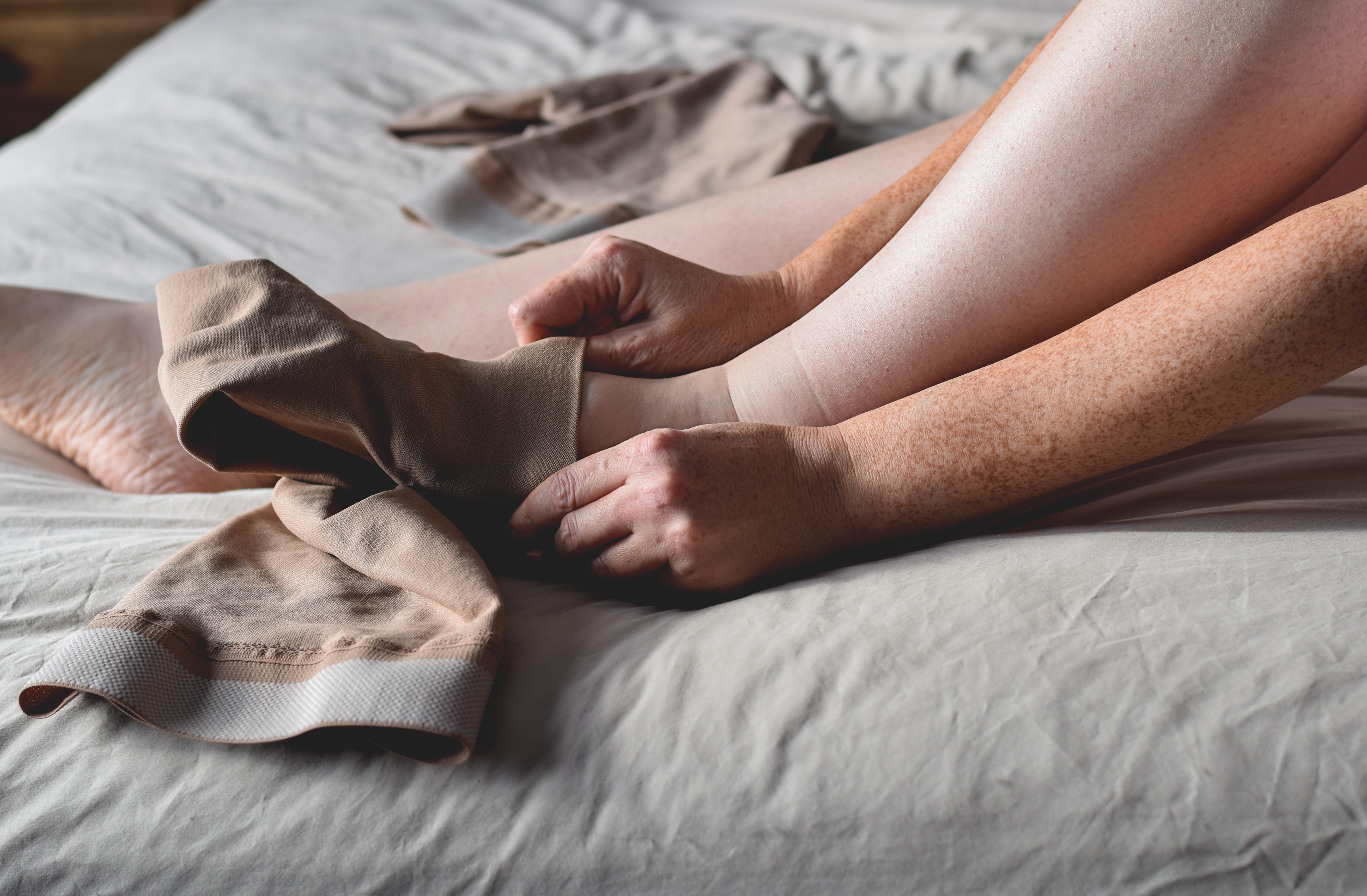
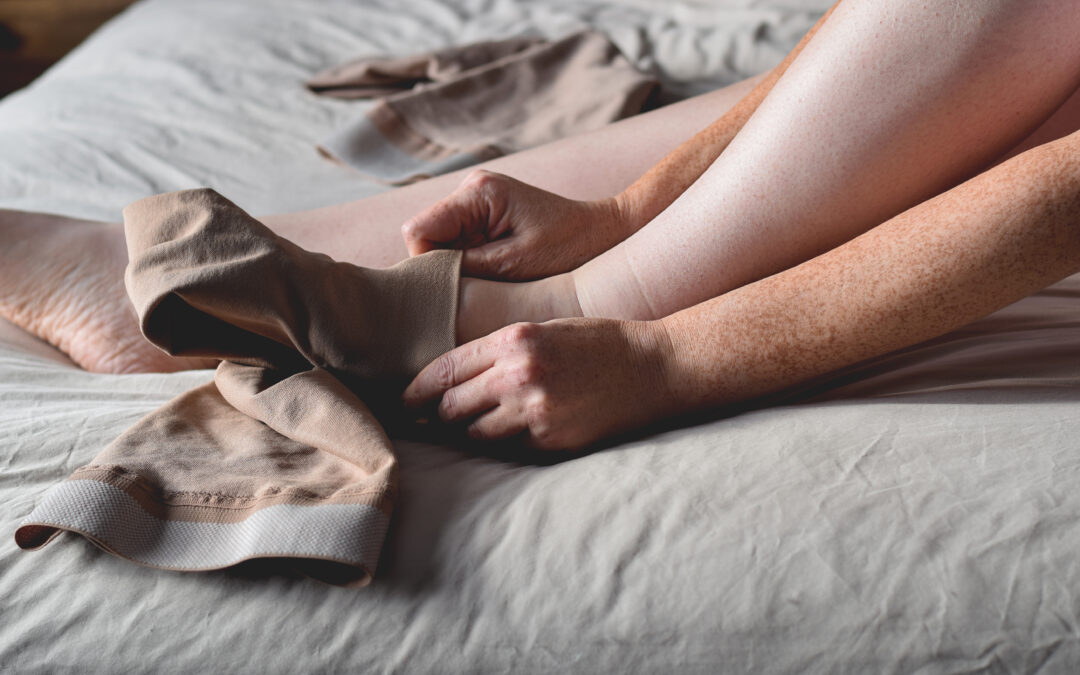
Pain management is vital in recovery. Ice packs, prescribed medication, and gentle stretches can help control discomfort. Swelling, a common post-surgery issue, can be reduced with elevation and compression socks. Managing these effectively aids in a smoother recovery journey.

Tracking Progress and Milestones

Monitoring your progress keeps you motivated. Keep a journal of your daily activities and improvements. Note any setbacks too. These records help you and your therapist adjust your plan as needed. Celebrating small victories, like taking a few extra steps, can boost your morale.

Returning to Everyday Activities

Gradually reintroducing daily activities is the final step to recovery. Begin with simple tasks like walking short distances or climbing a few stairs. As you build strength, you can resume more demanding tasks. Remember, patience is key. Rushing can lead to setbacks, so listen to your body and progress at your own pace.

In your path to recovery, remember that you're not alone. MyHealth Care Centre in Port Credit offers a team of professionals ready to support you with a personalized, evidence-based care plan. Stay committed to your journey, and soon enough, you'll be moving with confidence and ease.

Stay active, stay pain‑free: winter activity injuries in Port Credit and how to prevent them

Stay active, stay pain‑free: winter activity injuries in Port Credit and how to prevent them

Stay active, stay pain‑free: winter activity injuries in Port Credit and how to prevent them

Winter sports injuries in Port Credit catch many off guard each year. Whether you’re skating at the Memorial Arena or clearing snow from your driveway, aches and strains can sneak up fast. You don’t have to accept pain as part of the season—simple steps can keep you moving with ease. In this post, we’ll cover common injuries and share practical tips to help you stay active and pain-free all winter long. For further information, check out this resource on winter sports.

Understanding Winter Sports Injuries

image 44a962cec214f058efae


Winter sports offer a thrill, but they also bring risks. Awareness of these risks is the first step to staying injury-free. Let's explore the common injuries related to popular winter activities.

Common Skating and Hockey Injuries

Skating and hockey are beloved winter activities in Port Credit. However, they come with their share of injuries. The most frequent issues include sprained ankles, bruises, and rotator cuff strains.

  • Ankle Sprains: These occur when your foot twists awkwardly, often due to uneven surfaces or sudden movements. Wearing supportive skates can help.

  • Rotator Cuff Strains: Common in hockey, these result from repetitive shoulder movements. Strengthening exercises can reduce the risk.

Most people think these injuries are unavoidable, but strengthening and conditioning can significantly reduce their occurrence. If you’re concerned about shoulder injuries, seek advice from a Mississauga chiropractor for preventive tips.

Preventing Sledging Mishaps

Sledging is fun, but it can lead to injuries if not done safely. The most common mishaps include collisions and falls.

  • Collisions: These happen when sleds crash into each other or obstacles. Always choose a clear path and wear helmets for safety.

  • Falls: Slipping off the sled can cause bruises or fractures. Sitting securely and holding on tight helps prevent falls.

Many assume sledging is all fun and games, but proper precautions are crucial. Stay alert and enjoy a worry-free ride with these simple measures.

Strategies for Injury Prevention

image 79cdbac3560ac3fc25da


Prevention is better than cure. By taking a few smart steps, you can enjoy winter sports while steering clear of injuries.

Protecting Against Snow Shovelling Back Pain

Shovelling snow is a necessary chore, but it can strain your back if done incorrectly. Avoid unnecessary pain with these tips:

  1. Warm-Up: Treat shovelling like an exercise. Stretch your muscles before you start. This prevents sudden strains.

  2. Use Proper Technique: Push the snow instead of lifting it. If you must lift, bend your knees and keep your back straight.

Ignoring these tips can lead to severe back pain. The longer you wait to adopt proper techniques, the more strain you put on your body. Don't let snow turn into an enemy—shovel smartly.

Avoiding Slips and Falls on Ice

Ice is a hidden hazard during winter walks. Falls can lead to serious injuries, so staying vigilant is key.

  • Wear the Right Footwear: Shoes with good traction are essential for walking on ice. They reduce the likelihood of slips.

  • Take Small Steps: Short steps and a slight shuffle can help maintain balance on icy surfaces.

You might think walking on ice is just about being careful, but preparation and the right gear make all the difference. Don't underestimate the power of good footwear and cautious movement.

Integrated Care for Recovery

myhealth ca image de9923d10e9fc6280451


Despite best efforts, injuries can happen. When they do, integrated care can accelerate recovery and get you back on your feet.

Benefits of Physiotherapy and Chiropractic

Physiotherapy and chiropractic care offer effective solutions for winter sports injuries. Here's how they help:

  • Physiotherapy: Aids in recovery through tailored exercises that strengthen injured areas and restore mobility.

  • Chiropractic Care: Adjustments can alleviate pain, especially for spinal issues and misalignments caused by falls or strains.

These therapies complement each other, providing a holistic approach to healing. Most people think recovery is slow, but integrated care can speed it up significantly.

Utilising Custom Orthotics and Acupuncture

Custom orthotics and acupuncture are excellent additions to your recovery plan. They target specific issues, offering precise solutions.

  • Custom Orthotics: These offer support and alignment, reducing stress on joints and preventing further injury.

  • Acupuncture: This ancient practice reduces pain and inflammation, promoting healing from within.

While some might see these as unconventional, their benefits are well-documented. Embrace these therapies for a comprehensive recovery strategy.

In conclusion, staying active and pain-free during winter requires awareness and proactive measures. Educate yourself, take preventive steps, and seek integrated care for a healthier, more enjoyable winter season.


Patient Power in Port Credit: Empowerment for Long‑Term Pain Relief and Everyday Wellbeing

Patient Power in Port Credit: Empowerment for Long‑Term Pain Relief and Everyday Wellbeing

Patient Power in Port Credit: Empowerment for Long-Term Pain Relief and Everyday Wellbeing

Long-term pain doesn’t have to control your life. Taking charge through patient empowerment puts you in the driver’s seat for lasting relief and everyday wellbeing. At MyHealth Care Centre in Port Credit, we combine personalised care plans with proven self-management strategies to help you move better and feel stronger every day. Keep reading to learn how you can build a pain-free future with support tailored just for you. Learn more about pain management.


Empowerment Through Education

myhealth ca image 062766a075d5a249ad8e


Being informed about your health is the first step to taking control. Let's explore how understanding and education can empower you to handle long-term pain effectively.

Understanding Patient Empowerment

Feeling in charge of your health makes a big difference. When you're empowered, you become an active partner in your care. This means you work closely with your healthcare team, making informed decisions that suit your lifestyle and health needs. Studies show that patients who are engaged in their care experience better outcomes and fewer complications[^1^]. It's about knowing your options, asking questions, and setting goals that matter to you.

Feeling empowered also builds confidence. It encourages you to speak up about your concerns and preferences. Most people think healthcare is something done to them, but really, it's something you do with your healthcare provider. With the right support, you can navigate challenges and make choices that lead to better health.

Pain Education and Its Benefits

Understanding pain is crucial. Pain education helps you learn why you hurt and how to manage it better. Knowing the science behind your symptoms can reduce anxiety and improve your coping strategies. Many think pain is just something to endure, but education reveals ways to address it effectively.

At MyHealth Care Centre, we offer education sessions that explain pain mechanics in simple terms. Here's the key insight: Pain doesn't always mean damage. Sometimes, it's the body's way of protecting you. By learning this, you can approach recovery with less fear and more control.

Pain education is a powerful tool. It helps you set realistic expectations and understand treatment options. When you know more, you can do more to manage your pain and improve your quality of life.

Practical Self-Management Strategies

myhealth ca image b2038137b81eb9036201


Now that you’ve grasped the power of knowledge, it’s time to put it into action. Self-management strategies can give you the tools to handle pain every day.

Goal Setting for Rehab Success

Setting goals is like having a map for your recovery journey. Clear goals keep you focused and motivated. They help measure progress and celebrate small victories along the way. At MyHealth, we guide you in setting achievable targets tailored to your needs.

  1. Start Small: Choose simple, easy-to-reach goals.

  2. Be Specific: Instead of "I want to feel better," try "I want to walk for 10 minutes without pain."

  3. Track Progress: Keep a journal or use apps to note improvements.

Remember, your goals are personal. They should reflect what you want to achieve, not what others expect. This approach ensures you're working towards what's truly important to you.

Exercise Therapy for Chronic Pain Relief

Exercise is a cornerstone of pain management. It may seem counterintuitive, but moving more can actually help reduce pain. Exercise therapy, designed by professionals, can improve strength, flexibility, and mood[^2^].

Here's a brief story: Jane, a busy professional from Port Credit, struggled with chronic back pain. By incorporating gentle stretches and strengthening exercises into her routine, she found relief and regained her active lifestyle. Her insights include:

  • Consistency Matters: Regular activity brings the best results.

  • Listen to Your Body: If something hurts, modify the exercise.

  • Celebrate Small Wins: Each pain-free day is progress.

Exercise therapy isn't about pushing through pain. It's about finding movements that support healing and build resilience.

Personalised Care Plans at MyHealth Care Centre

unnamed 2 a6954bc7ddcb445c1094


With self-management strategies in your toolkit, let's see how MyHealth Care Centre can tailor care plans to fit your unique needs.

Integrated Healthcare Approach

Our integrated healthcare approach combines various therapies to address all aspects of your health. This means you get a team of experts working together to craft a plan just for you. At MyHealth, we believe in addressing the root cause of pain, not just symptoms[^3^].

Imagine a care plan that includes physiotherapy, chiropractic, massage, and more—all coordinated to ensure smooth, comprehensive care. This collaboration not only speeds up recovery but also enhances overall wellbeing. By weaving together these therapies, we offer a seamless path to health.

Balance and Fall Prevention Techniques

Balance issues can lead to falls, especially in older adults. Our balance and fall prevention programs focus on building strength and stability to keep you safe and active.

  1. Assess Your Balance: Our experts evaluate your current stability level.

  2. Custom Exercises: We design exercises that strengthen muscles and improve coordination.

  3. Safety Tips: Learn how to prevent falls at home and outdoors.

Most people think falls are inevitable with age, but with the right strategies, they can be prevented. Our programs empower you to move confidently and reduce the risk of falls.

In conclusion, patient empowerment is the key to managing pain and enhancing your wellbeing. At MyHealth Care Centre, we partner with you on this journey, offering personalised care and proven strategies to help you live a pain-free life. Remember, you're not alone in this—our team is here to support you every step of the way.

[^1^]: Understanding Patient Empowerment
[^2^]: Exercise Therapy Benefits
[^3^]: Integrated Healthcare Approach

Book Online


Incorporating Everyday Wellness into Your Routine