Stay Steady: Fall Prevention and Balance Strategies for Older Adults in Port Credit
Falls are the leading cause of injury for older adults, but many don’t realise how much simple steps can lower their risk. When you focus on balance training Mississauga offers, you gain more than stability—you build confidence to move freely and safely every day. At MyHealth Care Centre, our Balance & Fall Prevention Programme combines expert care with personalised plans designed just for you. Ready to take control and stay steady?
Understanding Fall Risks
To prevent falls, understanding the risks involved is crucial. Older adults face various challenges that increase fall chances, but recognising these can make all the difference. Let’s explore what typically causes these accidents and how you can identify your personal risks.
Common Causes of Falls
Many factors contribute to falls, especially in seniors. Poor lighting, uneven surfaces, and clutter are major environmental hazards. Home modifications like adding grab bars or improving lighting can significantly reduce risks. Health issues such as vision impairment, medications, and muscle weakness also play a vital role. Regular check-ups and discussing medication side effects with your doctor can help address these issues.
Simple activities like walking downstairs can become a challenge without proper precautions. Consider wearing shoes with good grip and avoiding loose rugs. These small changes create a safer environment and minimise fall chances.
Identifying Personal Risk Factors
Knowing your unique risk factors empowers you to take preventive action. If you've experienced dizziness or a previous fall, your risk increases. Regular health assessments can identify underlying conditions affecting balance, like arthritis or low blood pressure. Did you know? Over 30% of seniors who fall may experience serious injuries leading to hospitalisation.
Another key factor is inactivity. Muscles weaken over time if not used regularly. Engage in gentle exercises to maintain strength and improve balance. A gait and posture assessment can highlight areas to work on for stability.
Strategies for Fall Prevention
Addressing fall risks involves proactive strategies. By focusing on specific exercises and training, you can enhance your balance and minimise fall chances. Here’s how you can take charge of your safety and confidence with effective techniques.
Balance Training Mississauga
Balance training is a powerful tool in fall prevention. In Mississauga, programs tailor exercises to improve coordination and stability. These sessions focus on core strength and posture, which are vital for maintaining balance. Whether you prefer group classes or one-on-one training, options are available to suit your needs.
Imagine feeling confident walking on uneven surfaces or navigating stairs without fear. Balance training can make this a reality. Consistent practice leads to improved reflexes and muscle memory, reducing the risk of falls. Most people think it requires rigorous activity, but even simple routines can yield significant benefits.
Strength and Flexibility Exercises
Building strength and flexibility is essential in maintaining balance as you age. Exercises such as Tai Chi or yoga are excellent for enhancing flexibility and core stability. Incorporating these into your routine not only helps prevent falls but also boosts overall well-being.
Resistance training is another effective method. Using weights or resistance bands helps strengthen muscles, supporting your joints and improving balance. You might start with a simple routine that gradually increases in intensity as your strength improves.
Flexibility exercises ensure your body remains limber, reducing stiffness that can lead to falls. Stretching regularly keeps muscles and joints flexible, making daily movements smoother and safer.
MyHealth Care Centre's Approach
At MyHealth Care Centre, we understand fall prevention is a personal journey. Our integrated approach combines expert assessments with personalised care plans. Here’s how we support you in staying steady and safe.
Personalised Assessment and Plan
Our process begins with a thorough assessment to identify your specific fall risks. From there, we create a custom plan addressing your unique needs. This tailored approach ensures you receive the most effective strategies for fall prevention.
Each plan includes targeted exercises and lifestyle adjustments. We guide you through every step, ensuring you feel confident and supported. Here's the key insight: personalised care leads to better outcomes because it addresses your individual challenges and goals.
Integrated Health Clinic Port Credit
Being part of the Port Credit community, we offer a comprehensive, integrated approach to health care. Our clinic combines physiotherapy, chiropractic care, and more to provide holistic treatment. Learn more about our integrated solutions and how they can enhance your balance and reduce fall risks.
Our multi-disciplinary team collaborates to give you the best care possible. Whether you need custom orthotics or massage therapy, our services cover all aspects of fall prevention. Remember: The longer you wait, the more you risk a fall. Take action now to ensure a safer future.
With these insights and strategies, you're now equipped to tackle fall risks head-on. Prioritise your safety by adopting proactive measures and seeking expert guidance. Stay confident and active with MyHealth Care Centre's support.
Stronger for Longer: Balancing Treatment and Prevention for Active Lives in Port Credit
Most people push through pain, hoping it’ll disappear on its own. But ignoring warning signs can turn a small setback into a long-term problem. At MyHealth Care Centre, your Port Credit physiotherapy experts, we help you spot when it’s time for treatment—and when prevention should take priority—so you can keep moving pain-free for years to come. Read more about the importance of physical activity and prevention here.
Balancing Treatment and Prevention
Finding the right balance between treatment and prevention is crucial for maintaining an active lifestyle. Let’s explore when to focus on getting the treatment you need and when to prioritise prevention for the long haul.
When to Focus on Treatment
When pain strikes, it’s tempting to wait and see if it will pass. But addressing issues early can often prevent bigger problems. You might need treatment if you're noticing:
Persistent pain that doesn’t improve with rest.
Limited movement affecting daily activities.
Swelling or inflammation that doesn’t subside.
In these cases, seeking guidance from your local Port Credit physiotherapy clinic can help. Physiotherapists provide targeted exercises and therapies, restoring movement and strength. They also identify the root cause of your pain, ensuring that you receive care tailored to your specific needs. By addressing these issues promptly, you set the stage for effective recovery and a quicker return to your favourite activities.
Prioritising Prevention for Longevity
Prevention is always better than cure. By focusing on preventive measures, you can maintain an active lifestyle with fewer interruptions. Consider these strategies:
Regular exercise keeps your body strong and flexible. Activities like swimming, cycling, or yoga can enhance joint stability and muscle balance.
Mindful movement techniques, like Pilates or tai chi, can improve posture and body awareness, reducing injury risk.
Consistent preventive practices contribute to long-term health benefits. By incorporating these habits into your daily routine, you're investing in a future where you can enjoy life without the burden of pain. Most people think they don’t need these until an issue arises, but starting now ensures a healthier tomorrow.
Integrated Plans for Pain-Free Movement
Combining treatment with prevention creates a comprehensive approach to health. Integrated plans involve:
Collaborative care from physiotherapists, chiropractors, and massage therapists.
Customised routines that include exercises and lifestyle modifications tailored to your needs.
At MyHealth Care Centre, we believe in the power of an integrated approach. This means you’re not just treating symptoms but also addressing the factors that contribute to them. Our integrated health solutions are designed to support your journey to a pain-free life, ensuring every aspect of your health is considered.
Active Lifestyle Tips and Strategies
Living an active lifestyle requires more than just movement. It involves strategies to prevent injury, support recovery, and enhance everyday activities.
Injury Prevention Strategies
Preventing injuries is key to staying active. Here’s how you can keep injuries at bay:
Warm-up before activities: Prepare your muscles with dynamic stretches to increase blood flow and flexibility.
Strengthening exercises: Build muscle support around joints to enhance stability.
Proper technique: Ensure you’re using the correct form during activities to avoid unnecessary strain.
Recovering from surgery can be daunting, but with the right plan, you can regain your strength and mobility. Our Mississauga physiotherapy clinic offers:
Tailored rehabilitation programs that focus on your specific surgery and recovery goals.
Guided exercises to restore function and minimise complications.
Rehabilitation isn’t just about healing, but about rebuilding confidence in your body. With professional support, you can return to your activities stronger than before.
Custom Orthotics and Bracing Benefits
Custom orthotics and bracing offer unique benefits for those needing extra support:
Orthotics can improve foot mechanics, reducing pain and preventing future injuries.
Braces provide stability for weakened joints, allowing safe movement during recovery phases.
Being part of the Port Credit community, we understand local needs and lifestyles. Our solutions are designed to:
Support community health initiatives.
Offer accessible and effective care options for everyone.
We believe that health is a journey best undertaken together. Our community-centred health solutions ensure that you’re never alone on this path. We’re here to support you every step of the way, providing the resources and care you need to live an active, pain-free life.
Love Winter, Skip the Injuries: Port Credit’s guide to safe skating, running and snow shoveling
Winter’s beauty often hides a harsh truth: injuries spike when cold weather hits Port Credit. Slips on icy paths, overdoing it while shoveling, or pushing too hard on the Waterfront Trail can leave you sidelined. Knowing how to spot risks and care for aches early keeps you moving strong. This guide shares simple steps for skating injury prevention, managing knee pain from skiing Ontario trails, and beating snow shoveling back pain—so you stay active all season. For more information, visit this link.
Preventing Common Winter Injuries
Winter activities can be thrilling but come with their own set of risks. By being prepared, you can enjoy the season without setbacks.
Skating Safety on Icy Surfaces
Gliding on ice is exhilarating but demands caution. The key is preparation. Before lacing up, inspect your skates for a snug fit and sharp blades. A well-fitting helmet is also essential. If you’re new to the ice, consider taking a lesson to learn how to stop safely.
Once on the ice, keep your knees slightly bent. This posture helps maintain balance and absorb shocks. If you feel yourself falling, try to land on your side to minimise injury. Remember, most people think speed is the only risk, but standing still on ice can be equally tricky if you're tense.
Running Tips for the Waterfront Trail
Running in winter can be refreshing. The crisp air and serene surroundings make it worthwhile. Dress in layers to stay warm and dry. Reflective gear is a must for those shorter days, ensuring you’re visible to others.
When running on the Waterfront Trail, watch for icy patches. Shorten your stride to maintain control. If you're dealing with knee pain from past runs, consider using custom orthotics. They provide support and can reduce strain on your joints. Hydration might seem less urgent in cold weather, but it remains crucial.
Snow Shovelling Back Pain Prevention
Shovelling snow is great exercise, but it can strain your back if done incorrectly. Start with warm-up stretches. Use a lightweight shovel and push snow instead of lifting whenever possible.
Adopt a staggered stance, with one foot ahead of the other. This improves stability and power. If you lift, bend at the knees, not the waist. Take frequent breaks to avoid fatigue. Remember, the longer you wait to clear snow, the heavier it becomes, increasing your risk of back pain.
Effective Injury Management Strategies
If injuries occur, acting quickly makes all the difference. Recovery doesn’t have to be a long haul.
Quick Wins for Fast Recovery
The first hours post-injury are crucial. Cold therapy can help reduce swelling. Apply an ice pack wrapped in a cloth to the affected area for 15 minutes every hour. Keep the injured part elevated to decrease swelling.
Rest is vital, but complete immobility isn’t always the answer. Gentle movements can maintain flexibility and circulation. Most people think resting too much is beneficial, but it can lead to stiffness.
Integrated Therapies for Holistic Care
Addressing injuries from different angles speeds up healing. Combining therapies like massage and acupuncture for pain relief can be beneficial. Massage helps with muscle tension, while acupuncture targets pain points and encourages healing.
At MyHealth Care Centre, our approach involves a team of specialists working together. Our Port Credit chiropractor might collaborate with a physiotherapist to create a tailored plan for you. This comprehensive care ensures all aspects of your recovery are covered.
Personalised Home Exercise Plans
Once initial pain subsides, maintaining strength and flexibility is crucial. A home exercise plan can be a game changer. These exercises are simple but effective, designed to fit into your daily routine without much hassle.
Your plan might include stretches to enhance mobility or exercises to build strength. The goal is to prevent future injuries and encourage a return to normal activities. It’s not just about recovery; it’s about empowering you to stay active.
Support from MyHealth Care Centre
Support during recovery is key, and having the right team makes all the difference.
Balance and Fall Prevention Programmes
Our balance and fall prevention programmes are designed to improve stability. Through targeted exercises, you can increase your strength and reduce the risk of falls. These programmes are especially beneficial for older adults or those recovering from injuries.
Specialised Therapies: Acupuncture, Cryotherapy
We offer a range of therapies tailored to your needs. Acupuncture helps with pain relief, while cryotherapy reduces inflammation in acute injuries. Our experts ensure these treatments fit seamlessly into your recovery plan.
Booking Your Winter Injury Prevention Assessment
Taking proactive steps can save you from setbacks. Our winter injury prevention assessments evaluate your risks and offer strategies to keep you safe. Our experts guide you through exercises and tips specific to your lifestyle.
In summary, staying active in winter is possible with the right precautions and support. MyHealth Care Centre is here to help you enjoy the season without worry. With comprehensive care and personalised plans, you can embrace winter with confidence.
Stay Active This Winter in Port Credit: Common Injuries from Seasonal Activities and How to Prevent Them
Winter’s charm in Port Credit brings plenty of chances to stay active—skating at Memorial Arena, brisk walks in Jack Darling Park, or hitting the Waterfront Trail for a run. But these favorite activities come with their own risks, from ankle sprains on ice to knee pain in winter. Let’s explore how to spot common winter sports injuries Mississauga locals face and, most importantly, how to prevent them so you can keep moving strong all season long.
Common Winter Sports Injuries
Winter sports are fun, but they can sometimes lead to unexpected injuries. Understanding these can help keep you safe while enjoying the season.
Ice Skating Injury Prevention
Ice skating at Port Credit Memorial Arena is a beloved winter activity. But it’s not without risks. Falls can lead to sprains or even fractures. To keep your balance on the ice, start with simple warm-up exercises. Stretch your legs and arms to get your muscles ready. Wearing properly fitted skates is also crucial. They should support your ankles firmly without being too tight. If you're new to skating, consider taking a lesson or two. A coach can teach you how to stop and fall safely. For more on skating safety, most people think they need speed, but control is the key.
Hockey Shoulder Injury Tips
Hockey is thrilling but can be tough on your shoulders. Collisions can cause painful dislocations. To protect yourself, focus on strengthening your shoulder muscles. Simple exercises like arm circles and wall push-ups can help. Wearing shoulder pads that fit well is also essential. They should cover your shoulders entirely without restricting movement. Also, remember the importance of warming up before each game. Cold muscles are more prone to injury. Don’t underestimate the power of a good warm-up routine.
Ankle Sprain on Ice
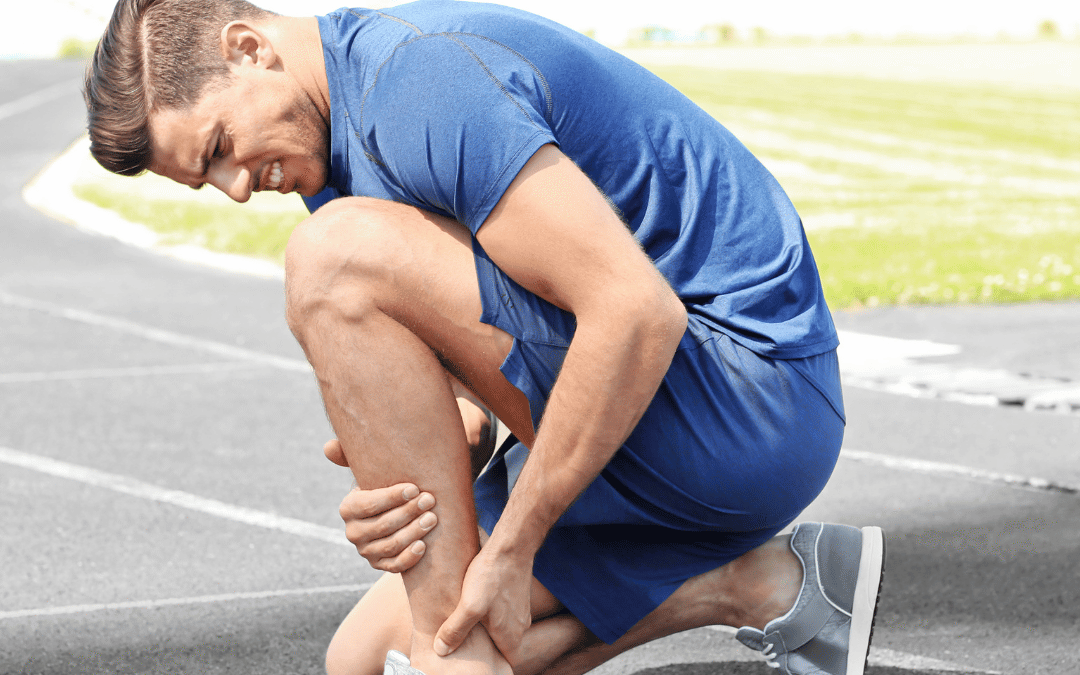
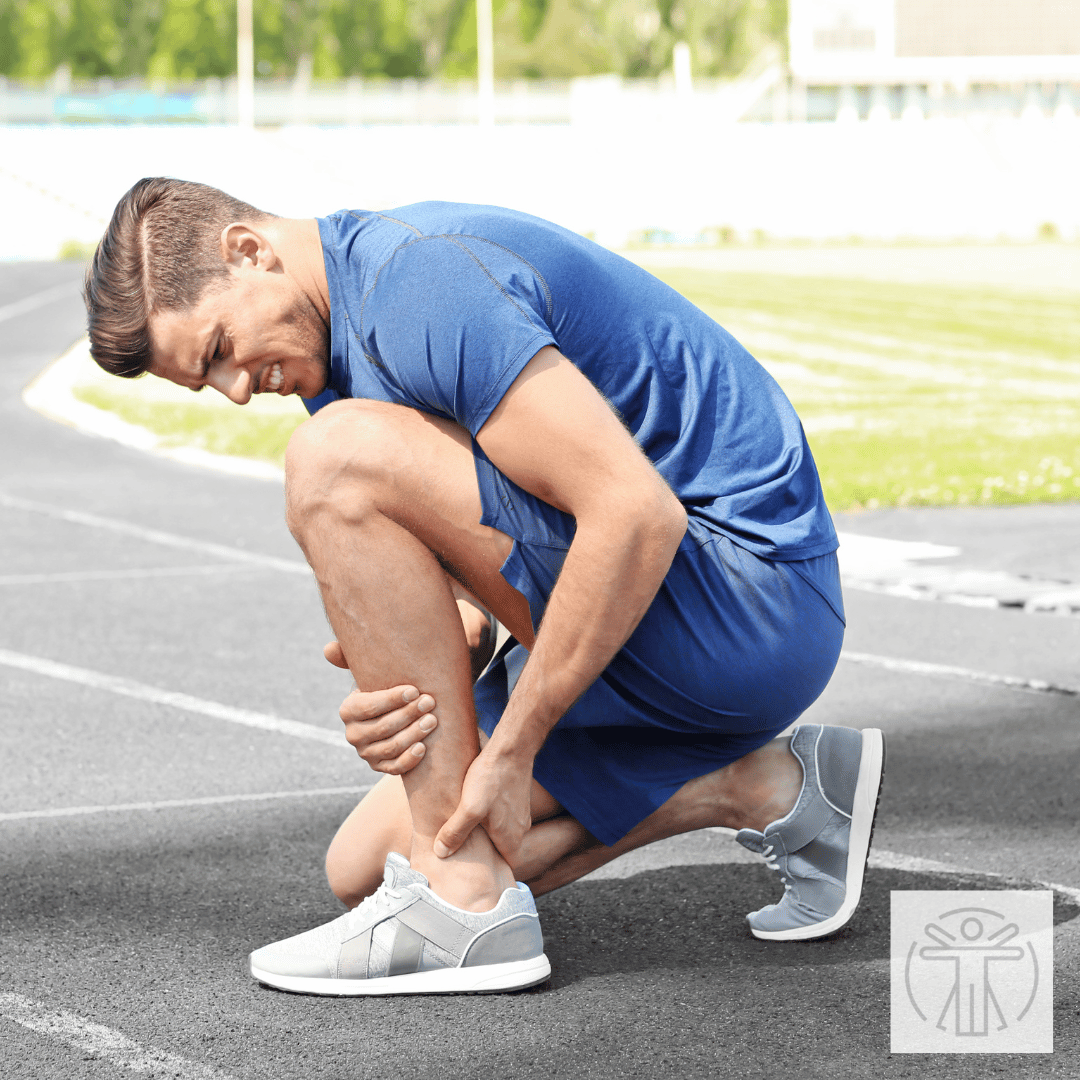
Ankle sprains are common when running on icy paths or trails. To minimise your risk, wear shoes with good traction. Look for options with deep treads that grip the ground well. Practicing balance exercises such as standing on one foot can also improve your stability. If you do sprain your ankle, rest is vital. Avoid putting weight on it and use ice to reduce swelling. Keep it elevated when possible. Remember, pushing through pain can lead to longer recovery times.
Prevention Strategies for Winter Activities
Staying active in winter is great for your health, but preparation is key to avoiding injuries.
Slip and Fall Prevention in Port Credit
Slips and falls are more likely during winter walks. To stay safe, choose footwear with slip-resistant soles. Walking slowly and taking shorter steps can also help maintain balance. If you’re planning a walk in Jack Darling Park, consider using walking poles. They provide extra stability on slippery paths. During walks, stay aware of your surroundings. Avoid distractions like your phone. The longer you wait to put safety first, the more you risk a fall.
Knee Pain Relief in Winter
Cold weather can exacerbate knee pain, especially during runs on the Waterfront Trail. To alleviate discomfort, start with low-impact activities like cycling or swimming. Wearing compression sleeves can also provide support and warmth to your knees. Incorporate gentle stretches into your routine to keep your knees flexible. If knee pain persists, consider consulting a Port Credit physiotherapist. They can offer tailored exercises to strengthen your knees.
Back Strain from Snow Shovelling
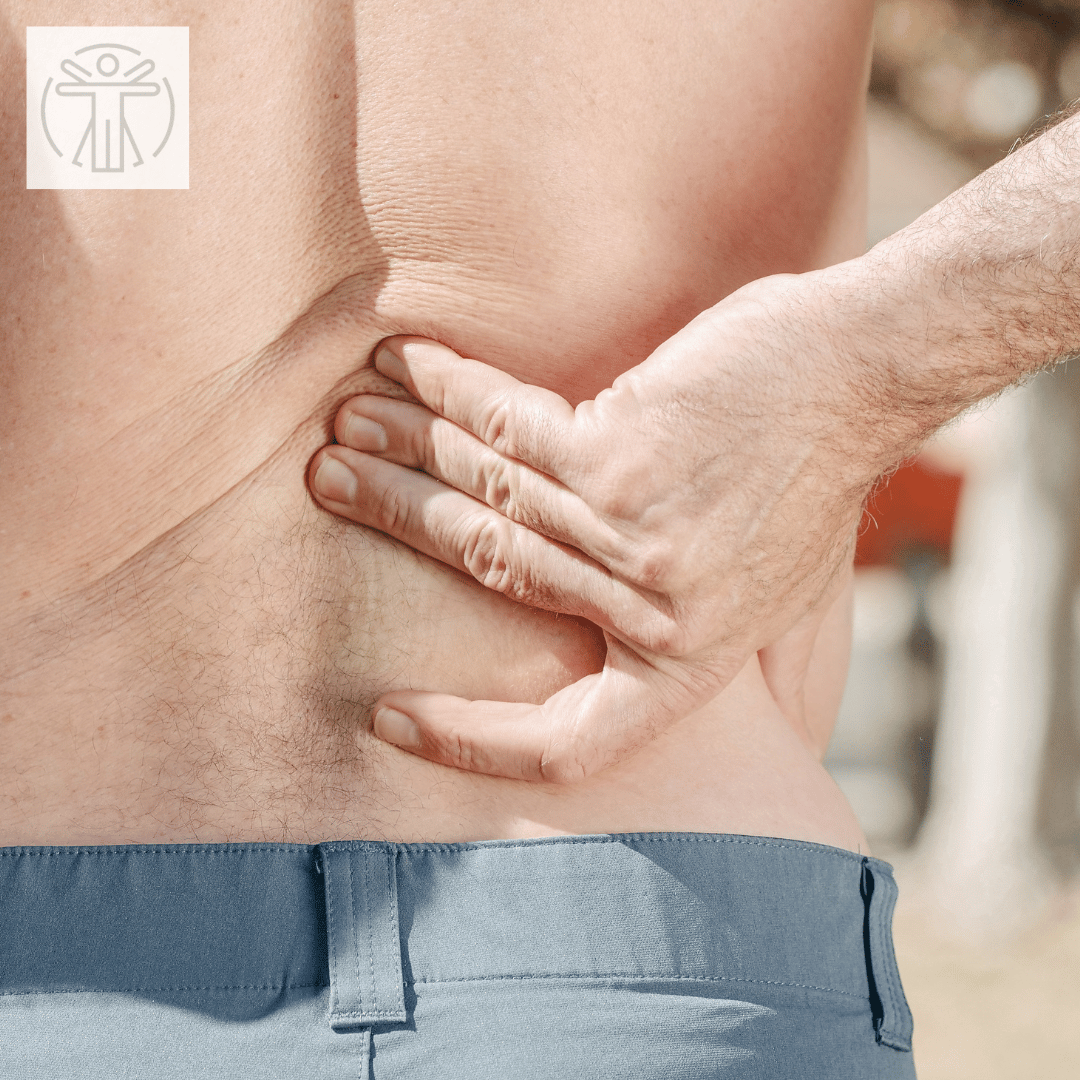
Shovelling snow is necessary but can strain your back. To avoid injury, use a shovel with a long handle, so you don’t have to bend over too much. Lift with your legs, not your back, and take breaks often. Consider doing some light stretches before you start. Stretching can warm up your muscles and prevent strain. If you feel any discomfort, stop immediately. Ignoring back pain could lead to more severe issues.
Holistic Recovery and Rehabilitation
When injuries do happen, recovering correctly is crucial to getting back on your feet.
Port Credit Physiotherapy Services
Physiotherapy offers a structured path to recovery. At MyHealth Care Centre, our integrated care model ensures you get the support you need. Our physiotherapists design customised treatment plans to address your specific injuries. They incorporate the latest techniques to facilitate healing and prevent future injury. Whether it’s a sprain, strain, or pain, our team is here to help you move better.
Benefits of Acupuncture for Pain in Mississauga
Acupuncture is a holistic pain management technique gaining popularity. It involves inserting tiny needles into specific points to relieve pain. Many find it reduces inflammation and promotes healing. If you’re dealing with chronic pain, acupuncture could be a valuable addition to your treatment plan. Our MyHealth Care Centre offers various therapies tailored to your needs.
Cold Laser Therapy and Cryotherapy Options
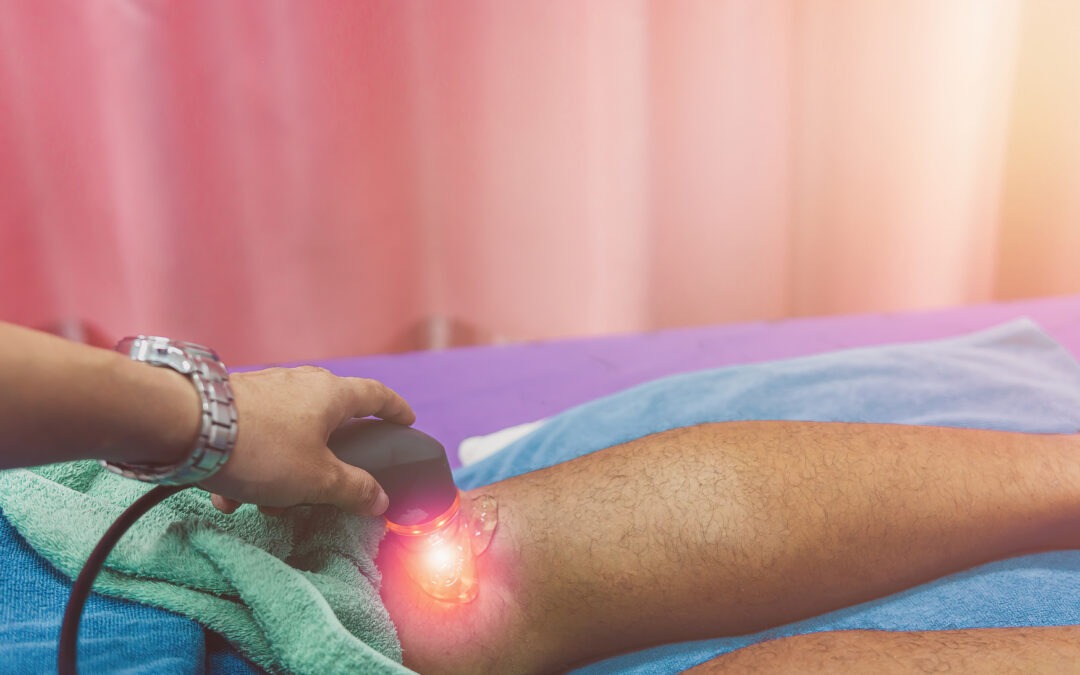
Cold laser therapy and cryotherapy are advanced treatment options for pain relief. They work by targeting affected areas to reduce pain and inflammation. Cold laser therapy uses low-level lasers to stimulate healing, while cryotherapy uses cold temperatures to numb pain. Both are non-invasive and can be part of your recovery journey. At MyHealth Care Centre, we offer these therapies to help you recover and regain your active lifestyle.
Staying active during winter doesn’t have to mean risking injury. With the right preparation and support, you can enjoy all your favourite activities safely. Remember, prevention and recovery are key to a pain-free season. If you need support, MyHealth Care Centre in Port Credit is ready to help you move better and live better.
Stay active this winter in Port Credit: prevent and treat common injuries
Winter in Port Credit brings fresh air and outdoor fun—but it also brings a rise in winter activity injuries. Whether you’re skating at the local rink, shovelling snow, or hitting the trails for a run, aches and strains can easily slow you down. In this post, you’ll learn how to spot common issues and practical ways to protect yourself, plus how our team at MyHealth Care Centre helps you recover quickly and safely. For more information on preventing winter sports injuries, visit this link.
Table of Contents
Common Winter Injuries
Winter activities are thrilling, yet they come with their own set of risks. Understanding these common injuries helps you enjoy the season while staying safe. Let's dive into the potential hazards of popular winter activities.
Skating and Hockey Hazards
Skating and hockey can be exhilarating, but they often lead to falls and collisions. These mishaps can result in sprains, fractures, and shoulder injuries. For instance, a sudden fall on the ice may cause a wrist fracture. Moreover, hockey players are prone to shoulder injuries due to frequent body contact. Wearing protective gear is vital. Ensure your skates fit well to provide stability and reduce fall risks. If you're new to skating, consider lessons to improve your skills. This proactive approach not only enhances your enjoyment but also minimizes injury risks.
Snow Shovelling Back Pain
Shovelling snow is a tough job that can cause back pain. The repetitive motion of lifting heavy snow puts stress on your back and shoulders. Often, improper technique leads to strains or even disc injuries. To protect yourself, use an ergonomic shovel and bend your knees, not your back, when lifting. Try to push the snow instead of lifting it when possible. Regular breaks are crucial to avoid fatigue, which increases the chances of injury. By shovelling smartly, you maintain a healthy back throughout the winter.
Winter Running and Walking Strains
Running and walking in winter can be refreshing, but icy surfaces present a challenge. Ankle sprains and knee strains are common when you lose your footing. To prevent this, wear shoes with good traction and consider using ice grips. Warm up indoors before heading out to prepare your muscles for the cold. Be mindful of your pace and avoid areas that appear slippery. Consistent exercise keeps you fit, but staying safe ensures you continue these activities without setbacks.
Prevention Strategies
Understanding how to prevent these injuries makes winter activities more enjoyable and less risky. Here, we'll explore practical measures for staying safe.
Smart Warm-Ups and Balance Drills
Start with a warm-up to prepare your body. This can be as simple as jogging in place or doing jumping jacks for five minutes. Balance drills are also beneficial. Stand on one leg for 30 seconds, then switch. These exercises improve stability and prevent falls. Incorporate them into your routine to build strength and coordination. Regular practice ensures you're ready for any winter sport, reducing injury risks.
Footwear and Orthotic Advice
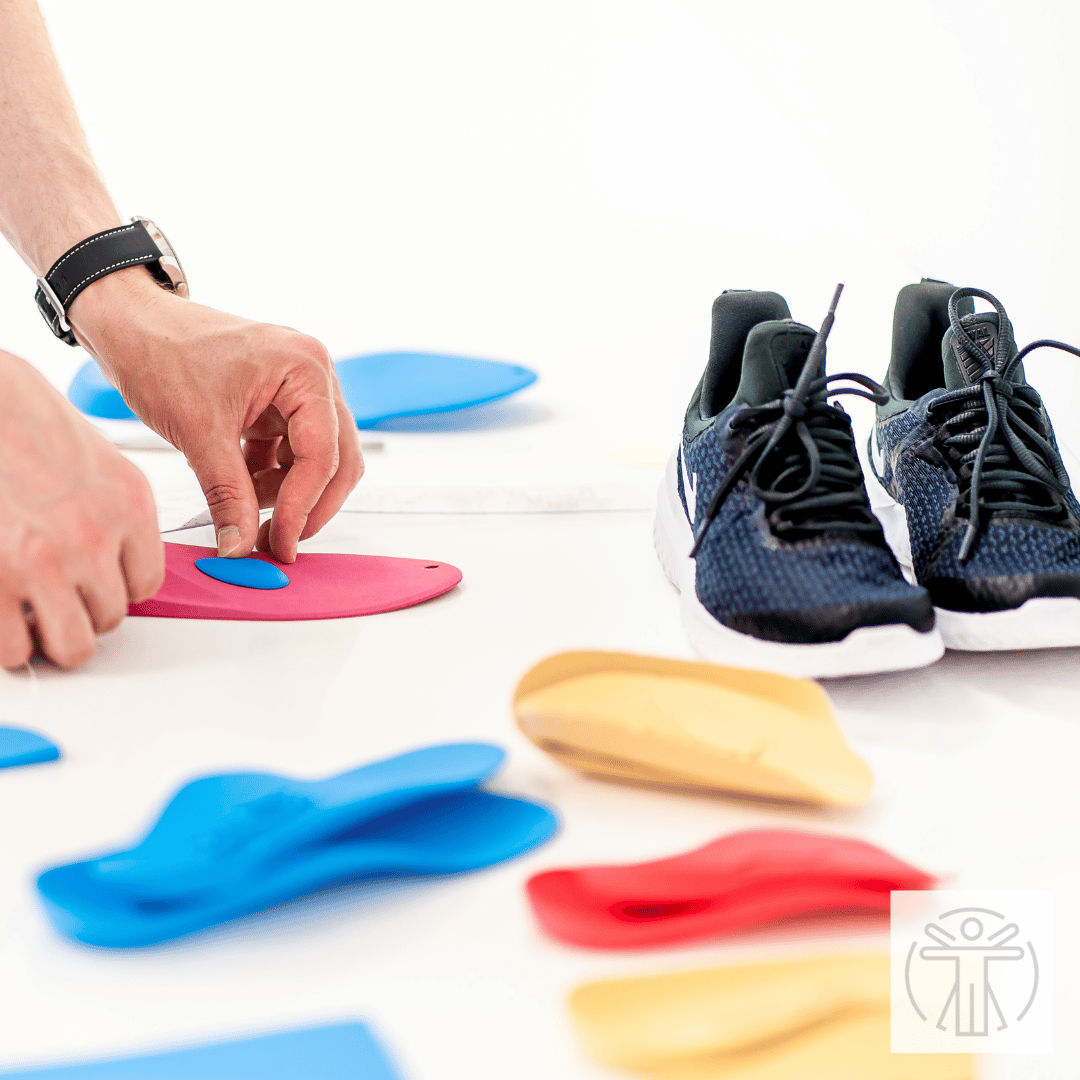
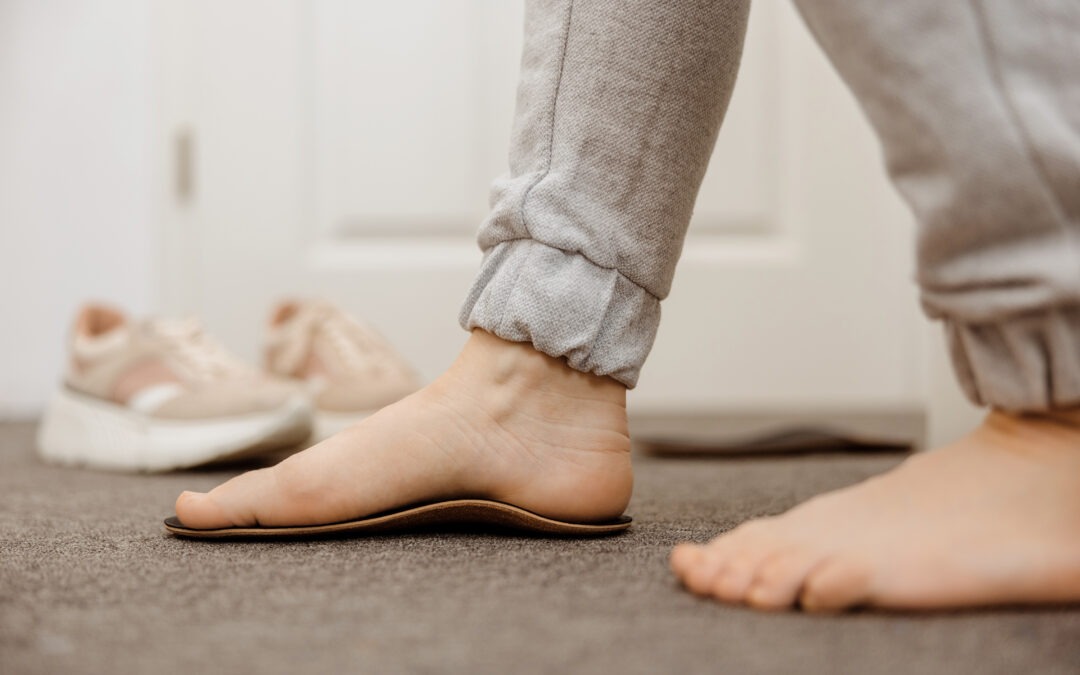
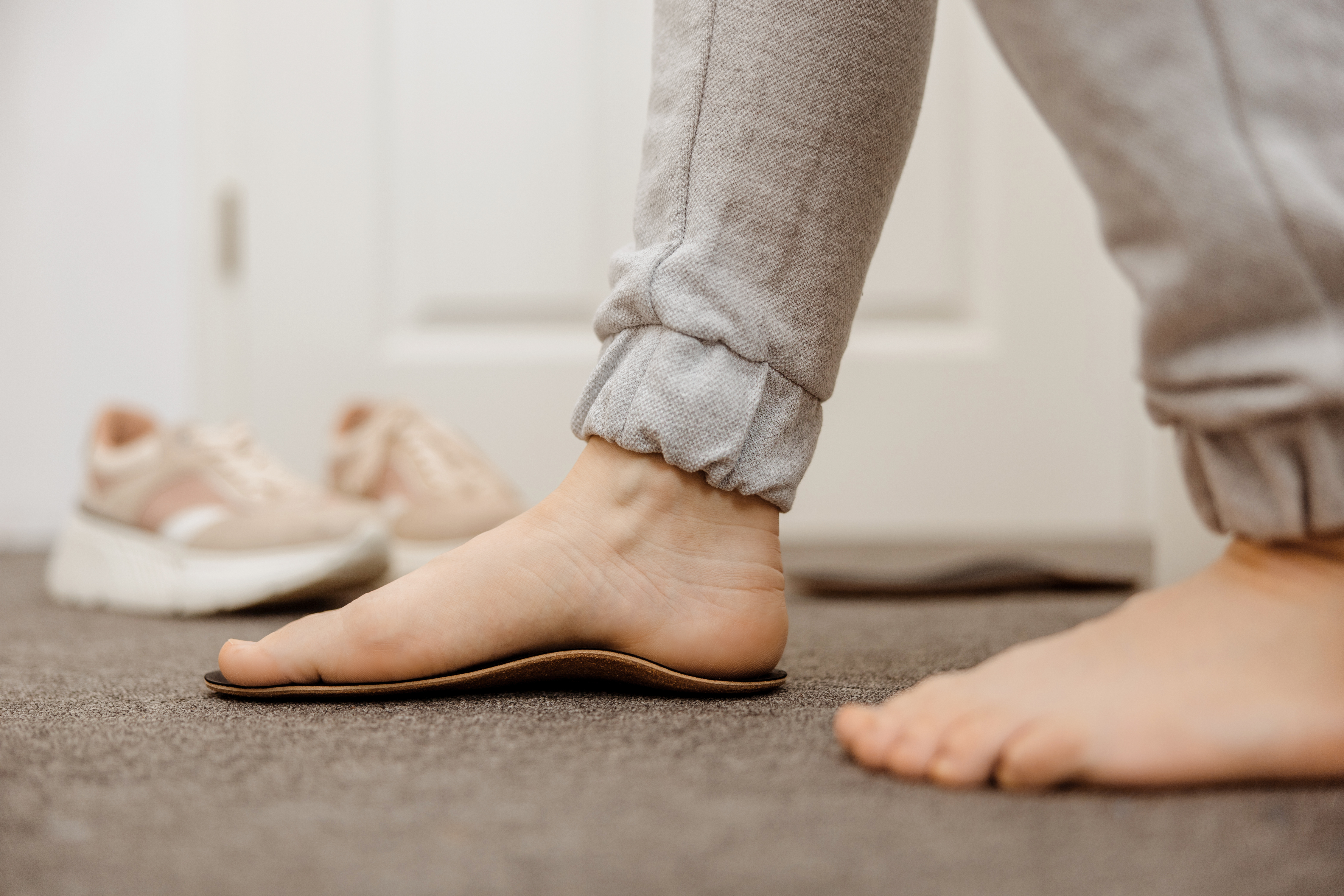
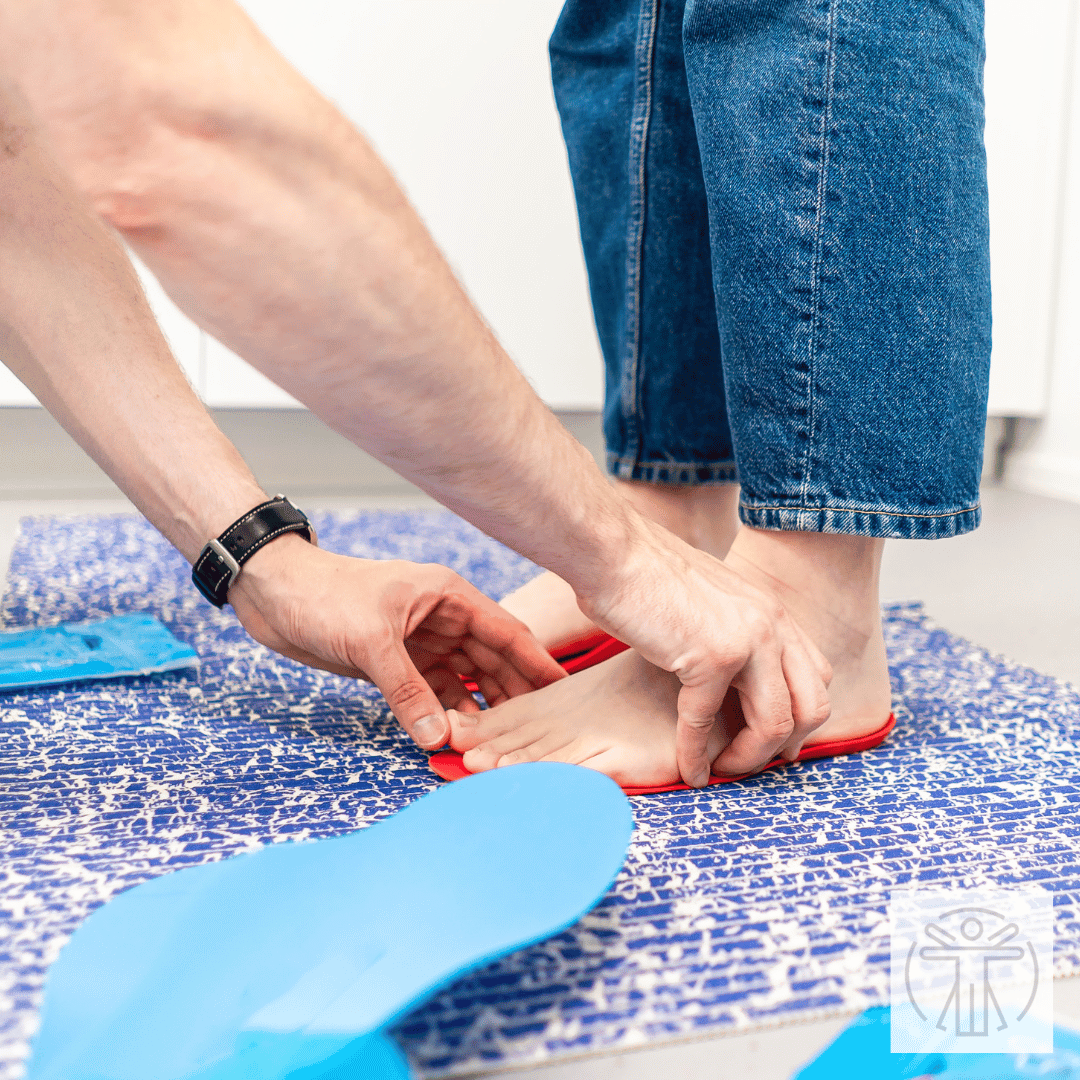
Choosing the right footwear is crucial for winter activities. Shoes with good grip prevent slips. If you have specific foot issues, custom orthotics can provide additional support. They align your feet properly, reducing strain on your joints. Visit a specialist to get orthotics tailored to your needs. With the right footwear, you can enjoy outdoor activities without worrying about injuries.
Proper Shovelling Techniques
To avoid back pain while shovelling, use the right technique. Keep your back straight and use your legs to lift. Avoid twisting your body when throwing snow aside. Instead, turn your whole body. Alternate sides to distribute the load evenly. Following these steps protects your back and makes the task easier. Remember, safety is more important than speed when clearing snow.
Swift Recovery Solutions
When injuries do occur, knowing how to recover swiftly is key. Let's explore effective recovery methods that get you back on your feet quickly.
Physiotherapy and Chiropractic Care
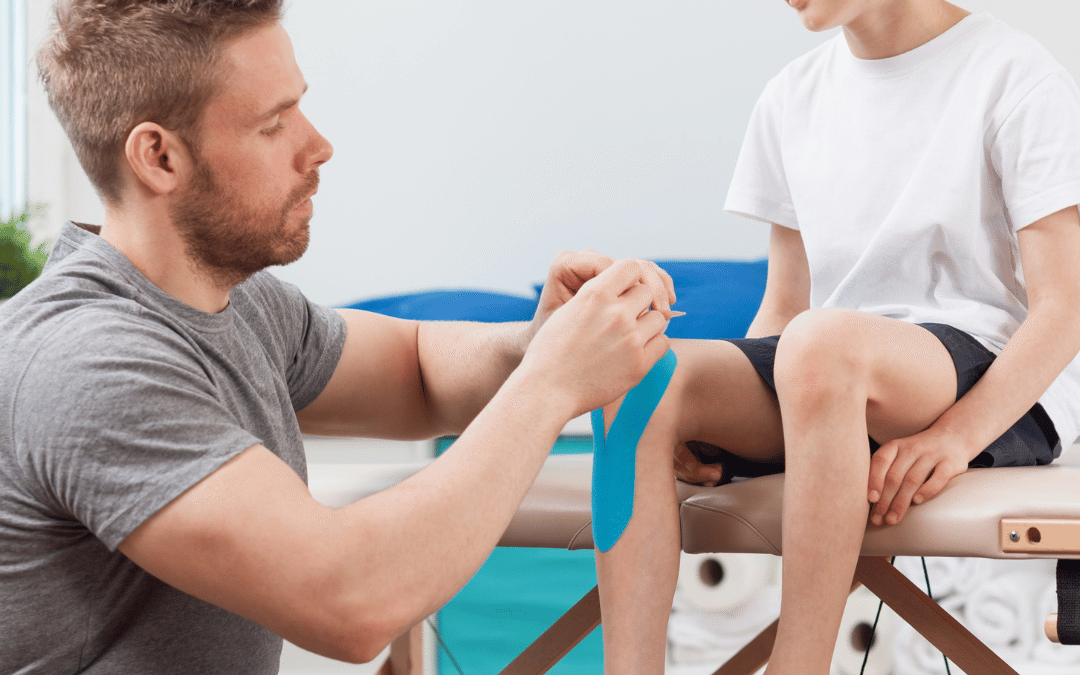
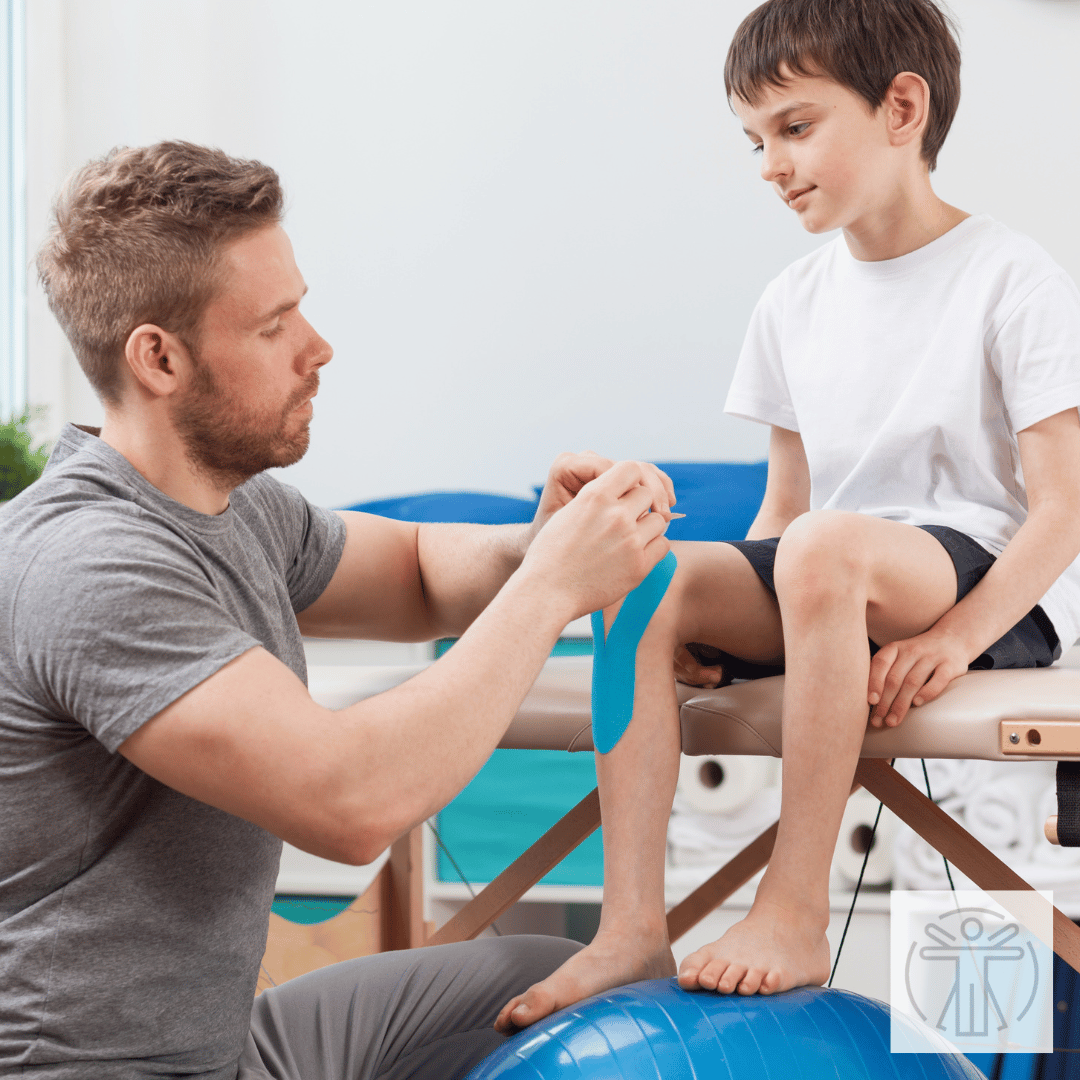
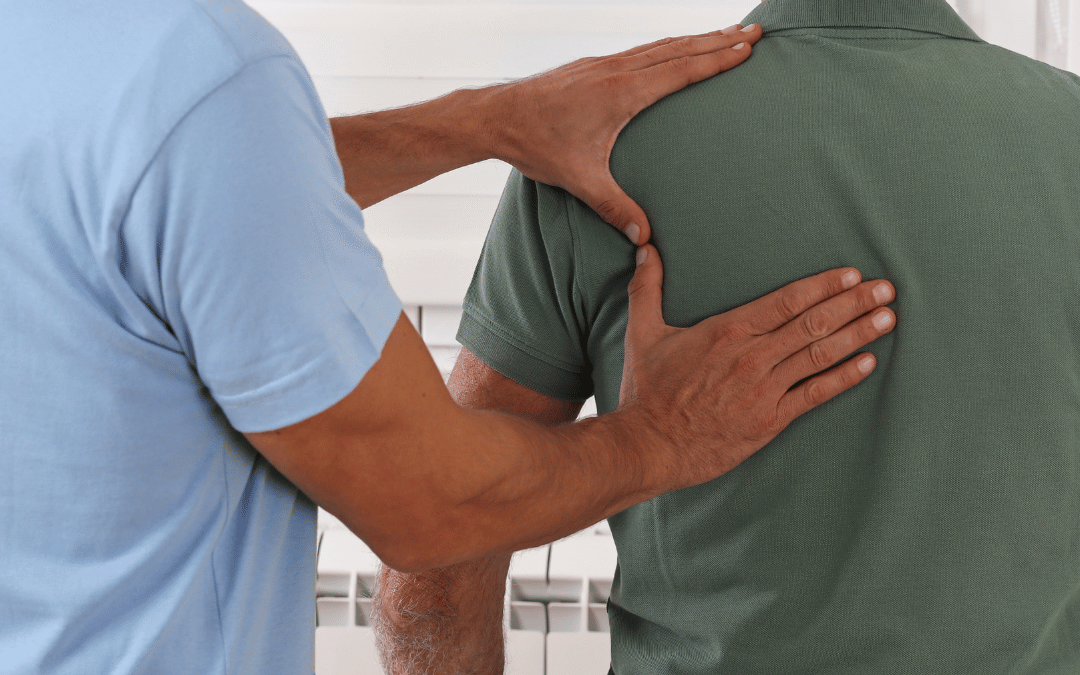
Physiotherapy can speed up recovery by improving mobility and strength. For instance, gentle exercises prescribed by a therapist help heal injuries. Chiropractic care focuses on spinal health, aiding issues like back pain and neck stiffness. Both therapies are non-invasive and effective. Seeking professional help ensures your recovery is in expert hands, minimizing downtime.
Massage and Acupuncture Benefits
Massage therapy relieves muscle tension and promotes relaxation. It also enhances blood flow, which speeds up healing. Acupuncture is another option. It targets pain points, offering relief from chronic pain and improving overall well-being. These therapies complement each other well. Incorporating them into your recovery plan ensures a well-rounded approach to healing, helping you return to your activities sooner.
Cold Laser and Cryotherapy Options
Cold laser therapy uses light to reduce pain and inflammation. It's non-invasive and can be tailored to various injuries. Cryotherapy, on the other hand, involves exposing the body to cold temperatures to reduce inflammation. Both are innovative options for managing pain. They offer quick relief, allowing you to resume your routine without delay. Explore these therapies to find the best fit for your recovery needs.
In conclusion, staying active during winter is enjoyable with the right precautions and recovery strategies. By understanding common injuries and implementing prevention measures, you can enjoy winter sports safely. And if injuries occur, MyHealth Care Centre is here to help with a range of therapies tailored to your needs. Stay safe, stay active, and make the most of the winter season in Port Credit!