Port Credit Playbook: Simple Strategies to Prevent Common Sports Injuries
Sports injury prevention isn’t just about avoiding pain—it’s about keeping you moving on the Waterfront Trail, the rink, or the harbour without setbacks. If you’ve faced Port Credit sports injuries before, you know how frustrating downtime can be. This guide shares simple, proven strategies to help you stay active and injury-free, supported by expert physiotherapy in Port Credit. Ready to take control? Let’s start with what really works. Learn more here.
Understanding Sports Injury Prevention
Preventing sports injuries is more than just a safety measure. It lets you enjoy your favourite activities without interruption. Let’s dive into the common injuries faced in Port Credit and why prevention strategies matter.
Common Injuries in Port Credit
Port Credit’s active community is familiar with specific injuries. Runners on the Waterfront Trail often encounter shin splints. Hockey enthusiasts might deal with knee strains at Port Credit Memorial Arena. Sailing folks from the harbour might experience shoulder pain. Each sport brings its own risks, but awareness can help you stay ahead.
Runners: Shin splints, often linked to poor footwear or sudden changes in activity intensity.
Hockey players: Knee strains, commonly from sudden stops and starts on the ice.
Sailors: Shoulder pain, usually from repetitive movements during sailing.
Understanding these common issues is the first step. Recognising what might go wrong helps you take the necessary precautions. Now, let’s look at why you should take prevention seriously.
Importance of Prevention Strategies
Why focus on prevention? Because avoiding injuries keeps you active and enjoying the sports you love. It saves time, money, and the frustration of downtime. Most people think they can push through injuries, but this often worsens the situation. By adopting prevention strategies, you limit risks and enhance your performance.
Save Time: Less recovery time means more time doing what you enjoy.
Save Money: Avoid costly treatments and therapies.
Avoid Frustration: Stay in the game without interruptions.
Here’s the key insight: prevention is your best play in sports. When you focus on avoiding injuries, you invest in your long-term well-being. Ready to learn how? Let’s explore simple strategies next.
Simple Strategies for Injury Prevention
Preventing injuries doesn’t have to be complex. Simple changes can make a significant difference. We’ll start with the basics: warming up and cooling down.
Warm-Up and Cool-Down Routines
A good routine starts with warming up. This prepares your body for activity and reduces the risk of injury. Begin with light cardio: a brisk walk or gentle jog for five minutes. Follow this with dynamic stretches, focusing on the areas you’ll use most.
Light Cardio: Get your heart rate up with a brisk walk.
Dynamic Stretches: Leg swings, arm circles, and torso twists.
After your activity, cooling down is essential. It helps your body return to a resting state and reduces muscle stiffness. Try gentle stretches, focusing on the muscles you’ve worked.
Gentle Stretches: Focus on legs, arms, and back.
Deep Breathing: Helps relax muscles and lower heart rate.
These routines are quick and effective. They reduce the chances of injury and enhance your performance. Most people skip this step, but it’s a simple way to protect yourself. Next, let’s discuss the importance of technique and equipment.
Proper Technique and Equipment
Using the right technique and equipment is crucial. It ensures your body moves safely and efficiently. For instance, runners should wear well-fitted shoes to support their feet and legs. Hockey players must use protective gear that fits well to prevent injuries.
Runners: Invest in quality shoes tailored to your foot type.
Hockey Players: Ensure helmets and pads fit well and provide adequate protection.
Sailors: Use gloves to protect hands and maintain grip.
Remember, the best equipment can still lead to injury if used incorrectly. Focus on learning proper techniques. Consider lessons or training sessions to refine your skills.
Technique Training: Work with a coach or take lessons.
Regular Practice: Consistent practice helps improve skills and safety.
Good technique and equipment are your first line of defense. They prevent injuries and enhance your overall experience. Now, let’s see how MyHealth Care Centre can be your partner in staying injury-free.
Partnering with MyHealth Care Centre
Prevention is easier with the right partner. MyHealth Care Centre offers services to support your injury prevention journey. Let’s explore how they can help you stay active and healthy.
Personalised Movement Screenings
Understanding your body is key to preventing injuries. MyHealth Care Centre offers personalised movement screenings. These assess your movement patterns and identify potential problem areas. With this information, you can focus on exercises that strengthen weaknesses.
Assess Movement: Identify areas prone to injury.
Target Weaknesses: Focus on exercises that build strength and flexibility.
Most people don’t realise their movement habits can lead to injuries. A personalised screening provides insights that lead to better performance and fewer injuries. Ready to take the next step? Let’s look at the integrated healthcare services available.
Integrated Healthcare Services
MyHealth Care Centre offers a range of services to keep you active. Their integrated approach combines physiotherapy, chiropractic care, and massage therapy. This ensures comprehensive care tailored to your needs.
Physiotherapy: Focuses on rehabilitation and mobility enhancement.
Chiropractic Care: Improves spinal health and posture.
Massage Therapy: Relieves muscle tension and supports recovery.
These services work together to keep you at your best. Whether you’re dealing with an existing injury or want to prevent future ones, MyHealth Care Centre provides the support you need.
In conclusion, sports injury prevention is about taking proactive steps. From warming up properly to choosing the right equipment, each strategy makes a difference. Partnering with experts like MyHealth Care Centre enhances your efforts, ensuring you stay active and pain-free. Embrace these strategies and enjoy your favourite activities without setbacks.
Port Credit Playbook: Simple Ways to Prevent Common Sports Injuries
Most sports injuries start small but can quickly bench you for weeks. If you’re active around Port Credit—running the Waterfront Trail, sailing, or skating—knowing how to protect your body is your best play. Our simple, science-backed tips from Port Credit physiotherapy experts help you stay strong and pain-free, so you can keep enjoying every step, stroke, or stride. Check out this guide for more tips on staying injury-free.
Understanding Common Sports Injuries
Sports injuries can put a damper on your active lifestyle. But with the right tips, you can keep moving without pain. Let’s explore how to protect yourself.
Running Injury Prevention Tips
Running is a great way to stay fit, but it can also lead to injuries if you’re not careful. The Waterfront Trail in Mississauga is a popular spot for runners. Here’s how to stay safe:
Warm-up properly: Spend at least 5-10 minutes warming up with dynamic stretches to get your muscles ready.
Choose the right shoes: Wear shoes that offer good support and fit well. They should be replaced every 300-500 miles.
Listen to your body: If you feel pain, stop running and rest. Pushing through pain can lead to more serious injuries.
These simple steps can help you enjoy your run without the risk of injury.
Sailing Shoulder Pain Prevention
Sailing can be tough on your shoulders. The repetitive motion of hoisting sails or steering can lead to strain. Here’s how you can prevent it:
Strengthen your shoulders: Incorporate exercises like shoulder presses and lateral raises into your routine.
Stretch regularly: Perform gentle shoulder stretches before and after you sail.
Use proper technique: Make sure you’re using the correct form when performing tasks on the boat.
By focusing on these tips, you can enjoy your time on the water without pain.
Ice Skating Knee Pain Tips
Ice skating is fun but can be hard on your knees. The sharp turns and stops can lead to injuries if you’re not careful:
Wear knee supports: These can provide extra stability and prevent injuries.
Practice proper form: Keep your knees slightly bent and your weight centered over your skates.
Strengthen your legs: Focus on exercises like squats and lunges to build muscle around your knees.
Remember, protecting your knees means more time enjoying the ice.
Proactive Injury Prevention Strategies
Taking steps to prevent injuries is key to staying active. Here, we’ll look at various strategies you can use.
Movement Screening Port Credit
Movement screening helps identify potential problem areas in your body. It’s a proactive step to prevent injuries. Here’s why it matters:
Identifies weaknesses: A professional can spot areas where you might be more prone to injury.
Customized exercises: You’ll receive tailored exercises to strengthen weak points.
Improves performance: Addressing these issues can help you move more efficiently.
Consider scheduling a movement screening at a local clinic to stay ahead.
Gait Analysis Mississauga
Understanding how you walk or run can prevent injuries. A gait analysis provides insights into your movement patterns:
Pinpoints issues: It can identify imbalances or improper techniques.
Custom solutions: You’ll get advice on footwear or orthotics that can correct these issues.
Enhances comfort: Proper gait can reduce pain and improve your comfort during activities.
This analysis can be a game-changer for runners and walkers alike.
Balance and Fall Prevention Mississauga
Good balance is crucial for preventing falls, especially as we age. Here’s how to boost your balance:
Regular exercises: Practice balance exercises like standing on one leg or using a balance board.
Strength training: Building leg muscles can support better balance.
Professional guidance: Consider enrolling in a balance class or program in Mississauga.
Preventing falls can keep you active and independent.
Integrative Therapies for Recovery
Injuries can happen despite our best efforts. When they do, integrative therapies can aid recovery.
Acupuncture for Sports Pain
Acupuncture can be an effective way to manage sports-related pain:
Relieves pain: By stimulating muscles and nerves, it can reduce discomfort.
Promotes healing: Increases blood flow to injured areas, speeding up recovery.
Non-invasive: Offers a natural alternative to medication.
Consider acupuncture for a holistic approach to pain relief.
Fascial Stretch Therapy Port Credit
Fascial stretch therapy can improve your flexibility and help with recovery:
Targets fascia: This therapy focuses on the connective tissues surrounding your muscles.
Improves flexibility: Regular sessions can enhance your range of motion.
Reduces pain: Helps alleviate tension and discomfort in your body.
This therapy could be a key element in your recovery plan.
Cold Laser Therapy Mississauga
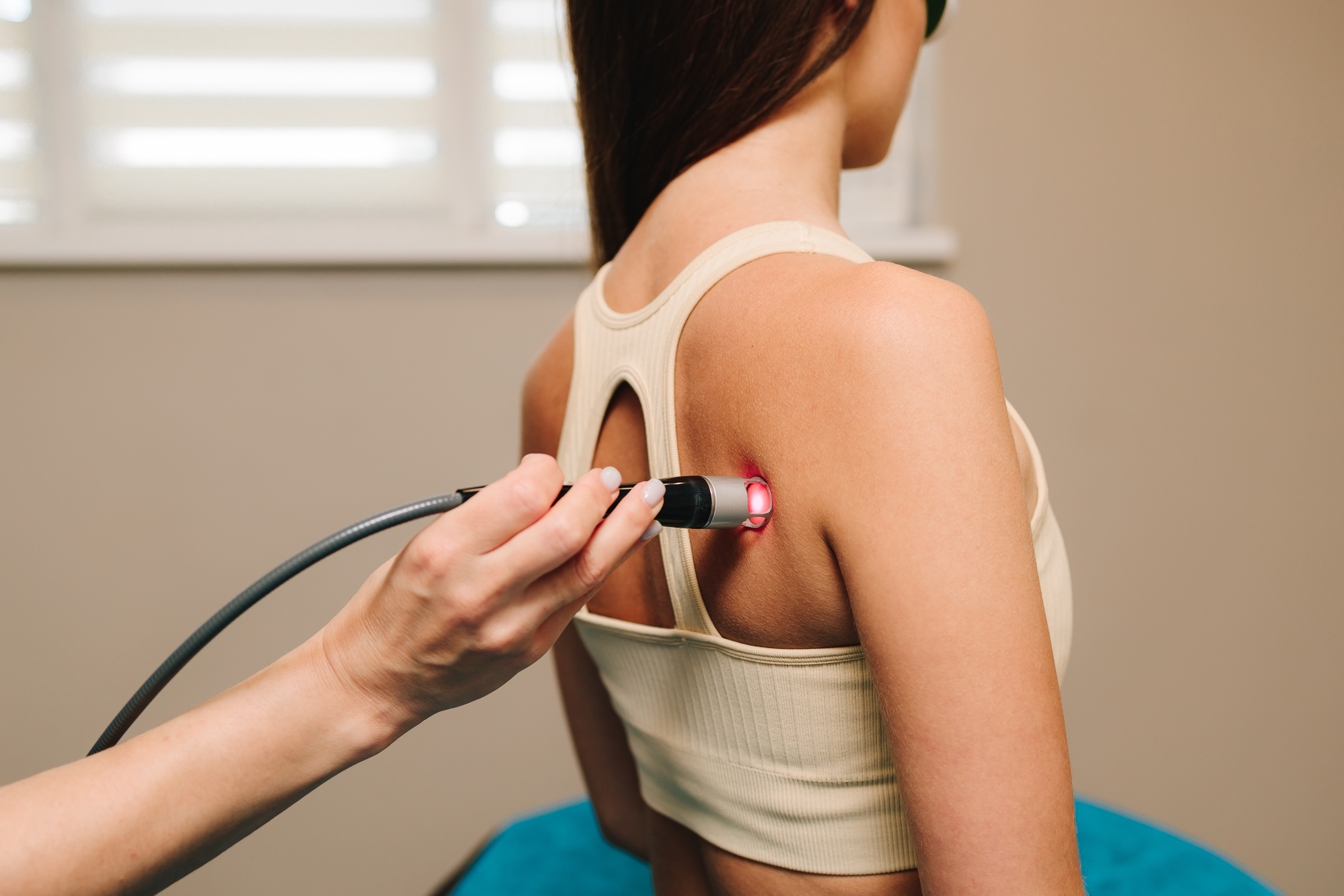
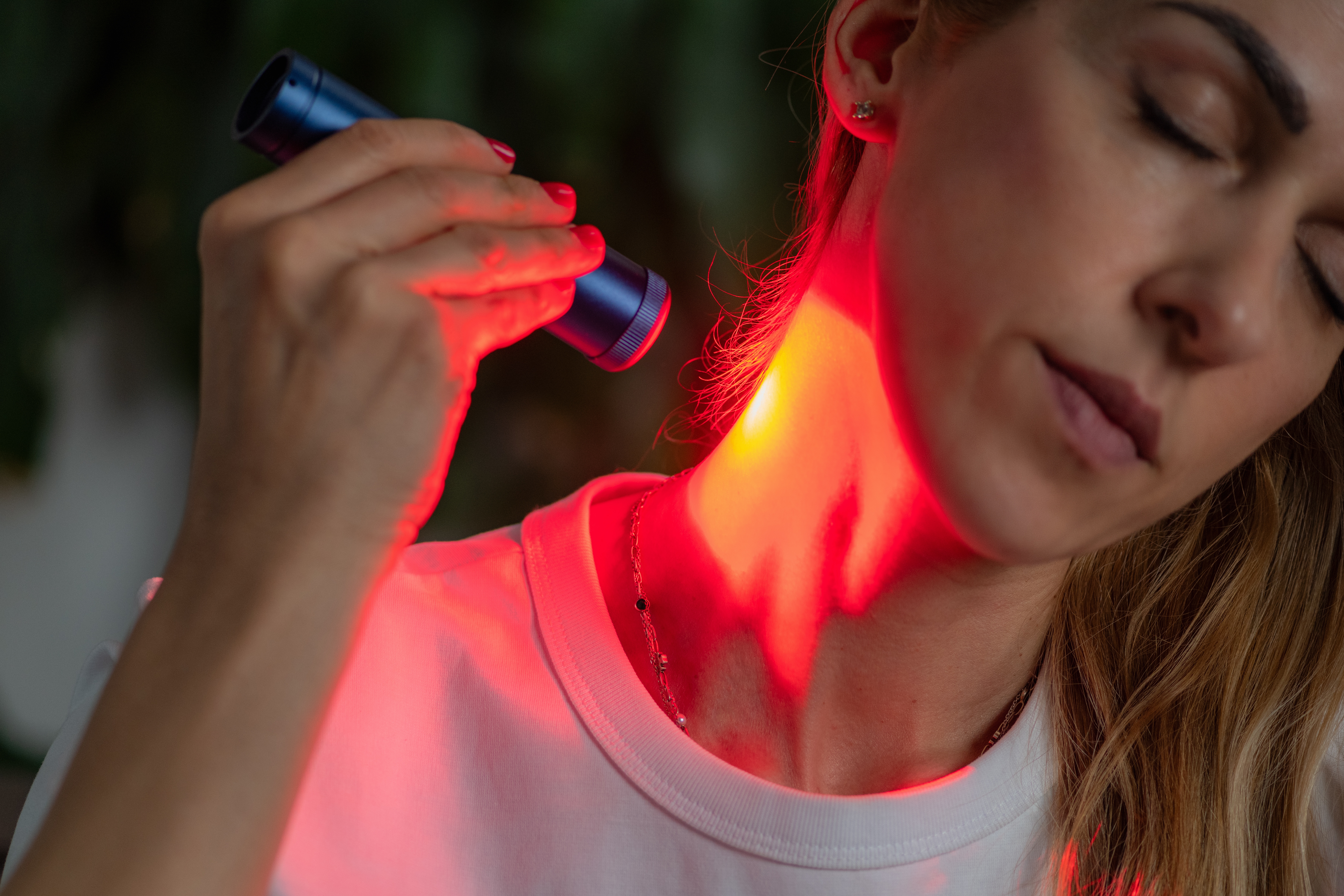
Cold laser therapy is a modern technique to aid recovery from sports injuries:
Reduces inflammation: The laser targets inflamed tissue, reducing swelling.
Relieves pain: Many patients report a decrease in pain after treatment.
Speeds up healing: Stimulates cellular activity, promoting faster recovery.
This non-invasive therapy can be a powerful tool in your recovery arsenal.
In summary, staying active and injury-free in Port Credit requires a mix of prevention strategies and recovery therapies. Whether you’re running, sailing, or skating, these insights can help you enjoy your activities with confidence. Keep these tips in mind to maintain your health and vitality. For more expert advice, consider reaching out to a specialist in your area.
Move with Confidence: Why Balance & Fall-Prevention Programmes Matter for Seniors in Port Credit
Falls aren’t just accidents—they’re a warning sign your body needs support. For seniors in Port Credit, ignoring balance issues can mean losing independence faster than expected. Our balance and fall‑prevention programme helps you regain stability and confidence, so everyday activities feel safe again. Read on to learn how simple steps can keep you steady and secure. Learn more about evidence-based falls prevention programmes here.
Table of Contents
The Importance of Balance Training
Balance training is not just about avoiding falls—it’s about building a life where you move with ease and confidence. Let’s delve into why this is crucial, especially for seniors.
Building Confidence and Stability
Imagine walking without fear of falling. That’s the power of balance training. These exercises help strengthen your core and improve your posture, making every step feel secure. With each session, you’ll notice better stability, allowing you to enjoy simple pleasures like a stroll in the park or playing with your grandkids. And it’s not just about physical benefits. Knowing you can rely on your body builds mental resilience, giving you the confidence to face daily challenges.
Studies show that improving balance can decrease fall risk by up to 40%. So, the sooner you start, the sooner you regain control. Most people think they can only work on balance in a gym, but many exercises can be done at home. Explore more exercises here.
Fall Risks in the Senior Community
Falls are more common than you think, especially among seniors. Approximately one in four adults over 65 falls each year. These incidents often lead to injuries that can severely affect your independence. Beyond physical harm, the fear of falling again can limit your activities, isolating you from social interactions and hobbies you love.
But here’s the key insight—most falls are preventable. Don’t wait until a fall happens to take action. Recognizing the risks early and engaging in preventative measures can safeguard your future. Most people think falls are just part of ageing, but they’re not. It’s time to change that belief.
Structured Programmes for Better Health
Structured programmes offer a roadmap to safer movement. These are not your average exercises; they’re tailored to target specific needs. With expert guidance, you’ll practice routines that build strength and coordination, crucial elements for reducing fall risk. Such programmes provide the foundation for a healthier lifestyle, encouraging continuous improvement.
They’re designed to fit into your schedule, making it easy to stay consistent. Integrating these exercises into your week can be transformative, helping you stay active and involved in your community. After all, structured training is about enhancing your overall quality of life, not just avoiding mishaps.
Personalised Care at MyHealth
At MyHealth, we believe in a personalised approach to well-being. Let’s explore how our tailored care can support your journey to better health.
Comprehensive Fall Risk Assessment
Every journey begins with understanding where you stand. Our comprehensive fall risk assessment is designed to pinpoint areas where you need support. Trained professionals evaluate your balance, strength, and history to craft a plan just for you. This isn’t a one-size-fits-all test; it’s a detailed look at how we can best assist you.
Most people think they understand their bodies, but assessments often reveal surprising insights. You’ll walk away with a clearer picture of your strengths and areas for improvement, which forms the foundation for your personalised programme. It’s time to take control of your health with expert help.
Tailored Exercises for Seniors
Exercises tailored to you are key. These routines focus on enhancing mobility and strength, crucial for daily activities. By targeting specific muscles, you improve balance and reduce the risk of falls. Whether it’s gentle yoga or balance drills, each exercise is chosen to fit your needs and lifestyle.
Consistency is vital. Regular practice not only boosts physical strength but also builds confidence. When you see progress, it motivates you to keep going. Remember, these exercises are about more than physical benefits—they’re about regaining your independence.
Supportive Therapies and Treatments
Our supportive therapies offer more than just immediate relief. They work alongside exercises to provide a holistic approach to health. Whether it’s massage therapy for stiffness or acupuncture for pain relief, each treatment complements your exercise routine, promoting overall well-being.
These therapies are not just about treatment, but prevention. By addressing underlying issues, they ensure long-term health and vitality. Imagine a future where you can enjoy life without the constant worry of pain or injury. With our support, it’s within reach.
Local Activities to Enhance Well-being
Community plays a vital role in health. Let’s explore how local activities in Port Credit can enhance your well-being.
Engaging Exercises in Port Credit
Port Credit offers a wealth of opportunities to stay active. From walking clubs to tai chi in the park, there are activities designed to suit all fitness levels. Engaging in these community exercises not only boosts physical health but also provides a social outlet, enriching your life in multiple ways.
Joining local groups offers support and motivation. Sharing your journey with others makes it more enjoyable and helps you stay committed. Plus, exercising in a group can introduce you to new friends and interests, keeping you engaged and inspired.
Community Workshops and Events
Workshops and events in Port Credit offer educational resources and practical skills. These gatherings often include expert talks on health topics and interactive sessions where you can learn new exercises or wellness practices. Participating in these events keeps you informed and connected with the community.
Most people think workshops are only for learning, but they’re a chance to network too. Attending these events can spark new friendships and interests, adding joy and variety to your routine.
Booking Your Assessment and Programme
You’re now equipped with insights into balance training and community resources. The next step is to book your fall risk assessment at MyHealth. Our team is here to guide you through each stage of your health journey, ensuring you receive the support and care you deserve.
Booking your assessment is the first step towards a safer, more active life. Don’t delay—take control of your health today. Remember, the longer you wait, the more you risk. Let’s work together to build a future full of confidence and independence.
Fall‑prevention strategies for older adults: building stability and confidence every day
Falls can sneak up on anyone, especially as we get older. Losing balance just once can shake your confidence and limit the activities you love around Port Credit. That’s why practical fall prevention strategies matter—they help you stay steady and active every day. In this post, you’ll find straightforward tips and learn how MyHealth Care Centre’s Balance & Fall‑Prevention programme supports your strength and confidence on every step. For more information on falls and prevention, have a look at this resource.
Everyday Fall Prevention Tips
Staying sure-footed is crucial for enjoying life fully. Here’s how to safeguard your steps at home and beyond.
Simple Home Safety Checks
Start by making your home a safe haven. Check your living space to spot areas where falls might occur. Remove rugs that slide easily. Install grab bars in the bathroom—these are simple fixes that can make a big difference. Ensure your home is well-lit, especially in hallways and staircases. Bright lights can help you see obstacles clearly, making each step safer.
Look at your furniture arrangement. Are there open pathways? Keep walkways clear to reduce tripping hazards. Consider furniture edges too—they should not block your path. By ensuring easy movement around your home, you’re taking a major step towards preventing falls. For more tips on fall prevention at home, check out this guide.
Balance Training Techniques
Next, let’s focus on balance. Simple techniques can boost your stability. Try standing on one leg while brushing your teeth. It’s a quick and effective way to improve your balance daily. Balance training doesn’t have to be complex. Incorporate short exercises into your routine. For example, practice walking heel-to-toe across a room.
Joining a local class can also enhance your balance. Many community centres offer classes designed for older adults. These sessions are fun and provide great social interaction. Remember, consistent practice is key. Regular balance exercises can help you feel more confident on your feet. Explore more exercises here.
Strength and Balance Exercises
Strength and balance go hand-in-hand. Stronger muscles support better balance. Focus on exercises that target your legs and core. Simple squats and seated leg lifts can help. Aim to do these exercises a few times a week.
Don’t forget flexibility. Stretching improves your range of motion, making movements smoother and safer. Try gentle yoga or tai chi, which are excellent for building strength and balance. These activities not only support physical health but also calm your mind, enhancing overall well-being. For more strategies, visit this helpful resource.
Integrated Healthcare Solutions
Sometimes, home routines need a boost. Integrated care offers personalised support that goes beyond DIY efforts.
Physiotherapy for Older Adults
Physiotherapy can be a game changer. It’s tailored to your needs, addressing weaknesses and imbalances that may lead to falls. Physiotherapists assess your movement patterns and create a plan that strengthens and stabilises. They guide you through exercises that improve balance and coordination, crucial for preventing falls.
Through physiotherapy, you learn exercises to do at home. It’s about empowering you with skills to maintain independence. This personalised care helps you regain confidence in your mobility. For more information on how physiotherapy aids older adults, visit our Port Credit physiotherapy clinic.
Chiropractic for Balance
Chiropractic care goes beyond back adjustments. It’s effective for enhancing balance and preventing falls. Chiropractors focus on aligning the body, which improves nerve function and movement efficiency. Regular adjustments can lead to better posture and stability.
If you experience dizziness or imbalance, chiropractic care might help. It’s a holistic approach that aligns your body, promoting improved balance and well-being. Engaging in regular chiropractic visits ensures ongoing support for your balance needs.
Massage Therapy for Mobility
Massage therapy isn’t just for relaxation. It plays a crucial role in maintaining mobility. Regular massage sessions help alleviate muscle tension and improve circulation. This keeps your muscles flexible and reduces stiffness, which is essential for balance.
Therapists can target specific areas that affect stability, like the lower back or legs. Massage therapy complements other treatments, offering a comprehensive approach to fall prevention. It’s a soothing way to support your active lifestyle and stay mobile.
Booking Your Assessment
Knowing your risk is half the battle. A professional assessment can uncover hidden areas of concern, so you can address them head-on.
Fall-Risk Assessment Port Credit
A fall-risk assessment evaluates your likelihood of falling. It’s thorough, examining factors like muscle strength, joint mobility, and balance. At MyHealth Care Centre, our experts provide detailed assessments, offering insights on how to improve your stability.
This assessment is crucial for personalising your fall-prevention plan. It identifies specific areas to target, ensuring you receive the most effective care. Knowing your risks helps you take proactive steps towards prevention.
Complimentary Balance and Footwear Check
Your footwear might be affecting your balance. That’s why a complimentary balance and footwear check is invaluable. Our team assesses your shoes and suggests modifications or alternatives that support better balance.
Proper footwear is a simple yet effective way to prevent falls. By choosing the right shoes, you enhance your stability and confidence. It’s a small change that offers a big impact on your daily life.
In summary, fall prevention is a continuous journey. Simple home changes, consistent exercises, and professional care form a robust strategy to keep you steady. At MyHealth Care Centre, we’re committed to supporting your journey to stability and confidence. Prioritise your safety today—implement these tips and seek personalised care to move better and live better.
Stay Steady: Fall Prevention and Balance Strategies for Older Adults in Port Credit
Falls are the leading cause of injury for older adults, but many don’t realise how much simple steps can lower their risk. When you focus on balance training Mississauga offers, you gain more than stability—you build confidence to move freely and safely every day. At MyHealth Care Centre, our Balance & Fall Prevention Programme combines expert care with personalised plans designed just for you. Ready to take control and stay steady?
Table of Contents
Understanding Fall Risks
To prevent falls, understanding the risks involved is crucial. Older adults face various challenges that increase fall chances, but recognising these can make all the difference. Let’s explore what typically causes these accidents and how you can identify your personal risks.
Common Causes of Falls
Many factors contribute to falls, especially in seniors. Poor lighting, uneven surfaces, and clutter are major environmental hazards. Home modifications like adding grab bars or improving lighting can significantly reduce risks. Health issues such as vision impairment, medications, and muscle weakness also play a vital role. Regular check-ups and discussing medication side effects with your doctor can help address these issues.
Simple activities like walking downstairs can become a challenge without proper precautions. Consider wearing shoes with good grip and avoiding loose rugs. These small changes create a safer environment and minimise fall chances.
Identifying Personal Risk Factors
Knowing your unique risk factors empowers you to take preventive action. If you’ve experienced dizziness or a previous fall, your risk increases. Regular health assessments can identify underlying conditions affecting balance, like arthritis or low blood pressure. Did you know? Over 30% of seniors who fall may experience serious injuries leading to hospitalisation.
Another key factor is inactivity. Muscles weaken over time if not used regularly. Engage in gentle exercises to maintain strength and improve balance. A gait and posture assessment can highlight areas to work on for stability.
Strategies for Fall Prevention
Addressing fall risks involves proactive strategies. By focusing on specific exercises and training, you can enhance your balance and minimise fall chances. Here’s how you can take charge of your safety and confidence with effective techniques.
Balance Training Mississauga
Balance training is a powerful tool in fall prevention. In Mississauga, programs tailor exercises to improve coordination and stability. These sessions focus on core strength and posture, which are vital for maintaining balance. Whether you prefer group classes or one-on-one training, options are available to suit your needs.
Imagine feeling confident walking on uneven surfaces or navigating stairs without fear. Balance training can make this a reality. Consistent practice leads to improved reflexes and muscle memory, reducing the risk of falls. Most people think it requires rigorous activity, but even simple routines can yield significant benefits.
Strength and Flexibility Exercises
Building strength and flexibility is essential in maintaining balance as you age. Exercises such as Tai Chi or yoga are excellent for enhancing flexibility and core stability. Incorporating these into your routine not only helps prevent falls but also boosts overall well-being.
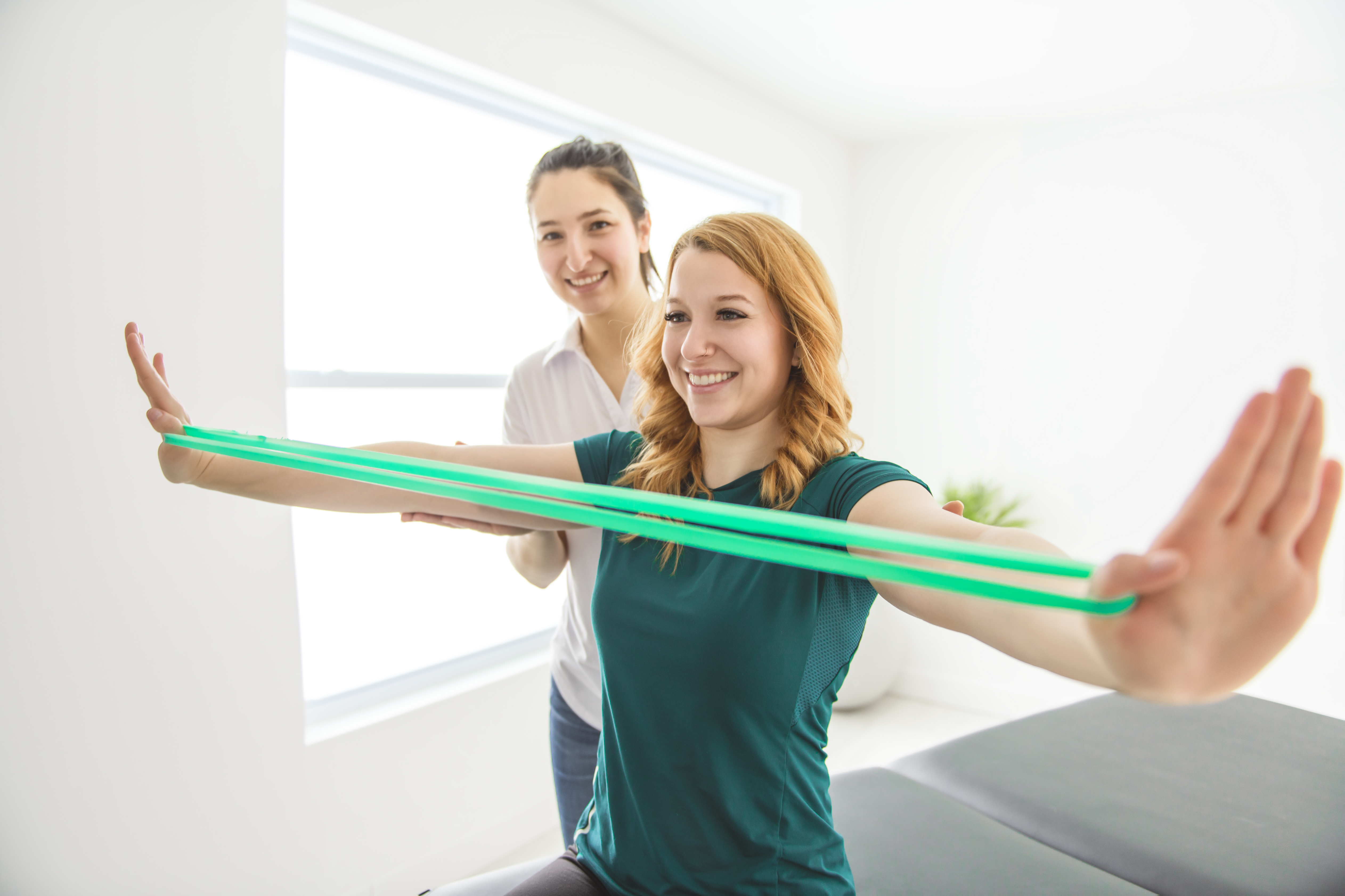
Resistance training is another effective method. Using weights or resistance bands helps strengthen muscles, supporting your joints and improving balance. You might start with a simple routine that gradually increases in intensity as your strength improves.
Flexibility exercises ensure your body remains limber, reducing stiffness that can lead to falls. Stretching regularly keeps muscles and joints flexible, making daily movements smoother and safer.
MyHealth Care Centre’s Approach
At MyHealth Care Centre, we understand fall prevention is a personal journey. Our integrated approach combines expert assessments with personalised care plans. Here’s how we support you in staying steady and safe.
Personalised Assessment and Plan
Our process begins with a thorough assessment to identify your specific fall risks. From there, we create a custom plan addressing your unique needs. This tailored approach ensures you receive the most effective strategies for fall prevention.
Each plan includes targeted exercises and lifestyle adjustments. We guide you through every step, ensuring you feel confident and supported. Here’s the key insight: personalised care leads to better outcomes because it addresses your individual challenges and goals.
Integrated Health Clinic Port Credit
Being part of the Port Credit community, we offer a comprehensive, integrated approach to health care. Our clinic combines physiotherapy, chiropractic care, and more to provide holistic treatment. Learn more about our integrated solutions and how they can enhance your balance and reduce fall risks.
Our multi-disciplinary team collaborates to give you the best care possible. Whether you need custom orthotics or massage therapy, our services cover all aspects of fall prevention. Remember: The longer you wait, the more you risk a fall. Take action now to ensure a safer future.
With these insights and strategies, you’re now equipped to tackle fall risks head-on. Prioritise your safety by adopting proactive measures and seeking expert guidance. Stay confident and active with MyHealth Care Centre’s support.
Stronger for Longer: Balancing Treatment and Prevention for Active Lives in Port Credit
Most people push through pain, hoping it’ll disappear on its own. But ignoring warning signs can turn a small setback into a long-term problem. At MyHealth Care Centre, your Port Credit physiotherapy experts, we help you spot when it’s time for treatment—and when prevention should take priority—so you can keep moving pain-free for years to come. Read more about the importance of physical activity and prevention here.
Table of Contents
Balancing Treatment and Prevention
Finding the right balance between treatment and prevention is crucial for maintaining an active lifestyle. Let’s explore when to focus on getting the treatment you need and when to prioritise prevention for the long haul.
When to Focus on Treatment
When pain strikes, it’s tempting to wait and see if it will pass. But addressing issues early can often prevent bigger problems. You might need treatment if you’re noticing:
Persistent pain that doesn’t improve with rest.
Limited movement affecting daily activities.
Swelling or inflammation that doesn’t subside.
In these cases, seeking guidance from your local Port Credit physiotherapy clinic can help. Physiotherapists provide targeted exercises and therapies, restoring movement and strength. They also identify the root cause of your pain, ensuring that you receive care tailored to your specific needs. By addressing these issues promptly, you set the stage for effective recovery and a quicker return to your favourite activities.
Prioritising Prevention for Longevity
Prevention is always better than cure. By focusing on preventive measures, you can maintain an active lifestyle with fewer interruptions. Consider these strategies:
Regular exercise keeps your body strong and flexible. Activities like swimming, cycling, or yoga can enhance joint stability and muscle balance.
Mindful movement techniques, like Pilates or tai chi, can improve posture and body awareness, reducing injury risk.
Consistent preventive practices contribute to long-term health benefits. By incorporating these habits into your daily routine, you’re investing in a future where you can enjoy life without the burden of pain. Most people think they don’t need these until an issue arises, but starting now ensures a healthier tomorrow.
Integrated Plans for Pain-Free Movement
Combining treatment with prevention creates a comprehensive approach to health. Integrated plans involve:
Collaborative care from physiotherapists, chiropractors, and massage therapists.
Customised routines that include exercises and lifestyle modifications tailored to your needs.
At MyHealth Care Centre, we believe in the power of an integrated approach. This means you’re not just treating symptoms but also addressing the factors that contribute to them. Our integrated health solutions are designed to support your journey to a pain-free life, ensuring every aspect of your health is considered.
Active Lifestyle Tips and Strategies
Living an active lifestyle requires more than just movement. It involves strategies to prevent injury, support recovery, and enhance everyday activities.
Injury Prevention Strategies
Preventing injuries is key to staying active. Here’s how you can keep injuries at bay:
Warm-up before activities: Prepare your muscles with dynamic stretches to increase blood flow and flexibility.
Strengthening exercises: Build muscle support around joints to enhance stability.
Proper technique: Ensure you’re using the correct form during activities to avoid unnecessary strain.
Recovering from surgery can be daunting, but with the right plan, you can regain your strength and mobility. Our Mississauga physiotherapy clinic offers:
Tailored rehabilitation programs that focus on your specific surgery and recovery goals.
Guided exercises to restore function and minimise complications.
Rehabilitation isn’t just about healing, but about rebuilding confidence in your body. With professional support, you can return to your activities stronger than before.
Custom Orthotics and Bracing Benefits
Custom orthotics and bracing offer unique benefits for those needing extra support:
Orthotics can improve foot mechanics, reducing pain and preventing future injuries.
Braces provide stability for weakened joints, allowing safe movement during recovery phases.
Being part of the Port Credit community, we understand local needs and lifestyles. Our solutions are designed to:
Support community health initiatives.
Offer accessible and effective care options for everyone.
We believe that health is a journey best undertaken together. Our community-centred health solutions ensure that you’re never alone on this path. We’re here to support you every step of the way, providing the resources and care you need to live an active, pain-free life.