Sep 20, 2026 | Uncategorized
Recurring pain and stiffness can stop you from enjoying all that Port Credit has to offer—whether that’s running the Waterfront Trail or skating at Memorial Arena. At MyHealth Care Centre, our integrated care Port Credit team combines physiotherapy, chiropractic, massage therapy, acupuncture, and more to build personalised plans that tackle pain from every angle. Keep your body moving smoothly and prevent flare-ups so you can stay active in the local community you love. Read more about how integrated care can help you move again.
Integrated Care for Active Locals
Integrated care offers a comprehensive solution to keep you moving pain-free in Port Credit. Our approach blends various therapies into a cohesive plan tailored for your needs.
Multi-Disciplinary Approach Explained
Imagine a team of experts working together to address all your pain points. That’s what our multi-disciplinary approach offers. By combining the skills of physiotherapists, chiropractors, massage therapists, and acupuncturists, we create a personalized plan for you.
Each professional brings their expertise to the table, ensuring a well-rounded treatment. Physiotherapists focus on restoring movement, chiropractors on joint alignment, massage therapists on muscle tension, and acupuncturists on energy flow. This united effort addresses the root causes of pain, not just the symptoms.
Benefits of Collaborative Care
Collaborative care means you don’t have to visit multiple clinics. All your needs are met in one place. This integrated method boosts recovery time and ensures every aspect of your health is considered.
With a team that communicates and collaborates, treatments are more effective. You’ll see quicker improvements and enjoy long-term relief. The convenience of having all services under one roof also means less stress for you. Want to learn more about integrated pain care? Check out this resource.
Therapies and Treatments at MyHealth
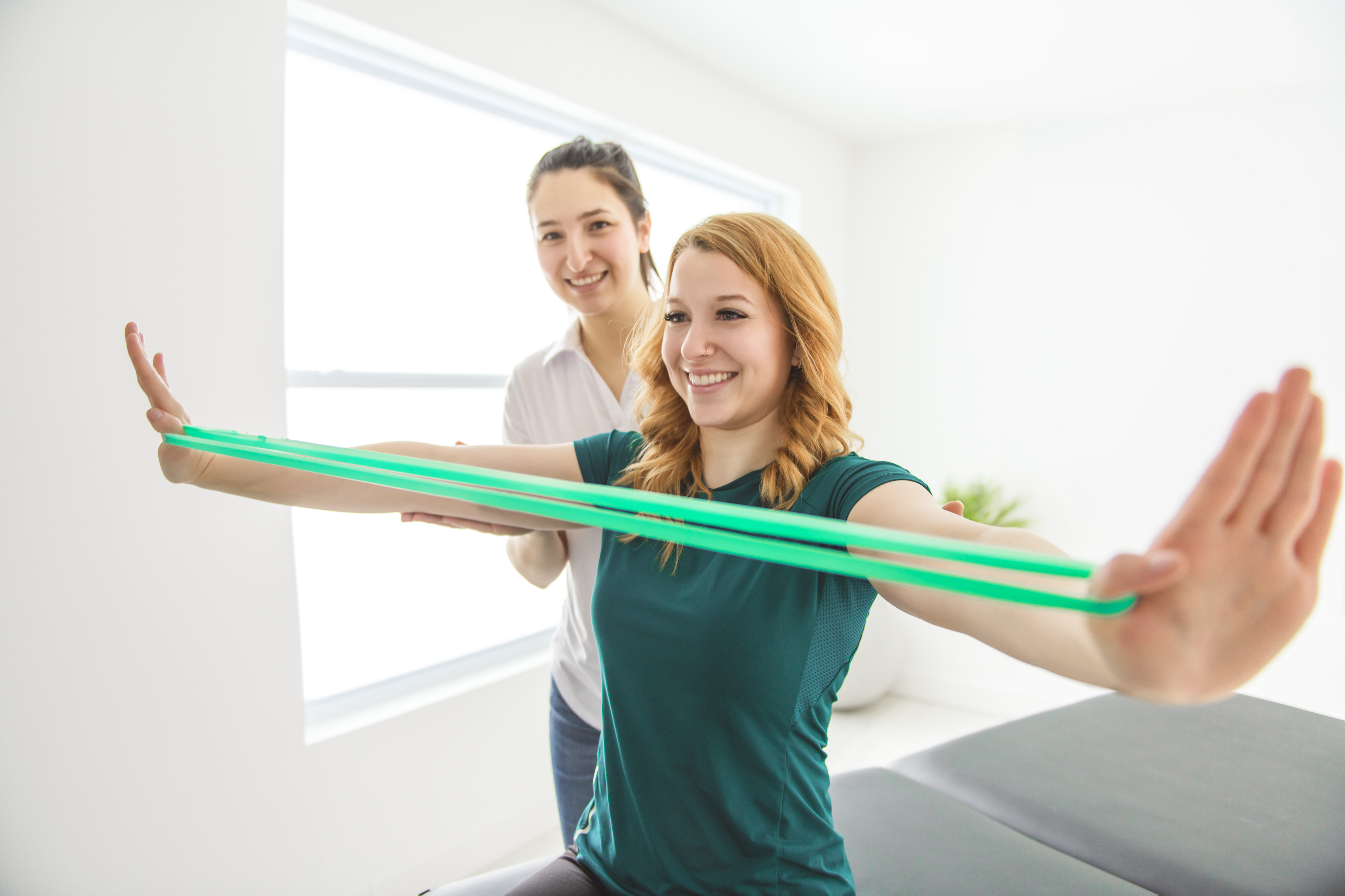
Your journey to pain-free living involves various therapies that complement each other, providing a holistic approach to health.
Physiotherapy and Chiropractic
Physiotherapy helps restore your mobility through exercises and manual techniques. It’s ideal for recovering from injuries or surgeries. Meanwhile, chiropractic care adjusts your spine and joints to improve alignment and reduce pain.
Both therapies are key to correcting underlying issues. They work hand in hand: while physiotherapy strengthens your muscles, chiropractic care ensures your body is correctly aligned. This combination is crucial for maintaining long-term wellness.
Massage and Acupuncture Benefits
Massage therapy is not just about relaxation. It’s a powerful tool against muscle tension and stress, aiding recovery and promoting circulation. Acupuncture, on the other hand, balances your body’s energy, reducing pain and enhancing recovery.
Together, these therapies offer a dual approach: massage releases physical tension, while acupuncture targets deeper energy imbalances. Both are essential in a well-rounded treatment plan. Interested in how acupuncture can aid recovery? Explore this study.
Advanced Modalities for Pain Relief
Advanced treatments like cold laser therapy and cryotherapy offer modern solutions to chronic pain. Cold laser therapy speeds up tissue healing without surgery or medication. Cryotherapy reduces inflammation, offering instant relief.
These modalities are part of our comprehensive care strategy. They complement traditional methods, offering you more options for pain relief and faster recovery. Curious about the benefits of cold laser therapy? Learn more here.
Staying Active in Port Credit
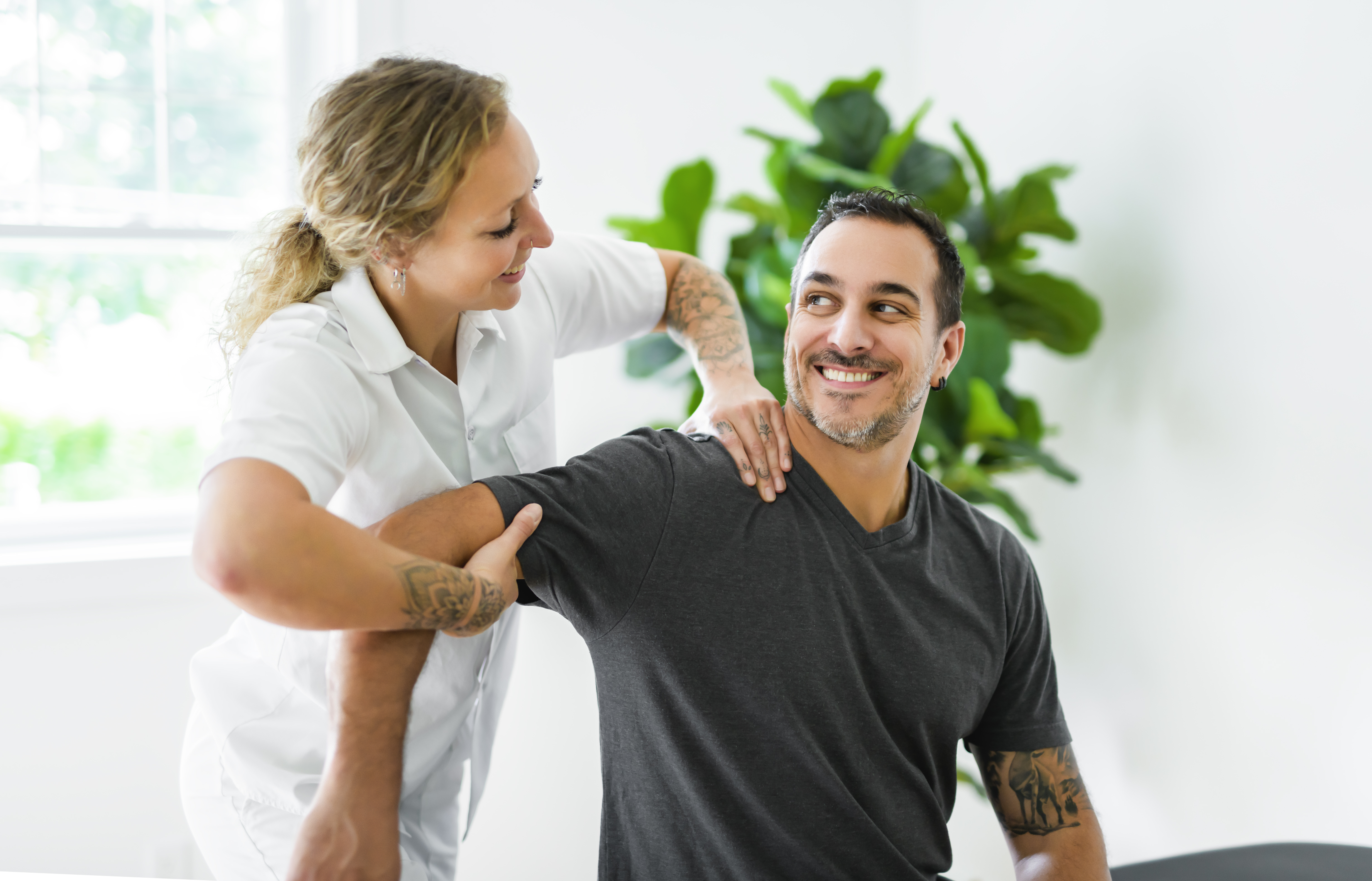
Staying active is key to enjoying life in Port Credit. Our centre provides strategies to keep you moving, whether you’re running the trail or recovering from surgery.
Preventing Running Injuries
Running is a fantastic way to stay fit, but it can lead to injuries. We focus on preventing these through proper technique and conditioning. Our experts assess your gait and muscles, providing exercises that strengthen and prevent strain.
Injury prevention is all about preparation. By understanding your body’s mechanics, we help you run safely, reducing the risk of common issues like shin splints or runner’s knee.
Post-Surgical and Injury Rehabilitation
Recovering from surgery or injury requires a delicate balance of rest and activity. Our team designs rehabilitation plans that restore function without overloading your body. Techniques from physiotherapy and massage aid this process.
Rehabilitation is not just about healing; it’s about returning to your daily routine stronger and more resilient. With our support, you can regain confidence and mobility.
Balance, Posture, and Mobility Strategies
Balance and posture are vital for preventing falls and injuries. We provide targeted exercises to improve these areas, enhancing your overall mobility. Good posture aligns your body, reducing pain and improving function.
Mobility strategies are tailored to your lifestyle. Whether you’re an athlete or enjoy leisurely walks, we ensure your body moves efficiently and comfortably.
Frequently Asked Questions
What is integrated care and how can it help with recurring pain?
Integrated care combines therapies like physiotherapy, chiropractic, massage, and acupuncture into one treatment plan. This approach addresses multiple aspects of pain, ensuring comprehensive care and faster recovery.
How does massage therapy contribute to pain relief?
Massage therapy reduces muscle tension and promotes circulation. It helps release tight muscles, reducing pain and supporting recovery.
What are the benefits of cold laser therapy?
Cold laser therapy speeds up tissue healing and reduces inflammation. It’s a non-invasive treatment that provides pain relief without medication.
Can I prevent running injuries with physiotherapy?
Yes, physiotherapy offers exercises and techniques that strengthen your body and improve your running form, reducing the risk of injuries.
How does chiropractic care improve mobility?
Chiropractic care aligns your spine and joints, which enhances your body’s movement and reduces pain, improving overall mobility.
Sep 19, 2026 | Uncategorized
Recurring pain and stiffness can slow you down, especially when life in Port Credit moves fast. You’re juggling work, workouts, and local events, but nagging aches keep pulling you back. Integrated care Mississauga offers combines physiotherapy, chiropractic, massage, and more into one personalised plan that stops flare-ups before they start. Let’s explore how this approach helps you stay active and strong in the community you love. [https://www.instagram.com/p/DcqrvahEhQg/]
Integrated Care Approach
Integrated care brings together a team of experts in a single, cohesive plan tailored to you. This approach is especially beneficial in addressing recurring pain and stiffness.
Multi-Disciplinary Team Benefits
Imagine having a team that collaborates on your care plan. Each expert contributes unique skills, whether it’s a physiotherapist, chiropractor, or massage therapist. This team looks after every aspect of your health journey. You’re not just another patient; you’re at the centre of a coordinated effort. They work together to design a plan that targets your specific needs, ensuring you don’t have to retell your story at each visit. This method accelerates recovery and saves you time, allowing you to focus on your activities in Port Credit.
Personalised Care Plans Explained
Your health journey is unique, and your care plan should reflect that. Personalised plans are crafted with your specific goals and conditions in mind. These aren’t cookie-cutter solutions but are grounded in scientific research and tailored to you. Whether it’s dealing with recurring pain and stiffness or recovering from an injury, your plan evolves with you. This ensures you receive the most effective treatments and advice. You’ll have a roadmap not just for recovery but also for maintaining long-term health.
Effective Therapies and Treatments
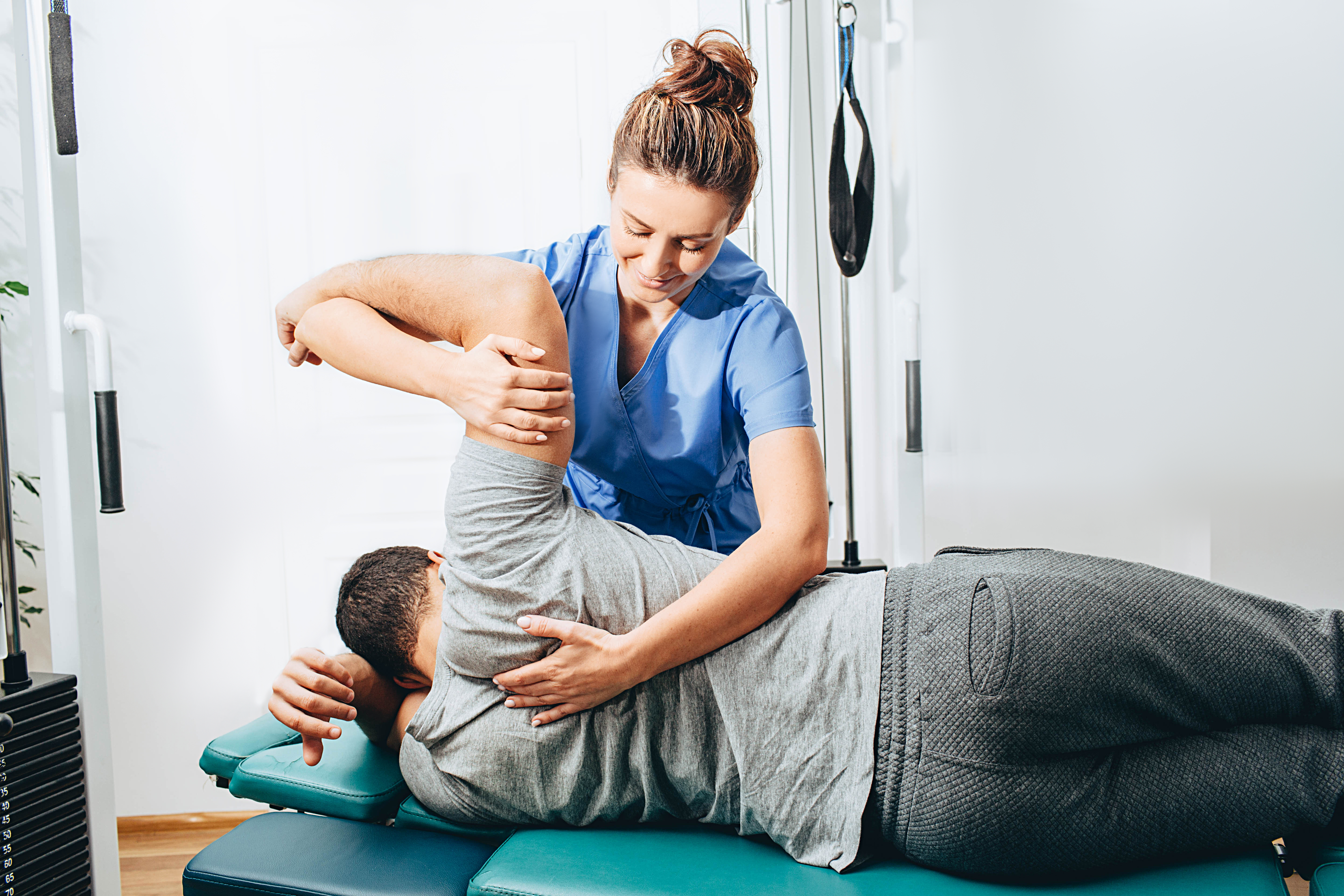
Once a personalised plan is in place, the focus shifts to effective therapies and treatments that support your recovery and long-term wellness.
Manual Therapy and Joint Mobilisation
Manual therapy is a hands-on approach that targets joint and muscle issues. It’s like a reset for your body, providing relief from stiffness and pain. Techniques such as joint mobilisation help improve movement and reduce discomfort. This therapy not only addresses current issues but also aids in preventing future problems. Imagine feeling the tension melt away as your body becomes more flexible and agile.
Exercise and Stretching Techniques
An active approach to recovery involves exercises and stretches tailored to your needs. These techniques are designed to strengthen muscles and improve flexibility, reducing the likelihood of flare-ups. By incorporating these exercises into your routine, you’re not just managing pain; you’re enhancing your overall physical health. You can perform these exercises at home or in the gym, making them a convenient addition to your lifestyle.
Preventing and Managing Flare-Ups
Managing pain is one thing, but preventing it from coming back is key. With the right strategies in place, you can enjoy an active life without frequent interruptions.
Posture and Movement Strategies
Improving posture and movement is crucial in managing recurring pain. Simple changes in how you sit, stand, or move can make a significant difference. You’ll learn how to adjust your movements to reduce strain on your body. These adjustments can be applied to everyday activities, allowing you to enjoy your favourite local events without discomfort.
Long-Term Self-Management Tips
Being proactive about your health means adopting long-term habits that support well-being. Self-management tips include regular exercises, healthy posture habits, and stress management techniques. These strategies empower you to take control of your health. By integrating these tips into your daily routine, you’ll find yourself more resilient and ready to tackle the day, whether it’s at work or during leisure activities.
Frequently Asked Questions
What is integrated care?
Integrated care combines multiple healthcare services in one plan, tailored to your needs. It involves a team of professionals working collaboratively to ensure comprehensive care.
How can manual therapy help with stiffness?
Manual therapy uses hands-on techniques to relieve joint and muscle stiffness. It can enhance flexibility and reduce pain, helping you move more freely.
What exercises can help prevent flare-ups?
Exercises that focus on strengthening and stretching can prevent flare-ups. A physiotherapist can recommend specific exercises based on your condition.
How do posture strategies reduce pain?
Good posture reduces strain on your body, preventing pain and discomfort. Simple adjustments in your sitting and standing positions can make a big difference.
What are long-term self-management tips for pain?
Incorporate regular exercise, maintain good posture, and practice stress management techniques to manage pain long-term. These habits support ongoing health and wellness.
Book Online
Sep 14, 2026 | Uncategorized
Post-surgical rehabilitation in Port Credit isn’t one-size-fits-all. A structured recovery plan after surgery should fit your lifestyle, goals, and the unique demands of your body. At MyHealth Care Centre, we combine treatments like physiotherapy after surgery Port Credit with therapies such as cold laser and cryotherapy to help you regain strength and confidence. Here’s what a personalised rehab programme looks like—and how it sets you up to move better and live better.
Essential Elements of Rehabilitation
When embarking on post-surgical rehabilitation, understanding the foundational elements is crucial. Let’s break down what goes into crafting a recovery plan that truly supports your journey back to health.
Understanding Your Recovery Plan
Your recovery plan is a roadmap tailored to your needs. It focuses on restoring your strength and mobility, ensuring that every step addresses your specific post-surgical challenges. By prioritising your unique recovery goals, the plan becomes a guide that adapts to your body’s responses and progresses as you heal.
During the initial stages, you and your healthcare provider will outline the plan together. This is where you’ll discuss your surgery details, current physical condition, and any particular concerns you have. Each session is designed to work on specific areas that need attention, helping you regain full function over time.
Monitoring progress is vital. Regular check-ins with your physiotherapist help track improvements and tweak your plan as needed. This ensures that every aspect of your recovery is on track, making you an active participant in your healing process.
Importance of Personalised Programmes
A personalised programme is essential because no two bodies are the same. Such a plan takes into account your lifestyle, surgical history, and recovery goals, making it more effective than a generic approach. It empowers you to stay engaged and motivated throughout your rehab journey.
These programmes often incorporate a variety of therapies that aim to address different recovery facets. You might find yourself combining exercises, manual therapy, and education to achieve the best outcomes. This integrated approach ensures that you’re not just recovering but also building resilience against future injuries.
Moreover, the flexibility of a personalised plan means you can address new challenges as they arise. Whether it’s incorporating new exercises or adjusting therapy intensity, a tailored plan evolves with you, ensuring continuous improvement.
Therapies and Treatments
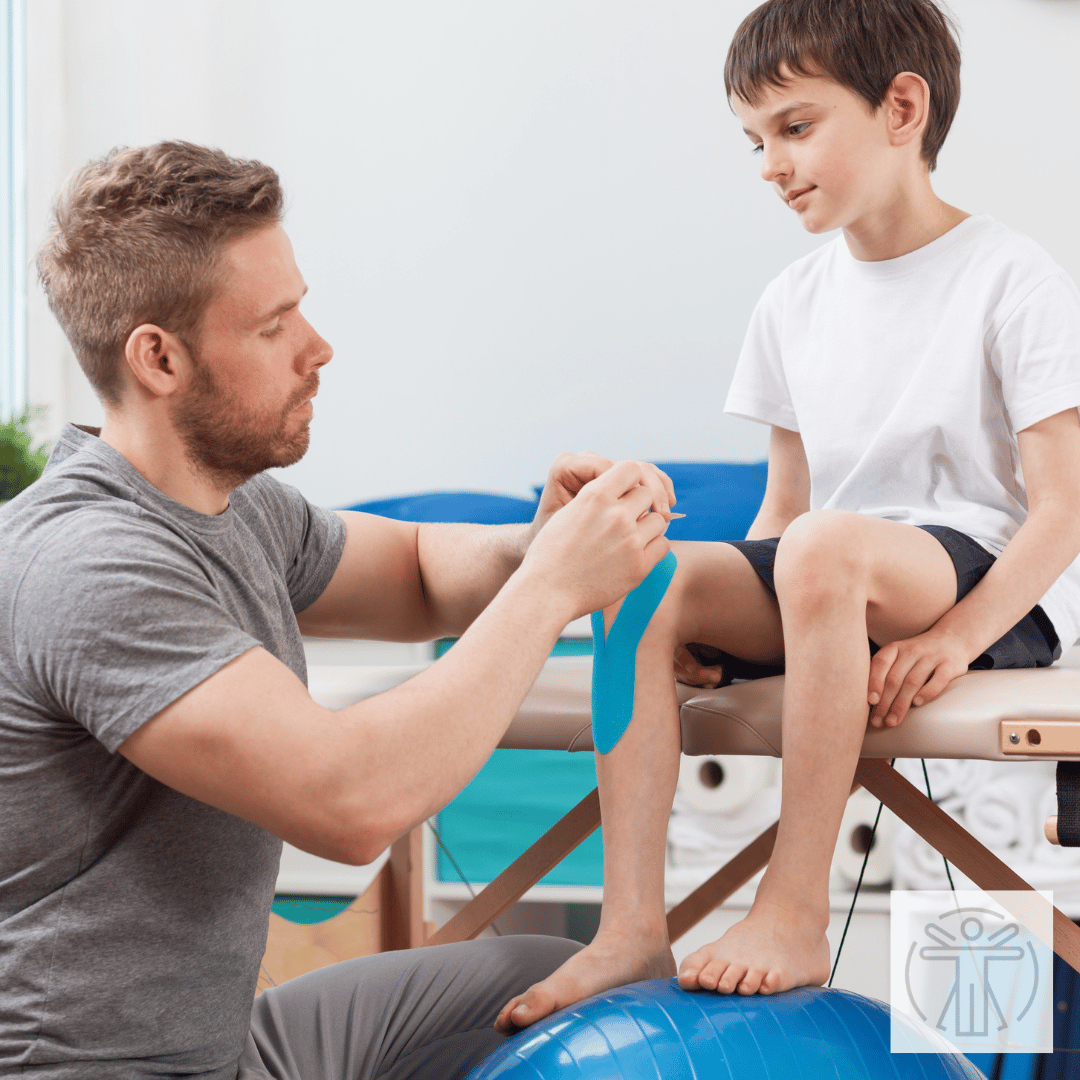
To support your recovery, a range of therapies and treatments can be employed. These not only aid in healing but also enhance overall well-being.
Physiotherapy and Chiropractic Benefits
Physiotherapy and chiropractic care form the backbone of rehabilitation. These therapies focus on improving mobility, reducing pain, and promoting healing. Physiotherapy exercises help strengthen muscles around the surgical site, while chiropractic adjustments can enhance spinal health and joint function.
The combination of these two disciplines creates a comprehensive approach to recovery. When integrated, they address both the immediate post-surgical needs and the long-term maintenance of your body’s health. This synergy ensures a smoother, more effective recovery process.
Patients often report that physiotherapy helps in regaining motion quickly, while chiropractic care aids in maintaining alignment and reducing discomfort. Together, they create a robust framework for achieving optimal health post-surgery.
Advanced Modalities: Cold Laser and Cryotherapy
Cold laser therapy and cryotherapy are advanced treatments that play a significant role in modern rehabilitation. Cold laser therapy targets cellular repair and accelerates tissue healing, making it a valuable tool for reducing inflammation and pain post-surgery.
Cryotherapy, on the other hand, uses cold temperatures to reduce swelling and manage pain. It’s especially effective for acute injuries and post-surgical recovery, providing quick relief and supporting the body’s natural healing processes.
These therapies are non-invasive, making them appealing options for many patients. They can be seamlessly integrated into your personalised programme, enhancing the overall effectiveness of your rehabilitation.
Role of Massage and Stretch Therapies
Massage therapy and stretching exercises contribute significantly to rehabilitation by improving circulation and flexibility. Massage helps alleviate muscle tension, promoting relaxation and recovery. Stretching maintains joint mobility and prevents stiffness, which is crucial after surgery.
Incorporating these therapies into your recovery plan can lead to better outcomes. Regular sessions can improve your range of motion and decrease the risk of complications, supporting your journey toward full recovery.
These therapies also offer mental benefits. They reduce stress and promote a sense of well-being, which is vital for maintaining a positive outlook during your rehabilitation journey.
Preparing for Active Recovery
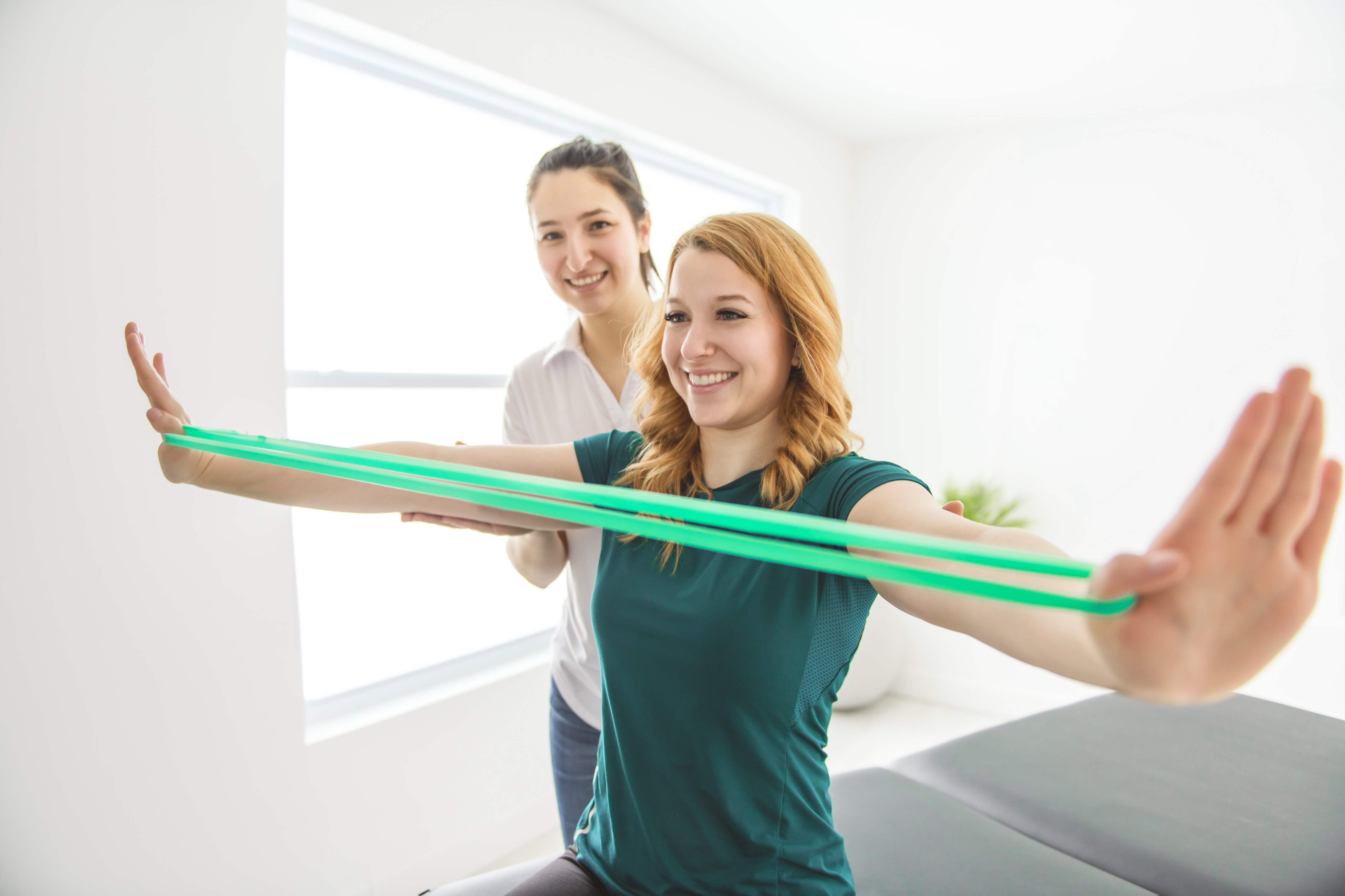
Active recovery involves taking charge of your healing outside the clinic. Let’s explore how you can prepare for this important phase.
Home Exercises and Progress Tracking
Home exercises are a cornerstone of active recovery. They allow you to continue your rehabilitation independently, reinforcing the work done during therapy sessions. Consistency is key—performing exercises regularly ensures steady progress.
Tracking your progress is equally important. By keeping a record of your achievements and setbacks, you can adapt your exercises to better suit your needs. This not only keeps you motivated but also provides valuable insights to your healthcare provider.
Remember, the goal is to integrate these exercises into your daily routine. This makes recovery a part of your lifestyle, ensuring long-term success.
Incorporating Orthotics and Compression Socks
Orthotics and medical compression socks can be valuable tools in your recovery arsenal. Custom orthotics support proper foot alignment, reducing strain on surgical sites and aiding overall biomechanics. These are particularly useful for surgeries involving the legs or back.
Compression socks help improve circulation, reducing swelling and discomfort. They’re especially beneficial during the early stages of recovery when mobility might be limited.
Both orthotics and compression socks can enhance your rehabilitation efforts, offering support and improving comfort as you regain activity levels.
Local Activities to Aim For
Engaging in local activities can boost your recovery by encouraging movement and social interaction. Walking along the Port Credit waterfront or participating in community yoga classes can be excellent ways to stay active.
These activities not only support physical healing but also enhance mental well-being. They offer opportunities to connect with others, reducing feelings of isolation during your recovery journey.
As you progress, gradually incorporate more challenging activities. This keeps your rehabilitation engaging and helps you achieve new milestones in your journey to health.
Frequently Asked Questions
What should I expect during post-surgical rehabilitation?
Post-surgical rehabilitation focuses on restoring function through personalised exercises and therapies. Expect a combination of in-clinic sessions and home exercises to support recovery.
How do personalised programmes benefit my recovery?
Personalised programmes cater to your specific needs, enhancing recovery effectiveness. They incorporate various therapies and evolve with your progress, ensuring continuous improvement.
What role do advanced therapies play in rehabilitation?
Advanced therapies like cold laser therapy and cryotherapy aid healing by reducing inflammation and managing pain. They complement traditional therapies, making recovery more efficient.
Why are home exercises crucial in active recovery?
Home exercises extend the benefits of in-clinic sessions, reinforcing progress. They help maintain muscle strength and joint mobility, supporting long-term recovery goals.
How can local activities enhance my recovery?
Local activities promote movement and social engagement, boosting mental and physical well-being. They keep rehabilitation enjoyable, motivating you to stay active.
Book Online
Sep 13, 2026 | Uncategorized
Foot pain, knee aches, or that nagging back discomfort might seem like part of your daily routine. Yet, the real issue often starts with how your feet support your body. Custom orthotics in Port Credit offer a tailored way to correct alignment, improve balance and ease those everyday strains. At MyHealth Care Centre, we combine expert gait assessment with personalised care to help you stand taller and move steadier every day. Learn more.
Benefits of Custom Orthotics
Custom orthotics are more than just foot supports. They can transform how you stand and move, providing lasting relief from discomfort. Let’s explore the top benefits.
Enhance Posture and Support
Good posture begins with your feet. When your feet are aligned correctly, your entire body follows suit. Custom orthotics provide the tailored support needed to maintain this alignment. They help distribute your weight evenly, reducing strain on your feet, knees, and back. With this support, you can move confidently, knowing that your body is aligned from the ground up. This can lead to a noticeable improvement in how you carry yourself throughout the day.
Improve Balance for Active Lifestyles
If you’re active, you know the importance of balance. Custom orthotics can be a game-changer for those who love sports or spend long hours on their feet. They offer the stability and cushioning needed to prevent common injuries such as ankle sprains. By providing a firm foundation, they can enhance your performance and allow you to engage in activities you love without hesitation. With orthotics, each step can feel more controlled and secure.
Ease Everyday Discomfort
From walking to standing, daily activities can take a toll on your feet. Custom orthotics help ease this discomfort by providing the necessary support and cushioning. They can address specific issues like plantar fasciitis and overpronation, offering relief where you need it most. This means fewer aches and pains at the end of the day. Say goodbye to nagging foot pain and hello to comfort with every step you take.
Comprehensive Orthotic Services in Port Credit
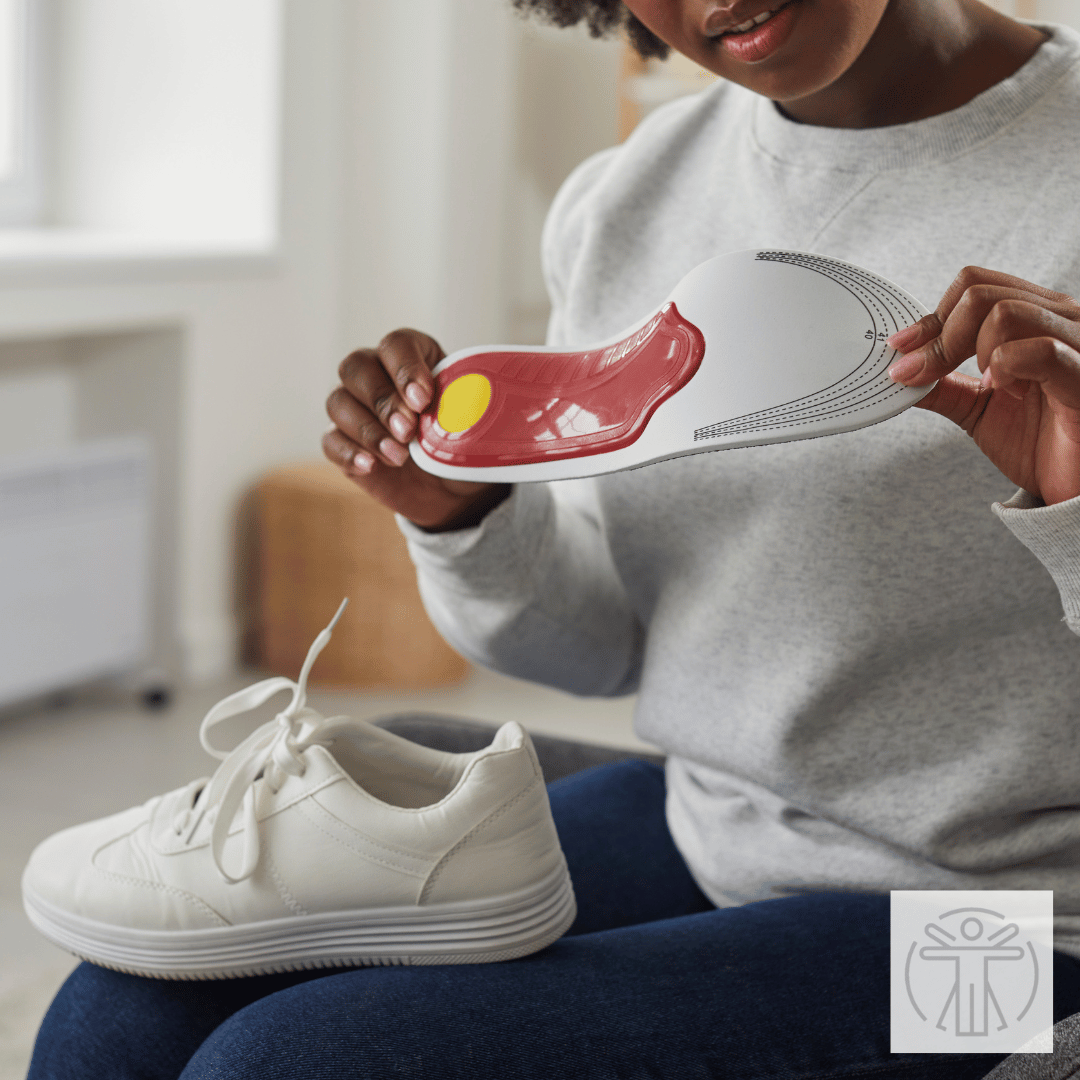
At MyHealth Care Centre, we offer a full range of orthotic services designed to meet your unique needs. Here’s how we ensure you get the best support possible.
Expert Gait Assessment and Posture Analysis
Our process begins with a detailed gait assessment. We analyse how you walk and identify any issues in your posture or foot alignment. This assessment allows us to create a custom orthotic tailored to your specific needs. By understanding your unique foot mechanics, we can provide solutions that enhance your overall mobility. This thorough evaluation is the foundation of effective orthotic support.
Precision Crafting and Material Selection
Once the assessment is complete, we focus on crafting your orthotics with precision. We use high-quality materials to ensure durability and comfort. The right materials mean your orthotics can withstand daily wear while providing the support you need. This careful selection process guarantees that your custom orthotics are both effective and comfortable. With this approach, you can trust that your orthotics will support you every step of the way.
Integrated Health Solutions
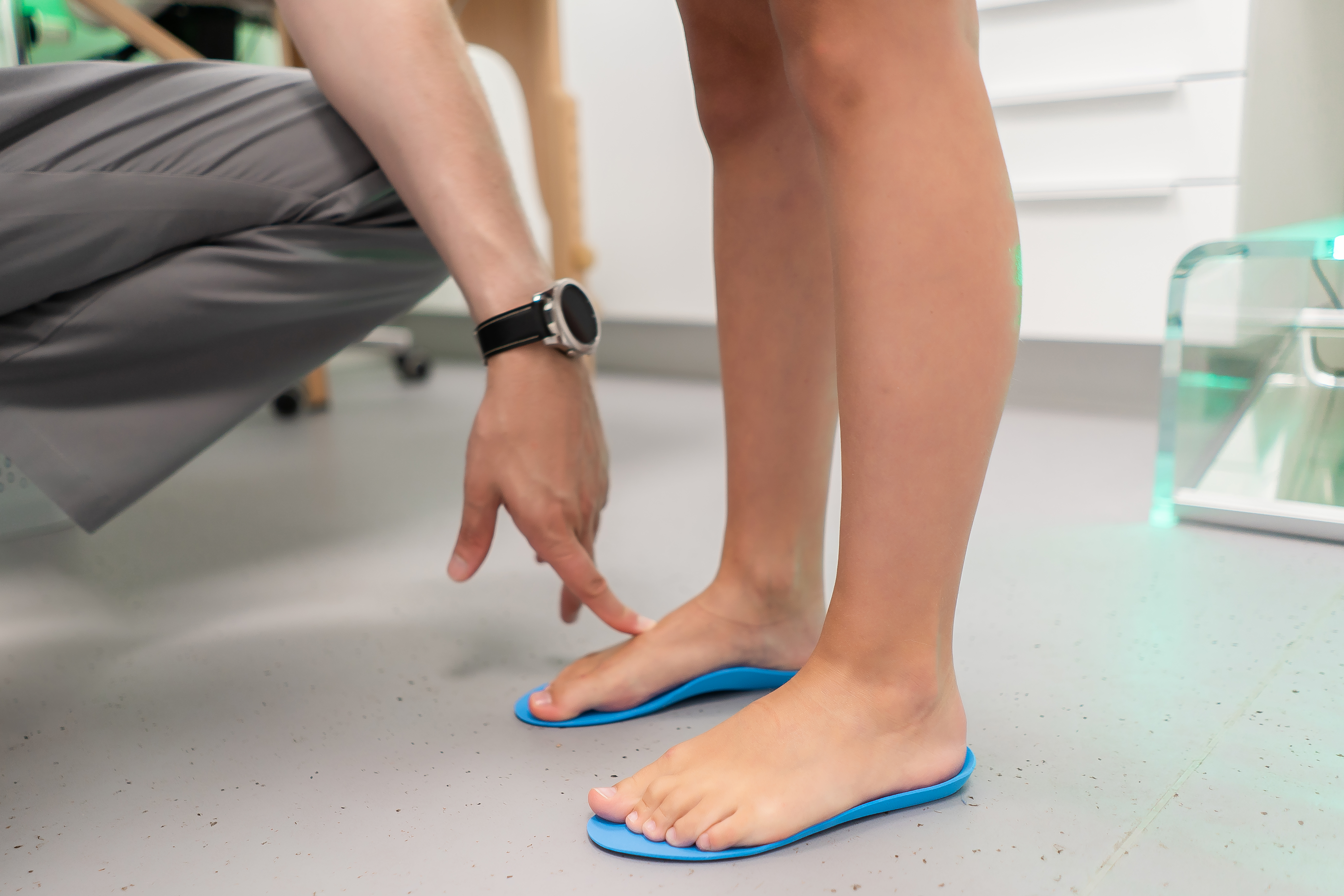
Custom orthotics are just one part of your journey to better health. Our integrated approach ensures comprehensive care that addresses all aspects of your well-being.
Combining Physiotherapy and Chiropractic
We combine orthotics with other services like physiotherapy and chiropractic care. This multi-disciplinary approach enhances your recovery and improves your overall health. By addressing multiple facets of your wellness, we can help you achieve lasting results. Our team of experts works together to provide coordinated care, ensuring your treatment is seamless and effective.
Follow-Up Care and Customisation
Your journey doesn’t end once you receive your orthotics. We provide follow-up care to ensure they continue to meet your needs. This includes adjustments and customisation as your body changes and adapts. Our goal is to support your ongoing health and comfort. With regular check-ins, we can make sure your orthotics deliver the best possible results.
Frequently Asked Questions
What are the benefits of custom orthotics?
Custom orthotics provide tailored support that can improve posture, balance, and comfort. They are designed to fit your feet precisely, distributing weight evenly and reducing strain on your body.
How do custom orthotics differ from store-bought options?
Store-bought insoles offer general cushioning, while custom orthotics are specifically crafted to address your unique foot mechanics and alignment needs. This precision fit offers more effective support and relief.
How often should I replace my custom orthotics?
Typically, custom orthotics should be replaced every 1-2 years. However, this can vary based on wear and lifestyle. Regular check-ins with your provider can help determine the right time for replacement.
Can custom orthotics help with sports performance?
Yes, custom orthotics can enhance sports performance by improving balance and providing stability. They offer the support needed to prevent injuries and allow for more efficient movement.
What should I expect during a gait assessment?
During a gait assessment, your provider will analyse your walking pattern and posture. This helps identify any misalignments or issues that can be addressed with custom orthotics, ensuring a perfect fit.
Book Online
Sep 12, 2026 | Uncategorized
Muscle soreness after a workout is normal, but when does it cross the line into something more serious? Many active adults confuse delayed onset muscle soreness (DOMS) with injury, risking further harm by ignoring key warning signs. In this guide, you’ll learn how to spot sports injury red flags, perform simple self-checks, and recover smarter with proven steps. If your pain feels more than ‘normal sore’, don’t guess. Book a same‑week physiotherapy assessment at MyHealth Care Centre in Port Credit. We’ll build a personalised recovery plan so you can Move Better. Live Better. For more information on distinguishing between soreness and injury, visit this helpful guide.
Understanding Muscle Soreness
Muscle soreness is a common experience after physical activity, but it’s crucial to differentiate between normal soreness and signs of injury. Understanding the nuances can help you make informed decisions about your recovery and seek appropriate care when needed.
What is Delayed Onset Muscle Soreness?
Delayed onset muscle soreness, or DOMS, usually begins 12-24 hours after exercise and peaks around 48 hours. This soreness results from tiny muscle tears from strenuous activity. DOMS is a normal recovery process, signalling your muscles are adapting and growing stronger. Common activities causing DOMS include weightlifting, running, or any unfamiliar exercise. While it can be uncomfortable, gentle movement and rest often alleviate this soreness. If your discomfort limits basic movements, it might be time to reassess your routine.
Recognising DOMS vs Injury
Differentiating DOMS from an injury requires attention to your body’s signals. DOMS manifests with general stiffness and mild soreness, whereas an injury often presents sharp or persistent pain. If your discomfort doesn’t improve with rest or worsens over time, it could indicate an injury. Reflect on the activity’s intensity: Was it unusually high? Did you experience a sudden impact? Injuries may also cause swelling or bruising, which are less common in DOMS. Listen to your body and consult a professional if you’re unsure.
Common Muscle Soreness or Injury?
Not all soreness is created equal. While DOMS is expected, certain symptoms suggest more than typical muscle strain. Injuries often cause pain that doesn’t subside with rest. Noticing swelling, bruising, or a reduced range of motion? These could be red flags. An isolated area of pain, particularly if accompanied by weakness, warrants a closer look. Use your judgement and seek guidance if you’re uncertain. Identifying the difference early can prevent further harm and support better recovery.
Spotting Warning Signs
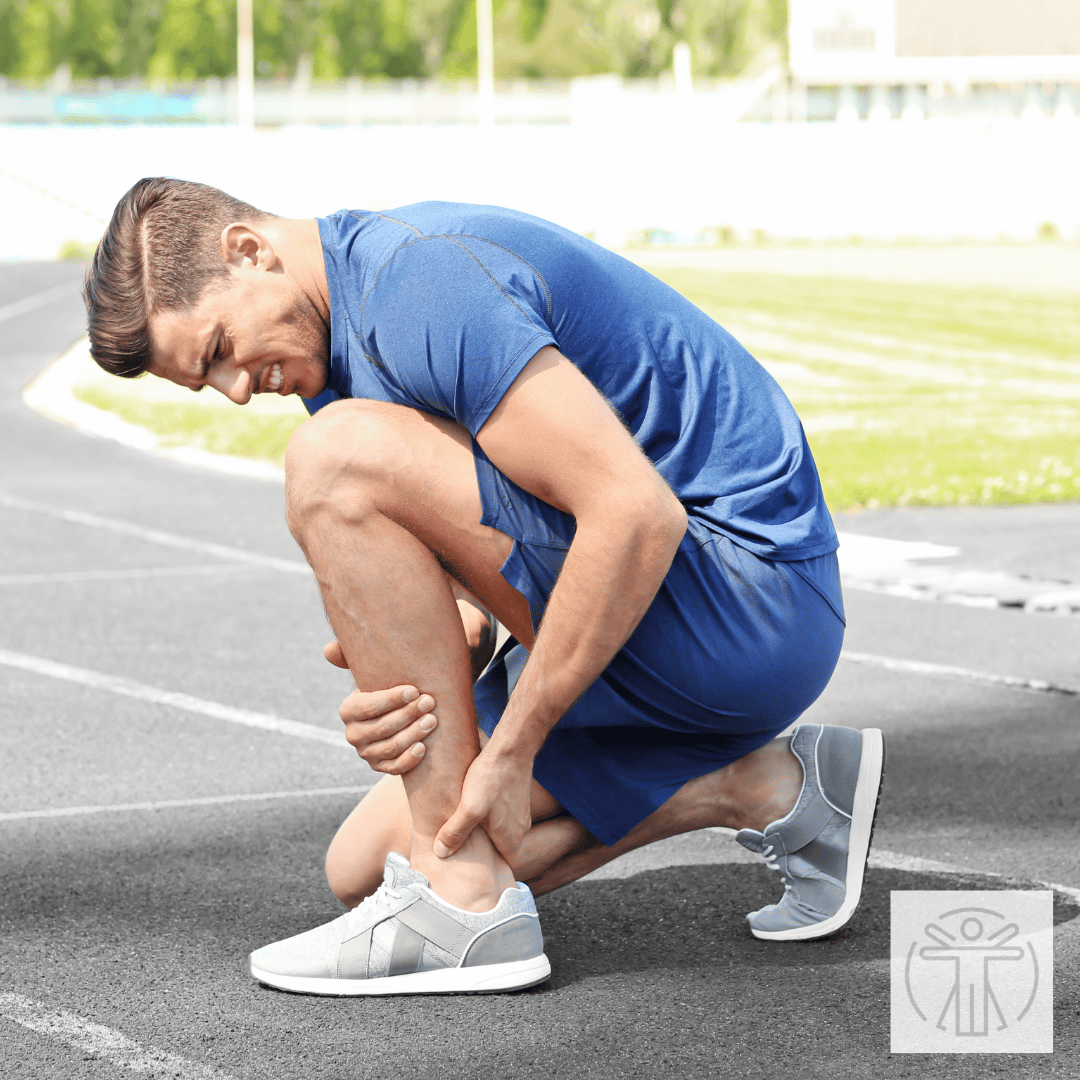
Understanding these warning signs ensures you don’t ignore or downplay potential injuries. Recognizing these signs early can help you seek timely intervention, reducing the risk of more severe complications.
Sports Injury Red Flags
Spotting injury signs early is key. Watch for symptoms such as joint instability, severe swelling, or sharp pain. These are clear indicators of more than just DOMS. Persistent discomfort beyond a week or pain that disrupts sleep should not be ignored. If you notice any of these, consider consulting a professional. Ignoring these symptoms can lead to prolonged recovery or further injury. Trust your instincts and seek help when in doubt.
Swelling and Bruising After Exercise
Swelling and bruising are your body’s signals to pay attention. After intense activity, it’s not unusual to see some swelling, but if it’s excessive or painful, take notice. Bruising may indicate a more severe strain or tear. Monitor these symptoms closely. If swelling or bruising appears suddenly or worsens, it might be time to see a physiotherapist. These signs can point to underlying issues that need professional attention.
Numbness or Tingling After Workout
Experiencing numbness or tingling post-exercise is unusual. This could indicate nerve involvement or compromised circulation. Such symptoms deserve immediate attention, as they may suggest a pinched nerve or other significant conditions. Persistent tingling or numbness is not typical; don’t wait for it to pass on its own. Seek professional evaluation promptly to prevent potential complications and ensure proper recovery.
Smart Recovery Steps
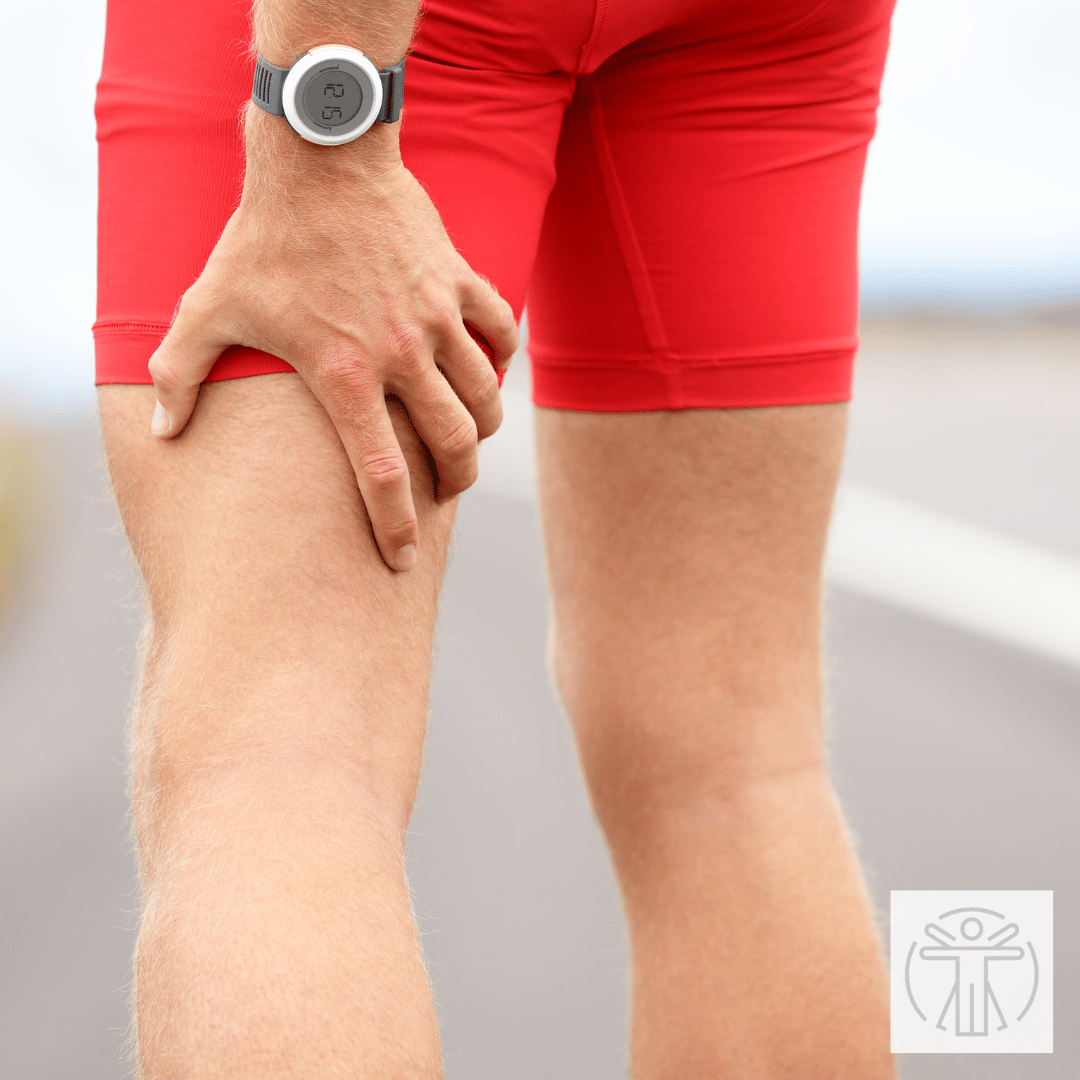
Taking the right steps can make all the difference in your recovery journey. Knowing when to seek help and the therapies available can enhance your healing process and prevent future issues.
When to See a Physiotherapist
Deciding when to see a physiotherapist can be challenging. If pain persists beyond a few days, limits your daily activities, or intensifies, it’s time to consult a professional. A physiotherapist can assess your condition, provide accurate diagnoses, and craft a tailored recovery plan. Early intervention can prevent further injury and speed up recovery. Don’t wait for the problem to worsen; a timely visit can save you from prolonged discomfort.
Effective Therapies in Port Credit
Port Credit offers a range of therapies to aid recovery. From cold laser therapy in Mississauga for pain relief to cryotherapy for inflammation reduction, the options are diverse. Fascial stretch therapy is also available to enhance mobility and ease tension. Each therapy is designed to target specific recovery needs, ensuring a comprehensive approach. Choosing the right therapy can expedite healing and restore function.
Personalised Recovery Plans
A personalised recovery plan is vital for effective healing. At MyHealth Care Centre, each plan is tailored to your needs, ensuring optimal results. Our integrated care model combines physiotherapy, massage, and chiropractic care to address every aspect of recovery. This holistic approach not only treats the symptoms but also tackles the root cause, preventing future injuries. Get back to your active lifestyle with confidence and strength.
Frequently Asked Questions
How can I tell if my muscle soreness is serious?
If your soreness includes sharp pain, swelling, or doesn’t improve with rest, it might indicate a more serious condition. Persistent symptoms warrant professional evaluation.
When should I seek professional help for muscle pain?
Consult a physiotherapist if pain persists beyond a few days, limits your activities, or intensifies. Early intervention can prevent further injury and speed recovery.
What therapies are available in Port Credit for injury recovery?
Port Credit offers a variety of therapies including cold laser therapy, cryotherapy, and fascial stretch therapy. Each targets specific recovery needs for comprehensive healing.
What is the difference between DOMS and an injury?
DOMS causes general stiffness and mild soreness, peaking 48 hours post-exercise. An injury often causes sharp, persistent pain and may include swelling or bruising.
How can I prevent future injuries?
Prevent future injuries by listening to your body, incorporating proper warm-ups and cool-downs, and considering a personalised recovery plan from a professional.
Sep 7, 2026 | Uncategorized
Tired feet, tight calves, achy knees? It all starts with your foundations. Poor foot support can throw off your posture, leading to pain that slows you down during Waterfront Trail runs or sailing at Port Credit Yacht Club. In this guide, you’ll learn how simple changes to foot support and posture correction can keep you moving pain-free. Let’s build stronger movement from the ground up with expert tips from your Port Credit physiotherapy team.
Strong Feet, Better Posture
What connects your feet to your overall well-being? It’s all about support and alignment. Strong feet lay the foundation for better posture, allowing you to move with more ease and less discomfort in daily activities.
Benefits of Foot Support
When you give your feet the support they need, they carry you further with less strain. Proper arch support reduces stress on your feet, preventing conditions like plantar fasciitis. By spreading pressure evenly, foot support can protect your knees and hips from unnecessary pain. Imagine running on the Waterfront Trail without worrying about foot pain holding you back. Custom orthotics can provide the personalized support your feet crave.
Posture Correction Tips
Want to stand taller and feel more aligned? Start by focusing on key habits. Keep your weight balanced on both feet, and avoid slouching by engaging your core. Using a mirror can help you notice and correct any imbalances. For those long days at the desk or during physical activities, maintaining the correct posture helps prevent lower back pain. Need more tips? Check out this resource.
Gait Analysis Explained
Ever wondered about your walking pattern? A gait analysis examines how you walk or run, identifying any misalignments or inefficiencies. By understanding your gait, physiotherapists can recommend solutions tailored to your needs, like custom orthotics or exercises. A smoother gait means less risk of injury and more comfort in your steps.
Pain Relief Through Movement
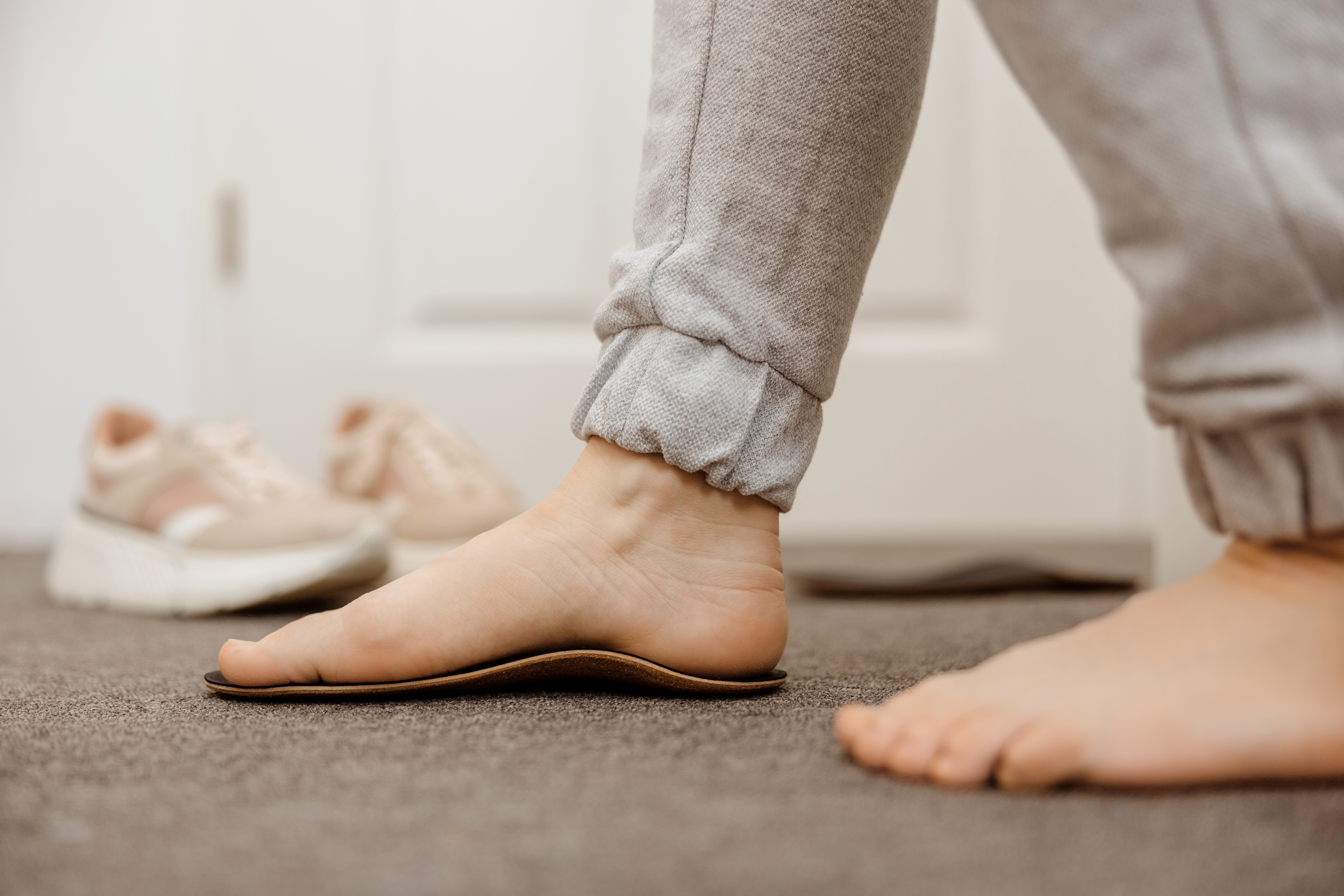
Moving without pain is possible. By addressing the root causes of discomfort, you can find relief and improve your quality of life.
Addressing Foot Pain
Foot pain can halt your activities. Identifying the cause, whether it’s overpronation or flat feet, is crucial. Ice, rest, and proper footwear are your first steps to relief. For persistent pain, consult a specialist who can offer targeted treatments.
Custom Orthotics for Support
Custom orthotics are like a tailored suit for your feet. Unlike generic insoles, they match your unique foot shape, offering precise support. This personalized approach ensures better alignment and reduces pain in the feet, knees, and even lower back. Think of them as your secret weapon against discomfort.
Managing Lower Back Pain
Lower back pain often links to poor posture and foot mechanics. Strengthening your core and ensuring your feet have proper support can alleviate this pain. Consider integrating chiropractic care and massage therapy into your routine to manage and prevent pain.
Local Activities and Injury Prevention
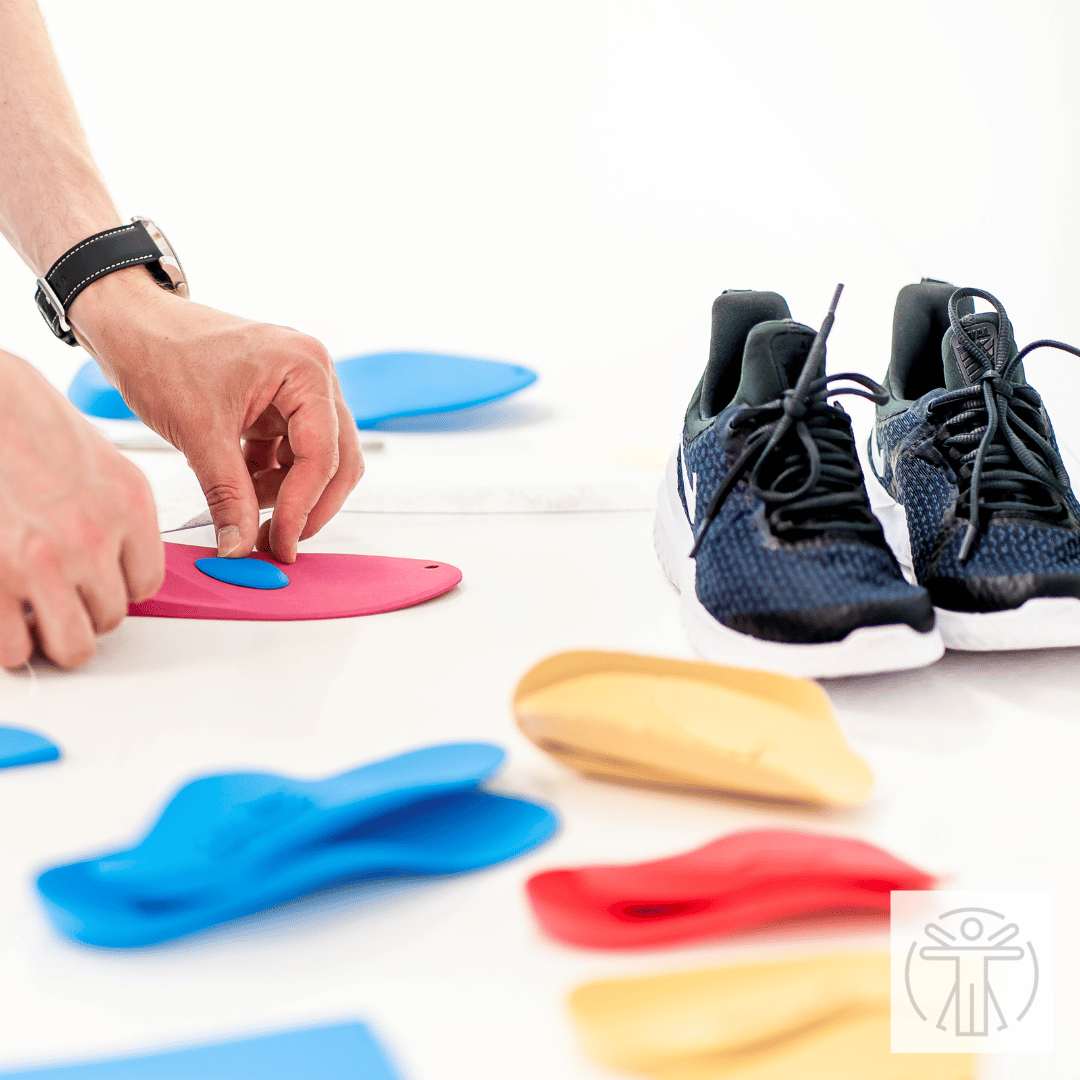
Stay active and injury-free with the right preparation and care. Whether you’re running, sailing, or skating, these tips will help you enjoy your favourite activities safely.
Running the Waterfront Trail
The Waterfront Trail is a local gem for runners. Before hitting the trail, ensure your footwear provides the right support and cushioning to prevent running injuries in Mississauga. Warm up with dynamic stretches and cool down afterwards to keep muscles flexible and less prone to injury.
Sailing at Port Credit Yacht Club
Sailing demands balance and core strength. Engage in regular exercises that enhance these areas to prevent strain or injury while on the water. Always take care of your posture, even when seated, to avoid back pain.
Ice Skating Injury Prevention
Skating is fun but can be hard on your body. Wearing the right skates and warming up can help prevent injuries. Practise balance exercises to improve your stability on the ice. Remember, prevention is key to staying active and safe.
Frequently Asked Questions
What is the best way to support my feet?
Using custom orthotics can provide the precise support your feet need. They help distribute pressure evenly and prevent foot pain.
How does poor posture affect my health?
Poor posture can lead to various issues, including back pain, headaches, and muscle fatigue. Correcting posture improves overall health and reduces discomfort.
What should I do if I experience foot pain during activities?
Rest and ice are initial steps. If pain persists, consult a physiotherapist for a thorough evaluation and personalized treatment plan.
Embrace these tips to improve your posture and stay pain-free in your favourite activities. Your body will thank you!
Book Online
Sep 6, 2026 | Uncategorized
Recurring stiffness and pain can drain your energy and slow you down, especially when it keeps coming back no matter what you try. At MyHealth Care Centre in Port Credit, integrated care brings together physiotherapy, chiropractic, massage, acupuncture, and more to tackle the root causes—not just the symptoms. You’ll learn how this team approach helps you move better and manage your pain with confidence, so everyday activities feel easier again.
Integrated Care Approach
Integrated care combines various treatments to offer a comprehensive solution. By working with different specialists, you receive a complete approach to managing stiffness and pain.
Collaboration Across Disciplines
The power of integrated care lies in teamwork. Imagine physiotherapists, chiropractors, and massage therapists all focusing on your specific needs. They work together to create a plan just for you. This collaboration means you get a well-rounded treatment, addressing different aspects of your discomfort. No more jumping from one place to another; here, everything is under one roof.
Having specialists collaborate ensures all angles of your care are covered. You benefit from their collective expertise. Each professional shares insights, ensuring your plan is comprehensive. This kind of teamwork means smoother recovery and less time in pain. By being in sync, they provide the best care possible.
Addressing Root Causes of Pain
Treatments that merely mask symptoms might provide temporary relief, but identifying the root cause provides lasting results. Integrated care focuses on the source. The team examines your condition closely, identifying causes like posture or muscle imbalance. By addressing these, they ensure the pain doesn’t just return once the treatment stops. This approach not only relieves pain but also prevents its recurrence.
Understanding what triggers your pain helps in designing a plan that targets those exact issues. By fixing the root causes, you get long-term relief. This method ensures you’re not just dealing with symptoms. Your path to recovery becomes clearer, making each step forward more impactful.
Empowering Self-Management
Once you understand the causes of your pain, you can take control. Integrated care equips you with the knowledge to manage your condition. Through education, you learn exercises and habits that prevent future issues. These tools empower you to be proactive, reducing reliance on treatments and increasing your confidence.
When you know more about your condition, you can make informed choices about your health. This empowerment transforms your recovery journey. You become an active participant, not just a passive recipient. With the right guidance, managing your health becomes less daunting and more effective.
Therapies for Stiffness and Pain
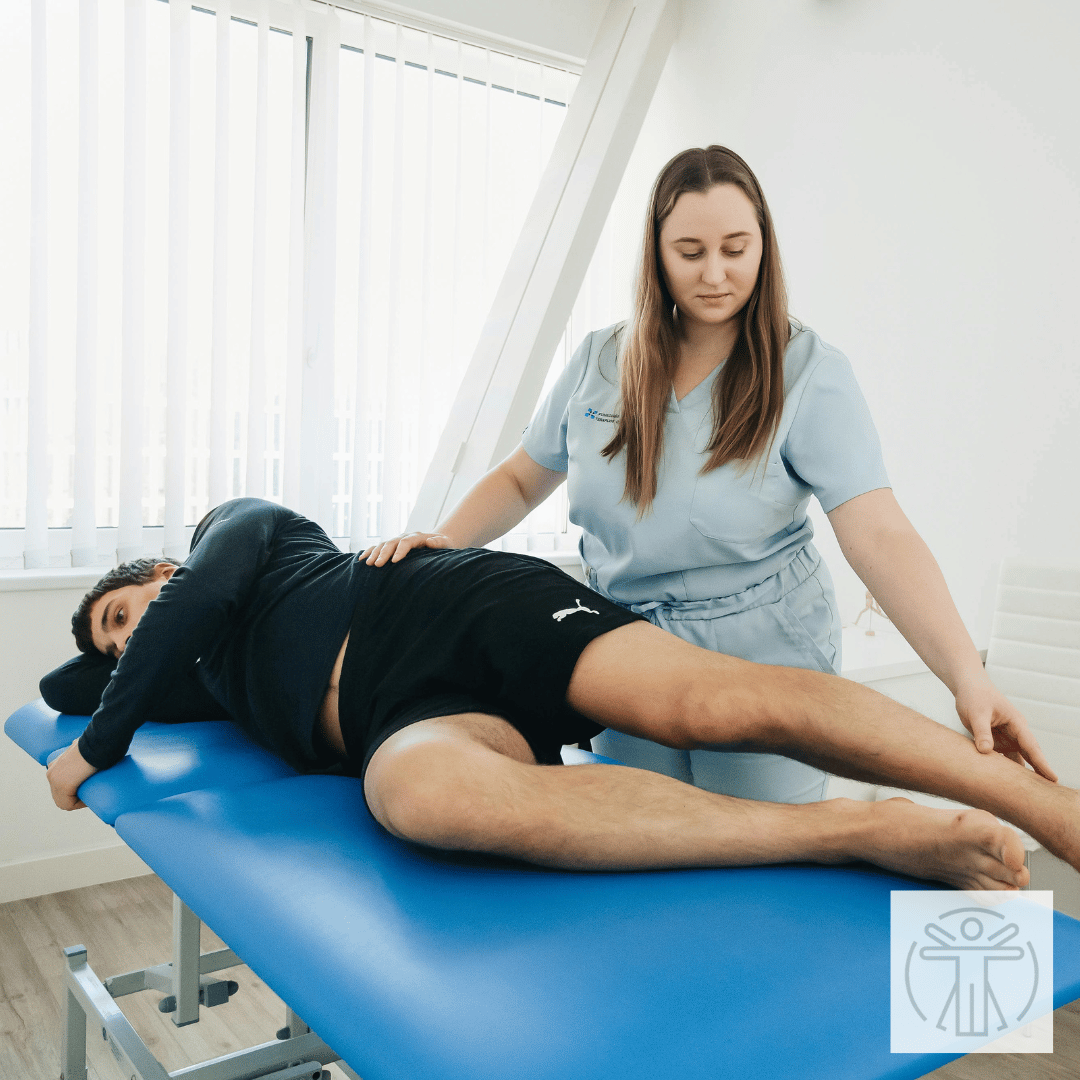
Diverse therapies work together to target stiffness and pain effectively. Each therapy offers unique benefits, and combining them enhances overall results.
Physiotherapy and Chiropractic Solutions
Physiotherapy and chiropractic care complement each other beautifully. Physiotherapy focuses on restoring movement and strength. Therapists guide you through exercises that rebuild your body’s natural abilities. This hands-on approach ensures you’re moving correctly, preventing further issues.
Chiropractic care, meanwhile, focuses on alignment. Adjustments help relieve pressure on nerves and improve spinal health. Together, these therapies form a potent combination. They address both movement and structural aspects, providing comprehensive relief.
Massage and Acupuncture Techniques
Massage therapy works wonders in relieving muscle tension. It improves circulation and promotes relaxation, crucial for recovery. Regular sessions can reduce stress, aiding in pain reduction.
Acupuncture, on the other hand, targets the body’s energy flow. By inserting fine needles at specific points, it helps relieve pain and promote healing. When combined, these therapies offer a holistic approach. They not only treat symptoms but also enhance overall well-being.
Advanced Modalities for Recovery
For those seeking cutting-edge solutions, MyHealth offers advanced modalities. Cold laser therapy aids in tissue healing, while cryotherapy reduces inflammation. These treatments accelerate recovery, allowing you to return to normal activities sooner.
Utilising advanced techniques ensures every angle of recovery is explored. Whether through cold laser or cryotherapy, these options provide an added layer of care. They complement traditional therapies, enhancing effectiveness and delivering faster results.
Booking Your Assessment
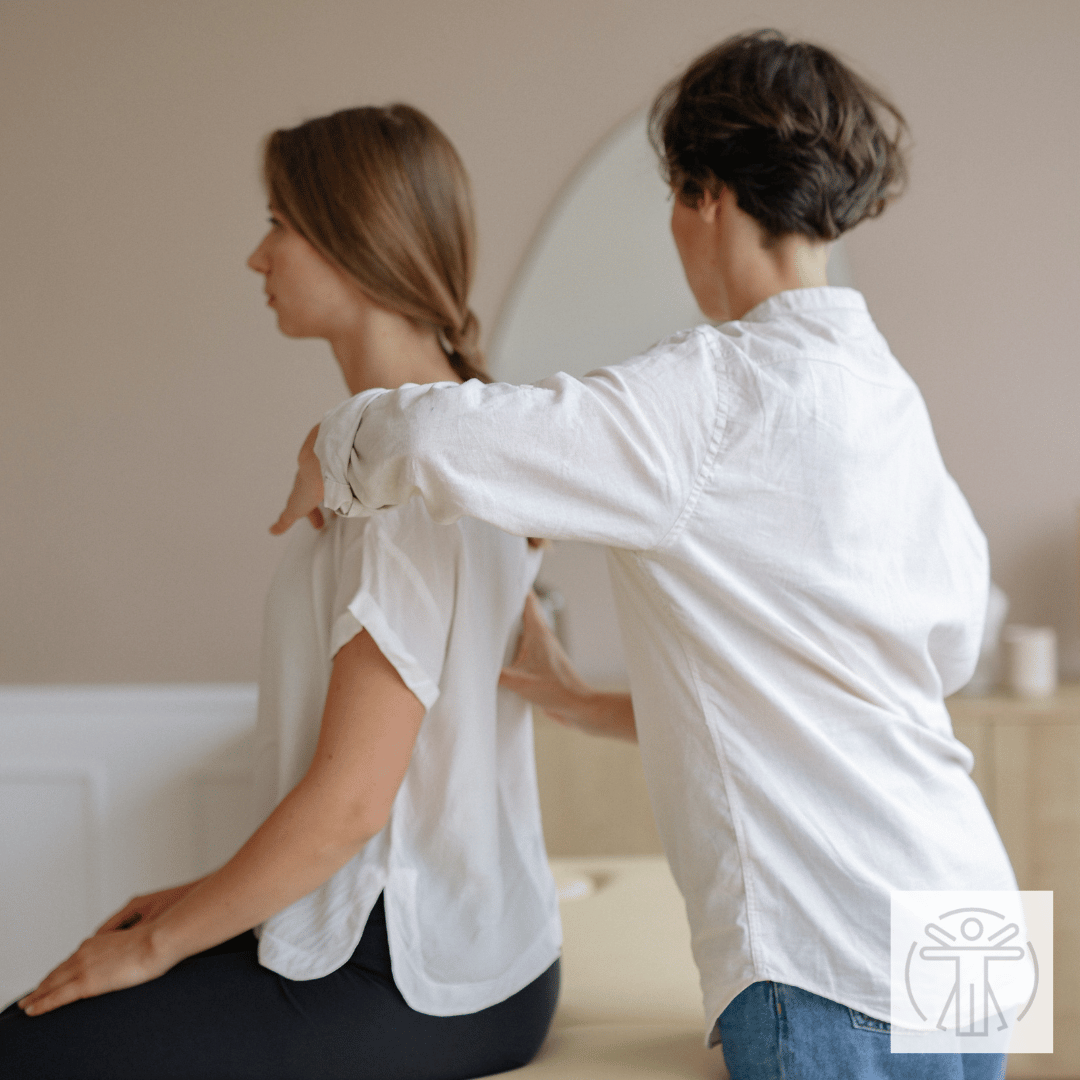
Booking an assessment is the first step to recovery. Understanding what to expect helps you prepare for a smooth experience.
What to Expect at MyHealth
When you arrive at MyHealth, you’ll receive a thorough assessment. Specialists will evaluate your condition, understanding its unique aspects. This detailed evaluation forms the basis of your treatment plan.
Knowing what to expect reduces anxiety. You’ll meet professionals who listen and understand. This welcoming environment ensures you feel comfortable and supported throughout your journey.
Personalised Care Plans
Every individual is unique, and so should be their treatment plan. After your assessment, a personalised care plan is crafted. Tailored to your specific needs, it ensures you receive the most effective treatment.
Having a plan designed just for you means better outcomes. It considers all aspects of your condition, ensuring nothing is overlooked. This attention to detail makes recovery more efficient and comprehensive.
Benefits of Local Integrated Care
Choosing local care means convenience and familiarity. MyHealth, located in Port Credit, provides easy access to a range of treatments. This proximity means less travel and more focus on healing.
Local care offers a sense of community. You’re treated by professionals who understand local lifestyles and health needs. This connection enhances the quality of care, ensuring you’re supported throughout your recovery journey.
Frequently Asked Questions
1. What is integrated care?
Integrated care combines various health services to provide a comprehensive treatment plan. It involves different specialists working together to address all aspects of a patient’s health condition.
2. How does physiotherapy help with recurring stiffness?
Physiotherapy helps by restoring movement and strength. Through targeted exercises, it addresses the underlying causes of stiffness, ensuring long-term relief.
3. What should I expect during an assessment at MyHealth?
During an assessment at MyHealth, specialists will evaluate your condition thoroughly. This process involves understanding your symptoms and creating a personalised treatment plan tailored to your needs.
4. Why choose local integrated care in Port Credit?
Choosing local care in Port Credit offers convenience and a sense of community. It ensures easy access to treatments and familiarity with local health needs, enhancing the quality of care.
5. What advanced modalities are available at MyHealth?
MyHealth offers advanced modalities like cold laser therapy and cryotherapy. These treatments accelerate healing and reduce inflammation, complementing traditional therapies for effective recovery.
Book Online
Sep 5, 2026 | Uncategorized
Stiffness after a run or a long day on the ice isn’t always a sign to slow down. But when does that tightness cross the line into something that could limit your movement or signal a deeper issue? Knowing when to push through and when to book an integrated mobility assessment can save you from lingering pain or injury. Let’s break down the difference between joint stiffness vs mobility concerns and help you stay active, strong, and pain-free in Port Credit. [https://www.instagram.com/reel/DVjVkKKCZcN/]
Understanding Joint Stiffness vs Mobility
Joint stiffness can sometimes be mistaken for mobility issues, but it’s essential to understand the difference. This knowledge can help you decide when to rest and when to seek professional advice.
Recognising Post-Activity Stiffness
After a vigorous run or workout, it’s common to feel a bit stiff. This stiffness usually fades after some rest or gentle stretching. It happens because your muscles and joints have been working hard, and they need time to recover. Think of it as your body’s way of telling you to take it easy for a bit. However, if the stiffness persists or worsens, it might be time to pay closer attention.
Stiffness should improve within a day or two. If it doesn’t, consider what’s causing it. Are you pushing too hard during your workouts or using poor technique? Addressing these factors can help prevent chronic issues. For persistent stiffness, mixing in activities like yoga or light walks can ease the muscles and joints.
Identifying Mobility Restrictions
Mobility restrictions are more than just a bit of tightness. They can limit your movement and affect your daily activities. Unlike typical stiffness, mobility issues often don’t go away with rest. You might notice difficulty in performing exercises or activities that were once easy for you.
If you find it hard to achieve a full range of motion or experience discomfort doing simple tasks, it’s a sign that something might be off. Mobility restrictions can arise from joint problems, muscle imbalances, or past injuries. It’s crucial to identify these issues early to prevent them from becoming more serious. Seeking guidance from a professional can help pinpoint the cause and set you on the path to recovery.
When to See a Phys## Understanding Joint Stiffness vs Mobility
When you’re active, it’s normal to feel some tightness. But how do you know if it’s just stiffness or a sign of a mobility issue that needs attention?
Recognising Post-Activity Stiffness
Feeling stiff after a workout or a day of activity isn’t unusual. This kind of stiffness usually comes from your muscles working hard. It often resolves with rest or light stretching. You might notice it after running the Waterfront Trail or a day of sailing. These activities can challenge your muscles, making them need a bit of recovery time. Light exercise, stretching, or massage can help ease this type of stiffness. If you’re feeling better after these, it’s likely just regular recovery.
Identifying Mobility Restrictions
Mobility restrictions are different. They limit how you move, not just how you feel. If you notice you can’t move a joint like you used to, that’s a concern. For instance, if your shoulder feels stuck, or your knee doesn’t bend well, this might be a mobility issue. This isn’t just about soreness; it’s about range of motion. If a joint feels locked or you’re in discomfort beyond normal stiffness, it might be time to look deeper. This can affect your daily activities and needs more than just rest or stretching.
When to See a Physio or Chiropractor
When should you consider seeing a specialist like a physio or a chiropractor? If your stiffness doesn’t improve after a few days, or if you’re experiencing pain that interferes with your activities, it’s wise to seek help. These professionals can help identify what’s causing your issues. They offer treatments like physiotherapy to improve movement or chiropractic care to address alignment. Both options can help restore mobility and reduce pain, getting you back to your activities safely.
Red Flags: When to Book an Assessment
Sometimes, it’s clear you need more than self-care. Certain symptoms are red flags that signal it’s time for a professional assessment.
Frozen Shoulder and Other Symptoms
A frozen shoulder is when your shoulder becomes painful and hard to move. If you can’t lift your arm easily, or if it hurts a lot, it’s time to see a professional. This condition can limit your daily life. A physiotherapy assessment can help establish a treatment plan to improve your shoulder’s mobility and reduce pain.
Runner’s Knee and Low Back Stiffness
Runner’s knee is common among active people and leads to pain around the kneecap. If you’re finding it hard to run without pain or experiencing low back stiffness after running, you might need more than just rest. These could be signs of underlying issues that require a detailed look by a Mississauga physiotherapist.
Sailing and Skating Injuries
Activities like sailing and skating can lead to unique injuries. If you’re experiencing persistent pain or restricted movement after these activities, it’s worth getting an assessment. This helps ensure that any injuries don’t become long-term issues. Addressing them early can prevent complications.
Integrated Mobility Assessment and Care
Exploring integrated care can provide comprehensive solutions to your mobility issues.
Comprehensive Physiotherapy Port Credit
Physiotherapy in Port Credit offers a detailed evaluation of your condition. It’s not just about treating symptoms. They assess how you move and work out a plan to restore function and strength. This approach is vital for a lasting recovery and maintaining an active lifestyle.
Advanced Options: Cold Laser and Cryotherapy
Advanced treatments like cold laser therapy and cryotherapy are available in Mississauga. These therapies can help reduce inflammation and pain, accelerating recovery. They’re especially useful for those with persistent pain or injuries that don’t respond to conventional treatment.
Personalised Plans: Move Better, Live Better
The key to effective recovery and prevention is a personalised plan. A plan that looks at your unique needs can help you move better and live pain-free. By tailoring exercises and treatments to your situation, you can ensure a more effective recovery process.
Frequently Asked Questions
What is the difference between joint stiffness and mobility issues?
Joint stiffness usually eases with rest, while mobility issues limit your range of motion and might not improve without treatment.
When should I see a physio or chiropractor for stiffness?
If stiffness persists beyond a few days or affects your daily activities, visiting a physio or chiropractor can help diagnose and treat the issue.
How can physiotherapy help with mobility concerns?
Physiotherapy assesses the cause of mobility restrictions and provides treatments to restore movement and strength, tailored to your needs.
What are signs that you need a professional assessment?
Signs include persistent pain, inability to move a joint normally, or discomfort that worsens despite rest and home care.
Are advanced therapies like cold laser useful?
Yes, advanced therapies like cold laser and cryotherapy can reduce inflammation and pain, aiding in quicker recovery for chronic conditions.
A proactive approach to managing stiffness and mobility can keep you active and healthy. If in doubt, consulting with a healthcare professional in Port Credit ensures you stay on the right track towards wellness.
Book Online
Aug 31, 2026 | Uncategorized
You’ve pushed your limits on the Waterfront Trail or out on the Credit River, only to find pain slowing you down. That nagging ache isn’t just an annoyance—it can keep you off the ice or out of the gym longer than you want. Integrated recovery care in Mississauga brings together physiotherapy, chiropractic, massage therapy, and more under one roof to speed healing and prevent setbacks. Let’s explore how this team approach helps you bounce back stronger and stay active doing what you love. Learn more about integrated care.
Integrated Recovery Care in Mississauga
The secret to a swift recovery lies in a collaborative approach. By uniting various therapies like physiotherapy, chiropractic care, and massage therapy, you’re ensured comprehensive healing. But what are the specific benefits of this multi-disciplinary approach?
The Benefits of a Multi-Disciplinary Approach
Imagine having a team that understands your needs, offering a seamless plan tailored for you. This type of care not only addresses the symptoms but identifies the root causes. Your recovery becomes a journey of regaining strength and confidence, guided by experts.
Key Therapies for Active Adults
Active lifestyles can sometimes lead to strains and aches. With targeted therapies, you can maintain peak performance. This support ensures that whether you’re running on the trail or paddling on the river, every step is backed by a solid foundation.
Creating a Personalised Treatment Plan
Your body is unique, and so should be your recovery plan. With a personalised approach, every session is designed to meet your specific needs, making sure you return to your activities with renewed energy.
Physiotherapy and Chiropractic Care
Understanding the role of physiotherapy and chiropractic care is essential for a full recovery. How do these disciplines integrate into your healing journey?
Importance of Physiotherapy in Port Credit
Physiotherapy focuses on restoring movement and functionality. It’s not just about addressing pain, but ensuring you regain full mobility. Through exercises and manual therapy, you’re equipped with tools to prevent future injuries.
Role of Chiropractors in Recovery
Chiropractors play a crucial role in aligning your body. By adjusting misalignments, they help relieve pain and improve your range of motion. This care complements other therapies, providing a holistic recovery experience.
Massage Therapy Benefits in Port Credit
Massage therapy is more than relaxation. It aids in reducing muscle tension and enhancing circulation, crucial for recovery. In Port Credit, this therapy supports you in maintaining a flexible, pain-free life.
Advanced Therapies for Recovery
Beyond traditional methods, advanced therapies offer cutting-edge solutions. Let’s dive into some innovative options available in Mississauga.
Exploring Acupuncture and Cryotherapy
Acupuncture offers relief by stimulating specific points, enhancing your body’s natural healing. Meanwhile, cryotherapy reduces inflammation and pain through targeted cold therapy. These methods can significantly speed up your recovery.
Utilising Cold Laser Therapy and Custom Orthotics
Cold laser therapy provides a non-invasive solution for pain relief and tissue healing. Combined with custom orthotics, which correct foot mechanics, these therapies ensure every step you take is supported.
Fascial Stretch Therapy and Medical Compression Socks
Fascial stretch therapy enhances flexibility and reduces pain, while medical compression socks improve circulation. Together, they offer a comprehensive approach to recovery, making sure you stay active and comfortable.
Frequently Asked Questions
What is the main benefit of a multi-disciplinary approach?
A multi-disciplinary approach ensures that all aspects of your recovery are covered, providing comprehensive care that addresses both symptoms and root causes.
How does physiotherapy aid in recovery?
Physiotherapy helps restore movement and function through exercises and manual therapy, focusing on preventing future injuries.
What role does chiropractic care play in healing?
Chiropractors help realign the body, relieving pain and improving the range of motion, which complements other therapies for holistic recovery.
Why is massage therapy important for active adults?
Massage therapy reduces muscle tension and enhances circulation, supporting flexibility and pain-free movement vital for active lifestyles.
What advanced therapies are available in Mississauga?
Advanced options include acupuncture, cryotherapy, cold laser therapy, custom orthotics, and fascial stretch therapy, all designed to accelerate recovery and enhance well-being.
Book Online
Aug 30, 2026 | Uncategorized
Many people in Port Credit don’t realise how much their feet affect the rest of their body. Poor foot biomechanics can lead to knee pain, hip and back misalignment, and even affect your posture as you move through daily life or hit the Waterfront Trail. In this post, we’ll show you simple ways to support your feet and improve your whole-body movement—starting from the ground up. Learn more about proper body alignment here.
Understanding Foot Mechanics
Your feet are the foundation of your body, affecting your posture and how you move. Let’s explore how this connection impacts your overall well-being.
Connection to Posture and Movement
Foot mechanics directly influence how you stand and move. When your feet are stable, your posture aligns better. This alignment decreases strain on your knees, hips, and back, helping you move with ease. Many people overlook how a simple adjustment in foot support can improve their entire body’s movement.
Consider how different surfaces affect your stride. Walking on sand requires more balance than a firm path. Likewise, proper foot support can enhance your daily movement. Discover more ways to train your whole body for better posture.
Impact of Overpronation and Flat Feet
Overpronation and flat feet can lead to misalignment and pain. When your feet roll inward excessively, it puts pressure on the lower body, leading to discomfort. People with flat feet might notice their shoes wear out unevenly, causing further imbalance.
If you experience these issues, you’re not alone. Many athletes and active individuals face the same challenges. Identifying these conditions early can prevent long-term problems. Consider incorporating exercises designed to strengthen your arches, which can mitigate some effects of flat feet.
Addressing Plantar Fasciitis and Knee Pain
Understanding Foot Mechanics
Your feet are the foundation of your body, and they play a critical role in your overall posture and movement. Let’s explore how foot mechanics connect to your whole-body health.
Connection to Posture and Movement
Having proper foot biomechanics is crucial for maintaining good posture. When your feet are aligned, it creates a chain reaction that supports the knees, hips, and spine. Imagine walking along the Waterfront Trail with each step feeling balanced and effortless: that’s the power of well-supported feet. Check out this resource for more on improving your movement patterns.
Impact of Overpronation and Flat Feet
Overpronation, where your foot rolls inward excessively, can lead to various issues. Flat feet are often the culprit, causing strain as your body compensates for the lack of arch support. When these conditions are ignored, they can result in knee and hip discomfort. It’s vital to address these challenges early by seeking guidance from a professional to avoid long-term complications.
Addressing Plantar Fasciitis and Knee Pain
Plantar fasciitis and knee pain are common problems many face. Plantar fasciitis involves inflammation of the tissue running along the bottom of your foot, leading to heel pain. Meanwhile, knee pain often stems from alignment issues that originate in the feet. Addressing these conditions with the right support can significantly improve your quality of life and movement.
Improving Alignment and Stability
Enhancing stability and alignment is key to a pain-free life. Let’s delve into some practical steps to support your body effectively.
Custom Orthotics and Footwear Choices
Custom orthotics are a game-changer when it comes to foot support. Unlike generic insoles, they are tailored to your specific needs, promoting natural foot alignment. This bespoke support helps reduce strain on your joints, allowing for smoother movement whether you’re at work or enjoying a leisurely walk. Investing in appropriate footwear is just as crucial; shoes that support your unique foot structure make a significant difference.
Role of Physiotherapy and Chiropractic Care
Physiotherapy and chiropractic care can work wonders for your body alignment. These therapies help correct postural imbalances and improve joint function. By incorporating exercises and adjustments, you can enhance your overall movement and reduce discomfort. If you’re in Mississauga, a trusted Mississauga chiropractor can guide you towards better health.
Importance of Fascial Stretch Therapy
Fascial stretch therapy targets the connective tissues in your body, promoting flexibility and reducing tension. This therapy is essential for maintaining a full range of motion and preventing injuries. By incorporating fascial stretch therapy into your routine, you can achieve better balance and stability, ensuring that your body functions optimally.
Local Expertise and Services
In Port Credit, you have access to a wealth of expertise that can aid your journey to better health. Let’s discuss how local services can support you.
Comprehensive Assessments and Programmes
Comprehensive assessments are the first step to understanding your unique needs. By evaluating your foot mechanics and body alignment, professionals can create personalized programmes that address your specific concerns. This tailored approach ensures that you receive the most effective treatment for your condition.
Benefits of Acupuncture and Cold Laser Therapy
Acupuncture is a holistic treatment that can relieve pain and improve function. Cold laser therapy, on the other hand, offers a non-invasive solution for accelerating tissue healing. Both therapies are valuable components of a well-rounded treatment plan, especially for those dealing with chronic pain or recovering from injuries.
Emphasis on Rehabilitation and Injury Prevention
Rehabilitation and injury prevention are crucial for maintaining an active lifestyle. By focusing on recovery and strengthening exercises, you can prevent future injuries and improve your overall well-being. Whether you’re recovering from surgery or simply looking to enhance your health, local clinics offer the support you need.
Frequently Asked Questions
What are the benefits of custom orthotics?
Custom orthotics provide tailored support that aligns your feet, reducing strain on your joints and improving your posture. They can help alleviate pain and enhance your movement, making daily activities more comfortable.
How does physiotherapy help with posture?
Physiotherapy addresses postural imbalances by strengthening muscles and improving joint function. Through targeted exercises, you can achieve better alignment and reduce discomfort during movement.
What is fascial stretch therapy?
Fascial stretch therapy focuses on the connective tissues in your body, promoting flexibility and reducing tension. This therapy helps maintain a wide range of motion and prevents injuries by ensuring your body is balanced and stable.
How can acupuncture aid in pain relief?
Acupuncture is a holistic treatment that stimulates specific points on the body to relieve pain and enhance function. It’s effective for various conditions, offering a natural approach to pain management.
Why is injury prevention important?
Injury prevention is vital for maintaining an active lifestyle. By focusing on strengthening and recovery exercises, you can avoid future injuries and improve your overall health, ensuring you can continue enjoying activities you love.
Book Online
