Local Athlete’s Guide: Managing Running Injuries with Advanced Laser Therapy in Port Credit
Local Athlete’s Guide: Managing Running Injuries with Advanced Laser Therapy in Port Credit
Running injuries can stop your training in its tracks. If you’re battling nagging shin splints or runner’s knee, quick relief matters. Cold laser therapy at MyHealth Care Centre in Port Credit offers a smart, non-invasive way to reduce pain and support healing. Keep reading to find out how this therapy, combined with physiotherapy and tailored exercises, can get you back on the Port Credit Waterfront Trail faster. For further insights, explore this article. Additionally, we will delve deeper into the reasons behind these injuries and the importance of timely intervention. This is especially crucial for local athletes.
For local athletes, managing injuries effectively is crucial. Incorporating local treatment options can lead to quicker recovery times.
Local Approaches to Injury Prevention for Runners
Running injuries can put a pause on your plans, but knowing what to look out for is the first step in prevention. Let’s explore some of the most common injuries runners face, along with personal accounts that illustrate the consequences of ignoring these signals.
Understanding Runner’s Knee and IT Band Syndrome
Understanding Runner’s Knee and IT Band Syndrome
Seeking local advice can lead to improvements in your running mechanics and overall performance.
Many local runners experience issues, making awareness of local resources essential for treatment.
Local advice from experts can also prevent injuries from occurring in the first place.
Local practitioners often have in-depth knowledge about the specific needs of local runners.
By understanding local injury patterns, you can better prepare yourself for running safely.
Runner's knee often feels like a dull pain around the kneecap. It can hit you after a long run, making stairs a dreaded enemy. The main culprit? Overuse. Many athletes, particularly those who suddenly increase their mileages, encounter this problem. IT band syndrome, meanwhile, is a tightness or pain on the outer side of the knee. Many runners think they need to push through the pain, but rest and proper care are crucial. To prevent these issues, strengthen your quadriceps and hamstrings through targeted exercises. Regular stretching, ensuring you have proper footwear, and paying attention to running mechanics can also help mitigate these risks.
Local recovery options can be more accessible and tailored to your specific needs.
Stay connected with local practitioners for ongoing support and advice.
Spotlight on Shin Splints and Achilles Tendinopathy
Finding local resources to assist with rehabilitation can significantly impact your training.
It’s important for local runners to stay updated on effective treatments available in the area.
Shin splints and Achilles tendinopathy are two more injuries that plague many runners. Shin splints cause sharp pain along the front of the lower leg, often described as a burning sensation. They frequently occur when you increase your mileage too quickly or change your running surface. The Achilles tendon, the thick band at the back of your ankle, can become irritated with overuse, leading to Achilles tendinopathy. To ease these pains, gradually increase your running distance, and incorporate calf-strengthening exercises into your routine. Additionally, pay close attention to your warm-up and cool-down routines to help prevent these issues from developing.
A local approach can significantly enhance recovery times and prevent further issues.
Local resources can help you stay informed about effective running practices.
Shin splints and Achilles tendinopathy are two more injuries that plague many runners. Shin splints cause sharp pain along the front of the lower leg. They often occur when you increase your mileage too quickly. The Achilles tendon, the thick band at the back of your ankle, can become irritated with overuse, leading to Achilles tendinopathy. To ease these pains, gradually increase your running distance, and incorporate calf-strengthening exercises into your routine.
Tackling Plantar Fasciitis and Hamstring Strains
Plantar fasciitis and hamstring strains can sideline even the most dedicated runners. Plantar fasciitis causes a stabbing pain in the heel, especially in the mornings, making it difficult to take those first few steps. It’s like stepping onto a tack with each step. Meanwhile, hamstring strains often start as a sudden sharp pain at the back of your thigh, sometimes making it impossible to continue running. Stretching and strengthening your foot arch through specific exercises can significantly help combat plantar fasciitis. For hamstring strains, focus on slow progression, flexibility exercises, and cross-training to strengthen surrounding muscles.
Plantar fasciitis and hamstring strains can sideline even the most dedicated runners. Plantar fasciitis causes a stabbing pain in the heel, especially in the mornings. It’s like stepping onto a tack with each step. Hamstring strains, on the other hand, start as a sudden sharp pain at the back of your thigh. Stretching and strengthening your foot arch can help combat plantar fasciitis. For hamstring strains, focus on slow progression and flexibility exercises.
Advanced Laser Therapy Benefits
Utilising local services can be vital for thorough rehabilitation post-injury.
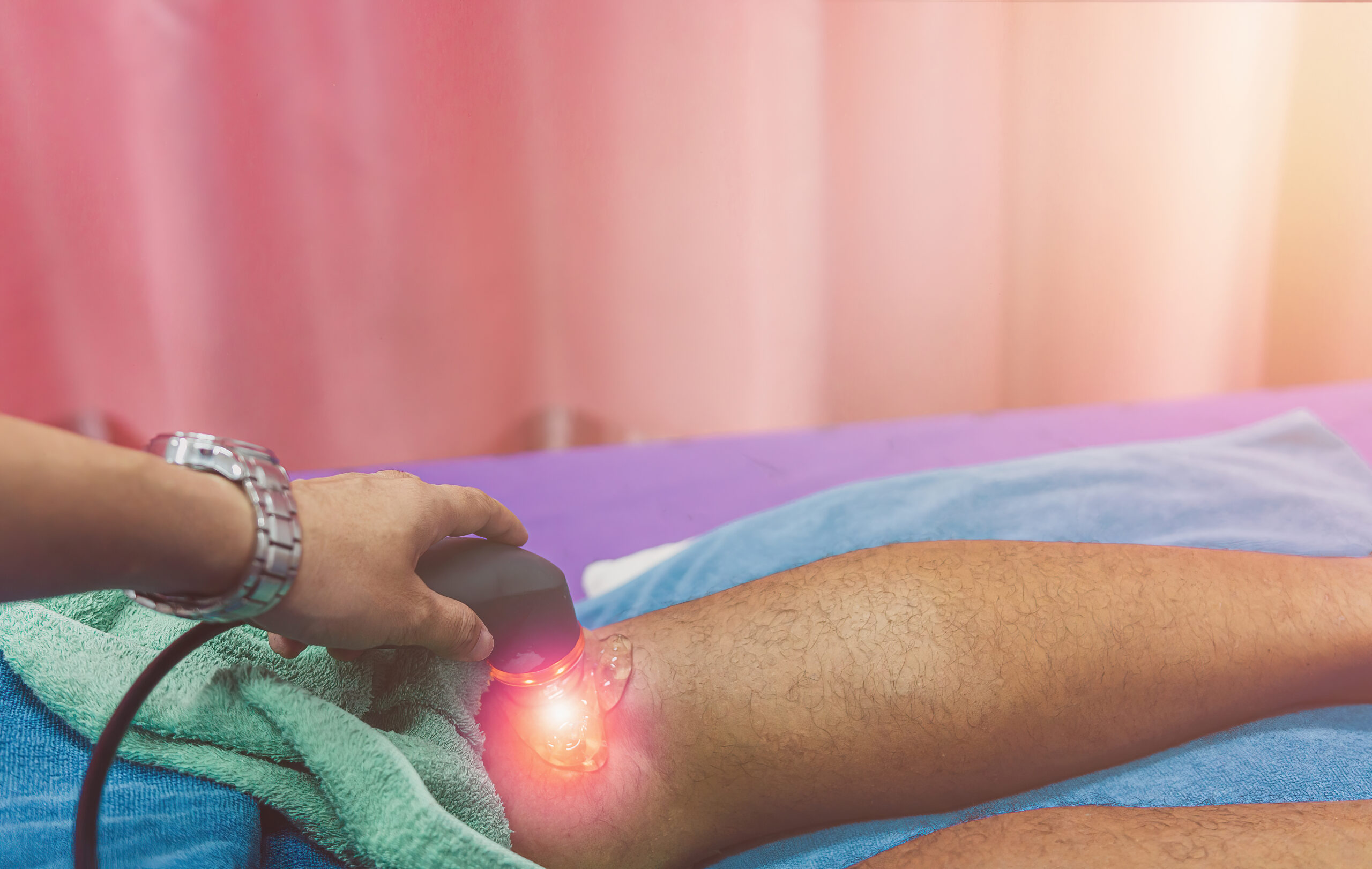
Exploring advanced treatments can offer relief for these common injuries. Cold laser therapy is gaining attention for its effectiveness in easing pain and promoting healing. This innovative technique not only targets pain but also stimulates cellular function, which can lead to enhanced recovery times.
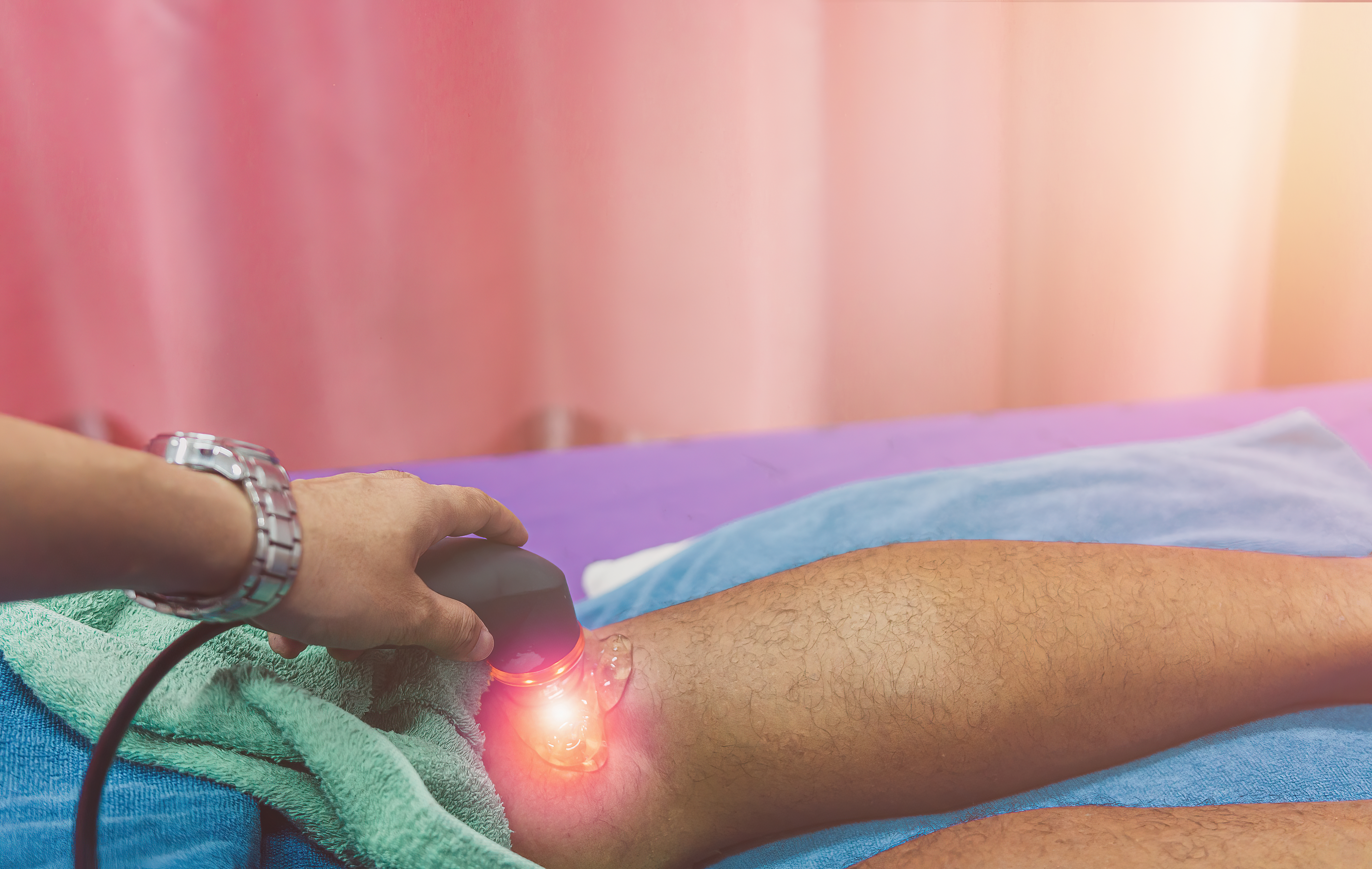
Exploring advanced treatments can offer relief for these common injuries. Cold laser therapy is gaining attention for its effectiveness in easing pain.
Cold Laser Therapy for Pain Relief
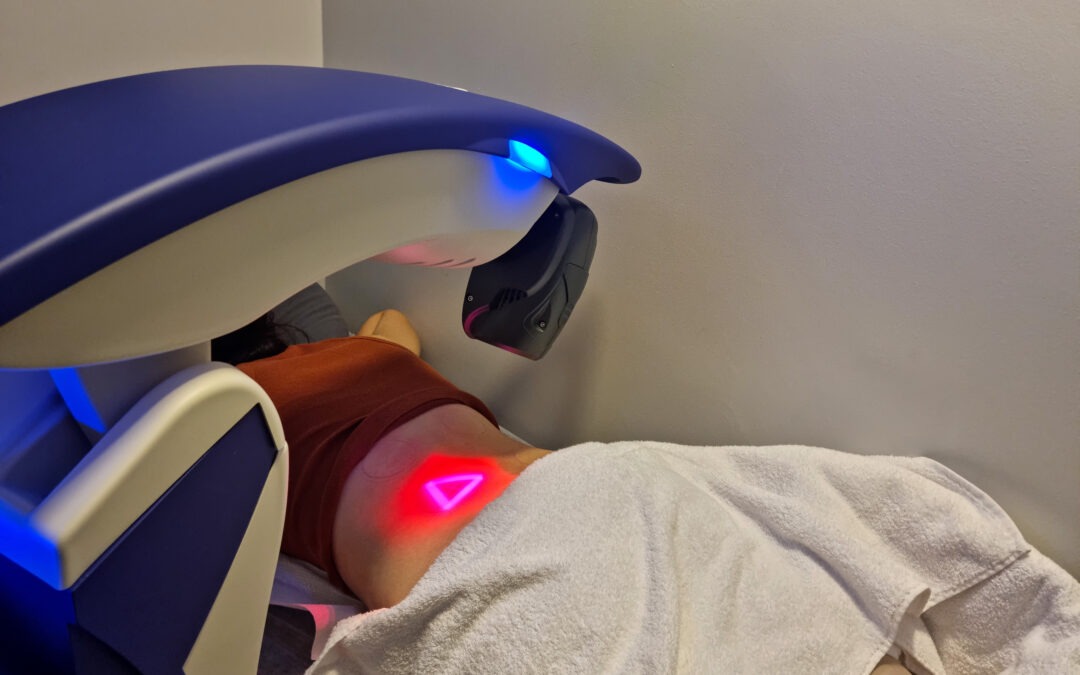
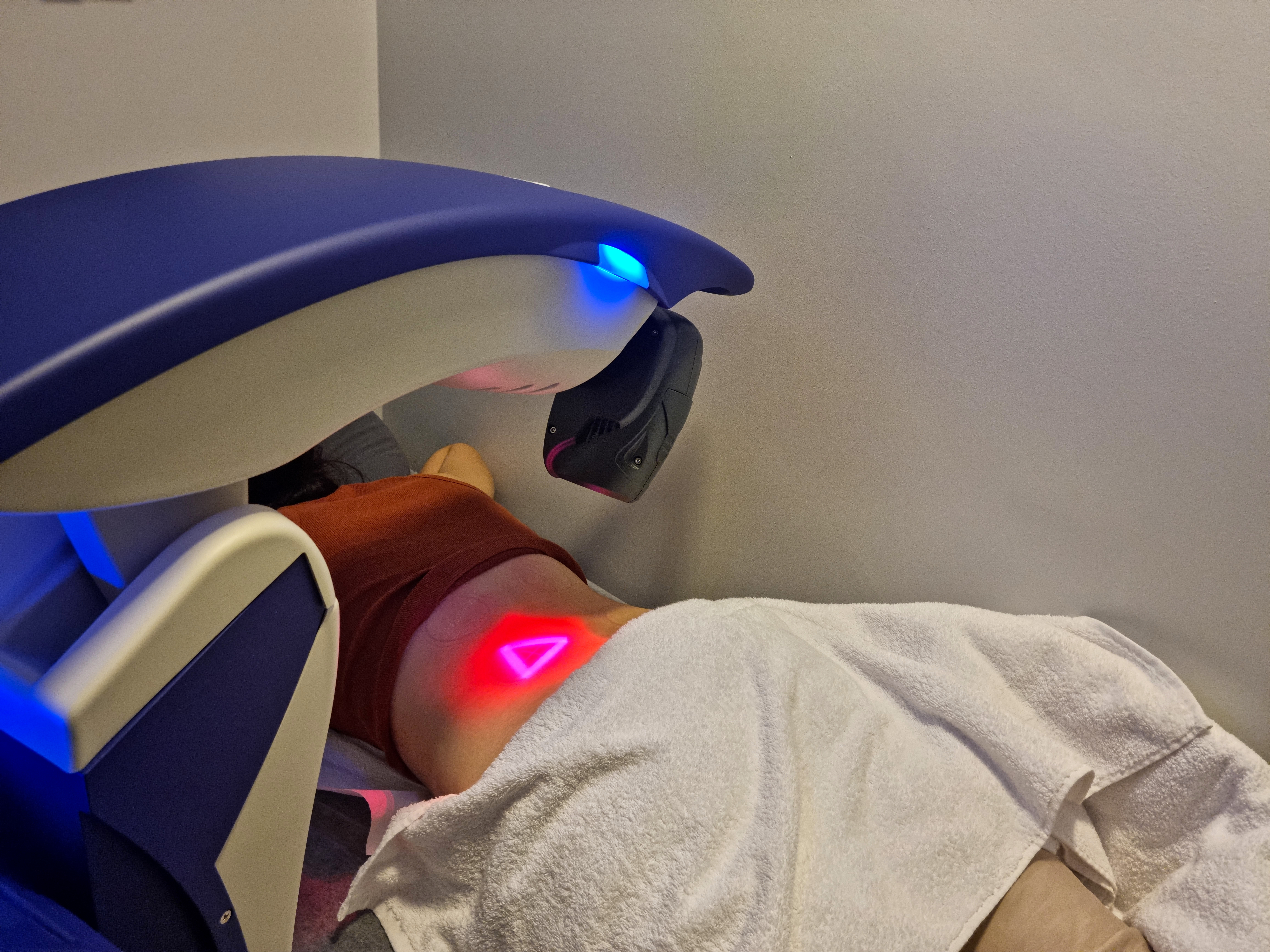
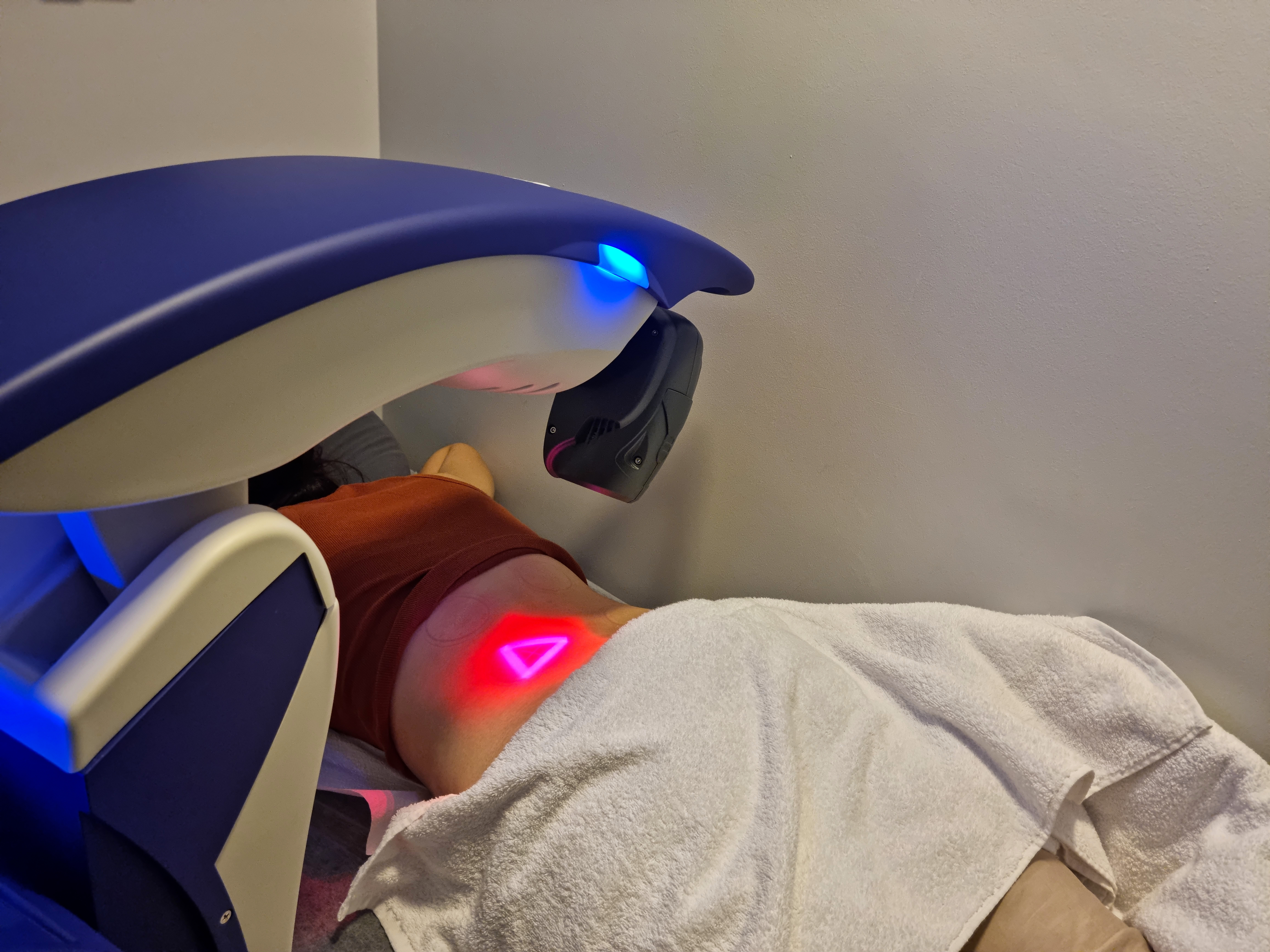
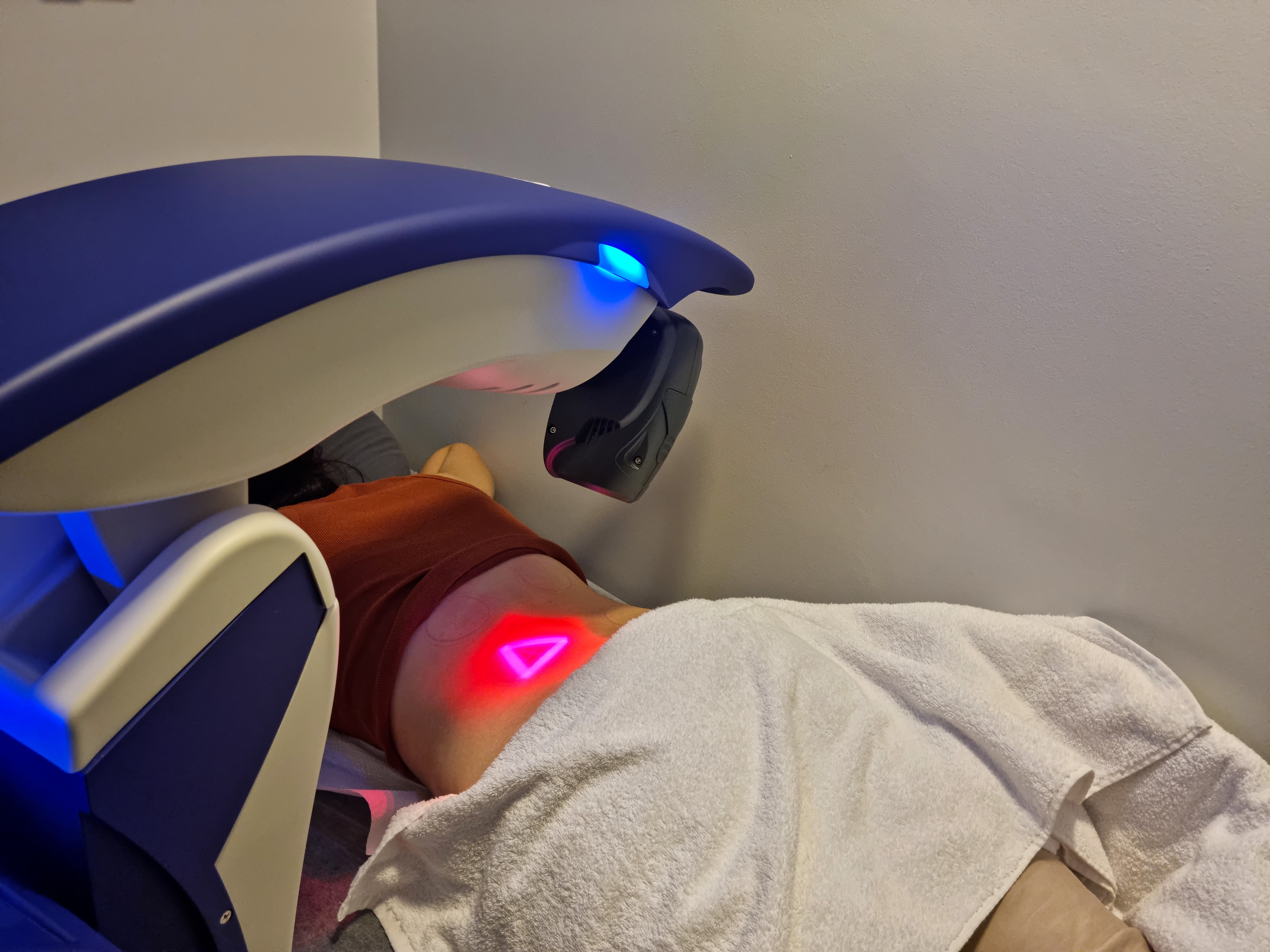
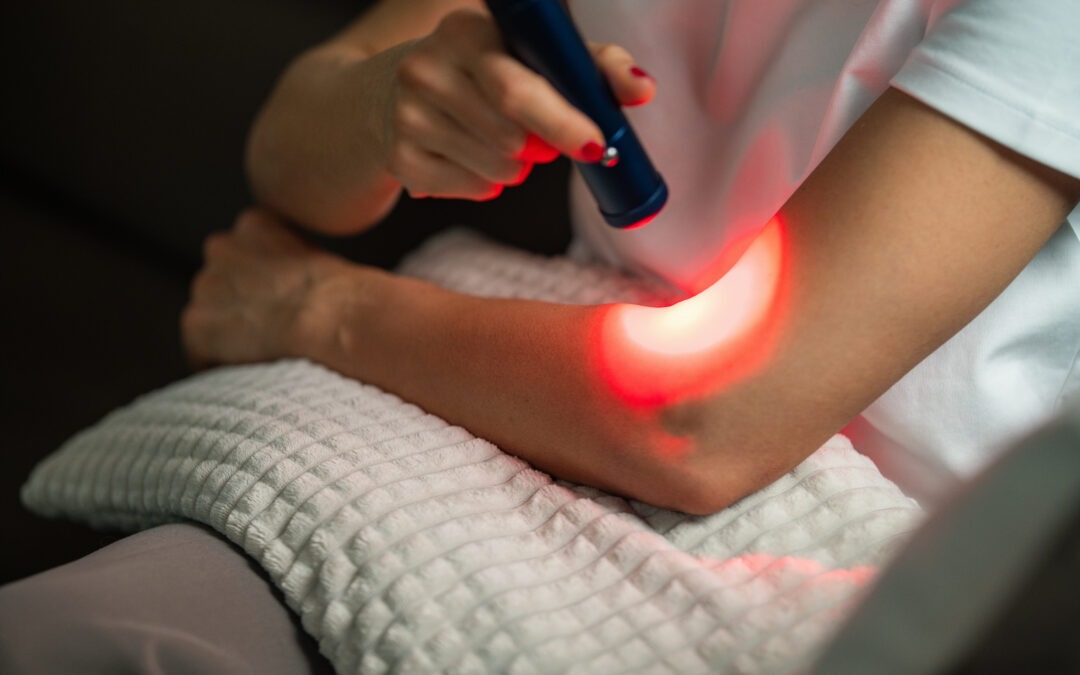
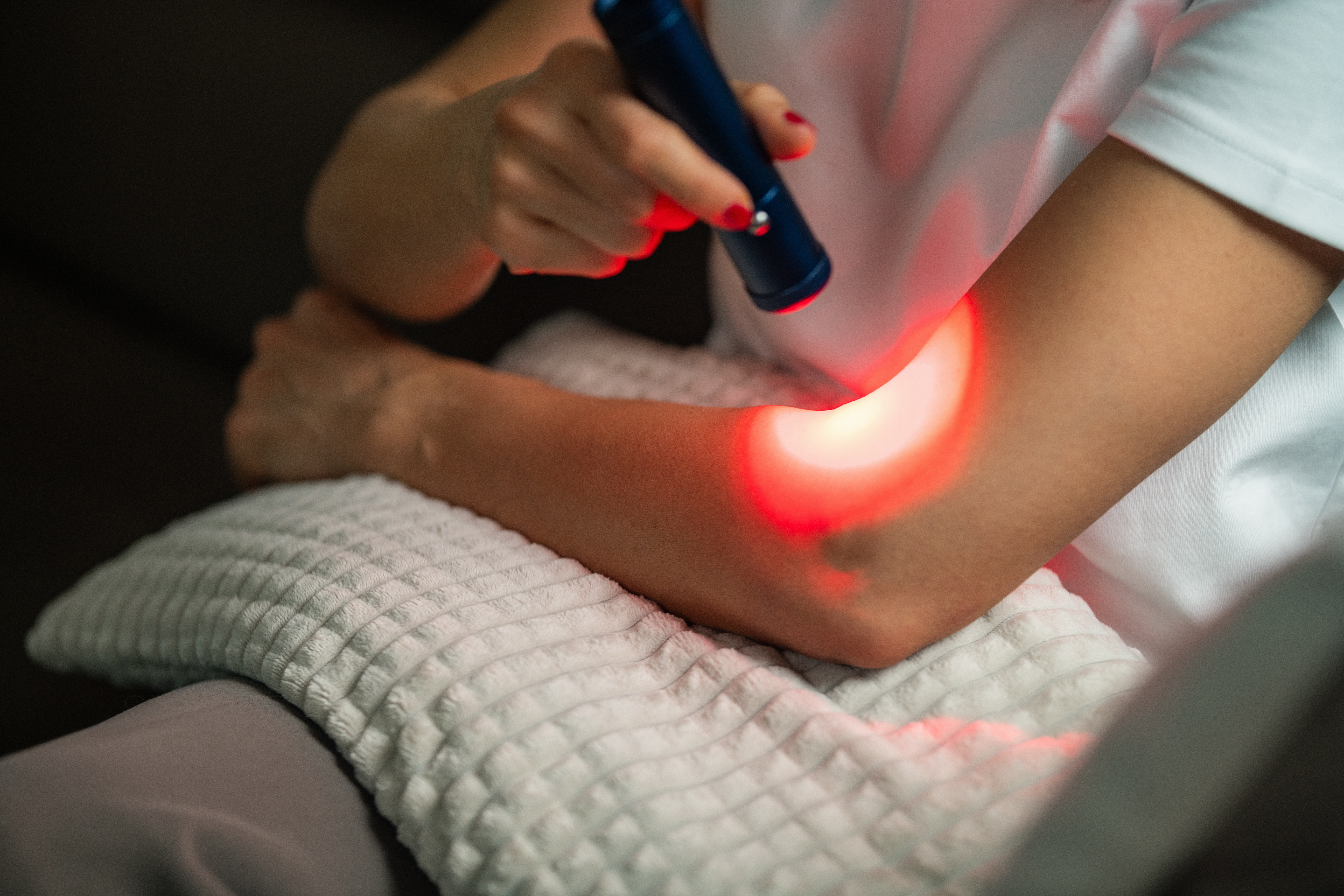
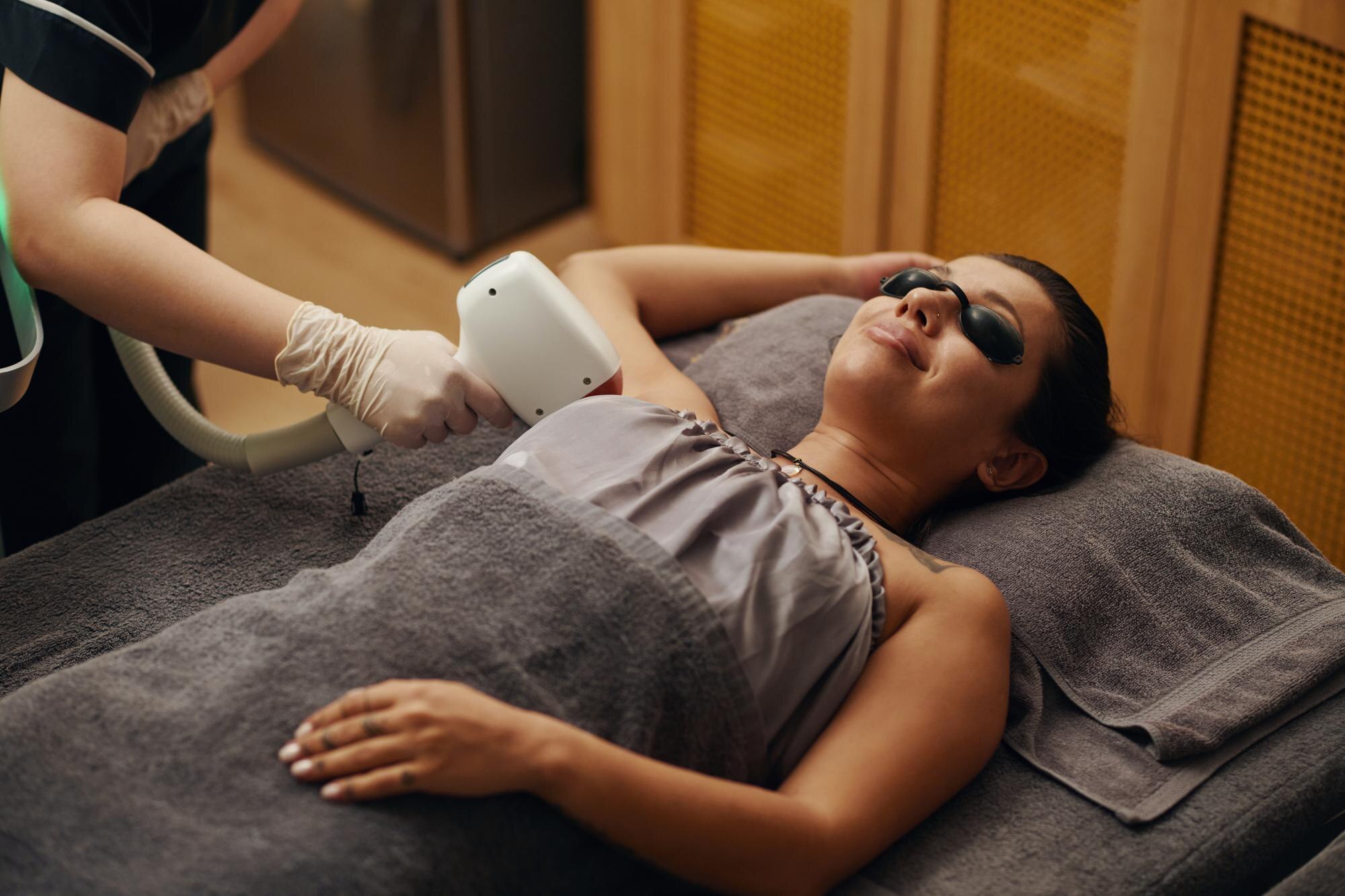
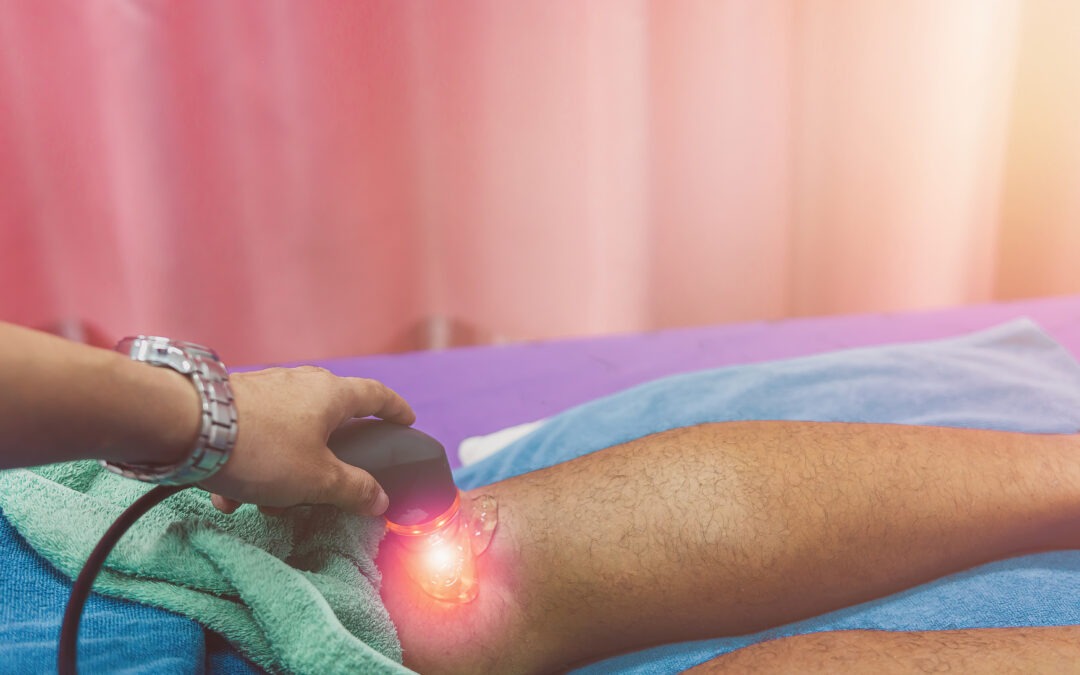
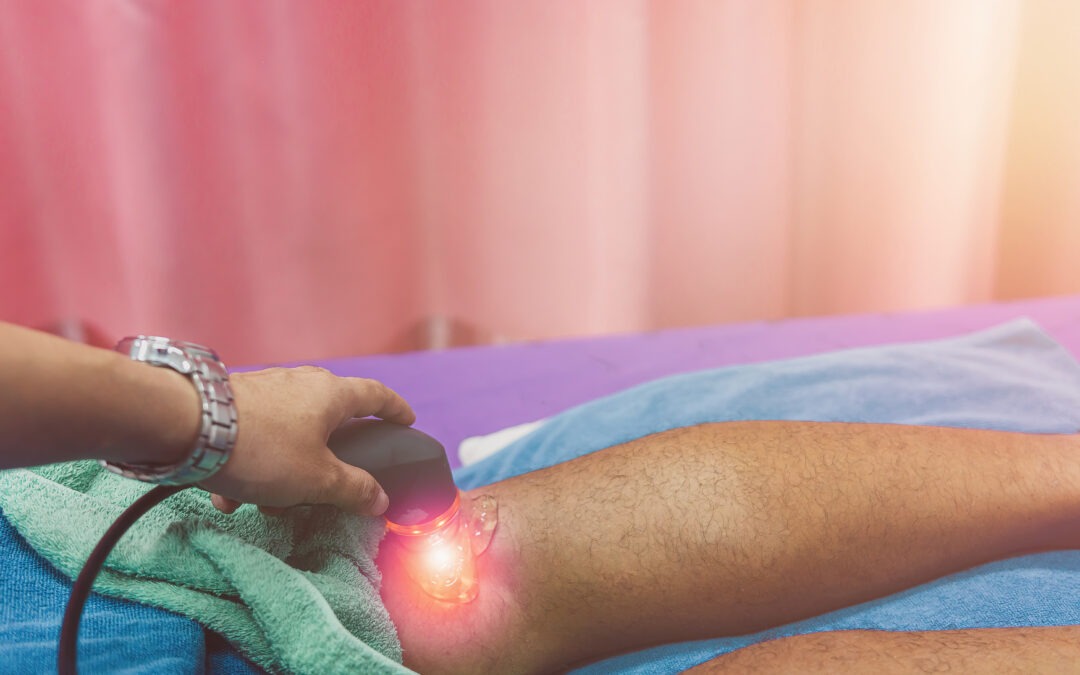
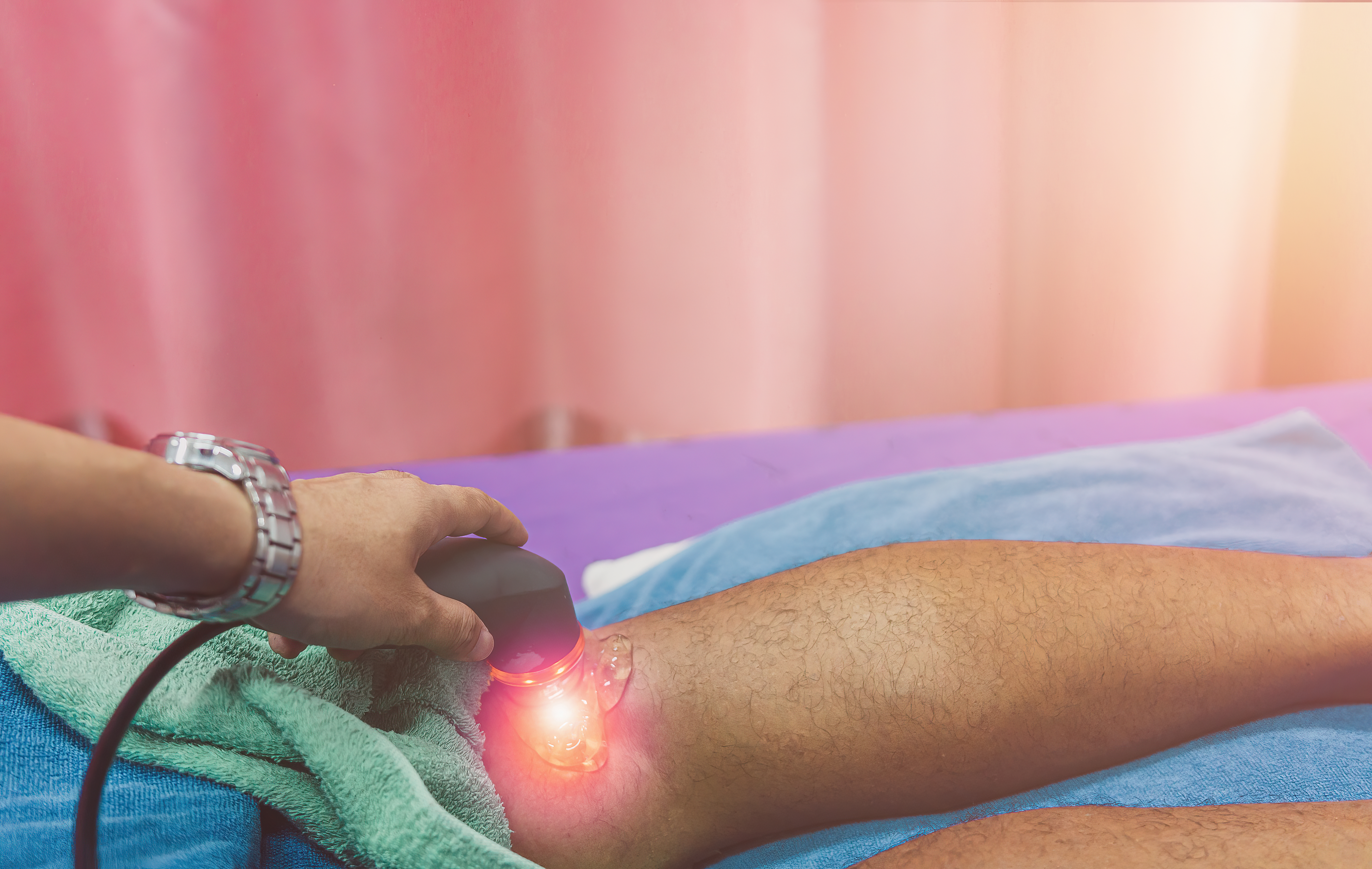
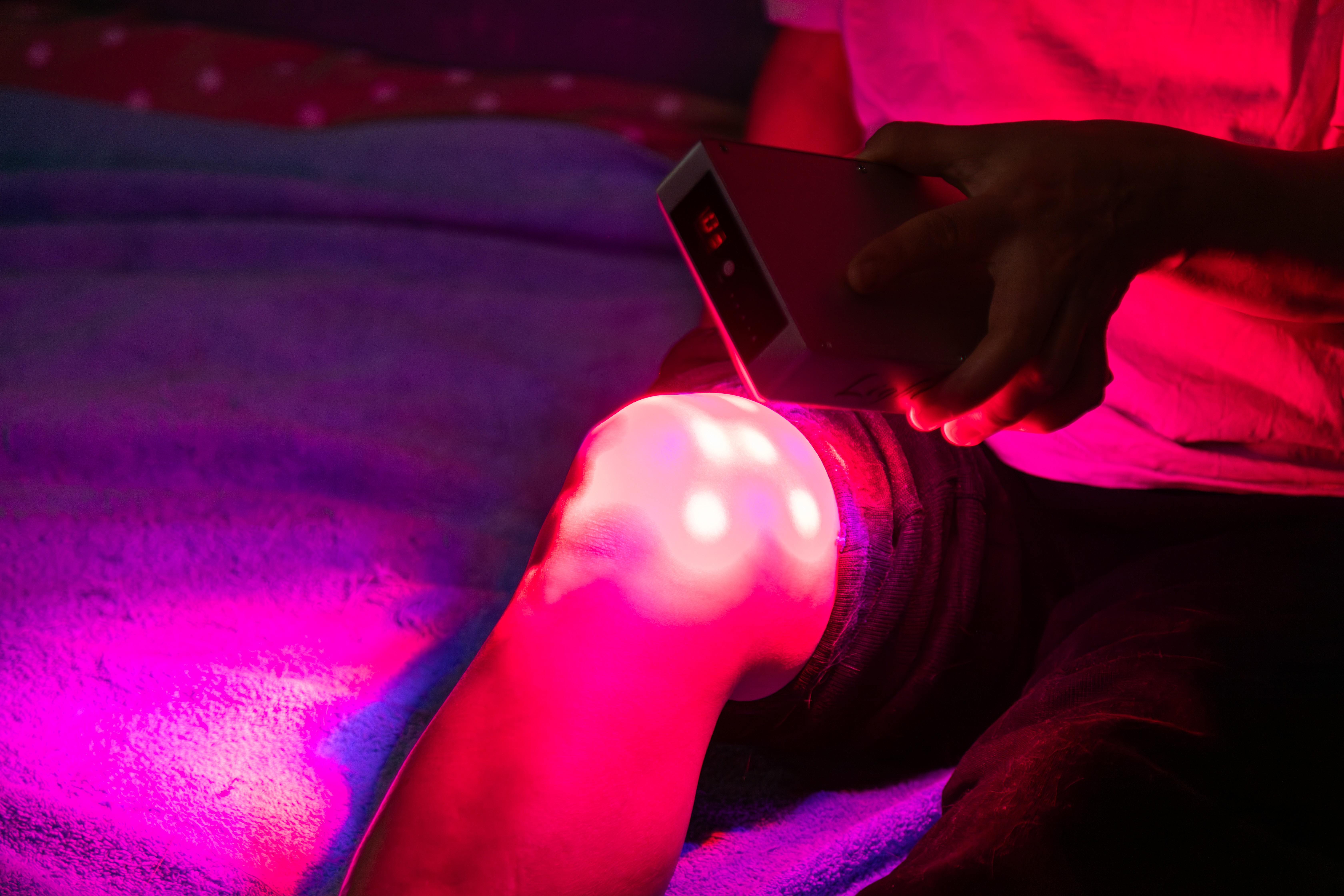
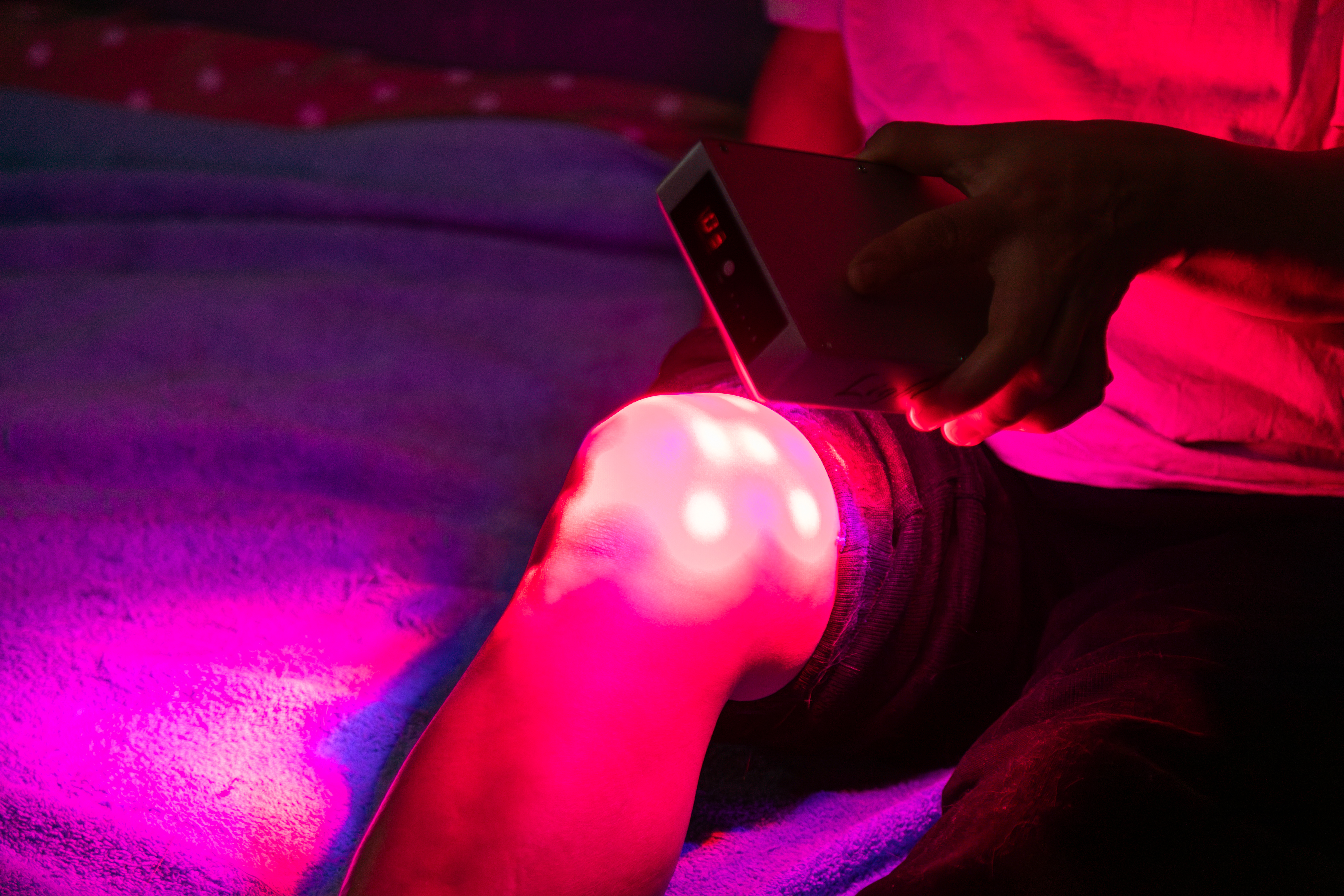
Cold laser therapy offers a non-invasive pain relief option. It uses light to reduce inflammation and promote healing within the tissues. Imagine a warm sensation that calms your sore muscles without any discomfort. Most people believe that healing takes time, but cold laser therapy can help speed up this process significantly. Many athletes report reduced recovery times and a return to their sports sooner than anticipated after undergoing this treatment.
Cold laser therapy offers a non-invasive pain relief option. It uses light to reduce inflammation and promote healing. Imagine a warm sensation that calms your sore muscles without any discomfort. Most people believe that healing takes time, but cold laser therapy can help speed up this process significantly.
Photobiomodulation and Tissue Repair
Local knowledge on injury prevention can enhance your overall running experience.
Engaging with local health professionals can provide essential support during recovery.
Local athletes often find that community support enhances their recovery journey.
Photobiomodulation, a fancy term for light therapy, aids tissue repair by stimulating the mitochondria in your cells. This therapy goes deep, reaching tissues that need healing, and it’s like giving your body a boost to heal itself faster. The longer you wait to try this therapy, the more you might prolong your recovery and risk further injury. Patients who have undergone this treatment often share their success stories, highlighting how it has played a pivotal role in their recovery journeys.
Photobiomodulation, a fancy term for light therapy, aids tissue repair. This therapy goes deep, reaching tissues that need healing. It’s like giving your body a boost to heal itself faster. The longer you wait to try this therapy, the more you might prolong your recovery.
Speeding Recovery with Low-Level Laser Therapy
Low-level laser therapy (LLLT) accelerates recovery by enhancing cellular function. The therapy encourages your cells to work harder and repair quicker. You're not just treating the surface pain; you're addressing the root cause of your discomfort. Remember, faster recovery means you can return to your running regime sooner, helping you maintain your fitness goals and overall performance.
Consider local workshops to learn about injury prevention and management techniques.
Low-level laser therapy (LLLT) accelerates recovery by enhancing cellular function. The therapy encourages your cells to work harder and repair quicker. You're not just treating the surface pain; you're addressing the root. Remember, faster recovery means you can return to your running regime sooner.
Integrating Treatments for Best Results
Participating in local events can also help you connect with other athletes facing similar challenges.
Joining local running clubs can also enhance motivation and support during recovery.
Combining treatments enhances their overall effectiveness. Let’s see how integrating different methods can optimise your recovery journey and keep you on track to achieving your running goals.
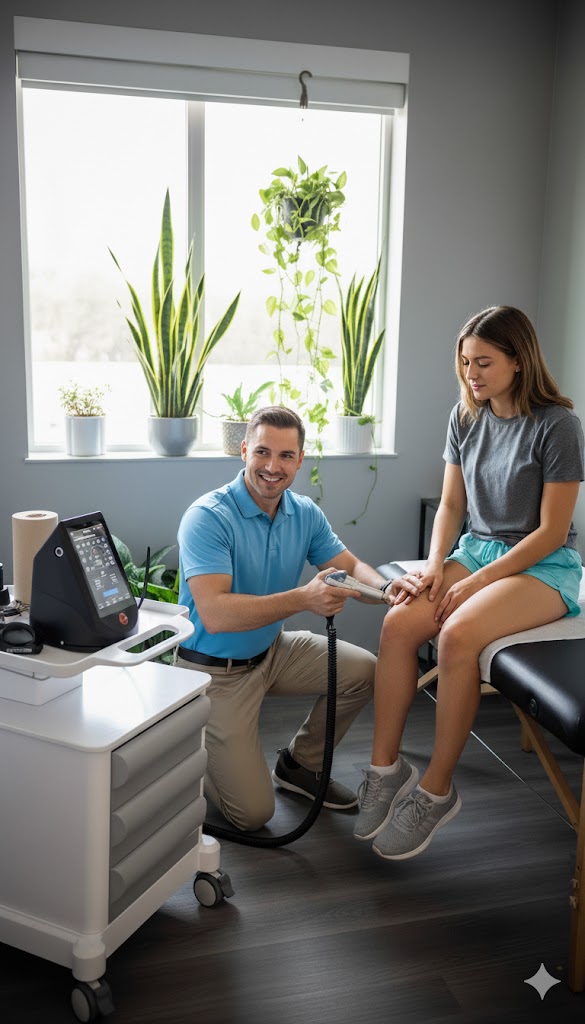
Local solutions often provide tailored advice that considers the unique needs of each runner.
Consider reaching out to local experts who can help tailor your training to prevent injuries.
Combining treatments enhances their overall effectiveness. Let’s see how integrating different methods can optimise your recovery journey.
Moreover, staying informed about the latest advancements in sports medicine can empower you as an athlete. Engaging with local running communities for support and encouragement can also play a vital role in your recovery process. Remember, you're not alone on this journey; there are numerous resources and professionals ready to assist you.
Physiotherapy for Runners in Port Credit
Consult local professionals who specialise in running injuries for the best outcomes.
Physiotherapy offers a tailored approach to recovery, taking into account the unique needs of each athlete. It’s not just about exercises; it’s about understanding how your body moves and how to optimise your performance while preventing injuries. At MyHealth Care Centre in Port Credit, physiotherapy sessions address your specific needs, helping you regain strength and flexibility. Engaging with a qualified physiotherapist can lead to substantial improvements in your running efficiency.
Physiotherapy offers a tailored approach to recovery. It’s not just about exercises; it’s about understanding how your body moves. At MyHealth Care Centre in Port Credit, physiotherapy sessions address your specific needs, helping you regain strength and flexibility.
Utilising local resources can make a significant difference in your recovery process.
Custom Orthotics and Gait Analysis
Do you know that your shoes could be the reason for your pain? Custom orthotics can correct misalignments in your feet, reducing strain on your body and improving your overall comfort while running. A gait analysis can pinpoint exactly where things go wrong during your run, providing invaluable information for your training plan. This step is crucial in creating a tailored recovery plan, addressing the root causes of your discomfort and enhancing your performance.
Do you know that your shoes could be the reason for your pain? Custom orthotics can correct misalignments in your feet, reducing strain on your body. A gait analysis can pinpoint exactly where things go wrong during your run. This step is crucial in creating a tailored recovery plan.
Comprehensive Rehab Programmes and Return to Running
A comprehensive rehab programme is your best bet for a full recovery. It combines physiotherapy, laser therapy, and personalised exercises to ensure you are well-prepared for your return to running. The goal is to get you back to running safely and confidently, helping you to avoid any setbacks or re-injuries. Remember, a complete recovery plan can prevent future injuries, keeping you on the trails longer and enhancing your overall running experience.
A comprehensive rehab programme is your best bet for a full recovery. It combines physiotherapy, laser therapy, and personalised exercises. The goal is to get you back to running safely and confidently. Remember, a complete recovery plan can prevent future injuries, keeping you on the trails longer.
In summary, understanding and addressing your running injuries with advanced therapies and integrated treatments can significantly improve your recovery speed and keep you on track. MyHealth Care Centre in Port Credit is here to guide you through this journey, offering expert care and personalised solutions tailored to your needs as an athlete.