
Recovering from an injury isn’t just about resting and hoping for the best. The right care team working together can make all the difference in how quickly and safely you get back to your favourite Port Credit activities. This injury recovery guide shows you how integrated healthcare in Port Credit blends physiotherapy, chiropractic care, massage, acupuncture, and more into a personalised plan that supports lasting progress. Ready to take control of your recovery? Let’s explore the proven steps to help you move better and live better. For further reading, check out this resource.
Key Stages of Recovery
Welcome to your journey toward healing. First, grasping the recovery basics sets the stage for effective care. Let’s explore how understanding your injury and customising your plan can change the game.
Understanding Injury Recovery
Injury recovery is a gradual process that demands patience and the right approach. It’s about more than just rest. Your body needs the right kind of movement and care to heal properly. This often involves a mix of therapies like physiotherapy, which focuses on restoring movement and strength. Chiropractic care can also be crucial for aligning your body and relieving pain naturally. By incorporating registered massage therapy, you can reduce muscle tension and improve circulation.
Sometimes, advanced treatments like acupuncture or cold laser therapy can offer additional pain relief and speed up recovery. The key is to use a combination of approaches that address your specific needs, avoiding a one-size-fits-all mindset. Understanding these elements helps you make informed decisions about your care pathway.
Importance of a Tailored Plan
A tailored plan is essential for effective recovery. Each injury is unique, and so is the healing process. A personalised treatment plan considers your specific condition, lifestyle, and goals. This plan typically starts with a thorough assessment of your movement, posture, and pain patterns. From there, a combination of therapies such as physiotherapy and chiropractic care is selected to suit your needs.
For example, if you’re dealing with knee pain from a running injury, your plan might include exercises for strengthening muscles around the knee, combined with acupuncture or cryotherapy for pain relief. By focusing on your unique situation, a tailored plan enhances your recovery and helps prevent future injuries. It empowers you to take control of your health journey, fostering confidence and progress.
Integrated Care Approach
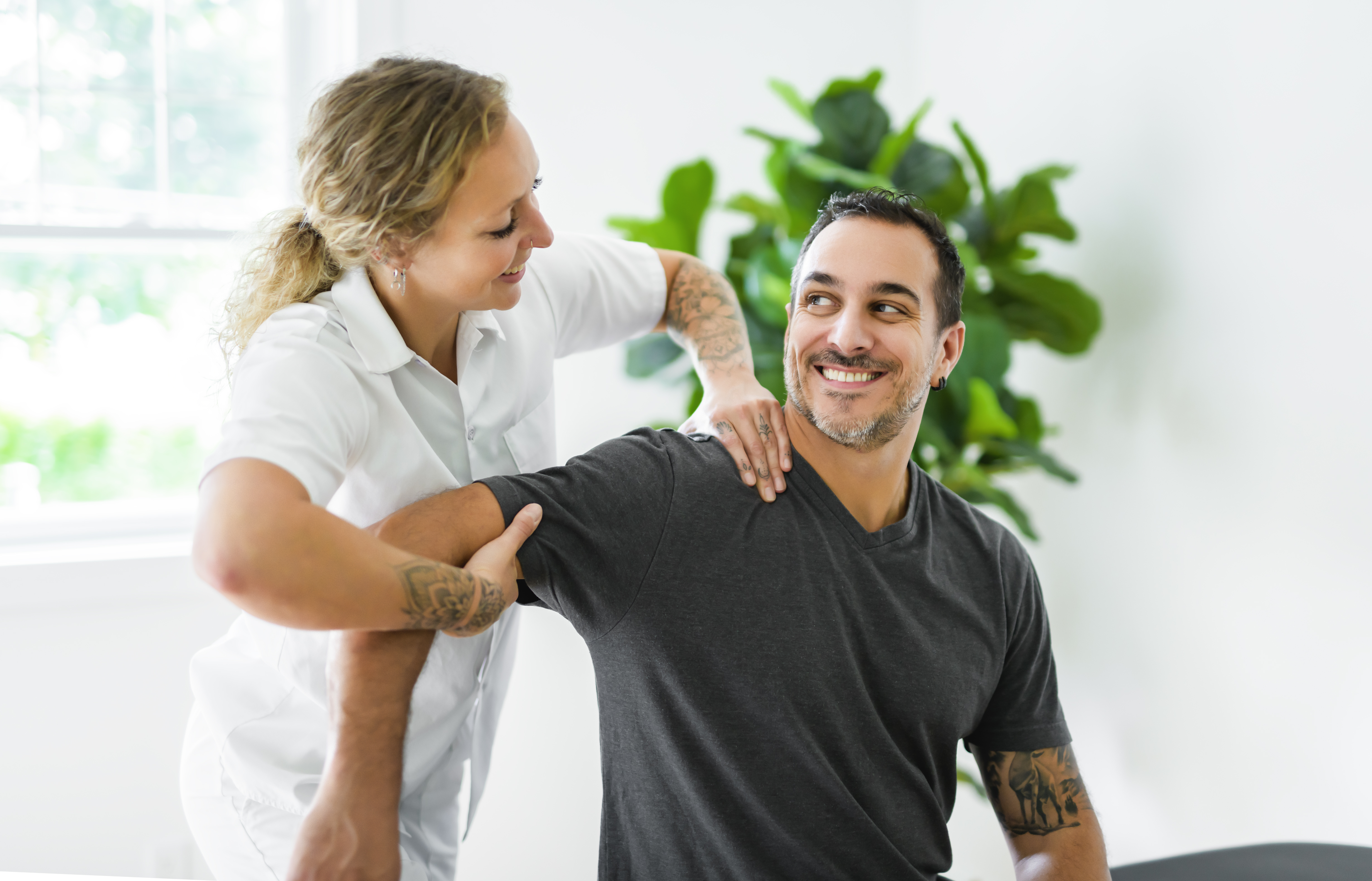
By now, you understand the importance of a tailored plan. But how does an integrated approach boost your recovery? Let’s see how collaborating with a healthcare team and using advanced modalities can make a difference.
Collaborative Healthcare Team
An integrated care approach involves a team of healthcare professionals working together to support your recovery. This team may include physiotherapists, chiropractors, and massage therapists, who collaborate to create a seamless treatment plan. This coordinated effort ensures that each aspect of your recovery is addressed, reducing the chance of disconnect between treatments.
Imagine recovering from a car accident: your physiotherapist might focus on restoring mobility, while your chiropractor addresses spinal alignment, and your massage therapist helps with muscle tension. This team approach not only speeds up recovery but also enhances the quality of care by ensuring all angles are covered. You gain the benefit of each specialist’s expertise, all directed toward your well-being.
Benefits of Advanced Modalities
Advanced modalities play a crucial role in supporting recovery. Treatments like cold laser therapy and cryotherapy can enhance healing by reducing inflammation and promoting tissue repair. These non-invasive options offer pain relief without medication, making them an attractive choice for many individuals.
For instance, cold laser therapy may be used to treat chronic back pain, providing relief by accelerating healing at a cellular level. Similarly, cryotherapy can help reduce swelling and pain after an acute injury, such as a sprained ankle. Including these advanced modalities in your treatment plan can significantly improve outcomes, providing faster, more effective relief and aiding in a smooth return to daily activities.
Taking an Active Role
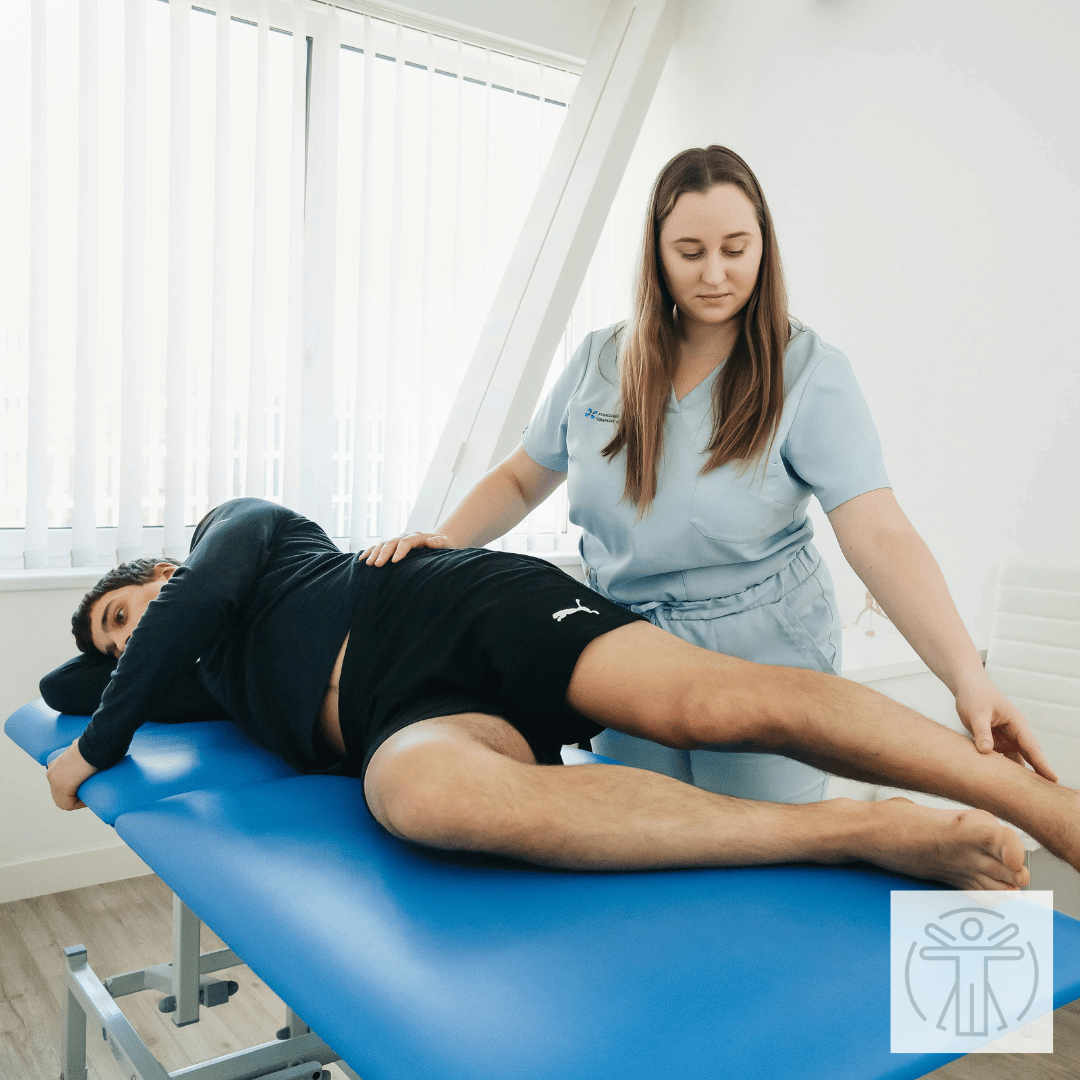
You’ve seen how integrated care works. Now, let’s focus on you. Taking an active role in your recovery is vital. Here’s how you can empower yourself and ensure ongoing progress.
Steps for Patient Empowerment
Empowering yourself in recovery starts with understanding your treatment and actively participating in the process. Here are simple steps to take charge:
-
Educate Yourself: Learn about your condition and treatment options. This knowledge empowers you to make informed decisions.
-
Follow Your Plan: Adhere to your personalised treatment plan and attend scheduled appointments. Consistency is key to progress.
-
Practice Self-Care: Incorporate exercises and strategies advised by your care team into your daily routine. This might include stretches or strengthening exercises to support healing.
-
Communicate Openly: Keep an open line with your healthcare team. Share your progress and any concerns to allow them to adjust your plan as needed.
By taking these steps, you become an active participant in your recovery. This proactive approach not only enhances your healing but also builds confidence and independence in managing your health.
Importance of Ongoing Assessment
Ongoing assessment is a critical component of effective recovery. Regular evaluations by your healthcare team help monitor progress and make necessary adjustments to your treatment plan. This ensures your recovery stays on track and that any potential issues are addressed promptly.
For example, if you’re recovering from a sailing shoulder injury, periodic assessments can help track improvements in range of motion and strength. Adjustments to your plan might include modifying exercises or introducing new modalities as your condition evolves. Continuous assessment ensures that your treatment remains aligned with your goals, optimising your recovery journey.
Frequently Asked Questions
How long does injury recovery typically take?
Recovery time varies greatly depending on the injury’s severity, your overall health, and the treatment plan. Some may see improvement in weeks, while others might require months. Consistent care and following your treatment plan can help expedite the process.
What should I do if my pain persists despite treatment?
If pain persists, communicate this to your healthcare team. They can reassess your condition and adjust your treatment plan as needed. Persistent pain might indicate an underlying issue that requires further investigation or a different therapeutic approach.
Can I start exercising while still in recovery?
Exercise is often a critical part of recovery, but it’s important to follow your healthcare team’s recommendations. They will guide you on safe exercises that won’t exacerbate your injury, supporting your healing while maintaining fitness.
What are the benefits of using advanced modalities like cold laser therapy?
Advanced modalities, such as cold laser therapy, can accelerate healing and reduce pain without invasive procedures. They are particularly beneficial for conditions like chronic pain or acute injuries, offering a non-medication approach to relief.
How often should I have my recovery progress assessed?
Frequency of assessments depends on your specific condition and treatment plan. Typically, regular evaluations are recommended to ensure your recovery stays on track. Your healthcare team will advise on a suitable schedule based on your progress.