Mar 28, 2026 | Uncategorized
Stronger Together: Collaborative Healthcare for Musculoskeletal Pain in Port Credit, Mississauga
Musculoskeletal pain can slow you down, especially when juggling work, family, and your favourite activities around Port Credit. Waiting for one therapist after another wastes time and often leaves gaps in your care. Collaborative healthcare at MyHealth Care Centre brings physiotherapy, chiropractic, massage, and acupuncture together in one plan, speeding recovery and helping you stay active longer. Let’s explore how this integrated care in Mississauga changes the way you heal and move. Learn more about collaborative healthcare models here.
Benefits of Collaborative Healthcare
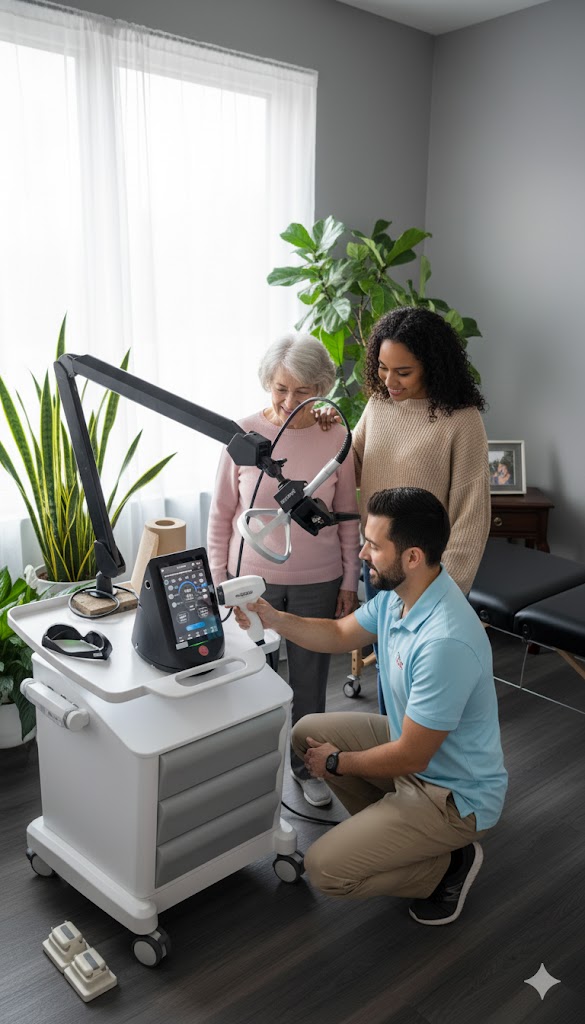
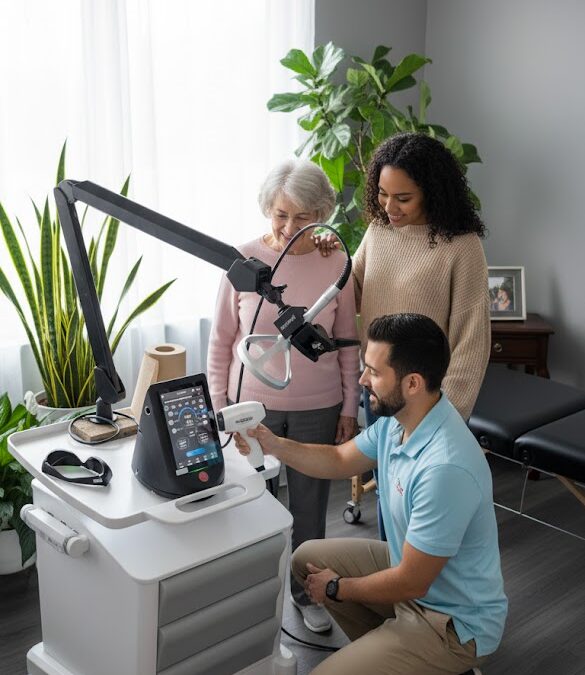
Imagine having a team of experts working together on your behalf. Collaborative healthcare offers this and more, especially when battling musculoskeletal pain.
Speedy Recovery and Flare-up Reduction
Feeling better faster is a top priority for everyone. When you have a coordinated team, you receive treatments designed to complement each other. For example, while a chiropractor realigns your posture, a physiotherapist helps strengthen those same muscles. This combined effort can cut recovery time significantly.
Most people believe that seeing multiple therapists means more time and cost. Yet, in our clinic, the opposite is true. Each professional contributes their expertise, giving you a holistic recovery plan that speeds healing and reduces flare-ups. With this approach, your body benefits from targeted care that addresses the root of pain.
Prevention of Re-injury
No one wants to deal with the same injury twice. With collaborative healthcare, prevention becomes part of the treatment. By understanding your unique movement patterns, your team can identify potential problem areas. This proactive approach means fewer setbacks and longer periods of pain-free living.
Regular check-ins with your team allow adjustments to your plan, ensuring it continues to meet your needs. Whether you’re an athlete or a busy professional, this attention to detail helps keep your body resilient against future issues. Remember, the sooner you embrace this model, the less likely you are to re-injure yourself.
Time-saving Integrated Care
Time is precious, and integrated care saves it. Instead of moving from one clinic to another, receive all your treatments in one place. This setup not only saves travel time but also ensures all your providers are on the same page.
A typical visit might include a session with a physiotherapist followed by a massage. Your progress is tracked by the team, ensuring seamless care. This integrated approach gives you more control over your schedule and your health. Learn more about the effectiveness of integrated care here.
Multi-disciplinary Team Approach
A team approach means tapping into a wealth of knowledge. Let’s see how each specialty plays a role in your recovery.
Physiotherapy and Chiropractic Care
Physiotherapy and chiropractic care work hand in hand. While physiotherapy focuses on building strength and flexibility, chiropractic care ensures proper alignment. This combination helps restore movement and alleviate pain.
For instance, a physiotherapist might guide you through exercises to stabilize your core, while a chiropractor ensures your spine supports these changes. Together, they address both symptoms and causes, offering comprehensive care.
Massage Therapy and Acupuncture
Massage therapy and acupuncture are powerful allies. Massage targets muscle tension, improving circulation and easing pain. Acupuncture adds another layer by balancing energy flow and reducing inflammation.
These therapies together can boost your recovery. Imagine leaving a session not only relaxed but also with reduced pain and greater mobility. This holistic approach broadens the impact of each treatment, making your path to wellness smoother.
Cold Laser and Cryotherapy
For those seeking cutting-edge solutions, cold laser and cryotherapy provide advanced options. Cold laser accelerates tissue healing, while cryotherapy reduces inflammation and acute pain. These treatments are especially beneficial for chronic conditions.
By incorporating these therapies into your plan, you gain access to state-of-the-art care. The longer you wait, the longer you might miss out on their benefits. Discover how they can be part of your recovery journey.
Personalised Care for Every Lifestyle
Personalisation is key in healthcare. At MyHealth, we ensure your care fits your unique needs.
Evidence-based and Customised Plans
Every treatment plan at MyHealth is rooted in evidence. We tailor your care based on the latest research, ensuring effectiveness. This means you receive interventions that are scientifically proven to help.
By focusing on your specific condition and lifestyle, we create a plan that works for you. Whether dealing with back pain or recovering from surgery, our approach is designed to optimise your health.
Self-care and Exercise Strategies
Empowerment is part of our philosophy. We provide you with self-care techniques and exercise strategies to continue progress at home. This not only speeds recovery but also prevents future issues.
With clear guidance, you learn how to manage your condition effectively. You become an active partner in your health, leading to better, long-lasting results.
Booking Your Assessment at MyHealth Care Centre
Ready to take the next step? Booking an assessment is easy. Our friendly team is here to support you every step of the way. By choosing MyHealth, you invest in a comprehensive, personalised approach to wellness.
In summary, collaborative healthcare offers a path to faster, more complete recovery. Our integrated solutions ensure all aspects of your health are considered, while personalised plans cater to your unique needs. With our multi-disciplinary team and commitment to Port Credit excellence, we’re your partner in health and wellness. Embrace this approach for a healthier tomorrow.
Book Online

Mar 28, 2026 | Uncategorized
Nearby chiropractor in Port Credit: integrated care to help you move better
Back or neck pain can throw off your day, especially when you’re trying to keep up with running the Waterfront Trail or sailing from Port Credit Yacht Club. Finding a nearby chiropractor who works alongside physiotherapists and massage therapists means your recovery won’t just be faster—it’ll be safer and tailored to you. At MyHealth Care Centre in Port Credit, integrated chiropractic care focuses on real results, so you can move better and get back to the activities you love.
Why Choose a Port Credit Chiropractor

Finding the right chiropractor can be transformative. In Port Credit, you have access to an integrated approach that focuses on your unique needs.
Importance of Integrated Chiropractic Care
When your body is in pain, you want a care plan that covers all bases. Integrated chiropractic care brings together various therapies to tackle discomfort effectively. At MyHealth Care Centre, chiropractors work closely with physiotherapists and massage therapists. This collaboration ensures a comprehensive treatment plan tailored to your specific needs. Not only does this make care more effective, but it also aligns treatments to support your overall health goals. This team approach can help you return to your favourite activities faster.
Evidence-Based Treatments for Faster Recovery
Getting back on your feet quickly requires treatments grounded in solid research. Evidence-based chiropractic care at MyHealth Care Centre means you receive therapies proven to work. Techniques like spinal adjustments and manual therapy are used to address the root cause of your pain. By relying on scientific evidence, you gain confidence knowing your treatment is effective and safe. The focus here is not just on quick fixes but on long-term health improvements.
Collaborative Care with Local Specialists
Imagine having a team of specialists focused on your recovery. In Port Credit, chiropractors collaborate with local experts to maximise your healing process. This cooperative approach means that whether you’re dealing with a running injury or posture issues, you receive input from professionals across disciplines. The benefit? A more holistic view of your condition and a coordinated treatment plan that addresses all aspects of your health. With each specialist contributing their expertise, you stand to gain a balanced recovery.
Common Conditions and Solutions
Chiropractic care in Port Credit covers a wide range of issues. From back pain to sports injuries, there’s a solution that suits your needs.
Back Pain Relief and Neck Pain Treatment
Dealing with back or neck pain can be a daily struggle. Chiropractic care offers targeted relief for these common problems. Through spinal adjustments, chiropractors can alleviate pressure on nerves, reducing pain. The goal is to improve your spine’s alignment, which can help relieve chronic discomfort. Regular sessions not only address immediate pain but also contribute to better posture and reduced strain in the future. By focusing on the source of discomfort, you’ll experience lasting change.
Running and Sports Injury Rehabilitation
If you’re active on the Waterfront Trail or at the Port Credit Memorial Arena, injuries might seem inevitable. However, with the right rehabilitation, recovery is within reach. Sports injury rehab at MyHealth Care Centre focuses on restoring your movement and strength. Techniques like cold laser therapy and manual adjustments help reduce inflammation and increase mobility. With a dedicated plan, you can return to your activities stronger and more resilient than before.
Posture and Spinal Mobilisation Techniques
Poor posture can lead to discomfort and long-term issues. Spinal mobilisation techniques are essential for correcting posture-related problems. These methods help restore the natural curves of your spine, promoting better alignment. Chiropractors use gentle, hands-on techniques to increase flexibility in your spine and joints. This not only helps with current pain but also prevents future issues. By focusing on these techniques, you can improve your overall spinal health.
Personalised Plans for Active Lifestyles

Active living requires a plan that adapts to your lifestyle. MyHealth Care Centre creates personalised strategies to support your health.
Custom Orthotics and Preventative Strategies
Your feet are the foundation of your movement. Custom orthotics can make all the difference in how you walk, run, or stand. These specially designed shoe inserts support your foot mechanics, improving balance and reducing pain. In addition to orthotics, preventative strategies such as stretching and strengthening exercises are key. These tactics help to prevent injuries before they occur, keeping you active and pain-free.
Chiropractic and Physiotherapy Synergy
Combining chiropractic care with physiotherapy offers a powerful synergy. Each discipline complements the other, providing a more holistic approach to your health. While chiropractic adjustments focus on alignment, physiotherapy enhances strength and flexibility. This combination ensures that your body is not only correctly aligned but also strong and capable. With a coordinated care plan, you benefit from comprehensive support that addresses multiple aspects of your health.
Tips for Maintaining Pain-Free Movement
Living pain-free isn’t just about treatment—it’s about lifestyle choices. Simple tips can help you maintain your mobility and health. Regular exercises tailored to your needs, coupled with proper posture, contribute to long-term wellness. Staying hydrated and maintaining a balanced diet also play a role in supporting your body’s natural healing processes. By incorporating these habits into your daily routine, you can enjoy a more active and pain-free life.
In conclusion, whether you’re dealing with chronic pain or recovering from an injury, integrated chiropractic care in Port Credit offers a comprehensive and effective solution. With a focus on personalised, evidence-based treatments, you’ll be well on your way to a healthier, more active lifestyle.
Book Online
Mar 27, 2026 | Uncategorized
Near you in Port Credit: a chiropractor who keeps you moving
Back pain and stiff necks shouldn’t slow you down, especially when Port Credit’s Waterfront Trail or local gym calls your name. Finding a nearby chiropractor who truly understands your active lifestyle makes all the difference. At MyHealth Care Centre, we blend precise chiropractic adjustments with tailored care to keep you moving comfortably every day. Let’s explore how our Port Credit chiropractor can support your recovery and boost your mobility.
Finding a Trusted Nearby Chiropractor
Choosing a chiropractor close to home has many perks. Not only is it convenient, but it also connects you with someone who understands your community’s needs.
Benefits of Local Care
Imagine skipping long commutes and being able to visit someone familiar with your area’s lifestyle. This makes your care more tailored and personal. A nearby chiropractor knows the local activities, like the Port Credit Yacht Club or the Memorial Arena. They can align their treatment with the demands of your active life.
Local care also means quicker support when you need it most. Whether it’s a last-minute appointment for a sore back or ongoing treatment, having someone nearby is reassuring. This proximity ensures you keep up with regular visits, which are crucial for maintaining progress in your treatment.
Importance of Trust and Expertise
Trust is key when it comes to health care. You want a professional who listens and understands your unique needs. A trusted chiropractor will make you feel comfortable, explain treatment plans, and involve you in every decision.
Expertise is equally important. With years of experience, your chiropractor should possess the skills to address various conditions. This combination of trust and expertise results in effective and reliable care. Knowing you’re in capable hands ensures peace of mind and a smoother recovery journey.
When Chiropractic Care Helps
Chiropractic care can make a big difference, especially when you’re dealing with pain or discomfort. Let’s look at some common conditions and how chiropractic care provides solutions.
Common Conditions and Solutions
Many people visit chiropractors for issues like back pain, neck pain, and headaches. These are often caused by poor posture, stress, or physical strain. Chiropractic adjustments help realign your spine, reducing pressure on nerves and easing pain.
Beyond pain relief, chiropractic care can enhance overall wellness. It improves posture and increases your body’s range of motion. This means everyday tasks become easier and more comfortable. Regular adjustments can prevent minor aches from turning into bigger problems.
Sports and Activity-Related Injuries
Active lifestyles sometimes lead to sports injuries. Whether it’s a sore shoulder from tennis or a twisted ankle from running, injuries need proper attention. Chiropractic care provides targeted solutions for these issues.
Chiropractors help with recovery by focusing on joint health and mobility. Techniques like spinal adjustments and soft tissue therapy promote healing. They also reduce inflammation and improve flexibility. This approach ensures you get back to your favourite activities without delay.
Benefits of an Integrated Approach
An integrated approach to health care offers more than just symptom relief. It ensures comprehensive care that addresses all aspects of your well-being.
Multi-Disciplinary Care Options
Imagine having access to different therapies under one roof. At MyHealth, you can benefit from chiropractic, physiotherapy, massage therapy, and more. This multi-disciplinary approach caters to varied health needs.
Each therapy complements the other. For instance, while chiropractic care focuses on spinal health, physiotherapy strengthens muscles. This holistic care model means you receive well-rounded support, accelerating your recovery.
Personalised Treatment Plans for You
Your health journey is unique, and it deserves a personalised approach. At MyHealth, we design treatment plans that fit your individual needs and goals. This isn’t just about addressing symptoms; it’s about understanding and treating the root cause of pain.
Personalised plans involve detailed assessments and regular check-ins. They evolve with your progress, ensuring you receive the most effective care. This tailored approach leads to better outcomes and empowers you to take charge of your health.
In conclusion, finding a trusted chiropractor near you can be a game-changer. With local expertise, comprehensive care, and personalised plans, MyHealth Care Centre supports your journey to better health. Whether you’re dealing with pain or aiming to boost your mobility, our integrated approach has you covered. Remember, the sooner you start, the quicker you’ll see results. Prioritise your well-being today and enjoy a more active, pain-free life.
Mar 27, 2026 | Uncategorized
Port Credit Physiotherapy Near You: Integrated Care to Move Better, Live Better
Pain that won’t quit can drain your energy and slow your days. Finding trusted physiotherapy Port Credit residents rely on can change how you move and feel. At MyHealth Care Centre, our integrated approach blends hands-on care with tailored exercises to speed recovery and keep you active. Read on to see how nearby physio can help you live better, every day. [https://greensborophysicaltherapy.com/]
Integrated Physiotherapy Care in Port Credit
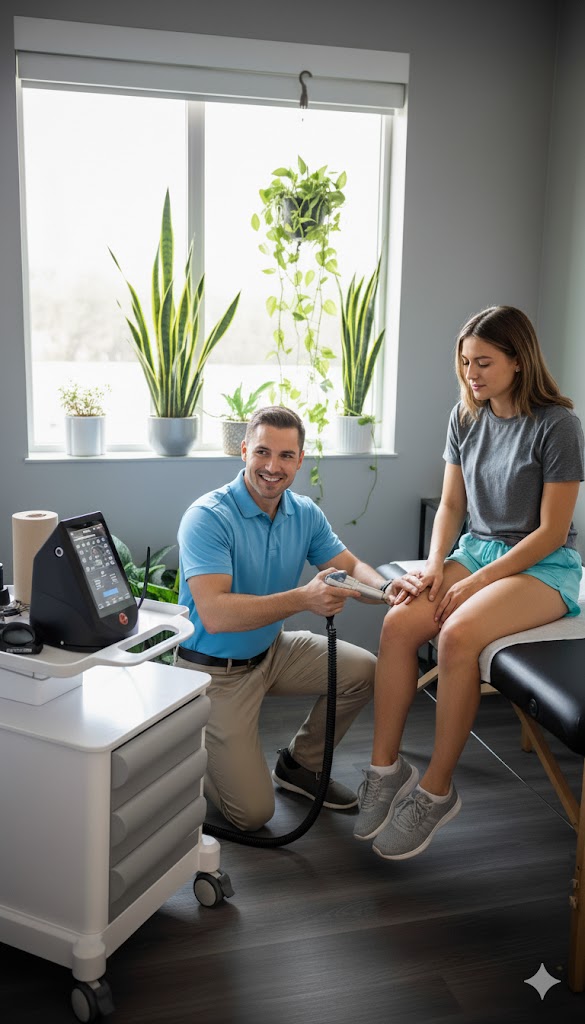
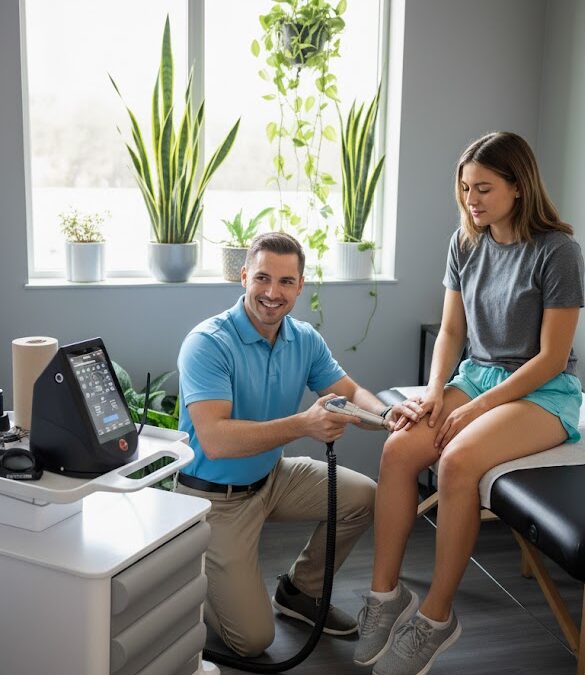
Finding the right physiotherapy can feel like a maze. But when you discover a clinic offering tailored plans, everything changes.
Personalised Therapy Plans
Imagine a therapy plan made just for you. At our centre, each plan is crafted to fit your specific needs. Whether you’re dealing with chronic pain or recovering from a sports injury, you’ll find that our approach is anything but generic. Your unique situation matters, and so does your recovery. Think of it like having a map designed just for your journey to wellness.
Why do most people fail to stick to recovery plans? They’re not personal. Our approach ensures you get exercises and treatments that match your lifestyle. This means faster recovery and less frustration. Remember: the sooner you start with us, the sooner you’ll be back to doing what you love.
Multi-disciplinary Approach Benefits
Ever felt like your healthcare providers are talking in different languages? Not here. Our team works together seamlessly to give you the best care possible. We blend various disciplines to tackle your issues from all angles. This integrated care model ensures you’re not left juggling disconnected treatments.
The benefits are clear: faster recovery, more comprehensive care, and less stress. You won’t have to run around town visiting multiple specialists. Everything you need is right here under one roof.
Active Lifestyle Support
Staying active is key to a happy, healthy life. But how do you maintain that when you’re recovering from an injury? Our clinic doesn’t just focus on immediate recovery. We also help you build a foundation for long-term health.
With our guidance, you’ll learn how to keep moving without risking re-injury. This isn’t just about avoiding pain; it’s about living a full, active life. Most people wait until they’re in pain to seek help. But with our proactive support, you can avoid those setbacks entirely.
Specialised Treatments and Services

Our clinic takes pride in offering a variety of specialised treatments to meet diverse needs. Each service is designed to target specific conditions and support your recovery journey.
Sports Injury Clinic Offerings
Sports injuries can be frustrating. They not only affect your performance but can also sideline you from daily activities. Our sports injury clinic offers targeted therapies to get you back in action. From sprains to strains, our experts know how to address each issue with precision.
Athletes often face recurring injuries. Our team focuses on prevention just as much as treatment. By identifying weak links in your performance, we help you build strength where it counts. This proactive approach means fewer injuries in the future.
Post-Surgical Rehabilitation Options
Surgery can be daunting. But with the right rehab, your recovery doesn’t have to be. Our post-surgical programs are designed to restore your strength and mobility efficiently. Each plan is tailored to your specific surgery and personal recovery goals.
Many believe rehab is just about regaining mobility. But we focus on rebuilding your confidence too. Through a blend of exercises and therapies, we help you return to your daily routine with ease.
Comprehensive Pain Management
Pain can be a daily struggle, but it doesn’t have to be. Our clinic offers comprehensive pain management strategies to tackle discomfort head-on. Whether it’s back pain or a chronic condition, we have the tools to help.
Why suffer in silence? Most people think medication is their only option, but there are alternatives. With techniques like acupuncture and manual therapy, you can find relief without relying on pills. [https://conehealth.com/rehaboptions/]
Why Choose Our Port Credit Clinic

When it comes to choosing a clinic, location and expertise matter. But what else sets us apart?
Convenient Location and Services
Located in the heart of Port Credit, our clinic is easily accessible. We offer flexible appointment times to fit your busy schedule. No more traveling far for quality care; it’s right here in your community.
Experienced Physiotherapy Team
Our team is made up of seasoned professionals passionate about helping you recover. With years of experience, we bring a wealth of knowledge to your care. You’re not just another patient; you’re a part of our community.
Community Engagement and Events
Being part of Port Credit means more to us than just offering services. We engage with the community through events and workshops, promoting wellness and active living. It’s not just about recovery; it’s about building a healthier community together.
In conclusion, choosing the right physiotherapy clinic isn’t just about location or services. It’s about finding a partner in your health journey. At MyHealth Care Centre, we’re here to support you every step of the way. Don’t wait to start your path to recovery—take the first step today.
Book Online

Mar 27, 2026 | Uncategorized
Your Nearby Chiropractor in Port Credit: Integrated Care to Move Better, Live Better
Back or neck pain shouldn’t slow you down, especially when you’re juggling work, workouts, and family life in Port Credit. Finding a nearby chiropractor in Port Credit who works alongside physiotherapists, massage therapists, and other specialists can speed your recovery and help you avoid future injuries. At MyHealth Care Centre, our integrated team creates personalised plans to get you moving comfortably again—so you can stay active and enjoy life without limits.
Integrated Chiropractic Care in Port Credit

Taking the first step towards recovery is crucial. Let’s explore why choosing a local chiropractor is beneficial.
Why Choose a Nearby Chiropractor
Proximity matters when seeking care. A chiropractor near you means easy access to regular appointments, reducing travel stress. Imagine fitting a session into your lunch break or after work without hassle. Local chiropractors often understand community-specific health needs. They can tailor care that matches your lifestyle, whether you’re a runner or someone who works at a desk all day.
Think about the convenience of having a specialist who knows the local activities and the potential injuries associated with them. You get quicker interventions and more personalised care. Plus, local clinics often form part of community networks, which can be reassuring.
Collaborative Healing Approaches
Healing is a journey best taken with a team. At MyHealth Care Centre, collaboration is key. Chiropractors work alongside physiotherapists and massage therapists to offer a comprehensive approach to care. Imagine having experts from different fields focusing on your health. This team approach ensures that every aspect of your recovery is covered.
By consulting with different specialists, you’re not just treating one symptom but addressing the root causes of your pain. This method speeds up recovery and enhances overall well-being. You’ll find that a chiropractor can aid with alignment, while physiotherapists and massage therapists work on muscle strength and relaxation.
Benefits of Integrated Therapy
Integrated therapy offers more than just symptom relief. It provides a holistic approach to your health. When therapies are combined, like chiropractic and physiotherapy, you get the best of both worlds. This approach is not just about healing but also about prevention.
An integrated plan can help you maintain your health long-term. You’ll experience improved mobility, reduced pain, and a greater range of motion. This comprehensive approach means fewer injuries and a more active lifestyle. By addressing all your health needs, you empower yourself to live life to the fullest.
Supporting Active Lifestyles

Active lifestyles demand resilience. Let’s delve into how integrated care supports your active life in Port Credit.
Managing Common Local Activity Injuries
In Port Credit, people love engaging in activities like running and sailing. These activities are enjoyable but can lead to specific injuries like sprains or strains. Understanding these common injuries helps in managing and preventing them effectively.
Imagine running along the waterfront and suddenly feeling a twinge in your knee. With the right care, you can address such issues early. A chiropractor can help with alignment, ensuring your body moves correctly to avoid stress injuries. Massage therapy can also ease the muscle tension that often accompanies these injuries.
Effective Prevention Strategies
Prevention is better than cure, and simple strategies can save you from injury. Regular chiropractic adjustments can keep your spine aligned, reducing strain on your muscles. This helps prevent injuries before they happen.
Think about incorporating warm-ups before activities, which can prepare your muscles for exertion. Chiropractic care, combined with physiotherapy, offers exercises that strengthen muscles, making them more resilient to injuries. These proactive steps ensure you enjoy your favourite activities without the worry of pain.
Simple At-Home Exercises
Staying active doesn’t always require a gym. Simple exercises at home can complement your therapy. Exercises like stretching can improve flexibility, while core strengthening can support your back.
Visualize doing a few stretches in the morning. It sets a positive tone for the day and supports your chiropractic care. These exercises are easy to integrate into your daily routine and provide long-term benefits by reducing stiffness and enhancing mobility.
Your First Visit Expectations

Understanding what to expect can make your first chiropractic visit less daunting. Let’s walk through it.
Personalised Chiropractic Assessment
Your first visit involves a thorough assessment. The chiropractor will ask about your medical history and any current issues. This helps in crafting a personalised plan. They might check your posture and how you move to identify any misalignments or areas of pain.
This personalised attention ensures your treatment is tailored to your specific needs. You become an active participant in your health journey, working with your chiropractor to set achievable goals.
Evidence-Based Treatment Plans
Chiropractic care at MyHealth is all about evidence-based practices. Your treatment plan will be crafted based on the latest research and best practices. This ensures that you receive the most effective care possible.
You might expect a combination of adjustments, exercises, and other therapies. Each element is chosen to address your unique condition, helping you recover faster and stay healthier longer.
Book Your Assessment Today
Ready to take control of your health? Booking your assessment is the first step. It’s about moving better, living better, and feeling better. Don’t let pain hold you back from enjoying life fully. Take action today and discover the benefits of integrated chiropractic care. Your journey to better health starts with that first appointment.
Book Online
Feb 3, 2026 | Uncategorized
