Personalised Post‑Surgery Rehabilitation in Port Credit: Recover Smarter, Prevent Setbacks
Most post-surgery rehab plans take a one-size-fits-all approach—and that’s where setbacks sneak in. Your recovery deserves more than generic advice. At MyHealth Care Centre, we craft a personalised rehab plan that fits your unique needs, helping you avoid common pitfalls and get back to Port Credit’s trails, rinks, and community life with confidence. Here’s how tailored post‑surgical rehabilitation in Port Credit makes all the difference.
Personalised Post-Surgical Rehabilitation
Imagine bouncing back from surgery with a plan just for you. That's what makes our approach special. We start by understanding your unique needs and crafting a path to recovery that’s as individual as you are.
Tailored Rehab Plans
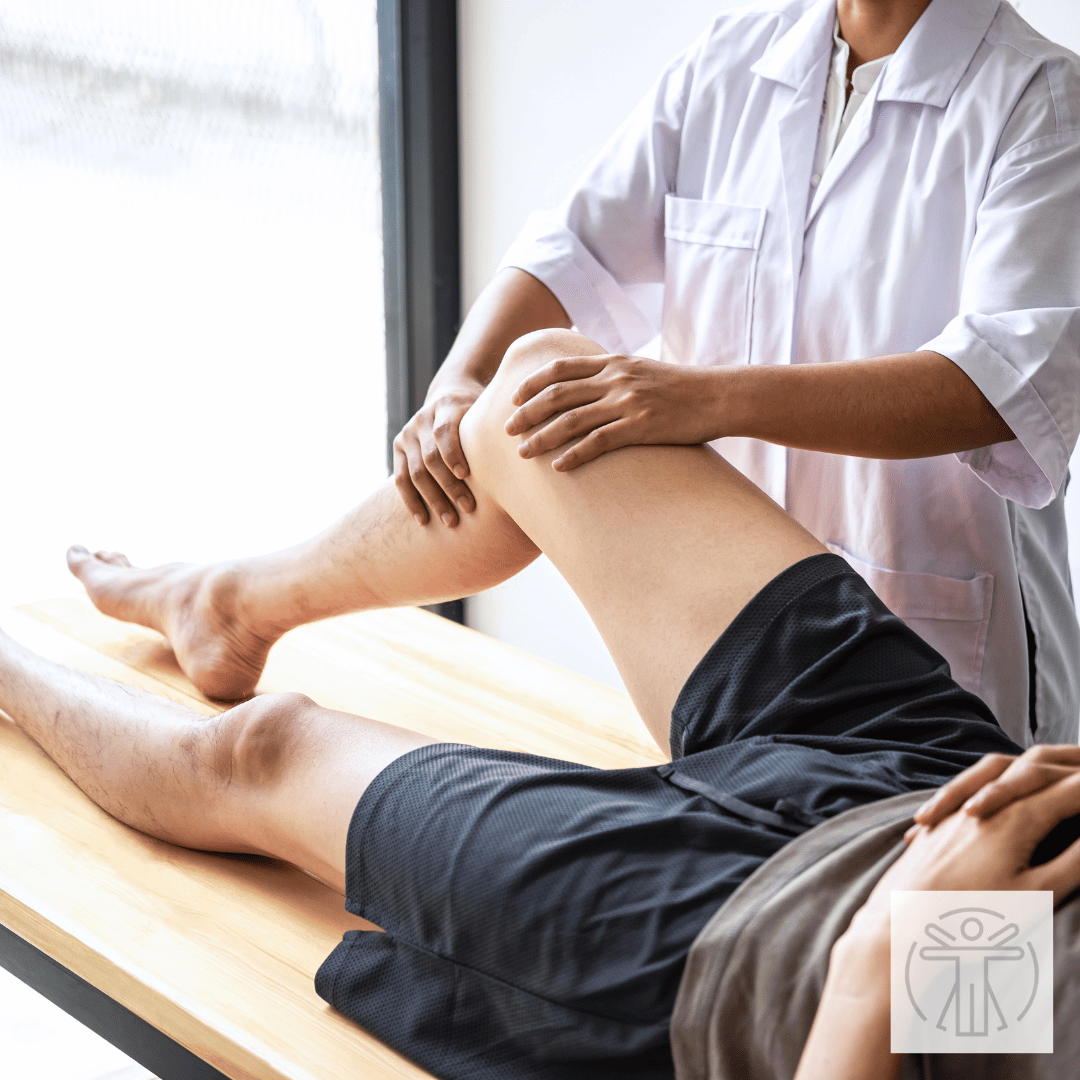
A custom plan means focusing on your specific surgery and lifestyle. Whether you’re dreaming of walking the Waterfront Trail or just want to move without pain, we design steps that guide you there. You’re not just another case; you're part of a personalised journey. For instance, a knee replacement might involve unique exercises to rebuild strength and flexibility.
Picture this: You, stronger and more confident, enjoying activities you love. That's the power of a tailored plan. By focusing on your goals, we ensure you’re set up for success, reducing the risk of setbacks.
Evidence-Based Therapies
Rely on what works. That's our motto when it comes to therapies. Using the latest research and proven methods, we ensure your treatment is effective and safe. This isn't about guesswork; it's about results. Evidence-based therapies provide a clear path to recovery, one step at a time.
When you know your treatment is backed by science, you can trust the process. This confidence speeds up healing, allowing you to return to daily life with less worry. It’s about making informed choices for the best outcomes.
Collaborative Care Approach
Recovery isn’t a solo mission. Our team collaborates to bring you the best care possible. Imagine experts from different fields combining their skills for your benefit. This teamwork makes your rehab seamless and thorough, covering all angles of your recovery.
Most people might think a single approach is sufficient, but collaborative care offers a complete picture. With physiotherapists, massage therapists, and more working together, you receive well-rounded support. This means quicker, more effective healing.
Customised Exercise Strategies
Now, let's delve into how exercise plays a crucial role in your recovery journey. Customised strategies ensure each movement is purposeful and beneficial, helping you regain strength and confidence.
Physiotherapy and Manual Therapy
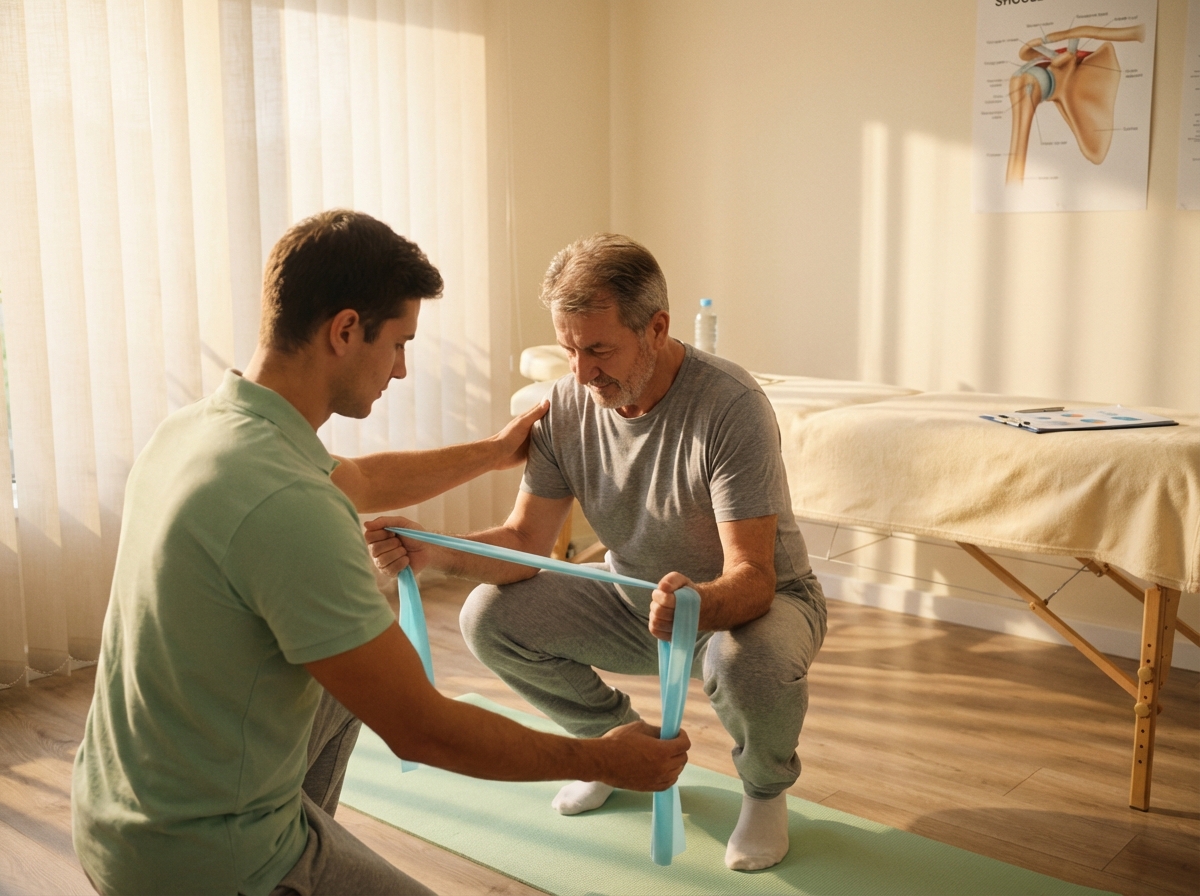
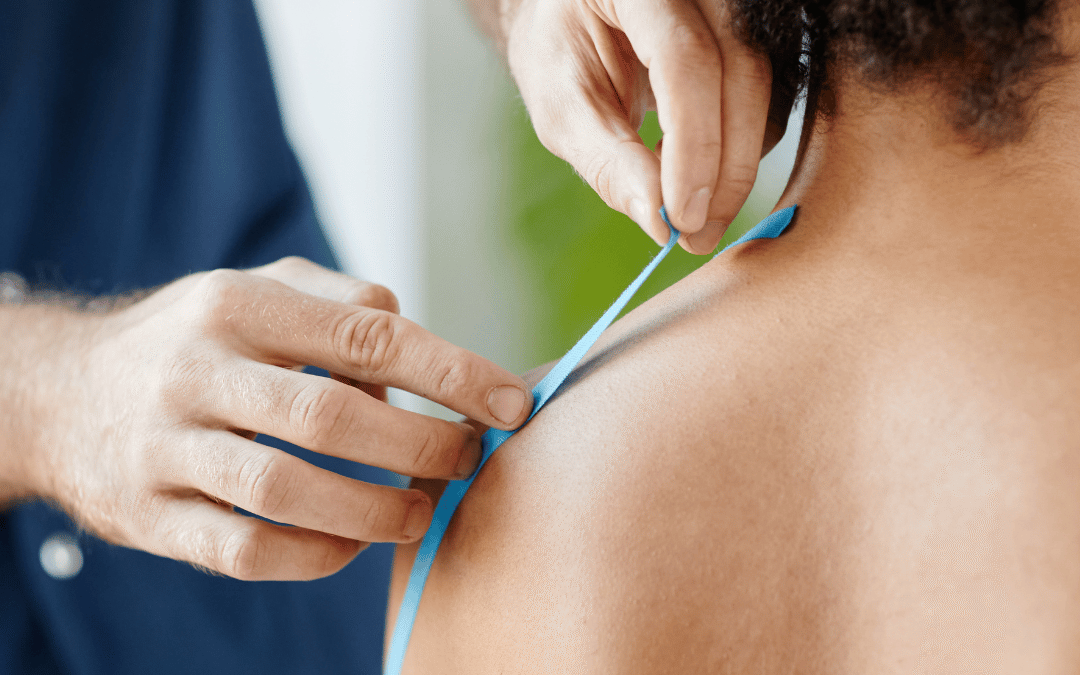
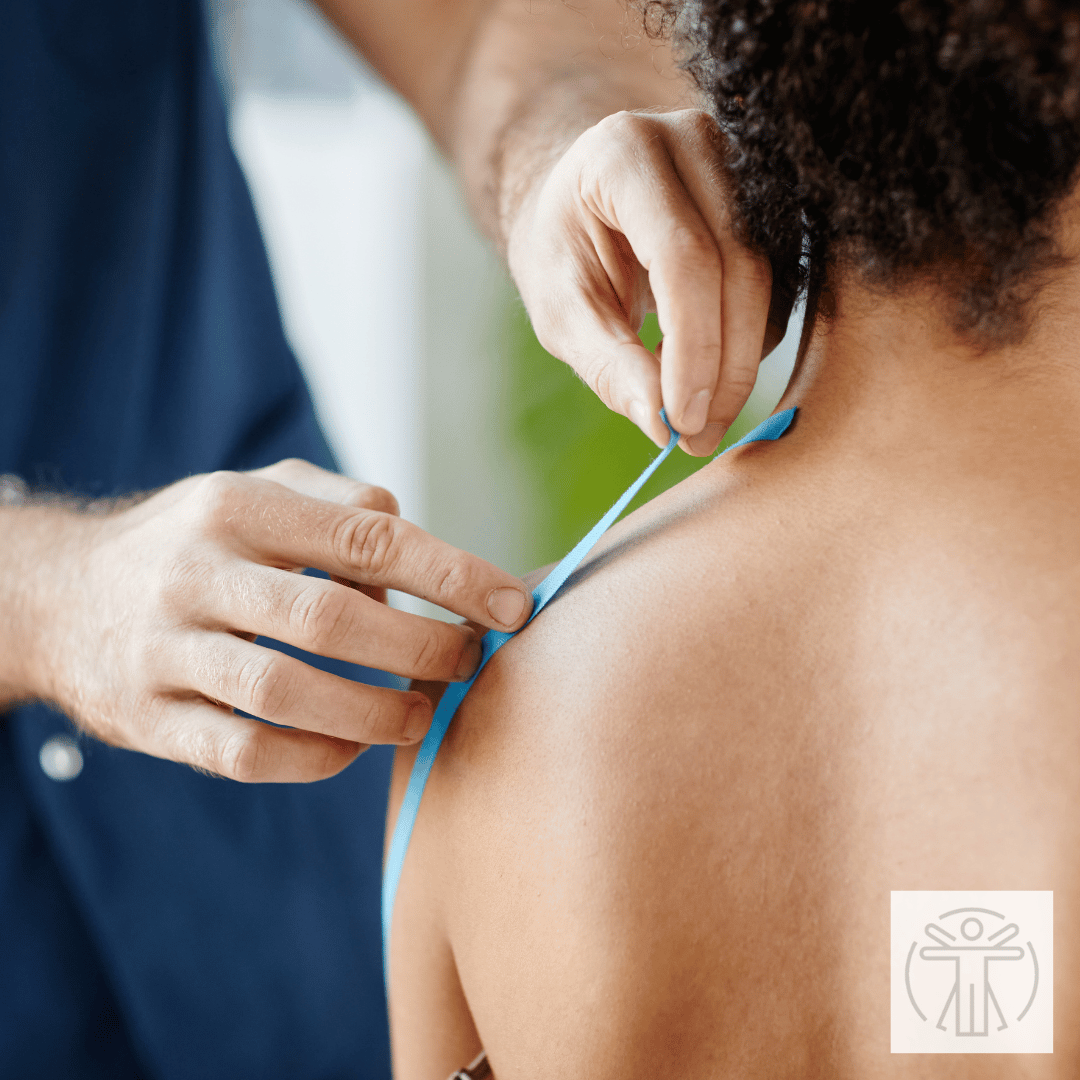
Feel the difference with hands-on care. Physiotherapy combined with manual therapy helps restore movement and ease tension. These techniques are tailored to your needs, aiming to enhance mobility and reduce pain. For instance, manual therapy can target specific areas to improve function and comfort.
Consider the story of Jane, who regained full range of motion after shoulder surgery through targeted exercises and manual adjustments. Her success shows how personalised therapy transforms recovery.
Acupuncture and Pain Relief
Acupuncture offers a natural way to ease post-surgery pain. This ancient practice targets pressure points, helping reduce discomfort and promote healing. It's not just about needles; it’s about finding relief that fits your body’s needs. Acupuncture can be a game-changer, especially in managing post-op pain without heavy medication reliance.
Imagine the relief of fewer painkillers and more natural healing. Acupuncture provides this balance, supporting your journey to wellness with minimal side effects.
Cold Laser and Cryotherapy Benefits
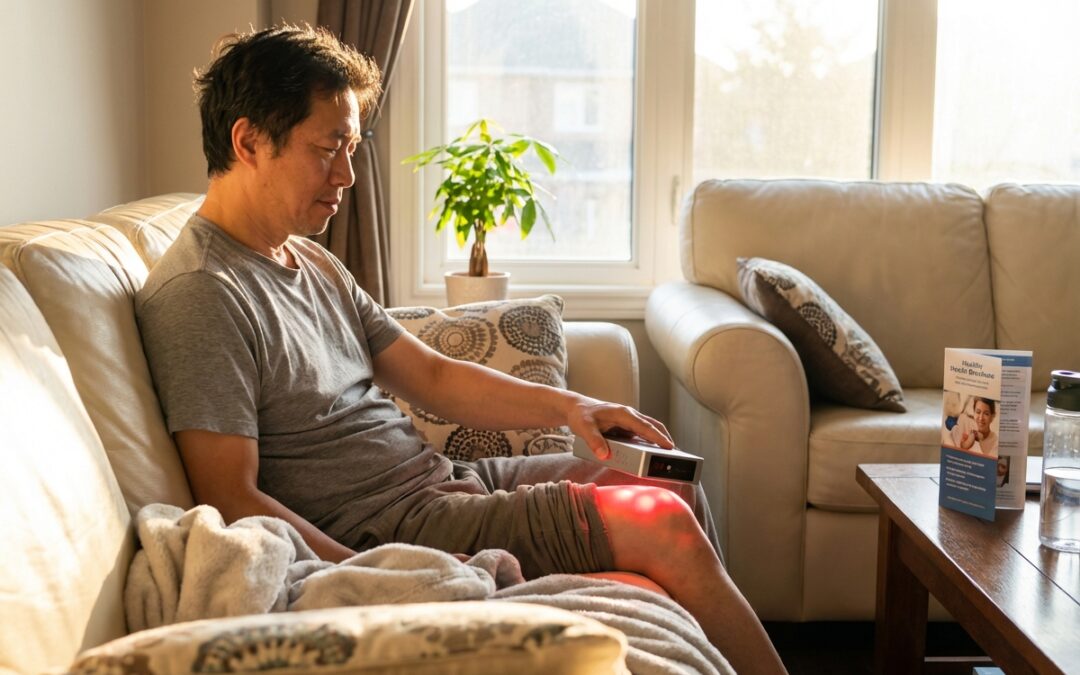
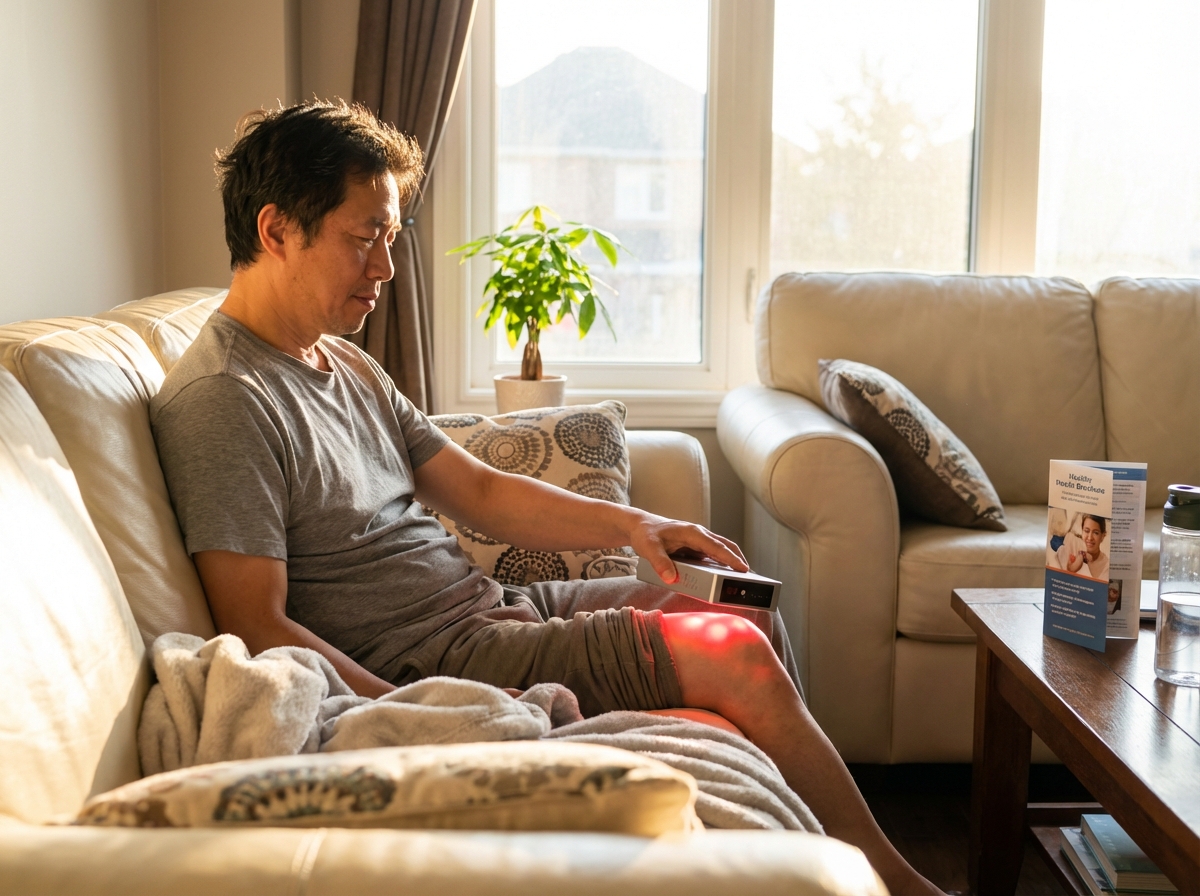
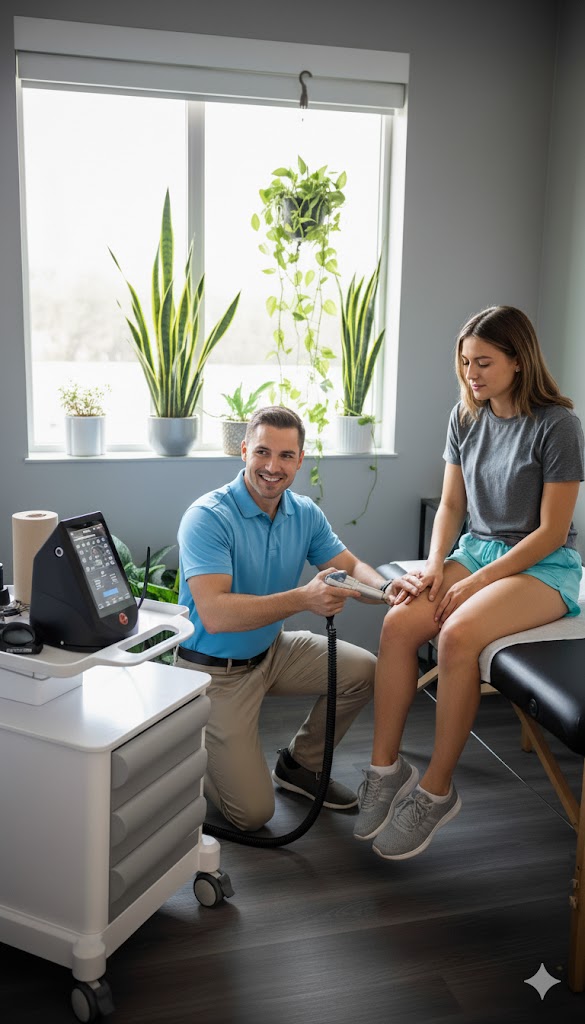
Harness the power of modern technology with cold laser and cryotherapy. These treatments focus on reducing inflammation and speeding up recovery time. By applying targeted cold therapy, we can manage swelling effectively, giving you comfort and quicker results.
Think of cold laser as a precision tool that targets pain and inflammation, helping your body heal faster. When combined with cryotherapy, it becomes a dynamic duo for reducing post-op swelling and discomfort.
Enhancing Recovery Confidence
It's time to build confidence as you recover. With the right strategies, you can prevent falls, manage exercises at home, and engage in community activities that keep you active and healthy.
Balance and Fall Prevention
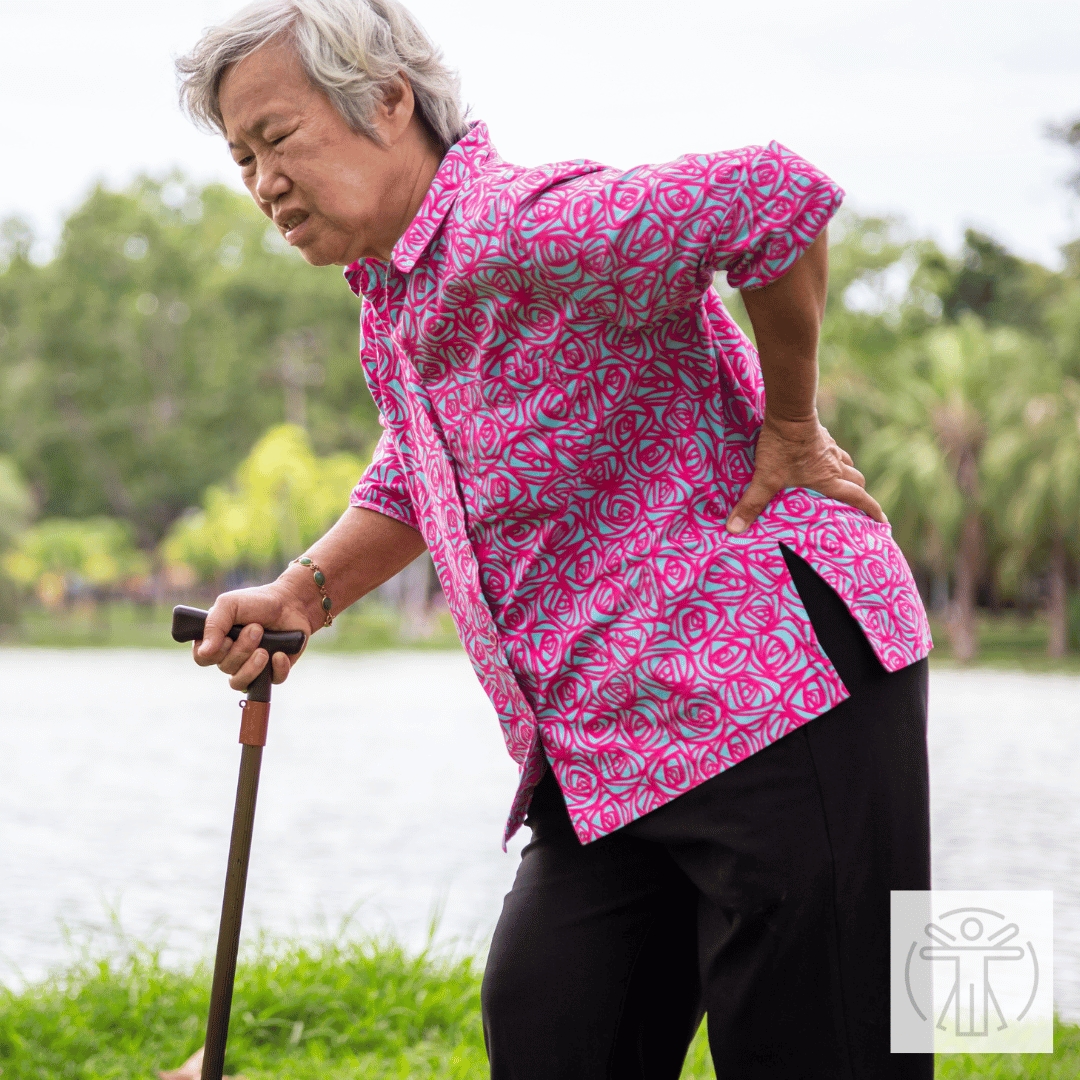
Preventing falls is crucial, especially post-surgery. Learn techniques that improve stability and strength, reducing the risk of accidents. Simple balance exercises can make a big difference in your daily life, ensuring you move with confidence and security.
Most folks underestimate the importance of balance. Yet, with the right guidance, you can drastically reduce fall risks, making every step safer.
Home Exercise and Self-Care
Your recovery doesn’t stop at the clinic. Home exercises and self-care routines keep the momentum going. These activities are tailored to fit your lifestyle, empowering you to take charge of your health every day. A good home routine supports what you learn in therapy, reinforcing progress.
Imagine the ease of continuing recovery in your own space. With the right plan, you maintain strength, flexibility, and peace of mind—all from the comfort of home.
Community-Centred Activities
Reconnect with your community through activities that enrich your recovery. From walking groups to local events, engaging socially can boost your mood and motivation. It’s not just about physical health; it’s about feeling part of something bigger.
Most believe recovery is a lonely path, but joining community activities adds a supportive dimension. It’s about moving forward together, celebrating each milestone with friends and neighbours.
In summary, personalised post-surgical rehabilitation in Port Credit is about crafting a recovery plan that suits you. From tailored therapies to community involvement, every step is designed to help you regain strength, confidence, and a zest for life. Embrace this approach for a smoother, more fulfilling recovery journey.
Post‑Surgery Recovery: 7 Steps to a Personalized Rehab Plan That Works
Post-surgery recovery isn’t one-size-fits-all. You need a personalized rehab plan that fits your unique surgery and lifestyle. At MyHealth Care Centre, we’ll guide you through seven clear steps to build a safe, effective post-surgical rehabilitation program me. Ready to take control and move without pain? Let’s start with what really works.
Building Your Rehab Foundation
The first step to an effective post-surgical recovery is laying down a solid foundation. This involves understanding what your surgeon recommends and how you can incorporate that into your plan. Let's dig into the details.
Understanding Surgeon’s Protocols
Your surgeon provides key insights into your recovery. Their guidelines are not just advice—they're tailored to your surgery. Start by reviewing these instructions. Knowing what movements to avoid and what exercises to focus on helps steer your recovery in the right direction. Ask questions if anything seems unclear. This is your body, and you deserve to know what each step entails.
Conducting a Baseline Assessment
Once you understand your surgeon's protocols, the next step is assessing your current condition. This involves evaluating your range of motion, pain levels, and overall mobility. A professional therapist from MyHealth can guide you through this. They use specific tests to determine your starting point. This baseline will serve as a benchmark to track your progress over time.
Setting SMART Goals
With a baseline in place, it's time to set goals. But not just any goals—SMART goals. These are Specific, Measurable, Achievable, Relevant, and Time-bound. For instance, if you're recovering from knee surgery, you might aim to walk for 10 minutes without pain within two weeks. Such goals keep you focused and motivated, providing clarity and direction.
Effective Therapy Integration
Having a strong foundation is crucial, but integrating effective therapies takes your recovery to the next level. Here’s how physiotherapy, massage, and other treatments can help.
Physiotherapy and Exercise Therapy
Engaging in physiotherapy is pivotal. It not only aids in rebuilding strength but also improves flexibility. Exercise therapy, guided by a professional, ensures you're performing the right movements. It’s about quality, not quantity. By focusing on posture and technique, you prevent further injury and promote healing.
Massage Therapy and Acupuncture
Massage therapy offers more than just relaxation. It alleviates muscle tension and enhances blood flow, vital for recovery. Acupuncture, on the other hand, targets specific points to reduce pain and inflammation. Used together, these therapies can accelerate your healing process, making each session a step closer to recovery.
Cold Laser Therapy and Cryotherapy
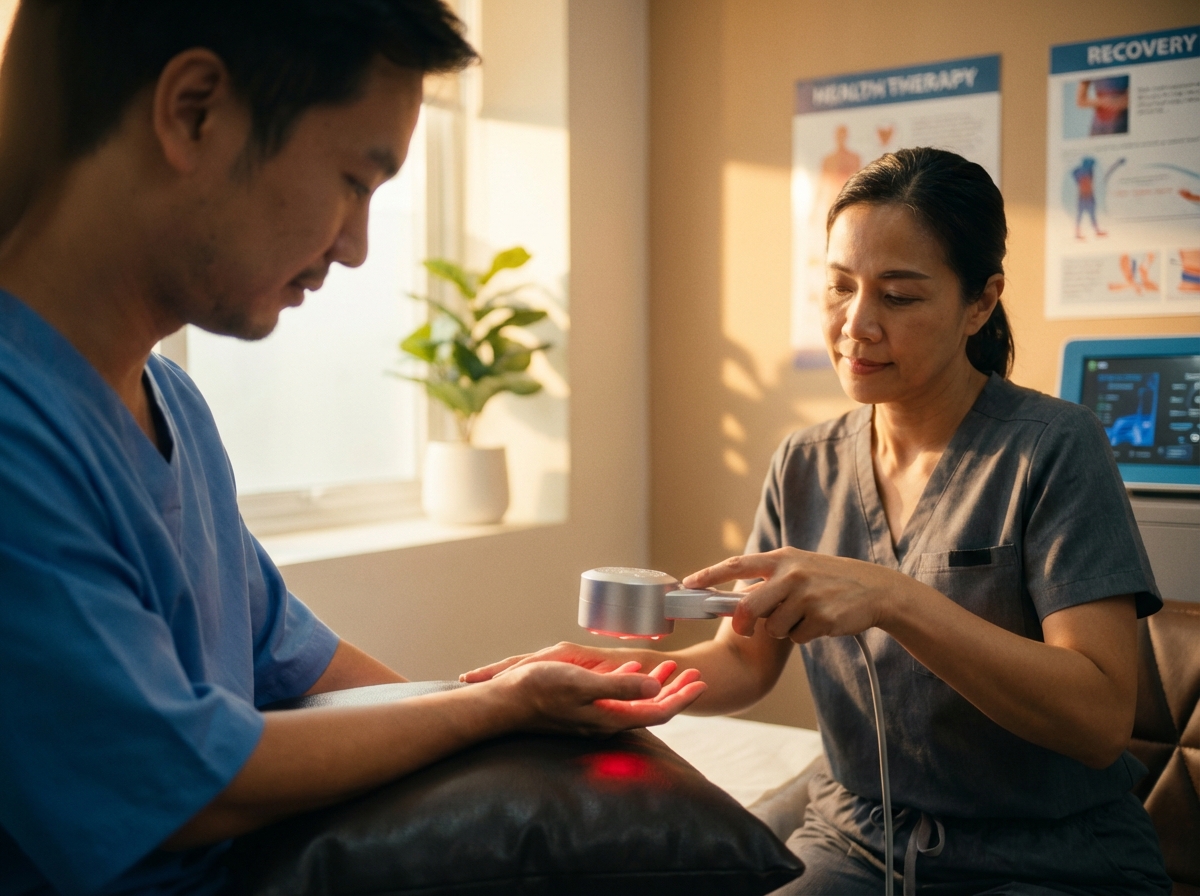
For reducing inflammation, cold laser therapy is a modern solution. It accelerates tissue repair and relieves pain without invasive procedures. Cryotherapy, involving cold exposure, complements this by reducing swelling and numbing painful areas. Incorporating these into your routine can make a significant difference.
Home Management and Progress
Successful recovery is not just about therapy sessions—it’s also about what you do at home. Managing pain, tracking progress, and gradually returning to daily activities are crucial steps.
Pain and Swelling Management
Pain management is vital in recovery. Ice packs, prescribed medication, and gentle stretches can help control discomfort. Swelling, a common post-surgery issue, can be reduced with elevation and compression socks. Managing these effectively aids in a smoother recovery journey.
Tracking Progress and Milestones
Monitoring your progress keeps you motivated. Keep a journal of your daily activities and improvements. Note any setbacks too. These records help you and your therapist adjust your plan as needed. Celebrating small victories, like taking a few extra steps, can boost your morale.
Returning to Everyday Activities
Gradually reintroducing daily activities is the final step to recovery. Begin with simple tasks like walking short distances or climbing a few stairs. As you build strength, you can resume more demanding tasks. Remember, patience is key. Rushing can lead to setbacks, so listen to your body and progress at your own pace.
In your path to recovery, remember that you're not alone. MyHealth Care Centre in Port Credit offers a team of professionals ready to support you with a personalized, evidence-based care plan. Stay committed to your journey, and soon enough, you'll be moving with confidence and ease.
Port Credit Sports Injury Report: Pickleball and Weekend Warriors—Trends and the Fastest Safe Route Back
Pickleball and weekend warrior injuries are on the rise in Port Credit this season. From tennis elbow to ankle sprains, these common issues can quickly bench your game if left unchecked. Our latest Port Credit sports injury report breaks down what’s happening locally, offers simple prevention tips, and shows how a combined chiro, physio, and cryotherapy approach at MyHealth Care Centre gets you back on court faster and safer.
Common Sports Injuries
Understanding what's sidelining athletes in Port Credit can help you stay in the game longer. Let's explore the common injuries affecting players this season and how you can avoid them.
Spotlight on Pickleball Injuries
Pickleball is taking over Port Credit, but with its popularity comes a spike in injuries. Many players experience tennis elbow and rotator cuff strains. The quick, repetitive movements lead to wear and tear. A local player shared, "I was surprised how sore my shoulder got after just a few matches." This highlights the need for proper warm-ups and technique adjustments. Check your form regularly and listen to your body; slight discomfort can escalate if ignored. Learn more about preventing these injuries from this Facebook post.
Weekend Warriors' Common Ailments
For many in Port Credit, weekends mean hitting the courts or trails. Unfortunately, this can lead to ankle sprains and Achilles tendinopathy. A sudden increase in activity often strains your body, leading to these issues. A local runner noted, "I pushed myself too hard on my first run of the season and ended up with a painful ankle." To dodge this, gradually increase intensity and incorporate rest days. Strengthen muscles with targeted exercises to prevent injuries.
Injury Prevention Tips
Preventing injuries is key to enjoying your favourite sports longer. Here’s how you can safeguard yourself:
Warm up: Always start with a light jog or dynamic stretches to get your body ready.
Strength training: Focus on exercises that strengthen your core and limbs. This keeps you stable.
Proper gear: Invest in good shoes, especially if you’re prone to plantar fasciitis or patellofemoral pain. Custom orthotics can make a big difference.
Listen to your body: If you feel pain, stop and rest. Continuing can lead to more severe problems.
Fastest Route to Recovery
Getting back to your sport quickly requires an effective recovery strategy. Port Credit offers the perfect blend of treatments to speed up your healing process.
Integrated Care in Port Credit
An integrated care approach combines therapies to address all aspects of your injury. At MyHealth Care Centre, you benefit from a team of experts who work together. A Port Credit physiotherapist and Mississauga chiropractor collaborate to create a plan tailored to your needs. This ensures that you heal completely, not just temporarily. By visiting us, you're choosing a path that considers every angle of your recovery.
Benefits of Multidisciplinary Rehab
Why settle for one treatment when you can have the best of several? Multidisciplinary rehab integrates chiropractic adjustments, physical therapy, and massage to restore your health. This approach addresses not just the symptoms but the root cause of your pain. Imagine having a team dedicated to ensuring you regain full mobility and strength. It's not just about feeling better; it's about staying better.
Cryotherapy and Cold Laser Therapy
Cryotherapy and cold laser therapy are game-changers in recovery. They speed up healing by reducing inflammation and boosting tissue repair. Local athletes rave about the quick relief they experience. One noted, "After just a few sessions of cryotherapy Mississauga, my knee pain was almost gone." These treatments are non-invasive and incredibly effective, making them a favourite among Port Credit residents. Check out this YouTube video for more on their benefits.
Return to Sport
Once you're on the mend, a safe return to sport is crucial. Let's look at how to ease back into your activities without setbacks.
Exercises for Safe Comeback
Rebuilding strength and mobility is your first step back. Focus on exercises that target your injured area. For example, if you've suffered a low back strain, gentle core and back exercises will help. Keep movements slow and controlled. As you progress, increase intensity gradually. Remember, consistency is key. Even 10 minutes a day can make a big difference.
Balance and Stability Training
Balance is often overlooked in recovery, but it's vital. Exercises like standing on one leg or using a balance board build stability. This prevents future injuries and boosts confidence in your movements. Imagine feeling secure on the court or trail, knowing your body is ready for anything. Balance training is your secret weapon.
Custom Orthotics in Port Credit
Custom orthotics can be a game-changer for those with persistent foot or leg pain. They support your feet in the correct position, relieving stress and preventing injuries. Many Port Credit locals have found relief with these simple additions to their routine. If you're experiencing issues like plantar fasciitis, consider a consultation at MyHealth Care Centre. Our experts will guide you to the perfect solution, ensuring comfort and performance.
By following these strategies, you'll be back in your game, stronger and more resilient than before. Stay proactive and enjoy the activities you love with peace of mind.
Accelerate Your Post Surgery Recovery: Essential Strategies for Optimal Healing
Effective support during your post surgery journey can significantly impact your recovery outcomes. Comprehensive and tailored care can enhance your healing process, allowing you to return to your daily life more swiftly and with less discomfort. It's essential to recognise that every individual's journey is unique, and personalising your recovery plan to fit your specific needs can make a substantial difference.
Understanding the significance of a supportive environment during your post surgery journey cannot be overstated. After surgery, your body undergoes significant changes that require adjustments in your daily routine. Having a designated recovery space can greatly influence your comfort level and healing speed. This space should be equipped with necessary supplies, such as medications, hydration options, and comfortable seating or bedding. By creating a sanctuary for your recuperation, you can facilitate a more restful and efficient recovery process.
Strategies for Successful Post Surgery Recovery
Don’t underestimate the power of positive thinking. Your mindset plays a pivotal role in your recovery. Studies show that maintaining an optimistic outlook can lead to better health outcomes. Setting daily intentions or affirmations can help steer your thoughts towards positivity. For instance, starting each day by reminding yourself of your healing goals can reinforce a proactive attitude, which is essential in navigating the recovery process.
Additionally, consider the role of hydration in your recovery. Staying well-hydrated is crucial for healing and can often be overlooked. Dehydration can slow down your recovery and make you feel fatigued. Aim to drink water consistently throughout the day and include hydrating foods like fruits and soups in your diet. Proper hydration can enhance energy levels and support the body's natural healing processes.
Moreover, establishing a routine can provide structure during your recovery. After surgery, it’s common to feel disoriented or uncertain about daily activities. By creating a daily schedule that includes designated times for meals, rest, and light activities, you can foster a sense of control and purpose. Having a routine can also help signal to your body when it’s time to engage in physical activity, promoting gradual increases in mobility.
Another key element to consider is the importance of follow-up appointments. Regular check-ins with your healthcare team are essential for monitoring your recovery progress and making necessary adjustments to your care plan. These appointments provide an opportunity to discuss any concerns you might have and receive tailored advice that aligns with your unique healing journey. Staying proactive in your follow-ups can help mitigate potential complications and reassure you about your recovery trajectory.
Furthermore, engaging your mind is a crucial aspect often overlooked in recovery. Activities such as reading, puzzles, or even creative pursuits like drawing or knitting can keep your mind active during periods of limited physical activity. These activities not only provide distraction but also contribute to a sense of normalcy, helping to combat any feelings of depression or anxiety that may arise during recovery. It’s vital to find a balance between physical rest and mental engagement to support your overall well-being.
Ultimately, your post surgery recovery is not just about the absence of pain but about regaining your strength and quality of life. Focus on the progress you make each day, however small it may seem. With the right strategies in place, you are well on your way to achieving a successful and fulfilling recovery experience.
By integrating these strategies into your post surgery recovery plan, you can create a more supportive and effective healing environment. Emphasising a holistic approach that includes physical, emotional, and psychological care sets a solid foundation for optimal recovery. Remember, the journey of healing is personal and may require adjustments along the way. Embrace patience and self-compassion as you navigate this important period.
Post-surgery recovery can feel slow and frustrating when relying on just one type of treatment. Multi-disciplinary care is transformative, combining physiotherapy, chiropractic care, and massage therapy into a cohesive recovery strategy. This collaborative method ensures that every aspect of your recovery is addressed, drawing on the expertise of various practitioners. For instance, physiotherapists can design exercise programmes that specifically target the areas affected by your surgery, while chiropractors can perform adjustments to support structural alignment. Massage therapy can play a vital role in reducing muscle tension and enhancing circulation, essential for optimal recovery. Research indicates that patients receiving integrated care typically report shorter recovery times and improved satisfaction. This holistic approach empowers patients, making them active participants in their recovery journey.
In addition to the strategies mentioned, incorporating light physical activity, as advised by your healthcare team, can promote faster recovery. Simple activities, like taking short walks or engaging in gentle stretches, can aid in maintaining circulation and preventing stiffness. Consistency is key; aim for regular, manageable activities rather than intense workouts. This gradual increase in movement can significantly enhance your physical resilience and overall recovery experience.
Moreover, do not underestimate the importance of adequate rest. Sleep is a critical component of the healing process; studies have shown that patients who prioritise sleep tend to recover faster and experience less pain. Create a soothing environment conducive to sleep, free from distractions, and consider using relaxation techniques such as deep breathing or gentle yoga before bedtime. Additionally, don’t shy away from seeking help from family and friends; their support can provide emotional comfort and practical assistance, making your recovery much smoother.
Setting realistic goals during your recovery can provide motivation and clarity. Recognise that healing is often a gradual process, and listening to your body is paramount. Keeping a recovery journal can be beneficial; it allows you to document daily progress, setbacks, and feelings, which can aid in maintaining a positive mindset. Sharing your goals with your healthcare team can also help them adjust your care plan to support your aspirations effectively.
Nutrition is a pillar of your post surgery recovery process. A balanced diet enriched with vital nutrients can expedite healing. Proteins are particularly important for tissue repair, so include lean meats, fish, eggs, and plant-based proteins in your diet. Additionally, incorporate a wide variety of fruits and vegetables, as they provide antioxidants that combat inflammation. Whole grains can deliver sustained energy throughout the day. Consulting with a nutritionist can ensure that your meal plan aligns with your recovery needs and preferences.
Lastly, it is important to remember that emotional and mental health play a crucial role in the recovery process, just as much as physical healing. After surgery, it is completely normal to experience a range of emotions, including sadness, anxiety, frustration, mood changes, or even feelings of isolation. Your body has gone through a significant event, and your mind is also adjusting to changes in mobility, routine, independence, and overall well-being.
If you find yourself struggling emotionally, do not ignore these feelings or assume they will simply pass on their own. Seeking professional support is a proactive and healthy step toward recovery. Many hospitals and healthcare centres offer mental health resources specifically designed for post-surgery patients, including access to psychologists, counsellors, social workers, or support groups. These professionals can help you process your experience, develop coping strategies, and build resilience during your healing journey.
Engaging in therapy or counselling can provide practical tools to manage stress, reduce anxiety, improve sleep, and maintain a positive outlook. Even simple strategies such as guided relaxation, mindfulness techniques, journaling, or structured goal-setting can make a meaningful difference in your overall recovery experience. Connecting with others who are going through similar situations can also provide reassurance and emotional comfort.
Recognizing and addressing the psychological aspects of recovery allows you to take a more holistic approach to healing. When your mental and emotional well-being are supported, your body is better positioned to recover effectively. True healing happens when both mind and body are cared for together