Stay active this winter in Port Credit: prevent and treat common injuries
Winter in Port Credit brings fresh air and outdoor fun—but it also brings a rise in winter activity injuries. Whether you’re skating at the local rink, shovelling snow, or hitting the trails for a run, aches and strains can easily slow you down. In this post, you’ll learn how to spot common issues and practical ways to protect yourself, plus how our team at MyHealth Care Centre helps you recover quickly and safely. For more information on preventing winter sports injuries, visit this link.
Table of Contents
Common Winter Injuries
Winter activities are thrilling, yet they come with their own set of risks. Understanding these common injuries helps you enjoy the season while staying safe. Let's dive into the potential hazards of popular winter activities.
Skating and Hockey Hazards
Skating and hockey can be exhilarating, but they often lead to falls and collisions. These mishaps can result in sprains, fractures, and shoulder injuries. For instance, a sudden fall on the ice may cause a wrist fracture. Moreover, hockey players are prone to shoulder injuries due to frequent body contact. Wearing protective gear is vital. Ensure your skates fit well to provide stability and reduce fall risks. If you're new to skating, consider lessons to improve your skills. This proactive approach not only enhances your enjoyment but also minimizes injury risks.
Snow Shovelling Back Pain
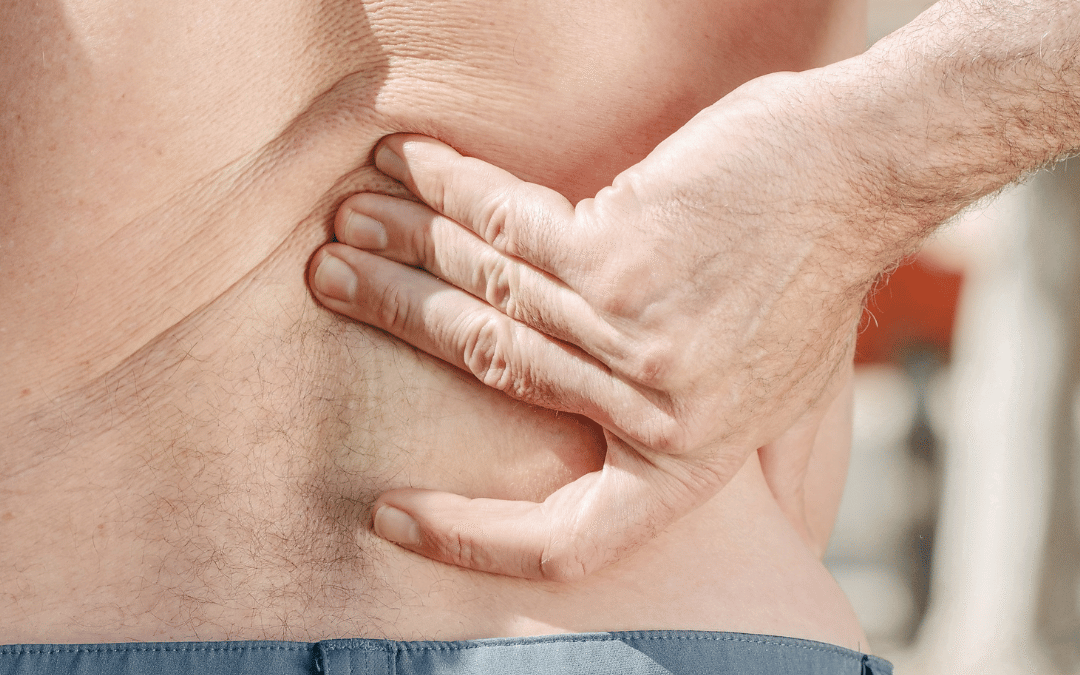
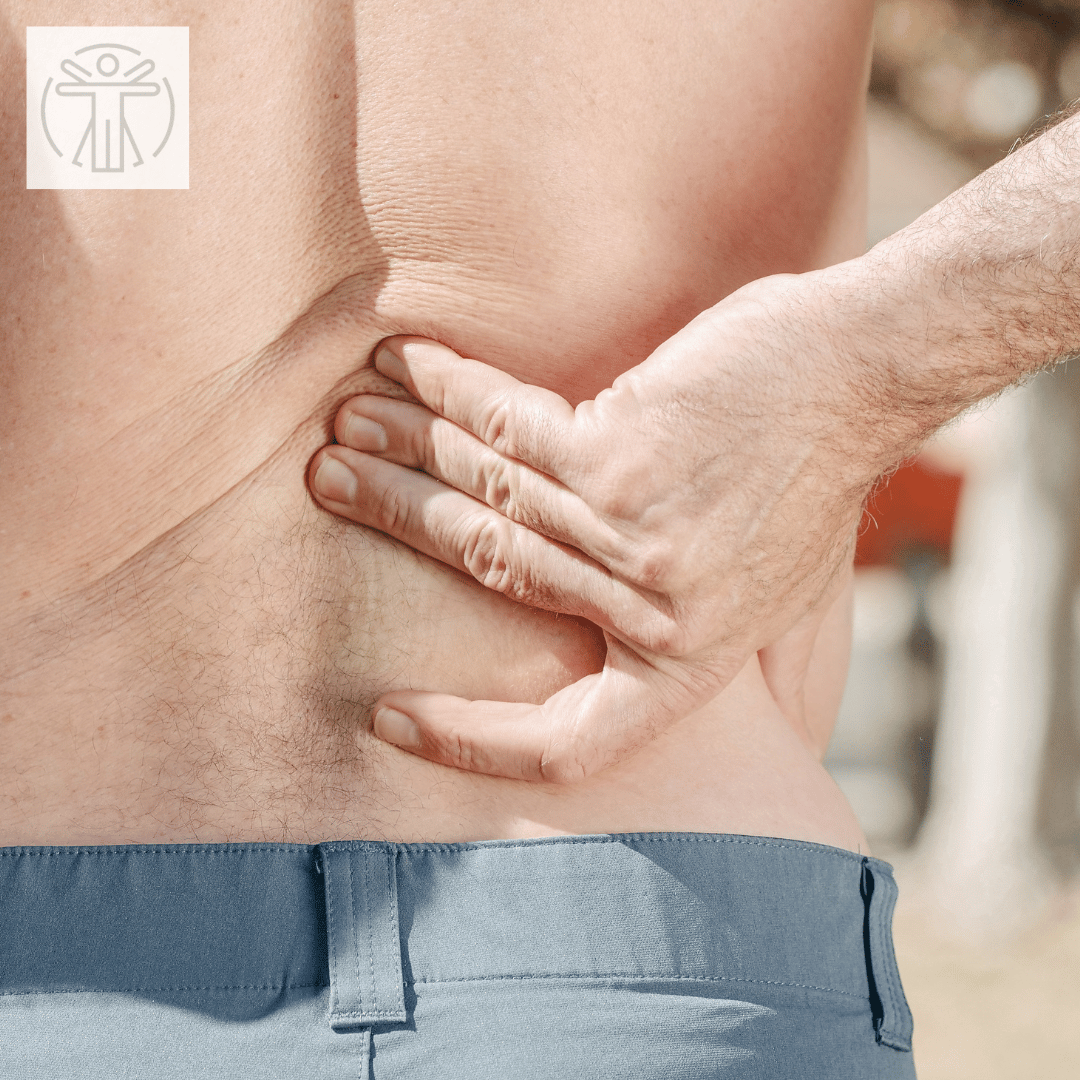
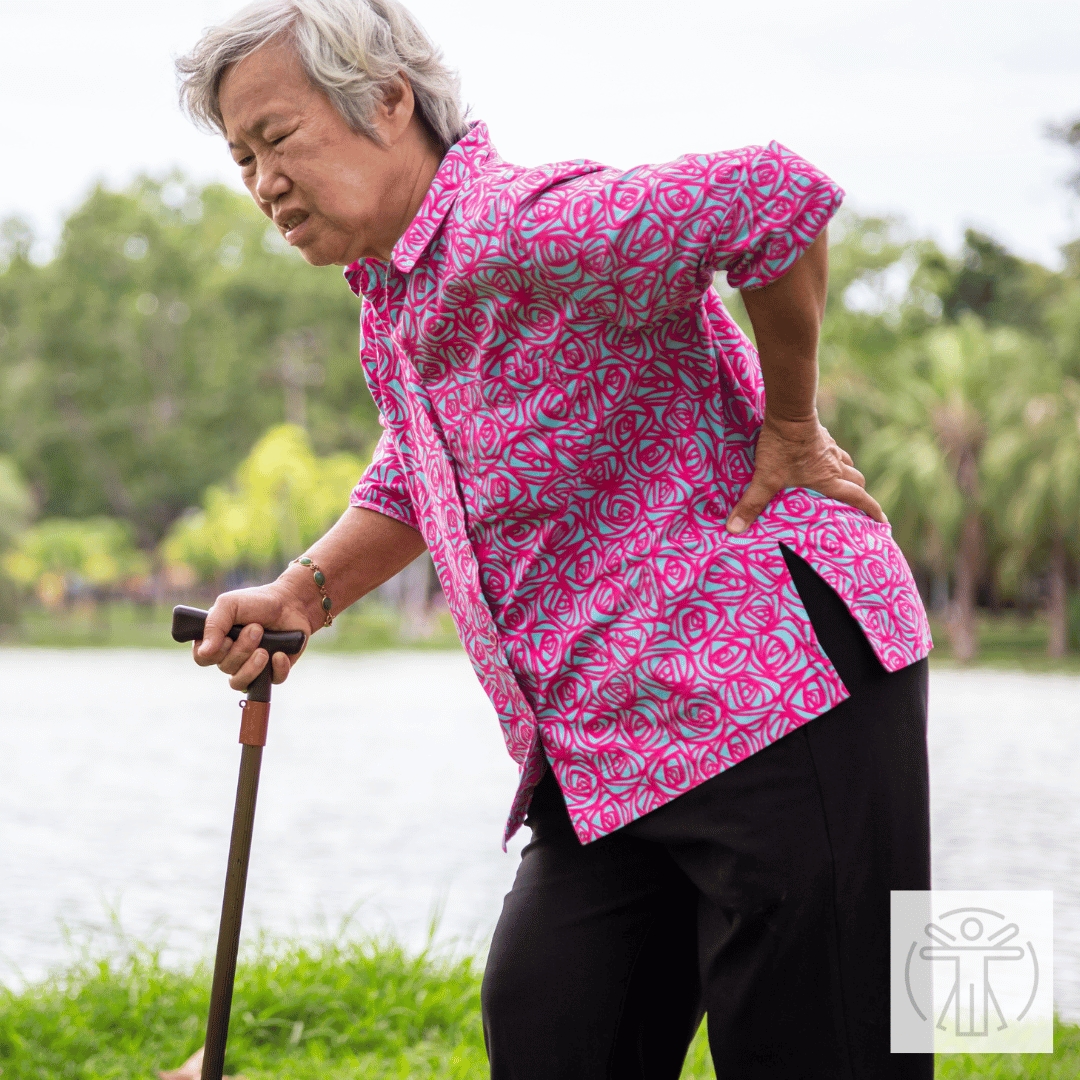
Shovelling snow is a tough job that can cause back pain. The repetitive motion of lifting heavy snow puts stress on your back and shoulders. Often, improper technique leads to strains or even disc injuries. To protect yourself, use an ergonomic shovel and bend your knees, not your back, when lifting. Try to push the snow instead of lifting it when possible. Regular breaks are crucial to avoid fatigue, which increases the chances of injury. By shovelling smartly, you maintain a healthy back throughout the winter.
Winter Running and Walking Strains
Running and walking in winter can be refreshing, but icy surfaces present a challenge. Ankle sprains and knee strains are common when you lose your footing. To prevent this, wear shoes with good traction and consider using ice grips. Warm up indoors before heading out to prepare your muscles for the cold. Be mindful of your pace and avoid areas that appear slippery. Consistent exercise keeps you fit, but staying safe ensures you continue these activities without setbacks.
Prevention Strategies
Understanding how to prevent these injuries makes winter activities more enjoyable and less risky. Here, we'll explore practical measures for staying safe.
Smart Warm-Ups and Balance Drills
Start with a warm-up to prepare your body. This can be as simple as jogging in place or doing jumping jacks for five minutes. Balance drills are also beneficial. Stand on one leg for 30 seconds, then switch. These exercises improve stability and prevent falls. Incorporate them into your routine to build strength and coordination. Regular practice ensures you're ready for any winter sport, reducing injury risks.
Footwear and Orthotic Advice
Choosing the right footwear is crucial for winter activities. Shoes with good grip prevent slips. If you have specific foot issues, custom orthotics can provide additional support. They align your feet properly, reducing strain on your joints. Visit a specialist to get orthotics tailored to your needs. With the right footwear, you can enjoy outdoor activities without worrying about injuries.
Proper Shovelling Techniques
To avoid back pain while shovelling, use the right technique. Keep your back straight and use your legs to lift. Avoid twisting your body when throwing snow aside. Instead, turn your whole body. Alternate sides to distribute the load evenly. Following these steps protects your back and makes the task easier. Remember, safety is more important than speed when clearing snow.
Swift Recovery Solutions
When injuries do occur, knowing how to recover swiftly is key. Let's explore effective recovery methods that get you back on your feet quickly.
Physiotherapy and Chiropractic Care
Physiotherapy can speed up recovery by improving mobility and strength. For instance, gentle exercises prescribed by a therapist help heal injuries. Chiropractic care focuses on spinal health, aiding issues like back pain and neck stiffness. Both therapies are non-invasive and effective. Seeking professional help ensures your recovery is in expert hands, minimizing downtime.
Massage and Acupuncture Benefits
Massage therapy relieves muscle tension and promotes relaxation. It also enhances blood flow, which speeds up healing. Acupuncture is another option. It targets pain points, offering relief from chronic pain and improving overall well-being. These therapies complement each other well. Incorporating them into your recovery plan ensures a well-rounded approach to healing, helping you return to your activities sooner.
Cold Laser and Cryotherapy Options
Cold laser therapy uses light to reduce pain and inflammation. It's non-invasive and can be tailored to various injuries. Cryotherapy, on the other hand, involves exposing the body to cold temperatures to reduce inflammation. Both are innovative options for managing pain. They offer quick relief, allowing you to resume your routine without delay. Explore these therapies to find the best fit for your recovery needs.
In conclusion, staying active during winter is enjoyable with the right precautions and recovery strategies. By understanding common injuries and implementing prevention measures, you can enjoy winter sports safely. And if injuries occur, MyHealth Care Centre is here to help with a range of therapies tailored to your needs. Stay safe, stay active, and make the most of the winter season in Port Credit!
Stay active this winter in Port Credit: prevent and treat common injuries
Winter in Port Credit brings fresh air and outdoor fun—but it also brings a rise in winter activity injuries. Whether you’re skating at the local rink, shovelling snow, or hitting the trails for a run, aches and strains can easily slow you down. In this post, you’ll learn how to spot common issues and practical ways to protect yourself, plus how our team at MyHealth Care Centre helps you recover quickly and safely. For more information on preventing winter sports injuries, visit this link.
Table of Contents
Common Winter Injuries
Winter activities are thrilling, yet they come with their own set of risks. Understanding these common injuries helps you enjoy the season while staying safe. Let's dive into the potential hazards of popular winter activities.
Skating and Hockey Hazards
Skating and hockey can be exhilarating, but they often lead to falls and collisions. These mishaps can result in sprains, fractures, and shoulder injuries. For instance, a sudden fall on the ice may cause a wrist fracture. Moreover, hockey players are prone to shoulder injuries due to frequent body contact. Wearing protective gear is vital. Ensure your skates fit well to provide stability and reduce fall risks. If you're new to skating, consider lessons to improve your skills. This proactive approach not only enhances your enjoyment but also minimizes injury risks.
Snow Shovelling Back Pain
Shovelling snow is a tough job that can cause back pain. The repetitive motion of lifting heavy snow puts stress on your back and shoulders. Often, improper technique leads to strains or even disc injuries. To protect yourself, use an ergonomic shovel and bend your knees, not your back, when lifting. Try to push the snow instead of lifting it when possible. Regular breaks are crucial to avoid fatigue, which increases the chances of injury. By shovelling smartly, you maintain a healthy back throughout the winter.
Winter Running and Walking Strains
Running and walking in winter can be refreshing, but icy surfaces present a challenge. Ankle sprains and knee strains are common when you lose your footing. To prevent this, wear shoes with good traction and consider using ice grips. Warm up indoors before heading out to prepare your muscles for the cold. Be mindful of your pace and avoid areas that appear slippery. Consistent exercise keeps you fit, but staying safe ensures you continue these activities without setbacks.
Prevention Strategies
Understanding how to prevent these injuries makes winter activities more enjoyable and less risky. Here, we'll explore practical measures for staying safe.
Smart Warm-Ups and Balance Drills
Start with a warm-up to prepare your body. This can be as simple as jogging in place or doing jumping jacks for five minutes. Balance drills are also beneficial. Stand on one leg for 30 seconds, then switch. These exercises improve stability and prevent falls. Incorporate them into your routine to build strength and coordination. Regular practice ensures you're ready for any winter sport, reducing injury risks.
Footwear and Orthotic Advice
Choosing the right footwear is crucial for winter activities. Shoes with good grip prevent slips. If you have specific foot issues, custom orthotics can provide additional support. They align your feet properly, reducing strain on your joints. Visit a specialist to get orthotics tailored to your needs. With the right footwear, you can enjoy outdoor activities without worrying about injuries.
Proper Shovelling Techniques
To avoid back pain while shovelling, use the right technique. Keep your back straight and use your legs to lift. Avoid twisting your body when throwing snow aside. Instead, turn your whole body. Alternate sides to distribute the load evenly. Following these steps protects your back and makes the task easier. Remember, safety is more important than speed when clearing snow.
Swift Recovery Solutions
When injuries do occur, knowing how to recover swiftly is key. Let's explore effective recovery methods that get you back on your feet quickly.
Physiotherapy and Chiropractic Care
Physiotherapy can speed up recovery by improving mobility and strength. For instance, gentle exercises prescribed by a therapist help heal injuries. Chiropractic care focuses on spinal health, aiding issues like back pain and neck stiffness. Both therapies are non-invasive and effective. Seeking professional help ensures your recovery is in expert hands, minimizing downtime.
Massage and Acupuncture Benefits
Massage therapy relieves muscle tension and promotes relaxation. It also enhances blood flow, which speeds up healing. Acupuncture is another option. It targets pain points, offering relief from chronic pain and improving overall well-being. These therapies complement each other well. Incorporating them into your recovery plan ensures a well-rounded approach to healing, helping you return to your activities sooner.
Cold Laser and Cryotherapy Options
Cold laser therapy uses light to reduce pain and inflammation. It's non-invasive and can be tailored to various injuries. Cryotherapy, on the other hand, involves exposing the body to cold temperatures to reduce inflammation. Both are innovative options for managing pain. They offer quick relief, allowing you to resume your routine without delay. Explore these therapies to find the best fit for your recovery needs.
In conclusion, staying active during winter is enjoyable with the right precautions and recovery strategies. By understanding common injuries and implementing prevention measures, you can enjoy winter sports safely. And if injuries occur, MyHealth Care Centre is here to help with a range of therapies tailored to your needs. Stay safe, stay active, and make the most of the winter season in Port Credit!
Stay Active, Stay Pain-free: Preventing Winter Activity Injuries in Port Credit
Winter activities bring joy but can also lead to unexpected injuries. From ice skating injuries to snow shovelling back pain, many local adults face setbacks that stop them in their tracks. At MyHealth Care Centre, Port Credit physiotherapy and Mississauga chiropractic experts work together to keep you moving safely all season. In this guide, you’ll find clear steps to prevent injuries and recover strong—so you can enjoy every moment outside without worry. For more information on winter sports injury prevention, check this resource.
Table of Contents
Common Winter Activity Injuries
When you embrace the winter wonderland, you might face some risks. Let's explore common injuries from activities like skating and running in the snow.
Ice Skating and Rec Hockey Risks
Ice skating and recreational hockey are thrilling, yet they come with their own set of challenges. When you're gliding on ice, falls are common. A sudden slip can lead to sprains or even fractures. Hockey, with its fast pace and physical contact, increases the risk of shoulder injuries and concussions.
Consider Lucy, a local skater who once twisted her ankle during a routine practice. She learned the hard way that warming up is crucial. A quick warm-up can make all the difference, preparing your muscles and preventing strains. Wearing protective gear, especially for hockey, lessens the impact of falls and collisions.
Snow Shovelling Strain
Snow shovelling might seem like a mundane task, yet it often leads to back pain. Repeated lifting of heavy snow puts a strain on your back, shoulders, and wrists.
Tom, a resident of Port Credit, realized the importance of proper technique only after a severe backache. He now bends his knees, keeping the back straight, and takes frequent breaks. Using an ergonomic shovel can also reduce the strain, making the task less taxing on the body.
Winter Running and Walking Challenges
Running and walking on icy paths present unique hurdles. Slippery surfaces increase the risk of slips and falls, leading to ankle sprains or even more severe injuries.
A recent study noted that 70% of winter runners in Mississauga reported slips at least once. To counter this, wear shoes with good traction and pay attention to your surroundings. It’s crucial to stay alert, as icy patches can be unpredictable.
Prevention and Recovery Strategies
Understanding these common injuries is the first step. Now, let's dive into practical strategies to stay safe and recover quickly.
Effective Warm-up Drills
Warming up is your first line of defence against injuries. Start with dynamic stretches that target major muscle groups. Focus on your legs and core with moves like lunges and arm circles.
Even five minutes can make a difference. These exercises improve blood flow and prepare your body for activity. Try incorporating balance drills—stand on one leg, then the other. This boosts stability and reduces fall risks.
Footwear and Traction Tips
Proper footwear is non-negotiable in winter. Choose shoes with deep treads that grip well on snow and ice. Consider adding traction devices for extra security.
A local running group found that traction aids reduced falls by 50%. Investing in quality footwear is a small step towards a safer winter. Check your shoes regularly for wear and replace them if needed to maintain optimal grip.
Recognising When to Seek Help
Knowing when to seek professional help can prevent minor issues from becoming major problems. If you experience persistent pain or difficulty moving, it's time to consult a specialist.
Most people assume rest is enough, but sometimes expert advice is necessary. At MyHealth Care Centre, our professionals offer assessments to diagnose and treat your condition effectively. Addressing issues early on ensures a smoother recovery process.
MyHealth Care Centre Services
At MyHealth Care Centre, we're committed to keeping you active and pain-free. Discover how our services can support your winter wellness journey.
Integrated Physiotherapy and Chiropractic
Our approach combines physiotherapy and chiropractic care to offer comprehensive treatment. This dual strategy addresses pain at its source and promotes healing.
Our expert team collaborates to create a customised plan that fits your needs. We use techniques like manual therapy and adjustments to relieve discomfort and enhance mobility.
Tailored Rehabilitation Plans
Everyone's path to recovery is unique. We design rehabilitation plans tailored to your specific condition and goals. Our plans include exercises and therapies that adapt to your progress.
By focusing on your individual needs, we help you regain strength and avoid future injuries. Regular assessments ensure that your plan evolves with your recovery.
Winter-Ready Movement Assessment
Prepare for winter activities with our movement assessments. We evaluate your range of motion, strength, and balance to spot potential risks.
These assessments guide our recommendations for safe activity. Whether you're returning from an injury or want to prevent one, our evaluations are a proactive way to enjoy winter safely. Trust us to equip you with the knowledge and support you need.
The longer you wait, the more you risk an injury that could keep you from enjoying winter activities. Let MyHealth Care Centre be your partner in health, ensuring you stay active and pain-free all season.
Cold Laser Therapy (LLLT) in Port Credit: How Light Speeds Healing and Soothes Pain
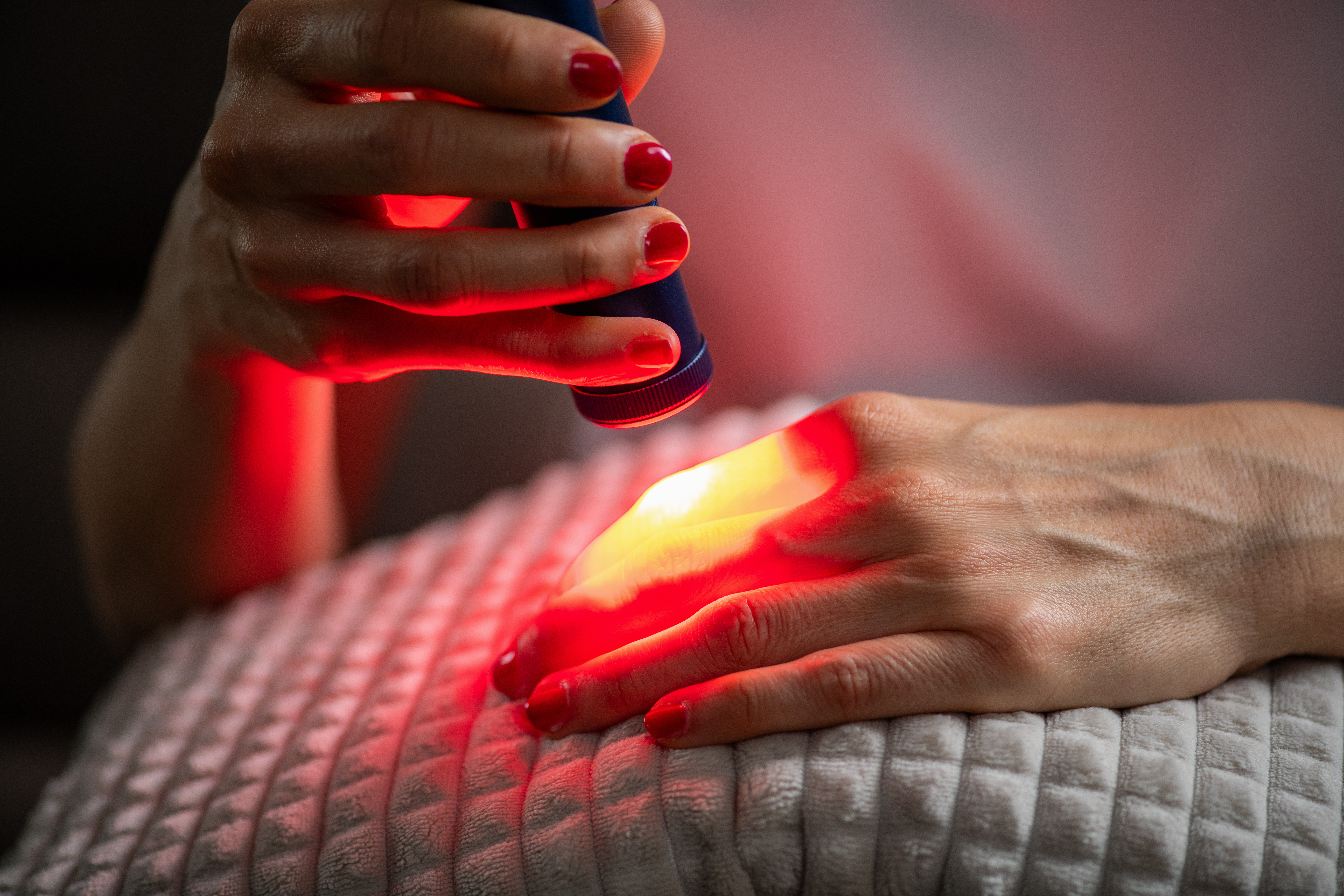
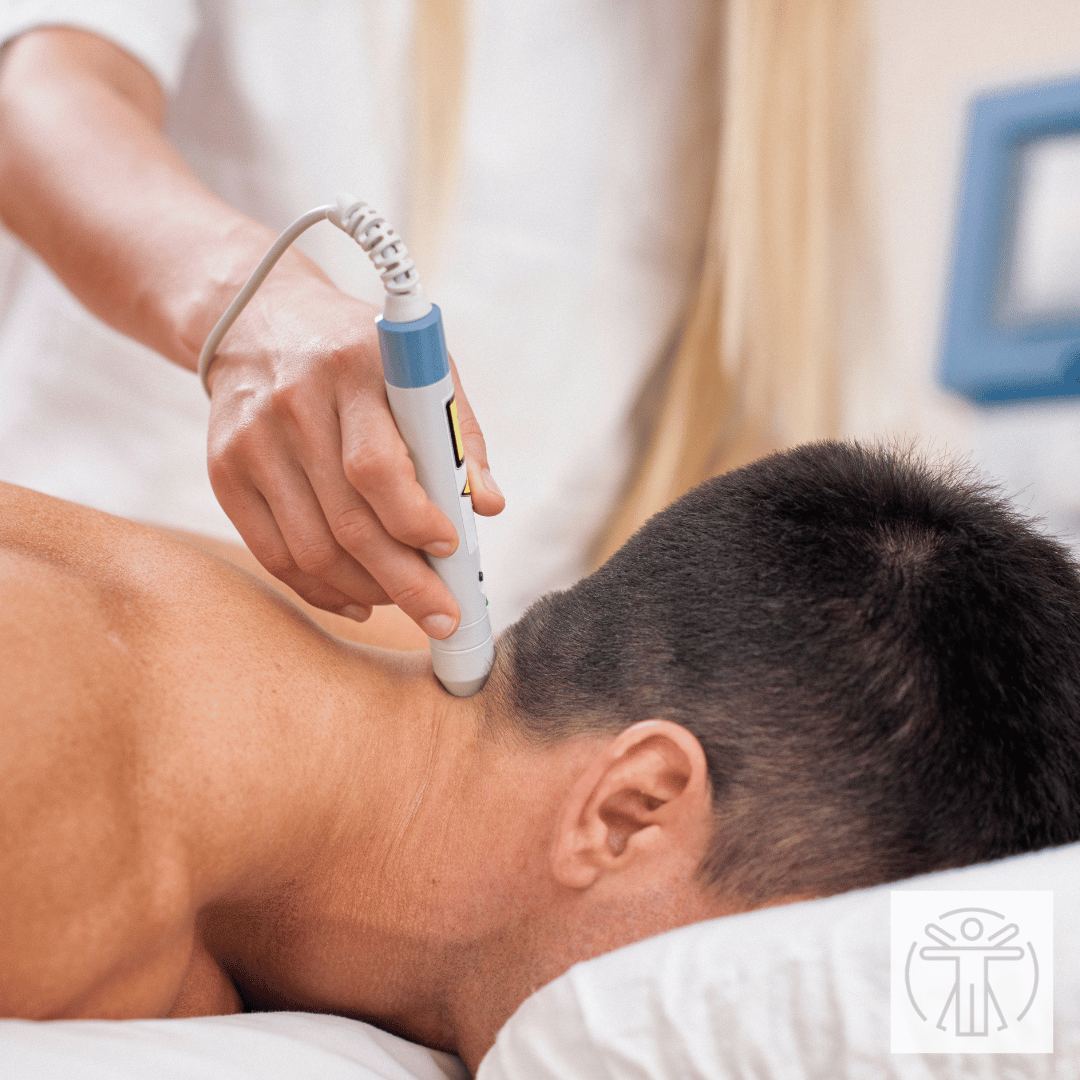
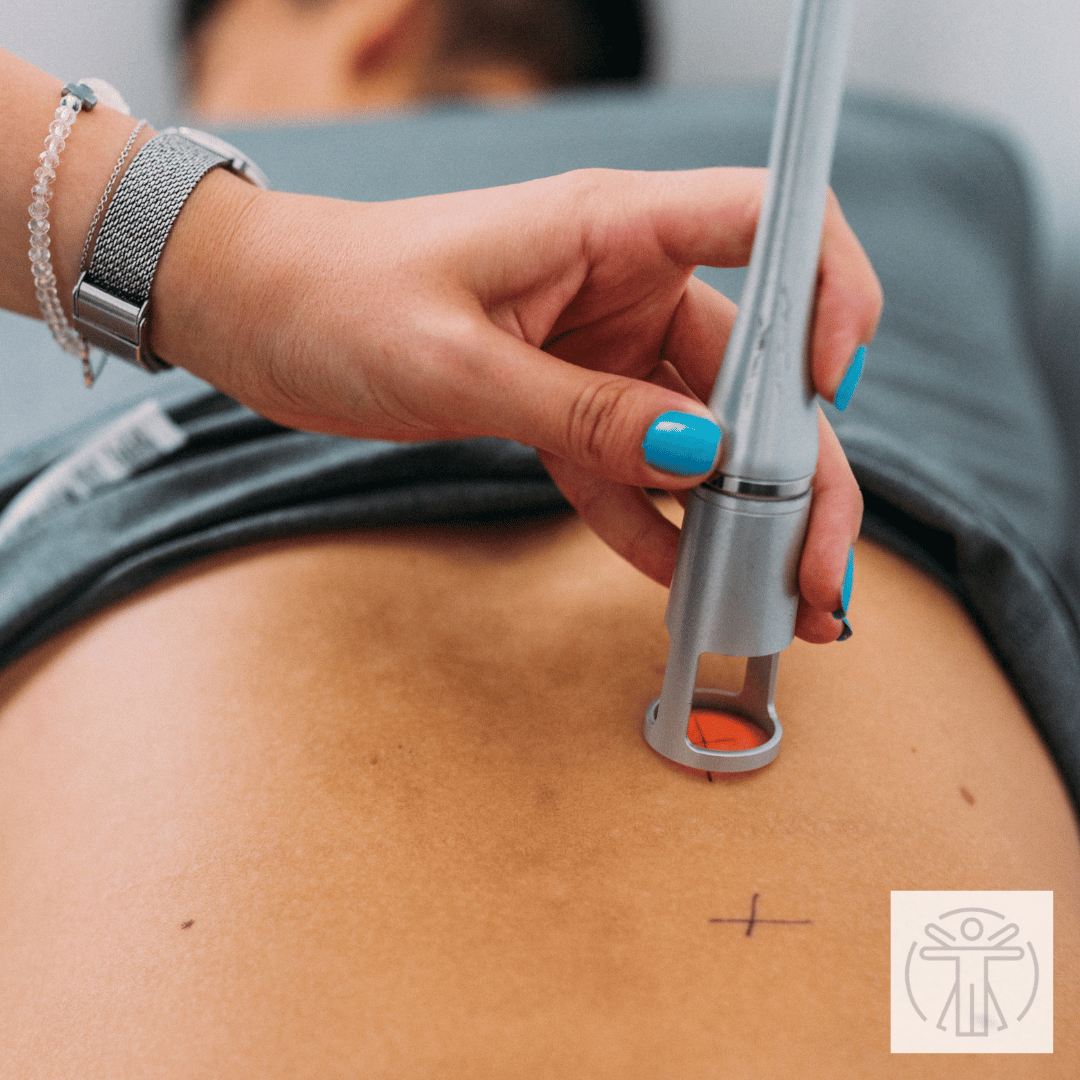
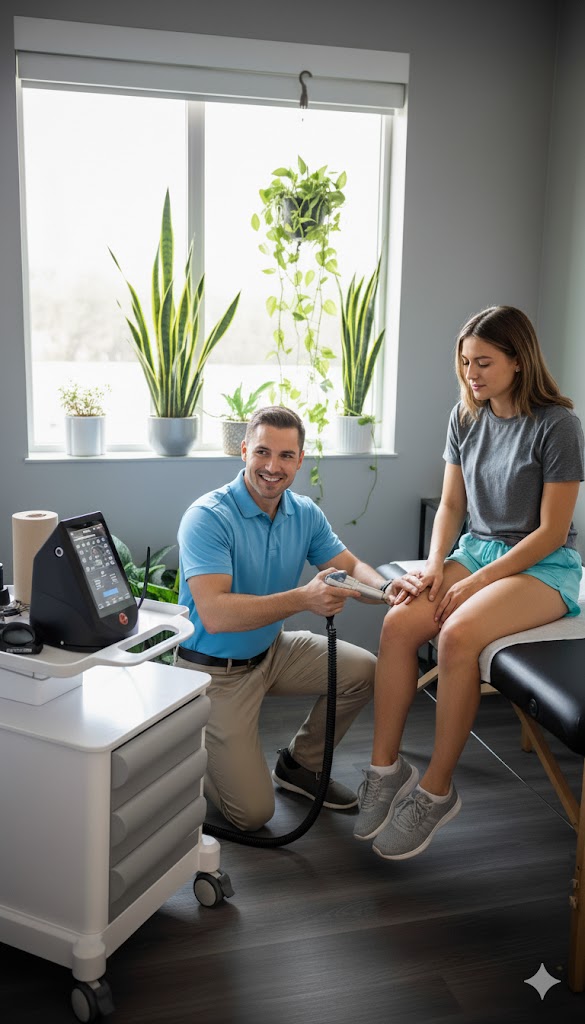
Cold laser therapy (LLLT) is changing how people in Port Credit manage pain and recover from injuries. This gentle, non-invasive treatment uses specific light wavelengths to reduce inflammation and encourage tissue healing. At MyHealth Care Centre, we combine cold laser therapy with physiotherapy and chiropractic care to create personalised plans that help you move better and feel stronger. Ready to see if LLLT fits your recovery? Keep reading to find out how it works and what it can do for you. Learn more about Low-Level Laser Therapy.
Table of Contents
Understanding Cold Laser Therapy
Imagine a treatment that doesn't hurt but helps you heal faster. Cold laser therapy, or LLLT, offers just that by using light to speed up recovery and ease pain.
What is LLLT?
LLLT, or Low-Level Laser Therapy, is a treatment that uses light to heal. It sounds futuristic, but it's a simple process. This therapy involves applying a low-power laser or light-emitting diodes to the surface of your skin. The light penetrates deep into the tissues, healing cells at the source. Many people in Port Credit have seen benefits from this approach.
The therapy is safe and doesn't require surgery or drugs. It’s been used for various conditions, including pain from injuries and chronic ailments. Research supports its effectiveness in promoting recovery and reducing discomfort.
How Does Photobiomodulation Work?
Photobiomodulation might sound complicated, but it's easy to understand. The light from LLLT interacts with cells, triggering a natural healing response. It boosts cell activity, much like photosynthesis in plants. This process helps repair tissues faster and reduces inflammation.
The light stimulates mitochondria, the powerhouse of your cells, enhancing energy production. This increase in cellular energy leads to quicker recovery and less pain. Learn more about the science behind it.
Non-Invasive Pain Relief Explained
Pain relief without needles or pills? That's the promise of LLLT. This therapy provides a gentle alternative to traditional methods. It doesn't just mask pain; it helps your body heal naturally.
The light reduces inflammation, a common cause of pain, and promotes circulation. Better blood flow means more nutrients and oxygen reach the healing tissues, speeding up recovery. This approach offers a drug-free way to manage pain, making it ideal for those seeking natural solutions.
Key Benefits and Uses
Now, let's dive into how LLLT can transform your health. This therapy is not just for pain relief; it offers numerous benefits for different conditions.
Reduce Inflammation and Promote Tissue Healing
One of the main benefits of cold laser therapy is its ability to reduce inflammation. Inflammation is the body's response to injury, but too much can slow healing. LLLT targets this issue directly.
When the light penetrates your skin, it reduces swelling by improving cellular function. This process promotes tissue repair, making it a powerful tool in healing. Many patients experience less pain and faster recovery times.
Effective Tendinopathy Treatment
Tendinopathy, a common issue among active individuals, can be stubborn to treat. LLLT offers a solution. By improving cell health, the therapy aids in repairing tendons and reducing pain.
The treatment is particularly beneficial for athletes and those with repetitive strain injuries. It helps them get back to their activities faster without relying on medications. Discover more about its impact on tendinopathy.
Osteoarthritis Knee Pain and Sports Injury Recovery
Living with osteoarthritis knee pain or recovering from sports injuries can be challenging. LLLT provides relief by enhancing joint health and speeding up healing. The therapy's anti-inflammatory properties help reduce knee pain and improve mobility.
For sports injuries, LLLT accelerates recovery by enhancing cellular repair. This means less downtime and a quicker return to your favourite activities. It’s an excellent choice for athletes and active individuals looking to recover without invasive procedures.
Integrating LLLT into Your Care Plan
Integrating LLLT with other therapies can further enhance recovery. Let's explore how this can be done effectively at the Port Credit Clinic.
Personalised Programmes at Port Credit Clinic
At MyHealth Care Centre, we believe in personalised care. We assess your specific needs to create a treatment plan that's right for you. Combining LLLT with therapies like physiotherapy and chiropractic care improves your chances of a full recovery.
Our team works closely with you to ensure the treatment aligns with your goals. This tailored approach ensures you get the best results, whether you're dealing with an old injury or a new one.
Combining Laser Therapy with Physiotherapy and Chiropractic
Why stop at just one treatment? Combining LLLT with physiotherapy and chiropractic care can lead to even better outcomes. Each therapy addresses different aspects of your recovery, working together to ensure comprehensive healing.
Physiotherapy focuses on movement and strengthening, while chiropractic care enhances alignment. Together with LLLT, they create a powerful trio that accelerates recovery and reduces pain. This integrated approach means less time spent in discomfort and more time enjoying life.
Achieving Faster Recovery with a Custom Care Plan
A custom care plan is your ticket to faster recovery. At the Port Credit Clinic, we tailor each plan to fit your specific condition and lifestyle. Our approach isn't just about treating symptoms; it's about addressing the root causes of pain.
By combining LLLT with other therapies, we provide a holistic solution that promotes long-term health. It's not just about feeling better today but staying healthy tomorrow. The longer you wait to explore this option, the longer you might experience pain. Consider starting your journey to recovery with us.
In summary, cold laser therapy provides an innovative, non-invasive solution for pain management and recovery. Whether you're dealing with inflammation, tendinopathy, or sports injuries, LLLT offers a path to healing that fits into your lifestyle. Explore integrating it into your care plan today for a healthier tomorrow.
Port Credit Sports Injury Report: Pickleball and Weekend Warriors—Trends and the Fastest Safe Route Back
Pickleball and weekend warrior injuries are on the rise in Port Credit this season. From tennis elbow to ankle sprains, these common issues can quickly bench your game if left unchecked. Our latest Port Credit sports injury report breaks down what’s happening locally, offers simple prevention tips, and shows how a combined chiro, physio, and cryotherapy approach at MyHealth Care Centre gets you back on court faster and safer.
Common Sports Injuries
Understanding what's sidelining athletes in Port Credit can help you stay in the game longer. Let's explore the common injuries affecting players this season and how you can avoid them.
Spotlight on Pickleball Injuries
Pickleball is taking over Port Credit, but with its popularity comes a spike in injuries. Many players experience tennis elbow and rotator cuff strains. The quick, repetitive movements lead to wear and tear. A local player shared, "I was surprised how sore my shoulder got after just a few matches." This highlights the need for proper warm-ups and technique adjustments. Check your form regularly and listen to your body; slight discomfort can escalate if ignored. Learn more about preventing these injuries from this Facebook post.
Weekend Warriors' Common Ailments
For many in Port Credit, weekends mean hitting the courts or trails. Unfortunately, this can lead to ankle sprains and Achilles tendinopathy. A sudden increase in activity often strains your body, leading to these issues. A local runner noted, "I pushed myself too hard on my first run of the season and ended up with a painful ankle." To dodge this, gradually increase intensity and incorporate rest days. Strengthen muscles with targeted exercises to prevent injuries.
Injury Prevention Tips
Preventing injuries is key to enjoying your favourite sports longer. Here’s how you can safeguard yourself:
Warm up: Always start with a light jog or dynamic stretches to get your body ready.
Strength training: Focus on exercises that strengthen your core and limbs. This keeps you stable.
Proper gear: Invest in good shoes, especially if you’re prone to plantar fasciitis or patellofemoral pain. Custom orthotics can make a big difference.
Listen to your body: If you feel pain, stop and rest. Continuing can lead to more severe problems.
Fastest Route to Recovery
Getting back to your sport quickly requires an effective recovery strategy. Port Credit offers the perfect blend of treatments to speed up your healing process.
Integrated Care in Port Credit
An integrated care approach combines therapies to address all aspects of your injury. At MyHealth Care Centre, you benefit from a team of experts who work together. A Port Credit physiotherapist and Mississauga chiropractor collaborate to create a plan tailored to your needs. This ensures that you heal completely, not just temporarily. By visiting us, you're choosing a path that considers every angle of your recovery.
Benefits of Multidisciplinary Rehab
Why settle for one treatment when you can have the best of several? Multidisciplinary rehab integrates chiropractic adjustments, physical therapy, and massage to restore your health. This approach addresses not just the symptoms but the root cause of your pain. Imagine having a team dedicated to ensuring you regain full mobility and strength. It's not just about feeling better; it's about staying better.
Cryotherapy and Cold Laser Therapy
Cryotherapy and cold laser therapy are game-changers in recovery. They speed up healing by reducing inflammation and boosting tissue repair. Local athletes rave about the quick relief they experience. One noted, "After just a few sessions of cryotherapy Mississauga, my knee pain was almost gone." These treatments are non-invasive and incredibly effective, making them a favourite among Port Credit residents. Check out this YouTube video for more on their benefits.
Return to Sport
Once you're on the mend, a safe return to sport is crucial. Let's look at how to ease back into your activities without setbacks.
Exercises for Safe Comeback
Rebuilding strength and mobility is your first step back. Focus on exercises that target your injured area. For example, if you've suffered a low back strain, gentle core and back exercises will help. Keep movements slow and controlled. As you progress, increase intensity gradually. Remember, consistency is key. Even 10 minutes a day can make a big difference.
Balance and Stability Training
Balance is often overlooked in recovery, but it's vital. Exercises like standing on one leg or using a balance board build stability. This prevents future injuries and boosts confidence in your movements. Imagine feeling secure on the court or trail, knowing your body is ready for anything. Balance training is your secret weapon.
Custom Orthotics in Port Credit
Custom orthotics can be a game-changer for those with persistent foot or leg pain. They support your feet in the correct position, relieving stress and preventing injuries. Many Port Credit locals have found relief with these simple additions to their routine. If you're experiencing issues like plantar fasciitis, consider a consultation at MyHealth Care Centre. Our experts will guide you to the perfect solution, ensuring comfort and performance.
By following these strategies, you'll be back in your game, stronger and more resilient than before. Stay proactive and enjoy the activities you love with peace of mind.
Accelerate Your Post Surgery Recovery: Essential Strategies for Optimal Healing
Effective support during your post surgery journey can significantly impact your recovery outcomes. Comprehensive and tailored care can enhance your healing process, allowing you to return to your daily life more swiftly and with less discomfort. It's essential to recognise that every individual's journey is unique, and personalising your recovery plan to fit your specific needs can make a substantial difference.
Understanding the significance of a supportive environment during your post surgery journey cannot be overstated. After surgery, your body undergoes significant changes that require adjustments in your daily routine. Having a designated recovery space can greatly influence your comfort level and healing speed. This space should be equipped with necessary supplies, such as medications, hydration options, and comfortable seating or bedding. By creating a sanctuary for your recuperation, you can facilitate a more restful and efficient recovery process.
Strategies for Successful Post Surgery Recovery
Don’t underestimate the power of positive thinking. Your mindset plays a pivotal role in your recovery. Studies show that maintaining an optimistic outlook can lead to better health outcomes. Setting daily intentions or affirmations can help steer your thoughts towards positivity. For instance, starting each day by reminding yourself of your healing goals can reinforce a proactive attitude, which is essential in navigating the recovery process.
Additionally, consider the role of hydration in your recovery. Staying well-hydrated is crucial for healing and can often be overlooked. Dehydration can slow down your recovery and make you feel fatigued. Aim to drink water consistently throughout the day and include hydrating foods like fruits and soups in your diet. Proper hydration can enhance energy levels and support the body's natural healing processes.
Moreover, establishing a routine can provide structure during your recovery. After surgery, it’s common to feel disoriented or uncertain about daily activities. By creating a daily schedule that includes designated times for meals, rest, and light activities, you can foster a sense of control and purpose. Having a routine can also help signal to your body when it’s time to engage in physical activity, promoting gradual increases in mobility.
Another key element to consider is the importance of follow-up appointments. Regular check-ins with your healthcare team are essential for monitoring your recovery progress and making necessary adjustments to your care plan. These appointments provide an opportunity to discuss any concerns you might have and receive tailored advice that aligns with your unique healing journey. Staying proactive in your follow-ups can help mitigate potential complications and reassure you about your recovery trajectory.
Furthermore, engaging your mind is a crucial aspect often overlooked in recovery. Activities such as reading, puzzles, or even creative pursuits like drawing or knitting can keep your mind active during periods of limited physical activity. These activities not only provide distraction but also contribute to a sense of normalcy, helping to combat any feelings of depression or anxiety that may arise during recovery. It’s vital to find a balance between physical rest and mental engagement to support your overall well-being.
Ultimately, your post surgery recovery is not just about the absence of pain but about regaining your strength and quality of life. Focus on the progress you make each day, however small it may seem. With the right strategies in place, you are well on your way to achieving a successful and fulfilling recovery experience.
By integrating these strategies into your post surgery recovery plan, you can create a more supportive and effective healing environment. Emphasising a holistic approach that includes physical, emotional, and psychological care sets a solid foundation for optimal recovery. Remember, the journey of healing is personal and may require adjustments along the way. Embrace patience and self-compassion as you navigate this important period.
Post-surgery recovery can feel slow and frustrating when relying on just one type of treatment. Multi-disciplinary care is transformative, combining physiotherapy, chiropractic care, and massage therapy into a cohesive recovery strategy. This collaborative method ensures that every aspect of your recovery is addressed, drawing on the expertise of various practitioners. For instance, physiotherapists can design exercise programmes that specifically target the areas affected by your surgery, while chiropractors can perform adjustments to support structural alignment. Massage therapy can play a vital role in reducing muscle tension and enhancing circulation, essential for optimal recovery. Research indicates that patients receiving integrated care typically report shorter recovery times and improved satisfaction. This holistic approach empowers patients, making them active participants in their recovery journey.
In addition to the strategies mentioned, incorporating light physical activity, as advised by your healthcare team, can promote faster recovery. Simple activities, like taking short walks or engaging in gentle stretches, can aid in maintaining circulation and preventing stiffness. Consistency is key; aim for regular, manageable activities rather than intense workouts. This gradual increase in movement can significantly enhance your physical resilience and overall recovery experience.
Moreover, do not underestimate the importance of adequate rest. Sleep is a critical component of the healing process; studies have shown that patients who prioritise sleep tend to recover faster and experience less pain. Create a soothing environment conducive to sleep, free from distractions, and consider using relaxation techniques such as deep breathing or gentle yoga before bedtime. Additionally, don’t shy away from seeking help from family and friends; their support can provide emotional comfort and practical assistance, making your recovery much smoother.
Setting realistic goals during your recovery can provide motivation and clarity. Recognise that healing is often a gradual process, and listening to your body is paramount. Keeping a recovery journal can be beneficial; it allows you to document daily progress, setbacks, and feelings, which can aid in maintaining a positive mindset. Sharing your goals with your healthcare team can also help them adjust your care plan to support your aspirations effectively.
Nutrition is a pillar of your post surgery recovery process. A balanced diet enriched with vital nutrients can expedite healing. Proteins are particularly important for tissue repair, so include lean meats, fish, eggs, and plant-based proteins in your diet. Additionally, incorporate a wide variety of fruits and vegetables, as they provide antioxidants that combat inflammation. Whole grains can deliver sustained energy throughout the day. Consulting with a nutritionist can ensure that your meal plan aligns with your recovery needs and preferences.
Lastly, it is important to remember that emotional and mental health play a crucial role in the recovery process, just as much as physical healing. After surgery, it is completely normal to experience a range of emotions, including sadness, anxiety, frustration, mood changes, or even feelings of isolation. Your body has gone through a significant event, and your mind is also adjusting to changes in mobility, routine, independence, and overall well-being.
If you find yourself struggling emotionally, do not ignore these feelings or assume they will simply pass on their own. Seeking professional support is a proactive and healthy step toward recovery. Many hospitals and healthcare centres offer mental health resources specifically designed for post-surgery patients, including access to psychologists, counsellors, social workers, or support groups. These professionals can help you process your experience, develop coping strategies, and build resilience during your healing journey.
Engaging in therapy or counselling can provide practical tools to manage stress, reduce anxiety, improve sleep, and maintain a positive outlook. Even simple strategies such as guided relaxation, mindfulness techniques, journaling, or structured goal-setting can make a meaningful difference in your overall recovery experience. Connecting with others who are going through similar situations can also provide reassurance and emotional comfort.
Recognizing and addressing the psychological aspects of recovery allows you to take a more holistic approach to healing. When your mental and emotional well-being are supported, your body is better positioned to recover effectively. True healing happens when both mind and body are cared for together