Unlock Faster Recovery: How High‑Intensity Laser Therapy Helps You Live Pain‑Free in Port Credit
Table of Contents
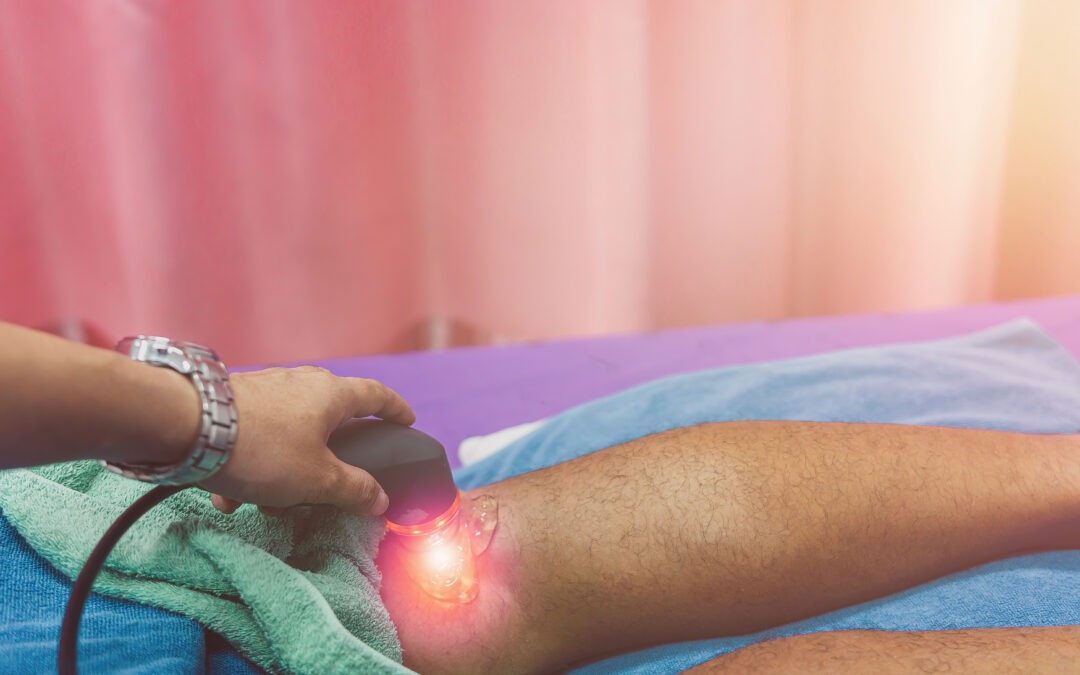
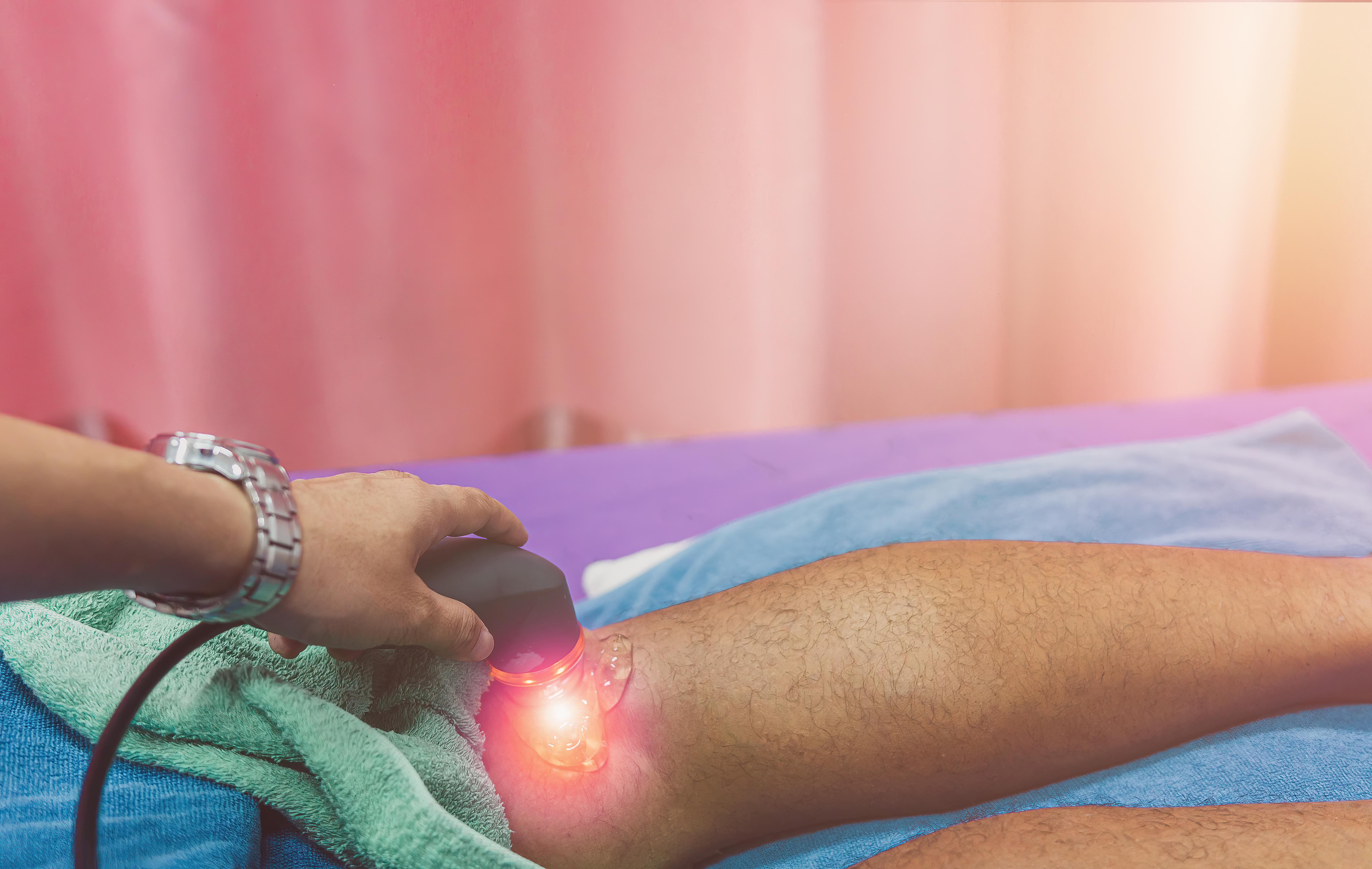
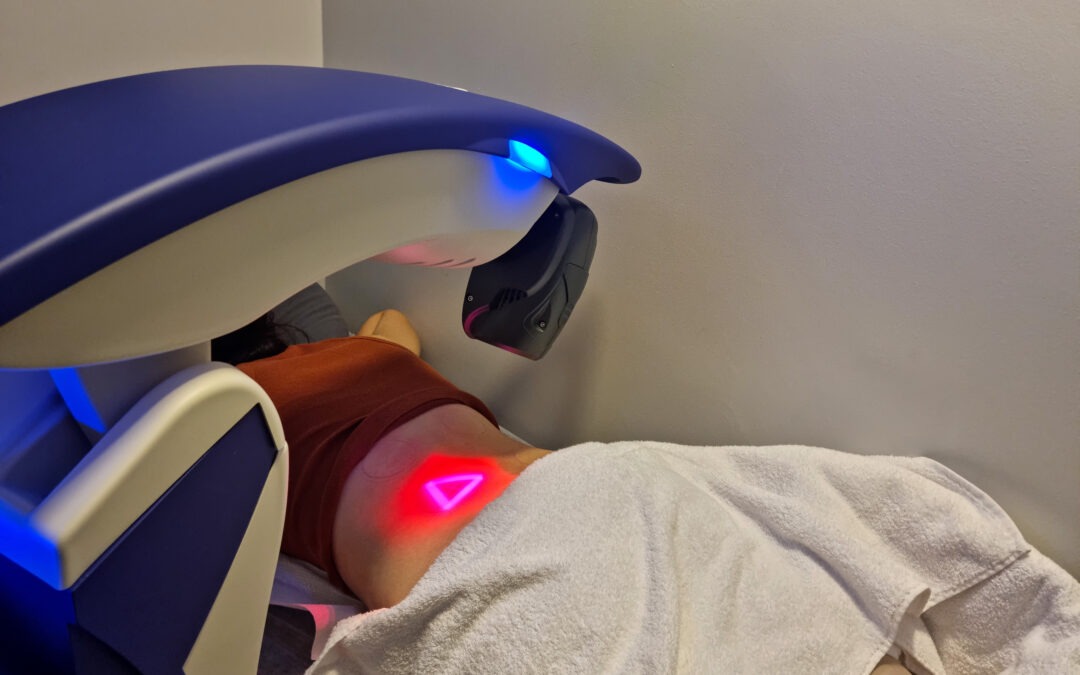
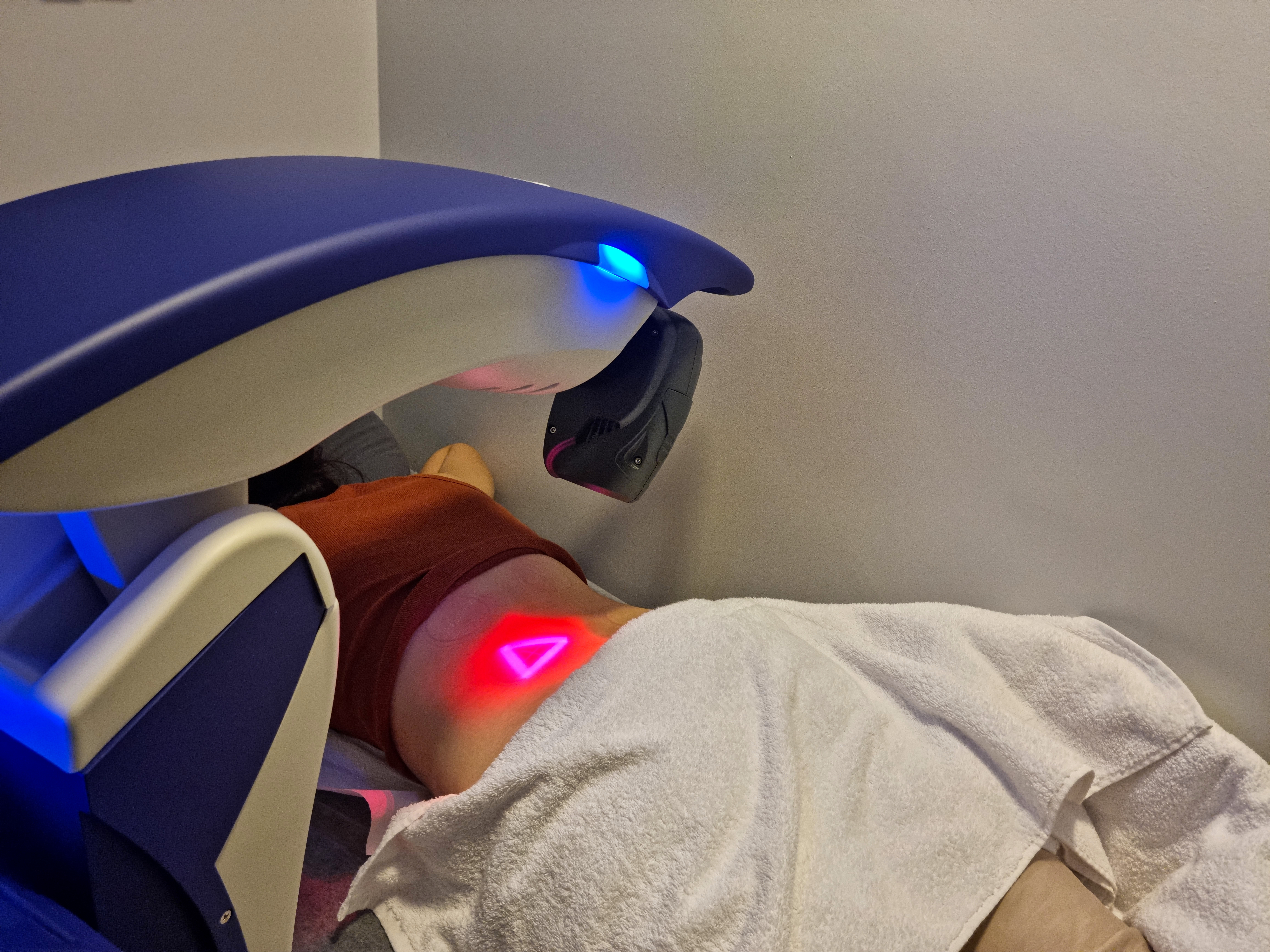
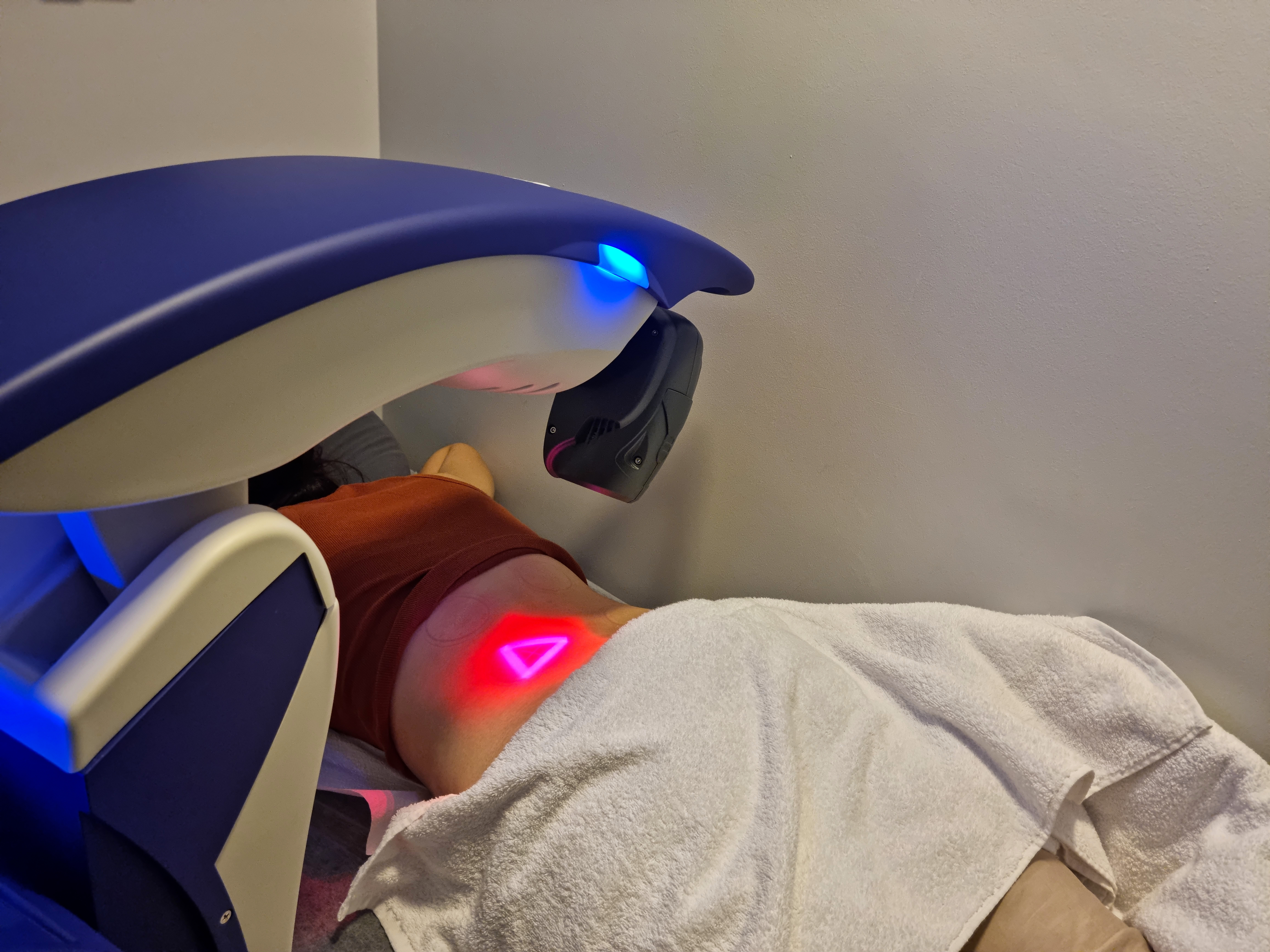
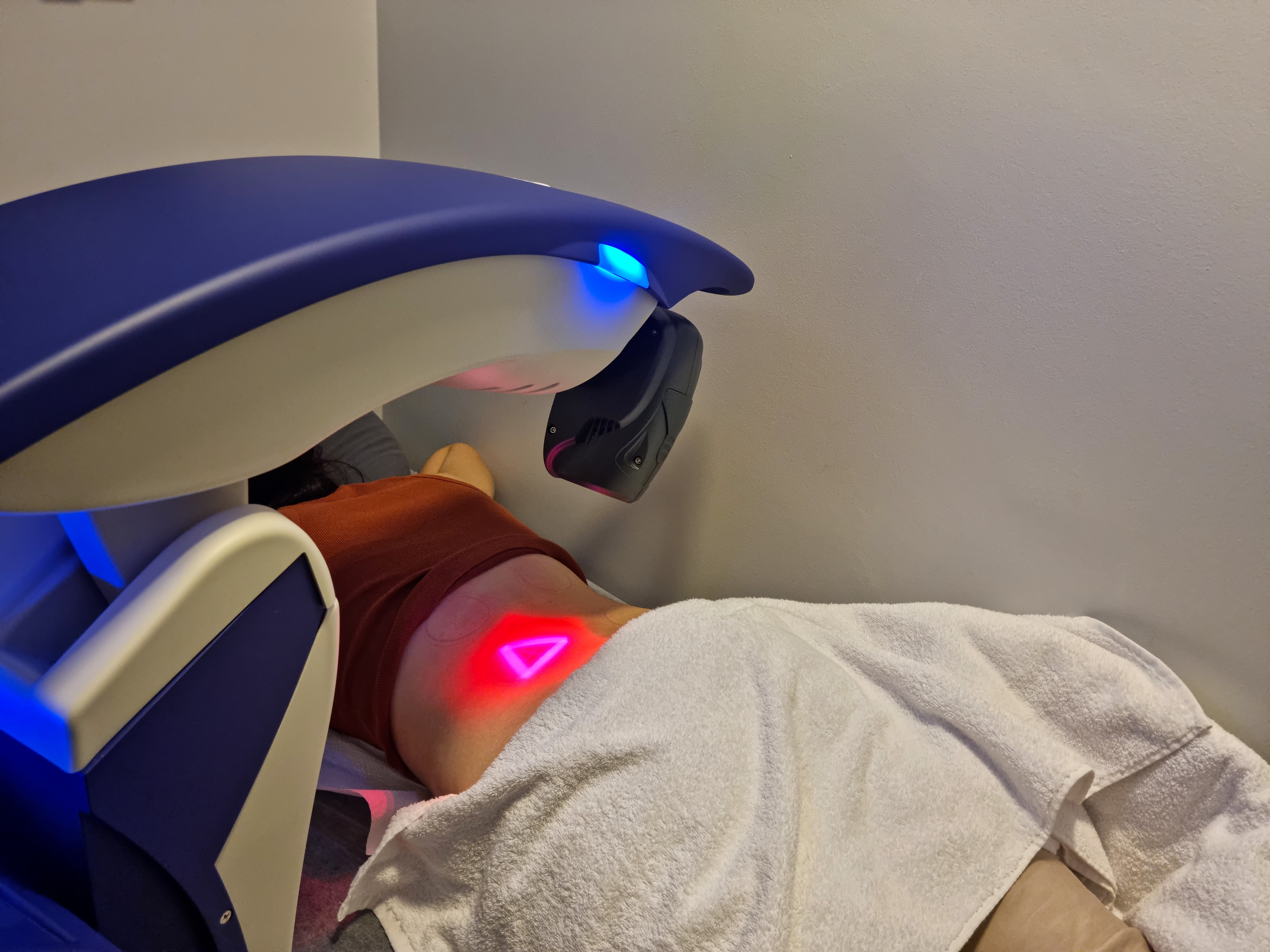
Pain can slow you down, especially when every minute counts. If you’re juggling work, workouts, and life around Port Credit, waiting weeks to heal isn’t an option. High-intensity laser therapy (HILT) offers a fast, non-invasive way to ease pain and speed recovery. At MyHealth Care Centre, we blend laser therapy with hands-on care to get you moving pain-free sooner.
Understanding Laser Therapy
Laser therapy is gaining popularity as a fast and non-invasive way to tackle pain. But what makes it so effective? Let's break it down.
High-Intensity vs Cold Laser
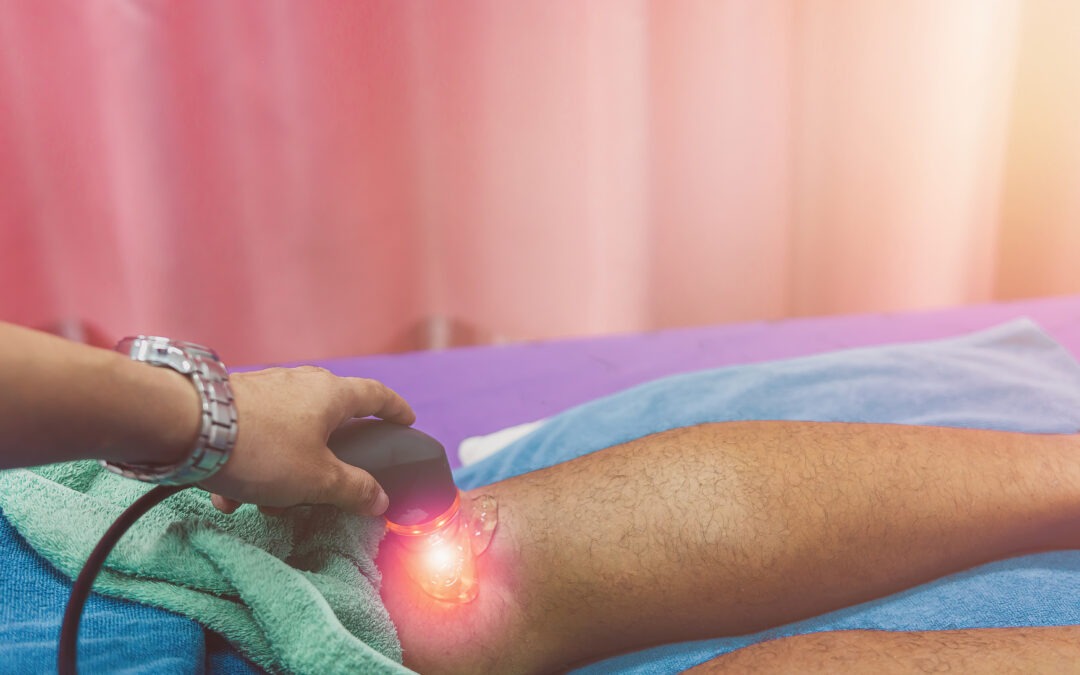
Many people confuse high-intensity and cold laser therapies. What's the difference? High-Intensity Laser Therapy (HILT) uses a more powerful laser. This allows it to penetrate deeper, targeting tissues that are hard to reach. Cold Laser Therapy (LLLT), on the other hand, uses lower energy levels. It's great for surface-level issues.
Both methods have their strengths. HILT is ideal for conditions needing deep tissue treatment. Cold lasers work well for minor injuries and surface pain. This flexibility makes laser therapy a versatile option for various injuries.
How Laser Therapy Works
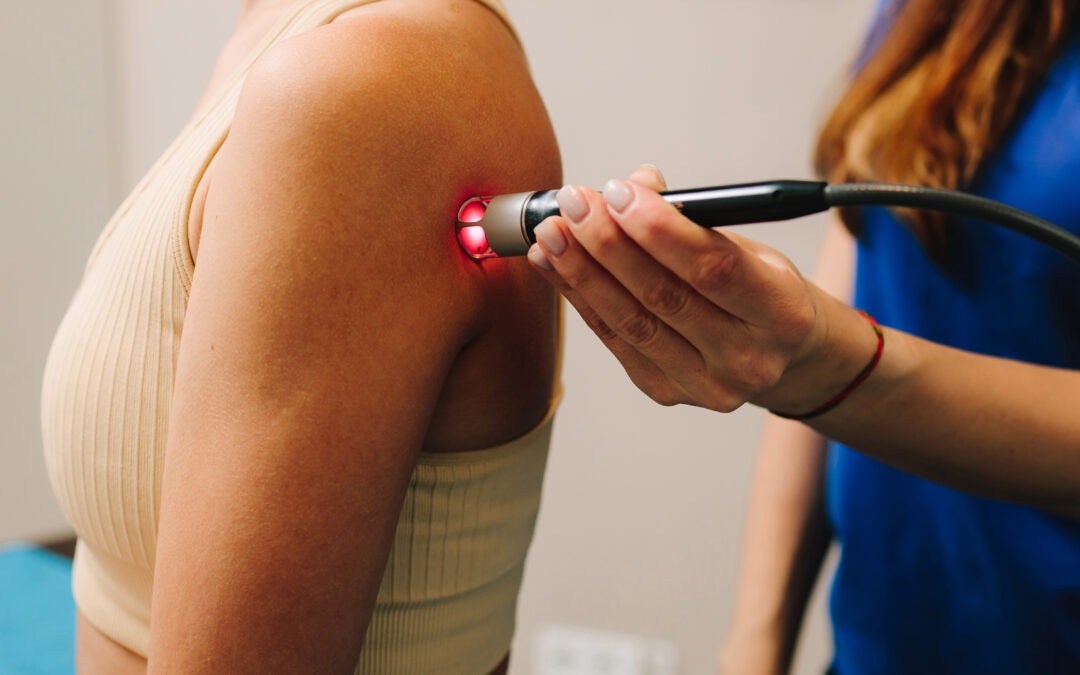
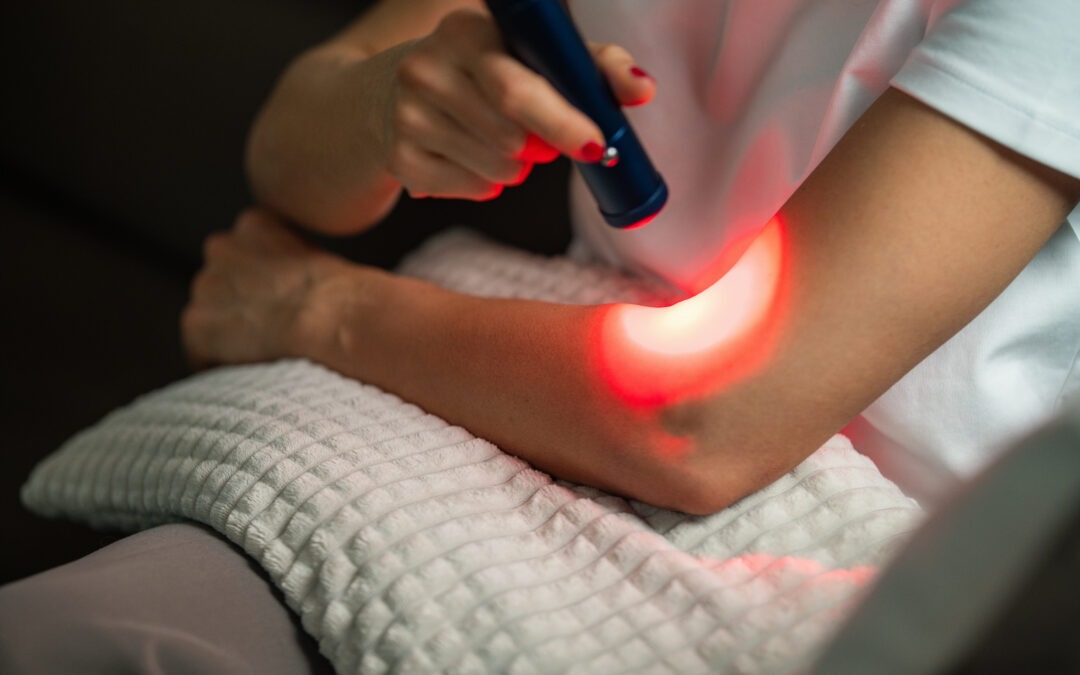
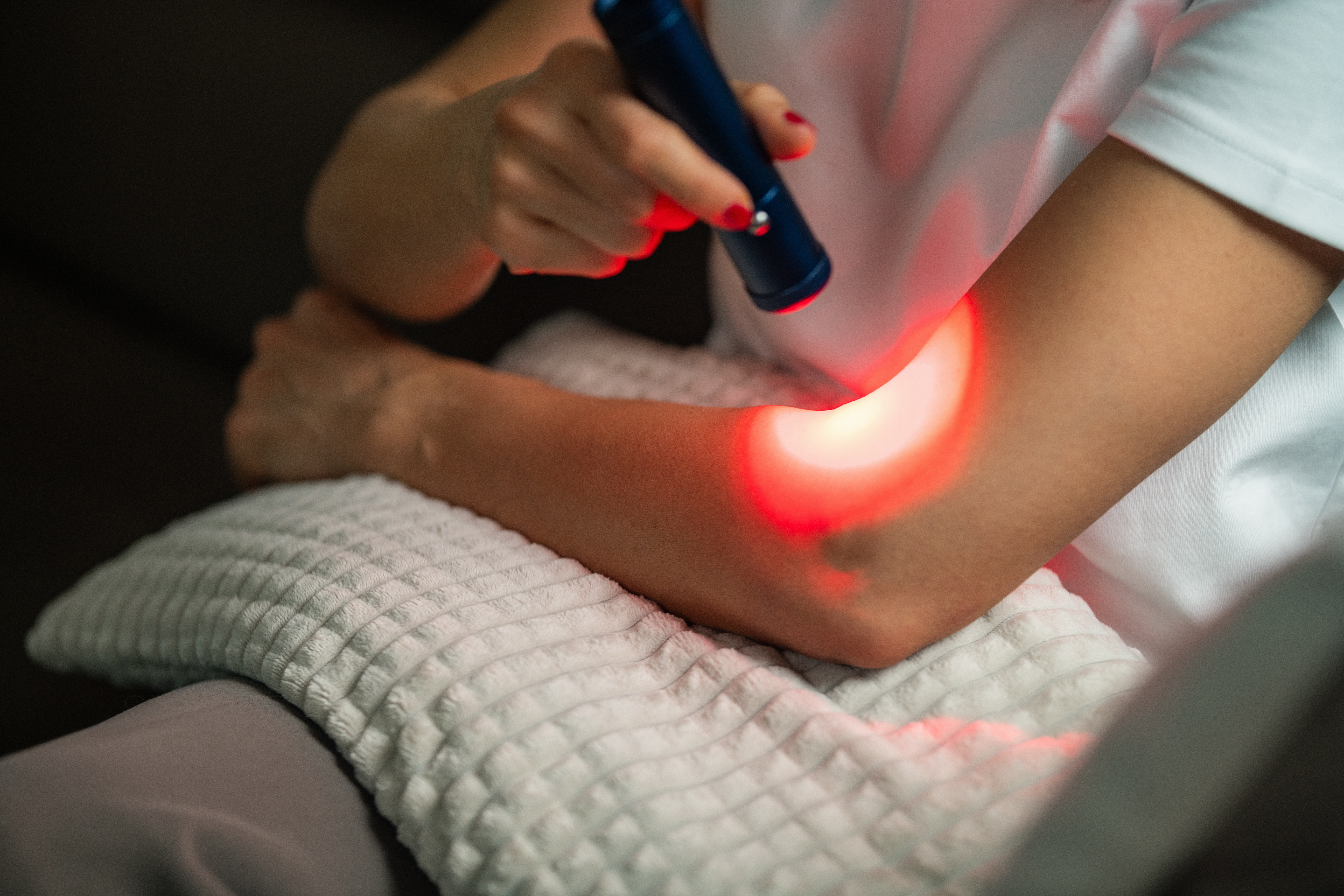
So, how does laser therapy actually work? It's all about light energy. This energy penetrates the skin and reaches the damaged cells. Once there, it boosts cellular repair and reduces inflammation. Think of it as a quick recharge for your cells.
The process is painless and quick. In most cases, sessions last only a few minutes. This makes it a convenient choice for busy people. Plus, research has shown that laser therapy can significantly reduce recovery time and pain levels.
Integrated Care at MyHealth
At MyHealth, we believe in a holistic approach to healing. Laser therapy is just one part of a larger puzzle. We combine various treatments to ensure the best outcomes.
Combining Therapies for Recovery
Why stop at laser therapy when you can enhance your recovery further? That's our philosophy at MyHealth. We pair laser treatments with other therapies to speed up healing. Physiotherapy, for example, complements laser therapy by improving mobility and strength.
Chiropractic adjustments can align your body, reducing strain and pain. And don't forget massage therapy, which relaxes muscles and promotes blood flow. This multi-pronged approach tackles pain from all angles.
Personalised Treatment Plans
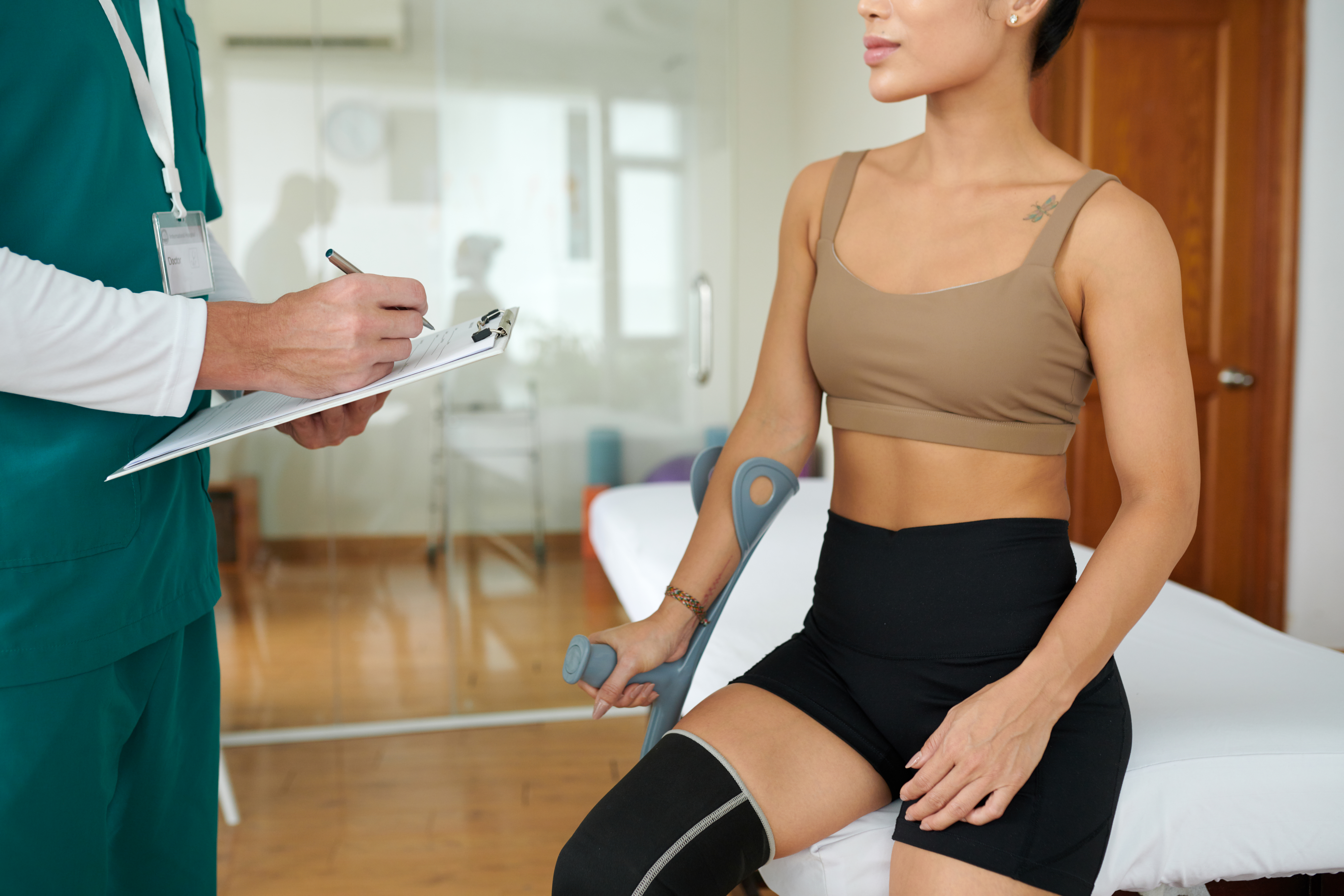
No two injuries are the same, and neither should be their treatment plans. At MyHealth, we create customised plans tailored to your specific needs. This means taking into account your lifestyle, goals, and current health status.
Our experts evaluate every patient thoroughly. Based on this assessment, a unique combination of therapies is crafted. The goal? To get you back to your favourite activities as soon as possible. With a personalised plan, recovery becomes not just quicker but also more effective.
Conditions and Recovery
Wondering if laser therapy can help with your condition? From minor sprains to chronic pain, it covers a wide range.
Common Injuries Treated
Laser therapy is effective for various conditions. It can treat sports injuries like runner’s knee and tennis elbow. It's also great for chronic issues like arthritis or sciatica. Even post-surgery, laser therapy can hasten recovery.
For athletes, quick recovery is essential. That's where laser therapy shines. It helps reduce downtime, letting you return to activities faster. And for those with chronic pain, it offers a new way to manage discomfort without medication.
Aftercare and Self-Management
Recovery doesn't end when you leave our clinic. What you do at home is crucial. We guide you through self-care routines to maintain your progress. This includes exercises to strengthen muscles and improve mobility.
We also educate you on lifestyle changes. Simple adjustments can prevent re-injury and keep you pain-free. Regular check-ins ensure you're on the right track. With our guidance, you'll have the tools to manage your recovery effectively.
In summary, laser therapy offers fast, effective pain relief. At MyHealth Care Centre, we combine it with a range of therapies for comprehensive care. Whether you're an athlete or dealing with chronic pain, our personalised approach ensures optimal recovery. Don't let pain hold you back. Take the first step towards a pain-free life today.
The Science of Healing Light: Why 650–1064 nm Is the Goldilocks Zone (and Why 30W Matters)
Forget what you think you know about red light therapy. Not all wavelengths deliver the same healing power, and the range between 650 nm and 1064 nm hits the perfect spot for boosting your cells’ energy. At MyHealth Care Centre in Port Credit, our 30W class IV laser reaches deeper and faster than typical at-home LEDs, helping you recover from injury and get back to your active life sooner. Ready to see why this matters? [https://pmc.ncbi.nlm.nih.gov/articles/PMC11049838/]
Table of Contents
The Healing Power of Light
When it comes to recovery, light can be your biggest ally. Imagine a therapy so precise it rejuvenates your cells, boosts your energy levels, and helps you heal faster. Welcome to the world of light therapy.
Understanding Photobiomodulation
Photobiomodulation is not just a fancy term. It's a process where specific wavelengths of light penetrate the skin to enhance your cell function. Think of it as charging your body's internal battery. This therapy is known to improve ATP production, which is the energy currency of your cells. By increasing ATP, you're not just feeling better, you're healing better. This makes photobiomodulation a game-changer for those battling injuries or looking to maintain their active lifestyle.
The Role of Cytochrome c Oxidase
So, how does this magic happen? The answer lies in a key player: cytochrome c oxidase. This enzyme, found in our mitochondria, is crucial for cellular energy production. When activated by light, it accelerates the production of ATP. This means your cells are more energized and capable of quicker repair. For someone recovering from an injury, this is like having a turbo boost for your healing process. The science behind this process is solid, making it an exciting option for those seeking evidence-based rehabilitation [https://spinoff.nasa.gov/NASA-Research-Illuminates-Medical-Uses-of-Light].
Why 650–1064 nm is Optimal
Ready to dive deeper? This range of wavelengths isn't just another number. It's the sweet spot that ensures maximum benefit from light therapy.
The Goldilocks Zone Explained
Why do we call it the Goldilocks Zone? Because it's just right. Wavelengths between 650 nm and 1064 nm are perfect for penetrating deep into tissues without causing damage. Shorter wavelengths might not reach deep enough, while longer ones can cause overheating. This specific range targets the mitochondria effectively, enhancing your body's natural healing capabilities. It's like finding that perfect rhythm that your body dances to, ensuring optimal recovery and well-being [https://web.ecreee.org/fresh-field/wavelengths-allied-health-light-therapy-therapies-1770820552].
Benefits of Near-Infrared Light Therapy
Near-infrared light therapy is more than just a trend. It's a scientifically-backed method offering significant benefits. First, it reduces inflammation, easing pain and discomfort. Imagine being able to skate at the local rink or sail without the nagging pain. Secondly, it promotes better blood circulation, speeding up the delivery of nutrients to your injured tissues. This helps in faster recovery. Lastly, it's non-invasive. No needles, just gentle light doing wonders for your body. It's a therapy that fits seamlessly into your active lifestyle, helping you stay on top of your game.
The Advantage of 30W Laser Therapy
You might wonder, why opt for clinic-grade therapy when you can buy devices for home use? Here's where the 30W laser comes into play.
Clinic-Grade vs At-Home Devices
Let's cut to the chase. At-home devices are convenient, but they often lack the power needed for deep tissue penetration. The 30W laser used in clinics like MyHealth Care Centre is a powerhouse. It delivers energy more effectively, reaching deeper tissues and promoting faster healing [https://www.researchgate.net/publication/399825760_Qualitative_Comparison_of_LED_and_LASER_Effects_on_Cutaneous_Wound_Healing_A_Systematic_Review_of_Experimental_Studies]. Imagine trying to water a garden with a sprinkle versus using a hose; the clinic-grade laser is that hose, delivering a steady, powerful stream of energy to heal you from the inside out.
Effective Energy Delivery for Recovery
What does this mean for your recovery? Clinic-grade lasers provide consistent and precise energy delivery, which translates to quicker results. Whether you're recovering from a musculoskeletal injury or post-surgery, the 30W laser ensures you're back to your active lifestyle sooner. It enhances tissue repair, reduces inflammation, and relieves pain effectively. The longer you wait to explore this option, the longer your recovery might take. So, why not take advantage of this cutting-edge therapy and give your body the boost it deserves?
In conclusion, the science of healing light is not just about technology, it's about understanding your body's needs and providing the best possible care. Ready to experience the benefits of 30W class IV laser therapy? Your journey to a pain-free, active lifestyle is just a light session away.
is Cold Laser therapy safe? A 2026 Evidence‑Based Guide to Phot biomodulation and Side Effects
Cold laser therapy, or low-level laser therapy (LLLT), is increasingly recognised as a beneficial treatment for a variety of health conditions. Its application not only aids in pain relief but also promotes healing at a cellular level, making it a valuable addition to modern medical practices.
Understanding the safety aspects of cold laser therapy is pivotal for both practitioners and patients. Comprehensive research conducted from 2016 to 2025 has provided insights into its efficacy and safety profile, allowing for informed decision-making regarding treatments.
In subsequent sections, we will delve deeper into specific applications of cold laser therapy, highlighting real-life case studies that illustrate its effectiveness in various conditions, enhancing understanding among patients and healthcare providers alike.
Further to this, we will explore the science behind photobiomodulation, which underpins the mechanisms of cold laser therapy, elucidating how it stimulates cellular processes to facilitate faster healing and recovery.
Cold laser therapy has proven particularly valuable in rehabilitation settings, illustrating significant benefits for patients recovering from injuries or surgical procedures. Notable outcomes include reduced pain, increased mobility, and enhanced healing times.
Recent advancements in technology have also contributed to the improved safety and efficacy of cold laser therapy, reinforcing its role as a trustworthy treatment option that complements traditional medical practices.
Cold laser therapy has gained popularity for managing pain and speeding recovery, but you’re probably wondering: is it safe? Recent research from 2016 to 2025, including systematic reviews and randomised controlled trials, offers clear answers. This guide breaks down what the latest photobiomodulation studies reveal about side effects and safety precautions, so you can feel confident making choices for your recovery in Port Credit and Mississauga. Learn more here
Understanding the nuances of this therapy can significantly enhance your recovery process. In the following sections, we will explore various aspects, including its applications, the science behind it, and patient testimonials that highlight its effectiveness. This comprehensive approach aims to demystify the therapy and help you make informed decisions regarding your treatment options.
Continued research is essential to further explore the long-term effects of cold laser therapy. Understanding how it interacts with various types of tissue and conditions will help refine treatment protocols for optimal patient care.
A key finding from recent studies indicates that patients often experience sustained benefits following a series of cold laser treatments, which can lead to a significant reduction in reliance on pain medications over time.
Furthermore, clinical trials have begun to investigate the applications of cold laser therapy for chronic conditions, expanding its potential impact across a broader spectrum of patient needs.
In conjunction with other therapeutic interventions, cold laser therapy can facilitate a comprehensive treatment approach, addressing not only pain but also the underlying issues that contribute to chronic health conditions.
The Benefits of cold laser therapy
Systematic reviews and meta-analyses have consistently shown that cold laser therapy is generally safe for most patients, with adverse effects being rare and typically mild, such as transient skin irritation.
Practitioners are urged to conduct thorough assessments prior to treatment to identify any potential contraindications, ensuring that each patient receives tailored and safe care.
Through patient education, individuals can make informed decisions about their treatment options, understanding both the benefits and limitations of cold laser therapy in their recovery journey.
Alongside regular monitoring of treatment outcomes, maintaining communication with patients helps practitioners adapt strategies to optimise effectiveness and satisfaction.
Practitioners are encouraged to stay abreast of the latest research and evolving techniques in cold laser therapy to continually enhance treatment protocols and patient outcomes.
As the understanding of cold laser therapy progresses, the emphasis on evidence-based practice ensures that patients receive care that is not only effective but also grounded in scientific research.
Investing in professional development and training for practitioners can lead to better implementation of cold laser therapy techniques, resulting in improved patient care and therapeutic outcomes.
As clinics seek to integrate cold laser therapy into their service offerings, clear guidelines and procedures ensure that patients receive the highest standard of care.
This therapy is not only effective for pain relief but also plays a crucial role in rehabilitation settings. It aids in improving blood flow, reducing inflammation, and enhancing cellular repair processes, which are essential for patients recovering from injuries or surgeries. As we delve deeper, we will examine case studies that illustrate successful treatment outcomes.
Understanding Cold Laser Therapy Safety
Monitoring the effectiveness of treatments through patient feedback and clinical assessments is critical to refining protocols and ensuring optimal outcomes in therapy.
As practitioners and patients collaborate towards common health goals, the role of cold laser therapy can be maximised, creating a pathway for enhanced recovery and well-being.
With ongoing research and the integration of cold laser therapy into holistic treatment plans, patients can benefit from a comprehensive approach to managing their health challenges.
Let's dive into recent research to understand its safety. Studies from 2016 to 2025 provide a comprehensive view of its effects and safety measures.
Understanding the importance of patient safety, particularly regarding contraindications and potential risks, fosters a culture of diligence and care in the application of cold laser therapy.
Ultimately, the positive testimonials from patients highlight the transformative potential of cold laser therapy, encouraging its adoption in diverse clinical settings.
By incorporating cold laser therapy alongside traditional rehabilitation methods, patients often experience enhanced outcomes, demonstrating the benefits of integrative approaches to health care.
As we look towards the future, continued innovation in cold laser therapy ensures that practitioners are well-equipped to meet the needs of their patients effectively.
With a commitment to patient education, healthcare providers can empower individuals to take an active role in their treatment journey, fostering a collaborative healing environment.
As cold laser therapy gains traction as a key component in rehabilitation, its integration into treatment regimes can lead to improved patient experiences and outcomes across various health conditions.
In 2026, a pivotal study demonstrated the long-term benefits of the therapy. Participants who underwent a series of treatments reported sustained pain relief and improved mobility even months after the treatments concluded. This highlights the potential of this therapy as a long-term solution rather than a temporary fix.
Photobiomodulation Research 2026
Photobiomodulation, also known as low-level laser therapy (LLLT), has been a subject of extensive research. This therapy uses light to promote healing. In 2026, researchers found that it effectively reduces pain and inflammation without significant risks when used properly. The therapy works by stimulating cellular processes, which speeds up recovery. Read more about photobiomodulation.
Systematic Review and Clinical Trials
Systematic reviews and clinical trials are the gold standards of medical research. These studies confirm that this therapy is generally safe.
Besides temporary redness, some patients have reported mild discomfort during treatment, which typically subsides quickly. It is essential to monitor patient responses and adjust treatment protocols accordingly to ensure comfort and efficacy. Engaging in thorough consultations allows practitioners to tailor sessions to individual needs, maximising benefits while minimising side effects.
In clinical settings, this therapy has been effectively utilised for a variety of conditions. Numerous clinical trials showcase its efficacy in treating chronic pain syndromes, sports injuries, and post-operative recovery, making it a versatile option for healthcare professionals. These trials not only affirm its safety but also its role in enhancing overall recovery strategies.
Common Side Effects and Contraindications
Though considered safe, this therapy might have mild side effects. Some people experience temporary redness or irritation. However, these effects are often short-lived.
It's important to discuss your medical history with a professional, as certain conditions might contraindicate this therapy. For instance, avoid it if you have photosensitivity or certain medications. Explore the risks further.
Practitioners are encouraged to stay updated with the latest guidelines and research findings. Attending workshops and continuing education courses can enhance their understanding and application of this therapy, ensuring that patients receive the most effective treatment possible.
Evidence-Based Practices in Photobiomodulation
Clinical considerations also include ongoing evaluation of treatment outcomes to refine protocols. By documenting patient progress and feedback, practitioners can improve therapy effectiveness and patient satisfaction.
Moving forward, let's explore how clinics can ensure safe and effective therapy. Evidence-based practices provide a solid foundation for treatment protocols.
WALT Dosing Guidelines Explained
The World Association for Laser Therapy (WALT) has developed dosing guidelines to optimise treatment outcomes. These guidelines suggest specific parameters for different conditions. By adhering to these, practitioners can deliver safe and effective therapy. This ensures that you receive the right dose for your condition, maximising benefits while minimising risks.
Additionally, training in emergency protocols related to laser therapy can provide practitioners with the confidence to handle unexpected situations that may arise during treatment.
Laser Therapy Contraindications Overview
Understanding contraindications is key to safe therapy. Conditions like cancer or pregnancy might require special consideration. It's crucial to have a thorough screening process to identify any potential risks.
This ensures that the therapy is tailored to your specific needs, providing a personalised approach to healing.
Integrating Cold Laser therapy into conventional rehabilitation practices can lead to synergistic effects. For example, combining it with physiotherapy can amplify the benefits, showcasing a holistic approach to patient care.
Furthermore, testimonials from patients who have undergone Cold Laser therapy reveal transformative experiences. Many report significant reductions in pain and improvements in functionality, which can greatly enhance overall quality of life.
For patients with knee osteoarthritis, this therapy provides a non-invasive option that complements traditional treatment methods. Patients often experience a reduction in reliance on pain medications, leading to fewer side effects and a better quality of life.
Role of Laser Eye Protection and Safety Screening
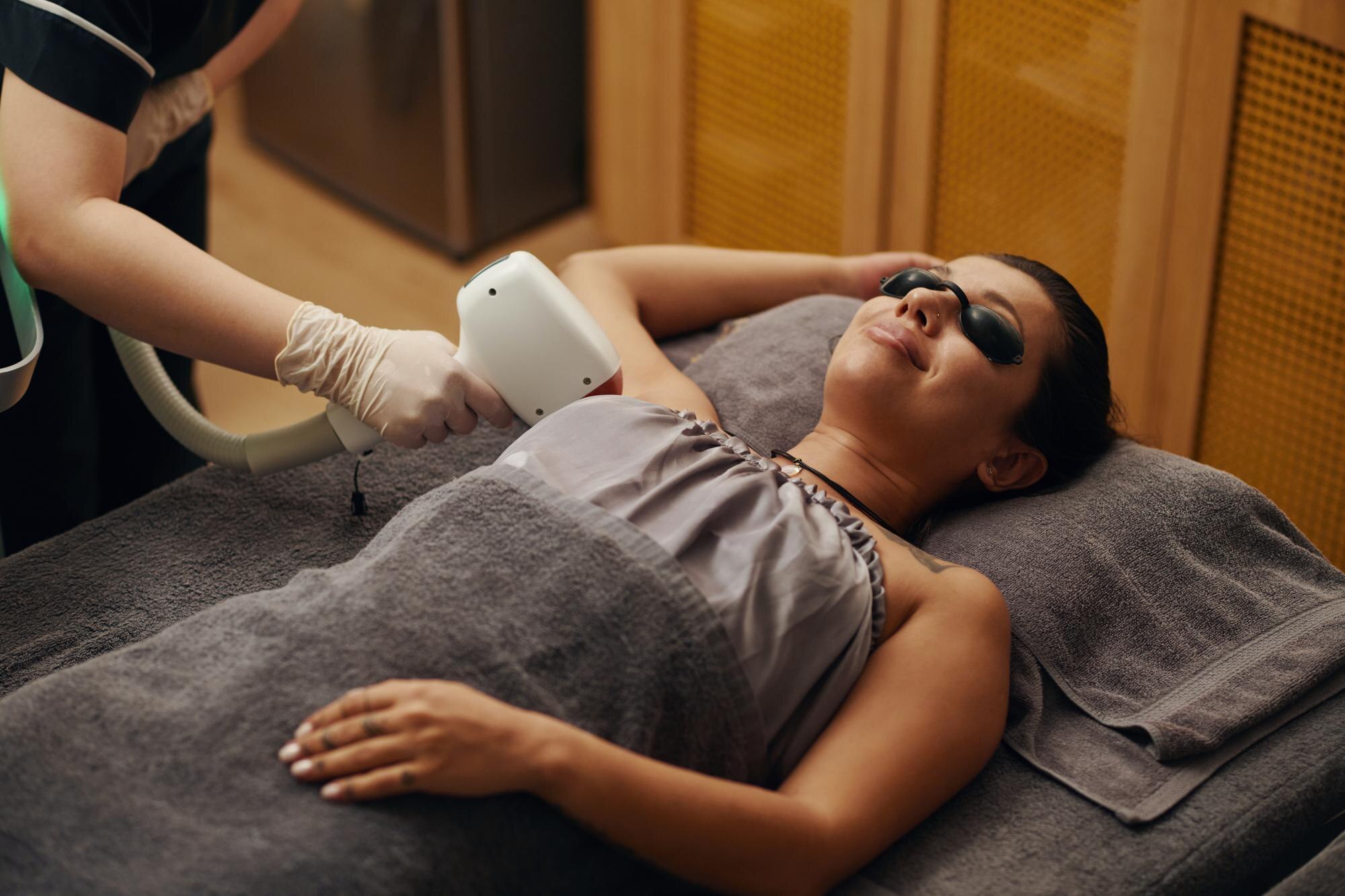
Eye protection is essential during laser therapy. Special goggles are used to prevent eye damage.
Additionally, safety screening helps identify any underlying health issues that might affect therapy outcomes. This dual approach ensures you receive effective and safe treatment, giving you peace of mind during your sessions.
Integrating Cold Laser Therapy in Rehabilitation
In summary, the integration of this therapy into rehabilitation protocols is a promising development in pain management and recovery. By leveraging the latest research and adhering to established guidelines, healthcare providers can offer safe, effective, and compassionate care to patients seeking relief from various conditions.
Ultimately, educating patients about this therapy empowers them to make informed choices regarding their health. With proper knowledge, they can fully appreciate the benefits and safety of this innovative treatment, integrating it into their recovery journey with confidence.
This therapy can be a valuable tool in your rehabilitation journey. Let's see how it addresses common conditions and enhances recovery in Port Credit and Mississauga.
Addressing Knee Osteoarthritis and Neck Pain
Cold Laser therapy has shown promise in treating knee osteoarthritis and neck pain. By reducing inflammation and promoting healing, it helps improve joint function. This can lead to increased mobility and reduced pain, allowing you to engage in daily activities with ease. It's an effective, non-invasive option for managing these conditions.
Tendinopathy and Post-Surgical Healing
Tendinopathy and post-surgical recovery can be challenging. Cold Laser therapy supports healing by enhancing tissue repair. This accelerates recovery, allowing you to regain strength faster. By incorporating this therapy into your rehabilitation plan, you can experience a quicker return to normal activities.
Integrated Care in Port Credit and Mississauga
At MyHealth Care Centre, we integrate this therapy with other treatments. This holistic approach addresses all aspects of your health.
Whether you're recovering from an injury or managing a chronic condition, our collaborative care model ensures comprehensive support. This integrated approach helps you achieve your wellness goals more effectively.
In conclusion, cold laser therapy stands out as a safe and effective treatment option for a wide range of health conditions. By adhering to the latest evidence-based practices, it can be confidently incorporated into rehabilitation journeys throughout Port Credit and Mississauga.
Local Athlete’s Guide: Managing Running Injuries with Advanced Laser Therapy in Port Credit
Running injuries can stop your training in its tracks. If you’re battling nagging shin splints or runner’s knee, quick relief matters. Cold laser therapy at MyHealth Care Centre in Port Credit offers a smart, non-invasive way to reduce pain and support healing. Keep reading to find out how this therapy, combined with physiotherapy and tailored exercises, can get you back on the Port Credit Waterfront Trail faster. For further insights, explore this article. Additionally, we will delve deeper into the reasons behind these injuries and the importance of timely intervention. This is especially crucial for local athletes.
For local athletes, managing injuries effectively is crucial. Incorporating local treatment options can lead to quicker recovery times.
Local Approaches to Injury Prevention for Runners
Running injuries can put a pause on your plans, but knowing what to look out for is the first step in prevention. Let’s explore some of the most common injuries runners face, along with personal accounts that illustrate the consequences of ignoring these signals.
Understanding Runner’s Knee and IT Band Syndrome
Understanding Runner’s Knee and IT Band Syndrome
Seeking local advice can lead to improvements in your running mechanics and overall performance.
Many local runners experience issues, making awareness of local resources essential for treatment.
Local advice from experts can also prevent injuries from occurring in the first place.
Local practitioners often have in-depth knowledge about the specific needs of local runners.
By understanding local injury patterns, you can better prepare yourself for running safely.
Runner's knee often feels like a dull pain around the kneecap. It can hit you after a long run, making stairs a dreaded enemy. The main culprit? Overuse. Many athletes, particularly those who suddenly increase their mileages, encounter this problem. IT band syndrome, meanwhile, is a tightness or pain on the outer side of the knee. Many runners think they need to push through the pain, but rest and proper care are crucial. To prevent these issues, strengthen your quadriceps and hamstrings through targeted exercises. Regular stretching, ensuring you have proper footwear, and paying attention to running mechanics can also help mitigate these risks.
Local recovery options can be more accessible and tailored to your specific needs.
Stay connected with local practitioners for ongoing support and advice.
Spotlight on Shin Splints and Achilles Tendinopathy
Finding local resources to assist with rehabilitation can significantly impact your training.
It’s important for local runners to stay updated on effective treatments available in the area.
Shin splints and Achilles tendinopathy are two more injuries that plague many runners. Shin splints cause sharp pain along the front of the lower leg, often described as a burning sensation. They frequently occur when you increase your mileage too quickly or change your running surface. The Achilles tendon, the thick band at the back of your ankle, can become irritated with overuse, leading to Achilles tendinopathy. To ease these pains, gradually increase your running distance, and incorporate calf-strengthening exercises into your routine. Additionally, pay close attention to your warm-up and cool-down routines to help prevent these issues from developing.
A local approach can significantly enhance recovery times and prevent further issues.
Local resources can help you stay informed about effective running practices.
Shin splints and Achilles tendinopathy are two more injuries that plague many runners. Shin splints cause sharp pain along the front of the lower leg. They often occur when you increase your mileage too quickly. The Achilles tendon, the thick band at the back of your ankle, can become irritated with overuse, leading to Achilles tendinopathy. To ease these pains, gradually increase your running distance, and incorporate calf-strengthening exercises into your routine.
Tackling Plantar Fasciitis and Hamstring Strains
Plantar fasciitis and hamstring strains can sideline even the most dedicated runners. Plantar fasciitis causes a stabbing pain in the heel, especially in the mornings, making it difficult to take those first few steps. It’s like stepping onto a tack with each step. Meanwhile, hamstring strains often start as a sudden sharp pain at the back of your thigh, sometimes making it impossible to continue running. Stretching and strengthening your foot arch through specific exercises can significantly help combat plantar fasciitis. For hamstring strains, focus on slow progression, flexibility exercises, and cross-training to strengthen surrounding muscles.
Plantar fasciitis and hamstring strains can sideline even the most dedicated runners. Plantar fasciitis causes a stabbing pain in the heel, especially in the mornings. It’s like stepping onto a tack with each step. Hamstring strains, on the other hand, start as a sudden sharp pain at the back of your thigh. Stretching and strengthening your foot arch can help combat plantar fasciitis. For hamstring strains, focus on slow progression and flexibility exercises.
Advanced Laser Therapy Benefits
Utilising local services can be vital for thorough rehabilitation post-injury.
Exploring advanced treatments can offer relief for these common injuries. Cold laser therapy is gaining attention for its effectiveness in easing pain and promoting healing. This innovative technique not only targets pain but also stimulates cellular function, which can lead to enhanced recovery times.
Exploring advanced treatments can offer relief for these common injuries. Cold laser therapy is gaining attention for its effectiveness in easing pain.
Cold Laser Therapy for Pain Relief
Cold laser therapy offers a non-invasive pain relief option. It uses light to reduce inflammation and promote healing within the tissues. Imagine a warm sensation that calms your sore muscles without any discomfort. Most people believe that healing takes time, but cold laser therapy can help speed up this process significantly. Many athletes report reduced recovery times and a return to their sports sooner than anticipated after undergoing this treatment.
Cold laser therapy offers a non-invasive pain relief option. It uses light to reduce inflammation and promote healing. Imagine a warm sensation that calms your sore muscles without any discomfort. Most people believe that healing takes time, but cold laser therapy can help speed up this process significantly.
Photobiomodulation and Tissue Repair
Local knowledge on injury prevention can enhance your overall running experience.
Engaging with local health professionals can provide essential support during recovery.
Local athletes often find that community support enhances their recovery journey.
Photobiomodulation, a fancy term for light therapy, aids tissue repair by stimulating the mitochondria in your cells. This therapy goes deep, reaching tissues that need healing, and it’s like giving your body a boost to heal itself faster. The longer you wait to try this therapy, the more you might prolong your recovery and risk further injury. Patients who have undergone this treatment often share their success stories, highlighting how it has played a pivotal role in their recovery journeys.
Photobiomodulation, a fancy term for light therapy, aids tissue repair. This therapy goes deep, reaching tissues that need healing. It’s like giving your body a boost to heal itself faster. The longer you wait to try this therapy, the more you might prolong your recovery.
Speeding Recovery with Low-Level Laser Therapy
Low-level laser therapy (LLLT) accelerates recovery by enhancing cellular function. The therapy encourages your cells to work harder and repair quicker. You're not just treating the surface pain; you're addressing the root cause of your discomfort. Remember, faster recovery means you can return to your running regime sooner, helping you maintain your fitness goals and overall performance.
Consider local workshops to learn about injury prevention and management techniques.
Low-level laser therapy (LLLT) accelerates recovery by enhancing cellular function. The therapy encourages your cells to work harder and repair quicker. You're not just treating the surface pain; you're addressing the root. Remember, faster recovery means you can return to your running regime sooner.
Integrating Treatments for Best Results
Participating in local events can also help you connect with other athletes facing similar challenges.
Joining local running clubs can also enhance motivation and support during recovery.
Combining treatments enhances their overall effectiveness. Let’s see how integrating different methods can optimise your recovery journey and keep you on track to achieving your running goals.
Local solutions often provide tailored advice that considers the unique needs of each runner.
Consider reaching out to local experts who can help tailor your training to prevent injuries.
Combining treatments enhances their overall effectiveness. Let’s see how integrating different methods can optimise your recovery journey.
Moreover, staying informed about the latest advancements in sports medicine can empower you as an athlete. Engaging with local running communities for support and encouragement can also play a vital role in your recovery process. Remember, you're not alone on this journey; there are numerous resources and professionals ready to assist you.
Physiotherapy for Runners in Port Credit
Consult local professionals who specialise in running injuries for the best outcomes.
Physiotherapy offers a tailored approach to recovery, taking into account the unique needs of each athlete. It’s not just about exercises; it’s about understanding how your body moves and how to optimise your performance while preventing injuries. At MyHealth Care Centre in Port Credit, physiotherapy sessions address your specific needs, helping you regain strength and flexibility. Engaging with a qualified physiotherapist can lead to substantial improvements in your running efficiency.
Physiotherapy offers a tailored approach to recovery. It’s not just about exercises; it’s about understanding how your body moves. At MyHealth Care Centre in Port Credit, physiotherapy sessions address your specific needs, helping you regain strength and flexibility.
Utilising local resources can make a significant difference in your recovery process.
Custom Orthotics and Gait Analysis
Do you know that your shoes could be the reason for your pain? Custom orthotics can correct misalignments in your feet, reducing strain on your body and improving your overall comfort while running. A gait analysis can pinpoint exactly where things go wrong during your run, providing invaluable information for your training plan. This step is crucial in creating a tailored recovery plan, addressing the root causes of your discomfort and enhancing your performance.
Do you know that your shoes could be the reason for your pain? Custom orthotics can correct misalignments in your feet, reducing strain on your body. A gait analysis can pinpoint exactly where things go wrong during your run. This step is crucial in creating a tailored recovery plan.
Comprehensive Rehab Programmes and Return to Running
A comprehensive rehab programme is your best bet for a full recovery. It combines physiotherapy, laser therapy, and personalised exercises to ensure you are well-prepared for your return to running. The goal is to get you back to running safely and confidently, helping you to avoid any setbacks or re-injuries. Remember, a complete recovery plan can prevent future injuries, keeping you on the trails longer and enhancing your overall running experience.
A comprehensive rehab programme is your best bet for a full recovery. It combines physiotherapy, laser therapy, and personalised exercises. The goal is to get you back to running safely and confidently. Remember, a complete recovery plan can prevent future injuries, keeping you on the trails longer.
In summary, understanding and addressing your running injuries with advanced therapies and integrated treatments can significantly improve your recovery speed and keep you on track. MyHealth Care Centre in Port Credit is here to guide you through this journey, offering expert care and personalised solutions tailored to your needs as an athlete.
High‑Intensity Laser Therapy for Sciatica in Port Credit, Mississauga: A Deep‑Tissue Solution?
Sciatica pain can stop you from enjoying your favourite activities on the Port Credit Waterfront Trail or gearing up for weekend footy. You might have tried cold laser therapy Mississauga clinics offer, but what if there’s a deeper, targeted way to calm that nerve irritation? High-intensity laser therapy, or HILT for sciatica, works beneath the surface to tackle inflammation and restore movement—helping you stay active without surgery. Let’s explore how this deep tissue laser approach fits into a carefully crafted recovery plan at MyHealth Care Centre.
Understanding Sciatica and Treatment Options
Sciatica issues can disrupt your daily life, but understanding them can lead you to effective solutions. Let's uncover the basics of sciatica and the paths to relief.
What Is Sciatica?
Sciatica refers to pain that travels along the sciatic nerve, which extends from your lower back down to your legs. This discomfort can feel like a sharp, burning sensation or a dull ache. It's a common issue that many experience, especially those engaged in regular physical activity.
The good news is that sciatica doesn't have to control your life. By knowing what triggers it, you can take steps to manage and reduce the pain effectively. This knowledge is your first step towards reclaiming your active lifestyle.
Causes and Symptoms of Sciatica
Understanding what causes sciatica can help you avoid it in the future. Generally, it arises when the sciatic nerve gets pinched, often due to a herniated disk or bone spurs. This compression leads to inflammation, pain, and sometimes numbness in the affected leg.
The symptoms can vary from mild to severe. You might feel a consistent pain on one side of your body or experience a tingling sensation. Sometimes, the pain intensifies after sitting for long periods or attempting to stand and walk.
By identifying these symptoms early, you can seek appropriate treatment and prevent further complications. Awareness is crucial in managing and overcoming sciatica effectively.
Non-Surgical Sciatica Treatments
Not all sciatica cases require surgery. In fact, many find relief through non-invasive treatments. Physical therapy exercises can improve your posture and strengthen muscles, reducing pressure on the sciatic nerve.
Stretching and gentle exercises are often recommended to enhance flexibility and reduce pain. Over-the-counter pain relievers can also manage symptoms in the short term.
For those seeking more advanced options, laser therapy is emerging as a promising treatment. It targets the pain at its source, providing relief without the need for surgery. This approach is becoming a favourite among those aiming to stay active and avoid invasive procedures.
High-Intensity Laser Therapy: A New Frontier
As we explore treatment options, high-intensity laser therapy (HILT) emerges as an innovative solution for sciatica. Let's delve into how this therapy stands out.
Comparing HILT and Cold Laser Therapy
Both HILT and cold laser therapy are used to treat pain, but they work differently. Cold laser therapy uses low-level light to reduce pain and inflammation. It's gentle and often part of a broader treatment plan.
On the other hand, HILT penetrates deeper into the tissues. This makes it effective for targeting the root cause of sciatica. It provides a more focused approach, offering significant pain reduction and aiding in faster recovery.
Choosing between these therapies depends on your specific condition and goals. Consulting with a healthcare professional can guide you to the best choice for your situation.
Benefits of Deep Tissue Laser Therapy
Deep tissue laser therapy offers numerous benefits for those suffering from sciatica. One of the main advantages is its ability to reduce inflammation and pain quickly. This therapy promotes increased blood flow and stimulates cell repair.
By targeting the source of your pain, it can enhance your mobility and relieve discomfort. Many patients report feeling improvements after just a few sessions.
This non-invasive treatment is an excellent option if you're seeking relief without the downtime associated with surgery. It's a step forward in managing sciatica effectively and maintaining your active lifestyle.
Photobiomodulation for Sciatica Relief
Photobiomodulation is a term that might sound complex, but its premise is simple. It involves using light to stimulate and heal tissues. For sciatica, this means reducing nerve pain and enhancing recovery.
This technique helps in decreasing inflammation and promoting tissue regeneration. It's a powerful tool in the arsenal against sciatica, offering a drug-free alternative for pain management.
With regular sessions, photobiomodulation can significantly improve your quality of life. It supports your body's natural healing processes, helping you get back to your favourite activities faster.
Integrated Care in Port Credit
Integrating various therapies can offer comprehensive relief for sciatica. Let's see how combining treatments can provide maximum benefits.
Combining Therapies for Maximum Relief
Combining multiple therapies can provide a holistic approach to sciatica management. For instance, using HILT alongside physiotherapy can amplify results, offering both pain relief and improved mobility.
This approach ensures that you're not just treating symptoms but addressing the root cause. By incorporating various treatments, you can enjoy a more comprehensive recovery process.
When therapies work together, the outcomes are often greater than any single treatment alone. This integrated method is gaining popularity among those seeking efficient and effective relief.
Physiotherapy and Chiropractic for Sciatica
Physiotherapy and chiropractic care are crucial components of sciatica treatment. Physiotherapy focuses on strengthening muscles and improving posture, which can alleviate nerve pressure.
Chiropractors, on the other hand, realign the spine to ensure proper nerve function. Their adjustments can relieve pain and restore your body's natural alignment.
Together, these therapies offer a balanced approach to managing sciatica. They work hand in hand to ensure that your recovery is smooth and lasting.
Acupuncture and Cryotherapy for Pain Management
Acupuncture and cryotherapy are additional options for managing sciatica pain. Acupuncture involves inserting thin needles into specific points to stimulate healing and relieve pain.
Cryotherapy uses cold temperatures to reduce inflammation and numb pain. It's particularly effective in managing acute sciatica symptoms.
Incorporating these treatments into your plan can provide immediate relief and support long-term recovery. They are valuable tools in your journey to a pain-free life.
By understanding and utilizing these therapies, you can effectively manage sciatica and return to your active lifestyle. MyHealth Care Centre in Port Credit offers these treatments, empowering you to live without limits.
ATP‑Boosting Benefits: How Cold Laser Therapy Biohacks Your Healing in Port Credit
Cold laser therapy in Port Credit is changing how your body heals after injury or surgery. By boosting ATP production, this treatment fuels your cells with fresh energy to repair tissue faster, calm inflammation, and ease pain. If you’re active and want to recover smarter, not harder, this approach could be your next step. Keep reading to learn how laser therapy in Mississauga speeds your recovery and gets you back to doing what you love. Read more about red light therapy benefits here.
Boosting ATP for Faster Recovery
Understanding how your body heals can lead to a smarter recovery. Let’s explore how ATP plays a vital role in this process and how cold laser therapy can make all the difference.
Understanding ATP Production and Healing
ATP, the energy currency of your cells, powers every healing process in your body. Imagine it as the fuel that speeds up tissue repair and reduces downtime after an injury. When you provide your cells with more ATP, they become more efficient at fixing damage, easing inflammation, and relieving pain. Studies show that increasing ATP accelerates recovery, allowing you to return to your favourite activities sooner.
Cold Laser Therapy Port Credit: How It Works
Cold laser therapy is a game-changer in Port Credit. This treatment uses light energy to penetrate your skin and reach damaged tissues. Once inside, it boosts ATP production at the cellular level. The process is painless and non-invasive, making it an ideal choice for those who prefer natural healing methods. By stimulating ATP, cold laser therapy enhances your body’s ability to repair itself, providing a quicker path to recovery.
Benefits of Red Light Therapy for Recovery
Red light therapy offers numerous benefits for those recovering from injuries or surgery. Firstly, it increases blood flow to affected areas, which helps deliver oxygen and nutrients necessary for healing. Secondly, by reducing inflammation, it alleviates pain and accelerates tissue repair. Lastly, it strengthens your immune response, ensuring your body can fight off potential infections. These benefits make it a must-have for anyone seeking a swifter, more effective recovery.
Effective Pain and Inflammation Management
Managing pain and inflammation effectively can transform your recovery experience. Let’s delve into how cold laser therapy provides a fresh approach for those dealing with sports injuries, chronic pain, or post-surgical recovery.
LLLT Benefits in Sports Injury Treatment Port Credit
Low-Level Laser Therapy (LLLT) is widely recognised for its effectiveness in treating sports injuries. In Port Credit, this therapy is helping athletes and active individuals bounce back faster. LLLT reduces inflammation and speeds up tissue repair by boosting ATP production. Many athletes notice a significant reduction in recovery time, enabling them to get back into action quickly. Embrace LLLT and benefit from a faster, smoother return to your favourite sports.
Chronic Pain Relief Mississauga: A New Approach
Chronic pain can be debilitating, but there's a promising solution in Mississauga. Cold laser therapy offers a fresh approach to managing persistent discomfort. By targeting inflamed tissues, it reduces pain and promotes healing without the need for medication. This therapy provides a natural alternative, ideal for those seeking relief from conditions like arthritis or fibromyalgia. Experience the power of light therapy and enjoy a life with less pain.
Post-Surgical Rehabilitation Mississauga: Speeding Up Recovery
Post-surgery recovery can be a long and challenging process. However, with cold laser therapy, Mississauga residents can accelerate their healing journey. This treatment enhances ATP production, which is crucial for tissue repair and reducing inflammation. Patients often report faster recovery times and improved mobility. If you’re looking to get back on your feet after surgery, consider integrating cold laser therapy into your rehabilitation plan.
Integrated Care for Optimal Healing
A well-integrated care approach ensures all aspects of your recovery are covered. Discover how combining different therapies can optimise your health outcomes.
Combining Physiotherapy Port Credit with Laser Therapy
In Port Credit, combining physiotherapy with laser therapy offers a comprehensive recovery solution. Physiotherapy focuses on restoring movement and strength, while laser therapy speeds up tissue repair. This combination ensures a faster and more complete recovery. By addressing both the physical and cellular levels, you maximise your body’s healing potential. Consider this integrated approach for a holistic recovery experience.
Advantages of Registered Massage Therapy Mississauga
Massage therapy is an excellent complement to laser therapy in Mississauga. It relieves muscle tension, improves circulation, and enhances flexibility. When combined with laser therapy, the benefits multiply. As laser therapy boosts ATP and reduces inflammation, massage therapy ensures muscles are relaxed, promoting faster healing and pain relief. This powerful combination supports a balanced and effective recovery journey.
Comprehensive Care at Integrated Care Clinic Port Credit
At the Integrated Care Clinic in Port Credit, you can access a range of therapies under one roof. This multidisciplinary approach means your care plan is tailored to your unique needs. By integrating services like physiotherapy, laser therapy, and massage therapy, you receive comprehensive care that addresses every aspect of your recovery. This seamless approach ensures you heal faster and stay active longer. Embrace this model and enjoy a smoother path to wellness.