Class 4, 30W Cold Laser Therapy in Port Credit: Your FAQs on Conditions, Safety, and Results
Class 4 cold laser therapy is changing how people in Port Credit manage pain and recover from injuries. If you’ve ever wondered how a 30W laser can help with sports injuries, arthritis, or post-surgical healing, you’re not alone. This post answers your top questions about photobiomodulation, what it feels like, and why it’s safe when delivered by experts. Ready to learn how it fits into your recovery? Keep reading to find out.
Understanding Class 4 Cold Laser Therapy
Let's explore what makes Class 4 cold laser therapy a powerful tool for recovery. This therapy offers a non-invasive way to manage pain and improve healing.
How It Works
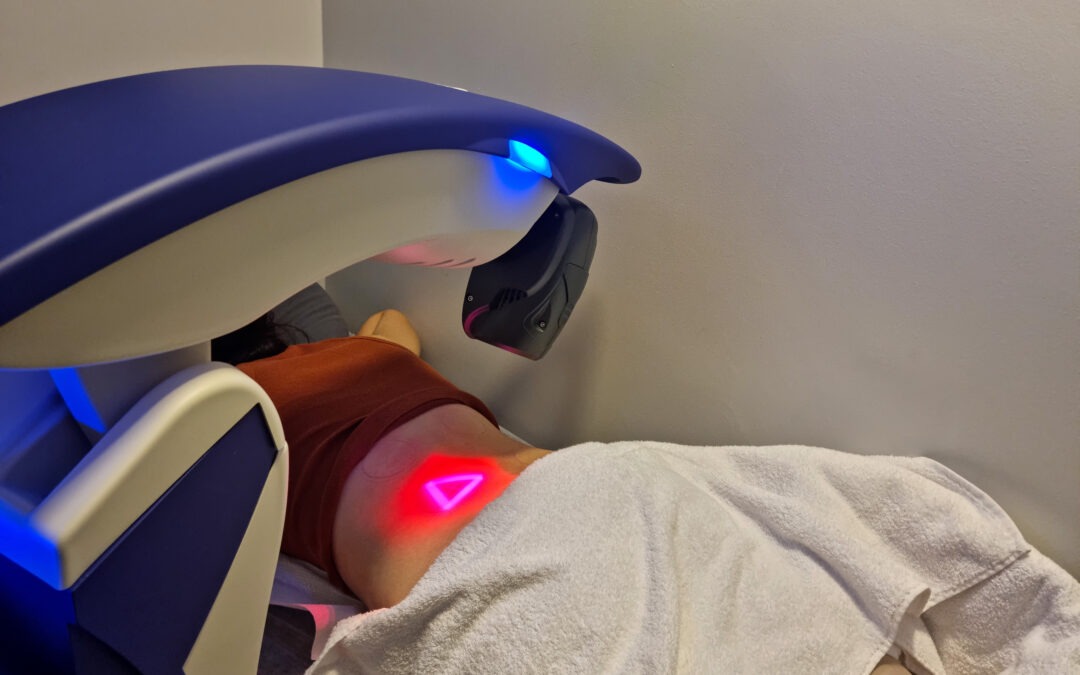
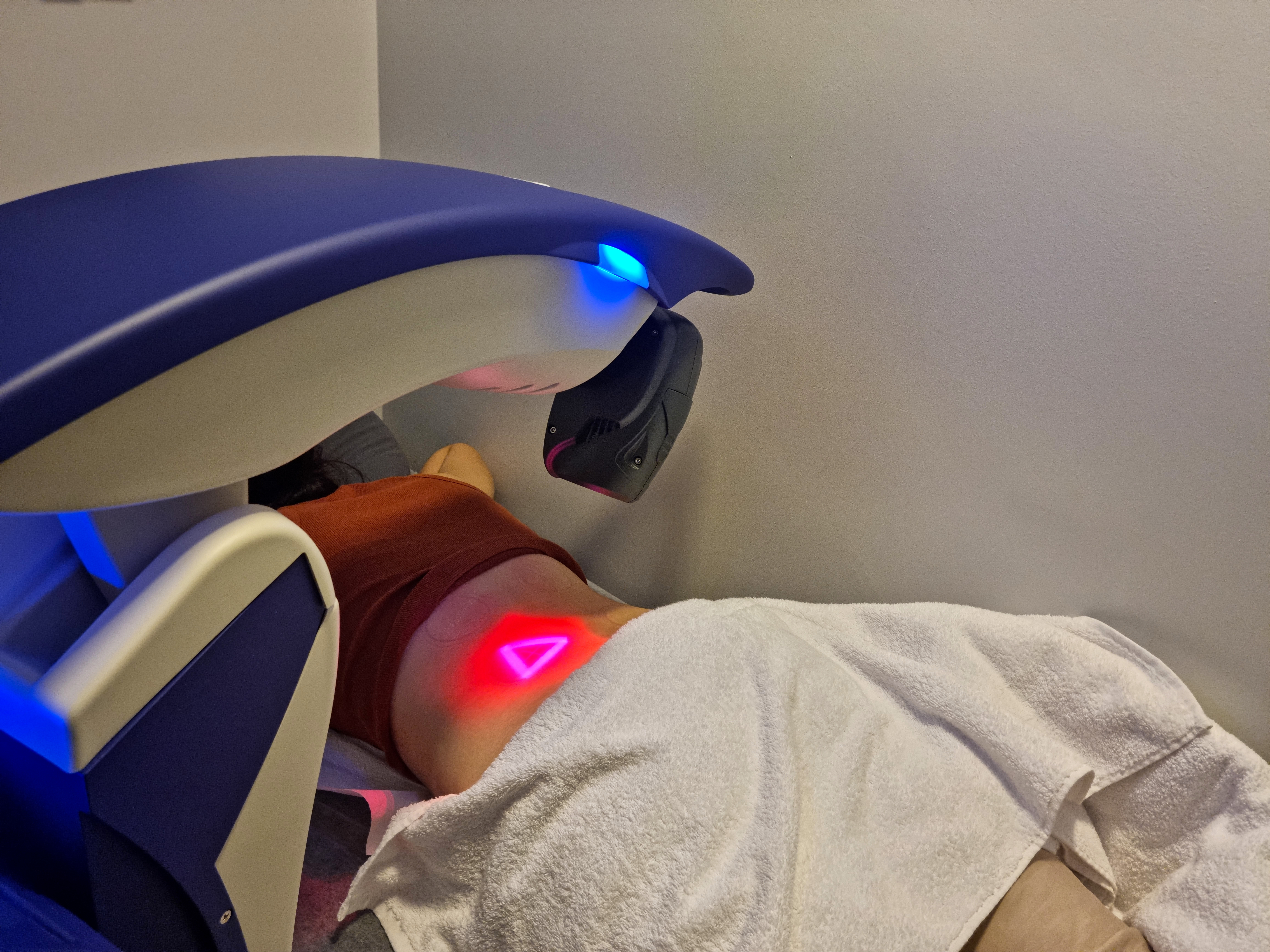
Class 4 cold laser therapy uses a 30W laser to penetrate deep into tissues. This energy interacts with cells, boosting their natural processes. As the laser light enters your body, it helps cells repair themselves faster. This means less pain and quicker recovery. The therapy does not produce heat, making it safe and comfortable.
Imagine your cells as tiny workers. The laser acts like a boss giving them a pep talk, encouraging them to work harder and faster. This process is called photobiomodulation. You can think of it as a boost to your body's natural healing power.
Key Conditions Treated
This therapy is a beacon of hope for many conditions. Whether you're dealing with a sports injury or chronic pain, it can help. Sports injury recovery in Port Credit is one area where it shines. Athletes find it speeds up their return to action.
For those with knee osteoarthritis, the laser reduces pain and improves movement. Conditions like plantar fasciitis and tendinopathy also see improvements. By targeting specific areas, the laser can alleviate discomfort and promote healing.
Typical Session Experience
Curious about what a session feels like? Picture yourself in a calm, soothing environment. You relax as the laser technician targets the area needing treatment. You'll feel a gentle warmth, but no pain. Sessions usually last 10 to 20 minutes, depending on your needs.
After a session, many people report feeling better right away. It's like giving your body a mini-vacation from pain. With regular sessions, you can expect noticeable improvements and less discomfort.
Addressing Safety Concerns
Safety is a top priority with any treatment. Let's tackle common fears and explain how we ensure your well-being during laser therapy.
Common Fears Explained
Many wonder about the safety of laser treatments. You might ask, "Can lasers harm my skin?" or "Will it hurt?" Rest assured, Class 4 cold laser therapy is designed to be safe. Unlike surgical lasers, these do not cut or burn.
Most people think lasers are dangerous, but this type is different. It's non-invasive and painless. The longer you wait to try it, the longer you could be missing out on relief.
Laser Therapy Safety Measures
At MyHealth Care Centre, safety measures are in place to protect you. Technicians are trained professionals who understand how to use the equipment effectively. They adjust settings to suit your specific needs.
During your session, protective eyewear may be provided. This ensures that even accidental exposure to your eyes is prevented. Regular checks and maintenance of equipment further enhance safety.
Integrating with Other Therapies
Combining therapies can enhance your recovery. Let's look at how laser therapy fits with other treatments like physiotherapy and chiropractic care.
Combining with Physiotherapy and Chiropractic
Physiotherapy and chiropractic care work well with laser therapy. Imagine your treatment plan as a puzzle. Each piece, like physiotherapy, chiropractic, and 30W laser therapy, fits together to form a complete picture of health.
Laser therapy targets pain and inflammation, allowing physiotherapy exercises to be more effective. Chiropractic adjustments benefit from reduced muscle tension, aiding alignment and mobility.
Role of Massage and Acupuncture in Recovery
Massage and acupuncture complement laser therapy beautifully. While the laser addresses cellular healing, massage therapy in Port Credit can relax muscles and enhance circulation. This helps your body respond better to laser treatments.
Acupuncture provides another layer of relief. It targets energy flow and balance, while the laser focuses on cellular repair. Together, they offer a holistic approach to recovery, addressing both body and mind.
In summary, Class 4 cold laser therapy is a safe, effective treatment that can transform your recovery. By integrating with other therapies, it offers a comprehensive path to healing. Whether you're dealing with a sports injury, arthritis, or post-surgical pain, this therapy, available in Port Credit, could be the key to your relief. Don't wait to explore how it can help you feel better.
Class 4, 30W Cold Laser Therapy in Port Credit: Your Safe, Straight-Talking FAQ
Cold laser therapy often sparks questions, especially when it’s Class 4 and packs 30 watts of power. You might wonder how it actually eases pain or if it’s safe for your shoulder strain or runners’ knee. In Port Credit, our straight-talking FAQ breaks down what to expect—from the gentle warmth during sessions to how this treatment fits into your recovery plan. Let’s clear up your doubts so you can feel confident about your next step toward moving better.
Table of Contents
Understanding Class 4, 30W Cold Laser Therapy
You're curious about cold laser therapy, so let's dive into what makes it a popular choice in Port Credit. This therapy stands out due to its non-invasive approach, which targets pain relief and speeds up recovery.
What is Cold Laser Therapy?
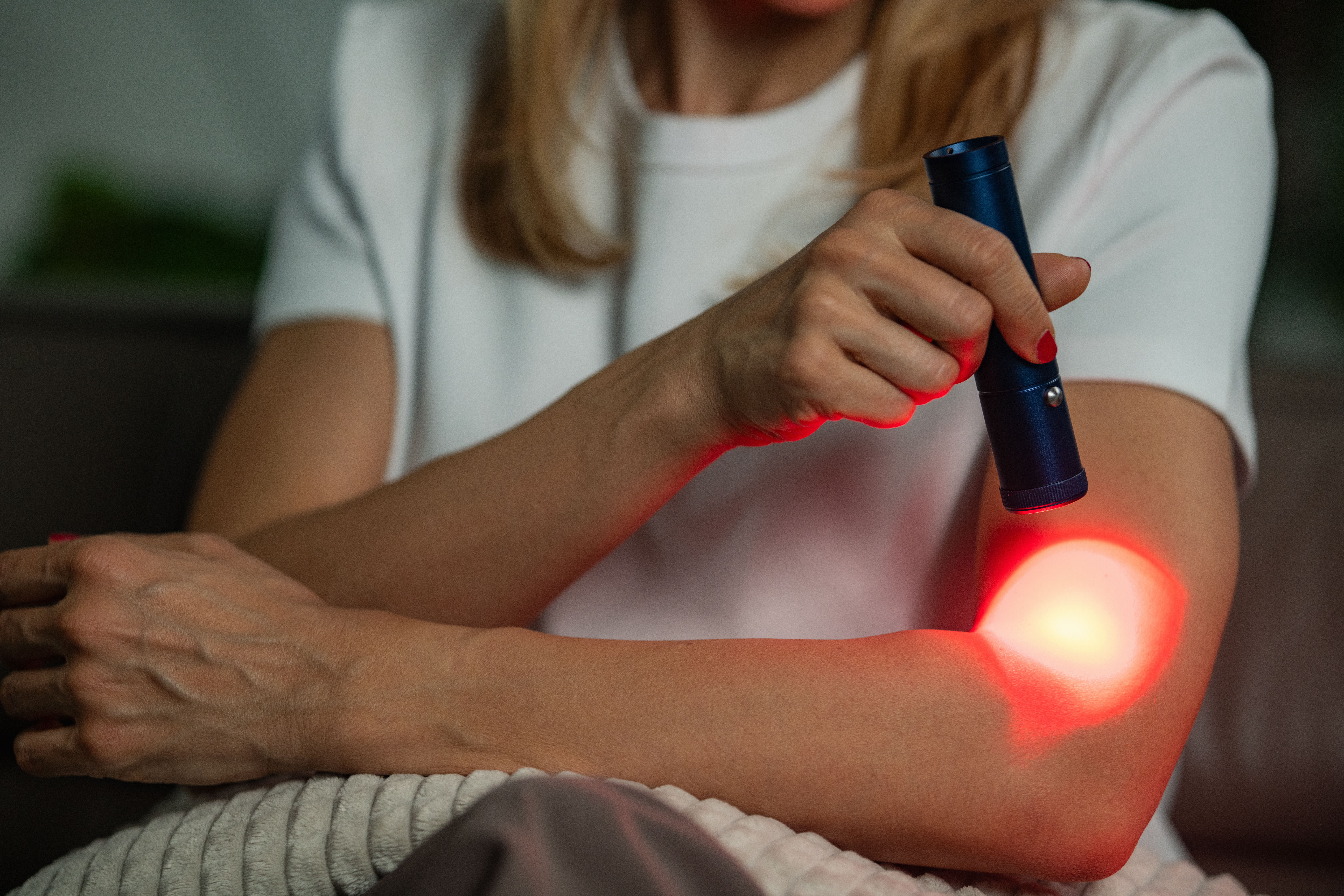
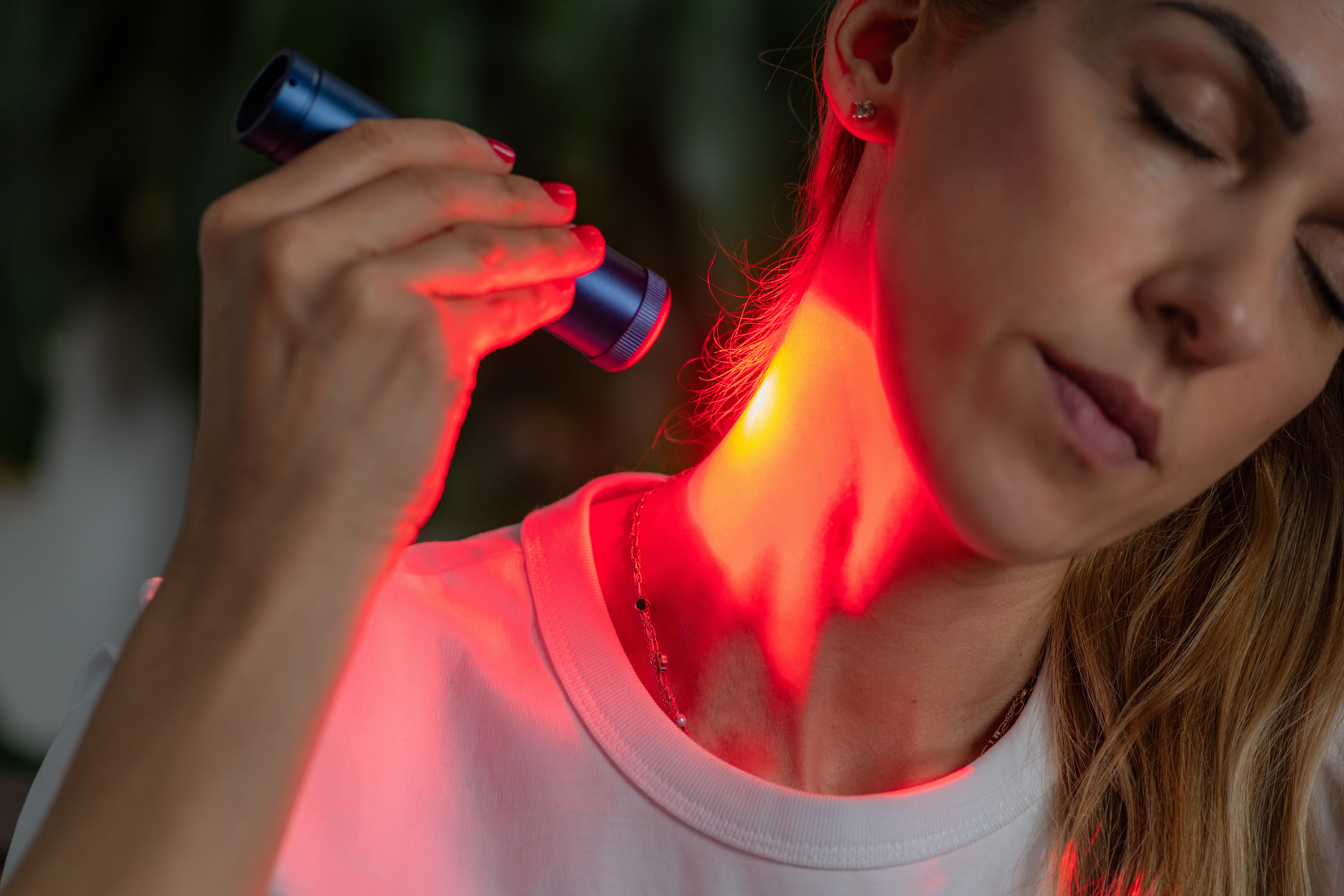
Cold laser therapy, also known as low-level laser therapy, uses light to heal your body. You won't feel heat during the session. Instead, it gently stimulates your tissues, helping to ease pain and swelling. This makes it a great option for those who prefer treatments without needles or medication.
The beauty of cold laser therapy lies in its simplicity. A device is placed over your skin, emitting light at specific wavelengths. This light penetrates your skin, interacting with your cells. The result? Reduced pain and faster recovery. It's especially beneficial if you want to manage conditions like arthritis or back pain.
Mechanism of Photobiomodulation
The process behind cold laser therapy may sound complex, but it's actually quite straightforward. Photobiomodulation is the term used to describe how light affects your cells. When the laser light enters your body, it energises your cells, promoting healing and reducing inflammation.
Think of it this way: imagine your cells are tiny batteries. The laser light charges them up, giving them the energy needed to repair and grow. This boosts your body's natural healing processes, which can be a game-changer for sports injuries or chronic pain.
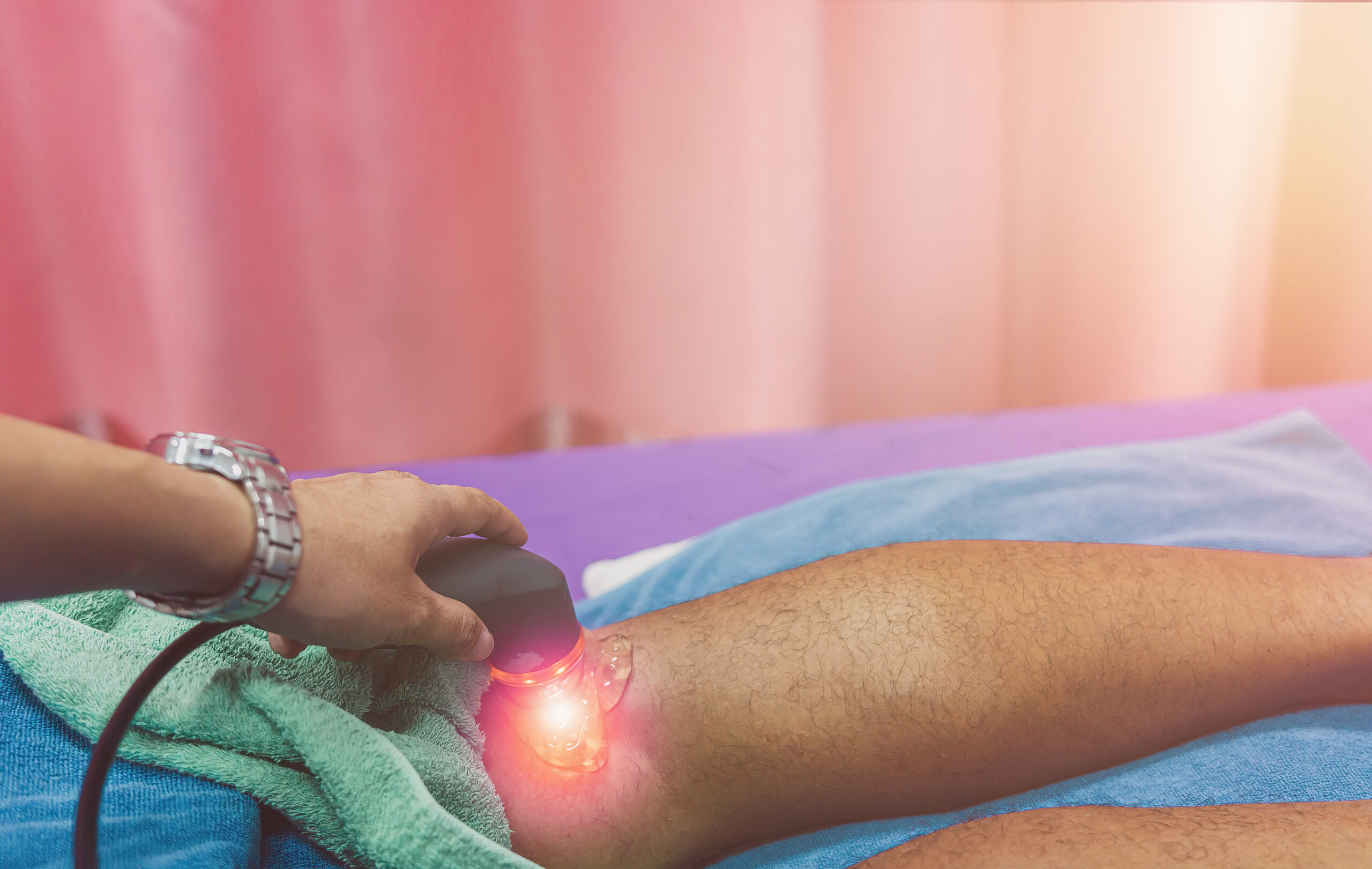
selective focus on hand of male physiotherapist using ultrasound head for treatment on knee pain
Conditions Treated with Laser Therapy
Cold laser therapy is versatile and can tackle a wide range of ailments. Whether you're dealing with tendinopathy, runners’ knee, or even plantar fasciitis, laser therapy can help. It's also effective for post-surgical rehabilitation, offering relief and support for faster healing.
Many patients find relief from conditions previously resistant to other treatments. If you've been struggling with shoulder pain or back issues, this therapy might be your answer. The targeted light energy not only addresses pain but also improves your overall function.
Safety and Sensations
Safety is always a priority when considering new therapies. Here's what you need to know about the safety of cold laser treatment and what you'll experience during sessions.
Is Laser Therapy Safe?
Wondering about safety? Rest assured, cold laser therapy is safe when performed by trained professionals. It's non-invasive and doesn't cause damage to your tissues. Side effects are minimal, making it a preferred option for many seeking pain relief.
This therapy is suitable for most people, including those with chronic conditions. It's also a great choice if you're looking for a gentle approach to healing. Your therapist will ensure the treatment is customised to your needs, ensuring the best possible outcome.
What to Expect During a Session
During a session, you'll feel a soothing warmth as the laser targets your affected area. Each session is tailored to your specific condition, with the goal of reducing pain and promoting healing. You'll relax comfortably while the laser does its work.
You might feel a slight tingling or warmth, but most people find the process very comfortable. Each session typically lasts around 10-20 minutes, making it a convenient option for those with busy schedules. Afterward, you can resume your normal activities without downtime.
Common Questions Answered
Many wonder how long it takes to see results. Some notice improvements after just a few sessions, while others might need more time. Consistency is key. The number of sessions needed depends on the severity of your condition and your individual response to treatment.
Patients often ask if they can combine this therapy with other treatments. Yes, it's quite common. Many choose to integrate cold laser therapy with physiotherapy or chiropractic care for enhanced results. This combination can help you achieve your health goals more effectively.
Benefits and Results
Cold laser therapy offers a range of benefits, making it a valuable addition to your wellness plan. Let's explore the advantages and what you can expect.
Why Choose High-Intensity Laser Therapy?
High-intensity laser therapy shines in providing targeted relief. Its ability to penetrate deeper tissues means it can address the root of your pain, not just the symptoms. This makes it a powerful tool in your recovery arsenal.
This therapy is a favourite among athletes and active individuals. Whether you're dealing with a sports injury or looking to improve your performance, high-intensity laser therapy can support your efforts. It helps you get back to doing what you love, faster.
Expected Outcomes and Improvements
Many patients report significant improvements in pain levels and function. You may find that your range of motion increases and your overall mobility improves. These changes can greatly enhance your quality of life, allowing you to enjoy everyday activities with ease.
The longer you stick with your treatment plan, the better the results. Regular sessions can lead to lasting benefits, making it easier to maintain an active lifestyle. It's a commitment to your health that pays off in the long run.
Combining Therapies for Best Results
For the best outcomes, consider combining cold laser therapy with other treatments. This integrated approach can accelerate your recovery and address multiple aspects of your health. At MyHealth Care Centre, our team can guide you in creating a personalised plan that meets your needs.
Don't wait to explore how cold laser therapy can benefit you. By integrating this therapy into your routine, you take an active step towards better health and wellness. Embrace the possibilities and start your journey to a pain-free life today.
Class IV 30W ‘Cold’ Laser Therapy in Port Credit: Your Questions Answered
Forget what you think you know about pain relief. If you’re running the Waterfront Trail, hitting the gym, or recovering from surgery, persistent aches can hold you back. Class IV laser therapy in Port Credit offers a fresh, science-backed way to reduce pain and speed healing without downtime. Let’s clear up common questions about this 30W cold laser treatment and show how it fits into your path to moving better.
Table of Contents
Understanding Class IV Laser Therapy
If you've ever wondered how light can help with pain, you're in the right place. This section will highlight how Class IV laser therapy makes a difference, especially for those in Port Credit.
How Class IV Laser Works
Imagine healing without touching. Class IV laser therapy uses light energy to penetrate deep into your tissues. This energy sparks a biological response in your cells. Think of it as giving them a wake-up call to start repairing. The laser boosts cell activity, helping to reduce swelling and ease pain. You can feel the effects quickly, making it a favourite for those who need relief without the wait. It's a bit like charging your phone: the light powers up your body’s healing abilities.
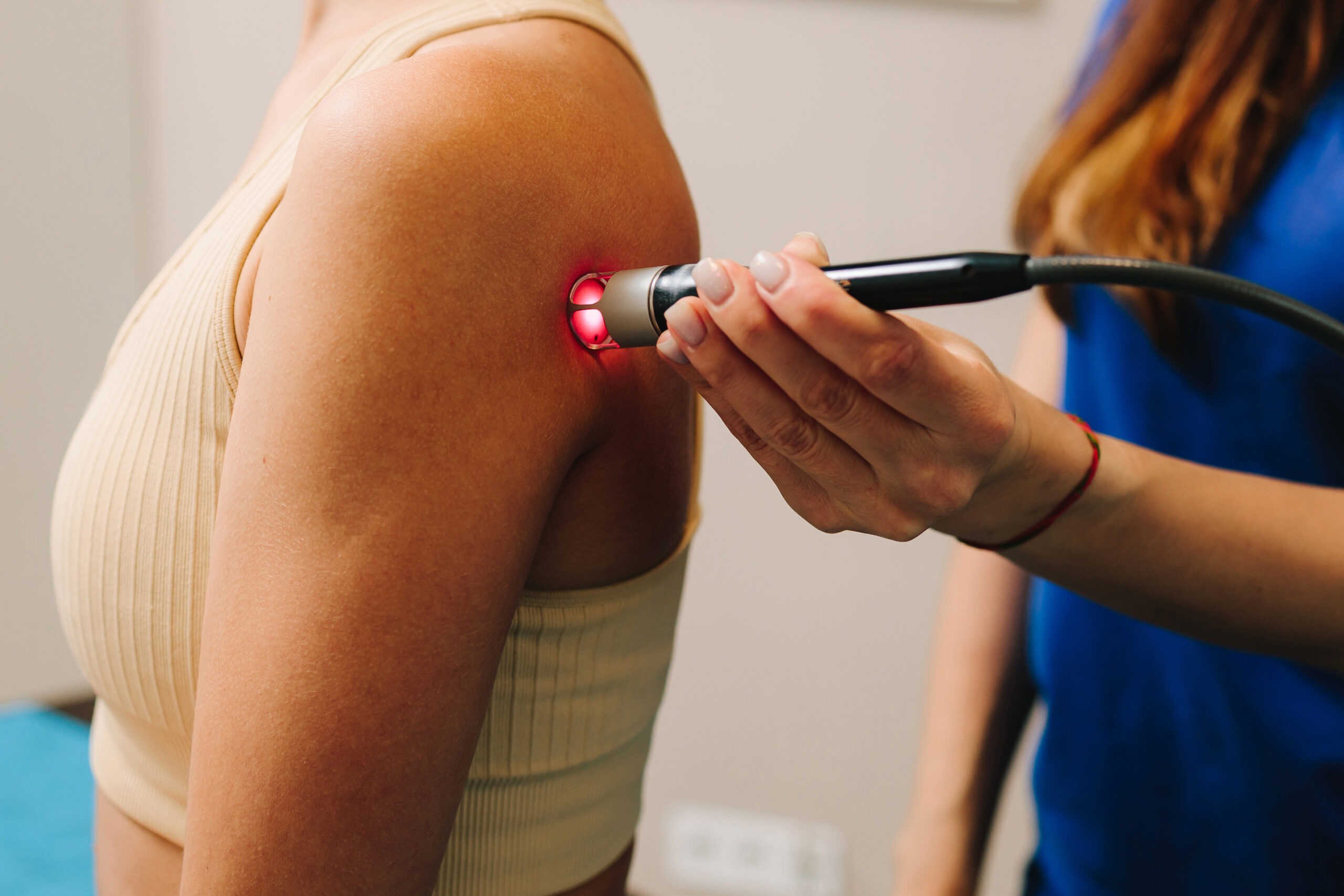
laser therapy for chronic back pain. woman is healing with red light to reduce pain, inflammation and edemas of her back. effective laser therapy to restore damaged muscle tissues and nerves
Key Features and Benefits
The benefits of this therapy are straightforward and impressive. First, it’s non-invasive, meaning no needles or incisions. The laser light helps speed up healing by boosting circulation. More blood flow brings more oxygen and nutrients to your tissues. This process not only reduces pain but also helps you recover faster. Patients often report feeling better after just a few sessions. So, if you're tired of pain slowing you down, this could be the solution.
Safety and Contraindications
Safety is always a top priority. Class IV laser therapy is generally safe for most people. However, it's essential to have a trained professional administer it. There are some situations where caution is needed, like if you have certain medical conditions or are pregnant. Always discuss your health history with your provider. They can tailor the treatment to suit your needs best. Knowing you're in good hands makes the process even smoother.
Conditions Treated with Laser Therapy
From weekend warriors to those dealing with chronic issues, this therapy can help. Let's explore the different conditions it targets.
Sports Injuries and Recovery
Sports can be tough on your body. Whether it's a sprained ankle or sore muscles, laser therapy helps. By reducing inflammation, it speeds up your return to action. Imagine getting back to running or cycling without the long wait. Athletes appreciate how this therapy targets the source of pain, not just the symptoms. So, if you're eager to get back to your favourite activities, consider this option.
Addressing Chronic Pain
Chronic pain can feel like a never-ending battle. Laser therapy offers a beacon of hope. It targets long-standing pain by promoting tissue repair and reducing inflammation. Conditions like arthritis or tendinopathy can see improvement. Over time, you might notice less pain and more mobility. The therapy doesn’t mask the pain; it helps address the root cause. That’s a game-changer for many who have tried countless treatments.
Post-Surgical Rehabilitation
Surgery is just the beginning of recovery. Post-surgical rehab is crucial, and laser therapy can play a key role. It aids in reducing post-op swelling and pain, helping you heal faster. Imagine cutting down recovery time and getting back to your daily routine sooner. Those in Port Credit appreciate having this advanced option close to home. A quicker recovery means you can focus on regaining strength and mobility.
Combining Therapies for Optimal Results
Why stop at one method? Combining therapies can lead to the best outcomes. Here's how to mix and match for success.
Integrating Laser with Physiotherapy
Physiotherapy and laser therapy make a powerful team. While laser handles the pain and swelling, physiotherapy focuses on movement and strength. This combo helps you achieve faster, more effective results. By addressing different aspects of recovery, you get a comprehensive care plan. Your physiotherapist can guide you on how these treatments complement each other, providing an all-around approach to healing.
Chiropractic and Laser Synergy
Chiropractic care is all about alignment and function. When paired with laser therapy, the benefits multiply. Chiropractic adjustments relieve pressure, while the laser accelerates tissue repair. This combination can be especially helpful for back and neck pain. Many find that integrating these therapies leads to improved mobility and less discomfort. It's a winning strategy for long-term relief.
Creating a Personalised Recovery Plan
Every recovery journey is unique. At MyHealth Care Centre, we believe in personalised plans. Combining different therapies, including laser, ensures you get the best results. Our team assesses your specific needs, crafting a plan just for you. This tailored approach means you're not just another patient. You're a partner in your recovery journey. With the right support, reaching your health goals is within reach.
Class IV 30W Cold Laser Therapy in Port Credit: Your FAQs on Conditions, Features, and Fears—Answered
Cold laser therapy sounds like high-tech magic, but it’s actually a straightforward way to ease pain and speed up healing. If you’re tackling sore muscles from running the Waterfront Trail or managing a stubborn injury, understanding Class 4 cold laser therapy can change your recovery game. Here, you’ll get clear answers on how this 30W cold laser works, which aches it targets, and why it’s safe—so you can decide if it fits your path to feeling better.
Understanding Class IV 30W Cold Laser Therapy
Class IV 30W cold laser therapy is gaining attention for its role in pain relief and healing. Let's explore what it is and how it can help you.
What is Class IV 30W Cold Laser Therapy?
Class IV 30W cold laser therapy uses light to heal. It targets specific areas to reduce pain and promote recovery without heat. Think of it as a high-tech way to help your body heal itself, safely and naturally. This therapy is non-invasive, which means there's no cutting or discomfort involved. Whether you're dealing with back pain or a sports injury, this approach might offer the relief you're seeking.
Our clinic in Port Credit often sees patients experiencing pain from various conditions, such as arthritis or tendinopathy. The therapy is popular because it's quick and requires no downtime. Most sessions last only a few minutes, allowing you to get back to your day.
How Does Photobiomodulation Work?
Photobiomodulation is the science behind cold laser therapy. It involves using light to kickstart cellular repair and growth. When the laser light hits your skin, it penetrates and stimulates your cells to produce more energy. This helps reduce inflammation and speeds up healing.
Imagine you're a runner facing plantar fasciitis, a common foot pain issue. With photobiomodulation, you might find relief quicker than traditional methods. It's a bit like giving your body's natural processes a gentle nudge in the right direction.
Conditions Helped by Cold Laser Therapy
Cold laser therapy is versatile. It helps with a range of conditions, making it a favourite among those seeking non-invasive pain treatment. From managing arthritis pain to aiding post-surgical recovery, this therapy offers benefits for various health challenges.
For athletes in Port Credit, dealing with sports injuries like tendinopathy or back pain can be frustrating. Cold laser therapy helps reduce pain and inflammation, supporting a faster return to activities. It's also effective for chronic pain conditions, offering an alternative to medication.
Safety and Effectiveness of Laser Therapy
Understanding the safety and effectiveness of laser therapy is key to feeling confident about trying it.
Addressing Common Fears and Safety Facts
Some might worry about the safety of laser therapy, but rest assured, it's been proven safe when used correctly. The treatment is non-invasive and typically painless. During a session, you might feel a slight warming sensation, but it's comfortable overall.
Safety is always a priority, which is why trained professionals administer cold laser therapy. They ensure the laser's settings are appropriate for your specific needs, minimising any risks. So, if you're hesitant about trying it, know that you're in capable hands.
Evidence-Based Benefits for Pain Relief
Research backs the benefits of cold laser therapy for pain relief. Studies show that it effectively reduces discomfort and speeds up recovery. For instance, a review found that those with arthritis experienced significant pain reduction after laser treatments.
Most people believe medications are the only way to manage pain, but laser therapy offers a drug-free solution. It's particularly appealing for those wanting to avoid potential side effects associated with long-term medication use.
Integrating Laser Therapy in Rehabilitation Plans
Integrating laser therapy into your rehabilitation plan can enhance your recovery process. Whether you're dealing with a sports injury or post-surgical rehabilitation, combining therapies often leads to better outcomes.
In our Port Credit clinic, we frequently incorporate cold laser therapy with physiotherapy and chiropractic care. This integrated approach ensures you receive comprehensive treatment, addressing pain and promoting healing. It's a holistic way to support your journey back to health.
Tailoring Laser Therapy to Your Needs
Personalisation is key when it comes to health treatments. Here's how laser therapy can be tailored to suit your specific needs.
Personalised Plans for Sports Injury Recovery
Recovering from a sports injury requires a plan that fits your unique situation. Cold laser therapy can be customised to target your specific injury, whether it's a sprained ankle or a strained muscle.
In Port Credit, many athletes find this personalised approach aids their recovery. By focusing on the injured area, the therapy speeds up healing and reduces downtime, allowing you to return to your sport sooner.
Cold Laser for Arthritis and Chronic Pain
Chronic conditions like arthritis can significantly affect your quality of life. Cold laser therapy offers a way to manage pain and enhance mobility. By reducing inflammation, it helps ease the discomfort that comes with these conditions.
If you're living with chronic pain, this therapy might be an option to explore. It's a treatment that fits into your lifestyle, providing relief without the need for invasive procedures or extensive medications.
Booking Your Assessment at Port Credit Clinic
Interested in trying cold laser therapy? Booking an assessment is your first step. At our Port Credit clinic, we offer evaluations to determine if this therapy suits your needs.
During your assessment, our team will discuss your health concerns and goals, crafting a plan that's right for you. Don't wait to start feeling better. Explore how cold laser therapy can be part of your recovery journey today. 🌟
Class IV 30‑W Cold Laser Therapy in Port Credit: Your Top Questions Answered
Forget what you think you know about laser therapy. Many people hesitate because they’re unsure how Class IV 30W cold laser therapy actually works or if it’s safe. In Port Credit, this powerful treatment targets pain and speeds healing without needles or downtime. Keep reading to clear up common worries and learn how it fits into a full rehab plan tailored to your goals.
Understanding Class IV 30W Cold Laser Therapy
This section will guide you through the basics of Class IV 30W cold laser therapy and how it can be a game-changer for your health.
What is Cold Laser Therapy?
Cold laser therapy, also known as photobiomodulation therapy, is a non-invasive treatment that uses light to stimulate healing. The laser is applied directly to your skin in the affected area. It doesn't cause heat or discomfort, making it a gentle option for pain relief. The therapy is designed to reduce pain and inflammation and promote faster tissue healing by enhancing cellular function.
Imagine recovering from a sports injury with less pain and quicker healing. Whether it's a knee sprain or back pain, this therapy is suitable for various conditions. It's a preferred choice for those seeking effective pain management without the side effects of medications.
How Cold Laser Therapy Works
Cold laser therapy works by penetrating the skin with specific wavelengths of light. This light interacts with cells, boosting their natural healing processes. Here's the key insight: the light helps increase circulation and reduces inflammation, which are crucial for recovery.
During the session, you might feel a slight warmth on your skin, but it's generally painless. The therapy aims to enhance cellular repair and accelerate recovery. For example, if you're dealing with tendinopathy, cold laser therapy can offer significant relief by promoting tissue repair.
Conditions Treated with Cold Laser Therapy
Cold laser therapy is versatile, addressing a wide range of conditions. Let's explore how it can help with pain relief and recovery.
Effective Pain Relief Options
If you suffer from chronic pain, cold laser therapy might be the relief you've been looking for. It targets pain at its source, providing relief for conditions like arthritis and muscle strains. Most people think you need medication for effective pain relief, but this therapy offers a drug-free alternative.
Imagine having a treatment that reduces your knee osteoarthritis pain without pills. By focusing on reducing inflammation and improving blood flow, this therapy helps manage pain effectively. It's particularly beneficial for athletes or active individuals seeking non-invasive pain relief.
Supporting Post-Surgical Recovery
Post-surgery recovery can be challenging, but cold laser therapy supports your healing journey. It helps reduce swelling and speeds up tissue repair, ensuring a smoother recovery process. Many people assume recovery must be slow, but integrating this therapy can change that narrative.
Whether you've had a minor procedure or major surgery, incorporating cold laser therapy into your rehab plan can help you regain strength and mobility faster. This therapy is especially useful in post-surgical rehabilitation, where reducing inflammation and promoting healing are vital.
Safety and Sensations During Treatment
Understanding what to expect during cold laser therapy can ease any concerns you might have.
What to Expect During a Session
When you arrive for your session, you'll be greeted by a professional who will guide you through the process. The therapist will apply the laser to the targeted area, and you might feel a gentle warmth. It's relaxing and pain-free, allowing you to focus on healing.
Most people worry about discomfort, but cold laser therapy is designed to be soothing. Each session lasts about 20-30 minutes, making it easy to fit into your schedule. The longer you wait to try it, the longer you might endure unnecessary pain.
Ensuring Safe Treatment Procedures
Safety is a top priority in any therapy, and cold laser treatment is no exception. The equipment is calibrated to ensure it delivers the right amount of light safely. Trained professionals oversee the procedure, ensuring it's tailored to your needs.
It's reassuring to know that this therapy has minimal side effects. By choosing a reputable clinic, like MyHealth Care Centre in Port Credit, you can trust that you're in good hands. The therapy is safe for most individuals, including those with chronic conditions.
In summary, Class IV 30W cold laser therapy offers a safe, effective way to manage pain and support recovery. By integrating this treatment into your health plan, you can enjoy faster healing and improved well-being. Whether you're recovering from surgery or dealing with chronic pain, this therapy can make a significant difference in your life. Don't wait to explore how it can fit into your path to wellness.
Laser Therapy vs Cortisone Injections: Which Is Better for Chronic Inflammation (and for Avoiding Needles)?
If you’re managing chronic inflammation but dread needles, you’re not alone. Many turn to cortisone injections for quick relief, only to find the pain returns—and sometimes worsens. At MyHealth Care Centre in Port Credit, we offer cold laser therapy, a needle-free option that supports real tissue repair and lasting improvement. Let’s explore why laser therapy vs cortisone makes a crucial difference for your long-term health. Read more.
Table of Contents
Understanding Chronic Inflammation
Living with chronic inflammation can be a daily battle. Understanding what it really means is the first step to finding relief.
Defining Chronic Inflammation
Chronic inflammation occurs when your body’s defense system keeps fighting long after an injury or illness. It might help to think of it as a fire that never quite burns out. This prolonged state can lead to further health issues. It’s not just about aches; it can affect your entire wellbeing. Chronic inflammation can result from various causes, including stress, infections, or ongoing injuries. It’s crucial to identify the root cause to manage it effectively.
Common Conditions and Symptoms
Chronic inflammation often shows up in different ways. Conditions like arthritis, tendinitis, or even plantar fasciitis might sound familiar to you. These aren’t just fancy terms; they’re real problems many people face daily. Symptoms can range from persistent pain and stiffness to swelling and redness. Often, people think these are just signs of getting older, but that’s not always the case. If you notice these symptoms, it might be time to consider the best treatment options available.
Comparing Treatment Options
Deciding between treatment options can feel overwhelming. Let’s break down what cold laser therapy and cortisone injections can offer you.
Benefits of Cold Laser Therapy
Cold laser therapy is a cutting-edge treatment that offers significant benefits without the need for needles. It uses light to heal tissues and reduce inflammation. This therapy is especially beneficial for conditions like shoulder bursitis or knee osteoarthritis. Many people prefer this method because it’s non-invasive and painless. It doesn’t just mask symptoms; it promotes real healing. This can mean fewer visits to the clinic and more time enjoying life. Plus, research supports its effectiveness. Studies show a 30% reduction in pain after consistent sessions.
Risks of Cortisone Injections
Cortisone injections are often marketed as quick fixes for pain. They might provide fast relief, but there’s more to consider. Repeated use can weaken tissues, sometimes making conditions worse over time. It’s a bit like putting a band-aid on a deeper problem. While cortisone might seem appealing for immediate pain relief, it doesn’t address the underlying cause. Frequent injections can lead to side effects like increased blood sugar and, in some cases, worsened joint health. For some, the prospect of needles is also a considerable drawback.
Choosing the Best Approach
Selecting the right treatment is about looking at the long-term impact on your health. Let’s explore why cold laser therapy might be your best option.
Long-Term Benefits of Laser Therapy
Cold laser therapy offers benefits that extend beyond immediate relief. It helps regenerate tissues, providing a more sustainable solution to chronic issues. This therapy can particularly benefit those with tennis elbow or other persistent conditions. Unlike treatments that offer temporary fixes, laser therapy aims for lasting improvement. The beauty of this method is its ability to improve overall joint function and mobility. When you opt for laser therapy, you’re investing in your future health. Imagine moving freely without the constant nag of pain.
Integrating Treatments for Optimal Results
Combining treatments can sometimes offer the best outcomes. Pairing cold laser therapy with physiotherapy or acupuncture can enhance results. This multi-disciplinary approach ensures that all bases are covered, providing comprehensive care. Think of it as building a strong foundation for your health. By integrating these treatments, you’re not just managing symptoms; you’re addressing the root cause. This holistic approach can lead to improved mobility and reduced pain, letting you get back to the activities you love. Remember, the longer you wait, the longer you might miss out on life’s joys.
In conclusion, when weighing options for chronic inflammation, cold laser therapy provides a promising path. It offers a needle-free, effective, and long-term solution, aligning well with the goal of achieving a pain-free lifestyle. While cortisone injections might seem convenient, they often fall short in addressing the deeper issues. Consider your health goals and choose a path that supports you in living better.