
Stay active, stay pain‑free: winter activity injuries in Port Credit and how to prevent them
Winter sports injuries in Port Credit catch many off guard each year. Whether you’re skating at the Memorial Arena or clearing snow from your driveway, aches and strains can sneak up fast. You don’t have to accept pain as part of the season—simple steps can keep you moving with ease. In this post, we’ll cover common injuries and share practical tips to help you stay active and pain-free all winter long. For further information, check out this resource on winter sports.
Understanding Winter Sports Injuries
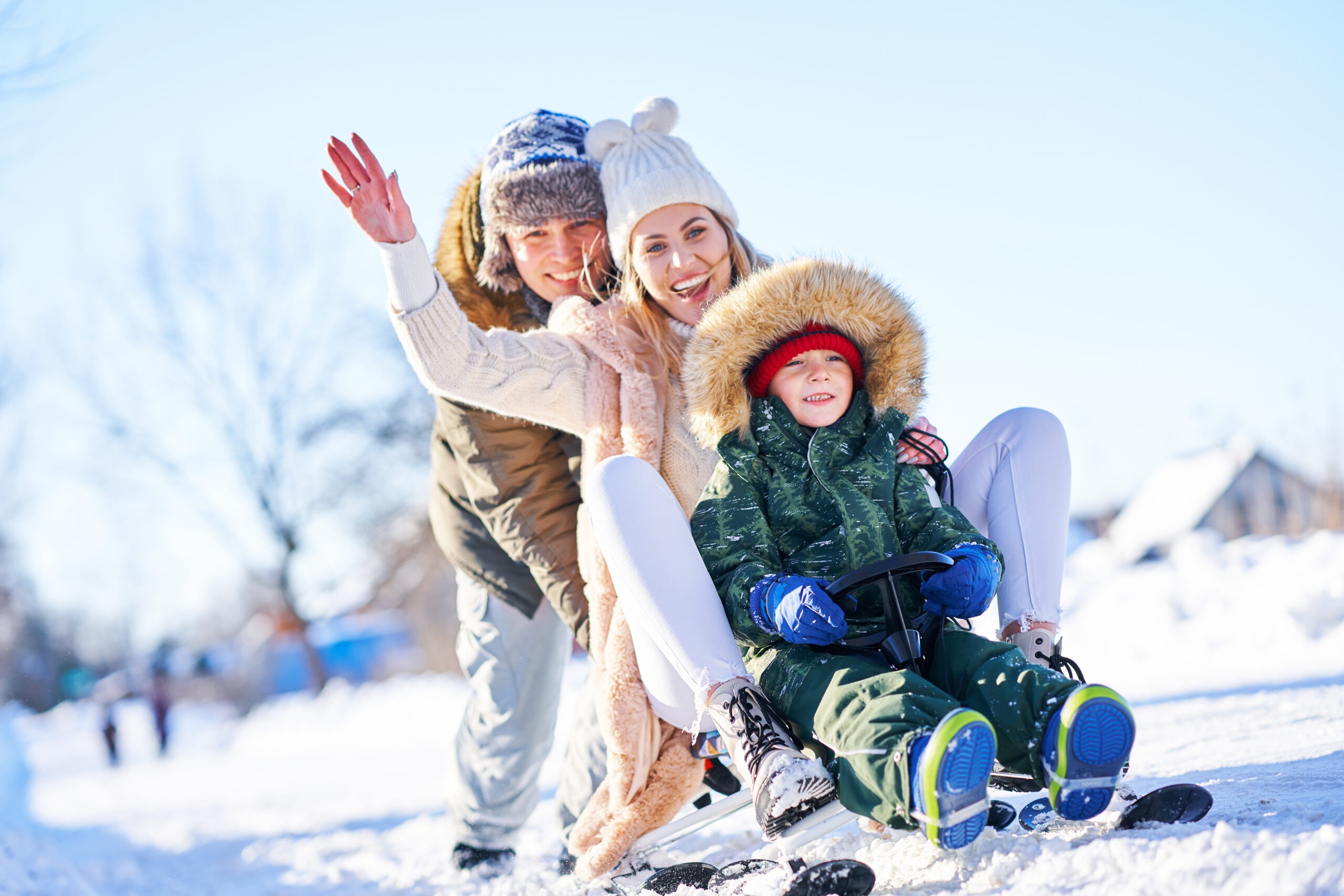
Winter sports offer a thrill, but they also bring risks. Awareness of these risks is the first step to staying injury-free. Let's explore the common injuries related to popular winter activities.
Common Skating and Hockey Injuries
Skating and hockey are beloved winter activities in Port Credit. However, they come with their share of injuries. The most frequent issues include sprained ankles, bruises, and rotator cuff strains.
-
Ankle Sprains: These occur when your foot twists awkwardly, often due to uneven surfaces or sudden movements. Wearing supportive skates can help.
-
Rotator Cuff Strains: Common in hockey, these result from repetitive shoulder movements. Strengthening exercises can reduce the risk.
Most people think these injuries are unavoidable, but strengthening and conditioning can significantly reduce their occurrence. If you’re concerned about shoulder injuries, seek advice from a Mississauga chiropractor for preventive tips.
Preventing Sledging Mishaps
Sledging is fun, but it can lead to injuries if not done safely. The most common mishaps include collisions and falls.
-
Collisions: These happen when sleds crash into each other or obstacles. Always choose a clear path and wear helmets for safety.
-
Falls: Slipping off the sled can cause bruises or fractures. Sitting securely and holding on tight helps prevent falls.
Many assume sledging is all fun and games, but proper precautions are crucial. Stay alert and enjoy a worry-free ride with these simple measures.
Strategies for Injury Prevention
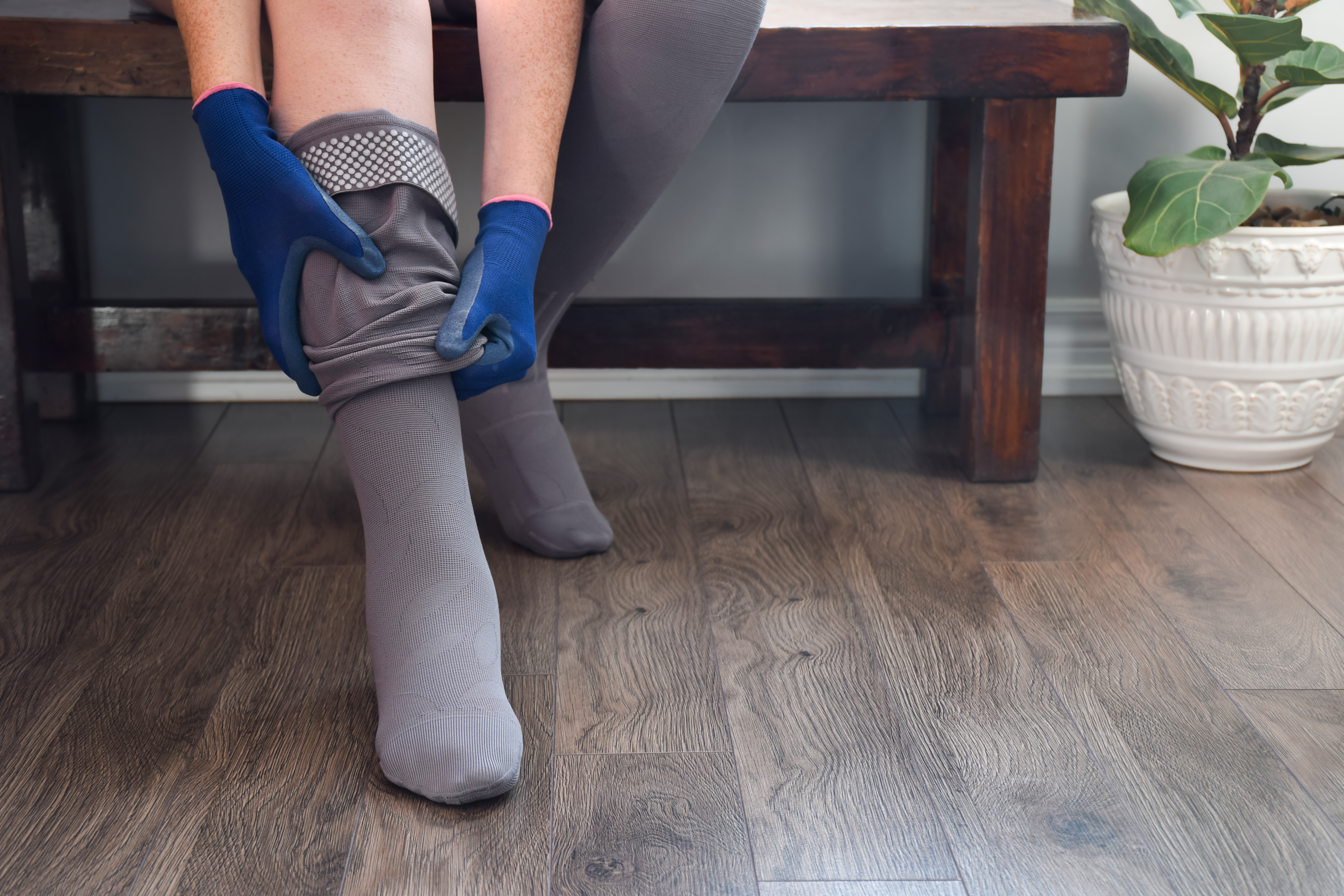
Prevention is better than cure. By taking a few smart steps, you can enjoy winter sports while steering clear of injuries.
Protecting Against Snow Shovelling Back Pain
Shovelling snow is a necessary chore, but it can strain your back if done incorrectly. Avoid unnecessary pain with these tips:
-
Warm-Up: Treat shovelling like an exercise. Stretch your muscles before you start. This prevents sudden strains.
-
Use Proper Technique: Push the snow instead of lifting it. If you must lift, bend your knees and keep your back straight.
Ignoring these tips can lead to severe back pain. The longer you wait to adopt proper techniques, the more strain you put on your body. Don't let snow turn into an enemy—shovel smartly.
Avoiding Slips and Falls on Ice
Ice is a hidden hazard during winter walks. Falls can lead to serious injuries, so staying vigilant is key.
-
Wear the Right Footwear: Shoes with good traction are essential for walking on ice. They reduce the likelihood of slips.
-
Take Small Steps: Short steps and a slight shuffle can help maintain balance on icy surfaces.
You might think walking on ice is just about being careful, but preparation and the right gear make all the difference. Don't underestimate the power of good footwear and cautious movement.
Integrated Care for Recovery
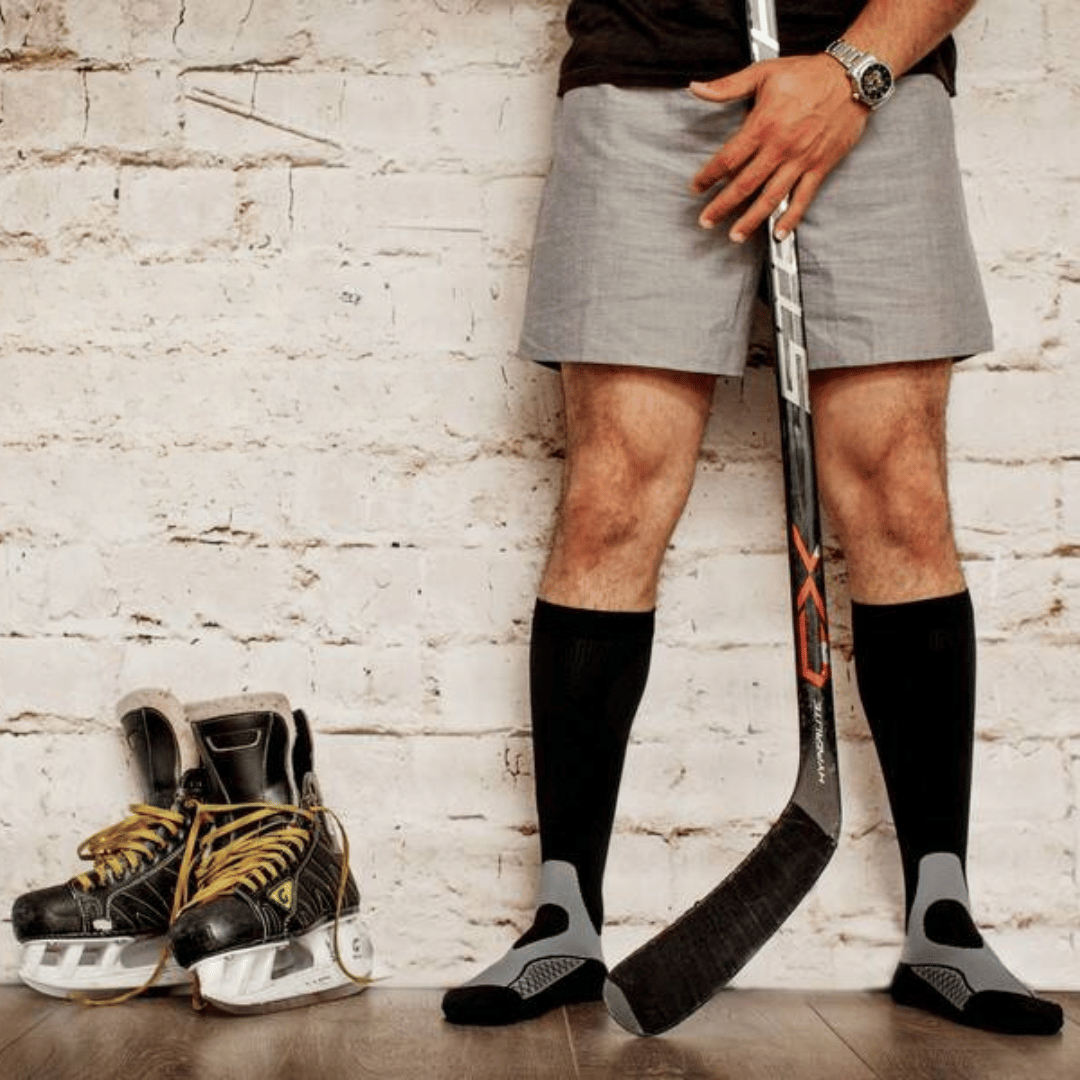
Despite best efforts, injuries can happen. When they do, integrated care can accelerate recovery and get you back on your feet.
Benefits of Physiotherapy and Chiropractic
Physiotherapy and chiropractic care offer effective solutions for winter sports injuries. Here's how they help:
-
Physiotherapy: Aids in recovery through tailored exercises that strengthen injured areas and restore mobility.
-
Chiropractic Care: Adjustments can alleviate pain, especially for spinal issues and misalignments caused by falls or strains.
These therapies complement each other, providing a holistic approach to healing. Most people think recovery is slow, but integrated care can speed it up significantly.
Utilising Custom Orthotics and Acupuncture
Custom orthotics and acupuncture are excellent additions to your recovery plan. They target specific issues, offering precise solutions.
-
Custom Orthotics: These offer support and alignment, reducing stress on joints and preventing further injury.
-
Acupuncture: This ancient practice reduces pain and inflammation, promoting healing from within.
While some might see these as unconventional, their benefits are well-documented. Embrace these therapies for a comprehensive recovery strategy.
In conclusion, staying active and pain-free during winter requires awareness and proactive measures. Educate yourself, take preventive steps, and seek integrated care for a healthier, more enjoyable winter season.