
Port Credit Playbook: Simple Ways to Prevent Common Sports Injuries
Most sports injuries start small but can quickly bench you for weeks. If you’re active around Port Credit—running the Waterfront Trail, sailing, or skating—knowing how to protect your body is your best play. Our simple, science-backed tips from Port Credit physiotherapy experts help you stay strong and pain-free, so you can keep enjoying every step, stroke, or stride. Check out this guide for more tips on staying injury-free.
Understanding Common Sports Injuries

Sports injuries can put a damper on your active lifestyle. But with the right tips, you can keep moving without pain. Let's explore how to protect yourself.
Running Injury Prevention Tips
Running is a great way to stay fit, but it can also lead to injuries if you're not careful. The Waterfront Trail in Mississauga is a popular spot for runners. Here’s how to stay safe:
-
Warm-up properly: Spend at least 5-10 minutes warming up with dynamic stretches to get your muscles ready.
-
Choose the right shoes: Wear shoes that offer good support and fit well. They should be replaced every 300-500 miles.
-
Listen to your body: If you feel pain, stop running and rest. Pushing through pain can lead to more serious injuries.
These simple steps can help you enjoy your run without the risk of injury.
Sailing Shoulder Pain Prevention
Sailing can be tough on your shoulders. The repetitive motion of hoisting sails or steering can lead to strain. Here’s how you can prevent it:
-
Strengthen your shoulders: Incorporate exercises like shoulder presses and lateral raises into your routine.
-
Stretch regularly: Perform gentle shoulder stretches before and after you sail.
-
Use proper technique: Make sure you’re using the correct form when performing tasks on the boat.
By focusing on these tips, you can enjoy your time on the water without pain.
Ice Skating Knee Pain Tips
Ice skating is fun but can be hard on your knees. The sharp turns and stops can lead to injuries if you're not careful:
-
Wear knee supports: These can provide extra stability and prevent injuries.
-
Practice proper form: Keep your knees slightly bent and your weight centered over your skates.
-
Strengthen your legs: Focus on exercises like squats and lunges to build muscle around your knees.
Remember, protecting your knees means more time enjoying the ice.
Proactive Injury Prevention Strategies
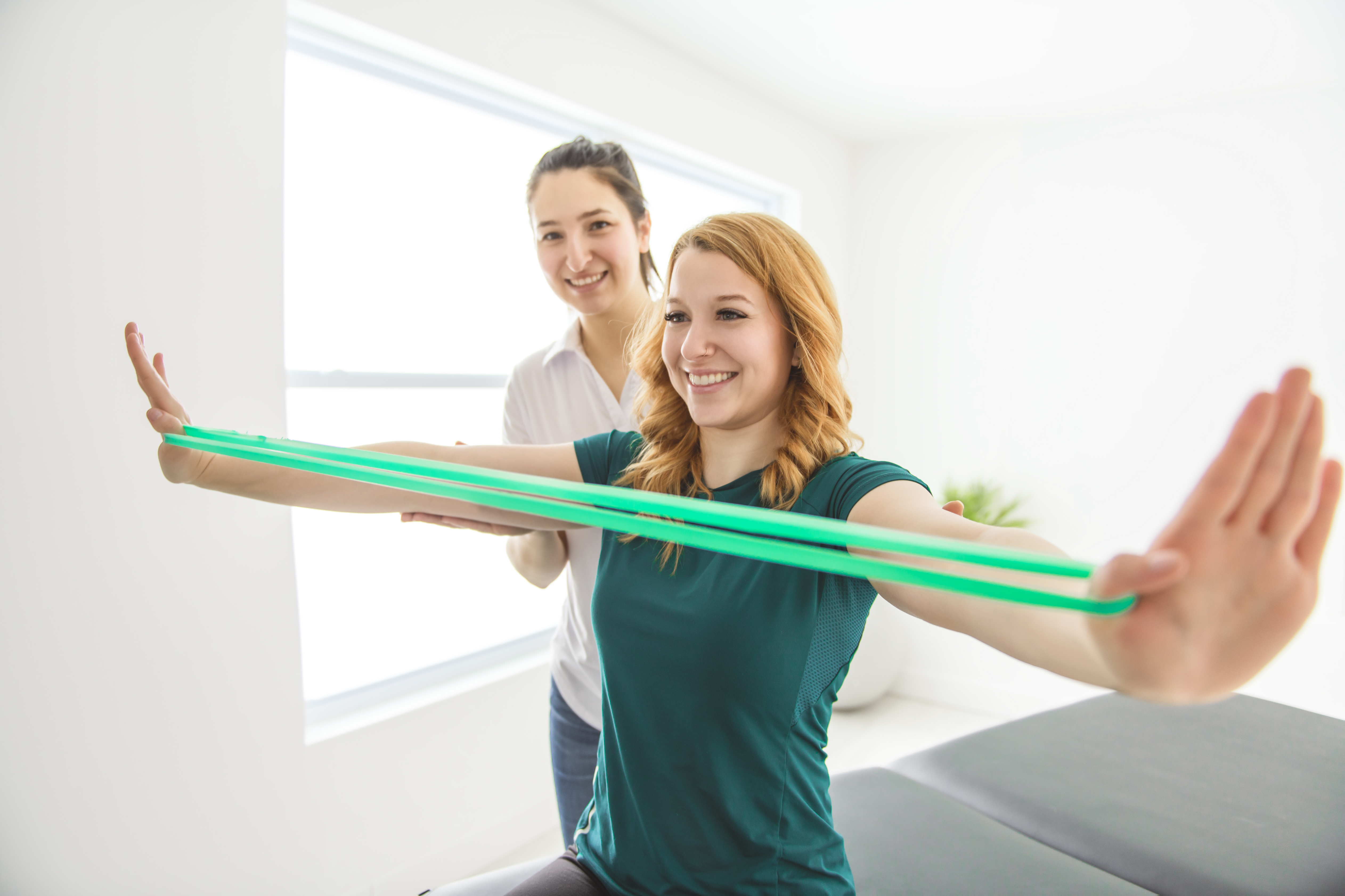
Taking steps to prevent injuries is key to staying active. Here, we'll look at various strategies you can use.
Movement Screening Port Credit
Movement screening helps identify potential problem areas in your body. It’s a proactive step to prevent injuries. Here’s why it matters:
-
Identifies weaknesses: A professional can spot areas where you might be more prone to injury.
-
Customized exercises: You'll receive tailored exercises to strengthen weak points.
-
Improves performance: Addressing these issues can help you move more efficiently.
Consider scheduling a movement screening at a local clinic to stay ahead.
Gait Analysis Mississauga
Understanding how you walk or run can prevent injuries. A gait analysis provides insights into your movement patterns:
-
Pinpoints issues: It can identify imbalances or improper techniques.
-
Custom solutions: You'll get advice on footwear or orthotics that can correct these issues.
-
Enhances comfort: Proper gait can reduce pain and improve your comfort during activities.
This analysis can be a game-changer for runners and walkers alike.
Balance and Fall Prevention Mississauga
Good balance is crucial for preventing falls, especially as we age. Here’s how to boost your balance:
-
Regular exercises: Practice balance exercises like standing on one leg or using a balance board.
-
Strength training: Building leg muscles can support better balance.
-
Professional guidance: Consider enrolling in a balance class or program in Mississauga.
Preventing falls can keep you active and independent.
Integrative Therapies for Recovery
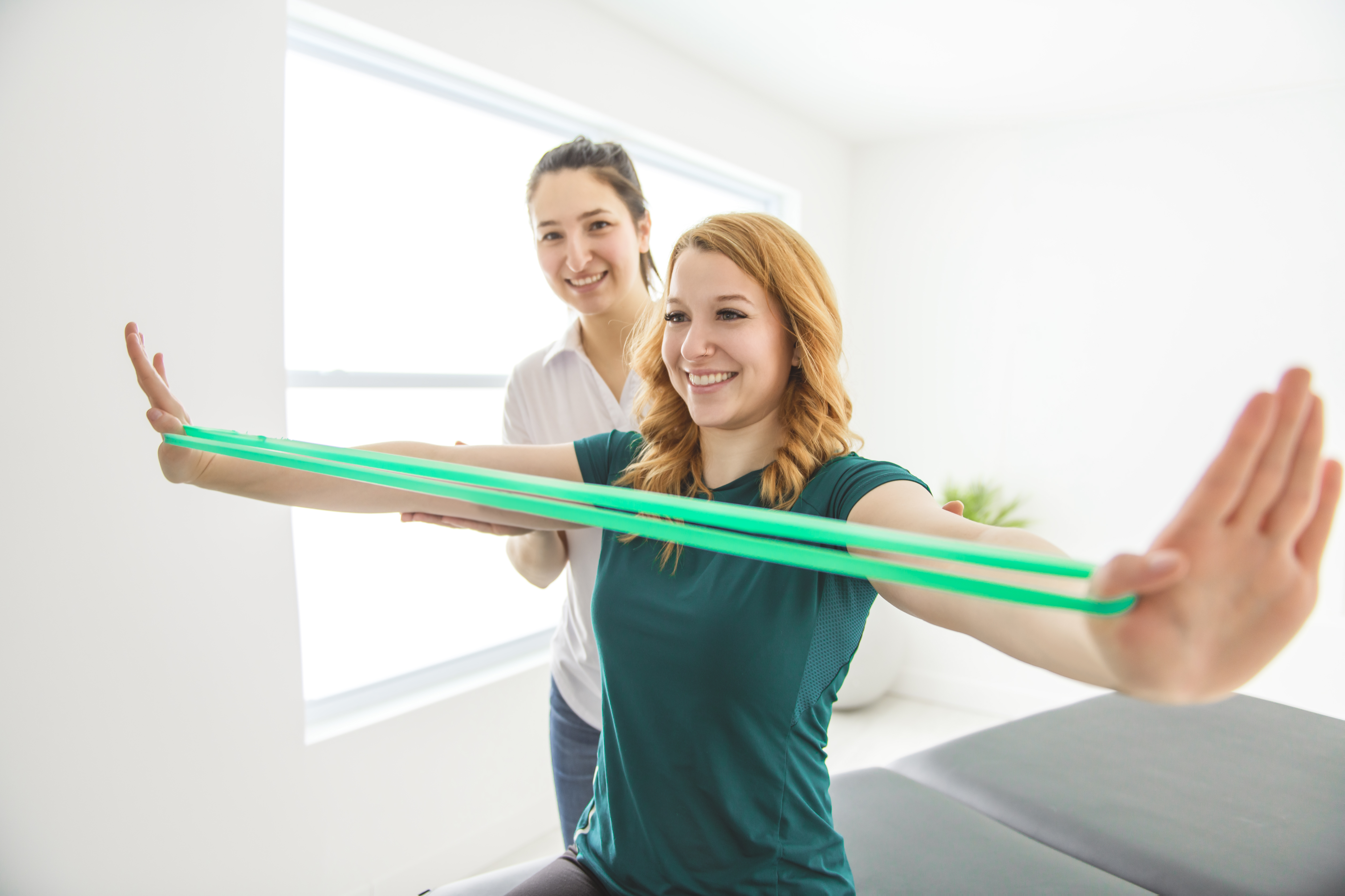
Injuries can happen despite our best efforts. When they do, integrative therapies can aid recovery.
Acupuncture for Sports Pain
Acupuncture can be an effective way to manage sports-related pain:
-
Relieves pain: By stimulating muscles and nerves, it can reduce discomfort.
-
Promotes healing: Increases blood flow to injured areas, speeding up recovery.
-
Non-invasive: Offers a natural alternative to medication.
Consider acupuncture for a holistic approach to pain relief.
Fascial Stretch Therapy Port Credit
Fascial stretch therapy can improve your flexibility and help with recovery:
-
Targets fascia: This therapy focuses on the connective tissues surrounding your muscles.
-
Improves flexibility: Regular sessions can enhance your range of motion.
-
Reduces pain: Helps alleviate tension and discomfort in your body.
This therapy could be a key element in your recovery plan.
Cold Laser Therapy Mississauga
Cold laser therapy is a modern technique to aid recovery from sports injuries:
-
Reduces inflammation: The laser targets inflamed tissue, reducing swelling.
-
Relieves pain: Many patients report a decrease in pain after treatment.
-
Speeds up healing: Stimulates cellular activity, promoting faster recovery.
This non-invasive therapy can be a powerful tool in your recovery arsenal.
In summary, staying active and injury-free in Port Credit requires a mix of prevention strategies and recovery therapies. Whether you're running, sailing, or skating, these insights can help you enjoy your activities with confidence. Keep these tips in mind to maintain your health and vitality. For more expert advice, consider reaching out to a specialist in your area.