
Port Credit Playbook: Manage Common Sports Injuries with Integrated Care
You push your limits on the Waterfront Trail or at the Port Credit Yacht Club. Then an ache or strain slows you down. Managing sports injuries isn’t just about rest; it’s about smart, integrated care that helps you recover fully. This guide shows how Port Credit physiotherapy and other therapies work together to get you moving again, stronger and safer. Learn more about preventing sports injuries here.
Understanding Common Sports Injuries
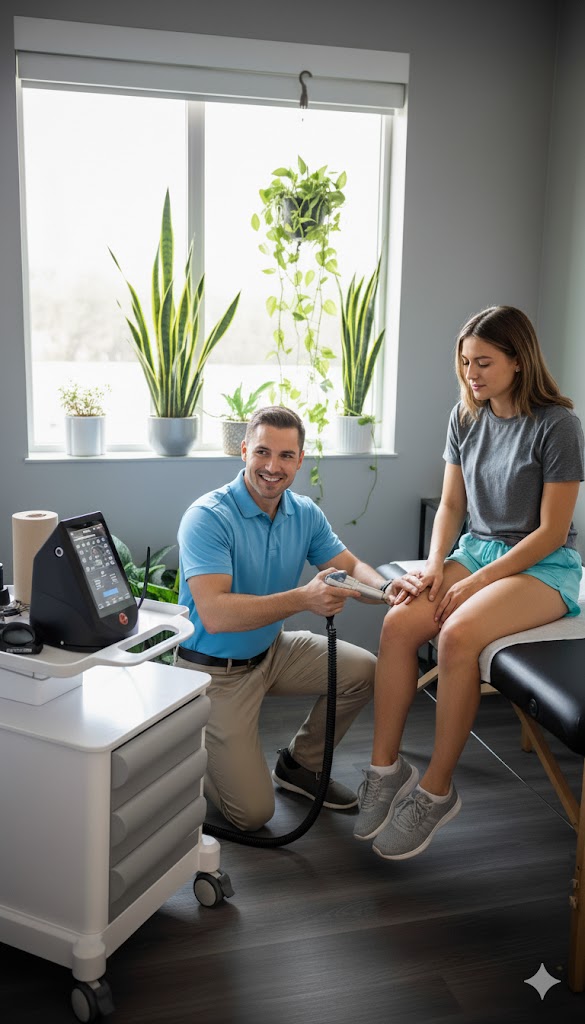
Getting back to your favourite activities starts with understanding the common injuries you might face. Recognising symptoms early can be key.
Recognising Key Symptoms
Your body often sends signals when something’s not right. Pain or swelling after exercise isn’t always normal; it might indicate a problem. If you feel a sharp twinge or persistent discomfort, it’s wise to pay attention. Many athletes experience common issues like runner’s knee or tennis elbow. Ignoring these signs can lead to bigger setbacks.
Sometimes, what seems minor might be a sign of a more serious issue. A dull ache in your heel could be Achilles tendinopathy, not just soreness. Identifying these symptoms early can help you seek timely care and avoid prolonged recovery times.
When to Seek Professional Help
Knowing when to get help can make all the difference. If pain lingers more than a few days or worsens, you should consider seeing an expert. A professional can assess your condition accurately. This is especially crucial for complex injuries, like shoulder pain or low back pain.
Consulting a professional isn’t just for serious injuries. They can provide insights into minor aches and help tailor a plan to prevent future injuries. Most people think they can self-manage with rest, but targeted care often leads to quicker recovery.
Importance of Early Intervention
Early intervention can speed up recovery and prevent further complications. When you address an injury promptly, you reduce the risk of it becoming chronic. For example, treating an ankle sprain early with proper techniques can restore strength and prevent future sprains.
Delaying treatment can lead to compensatory issues, where other body parts take on extra strain. This can cause a chain reaction of problems. Immediate care can restore your function and get you back to activities you love. Discover more about managing running injuries.
Integrated Care Solutions in Port Credit
Once you’ve identified the need for care, an integrated approach offers comprehensive support. Multiple therapies can work together for optimal recovery.
Physiotherapy and Chiropractic Benefits
Physiotherapy and chiropractic care are powerful allies in recovery. Physiotherapy focuses on strengthening and restoring mobility, using exercises and manual therapy. It’s ideal for post-surgical recovery or managing conditions like runner’s knee.
Chiropractic care can enhance spinal alignment, helping with conditions like low back pain. By improving alignment, it reduces nerve pressure and enhances nervous system function. Combining these therapies can lead to a balanced recovery plan that addresses multiple aspects of your health.
Role of Massage and Acupuncture
Massage therapy and acupuncture provide additional layers of healing. Registered massage therapy helps release muscle tension and improve circulation, aiding recovery from tennis elbow or Achilles tendinopathy.
Acupuncture can be effective for pain management and functional improvement. It targets specific points to relieve discomfort and enhance healing. Together, these therapies offer holistic support, addressing both physical tension and internal imbalances. Read more about acupuncture for sports injuries.
Advanced Therapies: Cold Laser and Cryotherapy
For advanced recovery, cold laser and cryotherapy are top choices. Cold laser therapy accelerates tissue healing and reduces inflammation, making it perfect for acute injuries. It’s a non-invasive option that offers pain relief without medication.
Cryotherapy involves exposing the body to cold temperatures, which reduces inflammation and pain. It’s particularly useful for athletes who need quick recovery from intense workouts. These therapies can be the key to swift, effective healing for stubborn injuries. Explore cold laser therapy options.
Preventive Strategies and Recovery
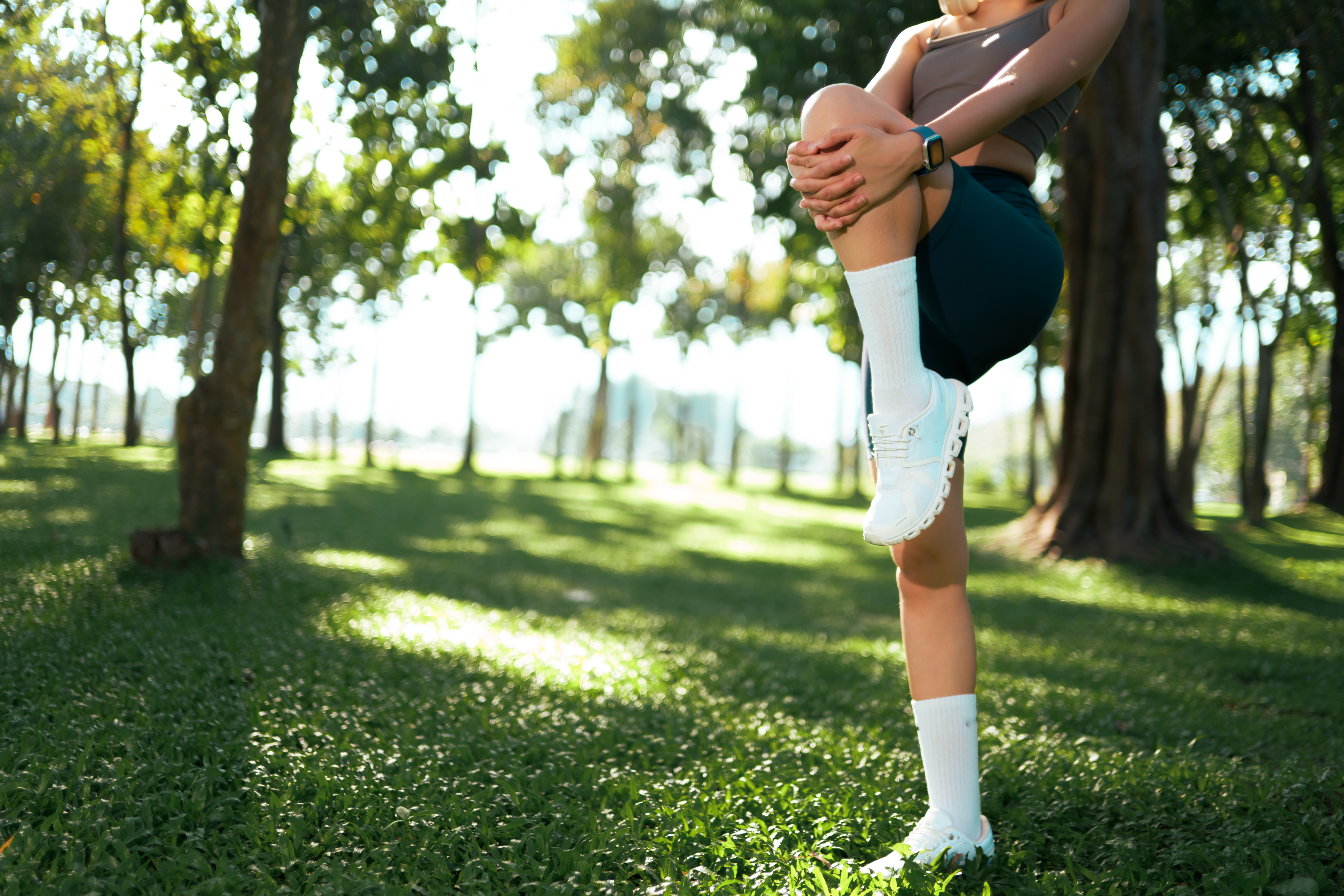
Even after recovery, maintaining an active lifestyle while preventing future injuries is crucial. Prevention is just as important as treatment.
Personalised Rehabilitation Plans
Tailored rehabilitation plans help you recover fully and prevent new injuries. These plans are based on your specific needs and goals, addressing the root causes of any issues. A personalised approach ensures that you’re not just treating symptoms but strengthening your body for the long run.
Rehabilitation can include exercises that build strength, flexibility, and balance. These are vital for avoiding future injuries and maintaining overall health. A structured plan gives you the foundation to move confidently and minimize risks.
Effective Use of Orthotics and Compression Socks
Orthotics and compression socks are simple tools that can make a big difference. Custom orthotics help correct foot mechanics and improve overall alignment. They are particularly beneficial for conditions like runner’s knee or ankle sprains.
Medical compression socks support circulation and reduce swelling, aiding recovery. They are particularly useful for athletes who spend a lot of time on their feet. Incorporating these tools into your routine can enhance your comfort and support long-term wellness.
Maintaining an Active Lifestyle Safely
Staying active is essential for health, but safety should always come first. Engage in activities that you enjoy and mix up your routine to avoid overuse injuries. It’s also important to listen to your body and rest when needed.
Adopt a routine that includes warm-ups, cool-downs, and proper hydration. A balanced approach keeps you active and reduces the risk of injuries. Remember, the longer you wait to address concerns or adopt preventive measures, the more you risk setbacks. Learn more about maintaining an active lifestyle safely.
In conclusion, managing sports injuries in Port Credit requires a proactive, integrated approach. By recognising symptoms early and seeking professional help, you can recover effectively and continue enjoying the activities you love. Remember, your journey to recovery is unique, but with the right support, you can move better and live better.