
Strengthen, Support, and Restore
Comprehensive care to relieve pain, restore function, and keep your body moving.
musculoskeletal
Port Credit
At MyHealth Care Centre in Port Credit, we specialize in musculoskeletal recovery, understanding the unique challenges that come with healing from injuries. Our compassionate team is dedicated to providing personalized support that empowers you to overcome obstacles on your road to recovery. Whether you're facing a sprain, strain, or any other musculoskeletal issue, we offer innovative therapies designed to enhance your strength and mobility. Your journey to wellness is distinct, and we are here to guide you through every phase. Explore our comprehensive approach to healing, and together, let’s restore your health and vitality right here in Port Credit.
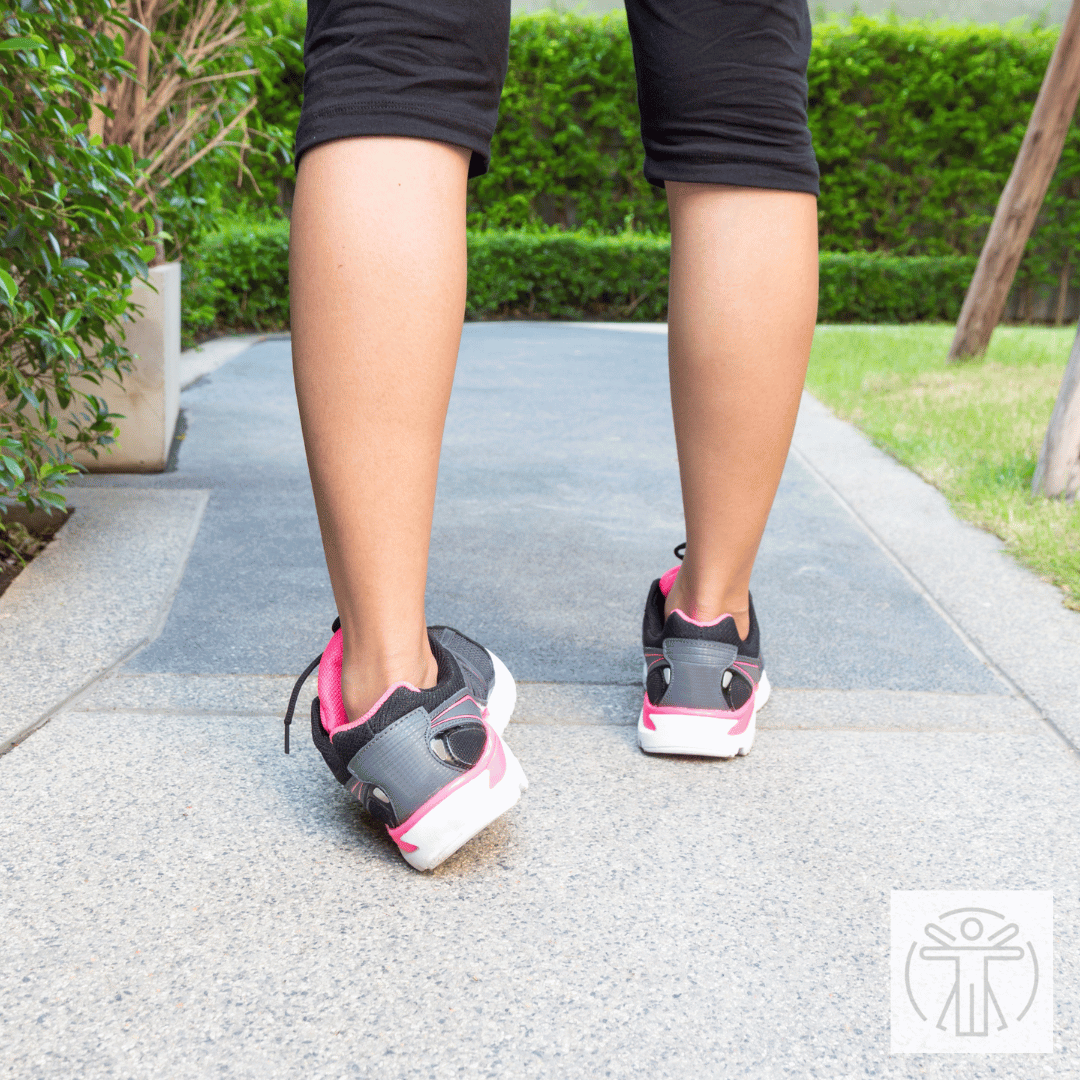
Sprains
When ligaments in your joints, like those in the ankle, wrist, or knee, get stretched or torn, it can lead to discomfort and swelling. This common issue can limit your movement, especially if you're active in areas like Port Credit where outdoor activities are plentiful.
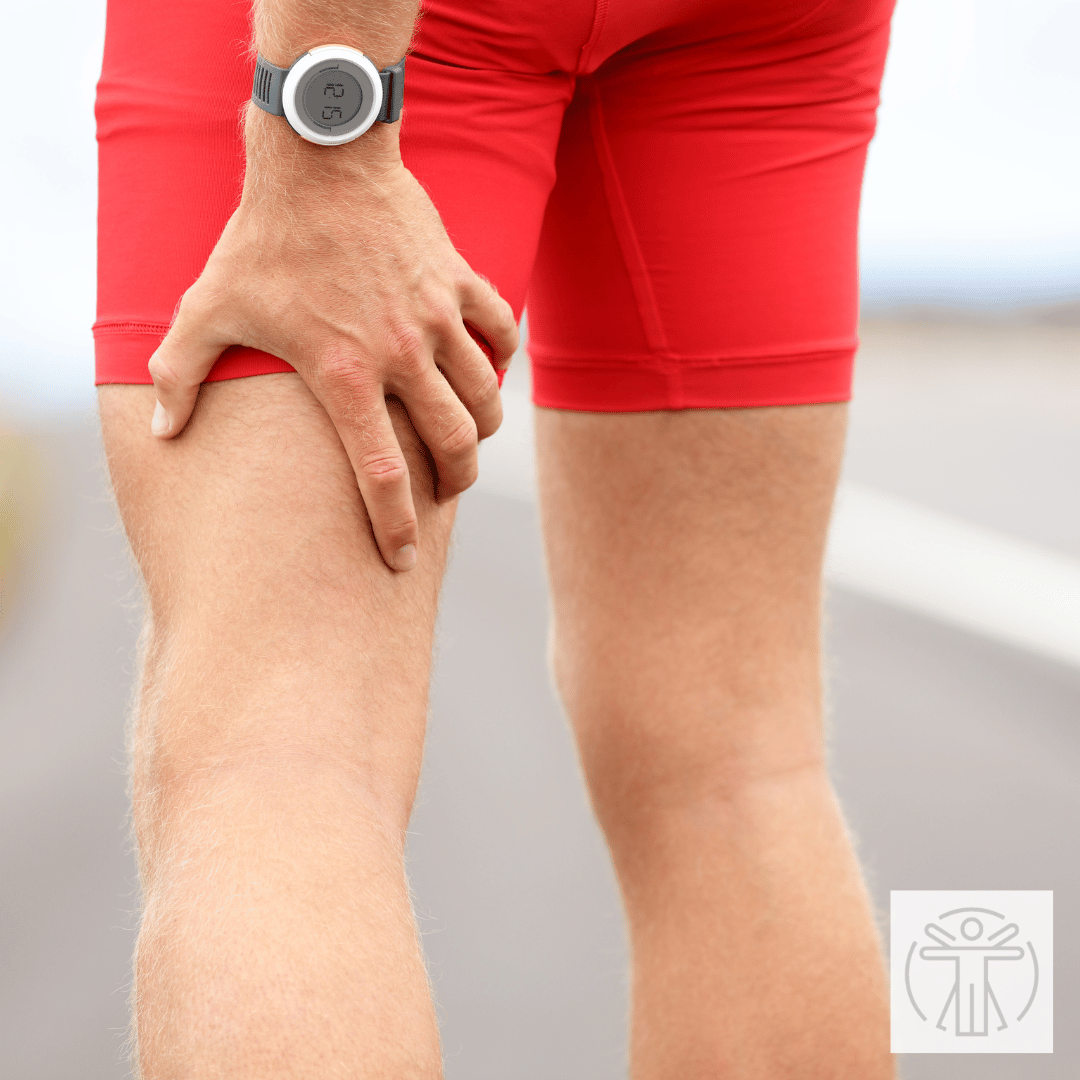
Strains
When you push your body too hard, you might experience strains, which occur when muscles or tendons around your joints get overstretched or torn. This can lead to discomfort, stiffness, and a noticeable decrease in strength, especially if you're active in areas like Port Credit where outdoor activities are abundant.
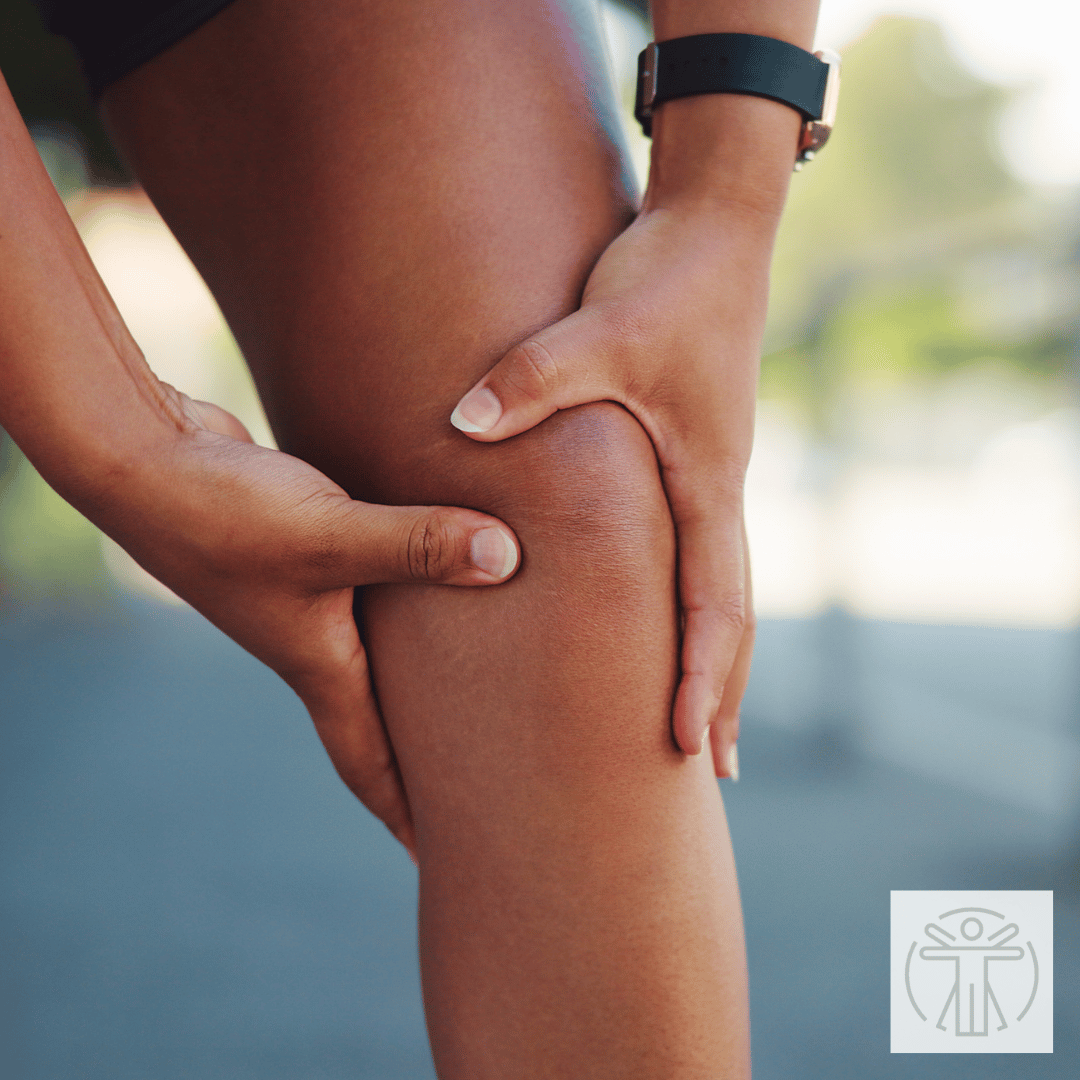
Joint Injuries
Joint injuries can be quite debilitating, often resulting from dislocations, cartilage tears, or other structural problems. Whether it's your shoulders, knees, hips, or elbows, these issues can arise unexpectedly, even in active communities like Port Credit. It's essential to recognize the signs and seek appropriate care to ensure a swift recovery.
Dislocations
A dislocation occurs when a joint is forced out of its normal position, often due to a fall or sudden impact. This can lead to surrounding tissues becoming stretched or torn, resulting in pain and instability. In Port Credit, we focus on guided rehabilitation and strengthening exercises to help the joint recover and reduce the risk of future injuries.
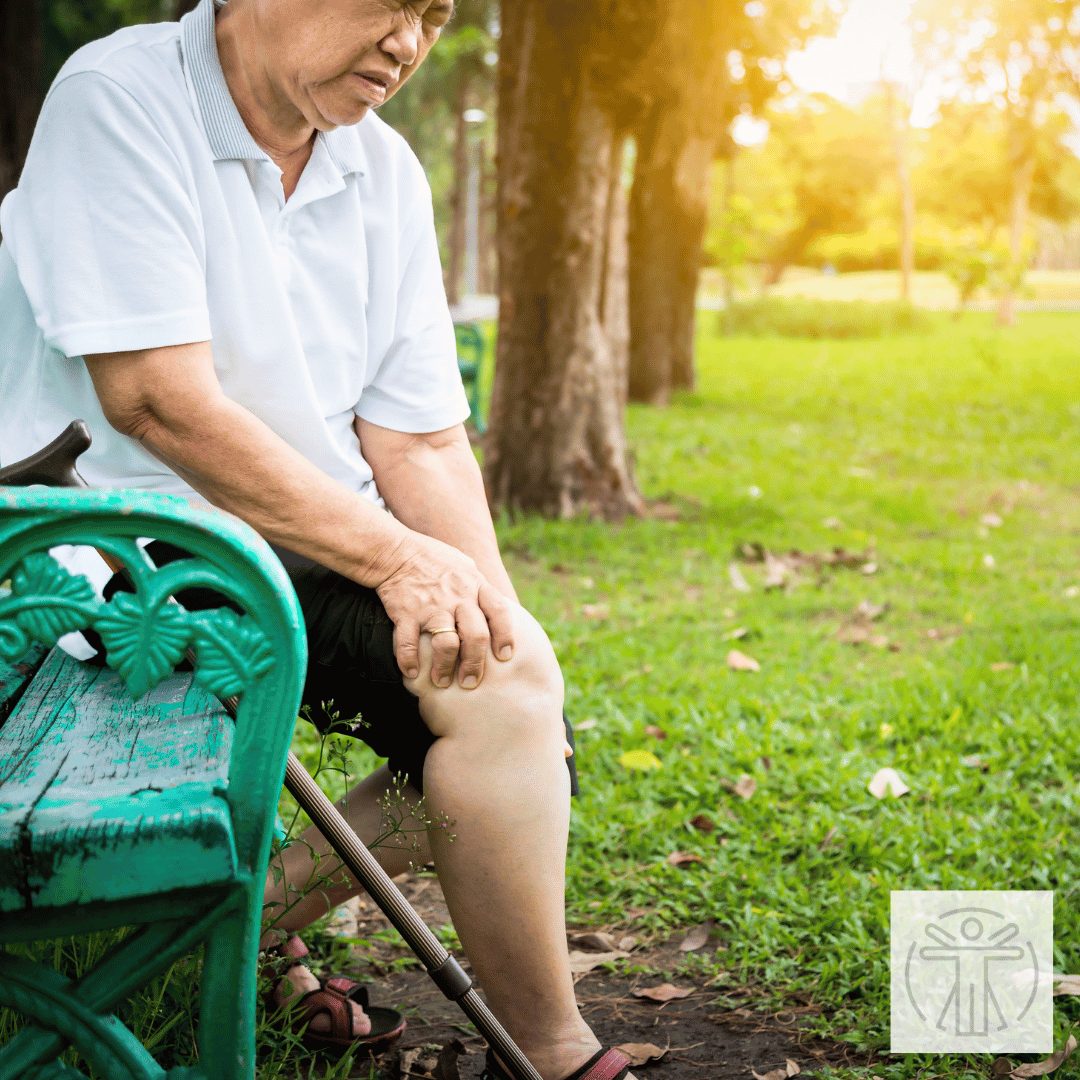
Tendinitis
Tendinitis is the irritation of a tendon that often arises from overuse or poor movement patterns. This condition leads to soreness, tenderness, and stiffness during activities. In Port Credit, early care through gentle mobility work, soft-tissue therapy, and progressive strengthening can effectively calm the tendon and support long-term recovery.
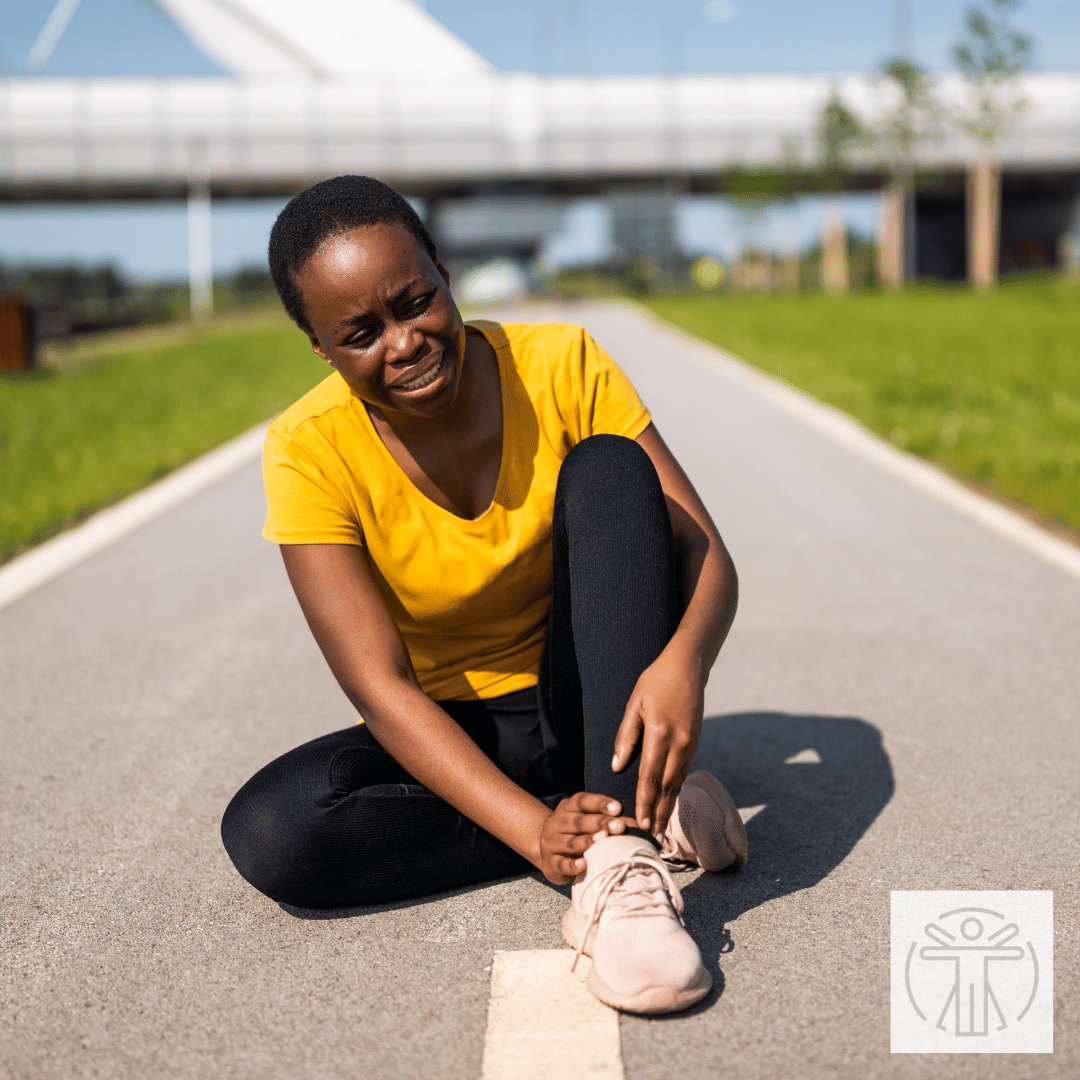
Bursitis
Bursitis is a condition characterized by the inflammation of the small fluid-filled sacs known as bursae, which serve to cushion our joints. This inflammation can lead to discomfort, swelling, and challenges in joint movement, making everyday activities a bit more difficult, especially for those active in Port Credit.
Find Us
Where
137 Queen St East
Port Credit, ON L5G1N1
When
Weekdays
10am - 7pm
What is considered a musculoskeletal injury (MSKI) in Ontario?
In Ontario, a musculoskeletal injury involves damage to muscles, tendons, ligaments, joints, nerves, or soft tissue such as sprains, strains, tendonitis or bursitis commonly affecting the back, shoulders, neck, elbows or wrists.
What kind of therapies are included in a rehab program for MSKIs?
Rehab for musculoskeletal injuries typically involves manual therapy, therapeutic exercise, education on movement and posture, pain‑management strategies, and activity modification to restore function and prevent re‑injury.
Will my treatments be covered if my injury is work‑related?
If your injury is work‑related and reported correctly, programs like the Workplace Safety and Insurance Board (WSIB) Musculoskeletal Program of Care apply. This ensures early, evidence‑based rehab under structured care guidelines.
How can I tell if I need professional rehabilitation for my injury?
If you experience persistent pain, reduced range of motion, swelling, weakness or difficulty performing daily tasks (even after a few days of rest), these are signs you could benefit from early assessment and rehab to prevent chronic issues.
Who is at risk for musculoskeletal disorders?
People who perform repetitive tasks, lift heavy objects, sit for long periods, or have physically demanding jobs may be at higher risk. Age and previous injuries can also increase the likelihood.
How can I prevent long‑term problems or recurrence after an MSKI?
Preventive measures include following your rehab plan, gradually returning to full activity, addressing biomechanical issues (posture, ergonomics, movement patterns), and engaging in maintenance exercises or strategies to reduce stress on the injured structures.
When should I see a healthcare professional?
You should seek medical advice if you experience persistent pain, swelling, numbness, or difficulty moving joints or muscles that does not improve with rest.
What are the common symptoms of musculoskeletal disorders?
Symptoms may include muscle pain, joint stiffness, swelling, numbness, weakness, and reduced range of motion. The symptoms may be temporary or chronic depending on the condition.
How long will my recovery take, and how many sessions of rehab might I need?
Recovery time varies based on severity, location and personal health. Minor sprains may improve in weeks, while more complex or multi‑zone injuries can require months of structured rehab. Early intervention improves outcomes.
What causes musculoskeletal problems?
They can be caused by injuries, repetitive movements, poor posture, aging, or overuse of muscles and joints. Certain health conditions and physical strain from work or sports may also contribute.
Chiropractic
Physiotherapy
Massage
Acupuncture
Cold Laser
Cryotherapy
Custom Orthotic
Medical Socks
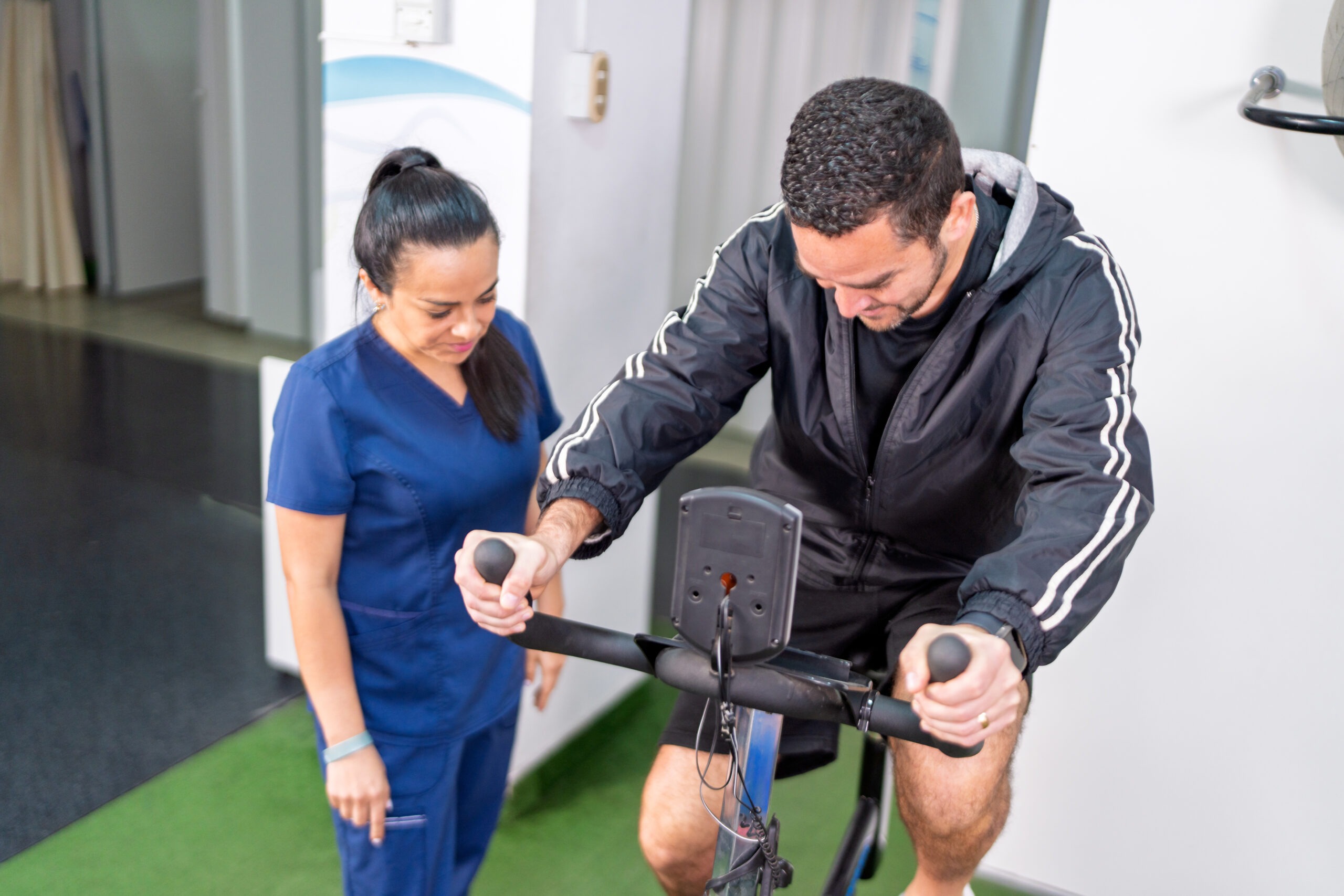
Why Integrated, Multi‑Disciplinary Care in Port Credit Delivers Superior Outcomes for Musculoskeletal Injuries
MyHealth Care Centre in Port Credit offers integrated, multi-disciplinary care—combining physiotherapy, chiropractic, massage, and more—to speed musculoskeletal injury recovery, reduce re-injury risk, and empower personalized health management.

Know More, Move Better: Patient Education for Chronic Musculoskeletal Pain in Port Credit
MyHealth Care Centre in Port Credit offers integrated, evidence-based care for chronic musculoskeletal pain, emphasizing patient education, pacing, posture, and personalized therapies to improve mobility and reduce pain.
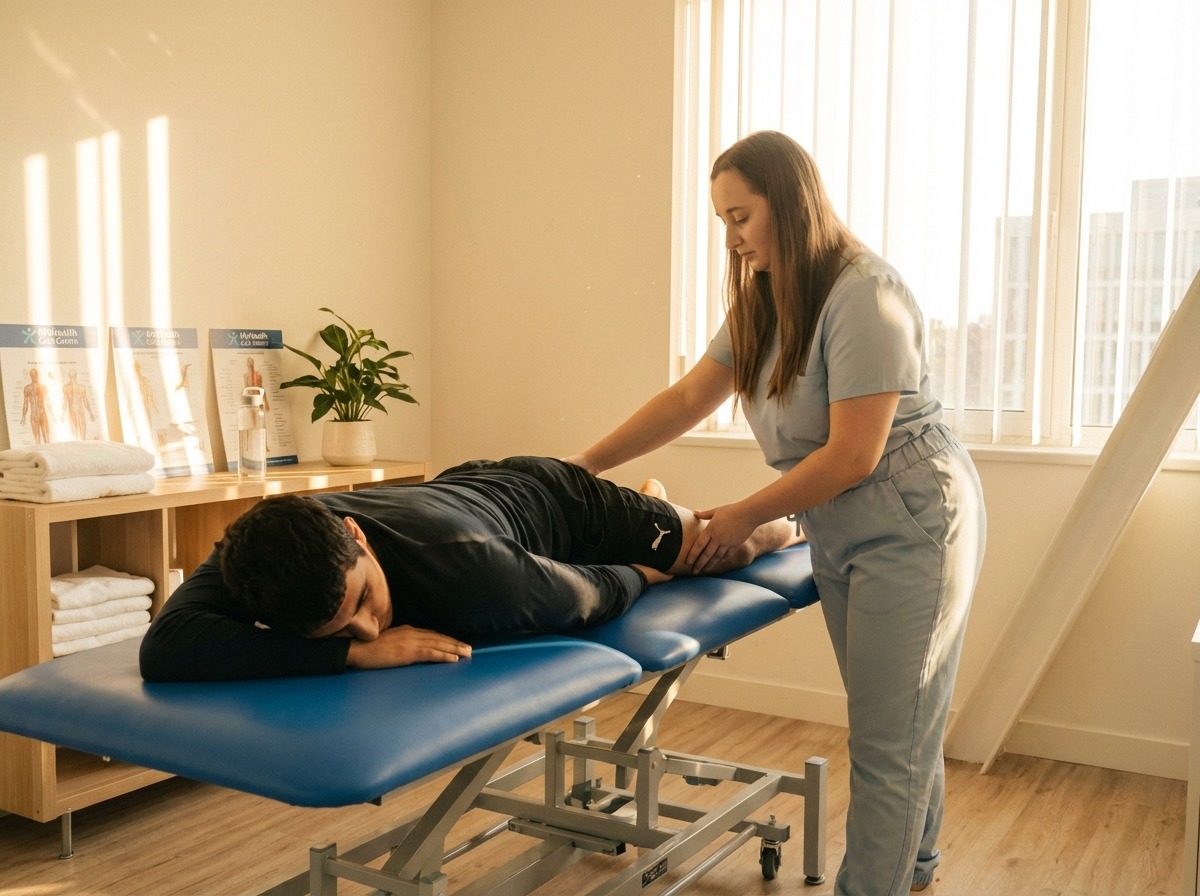
Musculoskeletal health, the holistic way: Why integrated care at Port Credit matters
MyHealth Care Centre in Port Credit offers integrated musculoskeletal care combining physiotherapy, chiropractic, massage, acupuncture, and advanced therapies for faster recovery, injury prevention, and personalized treatment.
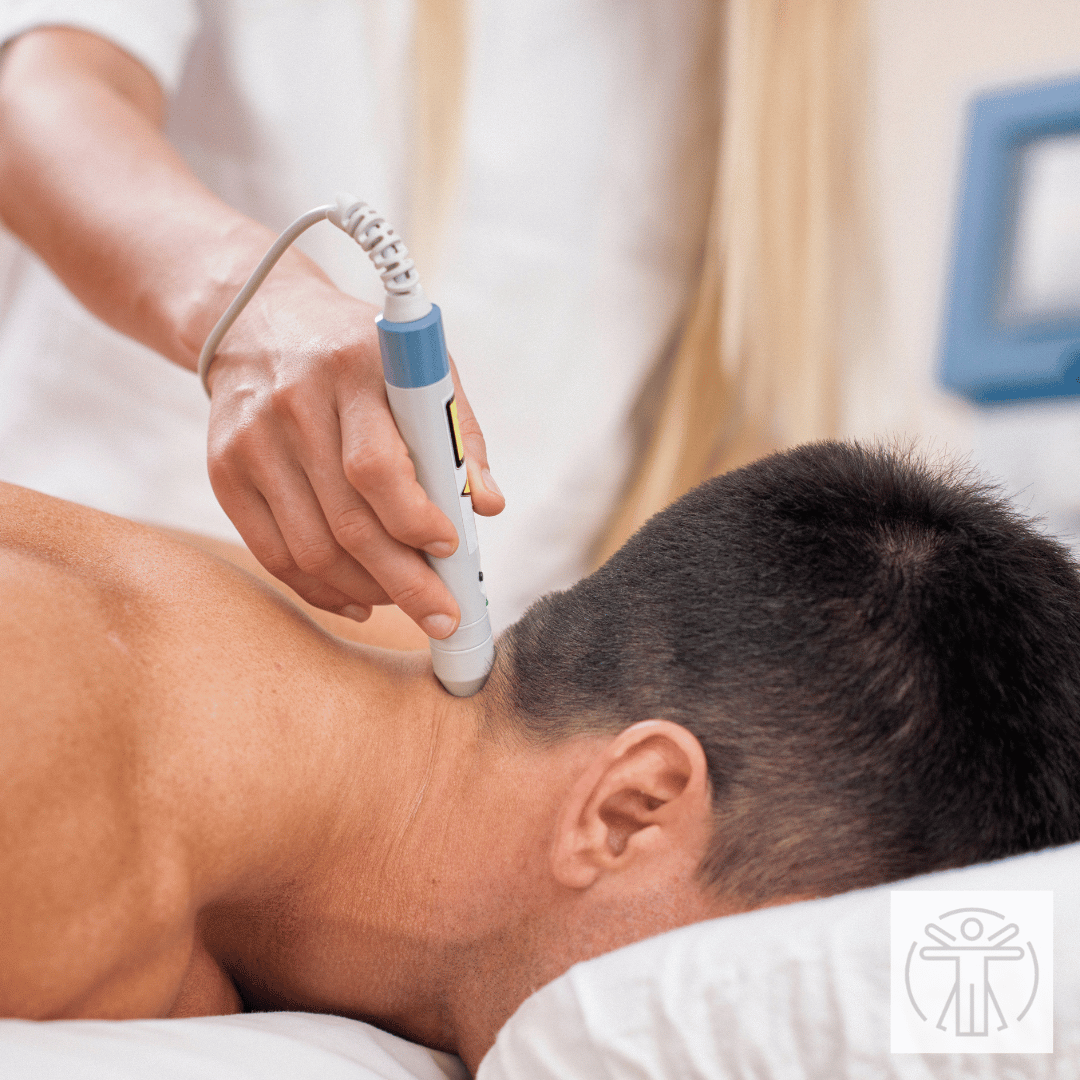
Why integrated care delivers superior musculoskeletal recovery in Port Credit
MyHealth Care Centre in Port Credit offers integrated musculoskeletal care combining physiotherapy, chiropractic, massage, and acupuncture for faster recovery, reduced relapse, and personalized treatment.

Understanding Your Body Mechanics: The Key to Injury Prevention
Proper body mechanics prevent injuries by promoting awareness of movement habits, posture, and physical connections. MyHealth Care Centre offers physiotherapy, chiropractic care, massage, and acupuncture to support lasting wellness.

Blog
137 Queen St East, ON L5G 1N1
(905) 271-9333
info@myhealth.ca