
Musculoskeletal Health, the Holistic Way: Why Integrated Care at Port Credit Matters
Musculoskeletal pain slows you down—that ache in your back or that nagging knee pain won’t just disappear on its own. At MyHealth Care Centre, our integrated health clinic in Port Credit brings together physiotherapy, chiropractic, massage, acupuncture, and more under one roof. This team approach helps you recover faster, reduce pain, and avoid repeat injuries so you can keep moving with confidence. Ready to take the first step? Learn more about the benefits of integrated care here.
Integrated Care for Active Adults
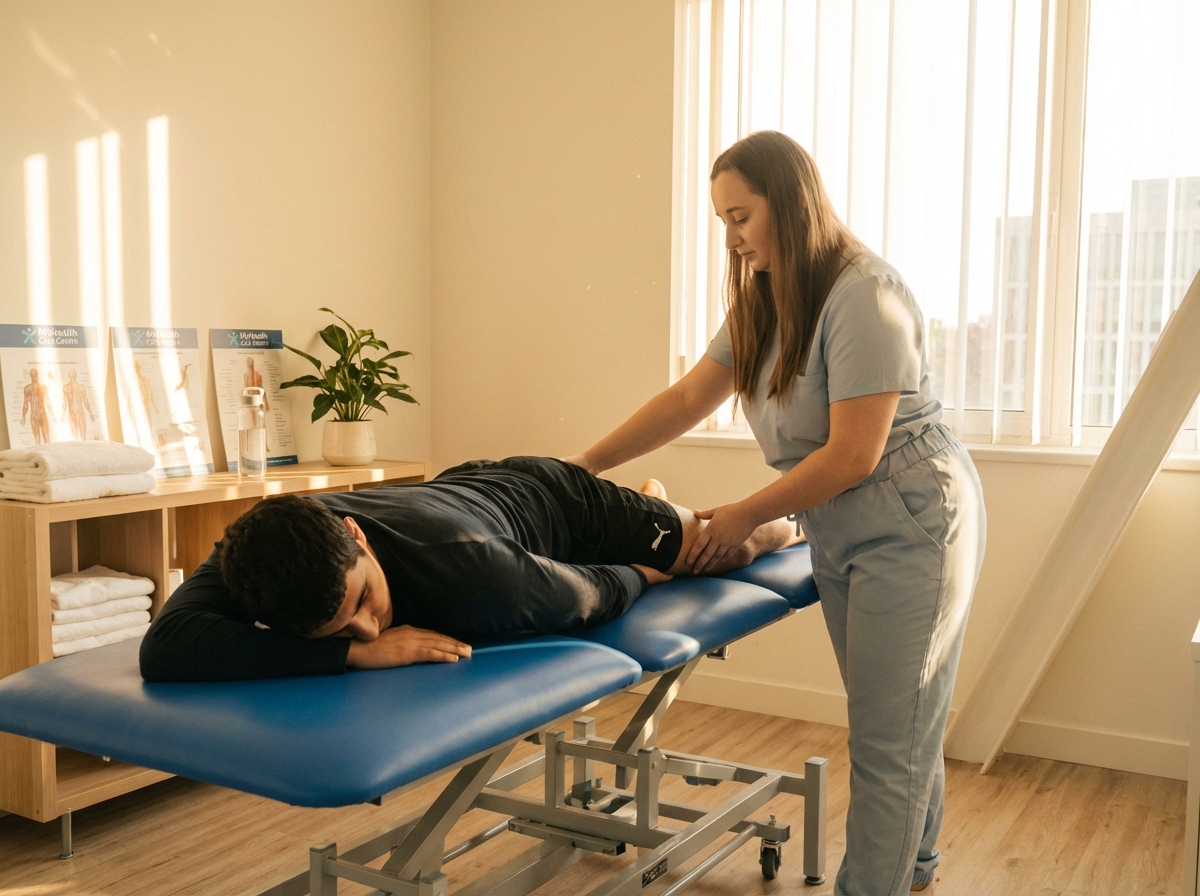
Musculoskeletal issues can be a real hurdle in your active life. Our integrated care approach at MyHealth Care Centre ensures a quicker recovery and lasting relief.
Speeding Recovery and Reducing Pain
When you’re in pain, you want relief fast. Our team combines physiotherapy and chiropractic to target the root of your discomfort. This isn’t just about easing symptoms. It’s about getting you back to your favourite activities. Imagine experiencing a marked improvement after just a few sessions. Port Credit physiotherapy offers precisely this kind of relief. With dedicated care, you’re not only addressing current pain but also setting the stage for improved future mobility.
Preventing Re-Injury with Multidisciplinary Care
Avoiding re-injury is crucial for maintaining an active lifestyle. Our multidisciplinary approach brings together experts from various fields to create a comprehensive plan tailored to you. Regular sessions with our Mississauga physiotherapists focus on strengthening and stabilizing the areas most at risk. By addressing potential weaknesses now, you can prevent injuries later. Most people think simple rest is enough, but proactive care makes a significant difference.
Personalised Treatment Plans for Active Lifestyles
Every person has unique needs. Our personalised treatment plans reflect this, catering to your lifestyle and goals. Whether you’re a runner or a sailor, we ensure your plan supports your activities. Our practitioners assess your movements and craft a strategy that targets improvement where it matters most. Here’s the key insight: a general approach won’t cut it for active adults. Tailored plans are where real progress happens.
Collaborative Approach at MyHealth Care Centre

This section delves into how collaboration is key to optimal recovery. Our centre thrives on teamwork, ensuring you receive the best care possible.
Co-ordinated Physiotherapy and Chiropractic
Our chiropractic and physiotherapy services work hand in hand. While chiropractic adjustments focus on alignment, physiotherapy builds strength and flexibility. This balance is essential for comprehensive recovery. Imagine your body as a puzzle. Each piece, when aligned and strengthened, contributes to a healthier whole. This method not only improves current issues but also fortifies you against future setbacks.
Registered Massage Therapy and Acupuncture
Massage therapy and acupuncture complement our other services perfectly. Registered massage therapy in Mississauga relieves muscle tension, while acupuncture enhances healing. Both treatments promote relaxation and improve circulation. These therapies support your body’s natural healing processes. By integrating them, we ensure you receive holistic care that addresses both physical and mental well-being.
Advanced Modalities and Tailored Exercises
Our clinic offers advanced treatments like cold laser therapy in Mississauga and cryotherapy in Port Credit. These modalities accelerate tissue repair and reduce inflammation. Alongside, we provide tailored exercises that strengthen and stabilize. These exercises are not generic. They are crafted specifically for your needs, ensuring effectiveness and safety. This approach empowers you to take control of your health journey.
Local Activity-Specific Strategies

Focusing on local activities, we offer strategies that ensure you can continue enjoying what you love, pain-free.
Warm-Up and Recovery for Runners and Sailors
Running and sailing demand a lot from your body. Proper warm-ups and recovery routines are vital. We provide the tools you need to protect yourself from the strains of these activities. Our guidance on injury prevention strategies ensures you stay on track. Remember, the longer you wait to adopt these habits, the more you risk injury. Start today to safeguard your future.
Injury Prevention for Skaters and Gym-Goers
Skaters and gym enthusiasts face unique challenges. Our plans address the specific risks involved. Our sports injury clinic in Port Credit focuses on preventing common injuries through targeted exercises and techniques. This proactive stance not only keeps you safe but also enhances your performance. Think of it as an investment in your active future.
Effective Self-Care Tips and Techniques
Self-care is an essential part of any health plan. We teach you techniques that you can use daily. These tips range from simple stretches to more advanced self-massage practices. By integrating them into your routine, you enhance your body’s resilience. Here’s the takeaway: effective self-care is a game-changer in maintaining your active lifestyle without pain.