
Fall‑prevention strategies for older adults: building stability and confidence every day
Falls can sneak up on anyone, especially as we get older. Losing balance just once can shake your confidence and limit the activities you love around Port Credit. That’s why practical fall prevention strategies matter—they help you stay steady and active every day. In this post, you’ll find straightforward tips and learn how MyHealth Care Centre’s Balance & Fall‑Prevention programme supports your strength and confidence on every step. For more information on falls and prevention, have a look at this resource.
Everyday Fall Prevention Tips
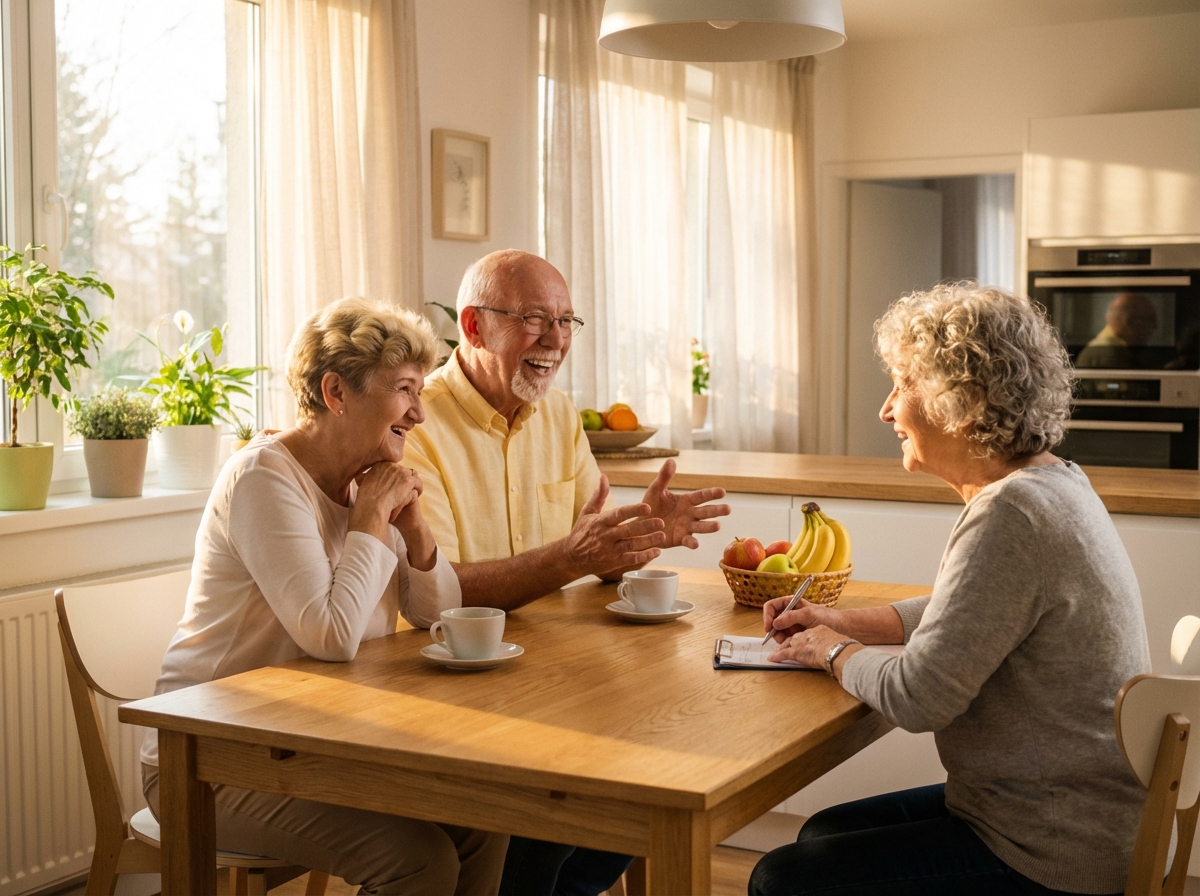
Staying sure-footed is crucial for enjoying life fully. Here’s how to safeguard your steps at home and beyond.
Simple Home Safety Checks
Start by making your home a safe haven. Check your living space to spot areas where falls might occur. Remove rugs that slide easily. Install grab bars in the bathroom—these are simple fixes that can make a big difference. Ensure your home is well-lit, especially in hallways and staircases. Bright lights can help you see obstacles clearly, making each step safer.
Look at your furniture arrangement. Are there open pathways? Keep walkways clear to reduce tripping hazards. Consider furniture edges too—they should not block your path. By ensuring easy movement around your home, you're taking a major step towards preventing falls. For more tips on fall prevention at home, check out this guide.
Balance Training Techniques
Next, let’s focus on balance. Simple techniques can boost your stability. Try standing on one leg while brushing your teeth. It's a quick and effective way to improve your balance daily. Balance training doesn’t have to be complex. Incorporate short exercises into your routine. For example, practice walking heel-to-toe across a room.
Joining a local class can also enhance your balance. Many community centres offer classes designed for older adults. These sessions are fun and provide great social interaction. Remember, consistent practice is key. Regular balance exercises can help you feel more confident on your feet. Explore more exercises here.
Strength and Balance Exercises
Strength and balance go hand-in-hand. Stronger muscles support better balance. Focus on exercises that target your legs and core. Simple squats and seated leg lifts can help. Aim to do these exercises a few times a week.
Don’t forget flexibility. Stretching improves your range of motion, making movements smoother and safer. Try gentle yoga or tai chi, which are excellent for building strength and balance. These activities not only support physical health but also calm your mind, enhancing overall well-being. For more strategies, visit this helpful resource.
Integrated Healthcare Solutions
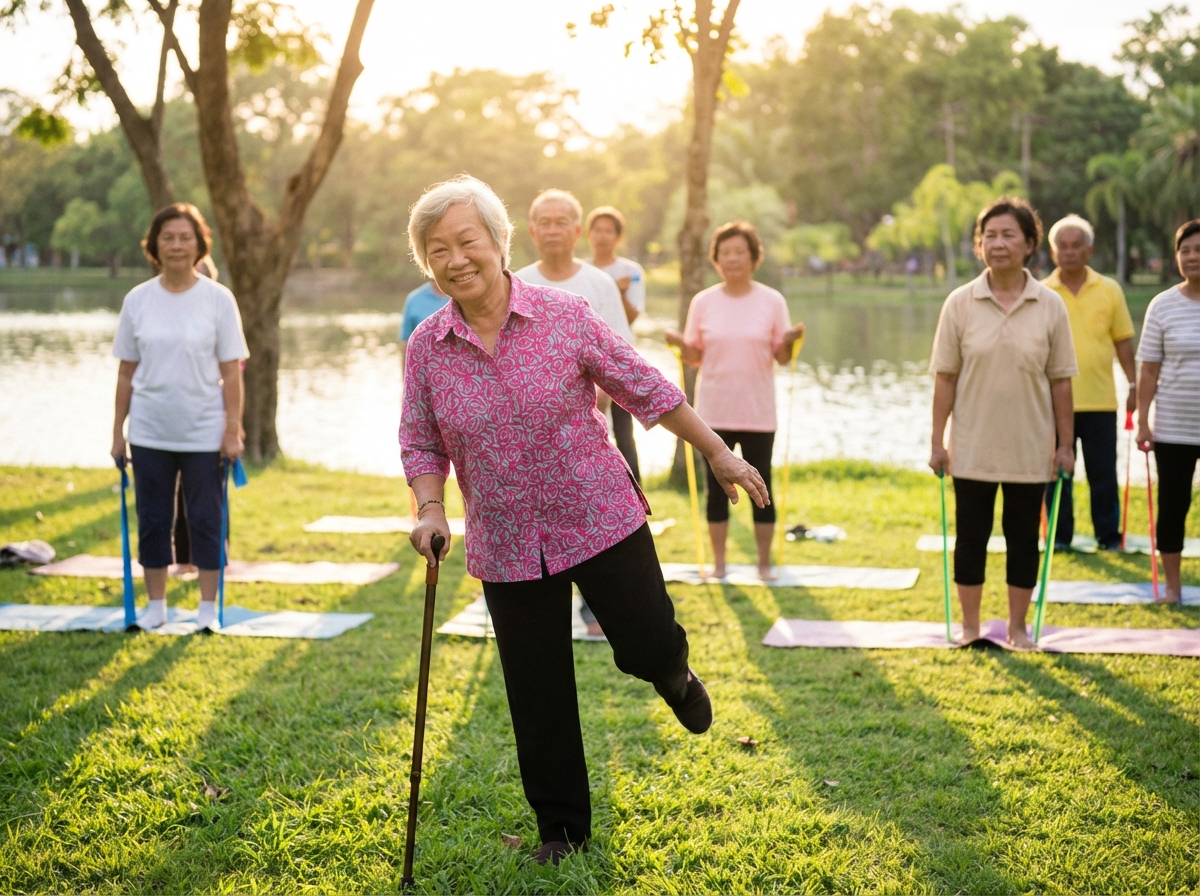
Sometimes, home routines need a boost. Integrated care offers personalised support that goes beyond DIY efforts.
Physiotherapy for Older Adults
Physiotherapy can be a game changer. It’s tailored to your needs, addressing weaknesses and imbalances that may lead to falls. Physiotherapists assess your movement patterns and create a plan that strengthens and stabilises. They guide you through exercises that improve balance and coordination, crucial for preventing falls.
Through physiotherapy, you learn exercises to do at home. It's about empowering you with skills to maintain independence. This personalised care helps you regain confidence in your mobility. For more information on how physiotherapy aids older adults, visit our Port Credit physiotherapy clinic.
Chiropractic for Balance
Chiropractic care goes beyond back adjustments. It’s effective for enhancing balance and preventing falls. Chiropractors focus on aligning the body, which improves nerve function and movement efficiency. Regular adjustments can lead to better posture and stability.
If you experience dizziness or imbalance, chiropractic care might help. It’s a holistic approach that aligns your body, promoting improved balance and well-being. Engaging in regular chiropractic visits ensures ongoing support for your balance needs.
Massage Therapy for Mobility
Massage therapy isn’t just for relaxation. It plays a crucial role in maintaining mobility. Regular massage sessions help alleviate muscle tension and improve circulation. This keeps your muscles flexible and reduces stiffness, which is essential for balance.
Therapists can target specific areas that affect stability, like the lower back or legs. Massage therapy complements other treatments, offering a comprehensive approach to fall prevention. It’s a soothing way to support your active lifestyle and stay mobile.
Booking Your Assessment
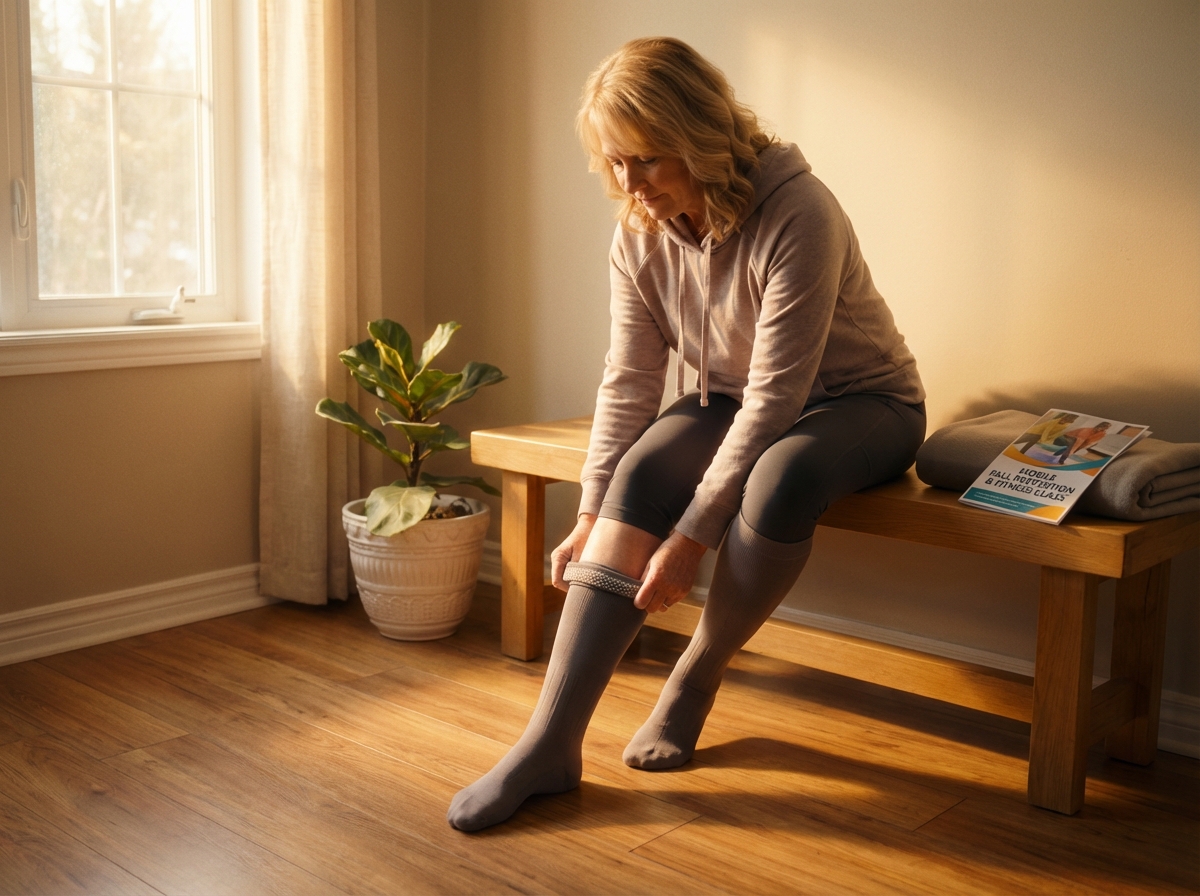
Knowing your risk is half the battle. A professional assessment can uncover hidden areas of concern, so you can address them head-on.
Fall-Risk Assessment Port Credit
A fall-risk assessment evaluates your likelihood of falling. It’s thorough, examining factors like muscle strength, joint mobility, and balance. At MyHealth Care Centre, our experts provide detailed assessments, offering insights on how to improve your stability.
This assessment is crucial for personalising your fall-prevention plan. It identifies specific areas to target, ensuring you receive the most effective care. Knowing your risks helps you take proactive steps towards prevention.
Complimentary Balance and Footwear Check
Your footwear might be affecting your balance. That’s why a complimentary balance and footwear check is invaluable. Our team assesses your shoes and suggests modifications or alternatives that support better balance.
Proper footwear is a simple yet effective way to prevent falls. By choosing the right shoes, you enhance your stability and confidence. It’s a small change that offers a big impact on your daily life.
In summary, fall prevention is a continuous journey. Simple home changes, consistent exercises, and professional care form a robust strategy to keep you steady. At MyHealth Care Centre, we’re committed to supporting your journey to stability and confidence. Prioritise your safety today—implement these tips and seek personalised care to move better and live better.