
is Cold Laser therapy safe? A 2026 Evidence‑Based Guide to Phot biomodulation and Side Effects
Cold laser therapy, or low-level laser therapy (LLLT), is increasingly recognised as a beneficial treatment for a variety of health conditions. Its application not only aids in pain relief but also promotes healing at a cellular level, making it a valuable addition to modern medical practices.
Understanding the safety aspects of cold laser therapy is pivotal for both practitioners and patients. Comprehensive research conducted from 2016 to 2025 has provided insights into its efficacy and safety profile, allowing for informed decision-making regarding treatments.
In subsequent sections, we will delve deeper into specific applications of cold laser therapy, highlighting real-life case studies that illustrate its effectiveness in various conditions, enhancing understanding among patients and healthcare providers alike.
Further to this, we will explore the science behind photobiomodulation, which underpins the mechanisms of cold laser therapy, elucidating how it stimulates cellular processes to facilitate faster healing and recovery.
Cold laser therapy has proven particularly valuable in rehabilitation settings, illustrating significant benefits for patients recovering from injuries or surgical procedures. Notable outcomes include reduced pain, increased mobility, and enhanced healing times.
Recent advancements in technology have also contributed to the improved safety and efficacy of cold laser therapy, reinforcing its role as a trustworthy treatment option that complements traditional medical practices.
Cold laser therapy has gained popularity for managing pain and speeding recovery, but you’re probably wondering: is it safe? Recent research from 2016 to 2025, including systematic reviews and randomised controlled trials, offers clear answers. This guide breaks down what the latest photobiomodulation studies reveal about side effects and safety precautions, so you can feel confident making choices for your recovery in Port Credit and Mississauga. Learn more here
Understanding the nuances of this therapy can significantly enhance your recovery process. In the following sections, we will explore various aspects, including its applications, the science behind it, and patient testimonials that highlight its effectiveness. This comprehensive approach aims to demystify the therapy and help you make informed decisions regarding your treatment options.
Continued research is essential to further explore the long-term effects of cold laser therapy. Understanding how it interacts with various types of tissue and conditions will help refine treatment protocols for optimal patient care.
A key finding from recent studies indicates that patients often experience sustained benefits following a series of cold laser treatments, which can lead to a significant reduction in reliance on pain medications over time.
Furthermore, clinical trials have begun to investigate the applications of cold laser therapy for chronic conditions, expanding its potential impact across a broader spectrum of patient needs.
In conjunction with other therapeutic interventions, cold laser therapy can facilitate a comprehensive treatment approach, addressing not only pain but also the underlying issues that contribute to chronic health conditions.
The Benefits of cold laser therapy
Systematic reviews and meta-analyses have consistently shown that cold laser therapy is generally safe for most patients, with adverse effects being rare and typically mild, such as transient skin irritation.
Practitioners are urged to conduct thorough assessments prior to treatment to identify any potential contraindications, ensuring that each patient receives tailored and safe care.
Through patient education, individuals can make informed decisions about their treatment options, understanding both the benefits and limitations of cold laser therapy in their recovery journey.
Alongside regular monitoring of treatment outcomes, maintaining communication with patients helps practitioners adapt strategies to optimise effectiveness and satisfaction.
Practitioners are encouraged to stay abreast of the latest research and evolving techniques in cold laser therapy to continually enhance treatment protocols and patient outcomes.
As the understanding of cold laser therapy progresses, the emphasis on evidence-based practice ensures that patients receive care that is not only effective but also grounded in scientific research.
Investing in professional development and training for practitioners can lead to better implementation of cold laser therapy techniques, resulting in improved patient care and therapeutic outcomes.
As clinics seek to integrate cold laser therapy into their service offerings, clear guidelines and procedures ensure that patients receive the highest standard of care.
This therapy is not only effective for pain relief but also plays a crucial role in rehabilitation settings. It aids in improving blood flow, reducing inflammation, and enhancing cellular repair processes, which are essential for patients recovering from injuries or surgeries. As we delve deeper, we will examine case studies that illustrate successful treatment outcomes.
Understanding Cold Laser Therapy Safety
Monitoring the effectiveness of treatments through patient feedback and clinical assessments is critical to refining protocols and ensuring optimal outcomes in therapy.
As practitioners and patients collaborate towards common health goals, the role of cold laser therapy can be maximised, creating a pathway for enhanced recovery and well-being.

With ongoing research and the integration of cold laser therapy into holistic treatment plans, patients can benefit from a comprehensive approach to managing their health challenges.
Let's dive into recent research to understand its safety. Studies from 2016 to 2025 provide a comprehensive view of its effects and safety measures.
Understanding the importance of patient safety, particularly regarding contraindications and potential risks, fosters a culture of diligence and care in the application of cold laser therapy.
Ultimately, the positive testimonials from patients highlight the transformative potential of cold laser therapy, encouraging its adoption in diverse clinical settings.
By incorporating cold laser therapy alongside traditional rehabilitation methods, patients often experience enhanced outcomes, demonstrating the benefits of integrative approaches to health care.
As we look towards the future, continued innovation in cold laser therapy ensures that practitioners are well-equipped to meet the needs of their patients effectively.
With a commitment to patient education, healthcare providers can empower individuals to take an active role in their treatment journey, fostering a collaborative healing environment.
As cold laser therapy gains traction as a key component in rehabilitation, its integration into treatment regimes can lead to improved patient experiences and outcomes across various health conditions.
In 2026, a pivotal study demonstrated the long-term benefits of the therapy. Participants who underwent a series of treatments reported sustained pain relief and improved mobility even months after the treatments concluded. This highlights the potential of this therapy as a long-term solution rather than a temporary fix.
Photobiomodulation Research 2026
Photobiomodulation, also known as low-level laser therapy (LLLT), has been a subject of extensive research. This therapy uses light to promote healing. In 2026, researchers found that it effectively reduces pain and inflammation without significant risks when used properly. The therapy works by stimulating cellular processes, which speeds up recovery. Read more about photobiomodulation.
Systematic Review and Clinical Trials
Systematic reviews and clinical trials are the gold standards of medical research. These studies confirm that this therapy is generally safe.
Besides temporary redness, some patients have reported mild discomfort during treatment, which typically subsides quickly. It is essential to monitor patient responses and adjust treatment protocols accordingly to ensure comfort and efficacy. Engaging in thorough consultations allows practitioners to tailor sessions to individual needs, maximising benefits while minimising side effects.
In clinical settings, this therapy has been effectively utilised for a variety of conditions. Numerous clinical trials showcase its efficacy in treating chronic pain syndromes, sports injuries, and post-operative recovery, making it a versatile option for healthcare professionals. These trials not only affirm its safety but also its role in enhancing overall recovery strategies.
Common Side Effects and Contraindications
Though considered safe, this therapy might have mild side effects. Some people experience temporary redness or irritation. However, these effects are often short-lived.
It's important to discuss your medical history with a professional, as certain conditions might contraindicate this therapy. For instance, avoid it if you have photosensitivity or certain medications. Explore the risks further.
Practitioners are encouraged to stay updated with the latest guidelines and research findings. Attending workshops and continuing education courses can enhance their understanding and application of this therapy, ensuring that patients receive the most effective treatment possible.
Evidence-Based Practices in Photobiomodulation

Clinical considerations also include ongoing evaluation of treatment outcomes to refine protocols. By documenting patient progress and feedback, practitioners can improve therapy effectiveness and patient satisfaction.
Moving forward, let's explore how clinics can ensure safe and effective therapy. Evidence-based practices provide a solid foundation for treatment protocols.
WALT Dosing Guidelines Explained
The World Association for Laser Therapy (WALT) has developed dosing guidelines to optimise treatment outcomes. These guidelines suggest specific parameters for different conditions. By adhering to these, practitioners can deliver safe and effective therapy. This ensures that you receive the right dose for your condition, maximising benefits while minimising risks.
Additionally, training in emergency protocols related to laser therapy can provide practitioners with the confidence to handle unexpected situations that may arise during treatment.
Laser Therapy Contraindications Overview
Understanding contraindications is key to safe therapy. Conditions like cancer or pregnancy might require special consideration. It's crucial to have a thorough screening process to identify any potential risks.
This ensures that the therapy is tailored to your specific needs, providing a personalised approach to healing.
Integrating Cold Laser therapy into conventional rehabilitation practices can lead to synergistic effects. For example, combining it with physiotherapy can amplify the benefits, showcasing a holistic approach to patient care.
Furthermore, testimonials from patients who have undergone Cold Laser therapy reveal transformative experiences. Many report significant reductions in pain and improvements in functionality, which can greatly enhance overall quality of life.
For patients with knee osteoarthritis, this therapy provides a non-invasive option that complements traditional treatment methods. Patients often experience a reduction in reliance on pain medications, leading to fewer side effects and a better quality of life.
Role of Laser Eye Protection and Safety Screening
Eye protection is essential during laser therapy. Special goggles are used to prevent eye damage.
Additionally, safety screening helps identify any underlying health issues that might affect therapy outcomes. This dual approach ensures you receive effective and safe treatment, giving you peace of mind during your sessions.
Integrating Cold Laser Therapy in Rehabilitation
In summary, the integration of this therapy into rehabilitation protocols is a promising development in pain management and recovery. By leveraging the latest research and adhering to established guidelines, healthcare providers can offer safe, effective, and compassionate care to patients seeking relief from various conditions.
Ultimately, educating patients about this therapy empowers them to make informed choices regarding their health. With proper knowledge, they can fully appreciate the benefits and safety of this innovative treatment, integrating it into their recovery journey with confidence.
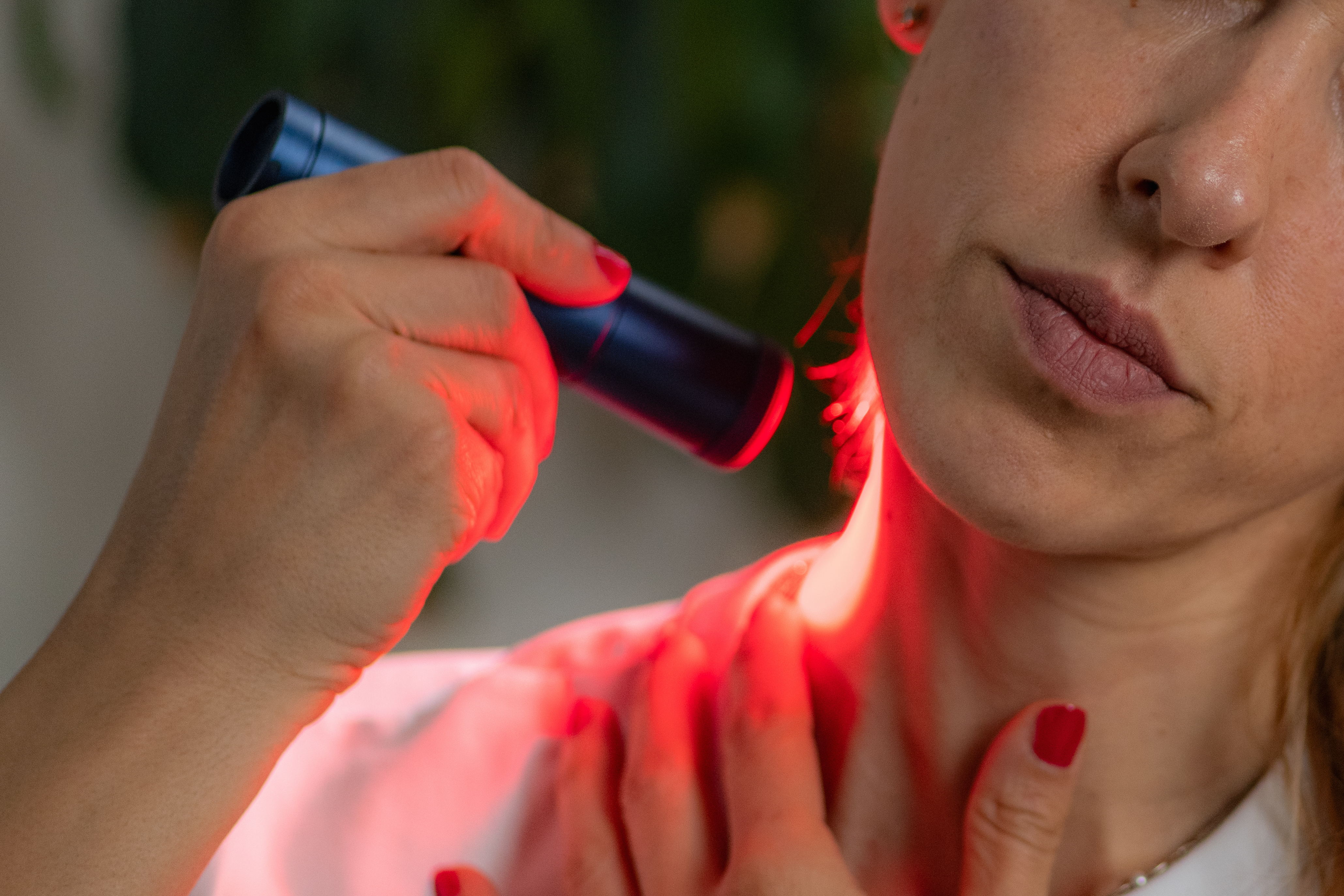
This therapy can be a valuable tool in your rehabilitation journey. Let's see how it addresses common conditions and enhances recovery in Port Credit and Mississauga.
Addressing Knee Osteoarthritis and Neck Pain
Cold Laser therapy has shown promise in treating knee osteoarthritis and neck pain. By reducing inflammation and promoting healing, it helps improve joint function. This can lead to increased mobility and reduced pain, allowing you to engage in daily activities with ease. It's an effective, non-invasive option for managing these conditions.
Tendinopathy and Post-Surgical Healing
Tendinopathy and post-surgical recovery can be challenging. Cold Laser therapy supports healing by enhancing tissue repair. This accelerates recovery, allowing you to regain strength faster. By incorporating this therapy into your rehabilitation plan, you can experience a quicker return to normal activities.
Integrated Care in Port Credit and Mississauga
At MyHealth Care Centre, we integrate this therapy with other treatments. This holistic approach addresses all aspects of your health.
Whether you're recovering from an injury or managing a chronic condition, our collaborative care model ensures comprehensive support. This integrated approach helps you achieve your wellness goals more effectively.
In conclusion, cold laser therapy stands out as a safe and effective treatment option for a wide range of health conditions. By adhering to the latest evidence-based practices, it can be confidently incorporated into rehabilitation journeys throughout Port Credit and Mississauga.
Cold Laser therapy