
Stretching isn’t always the answer when pain or stiffness keeps holding you back. If you’re running the Port Credit Waterfront Trail or sailing at the yacht club, and your aches don’t ease, it’s time to look deeper. Knowing the signs that stretching alone won’t cut it helps you take control. This guide reveals 9 clear signals you need a fuller recovery plan with Port Credit physiotherapy to get moving with confidence again. [https://experiencelife.lifetime.life/article/5-signs-you-may-need-a-recovery-day/]
Signs Stretching Isn’t Enough
Recognising when stretching is not enough can set you on the path to a full recovery. Here’s what to watch for.
Recurring Pain After Activities
Feeling pain after your usual activities can be frustrating. It’s a clear sign that stretching alone isn’t solving the problem. You might notice aches after your morning run or an evening walk. If this pain keeps coming back, it’s time to consider a more comprehensive approach.
Ignoring this pain can lead to further issues. A physiotherapy assessment in Port Credit can help identify what’s really going on. Treatments like manual therapy or tailored exercises might be needed to address the root cause.
Morning Stiffness Lingers
Morning stiffness that doesn’t ease with stretching is another red flag. You might feel like your joints are rusted shut after a night’s rest. If this stiffness lasts longer than an hour, stretching alone won’t cut it.
This type of stiffness often indicates deeper issues, like inflammation or joint problems. Addressing the underlying cause with professional help can bring relief and improve your daily life. A combination of therapies, including massage and chiropractic care, might be just what you need.
Strength Loss and Fatigue
Losing strength or feeling constantly fatigued despite regular stretching is another sign. These issues can signal more than just a lack of stretching. You might notice you can’t lift as much or feel unusually tired after simple tasks.
Addressing these symptoms often requires a deeper look at your overall health. A physiotherapy clinic in Mississauga can provide a comprehensive assessment to figure out what’s going on. By integrating different therapies, you can regain your strength and energy.
Building a Fuller Recovery Plan
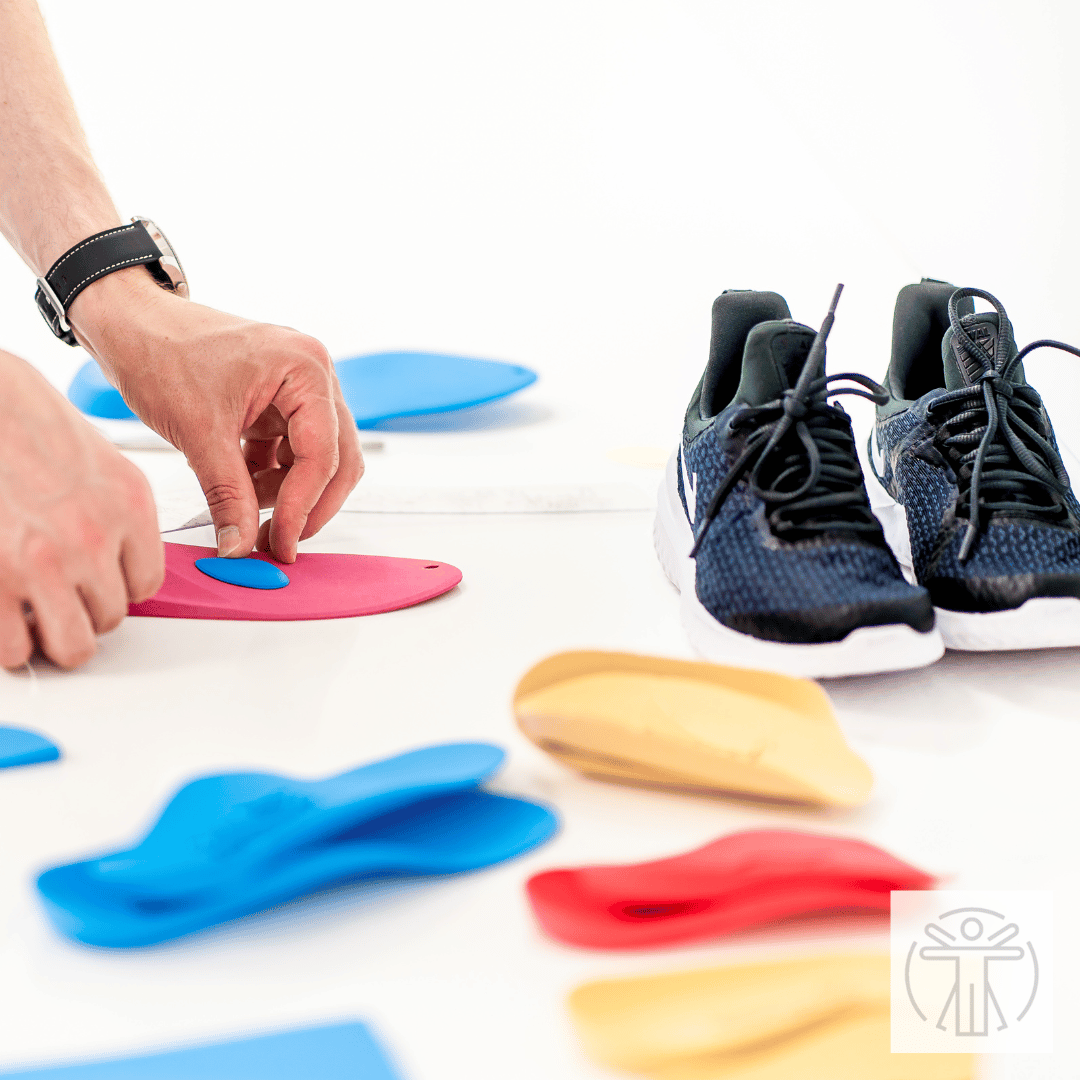
A thorough recovery plan involves more than just stretching. It requires a comprehensive approach that targets the root causes of your discomfort.
Comprehensive Assessment and Therapy
A detailed assessment is the first step towards recovery. It helps identify the specific issues causing your pain or discomfort. This might include examining your posture, movement patterns, and lifestyle habits.
Once the assessment is complete, a personalised therapy plan can be developed. This plan could include various treatments, like cold laser therapy or acupuncture in Port Credit. By addressing the root causes, you can enjoy lasting relief.
Progressive Exercise and Load Management
An effective recovery plan includes progressive exercises tailored to your needs. These exercises help build strength and mobility over time. It’s important to start slowly and gradually increase the intensity.
Load management is also crucial. This involves balancing your activity levels to avoid overloading your body. A physiotherapist can guide you through this process, ensuring you’re building strength safely and effectively.
Soft-Tissue Therapy and Acupuncture
Soft-tissue therapy, such as massage, can relieve tension and improve circulation. This therapy is often paired with acupuncture to address pain and promote healing. Together, they form a powerful duo that supports recovery.
These treatments can also enhance flexibility and mobility. By including therapies like fascial stretch therapy in Port Credit, you can achieve better results and a more complete recovery.
Local Activities and Recovery Strategies

Port Credit offers plenty of activities that can complement your recovery plan. Here are some strategies to help you stay active while recovering.
Running on the Waterfront Trail
Running is a popular activity in Port Credit. It’s great for cardio health, but it can also strain your joints and muscles. Incorporating regular physiotherapy sessions can help manage running injuries and keep you on track.
Consider working with a physiotherapist to develop a running plan that includes proper warm-ups and cooldowns. This strategy can reduce the risk of injury and enhance your performance.
Sailing Shoulder Care at PCYC
Sailing demands a lot from your shoulders. If you’re a sailor at the Port Credit Yacht Club, you need to ensure your shoulders are in top shape. Regular shoulder care, including exercises and therapy, can prevent common sailing-related injuries.
A tailored physiotherapy plan can help maintain shoulder health. It might include stretching, strengthening exercises, and treatments like acupuncture or registered massage therapy in Mississauga.
Winter Skating Preparation at Local Rinks
Winter skating is a favourite pastime in the area, but it can be hard on your knees and ankles. Preparing for the skating season with specific exercises can make a big difference.
Strengthening exercises and stretching routines are essential for skating. A physiotherapist can design a programme that helps you build the necessary strength and flexibility for a safe and enjoyable winter skating experience.
Frequently Asked Questions
How can physiotherapy help with recurring pain?
Physiotherapy can identify the root cause of recurring pain through a comprehensive assessment. Treatments may include manual therapy, exercises, and other modalities that address underlying issues for long-term relief.
Why does morning stiffness indicate a deeper issue?
Morning stiffness that lingers might suggest joint problems or inflammation. It indicates that the body’s natural recovery processes aren’t enough, and a more targeted approach is needed for improvement.
What are the benefits of soft-tissue therapy?
Soft-tissue therapy helps to release muscle tension and improve circulation. It can alleviate pain, increase flexibility, and enhance overall mobility, making it a valuable part of a recovery plan.
When should I consider an integrated recovery plan?
If stretching doesn’t alleviate your pain or if symptoms persist, it’s time to consider an integrated recovery plan. This approach addresses multiple aspects of your health and promotes comprehensive healing.
What local activities are safe to do while recovering?
Activities like running, sailing, and skating are possible with the right preparation. Working with a physiotherapist can ensure you approach these activities safely by incorporating proper exercises and therapies into your routine.