
Many active Port Credit locals push their summer limits without realising they’re setting themselves up for injury. Running the Waterfront Trail or cycling along Lakeshore can feel great—until pain or niggles slow you down. In this post, you’ll get clear summer injury prevention tips and smart fixes to keep you moving strong all season. Let’s tackle those mistakes before they turn into setbacks with expert guidance from your Port Credit physiotherapy team. Learn more here.
Common Summer Injury Mistakes

Summer is a fantastic time to get active, but it can also bring some unexpected setbacks. Let’s explore common mistakes that might be slowing you down.
Overdoing Mileage After Winter
It’s exciting to hit the trails again when the weather warms up. Yet, many folks make the mistake of jumping back into high mileage too soon. Your body needs time to adjust after a sedentary winter.
Pushing your limits too quickly can lead to stress fractures or tendonitis. It’s important to listen to your body and increase your mileage gradually. Most runners should only increase their weekly mileage by about 10% to avoid injuries.
Skipping Warm-Ups Before Runs
A quick start might feel efficient, but skipping warm-ups can be risky. Warming up prepares your muscles and joints for the workout ahead, reducing the chance of strains.
A good warm-up doesn’t have to be lengthy. Try a simple routine: five minutes of brisk walking or light jogging, followed by dynamic stretches. This helps increase your heart rate and flexibility, setting you up for a successful run.
Poor Footwear on Lakeside Walks
Strolling along the lakeside is a joy, but improper footwear can lead to foot and ankle problems. Flip-flops and unsupportive shoes might seem comfy but can cause pain over time.
Choose shoes with good arch support and cushioning. They provide the stability your feet need. Investing in proper footwear is key to avoiding discomfort and keeping you active all summer long.
Simple Fixes for Summer Injuries

Now that we’ve looked at the mistakes, it’s time to focus on practical solutions. With the right strategies, you can stay active and injury-free.
Smart Load Progressions
Building endurance is important, but it should be done wisely. Gradual load progression ensures your body adapts without strain. Consistency is key.
Start with manageable workouts and slowly increase intensity. Track your progress and rest when needed. A steady build-up prevents overuse injuries, keeping you on track.
Mobility and Activation Drills
Enhancing your mobility can make a significant difference. Incorporate activation drills into your routine to engage the right muscles before any activity.
Try exercises like leg swings or arm circles. These drills prepare your muscles for action, improving performance and reducing the risk of injury. Adding five minutes of drills to your routine can have a big impact.
Hydration and Heat Strategies
Summer heat can be intense, and staying hydrated is crucial for performance. Dehydration affects your endurance and can lead to heat-related illnesses.
Drink water before, during, and after your activities. On particularly hot days, consider adding an electrolyte drink to replenish lost minerals. Recognising the signs of heat exhaustion, such as dizziness or headaches, can help you take action before it becomes serious.
Integrated Care for Faster Recovery

When injuries do occur, a quick recovery is essential. Integrated care can help you get back on your feet sooner.
Collaborative Treatment Plans
MyHealth Care Centre provides a collaborative approach. By combining different therapies, we address all aspects of recovery. This ensures a comprehensive treatment plan that speeds up healing.
Our team of experts works together to tailor a plan specific to your needs, reducing recovery time and improving outcomes.
Targeted Therapy Options
Specific injuries require targeted solutions. Our clinic offers a range of therapies to address various conditions, from sports massages to acupuncture for pain.
Each therapy targets different aspects of your health, providing a holistic approach to recovery. This targeted care ensures you get the best possible results.
Empowering Home Exercises
Recovery doesn’t stop at the clinic doors. Home exercises play a vital role in maintaining progress. Our team provides simple exercises you can do at home to support your rehab journey.
These exercises help strengthen affected areas, prevent future injuries, and empower you in your recovery. Taking charge of your health has never been easier.
To sum it up, summer is the perfect time to stay active, but it’s crucial to avoid common pitfalls. By recognising mistakes, implementing simple fixes, and embracing integrated care, you can enjoy a healthy, injury-free season. Remember, the key is to listen to your body and take a proactive approach to your well-being.
The summer injury mistakes Port Credit locals make without realising — and how to avoid them
Summer feels like freedom, but it hides some sneaky injury traps that catch even the most active Port Credit locals off guard. Skipping warm-ups or pushing too hard on the Waterfront Trail can land you with running injuries or shoulder strain without warning. In this post, you’ll spot these common mistakes and learn simple ways to stay pain-free all season long with support from your trusted Port Credit physiotherapy team. Find more tips on summer injury prevention here.
Common Summer Injury Mistakes

Summer’s warmth often lures us outdoors, but it can also lead to unexpected injuries if we’re not careful. Recognising these common mistakes can keep you moving smoothly.
Skipping Warm-ups and Cool-downs
Skipping warm-ups is like setting off on a journey without a map. Your body needs time to prepare for physical activity. A good warm-up increases blood flow, improves flexibility, and reduces the chance of injury. Spend at least 10 minutes warming up before any activity. This could be a brisk walk or dynamic stretches. Equally important is cooling down after exercise. It helps your body transition back to rest, preventing muscle stiffness and soreness. Simple stretches can help here.
Wearing Inappropriate Footwear
Footwear matters. Running in the wrong shoes can lead to foot pain or even plantar fasciitis. It’s essential to choose shoes that fit well and support your activity type. For runners, shoes with good cushioning and arch support are crucial. Check your shoes regularly for wear and tear. Worn-out shoes can cause alignment issues, leading to injuries. Consider investing in custom orthotics for a perfect fit if you have specific foot concerns.
Ignoring Early Signs of Pain
You might think a little pain is harmless, but ignoring it can lead to bigger issues. Pain is your body’s way of telling you something’s wrong. If you feel discomfort, take a break. Rest can prevent minor issues from becoming major injuries. Ice and elevation can help reduce swelling. If pain persists, consulting a professional like a Mississauga physiotherapist is wise. They can assess and address the problem before it worsens.
Prevention Tips for Active Lifestyles

Staying active is vital, but without the right precautions, you might face setbacks. Here are practical tips for maintaining a healthy, active lifestyle.
Importance of Graduated Loading
Your body needs time to adjust to new challenges. Graduated loading involves gradually increasing the intensity of your workouts. Start slow and increase by no more than 10% each week. This prevents overuse injuries. Whether you’re lifting weights or increasing your running distance, patience is key. Your muscles and joints will thank you.
Staying Hydrated and Fuelled
Hydration is not just about drinking water; it’s about keeping your body functioning well. Dehydration can lead to fatigue or even heat exhaustion. Drink water before, during, and after activities. Eat a balanced diet to fuel your body. Carbs give you energy, while proteins help repair muscles. Proper nutrition supports your body’s recovery and performance.
Practising Proper Technique
Good technique is the foundation of injury prevention. Whether running, cycling, or lifting weights, form matters. Taking time to learn proper techniques can save you from injuries like tennis elbow or golf swing pain. Working with a coach or trainer can help ensure you’re using correct form. Small adjustments can make a big difference in your overall performance and safety.
Integrated Care for Injury Recovery
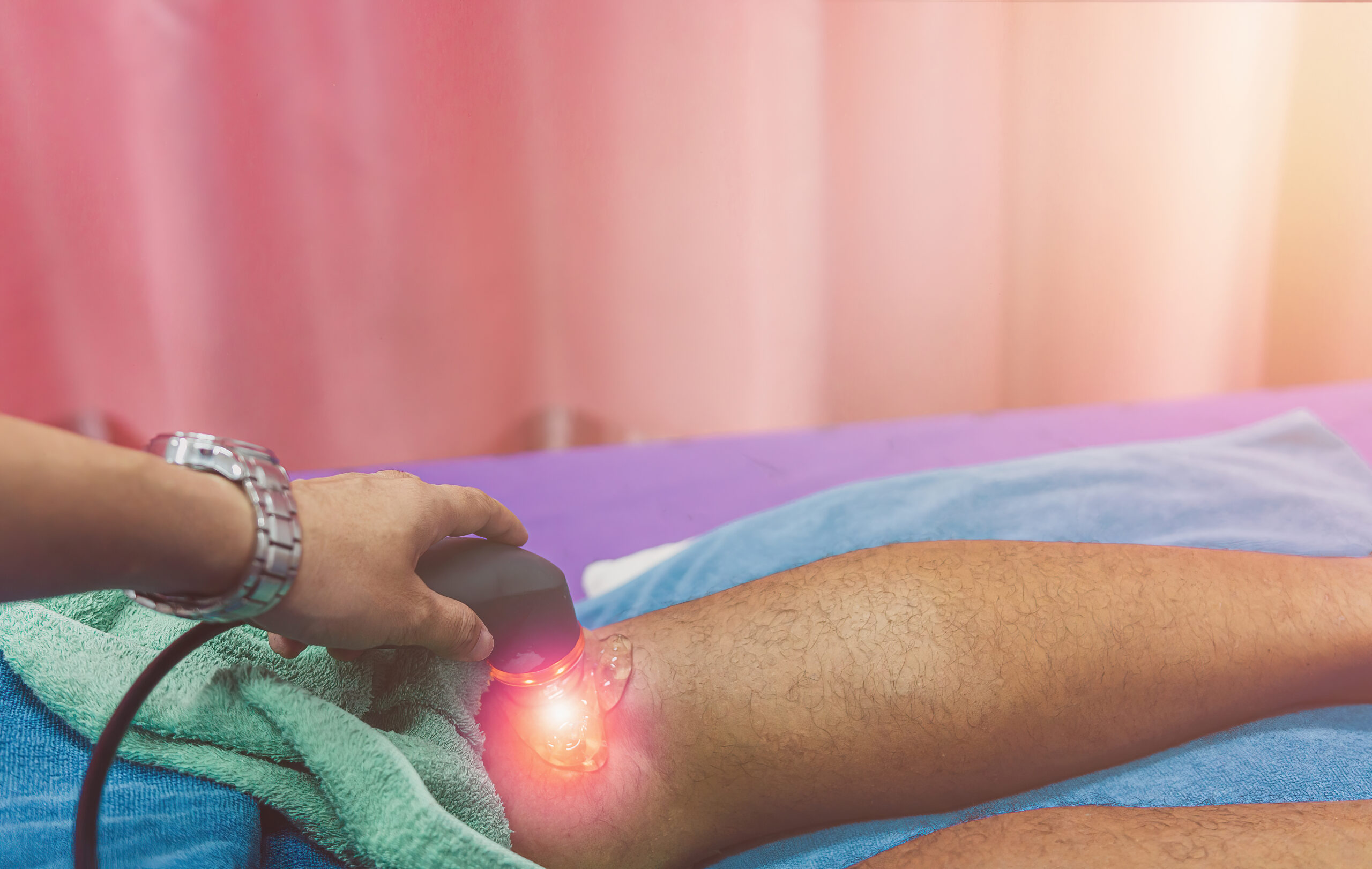
When injuries do occur, knowing how to recover efficiently is crucial. Integrated care offers a comprehensive approach to healing.
Benefits of Physiotherapy and Chiropractic
Physiotherapy and chiropractic care work wonders for recovery. They help restore movement and reduce pain. Port Credit physiotherapy focuses on exercises and techniques to improve mobility. Chiropractic care, on the other hand, aligns your spine and relieves pressure. Together, they promote healing and prevent future problems.
Role of Massage and Acupuncture
Massage therapy relaxes muscles and enhances circulation, aiding recovery. Registered massage therapy in Port Credit can relieve tension and improve flexibility. Acupuncture, a holistic approach, reduces pain and inflammation. It stimulates the body’s natural healing process. Both therapies complement each other, providing a well-rounded recovery plan.
Custom Orthotics and Compression Socks
Sometimes, you need extra support. Custom orthotics in Mississauga provide stability and correct foot mechanics. They can improve posture and reduce strain on your body. Medical compression socks enhance circulation and reduce swelling, especially after long days on your feet. These simple tools can make a significant difference in your recovery journey.
In summary, avoiding common mistakes and following prevention tips is key to a safe and active summer. Integrated care can aid recovery when injuries occur, helping you stay active and pain-free. Remember, the longer you wait to address issues, the more challenging they become. Stay proactive and enjoy your activities to the fullest.