
Post-workout aches can feel like a badge of honour—or a warning sign you shouldn’t ignore. Knowing the difference between typical DOMS (delayed onset muscle soreness) and a genuine injury can save your recovery time and prevent setbacks. In this guide, you’ll learn what normal soreness looks like, which pain signals need attention, and when to seek expert care at MyHealth Care Centre in Port Credit. Keep moving smart, not just hard. Learn more about the difference between soreness and injury here.
Understanding Post-Workout Soreness
Feeling sore after a workout is common, but how do you know if it’s just regular soreness or something more serious? Let’s break it down.
What is DOMS?
DOMS, or delayed onset muscle soreness, often kicks in a day or two after you’ve exercised. It’s a typical response to new or intense physical activity. You might feel stiffness, tenderness, or a dull ache. This sensation can last from 3 to 5 days. DOMS is your muscles adapting and building strength. Find out more about DOMS here.
If you’ve started a new workout routine or pushed harder than usual, you may notice this kind of soreness. It’s a normal part of getting stronger. On the other hand, if the pain becomes sharp or lasts longer, it might be time to consider if something else is going on.
Muscle Soreness vs Injury
Knowing whether you’re dealing with simple soreness or an injury can be tricky. Soreness is generally felt across the muscle area and improves with gentle movement. Injuries, however, can cause sharp pain and might swell, bruise, or restrict movement. Learn about how to differentiate between soreness and pain.
If you feel a sudden, intense pain, stop and assess the situation. Did you hear a pop or snap? Is the pain worsening with rest? These might be signs of an injury and could require professional attention.
Common Causes of Workout Pain
There are many reasons you might feel pain after exercising. Overexertion, improper form, or not warming up properly can all lead to discomfort. Even something as simple as wearing the wrong shoes can cause issues.
Ensure you’re using the correct techniques and wearing appropriate gear. If something feels off, listen to your body. Your body is your best guide, and understanding its signals can keep you safe and healthy.
Self-Care Strategies for Recovery
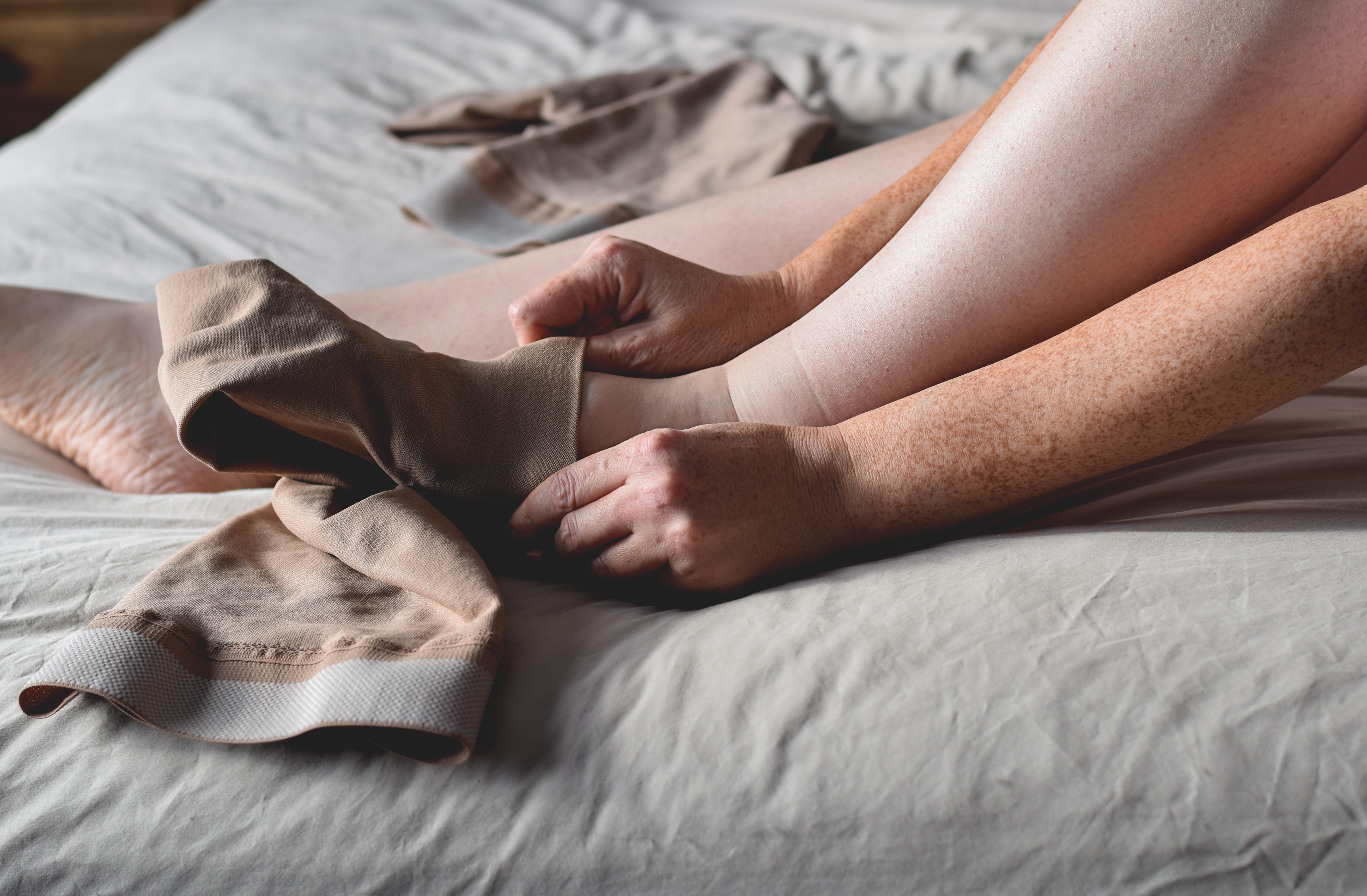
Taking care of your body after a workout is essential for recovery. Here’s how you can support your body’s healing process.
Home Remedies for Relief
Simple remedies can offer relief from typical soreness. Rest is key; give your muscles time to recover. Ice packs can reduce swelling, while a warm bath may help relax tight muscles. Gentle stretching can also ease stiffness and enhance mobility. Try foam rolling to massage the muscles gently.
Drinking plenty of water helps flush out toxins that can build up during exercise. Stay hydrated to aid recovery. If your soreness is mild, these strategies should help you feel better soon.
When to See a Physio
So, when should you seek professional help? If your pain doesn’t ease with home care, it might be time to consult a physiotherapist. Persistent or worsening pain, swelling, or loss of movement can indicate an injury needing expert attention.
A physio can assess your condition, guide you through tailored exercises, and speed up your recovery. They use techniques that promote healing and prevent future injuries. Knowing when to seek help can make all the difference in a fast recovery. Explore how physiotherapy can assist.
Benefits of Integrated Care
Combining therapies can enhance your recovery. At MyHealth Care Centre, we offer physiotherapy, massage, and chiropractic care under one roof. This integrated approach ensures comprehensive treatment tailored to your needs.
By addressing different aspects of your health, integrated care speeds up recovery and prevents future issues. You gain a well-rounded treatment plan that tackles the root cause of your pain. This synergy between therapies can be a game-changer in your recovery journey.
Recognising Red Flags
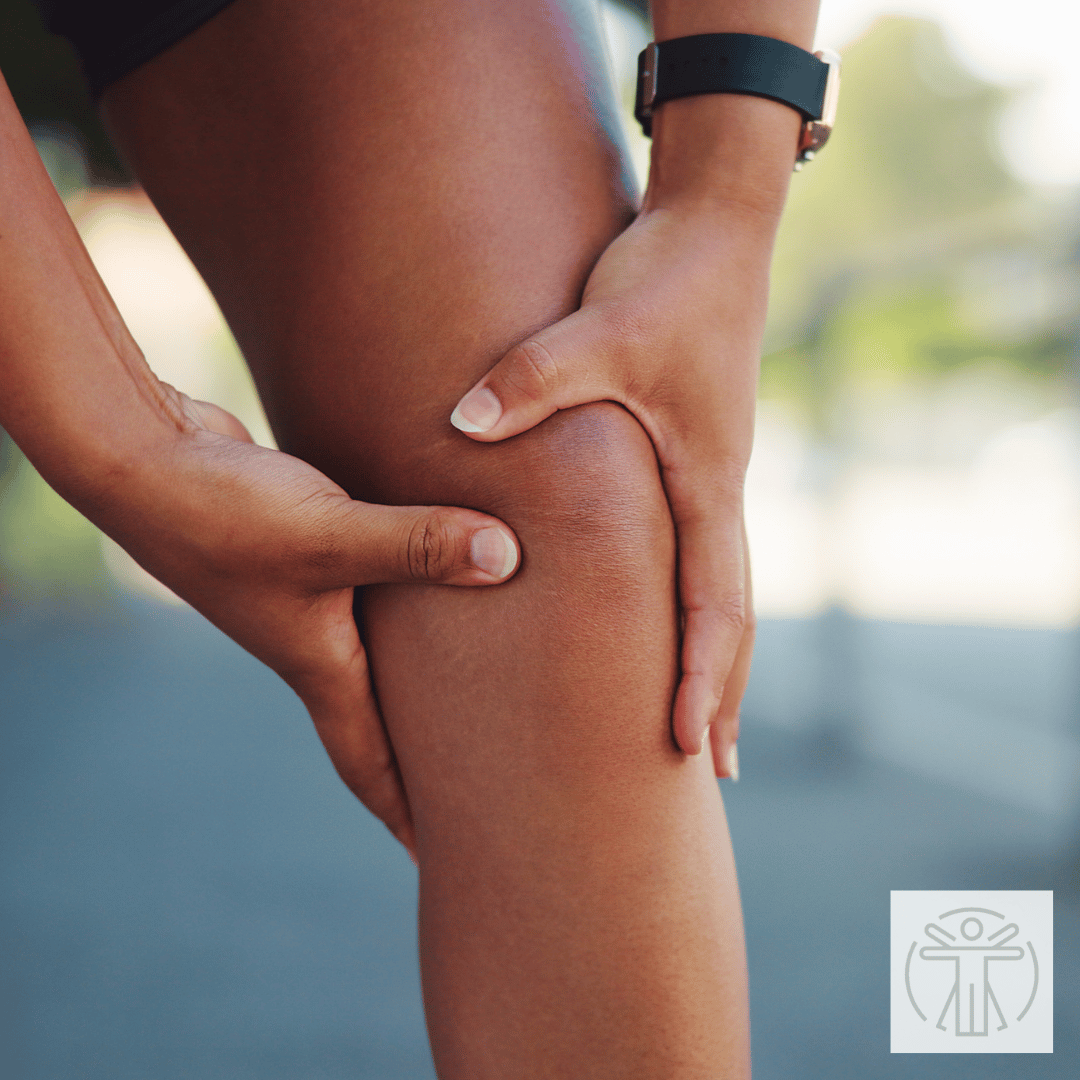
It’s crucial to identify when pain signifies a deeper problem. Let’s look at some warning signs you shouldn’t ignore.
Post-Workout Pain Red Flags
Certain signals suggest you need immediate attention. Sharp, stabbing pain, swelling, or bruising are all red flags. If your pain disrupts your daily activities or keeps you up at night, it’s time for a professional evaluation.
Ignoring these signs can lead to more severe problems. Pay attention to your body’s signals and act promptly. The longer you wait, the more challenging recovery can be. Read more on pain red flags and when to seek help.
Running Injuries on the Waterfront Trail
Running is excellent for fitness, but it can also lead to injuries. The Waterfront Trail is a beautiful place to run, but uneven surfaces and overuse can cause strains or sprains. Common injuries include shin splints, Achilles tendonitis, and runner’s knee.
Wear supportive footwear, warm up properly, and listen to your body. If you experience persistent pain, consider seeing a professional. They can assess your form and help prevent future injuries.
Sailing Injuries at Port Credit Yacht Club
Sailing offers a blend of relaxation and physical activity but comes with its own set of risks. Common injuries include strains from maneuvering sails or falls on wet surfaces. Always use the correct techniques and wear a life jacket for safety.
If you experience pain after sailing, it might be a good idea to consult a healthcare provider. Addressing minor issues early can prevent them from becoming significant problems.
By understanding your body’s signals and taking proactive steps, you can enjoy your workouts and activities safely. Remember, your health is your most valuable asset.