
Knee pain can stop you in your tracks, whether you’re hitting the Waterfront Trail or clocking long hours at your desk. If you’ve been nursing aches from runner’s knee, meniscus strains, or stubborn osteoarthritis flare-ups, relief is within reach. Our knee pain physiotherapy in Port Credit combines hands-on care and tailored exercises to restore your strength, ease discomfort, and keep you moving confidently. Let’s explore how a personalised plan can get you back to the activities you love. Learn more about physiotherapy here.
Understanding Knee Pain
Knee pain can stem from various issues that can hinder your daily activities. Knowing the underlying causes and when to seek help is crucial for effective relief and recovery.
Common Causes of Knee Pain
Knee pain can have multiple causes. One common reason is overuse, leading to conditions like runner’s knee or patellofemoral pain. This often affects those who enjoy running, cycling, or hiking. Injuries such as meniscus tears or ligament strains, like ACL or MCL injuries, are also prevalent, especially among sports enthusiasts. Osteoarthritis is another frequent culprit, causing pain and stiffness due to wear and tear over time. Understanding these causes helps in addressing the root of your knee discomfort effectively.
When to Seek Physiotherapy Help
Recognising when to seek professional help can be a game-changer in managing knee pain. If you experience persistent pain that limits your daily activities, it might be time to consult a physiotherapist. Early intervention can prevent further damage and promote quicker recovery. A physiotherapist will assess your condition, identify the cause, and develop a personalised treatment plan to address your specific needs. Don’t wait for the pain to control your life; take proactive steps towards recovery.
Physiotherapy Approaches in Port Credit
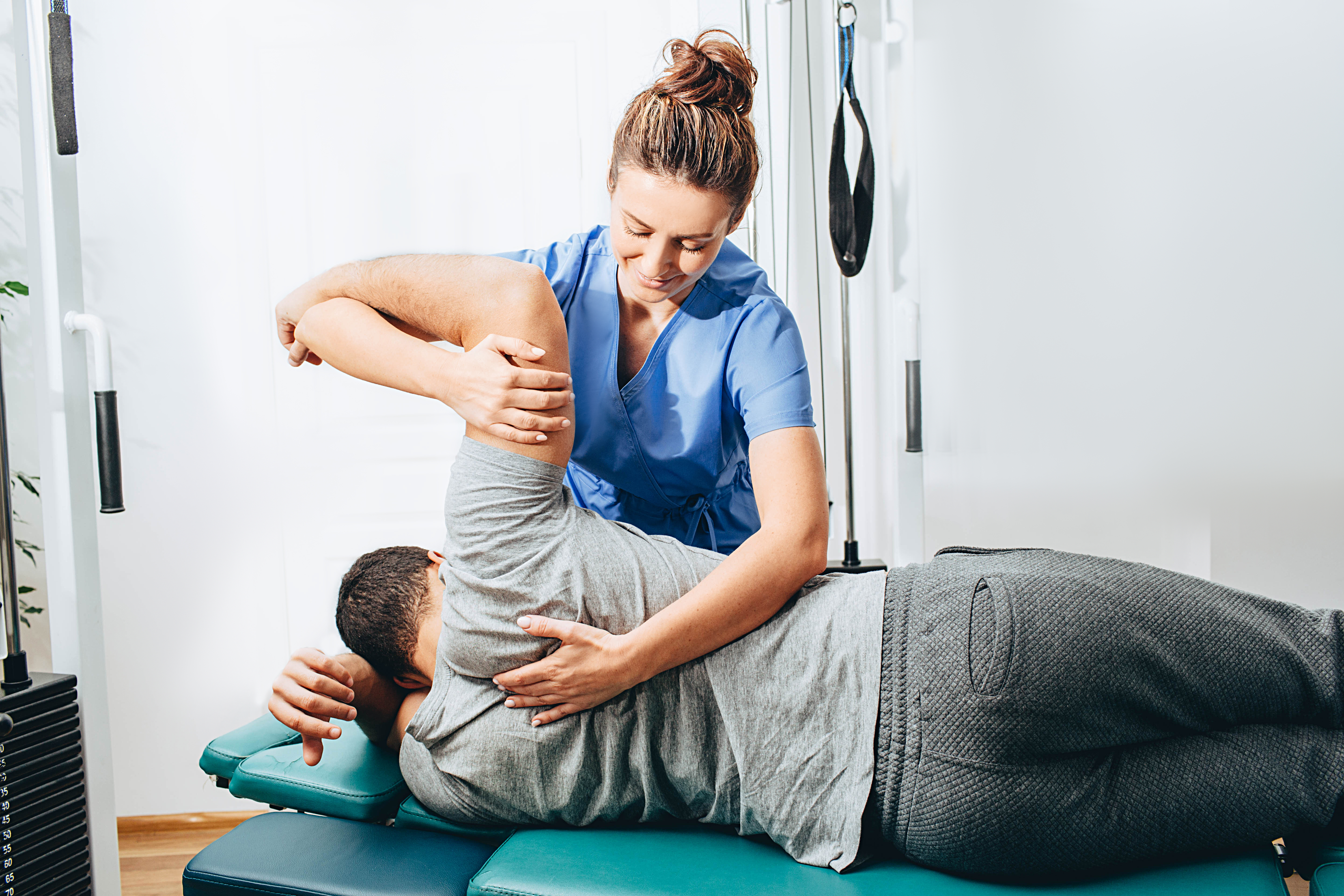
In Port Credit, physiotherapy offers a comprehensive approach to knee pain, focusing on integrated recovery and personalised care plans designed to fit your unique needs.
Integrated Knee Recovery Programme
Our integrated knee recovery programme combines multiple therapies to address knee pain comprehensively. This approach includes manual therapy, exercise routines, and possibly cold laser therapy, which can accelerate healing. By improving joint mobility and strengthening muscles around the knee, the programme aims to restore your function and reduce pain. This method not only targets symptoms but also corrects underlying dysfunctions such as poor posture or gait issues, leading to long-term benefits.
Personalised Care Plans for Your Needs
One-size-fits-all solutions rarely work for knee pain. Our physiotherapists in Port Credit create customised care plans tailored to your condition and lifestyle. After a thorough assessment, a plan might include a mix of exercises, manual mobilisation, and other therapies like cryotherapy or acupuncture. This tailored approach ensures that your specific issues are targeted, facilitating a more effective recovery and helping you return to your daily activities with confidence.
Staying Active and Pain-Free
Staying active is essential for overall health, but doing so without aggravating knee pain requires some strategy. Here are tips to keep you moving safely.
Tips for Injury Prevention on the Waterfront Trail
Enjoying the Waterfront Trail should be pain-free. To prevent knee injuries, ensure you wear supportive footwear, which can be enhanced with custom orthotics if needed. Warming up before and cooling down after your workout can help prepare your muscles and prevent strains. Incorporate exercises that strengthen your leg muscles, particularly the quadriceps and hamstrings, to support your knees better. Regular physiotherapy check-ins can also help you maintain proper form and function.
Training Smart for Mississauga Half Marathon
Training for the Mississauga Half Marathon requires a smart approach to avoid knee injuries. Gradually increase your running distance to build endurance without overstraining your knees. Cross-training activities such as cycling or swimming can enhance your fitness while reducing the impact on your joints. Regular gait analysis can help identify any imbalances or improper techniques that might lead to injury. By following these strategies, you can train effectively and safely.
Frequently Asked Questions
What are common symptoms of knee problems?
Common symptoms include pain, swelling, stiffness, and difficulty bending the knee. You might also experience a popping sensation or instability.
How does physiotherapy help with knee pain?
Physiotherapy helps by strengthening muscles, improving mobility, and correcting movement patterns. This holistic approach targets the root cause of pain rather than just the symptoms.
Is it necessary to stop exercising if I have knee pain?
Not necessarily. It’s important to modify your activities rather than stop altogether. A physiotherapist can guide you on safe exercises that won’t exacerbate your condition.
How long does recovery from knee pain take?
Recovery time varies depending on the cause and severity of the injury. Some people may see improvement in a few weeks, while others might require several months of therapy.
Can knee pain be prevented?
Yes, maintaining a healthy weight, staying active, and strengthening your leg muscles can help prevent knee pain. Regular physiotherapy assessments can also identify and address potential issues early.
By understanding and addressing knee pain through physiotherapy, you can continue to engage in the activities you love, stay active, and live pain-free.