
Stay active this winter in Port Credit: prevent and treat common injuries
Winter in Port Credit brings fresh air and outdoor fun—but it also brings a rise in winter activity injuries. Whether you’re skating at the local rink, shovelling snow, or hitting the trails for a run, aches and strains can easily slow you down. In this post, you’ll learn how to spot common issues and practical ways to protect yourself, plus how our team at MyHealth Care Centre helps you recover quickly and safely. For more information on preventing winter sports injuries, visit this link.
Table of Contents
Common Winter Injuries
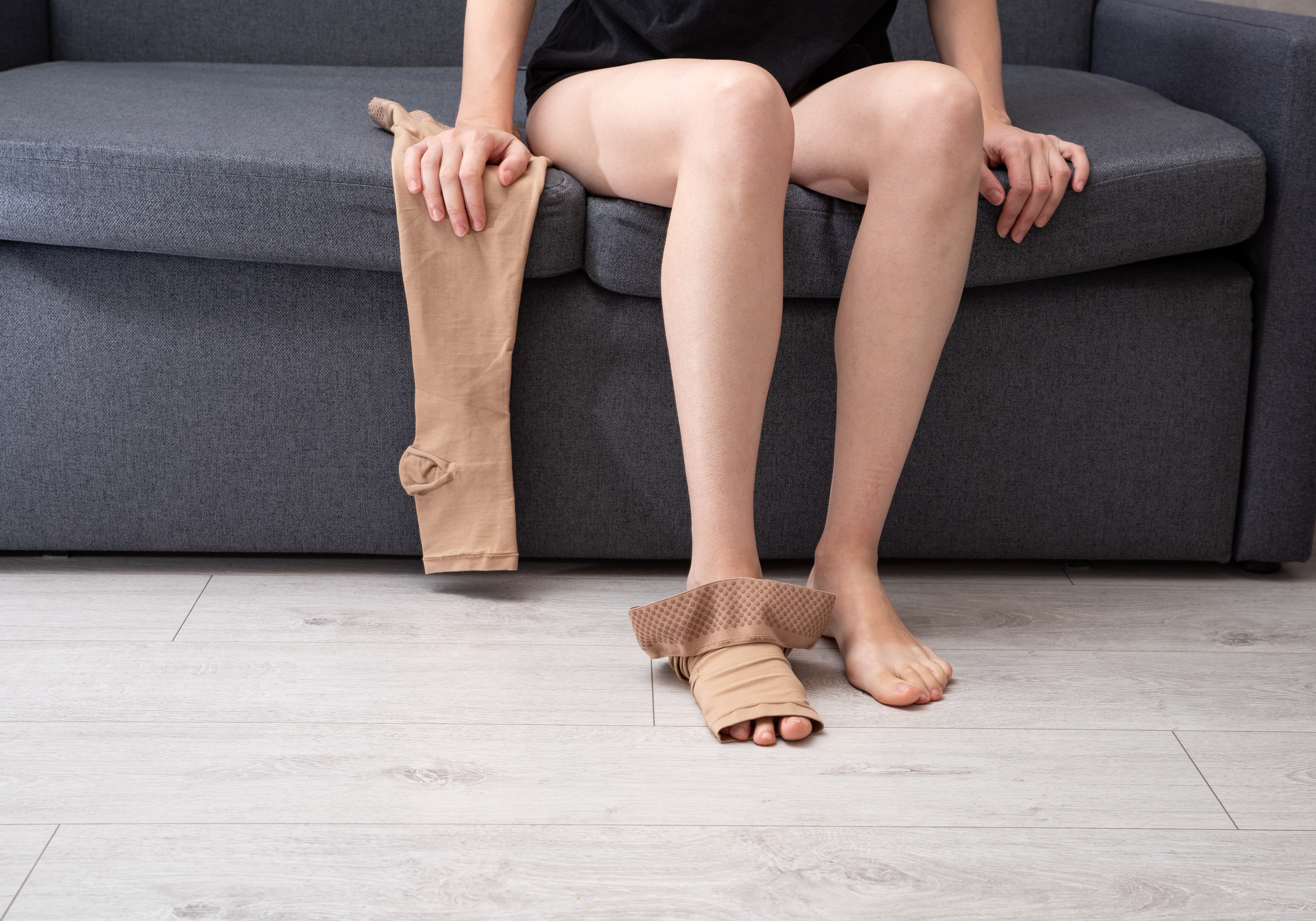
Winter activities are thrilling, yet they come with their own set of risks. Understanding these common injuries helps you enjoy the season while staying safe. Let's dive into the potential hazards of popular winter activities.
Skating and Hockey Hazards
Skating and hockey can be exhilarating, but they often lead to falls and collisions. These mishaps can result in sprains, fractures, and shoulder injuries. For instance, a sudden fall on the ice may cause a wrist fracture. Moreover, hockey players are prone to shoulder injuries due to frequent body contact. Wearing protective gear is vital. Ensure your skates fit well to provide stability and reduce fall risks. If you're new to skating, consider lessons to improve your skills. This proactive approach not only enhances your enjoyment but also minimizes injury risks.
Snow Shovelling Back Pain
Shovelling snow is a tough job that can cause back pain. The repetitive motion of lifting heavy snow puts stress on your back and shoulders. Often, improper technique leads to strains or even disc injuries. To protect yourself, use an ergonomic shovel and bend your knees, not your back, when lifting. Try to push the snow instead of lifting it when possible. Regular breaks are crucial to avoid fatigue, which increases the chances of injury. By shovelling smartly, you maintain a healthy back throughout the winter.
Winter Running and Walking Strains
Running and walking in winter can be refreshing, but icy surfaces present a challenge. Ankle sprains and knee strains are common when you lose your footing. To prevent this, wear shoes with good traction and consider using ice grips. Warm up indoors before heading out to prepare your muscles for the cold. Be mindful of your pace and avoid areas that appear slippery. Consistent exercise keeps you fit, but staying safe ensures you continue these activities without setbacks.
Prevention Strategies
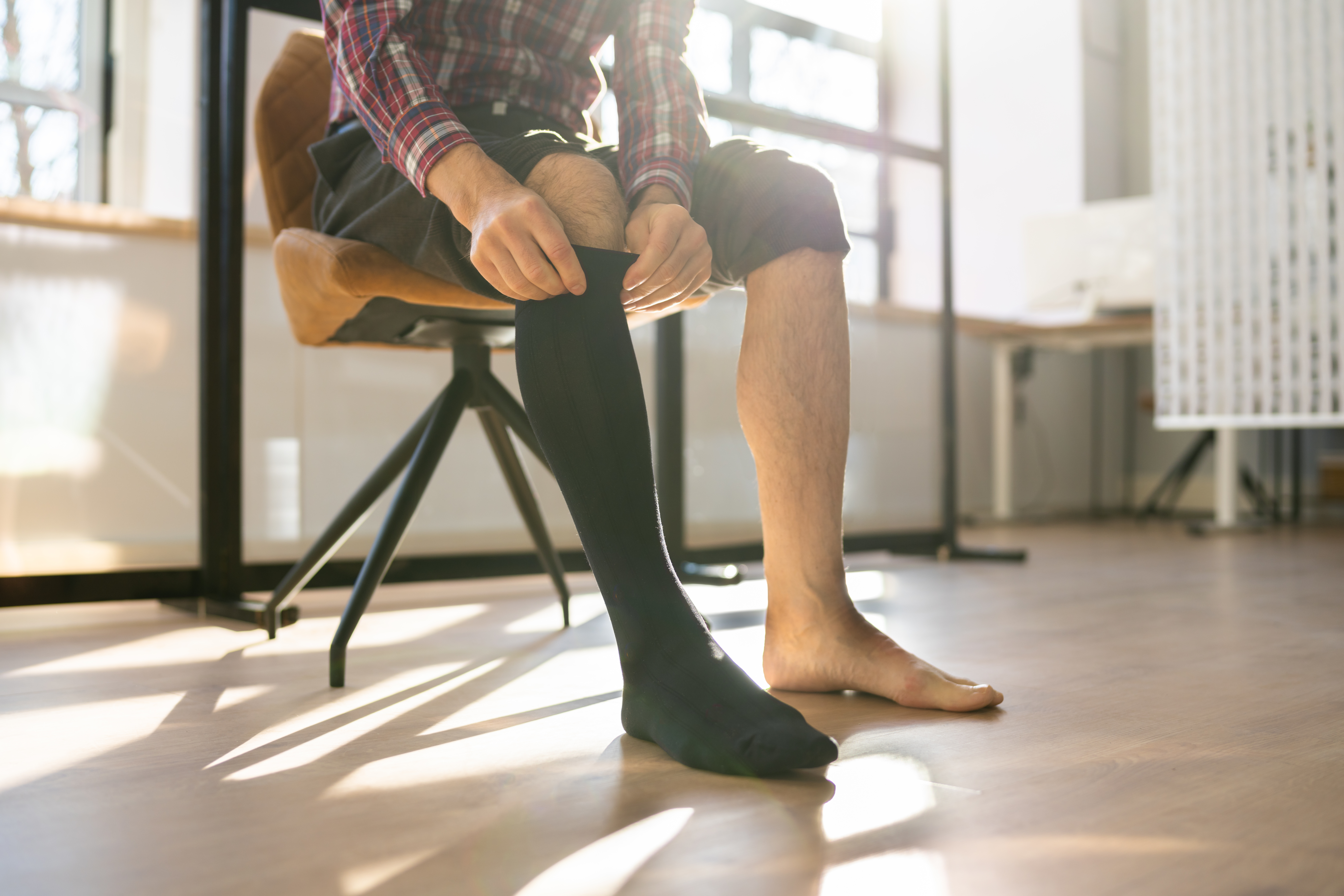
Understanding how to prevent these injuries makes winter activities more enjoyable and less risky. Here, we'll explore practical measures for staying safe.
Smart Warm-Ups and Balance Drills
Start with a warm-up to prepare your body. This can be as simple as jogging in place or doing jumping jacks for five minutes. Balance drills are also beneficial. Stand on one leg for 30 seconds, then switch. These exercises improve stability and prevent falls. Incorporate them into your routine to build strength and coordination. Regular practice ensures you're ready for any winter sport, reducing injury risks.
Footwear and Orthotic Advice
Choosing the right footwear is crucial for winter activities. Shoes with good grip prevent slips. If you have specific foot issues, custom orthotics can provide additional support. They align your feet properly, reducing strain on your joints. Visit a specialist to get orthotics tailored to your needs. With the right footwear, you can enjoy outdoor activities without worrying about injuries.
Proper Shovelling Techniques
To avoid back pain while shovelling, use the right technique. Keep your back straight and use your legs to lift. Avoid twisting your body when throwing snow aside. Instead, turn your whole body. Alternate sides to distribute the load evenly. Following these steps protects your back and makes the task easier. Remember, safety is more important than speed when clearing snow.
Swift Recovery Solutions
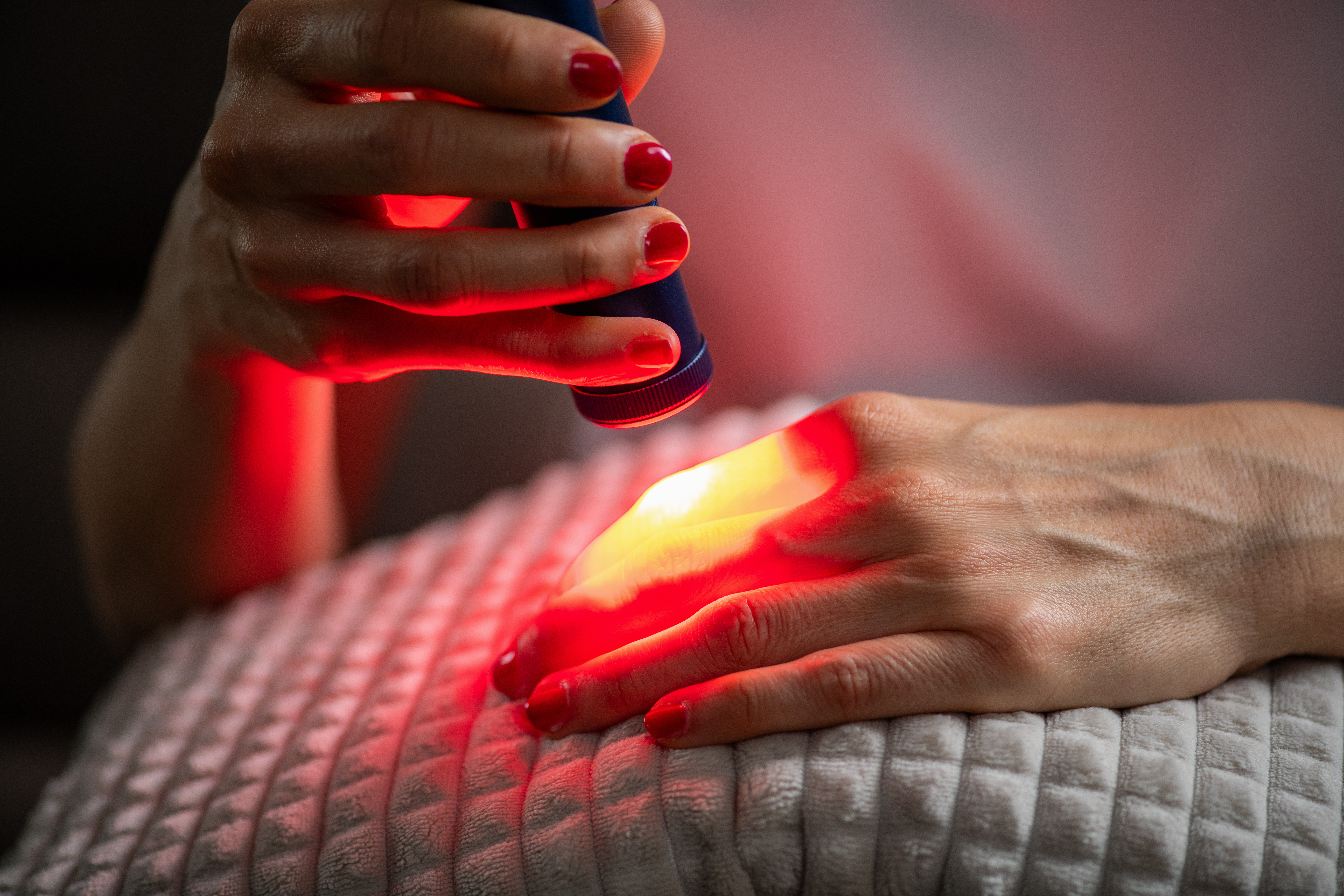
When injuries do occur, knowing how to recover swiftly is key. Let's explore effective recovery methods that get you back on your feet quickly.
Physiotherapy and Chiropractic Care
Physiotherapy can speed up recovery by improving mobility and strength. For instance, gentle exercises prescribed by a therapist help heal injuries. Chiropractic care focuses on spinal health, aiding issues like back pain and neck stiffness. Both therapies are non-invasive and effective. Seeking professional help ensures your recovery is in expert hands, minimizing downtime.
Massage and Acupuncture Benefits
Massage therapy relieves muscle tension and promotes relaxation. It also enhances blood flow, which speeds up healing. Acupuncture is another option. It targets pain points, offering relief from chronic pain and improving overall well-being. These therapies complement each other well. Incorporating them into your recovery plan ensures a well-rounded approach to healing, helping you return to your activities sooner.
Cold Laser and Cryotherapy Options
Cold laser therapy uses light to reduce pain and inflammation. It's non-invasive and can be tailored to various injuries. Cryotherapy, on the other hand, involves exposing the body to cold temperatures to reduce inflammation. Both are innovative options for managing pain. They offer quick relief, allowing you to resume your routine without delay. Explore these therapies to find the best fit for your recovery needs.
In conclusion, staying active during winter is enjoyable with the right precautions and recovery strategies. By understanding common injuries and implementing prevention measures, you can enjoy winter sports safely. And if injuries occur, MyHealth Care Centre is here to help with a range of therapies tailored to your needs. Stay safe, stay active, and make the most of the winter season in Port Credit!